Raya Heritage




1 Michelin Key · Mr & Mrs Smith Seal of Approval · Conde Nast Gold List
A Leading Hotels of the World member on the banks of the Ping River, Raya Heritage positions itself about twenty minutes north of central Chiang Mai as Thailand's first artisanal resort. Its 38 rooms are furnished with hand-woven textiles and locally commissioned artifacts, while the Khu Khao restaurant draws on the cooking traditions of the broader Mekong region. Rates start at $444 per night.

Pearl is the En Primeur Club membership app, where members save venues, book tables and use the concierge.
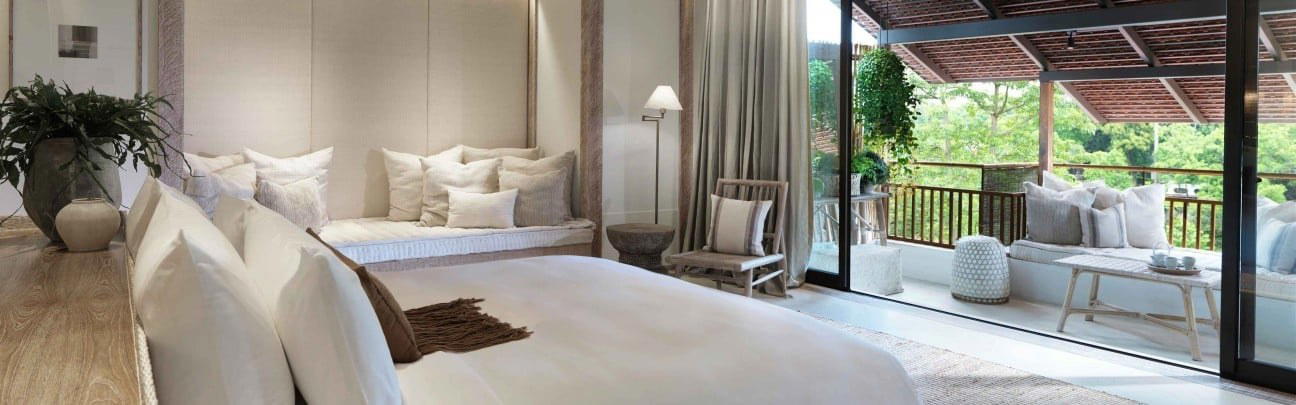
The road north from Chiang Mai's old city thins out quickly. Within twenty minutes, the density of temples and night markets gives way to garden walls, mango groves, and the wide, slow curve of the Ping River.
The Artisanal Resort as a Category
Thailand's premium hotel tier has long split between two dominant models: the international flag with a standardised luxury grammar, and the design-led boutique that sources its identity from local craft traditions. Raya Heritage belongs firmly to the second group, and has staked a specific claim within it as Thailand's first resort formally positioned around artisanal production. That positioning shapes every material decision on-site. Architect Boonlert Hemvijitraphan and designer Vichada Sitakalin were given a mandate to commission local craftspeople rather than source finishes from a regional fit-out catalogue, with the result that the interiors read as genuinely place-specific: hand-woven textiles, objects made within the region, and a material palette that tracks directly to Lanna craft heritage rather than approximating it.
The distinction matters because Chiang Mai's hotel market is dense with properties that borrow Lanna motifs decoratively without embedding them structurally. At properties like Rachamankha or 137 Pillars House, the historical and cultural framing is present but operates differently, closer to colonial-era reference than to active craft commissioning. The Four Seasons Resort Chiang Mai and Anantara Chiang Mai Resort operate within large international frameworks that leave less room for the kind of hyper-local production mandate Raya Heritage describes. The Aleenta Retreat Chiang Mai and AMANOR Hotel Chiang Mai offer their own takes on design-led boutique hospitality, but neither foregrounds artisanal sourcing in the same programmatic way.
Khu Khao and the Mekong Kitchen
Northern Thai cuisine is often flattened in tourist contexts into a handful of signature dishes: khao soi, sai oua, laab. The more interesting editorial point is that Chiang Mai sits at the intersection of several distinct food cultures. The foodways that resulted are porous and layered in ways that a purely Thai-restaurant framework tends to obscure.
Khu Khao, the signature restaurant at Raya Heritage, operates within this broader geographic logic. The menu draws on northern Thai cooking alongside the traditions of Myanmar, Laos, and Yunnan, treating the kitchen's sourcing territory as the Mekong subregion rather than a single national cuisine. For guests arriving with a narrow image of Thai food from Bangkok's tourist circuit, Khu Khao represents a meaningful recalibration. The wider Mekong region produces some of the most fermentation-forward, herb-dense, and chili-complex cooking in Southeast Asia, and a kitchen that treats that territory seriously is doing different work from one serving a greatest-hits regional menu.
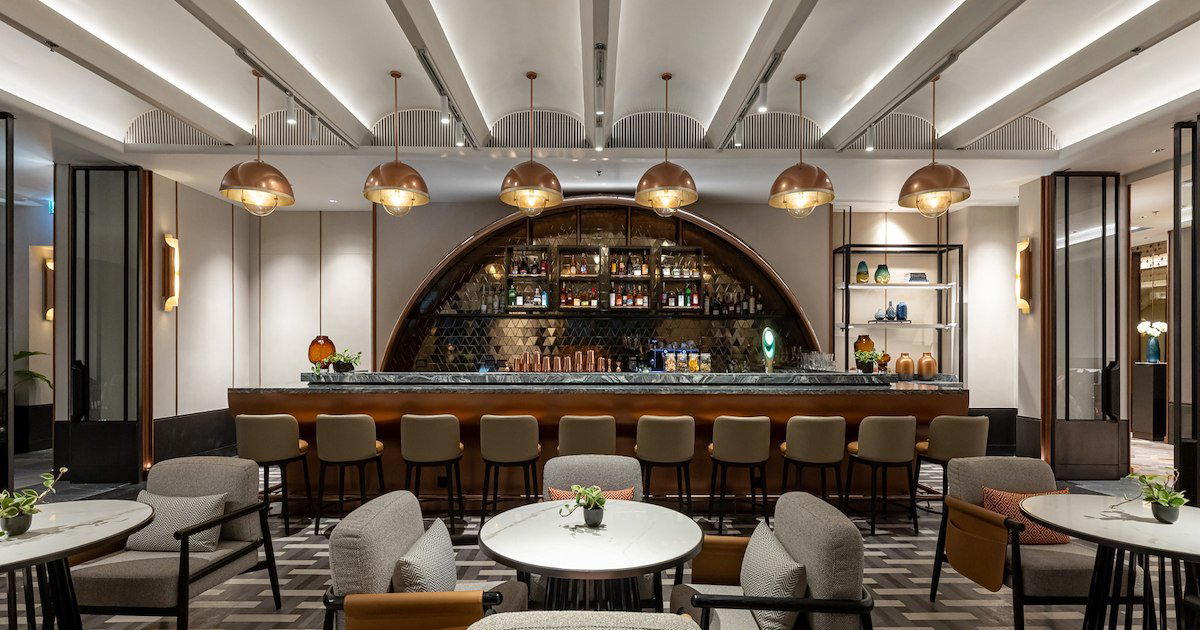
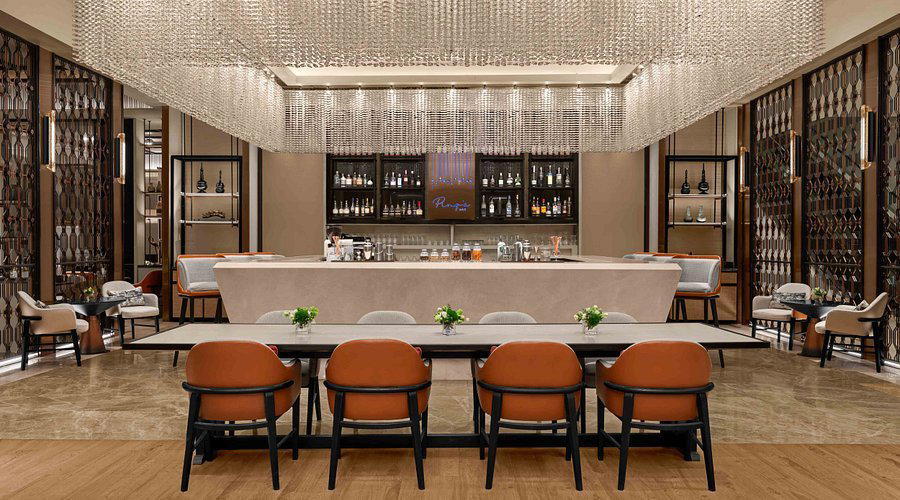
Beyond Khu Khao, the Laan Cha Tea Terrace provides a focused setting for northern Thai tea culture, a tradition that owes as much to Yunnan as it does to lowland Thailand, given the oolong and green tea production that runs through the hills of Chiang Rai and Mae Hong Son. The Baan Ta Lounge and Lawn functions as a more informal gathering space on the riverfront. Taken together, the food and beverage program is designed to unfold slowly across the day, which suits the property's pace and its distance from the city center.
Scale, Membership, and What 38 Rooms Signals
At 38 rooms, Raya Heritage operates at a scale that keeps the property from feeling like a managed experience rather than a place. Properties in this size bracket within the Leading Hotels of the World membership, which Raya Heritage holds as of 2025, tend to compete on atmosphere and specificity rather than on facilities breadth. Rates from $444 per night place it above the mid-market boutique tier in Chiang Mai and in rough alignment with the upper-design-led segment, below the full-service international flagships but priced to reflect the hand-made material proposition.
The Leading Hotels of the World affiliation is a meaningful trust signal here. For reference, the same collection includes properties like Mandarin Oriental Bangkok and Amanpuri in Phuket, which locates Raya Heritage within serious company, if at a different scale and price point.
The Ai Waan Spa and the Logic of Place
Thailand's spa offer is extensive enough that differentiation requires specific framing. The Ai Waan Spa at Raya Heritage applies what the property describes as a northern interpretation of Thai massage and treatment traditions. This is meaningful insofar as northern Thai massage styles have distinct characteristics, particularly in terms of pressure approach and traditional herbal usage, that differ from the central Thai techniques most international guests encounter first. Whether the spa's execution fully delivers on that regional specificity is a question that requires on-site verification, but the intent aligns with the property's broader logic of rootedness over generic luxury. Chiang Mai International Airport connects to major Thai hubs including Bangkok's Suvarnabhumi and Don Mueang airports, with additional regional connections. For guests arriving by air, the hotel's distance from the city means the Mae Rim location functions more like a resort stay than an urban hotel, which is the correct way to approach the booking decision. Those wanting immediate access to the old city's temples and markets should weigh that trade-off; those who prefer to use the city as an excursion from a quieter base will find the positioning appropriate.
Comparable options at different price and format points in Chiang Mai include the Chiang Mai Marriott Hotel and Le Méridien Chiang Mai for central urban positioning, and properties like Aleenta Retreat Chiang Mai for a retreat-format alternative. Across Thailand more broadly, the spectrum of premium positioning runs from Six Senses Yao Noi in Phang Nga and Phulay Bay in Krabi on the southern coasts to Anantara Golden Triangle in Chiang Rai in the north; Raya Heritage sits in a distinct northern tier defined more by cultural specificity than by natural landscape drama. For further context on Chiang Mai's hotel and dining scene, see our full Chiang Mai guide.
Style and Standing
Comparable venues nearby, for context on price, style, and recognition.
| Venue | Cuisine | Price | Awards | Notes |
|---|---|---|---|---|
| Raya HeritageThis venue (the venue you are viewing) | Contemporary Lanna heritage luxury resort | $200–300 | 1 Michelin Key · Mr & Mrs Smith Seal of Approval | Not listed |
| 137 Pillars House | Colonial teak homestead restored as a luxurious boutique residence | $300–500 | 2 Michelin Keys · La Liste Top Hotels | Mueang Chiang Mai |
| Aleenta Retreat Chiang Mai | Intimate boutique wellness retreat blending modern design with Lanna cultural heritage and sustainability. | Not listed | 1 Michelin Key · Travel + Leisure T+L 500 Hotels | Mueang Chiang Mai |
| AMANOR Hotel Chiang Mai | Modern luxury boutique hotel blending contemporary design with traditional Thai cultural elements and sixties-era glamour. | $100–200 | Michelin Selected · Small Luxury Hotels of the World Member | Mueang Chiang Mai |
| Siripanna Villa Resort & Spa, Chiang Mai | Lanna-inspired tropical resort | Not listed | Not listed | Mueang Chiang Mai |
| Veranda High Resort Chiang Mai - MGallery | Hillside luxury resort blending Thai heritage and contemporary architecture | $100–200 | Michelin Selected | Hang Dong |
Recognition history
Dated appearances from independent guides and award organizations, with the underlying list record or original source where available.
Michelin 1 Key
Michelin
Conde Nast Gold List
Conde Nast
Mr & Mrs Smith Seal of Approval
Mr & Mrs Smith
Leading Hotels of World Member
Leading Hotels of World
Full recognition history (5 entries)
Michelin 1 Key
Michelin
Continue exploring
More in Chiang Mai
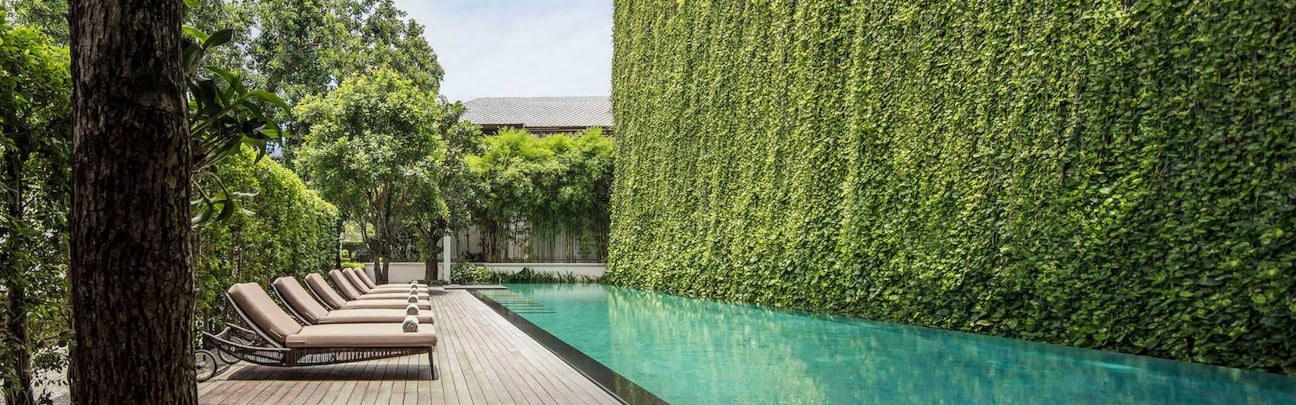
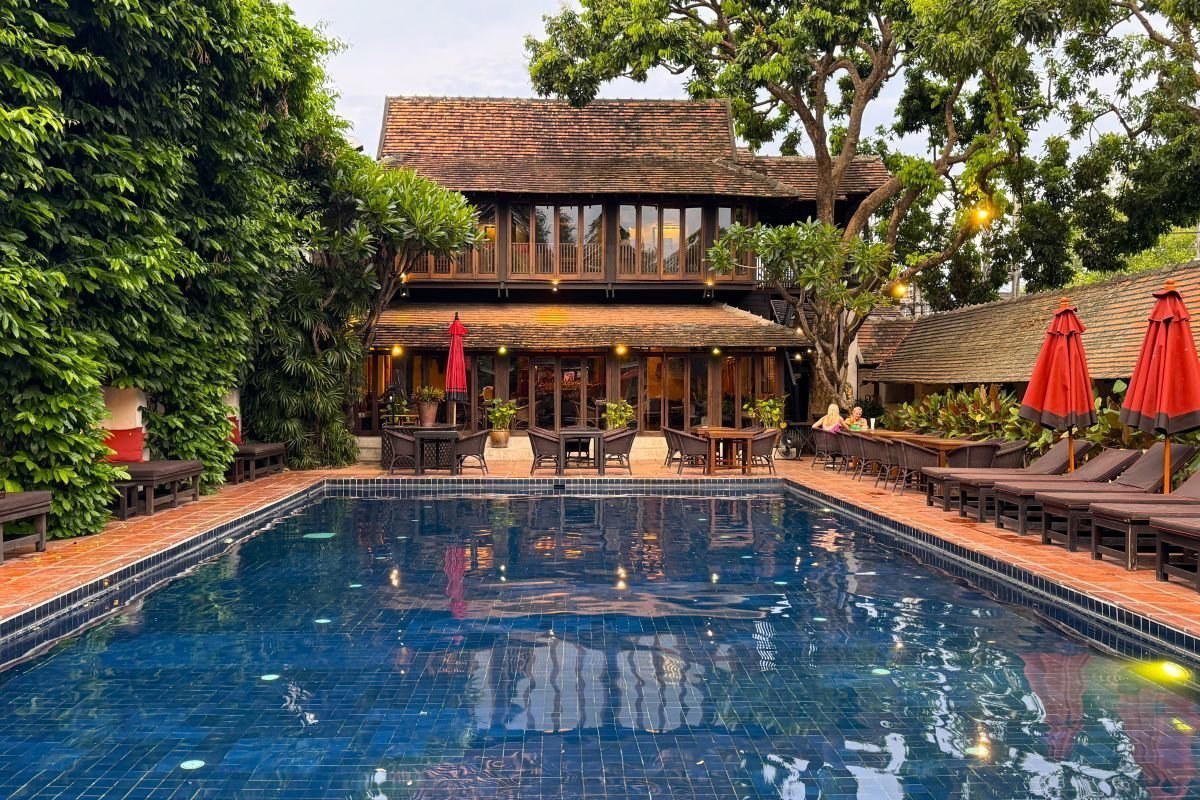
Hotels in Chiang Mai
All hotels in Chiang Mai →
Bars in Chiang Mai
All bars in Chiang Mai →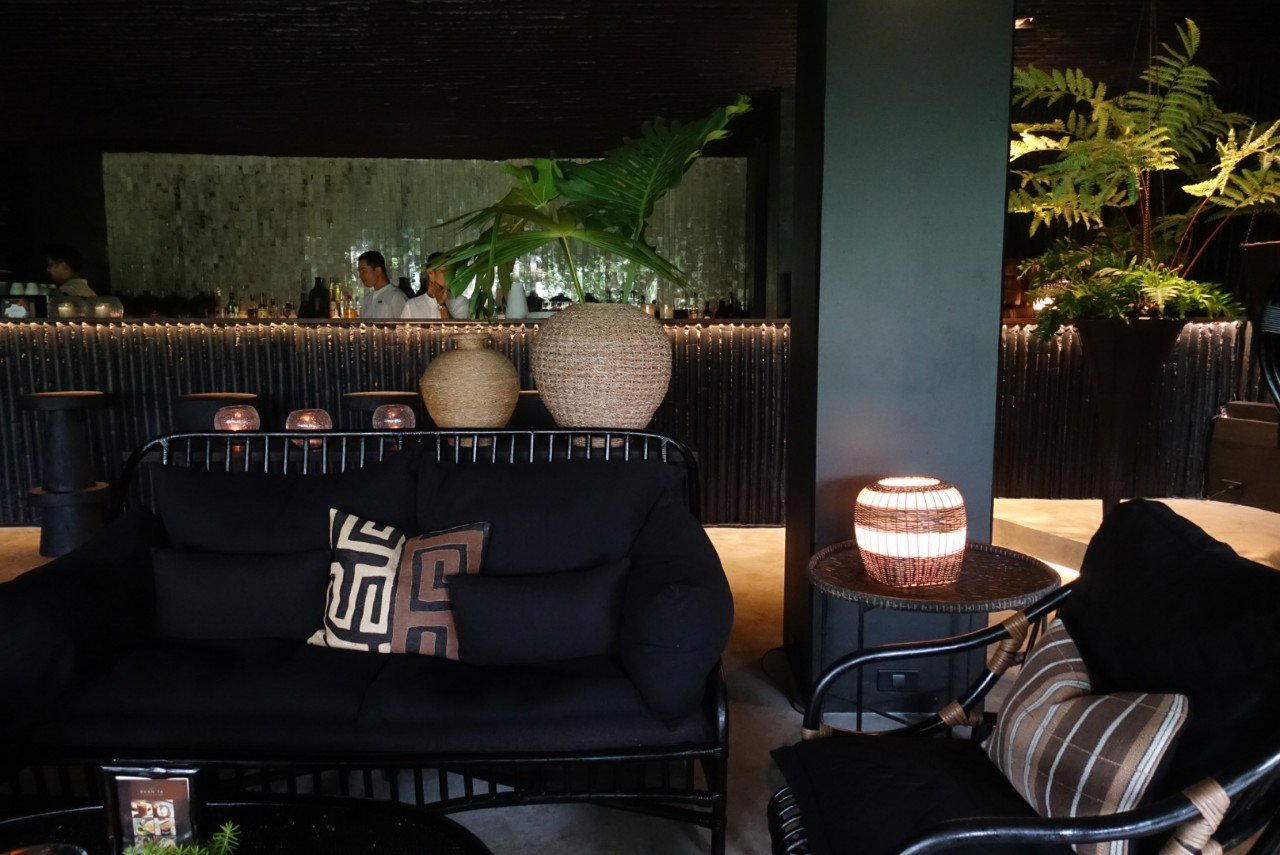
Details
- Quiet
- Elegant
- Scenic
- Cozy
- Sophisticated
- Romantic Getaway
- Wellness Retreat
- Anniversary
- Honeymoon
- Historic Building
- Garden
- Terrace
- Pool
- Spa
- Fitness Center
- Room Service
- Concierge
- Restaurant
- Wi Fi
- Free Parking
- Garden
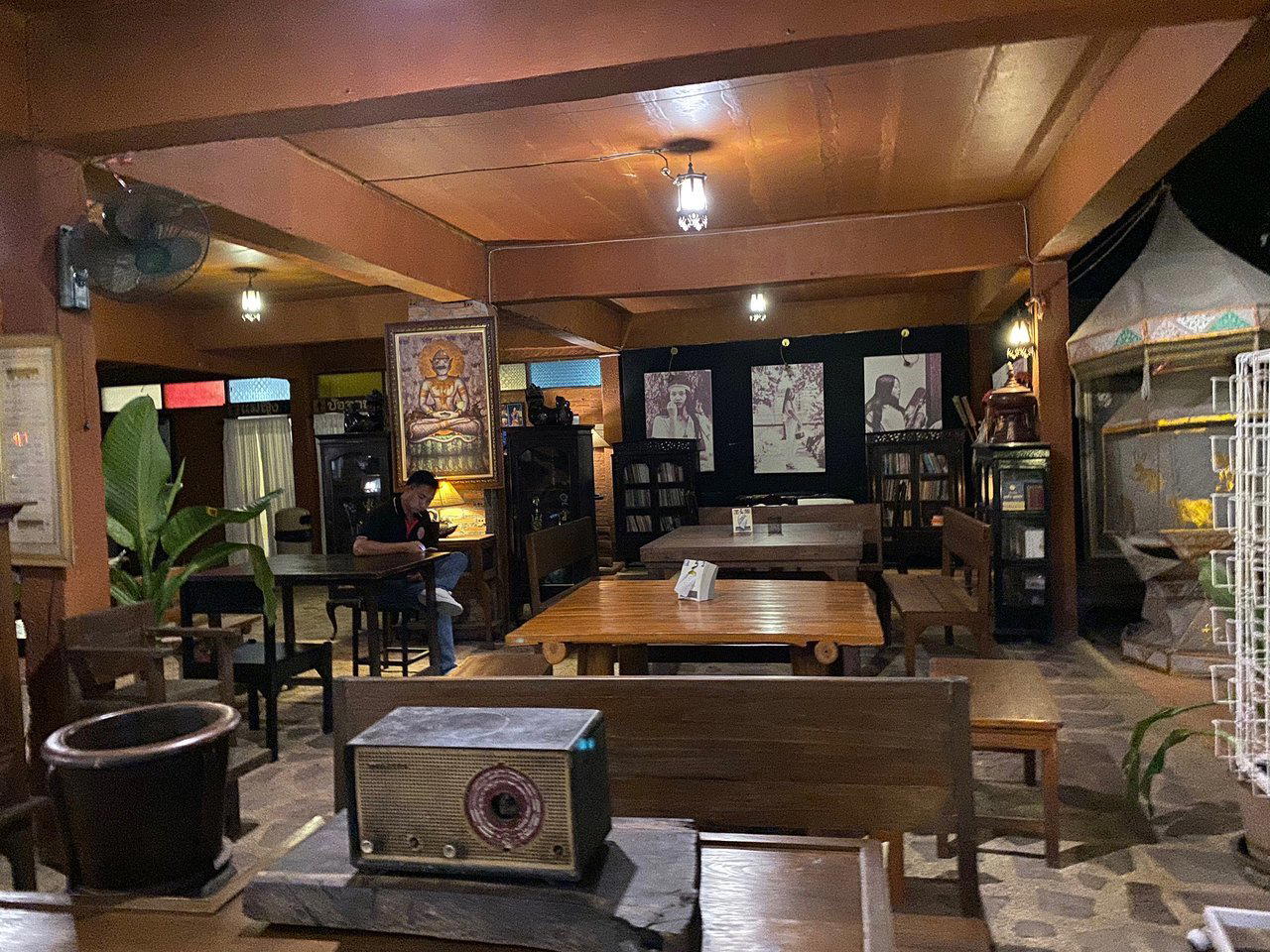
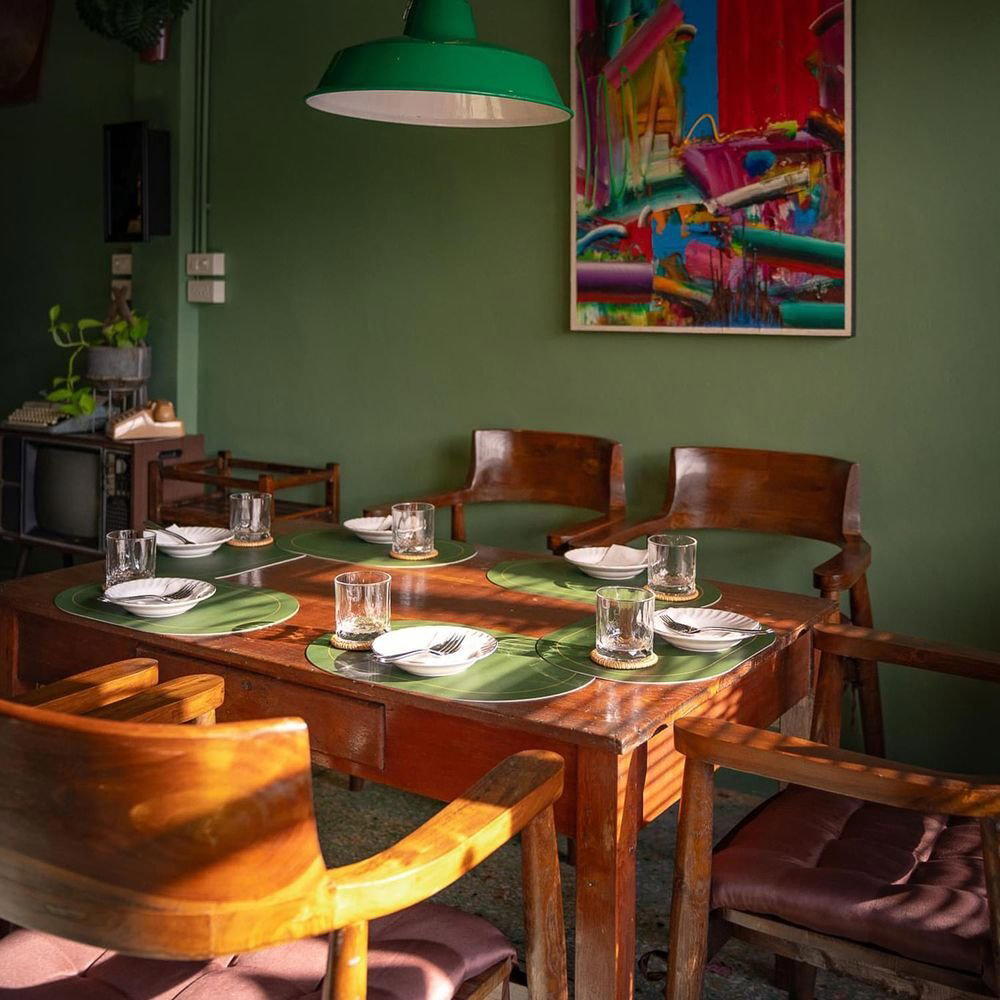
Serene and tranquil with warm lighting from handcrafted elements, lush gardens, and calming river views creating a peaceful oasis.