Tubtim-Krob J'Auan
Tubtim-Krob J'Auan occupies a place in Chiang Mai's northern Thai dining scene where the physical setting and the food share equal weight. Positioned alongside a cluster of neighbourhood restaurants serving the city's older culinary traditions, it draws repeat visitors looking for something closer to a considered meal than a quick stop. Confirm details directly before visiting, as contact information is limited.
Pearl is the En Primeur Club membership app — saves, bookings, and concierge access live there. Same editors, same standards.
- Address
- Chiang Mai, Thailand
- Directions
- Get directions
 Saves & bookings on Pearl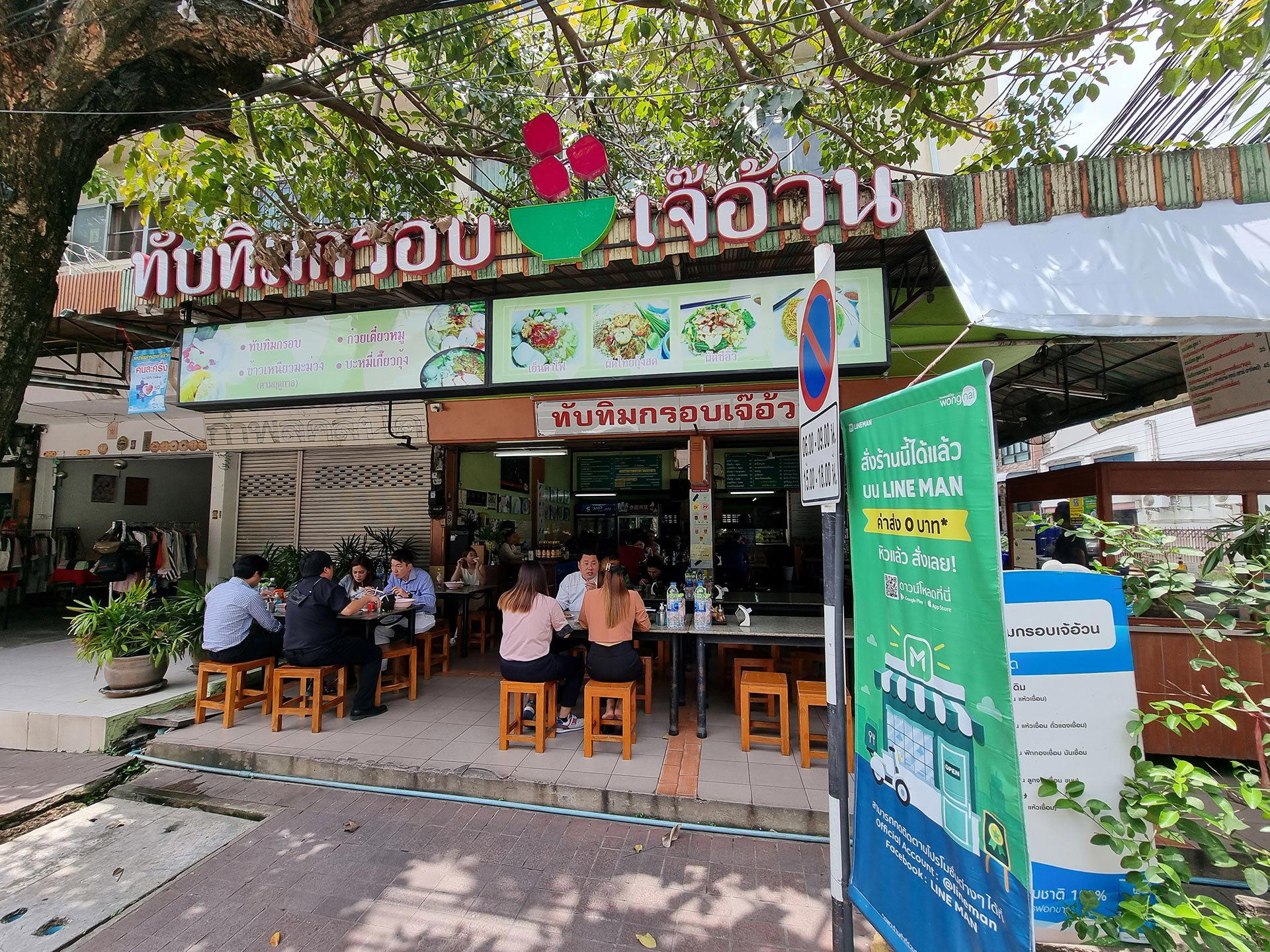
How Chiang Mai Shapes a Room Like This
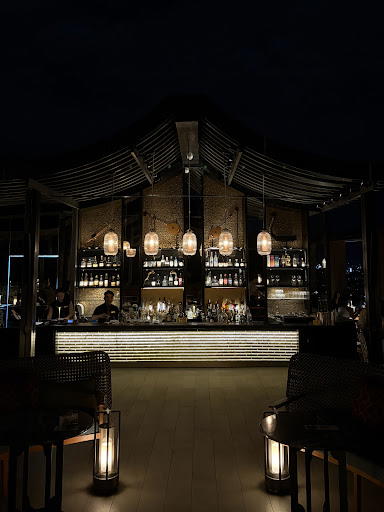
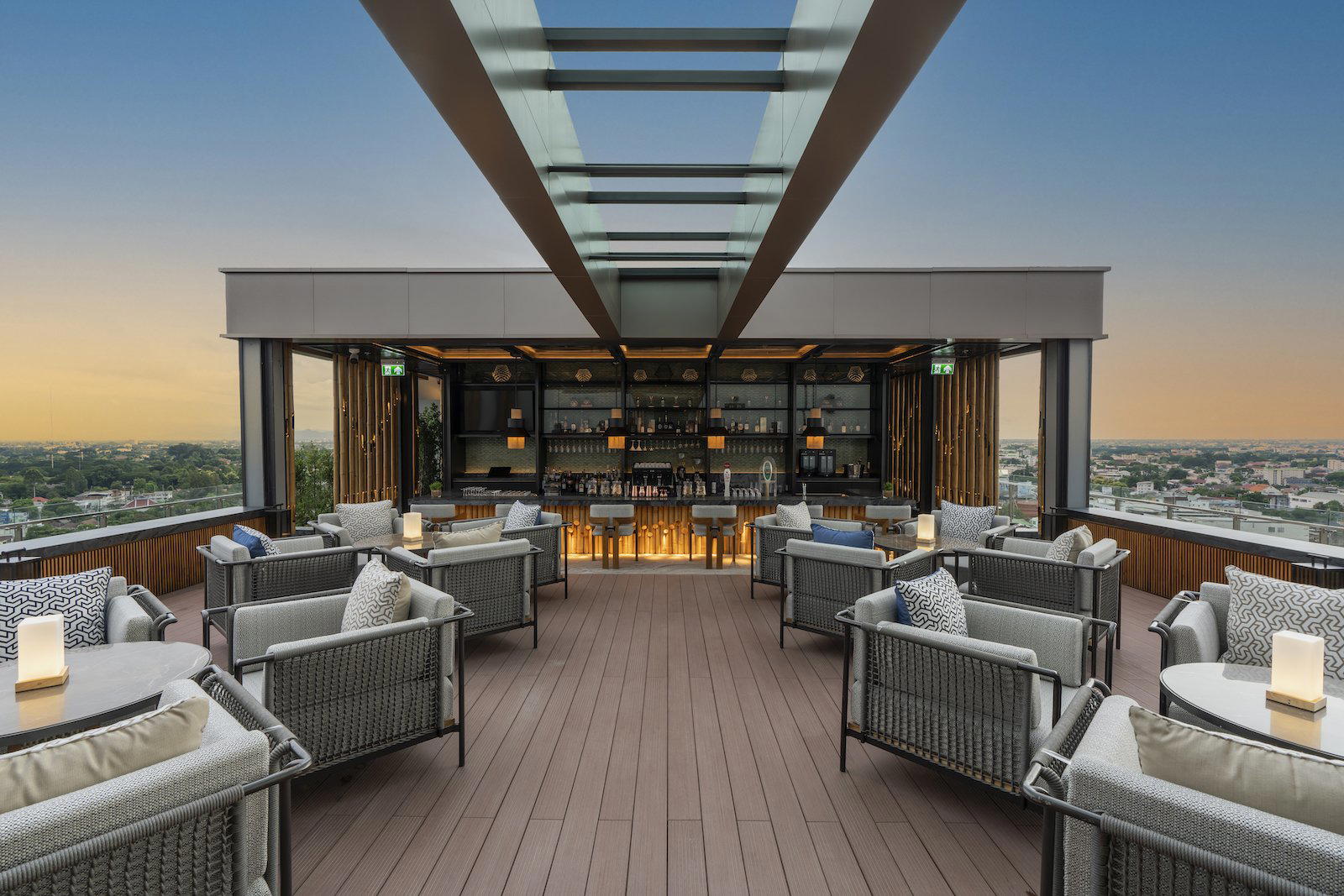
Northern Thailand's dining rooms have their own grammar. In Chiang Mai, particularly enduring local restaurants tend to share a set of spatial instincts: open-air or semi-open structures that let the evening air do what air-conditioning cannot, wood and terracotta materials that absorb the afternoon heat, and a layout that keeps tables far enough apart for conversation without sacrificing the ambient hum of a room in use. Tubtim-Krob J'Auan is a restaurant in Chiang Mai serving Northern Thai Lanna Desserts, and it reads from that same set of instincts. The name itself, rendered in Thai script that references crimson, jewel-like qualities, suggests an attention to colour and texture that extends from the food to the environment around it.
This matters because in Chiang Mai's middle tier of northern Thai restaurants, where places like Huan Soontaree and Aunt Aoy Kitchen have built reputations on a combination of space and food, the physical container is part of the proposition. A restaurant that feels considered in its architecture signals the same consideration in its kitchen. Chiang Mai diners, both local and visiting, have learned to read these cues accurately.
The Space as Evidence
The design instincts at work in Chiang Mai's neighbourhood Thai restaurants, the ones that have outlasted trends rather than chased them, share a preference for materials with provenance. Teak, which the north once exported in quantity, appears in older shophouse conversions and purpose-built dining rooms alike. Ceramic work, often in the deep reds and greens associated with northern craft traditions, turns up in everything from floor tiles to the vessels that carry food to the table. These are not decorative choices lifted from a mood board; they are the residue of a region with its own material culture.
Restaurants in this category position themselves differently from the street food counters along Mueang Chiang Mai's older lanes, where the design is functional by necessity, and differently again from the hotel dining rooms where northern Thai food gets reframed for international visitors. The mid-tier sit-down restaurant, with its fixed tables and deliberate room, occupies a space between those poles, and Tubtim-Krob J'Auan sits in that category. For comparison, Baan Landai and its Phra Pok Klao Road sibling both operate in a similar register, using domestic architecture as the frame for northern Thai menus.
Northern Thai Food in Context
The cuisine of Chiang Mai and the surrounding Lanna region is distinct enough from central Thai cooking that it functions almost as a parallel tradition. The herb profile shifts toward more aromatic, sometimes bitter compounds. Fermented ingredients, nam prik noom, the roasted green chilli relish; tua nao, the fermented soybean disc, carry a depth that central Thai food achieves through different means. Slow-cooked pork preparations, served with sticky rice rather than jasmine, are the default rather than the exception.
Thailand's broader fine dining tier, represented in Bangkok by restaurants like Sorn and in Phuket by PRU, has spent the past decade arguing for regional specificity as a form of prestige. Chiang Mai's neighbourhood restaurants have been making the same argument, less formally, for considerably longer. The value of a place like Tubtim-Krob J'Auan lies partly in that continuity: the food it serves does not need to be repositioned as heritage cuisine because it never stopped being the actual cuisine of the area.
That same northern specificity appears at nearby Ekachan, which shares a price bracket and a preference for local ingredients, and at Aeeen, which approaches plant-based northern Thai cooking as a serious culinary position rather than a dietary accommodation. The city's dining ecosystem is diverse enough that a visitor can eat across multiple interpretations of the same tradition within a few days.
Placing Tubtim-Krob J'Auan in the City's Structure
Chiang Mai organises its restaurants across a range of price points and formats that are more varied than the city's scale might suggest. At the entry level, noodle shops like Khao Soi Mae Manee serve single-dish meals at prices well under a hundred baht. The street food tier, represented by Chai among others, moves slightly upward in price while maintaining informal service and outdoor settings. Above that, the sit-down restaurant tier, where the restaurant operates, asks for more time and more baht, and in return offers a room, a menu with range, and a meal structured around more than one dish.
The range runs from the inexpensive to the formally ambitious, with the middle tier, where neighbourhood Thai restaurants earn their keep through consistency rather than innovation, often delivering the strongest value relative to cost.
Elsewhere in Thailand, comparable neighbourhood-anchored cooking traditions are active in places as different as AKKEE in Pak Kret and Krua Laew Tae R-Rom in Pattaya, each operating within their own regional idiom. The pattern, locally anchored, ingredient-led, not formatted for tourism, is consistent across the country's stronger provincial dining scenes.
Planning Your Visit
The restaurant is walk-in friendly. Chiang Mai's mid-tier Thai restaurants in residential or semi-commercial neighbourhoods tend to keep regular dinner hours, often from early evening through to around nine or ten at night, with lunch service at some but not all. Evening visits typically offer the fullest room and menu, particularly on weekdays when tables turn more slowly and the kitchen is less pressured than on weekend peaks.
Those with a specific interest in how northern Thai restaurant design has evolved can use a meal here alongside a visit to Aquila and the surrounding area to build a picture of the city's different dining registers within a single district.
A Tight Comparison
Comparable venues nearby, for context on price, style, and recognition.
| Venue | Cuisine | Price | Notes |
|---|---|---|---|
| Tubtim-Krob J'AuanThis venue — the venue you are viewing | Not listed | $ | Not listed |
| Khao Soi Mae Manee | Not listed | $ | Mueang Chiang Mai, Northern Thai Khao Soi |
| Kao Soi Samer Jai (ข้าวซอยเสมอใจ) | Wat Ket, Northern Thai Khao Soi | $ | Not listed |
| Nam Ngiao Yong | Not listed | $ | Mueang Chiang Mai, Northern Thai Khanom Chin Nam Ngiao |
| Mana Sticky Rice | Old City, Thai Mango Sticky Rice | $ | Not listed |
| Khao Soi Lamduan Fa Ham | Not listed | $ | Mueang Chiang Mai, Northern Thai Khao Soi |
Continue exploring
More in Chiang Mai
Restaurants in Chiang Mai
Browse all →
Bars in Chiang Mai
Browse all →
At a Glance
- Classic
- Cozy
- Casual Hangout