Aeeen

A Michelin Plate-recognised vegetarian restaurant in Chiang Mai's Su Thep neighbourhood, Aeeen operates under a Neo Shojin Ryori concept, combining Japanese Buddhist-influenced plant-based cooking with seasonal Northern Thai ingredients. The setting is a two-storey wooden house stocked with fermentation jars, where a Japanese couple runs a menu that positions Chiang Mai within a growing Southeast Asian current of vegetables-first dining.
Pearl is the En Primeur Club membership app — saves, bookings, and concierge access live there. Same editors, same standards.
- Address
- Unnamed Road, Tambon Su Thep, Mueang Chiang Mai District, Chiang Mai 50200, Thailand
- Phone
- +66 97 943 7039
- Website
- neoshokudo.com
- Directions
- Get directions
 Saves & bookings on Pearl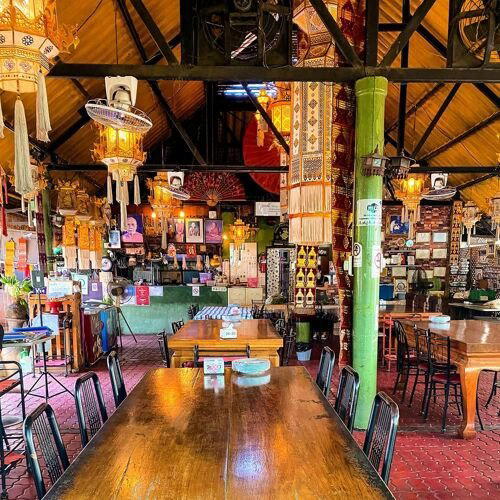
Where Japanese Buddhist Cooking Meets Chiang Mai's Seasonal Produce
The approach at Aeeen belongs to a distinct and demanding culinary tradition. Shojin ryori, the plant-based cooking practice rooted in Japanese Buddhist monasteries, operates from a different premise than vegetarian cuisine as it is commonly understood in the West. There are no meat substitutes, no attempts to replicate what's absent. The logic runs in reverse: the vegetable, the grain, the fermented soy product, the seasonal fruit are the subject of the plate, not the supporting cast. Aeeen extends this into what its owners describe as Neo Shojin Ryori, adapting the tradition with the seasonal produce available in and around Chiang Mai. That dual-context, Japanese Buddhist discipline meeting Northern Thailand's agricultural calendar, gives the restaurant a distinct position in Chiang Mai's dining scene.
For broader perspective on where plant-based fine dining sits regionally, it's useful to look at how the tradition has developed elsewhere in Asia. In China, centuries-old vegetarian temples evolved into restaurants like Fu He Hui in Shanghai and Lamdre in Beijing, both drawing on deep philosophical frameworks to build menus where plants carry the full narrative of a meal. Aeeen operates in this same intellectual space, though its reference points are distinctly Japanese rather than Chinese. Thailand's Michelin-recognised dining scene has, until recently, centred on meat-centric traditions; Aeeen's two consecutive Michelin Plate recognitions (2024 and 2025) signal that the guide has begun to map a different kind of ambition.
The Setting: A Wooden House with the Feel of Rural Japan
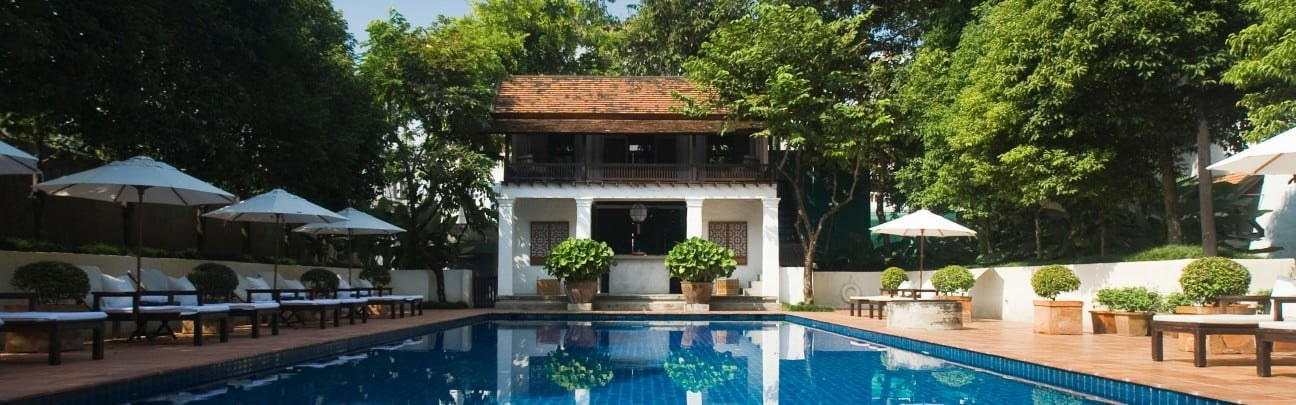
The physical space matters as much as the menu here. The restaurant occupies a two-floor wooden house in the Tambon Su Thep area of Chiang Mai, a district southwest of the old city that sits closer to the forested foothills of Doi Suthep than to the tourist-dense streets of Nimman Road. From the outside, and from within, the building reads less like a restaurant than like a home carefully arranged around a philosophy. Rows of jars holding fermented ingredients line the interior, functioning simultaneously as pantry and visual argument: this is a kitchen that works with time as an ingredient, not against it. The aesthetic draws an easy comparison with the domestic, unhurried quality of rural Japanese farmhouses, which is likely intentional. The two-floor layout means the space spreads across different levels of intimacy, though the overall impression is of restraint and quiet purpose rather than theatricality.
Among Chiang Mai's restaurant options at the ฿฿ price tier, this setting is notably distinct. Comparison venues at a similar price point, including strong Northern Thai specialists and street food-rooted kitchens, tend to lean into regional Thai visual language. Aeeen draws from a different visual grammar entirely. That's not a criticism of either direction, but it signals clearly to an incoming diner what kind of experience they're entering.
The Concept in Practice: Fermentation, Seasonality, and Neo Shojin Ryori
The Neo Shojin Ryori framing at Aeeen points toward a cooking method where fermentation, seasonal restriction, and textural precision drive every dish. Classical shojin ryori prohibits the five pungent roots (onions, garlic, leeks, chives, scallions) and works within the seasonal availability of ingredients, a discipline that forces creativity in a specific direction: depth through process rather than through bold flavour additions. The fermentation jars visible throughout the restaurant suggest that slow transformation, miso-adjacent techniques, lacto-fermented vegetables, and koji-influenced preparations are central to how flavours are built here.
The soymilk udon noodles, flagged in the Michelin programme's notes as a dish worth seeking out, fit this logic: soy, fermented and transformed into milk, forms the base of a noodle dish that draws its depth from process rather than from animal fat or stock. The mango with ginger and honey drink mentioned alongside it points to the same attention to seasonal ingredients handled with precision rather than embellishment. Both dishes suggest a kitchen interested in the clean expression of a few well-chosen components, an approach that rewards attention from the diner rather than demanding it.
Chiang Mai's Emerging Position in Thailand's Dining Conversation
Thailand's Michelin-listed restaurants have historically clustered in Bangkok, from two-starred operations like Sorn to the broader concentration of recognised kitchens across the capital's neighbourhoods. Chiang Mai's Michelin presence has grown more gradually, but it now includes a range of reference points: from the European-influenced work at Belén by Paulo Airaudo to traditional Thai cooking at venues like Aunt Aoy Kitchen and Baan Landai. Aeeen occupies a distinct quadrant of that map: neither Northern Thai regional nor European fine dining, but a Japanese plant-based tradition adapted to local ingredients. Across Thailand, a handful of other venues are doing serious work in plant-forward formats, PRU in Phuket takes a farm-to-table approach with some vegetable-led dishes, and AKKEE in Pak Kret is among the Michelin-recognised names expanding what Thai restaurant cooking can look like, but Aeeen's shojin framework is its own category.
At ฿฿, Aeeen is accessible relative to the city's fine dining tier, and the consistency of that rating suggests the kitchen delivers reliably rather than occasionally. For a restaurant built around a concept as demanding as Neo Shojin Ryori, that sustained score matters: philosophically-led restaurants can be inconsistent when the seasonal ingredient logic strains against what's actually available on a given day.
Planning Your Visit
Aeeen sits in Tambon Su Thep, southwest of Chiang Mai's old city. Given its location away from the central tourist corridor and its limited seat count in a two-floor wooden house, arriving without a reservation is a risk. Reservations are essential. The ฿฿ price range places Aeeen firmly in mid-tier territory for Chiang Mai, accessible to travellers staying across the city's accommodation spectrum, from smaller guesthouses to properties across the city.
If Aeeen forms one anchor of a broader Chiang Mai food itinerary, the city's dining range extends in several directions worth exploring: Thai regional specialists like Baan Suan Mae Rim, Italian at Aquila, and the full spread covered in our full Chiang Mai restaurants guide. For drinking, the city offers a growing bar scene beyond its tables.
How It Stacks Up
Comparable venues nearby, for context on price, style, and recognition.
| Venue | Cuisine | Price | Awards | Notes |
|---|---|---|---|---|
| AeeenThis venue — the venue you are viewing | Neo Shojin Ryori (Vegan Japanese) | $$$ | Michelin Plate | Not listed |
| Baan Landai | Authentic Fine Thai Cuisine | $$ | Michelin Plate | Mueang Chiang Mai |
| Khao | Modern Northern Thai | $$$$ | Michelin Plate | Mueang Chiang Mai |
| NAVAN NAVAN | Modern Thai Fine Dining | $$$ | Michelin Plate | Mae Rim |
| Blackitch | Modern Thai Tasting Menu | $$$$ | Michelin Plate | Mueang Chiang Mai |
| Pari- | Modern Japanese Izakaya with Thai Ingredients | $$ | Michelin Plate | Mueang Chiang Mai |
Recognition history
Dated appearances from independent guides and award organizations, with the underlying list record or original source where available.
Michelin Plate
Michelin
Michelin Plate
Michelin
Michelin Plate
Michelin
Continue exploring
More in Chiang Mai
Restaurants in Chiang Mai
Browse all →
Bars in Chiang Mai
Browse all →


At a Glance
- Intimate
- Cozy
- Quiet
- Elegant
- Minimalist
- Special Occasion
- Date Night
- Open Kitchen
- Sommelier Led
- Local Sourcing
Current opening hours
- Monday
- Closed
- Tuesday
- Closed
- Wednesday
- Closed
- Thursday
- 11 AM–5 PM
- Friday
- 11 AM–5 PM
- Saturday
- 11 AM–5 PM
- Sunday
- 11 AM–5 PM
Hours can change for holidays and private events. Last verified .
Serene temple-like atmosphere with pale wood, soft washi-like lighting, and quiet ceremony evoking rural Japan.