137 Pillars House




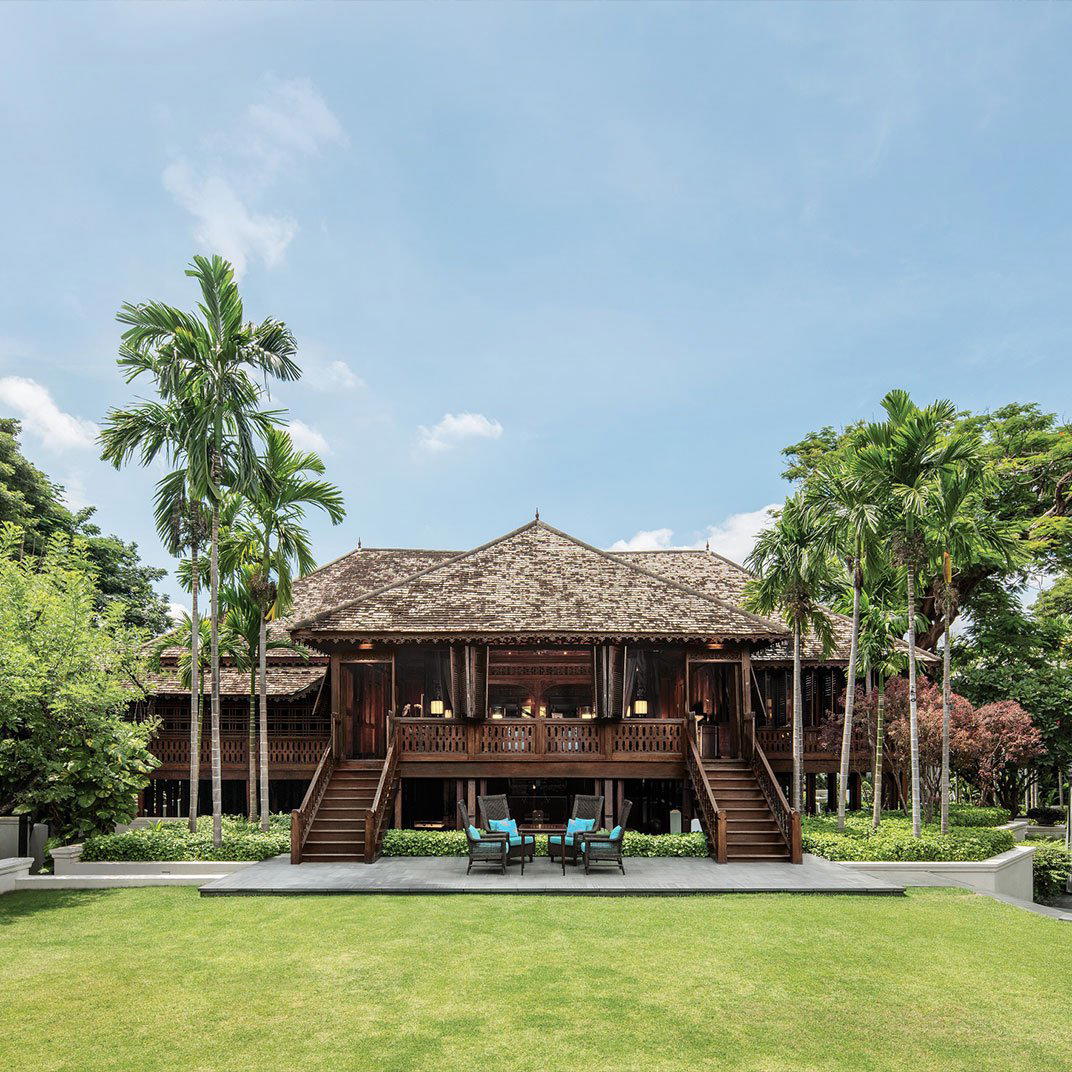
A restored 1880s teak-wood compound on Chiang Mai's Nawatgate Road, 137 Pillars House sits in the upper tier of northern Thailand's boutique hotel market. Recognised by Tatler Asia as Best Boutique Hotel 2025 and rated 91.5 points by La Liste Top Hotels 2026, the property's 30 suites occupy carefully reconstructed colonial-era architecture within easy reach of the old city's temples and monuments.
Pearl is the En Primeur Club membership app — saves, bookings, and concierge access live there. Same editors, same standards.
- Address
- 2 ถนน Soi Nha Wat Kaet 1, Tambon Chang Moi, Amphoe Mueang Chiang Mai, Chang Wat Chiang Mai 50000
- Phone
- +66 53 247 788
- Website
- 137pillarschiangmai.com
- Directions
- Get directions
 Saves & bookings on Pearl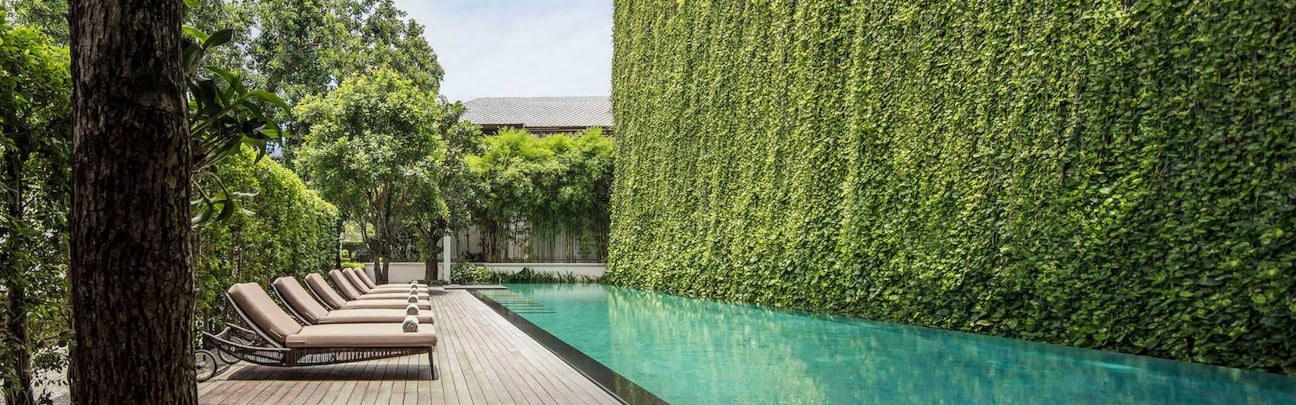
Colonial Architecture, Reconstructed With Rigour
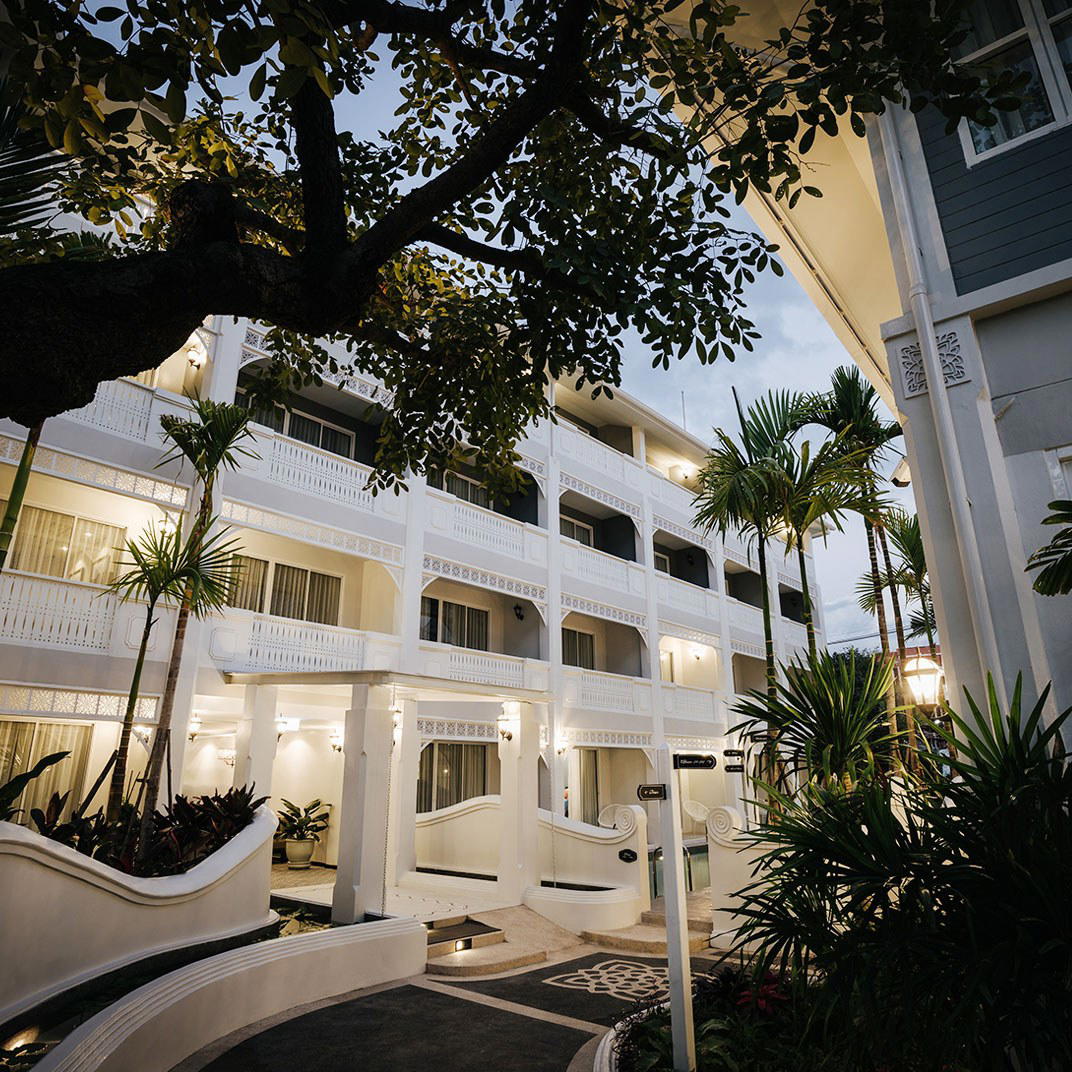
Chiang Mai's premium accommodation market has split into two legible camps over the past decade: the large international resort (manicured grounds, branded spas, consistent service standards) and the smaller, design-led property that bets on historical specificity over scalability. Rachamankha made that bet with Lanna temple architecture; Aleenta Retreat Chiang Mai with contemporary wellness programming. 137 Pillars House chose a different register entirely: a 19th-century colonial compound, rooted in the commercial history of the East Borneo Company, whose original teak-wood headquarters still frames the property's identity. That the building dates to the 1880s matters less than what the restoration team chose to do with the inheritance. Rather than freeze the compound in amber, they rebuilt selectively, matching the aesthetic grammar of the original while installing modern plumbing, electronics, and climate systems inside the carved-teak shell. The result is not a museum. It is a working luxury hotel that happens to look and feel like a century-old colonial residence, without the inconveniences that description usually implies.
Teak construction at this scale is increasingly rare in northern Thailand. The wood's density and warmth give the interiors a quality that no contemporary material replicates: rooms absorb sound differently, corridors carry a faint resinous scent, and the pillars that give the property its name create a structural rhythm across the compound that is architectural rather than decorative. That physical environment is the property's primary argument in a city where newer hotels tend to compete on amenity count and pool size. The 30-suite scale reinforces the point: this is a property built for containment, not volume.
Where 137 Pillars Sits in Northern Thailand's Luxury Tier
Among Chiang Mai's upper-bracket boutique properties, 137 Pillars House has accumulated recognition from the publications that track this specific category most closely. Tatler Asia named it Leading Boutique Hotel in the Asia-Pacific 2025 list, a designation that places it in a competitive set defined by design rigour, limited keys, and a legible identity rather than brand affiliation. La Liste's Leading Hotels 2026 index, which aggregates critical and consumer data across a weighted scoring model, assigned the property 91.5 points, a score that positions it inside the upper band of Thailand's boutique tier.
Peers in this category across Thailand tend to occupy specific niches: Amanpuri in Phuket commands the luxury resort category through Aman's allocation and exclusivity model; Phulay Bay, A Ritz-Carlton Reserve in Krabi situates high-spend hospitality inside dramatic coastal geography; Mandarin Oriental Bangkok carries institutional weight and river-facing heritage. 137 Pillars sits in a different register: a landlocked northern city, no sea views, no Aman pricing, but a documented track record in design-led historic restoration that Tatler Asia's editorial team assessed as the category leader for 2025.
Within Chiang Mai specifically, the property competes against hotels with much larger footprints. The Four Seasons Resort Chiang Mai occupies terraced rice fields north of the city with 98 pavilions and residences; the Anantara Chiang Mai Resort operates on the banks of the Ping River with a different scale and brand ecosystem behind it. Against those properties, 137 Pillars positions on intimacy and architectural coherence rather than breadth of facilities. The 30-suite count is a deliberate ceiling, not a limitation.
The Compound's Interior Logic
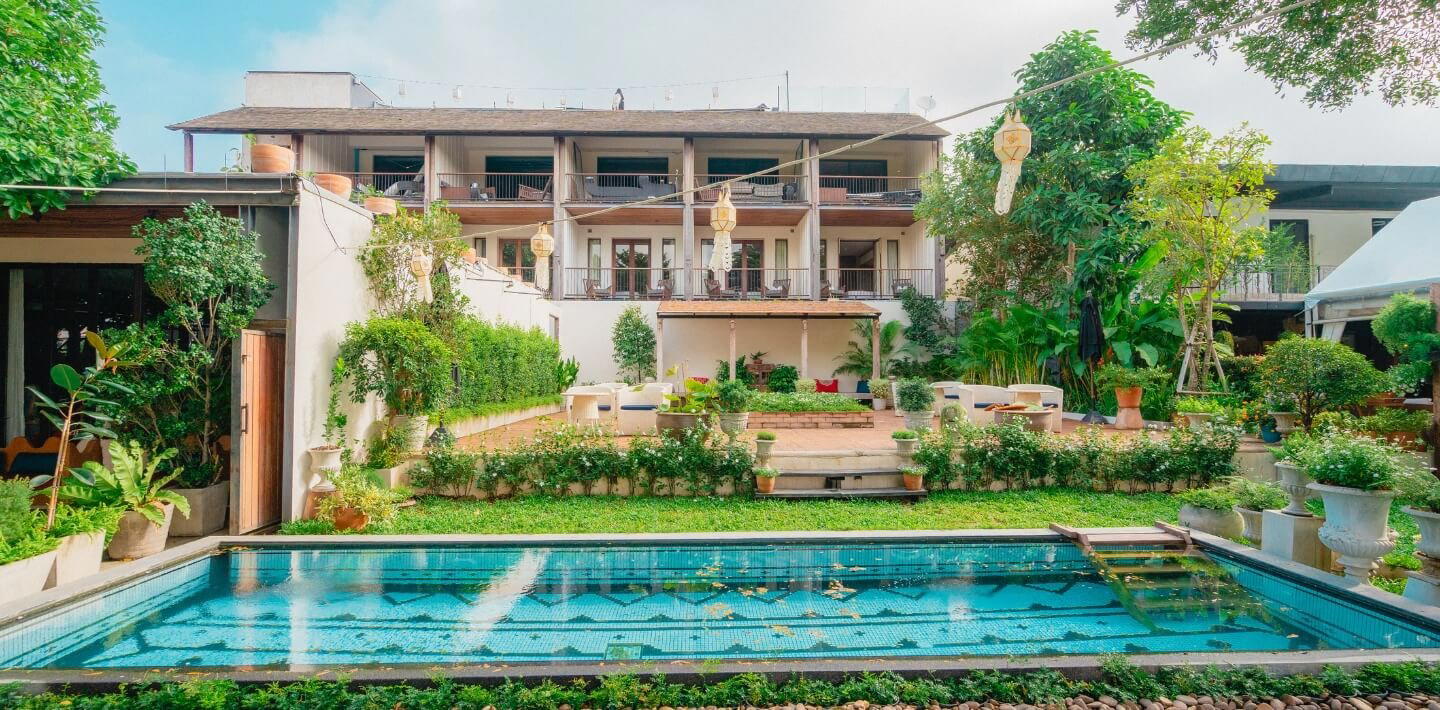
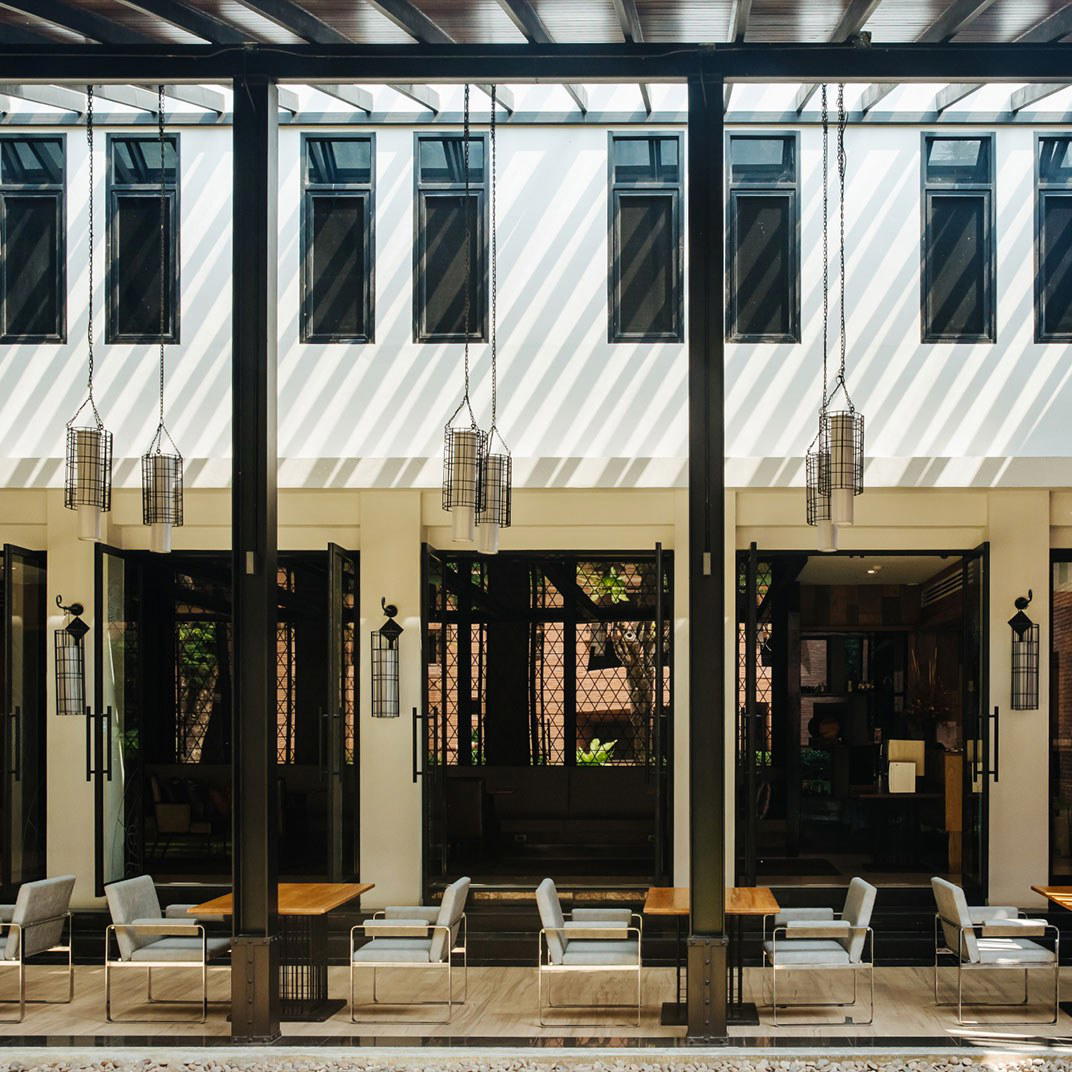
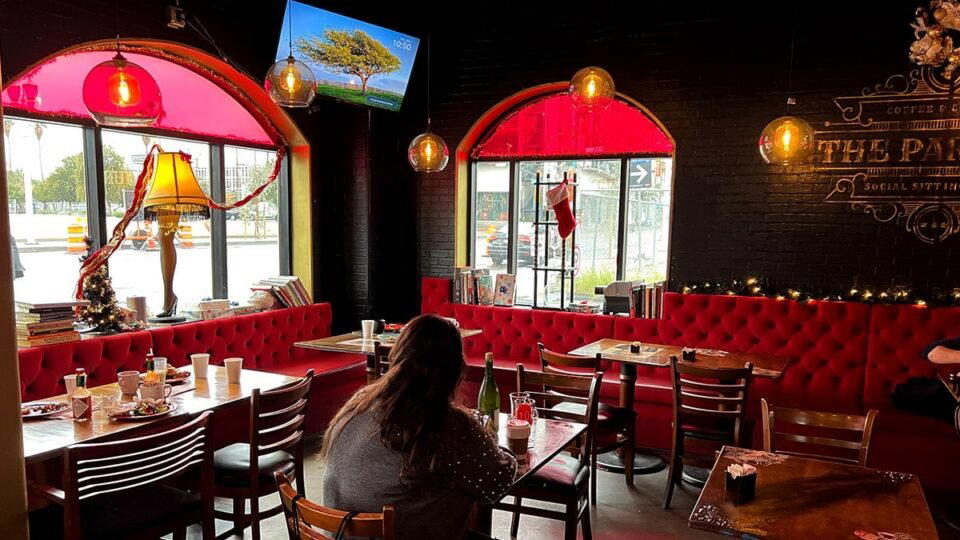
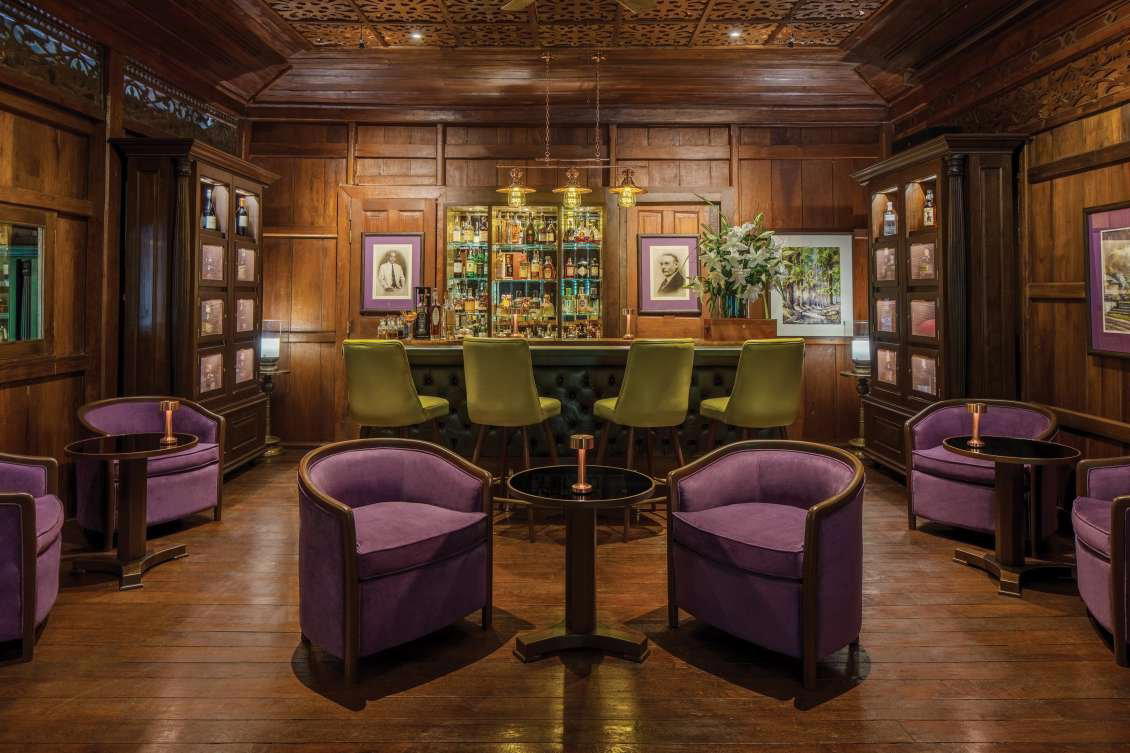
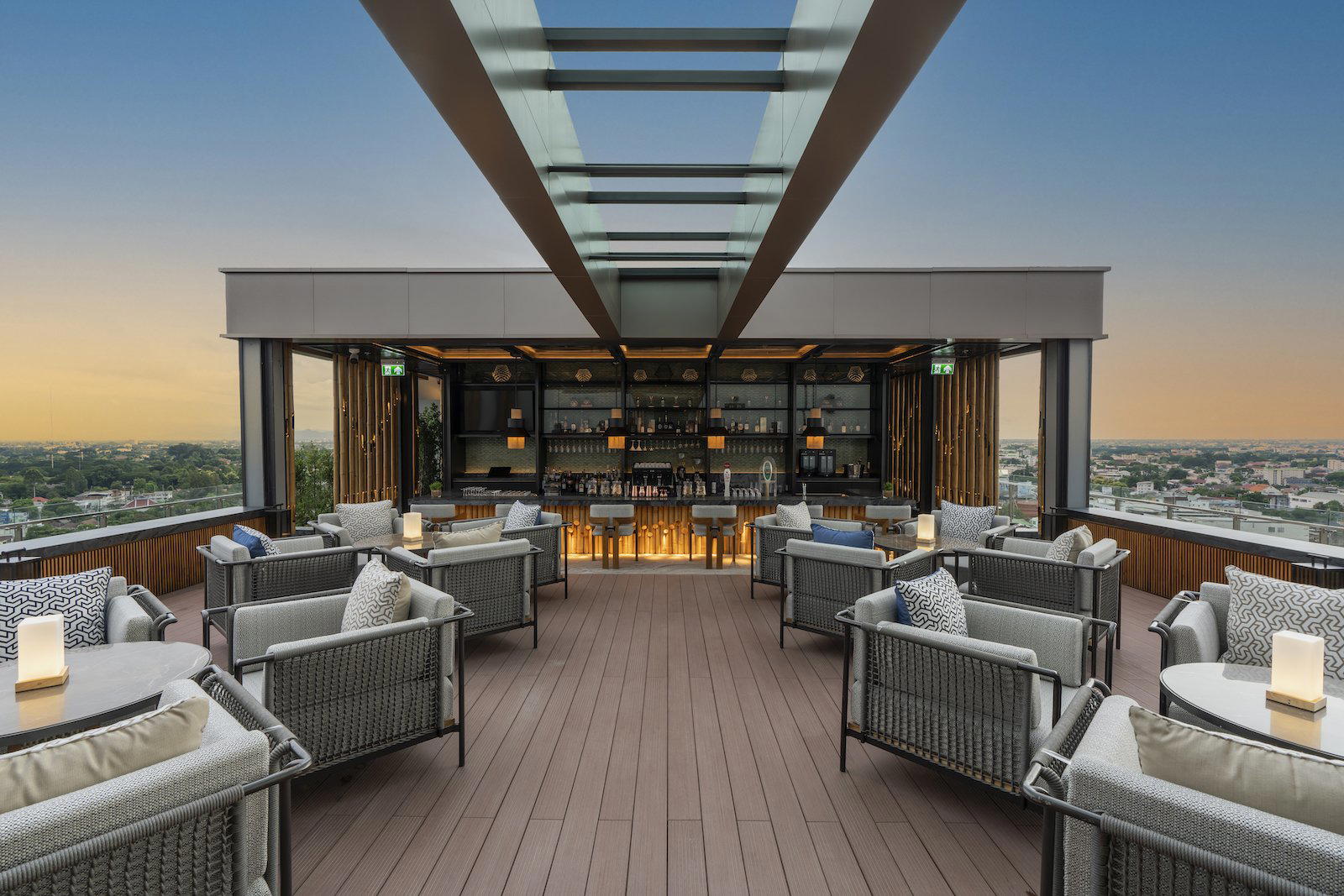
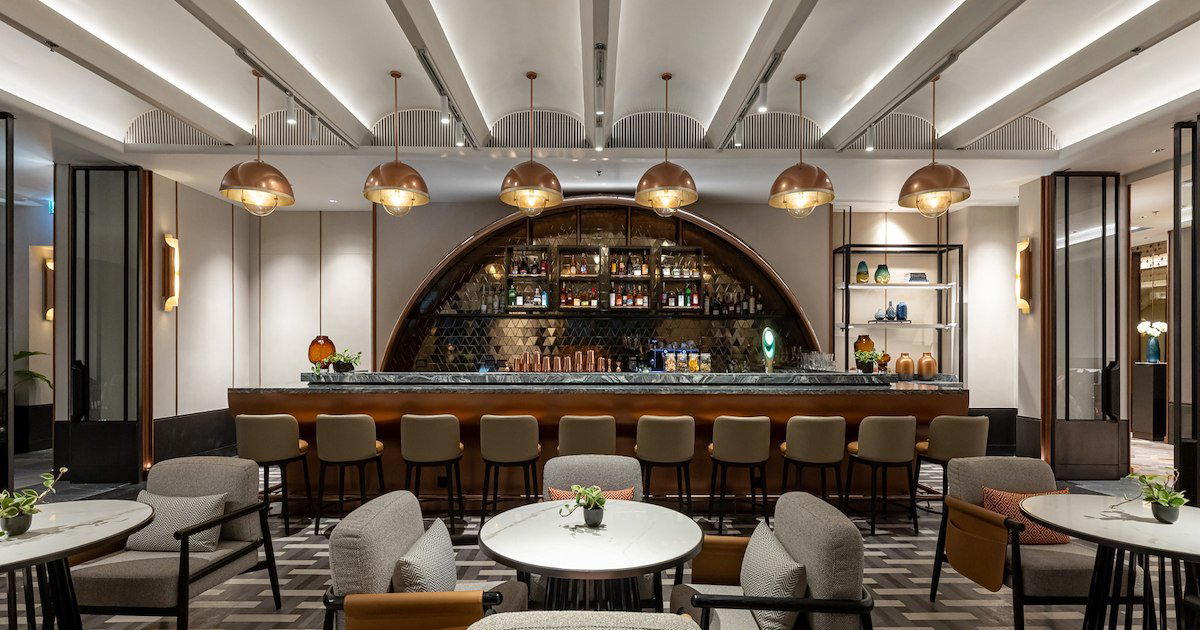
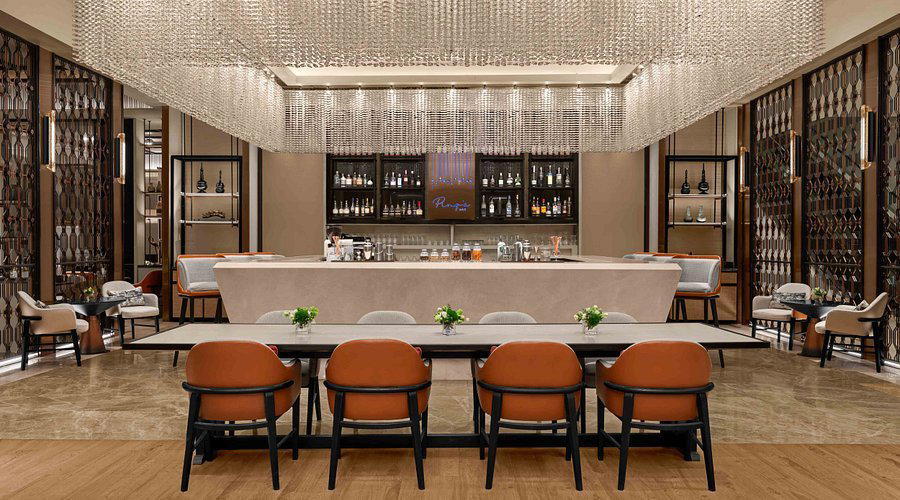
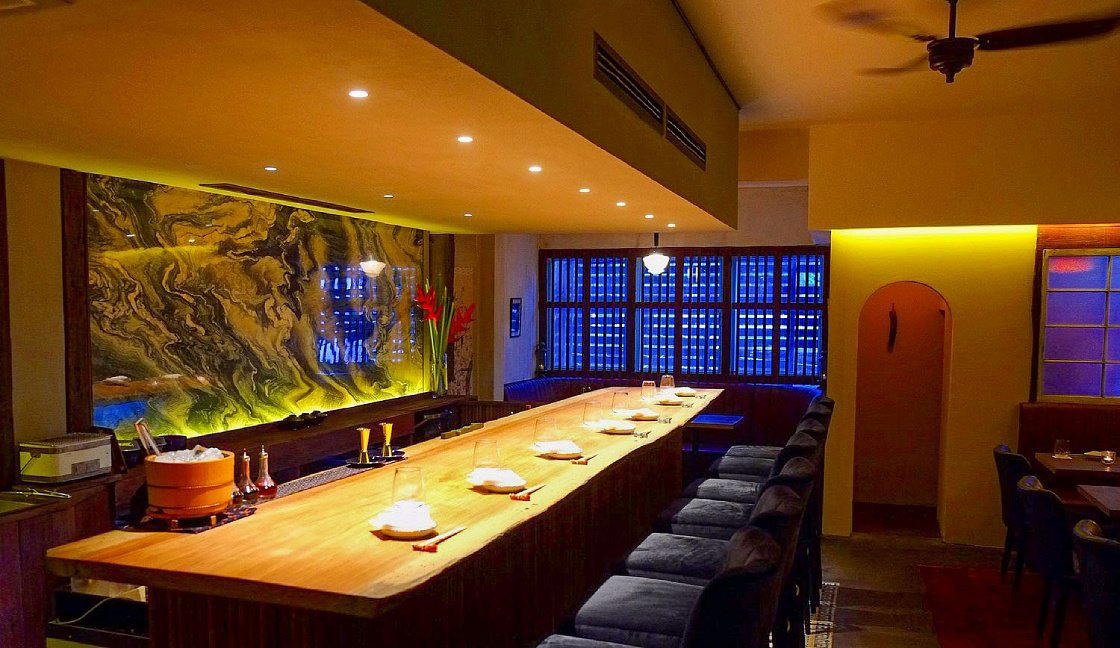
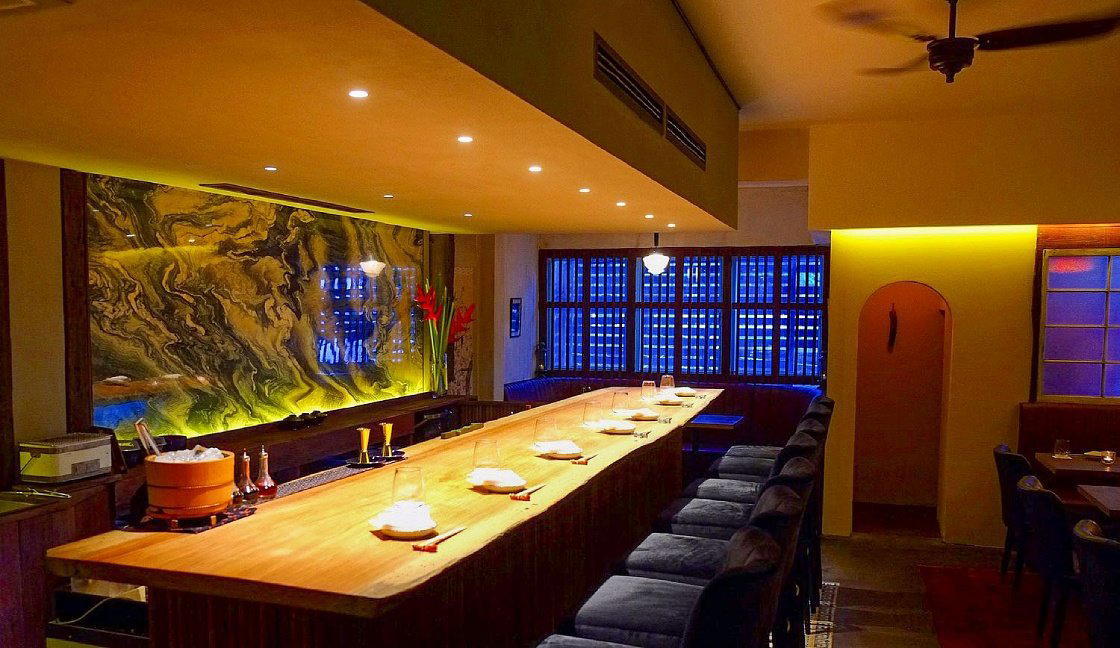
The common spaces at 137 Pillars function less like hotel amenities and more like rooms in a private residence that happen to be open to all guests. The Library Bar's name is literal: shelved books, dim lighting, and the kind of atmosphere that rewards slow evenings rather than efficient pre-dinner drinks. The Parlor Lounge occupies a different register, lighter and more social. The main dining room leans dark and considered in its atmosphere, while the show kitchen operates in a more informal register, running cooking demonstrations and classes that connect guests to northern Thai technique without the awkwardness of a staged cultural performance. The gym, spa, and pool sit within the compound's footprint, keeping the guest experience self-contained in a way that Nawatgate Road's walkable surroundings supplement rather than depend on.
The neighbourhood matters here. Old Chiang Mai's temple circuit, including Wat Ket and the broader Nawatgate heritage zone, begins effectively at the property's perimeter. That proximity means the hotel's historical atmosphere is reinforced by the city itself, a dynamic that larger resort properties set further from the old city cannot replicate regardless of their design budget. For guests oriented toward architecture, craft, and cultural specificity, the location is a functional advantage, not just a postcode benefit.
Regional Comparisons and the Boutique Design Argument
Design-led boutique model that 137 Pillars represents has spread across Southeast Asian travel at pace. Properties like Raya Heritage in Chiang Mai draw on similar river-adjacent heritage positioning, while internationally, the pattern mirrors what Aman Venice and Aman New York have demonstrated in different geographies: that the conversion of historic structures into luxury accommodation, done with enough material fidelity, creates a guest experience that purpose-built hotels cannot manufacture. The key variable is always execution. A restored building handled without care produces a pastiche; handled with rigour, it produces an argument for why historical specificity justifies premium positioning.
137 Pillars' 2025 Tatler recognition implies the property cleared that bar. The award's boutique-hotel category in the Asia-Pacific list is competitive across Thailand, Bali, Sri Lanka, and Japan, meaning the editorial assessment was not drawn from a narrow regional pool. Alongside properties like Six Senses Yao Noi in Phang Nga and Soneva Kiri in Trat, which operate in the luxury eco-resort segment, 137 Pillars occupies a distinct sub-category defined by urban heritage rather than natural seclusion, making a direct comparison more instructive than a ranking.
Planning a Stay
The property sits on Nawatgate Road in Chiang Mai's Chang Moi district, approximately 10 minutes by road from Chiang Mai International Airport. That distance is short enough to make most arrival times manageable without tight scheduling. The 30-suite inventory means the property often sees stronger demand during peak season (roughly November through February, when Chiang Mai's air quality and temperatures are at their most hospitable). Guests arriving in shoulder months, particularly March to May, gain easier availability but encounter hotter conditions and, at times, seasonal smoke from agricultural burning across the north. The hotel's enclosed compound and climate-controlled rooms mitigate the outdoor air quality concern for guests whose itinerary centres on the property itself.
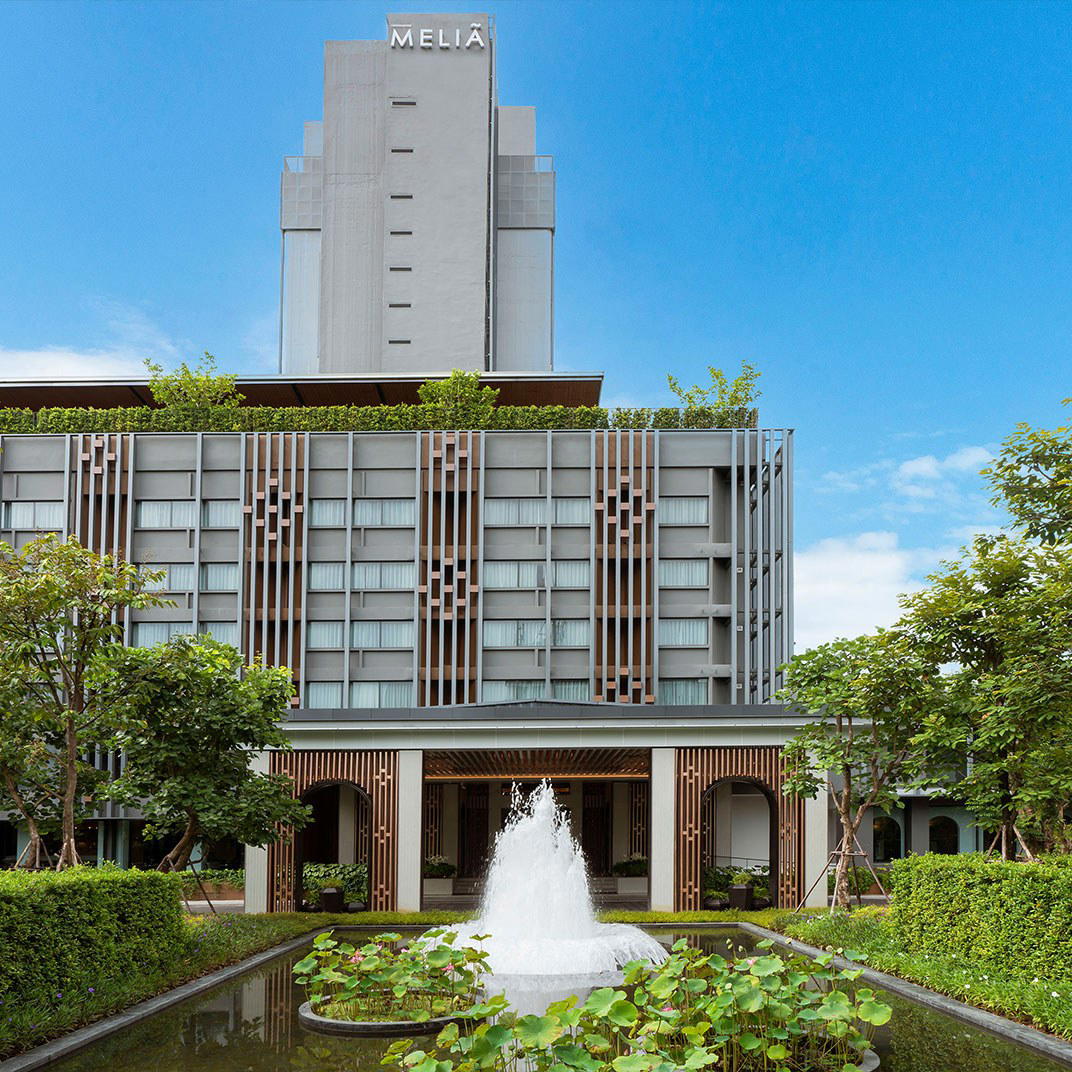
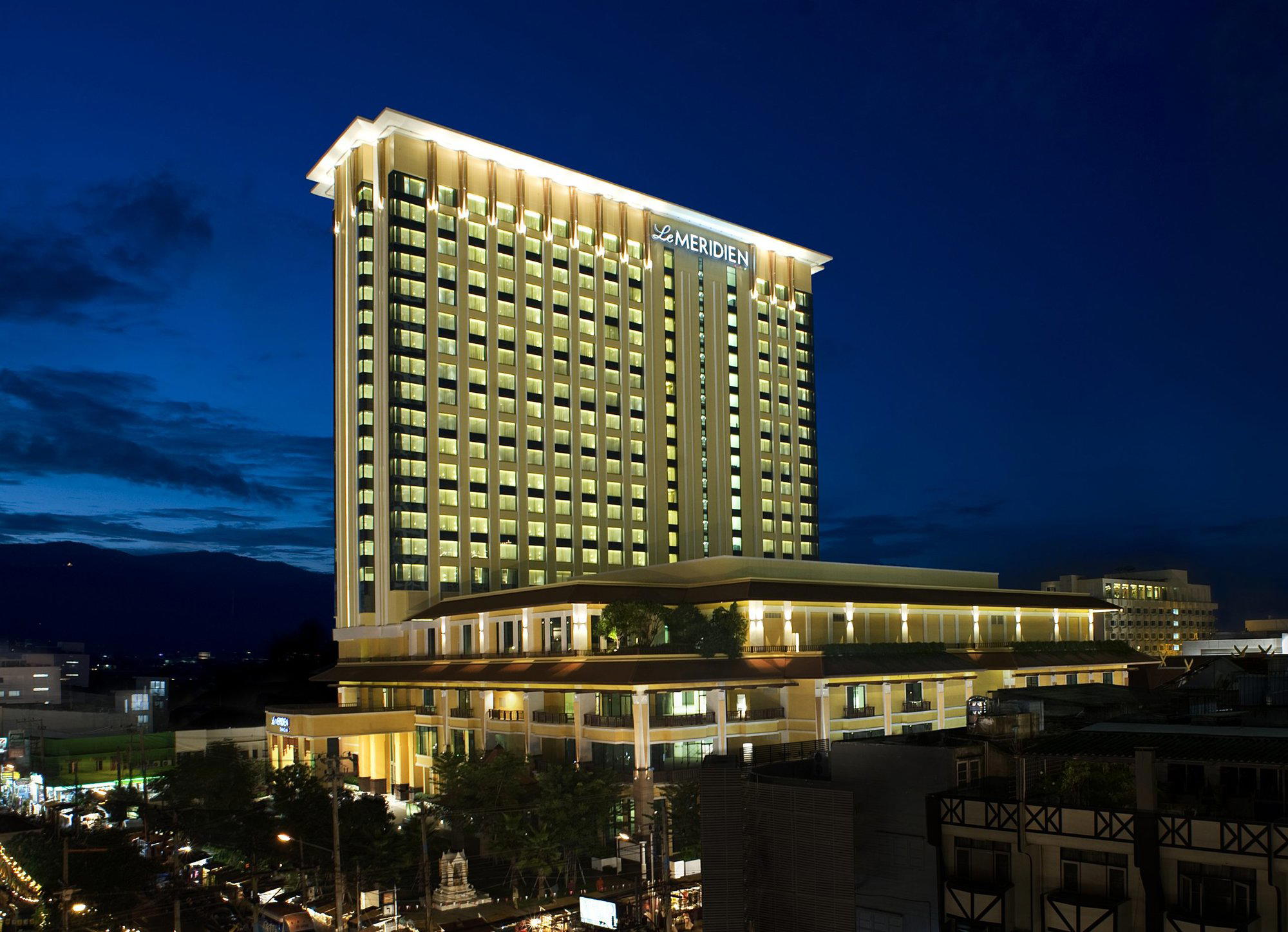
Within the Chiang Mai market, the AMANOR Hotel Chiang Mai, Chiang Mai Marriott Hotel, and Le Méridien Chiang Mai all occupy the branded hotel tier and represent a structurally different offer for guests whose priorities run toward loyalty programmes and standardised service rather than architectural specificity.
A Quick Peer Check
Comparable venues nearby, for context on price, style, and recognition.
| Venue | Cuisine | Price | Awards | Notes |
|---|---|---|---|---|
| 137 Pillars HouseThis venue — the venue you are viewing | Colonial teak homestead restored as a luxurious boutique residence | $$$$ | Michelin 1 Key | Not listed |
| Aleenta Retreat Chiang Mai | Intimate boutique wellness retreat blending modern design with Lanna cultural heritage and sustainability. | $$$$ | Michelin 1 Key | Mueang Chiang Mai |
| Raya Heritage | Contemporary Lanna heritage luxury resort | $$$$ | Michelin 1 Key | Mae Rim |
| Tamarind Village | Historic Lanna-style boutique hotel with traditional Thai architecture and contemporary comfort, positioned as a peaceful retreat within the urban old city. | $$$ | Michelin 1 Key | Mueang Chiang Mai |
| Chiang Mai Marriott Hotel | Contemporary urban luxury with local Thai accents | $$$$ | 5-Star | Mueang Chiang Mai |
| AMANOR Hotel Chiang Mai | Modern luxury boutique hotel blending contemporary design with traditional Thai cultural elements and sixties-era glamour. | $$$$ | 5-Star | Mueang Chiang Mai |
Recognition history
Dated appearances from independent guides and award organizations, with the underlying list record or original source where available.
La Liste Top Hotels
La Liste
Mr & Mrs Smith Smith Seal of Approval
Mr & Mrs Smith
Michelin 1 Key
Michelin
Small Luxury Hotels of the World Member
Small Luxury Hotels of the World
Tatler Listed in Best Hotels Asia-Pacific
Tatler
Tatler Best Boutique Hotel
Tatler

At a Glance
- Romantic
- Elegant
- Sophisticated
- Cozy
- Intimate
- Historic
- Honeymoon
- Romantic Getaway
- Anniversary
- Wellness Retreat
- Historic Building
- Private Villa
- Garden
- Terrace
- Panoramic View
- Pool
- Spa
- Fitness Center
- Room Service
- Concierge
- Wi Fi
- Valet Parking
- Garden
- Pool
- Spa
- Fitness Center
- Room Service
- Concierge
- Wi Fi
- Valet Parking
Warm, relaxing ambiance with nostalgic 19th-century design, elegant common spaces like the romantic Dining Room and Library Bar, enhanced by modern comforts.