Baan Landai (Phra Pok Klao Road)

A Chiang Mai address that rewards the curious: Baan Landai on Phra Pok Klao Road serves pan-Thai cooking with enough range to span the whole country's repertoire, from slow-cooked pork ribs to traditional desserts. The interior is more charming than the street-facing exterior suggests, and the sharing format suits tables of two to four without feeling forced.
Pearl is the En Primeur Club membership app — saves, bookings, and concierge access live there. Same editors, same standards.
- Address
- 252/13 Phra Pok Klao Road, Si Phum, Mueang Chiang Mai
- Phone
- +66 65 848 4464
- Website
- baan-landai.com
- Directions
- Get directions
 Saves & bookings on Pearl
What Chiang Mai's Mid-Range Thai Scene Gets Right
Chiang Mai's restaurant culture has always sat at an interesting tension point: a city famous for Northern Thai cooking that simultaneously draws visitors hoping to eat their way across the country's broader repertoire. The khao soi houses and sai oua stalls around the moat draw the headlines, but the city also supports a quieter layer of pan-Thai kitchens, the kind that don't specialise in a single regional identity but pull from the full national larder. Baan Landai (Thai) on Phra Pok Klao Road belongs to that second category, and understanding the difference matters before you sit down.
Pan-Thai cooking in this price tier is not the same as hotel-lobby Thai. At its leading, it reflects how Thai households actually eat across regions, with proteins braised in ways that borrow from Chinese influence, sauces that travel between south and central traditions, and desserts that stay firmly rooted in older techniques. The challenge for any kitchen working this way is coherence. A menu that spans the country can collapse into a list of greatest hits with no common thread. What keeps a place like this on the right side of that line is sourcing and execution, not ambition alone.
The Approach from Phra Pok Klao Road
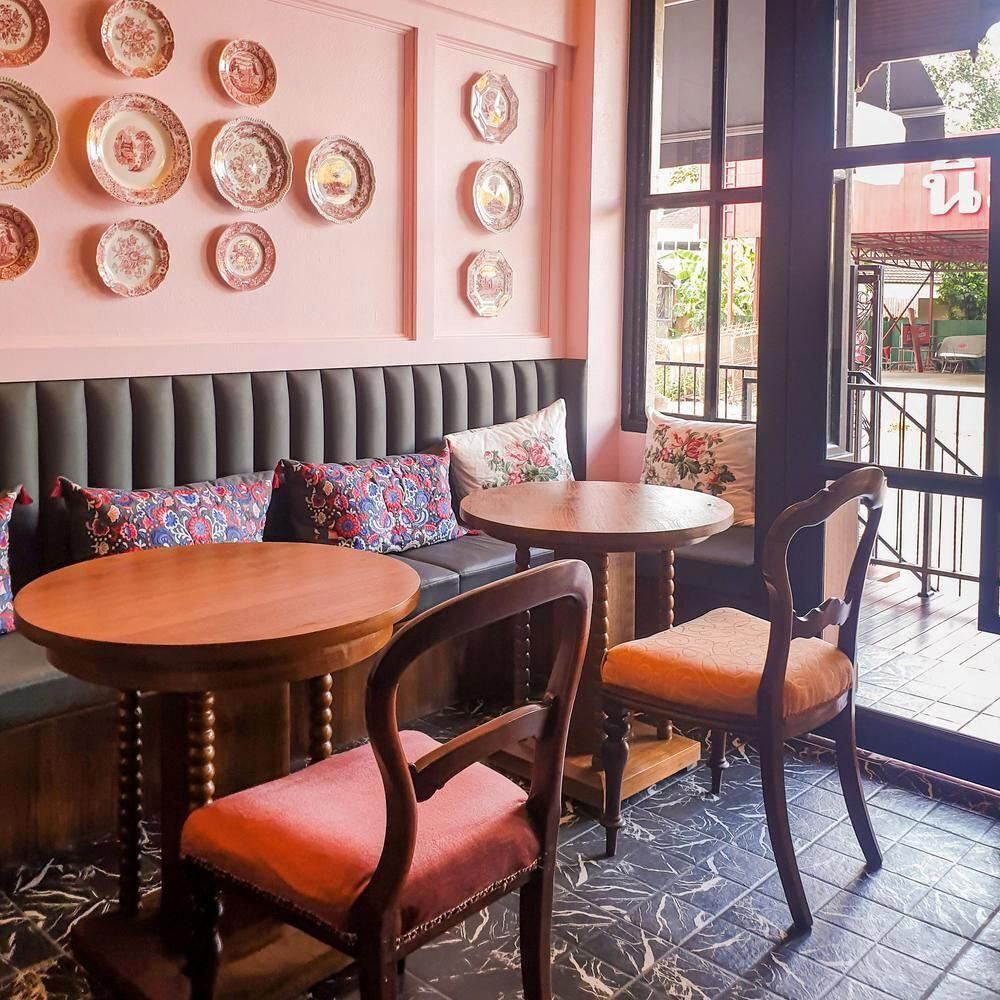
The exterior on Phra Pok Klao Road does not advertise itself. In a city where restaurant frontages increasingly compete for visual attention, this address holds back. That restraint, whether intentional or simply a feature of the building's age, works in its favour. Chiang Mai has a consistent pattern with this kind of place: the rooms that look most polished from the pavement are not always the ones worth walking into. The interior at Baan Landai runs counter to the kerb, with an eclectic décor that accumulates rather than coordinates, the kind of space that has been added to over time rather than designed from a single brief.
The kitchen window, visible from the dining area, is the room's most practical feature. In Thai restaurant culture, the open or semi-open kitchen has a function beyond theatre: it signals that nothing in the cooking is being hidden. Diners can watch the pace of service and the methods being used, which in a pan-Thai kitchen with a range of proteins and sauces is a reasonable indicator of how seriously the food is being taken. For a Chiang Mai kitchen cooking outside the purely Northern tradition, that transparency carries weight.
What Pan-Thai Sourcing Looks Like in Practice
Editorial angle that matters most for this kind of restaurant is not the menu itself but what the menu implies about sourcing. Pan-Thai cooking done with any seriousness requires access to ingredients across regional lines: proteins and aromatics from the North, seafood inputs from the coasts, palm sugars and coconut products from the South and Central regions. In a city like Chiang Mai, which sits far from the Gulf and the Andaman, a kitchen choosing to work across the national repertoire is making a deliberate sourcing commitment.
Pork ribs braised with red wine sauce, a dish noted among the kitchen's reference points, sit in a tradition of Chinese-influenced Thai cooking that arrived via the country's Sino-Thai population and spread widely through the urban restaurant culture of the twentieth century. The red wine element places it closer to a central Thai adaptation than a Northern recipe. Executed well, this kind of dish depends on the quality of the cut and the patience of the braise, not on imported technique. The result is food that is built around time and ingredient quality rather than complexity of preparation.
Traditional Thai desserts are a separate discipline, and restaurants that treat them as an afterthought are easy to identify. The inclusion of desserts in the kitchen's stated identity here is a signal worth paying attention to. Thai sweets operate on their own logic: coconut milk cooked to different textures, palm sugar at various stages of reduction, glutinous rice in multiple forms. These are not techniques that translate from a different culinary tradition; they require their own knowledge and practice. Placing them alongside a main menu that travels across the country's savory register suggests a kitchen that takes the full arc of a meal seriously.
For comparison, Chiang Mai's most focused Northern Thai addresses like Baan Suan Mae Rim and Aunt Aoy Kitchen commit deeply to a single regional identity. That is a different bargain from what Baan Landai offers. Across Thailand, the restaurants that have built the strongest case for ingredient-led pan-Thai cooking include Sorn in Bangkok, which operates at the Michelin two-star level, and PRU in Phuket, which ties its menu explicitly to its own farm network. Baan Landai makes no claim to that comparable set, but the underlying principle, that Thai cooking is defined by where its ingredients come from and how they are treated, connects the formats across tiers.
Format, Group Size, and Practical Logistics
The sharing format is the right one for this kitchen. Thai food eaten in the sharing style gives a table access to a wider range of the menu without forcing each person into a single dish, and a pan-Thai kitchen with range rewards that approach. Tables of two to four will find the format natural; solo diners can still navigate it, but the menu will open up more with company.
Phra Pok Klao Road runs through the Si Phum area, within the moated old city, which means it is walkable from most accommodation concentrated around the inner moat and Nimman areas. Chiang Mai's tuk-tuk and Grab networks make the address accessible even if you are staying further out. For a full picture of what else is worth eating and drinking in the city, the full Chiang Mai restaurants guide covers the range, while the Chiang Mai bars guide and Chiang Mai hotels guide round out the planning picture. If your time in the city is limited, checking the Chiang Mai experiences guide alongside your restaurant shortlist will help you sequence the day more efficiently.
Elsewhere in Chiang Mai's mid-range Thai space, Aeeen (Vegetarian) and Aquila (Italian) represent different exits from the same price corridor, for those whose group includes non-meat eaters or wants a break from Thai altogether. For context outside the city, AKKEE in Pak Kret and Nai Khlong Boat Noodles in Phra Nakhon Si Ayutthaya both demonstrate how regional Thai cooking anchored in specific ingredients and techniques performs across different parts of the country.
How It Stacks Up
Comparable venues nearby, for context on price, style, and recognition.
| Venue | Cuisine | Price | Awards | Notes |
|---|---|---|---|---|
| Baan Landai (Phra Pok Klao Road)This venue — the venue you are viewing | Refined Pan-Thai Cuisine | $$ | Michelin Plate | Not listed |
| Baan Suan Mae Rim | Northern Thai | $$ | Michelin Plate | Mae Rim |
| We-La-Dee | Central Thai | $$ | Michelin Plate | San Sai |
| Kinlum Kindee | Authentic Northern Thai (Lanna) | $$ | Michelin Plate | San Sai |
| Chum (Saraphi) | Northern Thai | $$ | Michelin Plate | Saraphi |
| Saiyut and Doctor Sai Kitchen | Authentic Pan-Thai Royal Cuisine | $$ | Bib Gourmand | Mueang Chiang Mai |
Recognition history
Dated appearances from independent guides and award organizations, with the underlying list record or original source where available.
Michelin Plate
Michelin · 2026 Michelin Plate
Continue exploring
More in Chiang Mai
Restaurants in Chiang Mai
Browse all →
Bars in Chiang Mai
Browse all →
At a Glance
- Cozy
- Elegant
- Rustic
- Intimate
- Date Night
- Group Dining
- Family
- Special Occasion
- Open Kitchen
- Craft Cocktails
- Local Sourcing
- Street Scene
Current opening hours
- Monday
- Closed
- Tuesday
- 11 AM–2:30 PM, 5–8:30 PM
- Wednesday
- 11 AM–2:30 PM, 5–8:30 PM
- Thursday
- 11 AM–2:30 PM, 5–8:30 PM
- Friday
- 11 AM–2:30 PM, 5–8:30 PM
- Saturday
- 11 AM–2:30 PM, 5–8:30 PM
- Sunday
- 11 AM–2:30 PM, 5–8:30 PM
Hours can change for holidays and private events. Last verified .
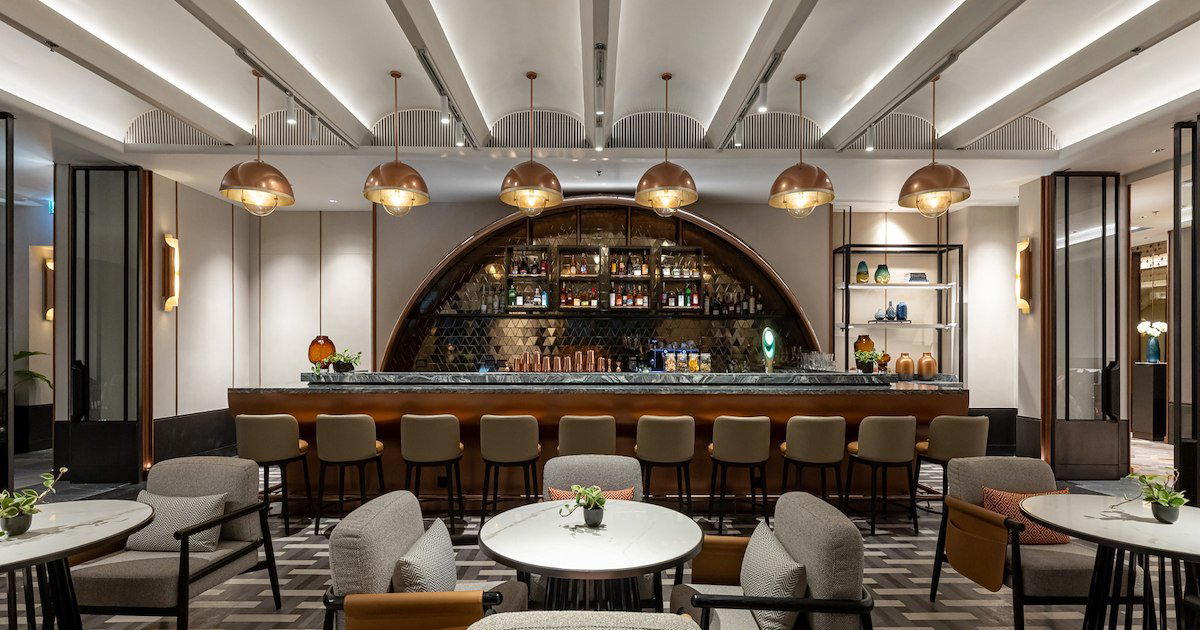
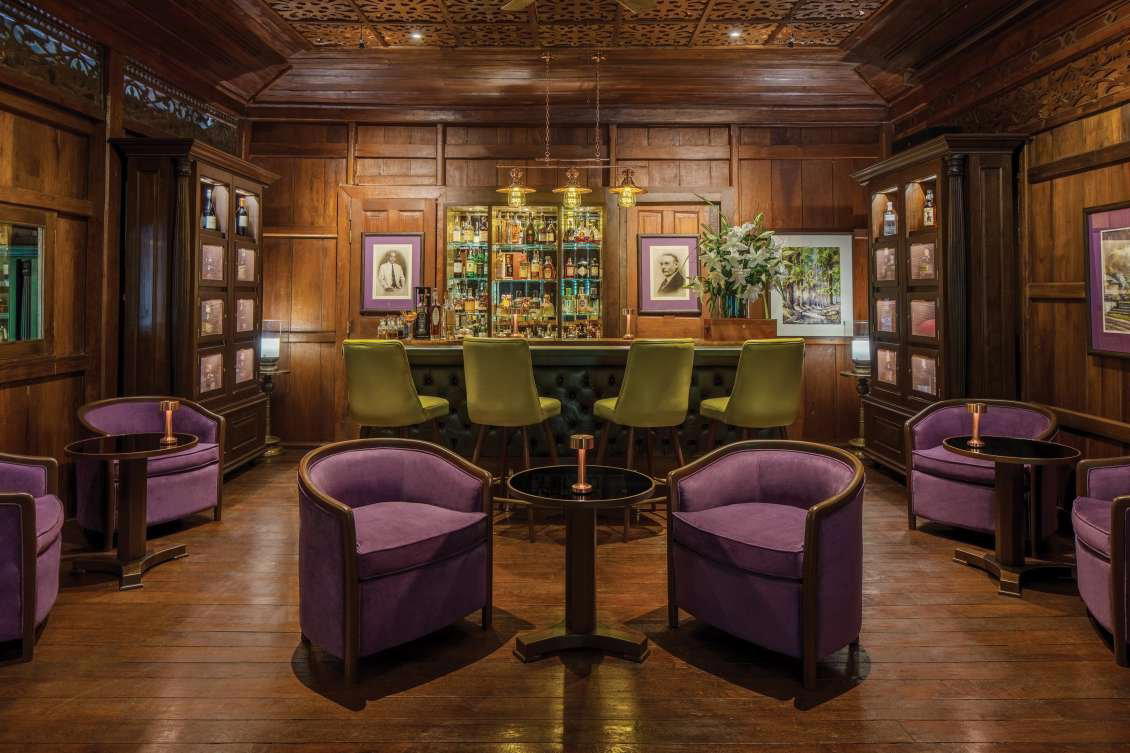
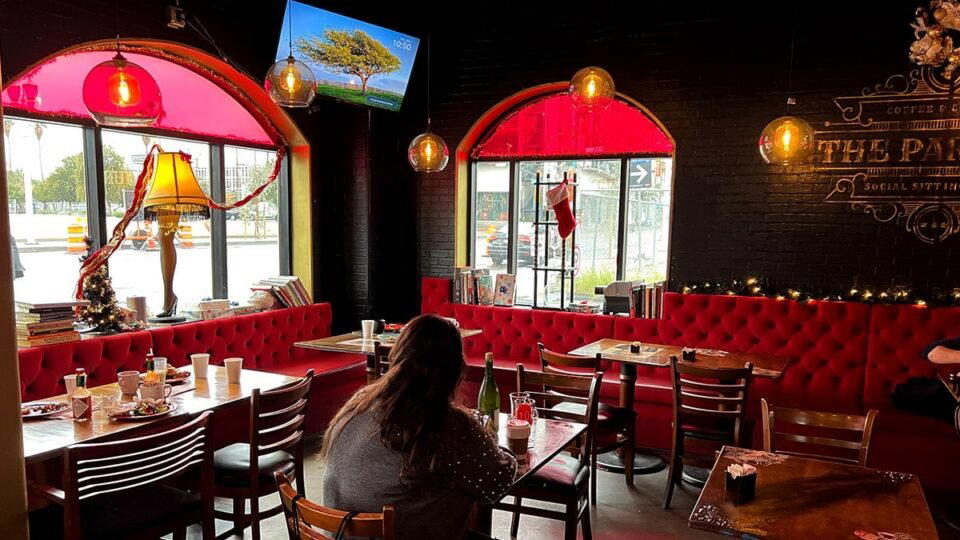
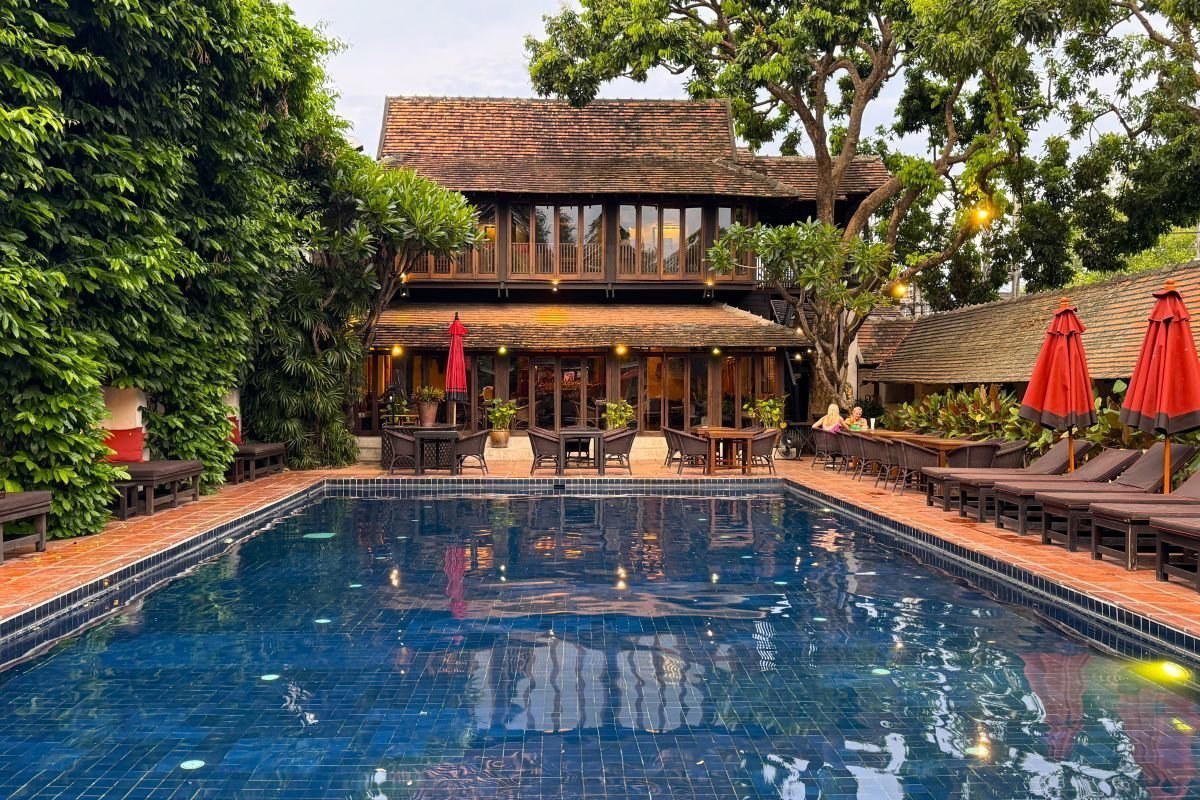
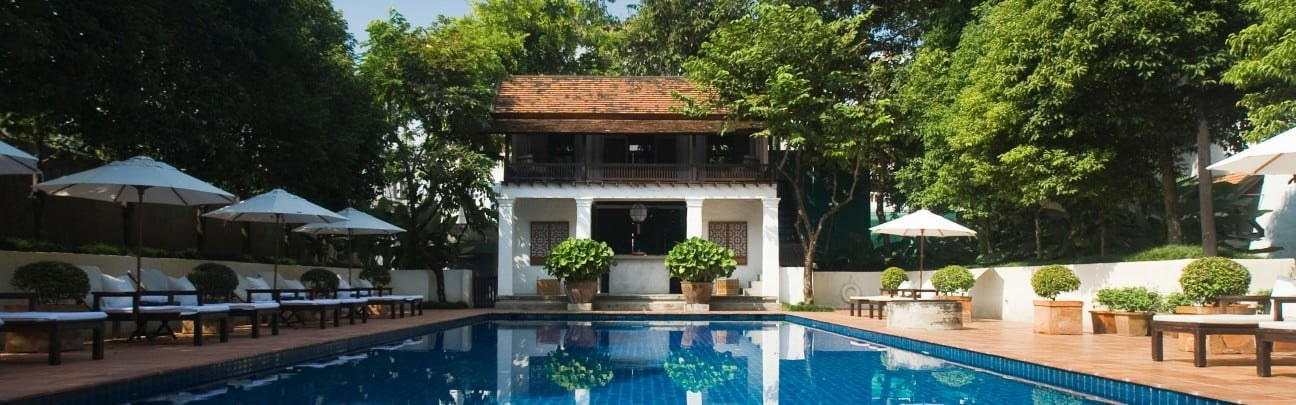
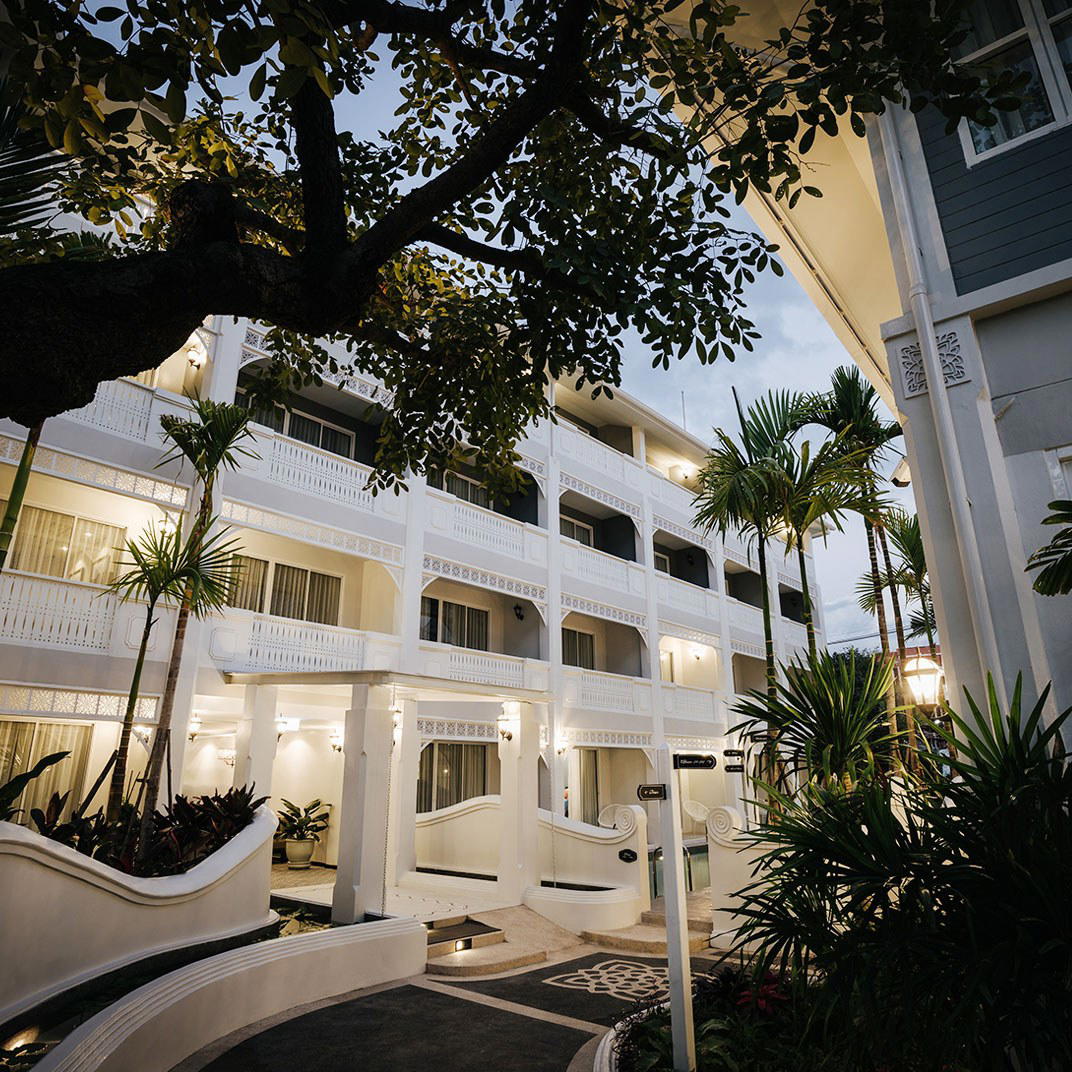
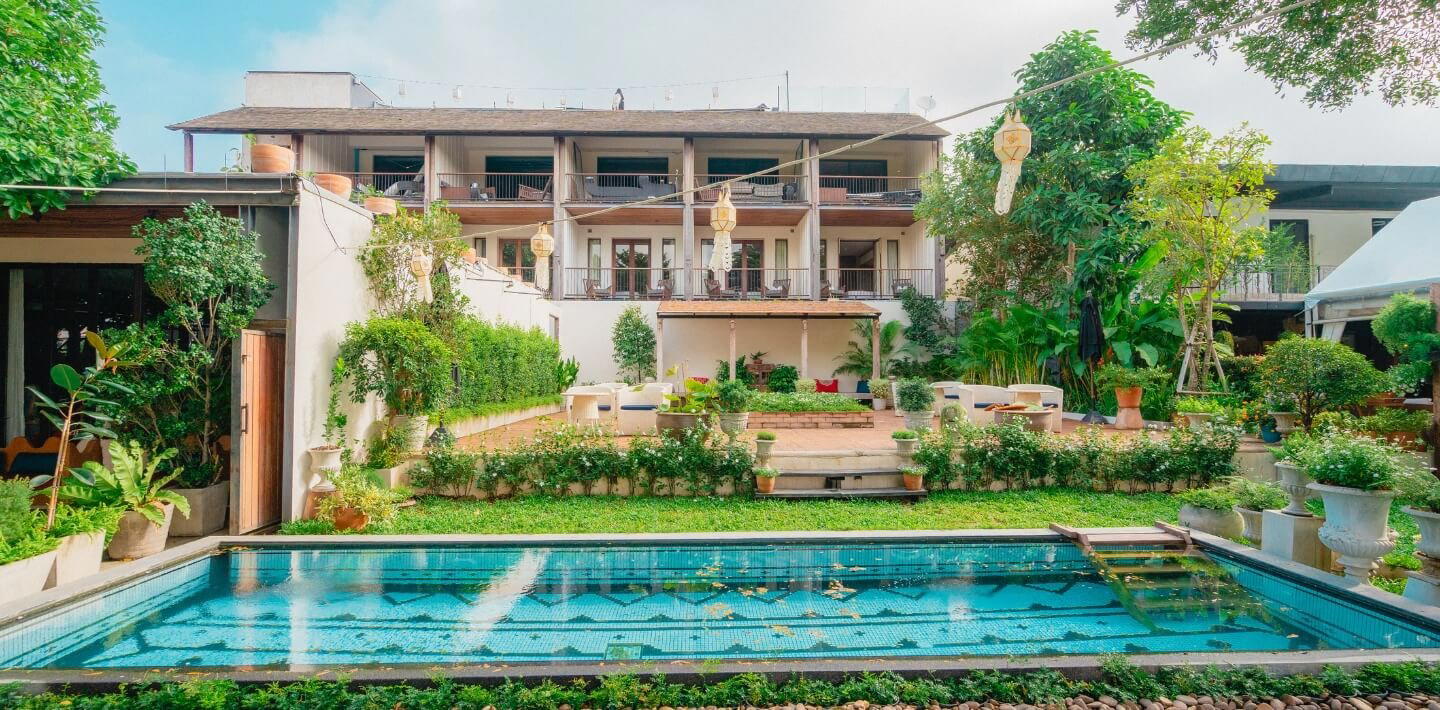
Warm, inviting interior with eclectic décor, warm woods, curated bric-a-brac, and a window into the kitchen creating an intimate and collected atmosphere.