Four Seasons Resort Chiang Mai


3 Michelin Keys · La Liste Top Hotels
Set among working rice paddies and jungle in Mae Rim, north of the city, Four Seasons Resort Chiang Mai earned Michelin 3 Keys (2024) and a 94-point La Liste Top Hotels score for 2026. Its 98 pavilions and villas blend classical Northern Thai architecture with contemporary comfort, anchored by an infinity pool, a full spa, and three restaurants. Rates from $1,677 per night position it at the upper end of the Chiang Mai luxury market.

Pearl is the En Primeur Club membership app, where members save venues, book tables and use the concierge.
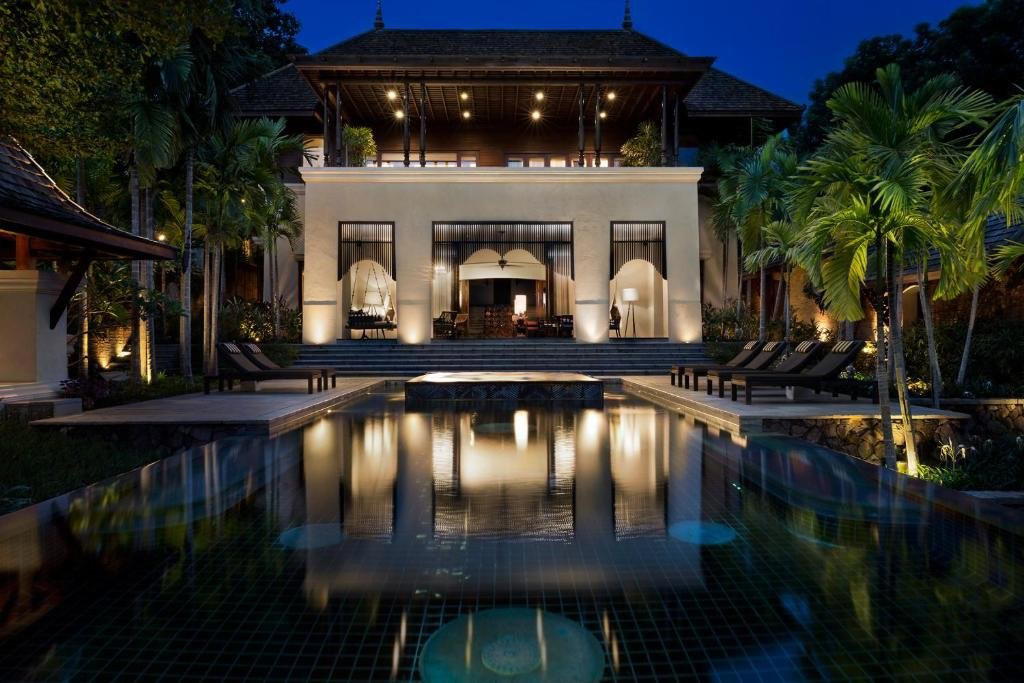
Where the Mae Rim Valley Sets the Scene
The drive north from Chiang Mai's old city takes about 30 minutes before the road narrows and the valley opens up. What greets you at Four Seasons Resort Chiang Mai is not a hotel entrance in the conventional sense but a working agricultural landscape: terraced rice paddies, water buffalo, and a horizon edged by forested hills that have defined Mae Rim's character for centuries. The resort's pavilions rise from this setting in the steep-roofed, gilded-trim vernacular of Northern Thai temple architecture, a visual language that links the property to the Lanna kingdom's artistic tradition rather than to the generic tropical-resort grammar common across Southeast Asia.
That relationship between landscape and built form is not incidental. Northern Thailand's luxury hospitality identity has long been shaped by how seriously a property engages with its physical and cultural context. Properties that treat the rice paddy as scenery rather than setting produce a fundamentally different experience from those that integrate it. Here, the paddies are maintained as a functioning agricultural operation, which means the view from a villa terrace changes with the seasons: bright green shoots after the rains, gold before harvest, flooded mirror-flat in the planting months. Guests arriving between July and October, when the fields are at full cultivation, encounter a very different resort from the one that greets a February visitor.
The Architecture and Its Lanna Lineage
Chiang Mai's Lanna culture, which flourished from the 13th to 18th centuries before the kingdom was absorbed into Siam, left a built legacy distinct from central Thai aesthetics: steeper roof pitches, darker teak interiors, and decorative motifs drawn from a regional Buddhist iconography. The resort's 98 pavilions and villas draw on that tradition consistently, with multi-tiered rooflines and interior joinery that place the property closer to the historic compounds of the old city than to the resort architecture of the Gulf islands.
Within that tradition, the accommodations vary in scale and configuration across the 98-room inventory, ranging from garden pavilions to private-pool villas. The interiors combine classical Thai craft elements with the kind of material comfort the Four Seasons brand maintains across its global portfolio: the architecture carries the regional identity, while the amenity level reflects the international luxury tier.
Recognition and Where It Sits in the Thai Luxury Market
Thailand's premium hospitality market has produced a notable range of property types across regions. Bangkok anchors the international business tier, with properties such as the Mandarin Oriental Bangkok and the Grand Hyatt Erawan Bangkok drawing on decades of urban positioning. The south serves a beach-and-water model through properties including Amanpuri in Phuket, Six Senses Yao Noi in Phang Nga, Phulay Bay, A Ritz-Carlton Reserve in Krabi, Soneva Kiri in Trat, and Pimalai Resort & Spa in Koh Lanta. Chiang Mai represents a third axis: culture, cuisine, and highland landscape rather than coast.
Within that northern axis, the Four Seasons Resort Chiang Mai holds a strong independent position. Its 94-point score in the La Liste Leading Hotels 2026 ranking places it among a selective global cohort, and its Michelin 3 Keys designation in 2024 confirms recognition from a credentialing body that applies consistent international methodology. For context, Michelin's 3 Keys award represents the highest tier in its hotel evaluation program, reserved for properties that deliver at a level the guide considers worth a specific journey. Across Chiang Mai, other properties with distinct positioning include Aleenta Retreat Chiang Mai, Anantara Chiang Mai Resort, and AMANOR Hotel Chiang Mai, each representing a different approach to the market.
Dining, Spa, and the Service Standard
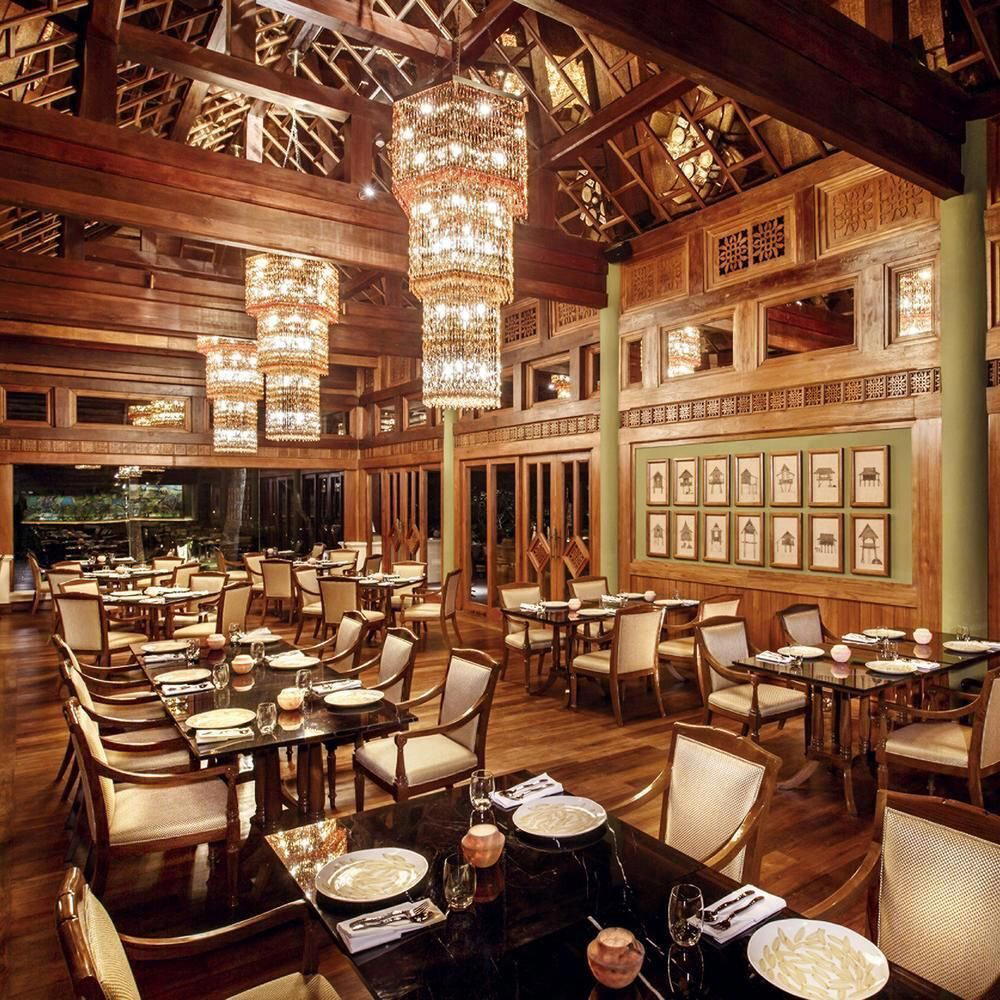
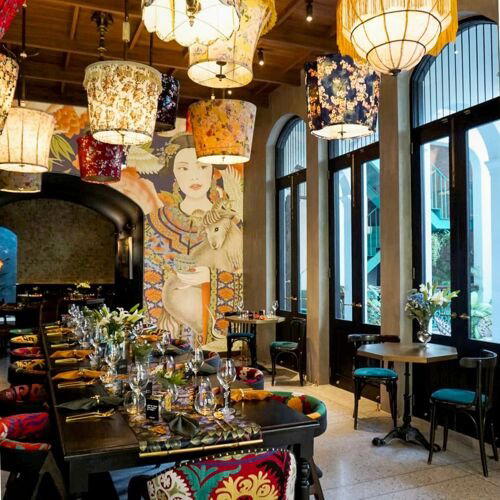
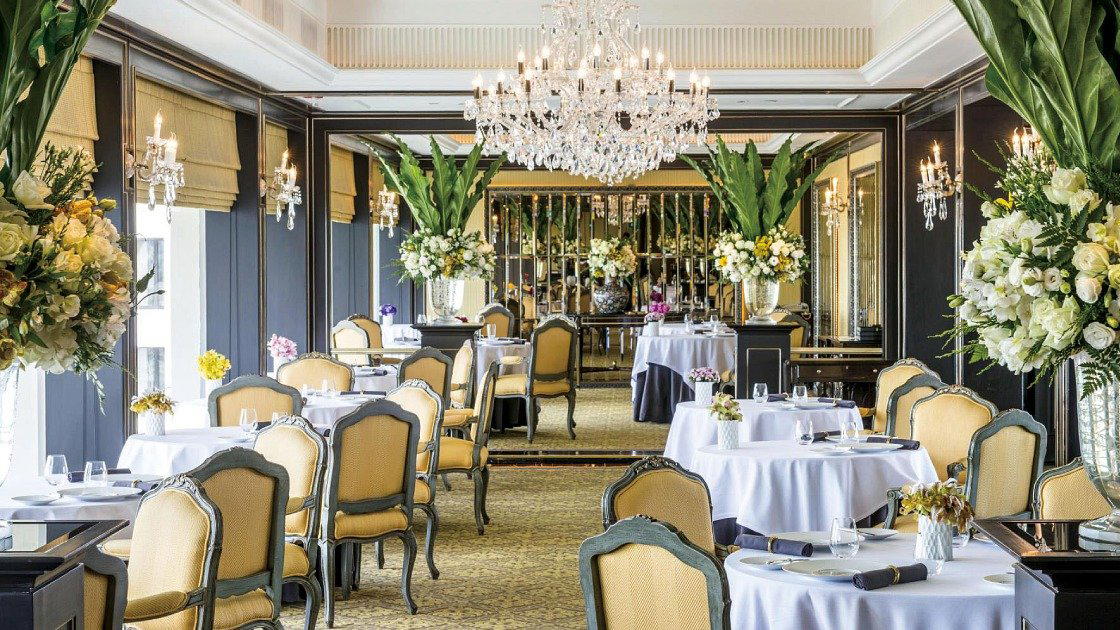
Three restaurants operate within the resort, addressing different dining registers. Northern Thai cuisine, with its distinctive herb-forward broths, fermented preparations, and Burmese-influenced dishes, forms the culinary tradition the region is built around, and properties in this tier are expected to represent it seriously rather than offer a diluted international-hotel version. The broader resort format also includes an infinity pool and a spa, two amenities that at this price point are standard expectations rather than differentiators. What the available assessments identify as genuinely distinctive is the service, which the La Liste evaluation frames as the experience element that registers most clearly above peer comparisons. Four Seasons properties globally operate on a service philosophy that emphasizes anticipatory attention without formality, and in Chiang Mai that approach appears to translate well to the informal-luxury register the valley setting suggests.
For guests exploring the broader Northern Thailand region, Anantara Golden Triangle Elephant Camp & Resort in Chiang Rai represents a natural pairing, addressing a different landscape and program while operating at a comparable tier. Those considering a full-country itinerary might also cross-reference Anantara Hua Hin Resort & Spa, Aleenta Resort & Spa, Hua-Hin in Pranburi, Anantara Rasananda Koh Phangan Villas, and Anantara Layan Phuket Resort to build a regional picture of where Thailand's premium market currently sits.
Planning a Stay: Timing, Location, and Practicalities
The resort address places it in Mae Rim, roughly 30 minutes north of Chiang Mai's old city via the Mae Rim-Samoeng Old Road. That distance from the city center is a meaningful consideration: guests who want to walk to the Saturday Night Market or access old-city temples on foot will find the Mae Rim location inconvenient. The resort suits a model where the property itself is the primary destination, with excursions made by car or arranged transfer, which is the format most villa-scale resorts in this tier assume.
Seasonally, the dry cool season between November and February delivers the most consistently comfortable conditions: lower humidity, clear skies, and cooler evenings that make outdoor dining and poolside time direct. The rice paddies, however, are most photogenic during the wet-season cultivation months, creating a genuine tradeoff depending on what a guest prioritizes. Rates beginning at $1,677 per night apply across the accommodation inventory; villa-category rooms with private pools will sit well above that entry figure. Guests comparing the Mae Rim location to more urban alternatives in the city should also consider Le Méridien Chiang Mai and Chiang Mai Marriott Hotel for properties with direct city-center access at a different price point. Our full Chiang Mai restaurants guide covers the dining options available once you're ready to move beyond the resort's own three restaurants.
Same-City Peers
Comparable venues nearby, for context on price, style, and recognition.
| Venue | Cuisine | Price | Awards | Notes |
|---|---|---|---|---|
| Four Seasons Resort Chiang MaiThis venue (the venue you are viewing) | Thai-inspired pavilions set in rice terraces with modern luxury | Not listed | 3 Michelin Keys · La Liste Top Hotels | Not listed |
| Rachamankha | Lanna-inspired heritage boutique with manicured grounds and traditional architecture | Not listed | 2 Michelin Keys · Mr & Mrs Smith Seal of Approval | Mueang Chiang Mai |
| 137 Pillars House | Colonial teak homestead restored as a luxurious boutique residence | $300–500 | 2 Michelin Keys · La Liste Top Hotels | Mueang Chiang Mai |
| Aleenta Retreat Chiang Mai | Intimate boutique wellness retreat blending modern design with Lanna cultural heritage and sustainability. | Not listed | 1 Michelin Key · Travel + Leisure T+L 500 Hotels | Mueang Chiang Mai |
| Raya Heritage | Contemporary Lanna heritage luxury resort | $200–300 | 1 Michelin Key · Mr & Mrs Smith Seal of Approval | Mae Rim |
| Tamarind Village | Historic Lanna-style boutique hotel with traditional Thai architecture and contemporary comfort, positioned as a peaceful retreat within the urban old city. | $100–200 | 1 Michelin Key | Mueang Chiang Mai |
Recognition history
Dated appearances from independent guides and award organizations, with the underlying list record or original source where available.
Michelin 3 Keys
Michelin
La Liste Top Hotels
La Liste
Full recognition history (4 entries)
Michelin 3 Keys
Michelin
Michelin 3 Keys
Michelin
Continue exploring
More in Chiang Mai
Hotels in Chiang Mai
All hotels in Chiang Mai →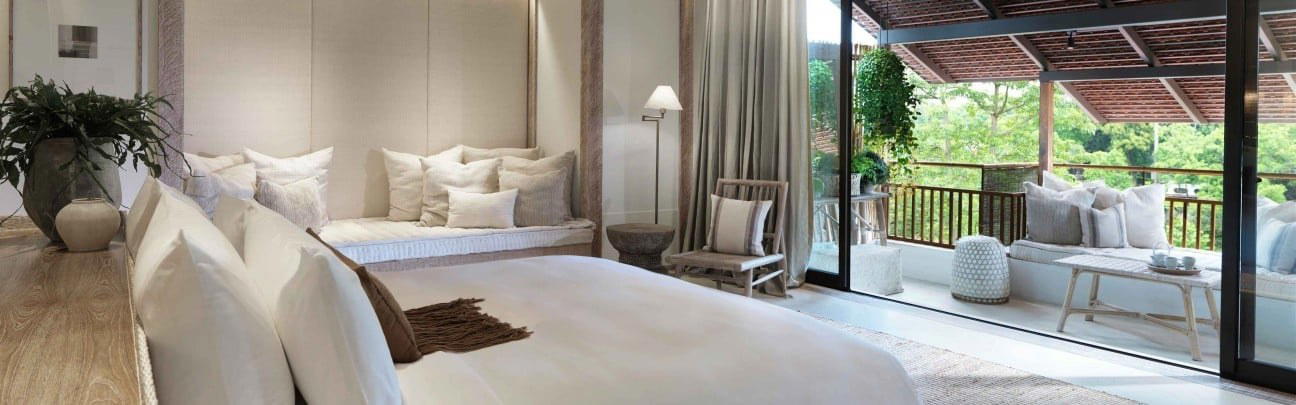
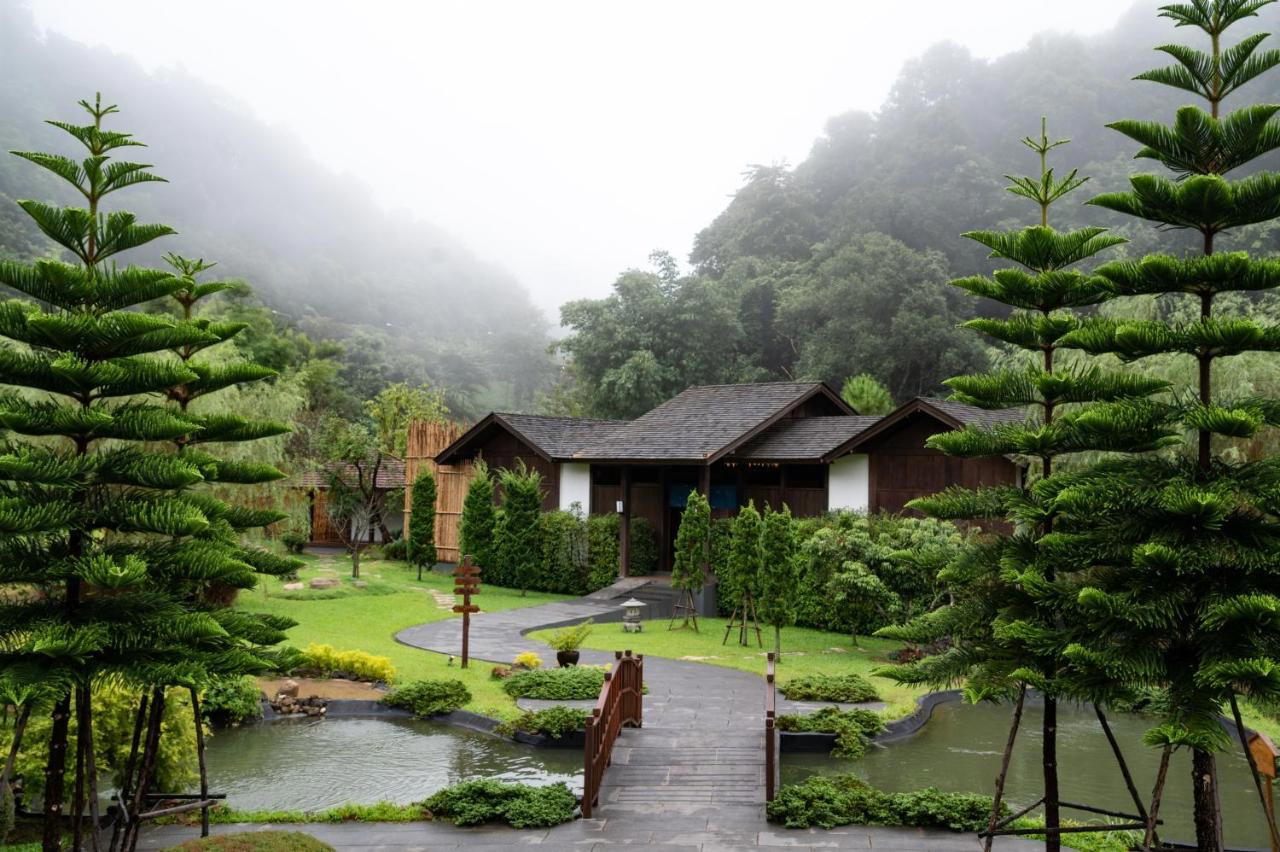
Bars in Chiang Mai
All bars in Chiang Mai →
Details
- Elegant
- Scenic
- Sophisticated
- Quiet
- Ornate
- Honeymoon
- Romantic Getaway
- Wellness Retreat
- Family Vacation
- Infinity Pool
- Private Villa
- Destination Spa
- Panoramic View
- Pool
- Spa
- Fitness Center
- Room Service
- Concierge
- Tennis
- Kids Club
- Wi Fi
- Garden
- Mountain
- Step Free Entrance
Tranquil and serene with soft natural lighting, surrounded by lush gardens, rice fields, and mountains, creating a peaceful sanctuary.