Rachamankha


2 Michelin Keys · Mr & Mrs Smith Seal of Approval
Modelled on the architecture of Wat Phra That Lampang Luang, the property sits roughly 70 metres from Phra Singh Temple, with Lanna-style interiors, a courtyard garden, and a restaurant serving Thai-focused fusion cuisine. Adults only (13 and above).

Pearl is the En Primeur Club membership app, where members save venues, book tables and use the concierge.
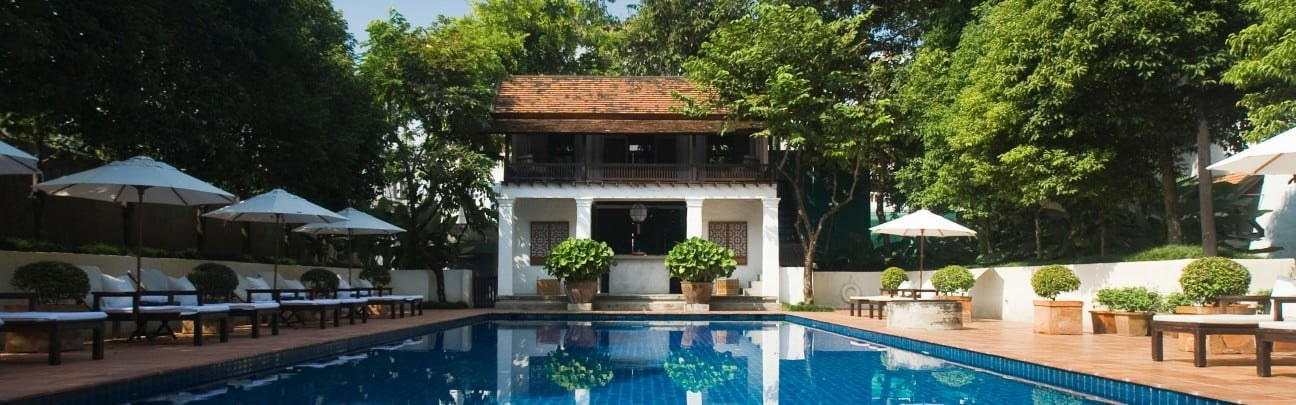
Lanna Architecture as Spatial Practice
In Chiang Mai's old city, where temple compounds and low-rise shophouses set a textural baseline that larger hotels rarely honour, the most coherent approach to luxury is one that borrows from the district's own architectural grammar. Rachamankha does exactly that. The main building is modelled after a chapel of Wat Phra That Lampang Luang, one of northern Thailand's most revered Lanna-period temples, which means the hotel's silhouette reads as an extension of the neighbourhood rather than an imposition on it. At approximately 70 metres from the south-west corner of Phra Singh Temple, the property's proximity to active religious life is not incidental, it shapes the pace and register of everything inside.
That architectural decision carries an implicit sustainability argument. Where resort developments in the region have frequently cleared or obscured local character in favour of international comfort codes, Rachamankha's design draws from a documented heritage tradition. The Lanna style moves between ornate and restrained within the same composition: carved timber details alongside whitewashed walls, latticed screens next to open courtyards. The result is a property that contributes to the visual coherence of the old city rather than disrupting it, a consideration that matters more in a UNESCO-adjacent district like this one than it might elsewhere.
What 25 Rooms Means in Practice
Boutique hospitality in Southeast Asia has split into two broad tiers: properties that claim intimacy while operating at 80 or 100 keys, and those where the small room count is structurally meaningful. At 25 rooms, Rachamankha belongs to the latter group. The staffing ratios, the noise levels, and the social dynamics of the shared spaces all change when a hotel operates at this scale. The courtyard garden, planted with red and white bougainvillea, functions as a genuine communal space rather than a decorative buffer between wings.
Guest rooms face the courtyard and draw on a material palette that reflects the region's craft traditions without fetishising them: bamboo blinds, reed mats, and Lanna lanterns alongside Chinese porcelain sinks and Burmese artworks. Second-level deluxe suites add four-poster beds and larger bathrooms. The public areas carry the same layered logic, plush white and chocolate-brown furnishings sit alongside hand-carved doors, exotic orchids, and Chinese antiques sourced from the broader trade networks that have connected northern Thailand to Yunnan and the Shan States for centuries. These are not decorative gestures; they reflect a material culture that has always moved across porous regional borders.
The property holds a Michelin 2 Keys recognition (2024), placing it within a small cohort of Chiang Mai hotels that have been assessed against international hospitality benchmarks. For context within the city's boutique segment, peers such as 137 Pillars House and Aleenta Retreat Chiang Mai operate in a similar design-led register, while larger properties like the Four Seasons Resort Chiang Mai and Anantara Chiang Mai Resort compete on a different scale and amenity model altogether.
The Restaurant and the Bar
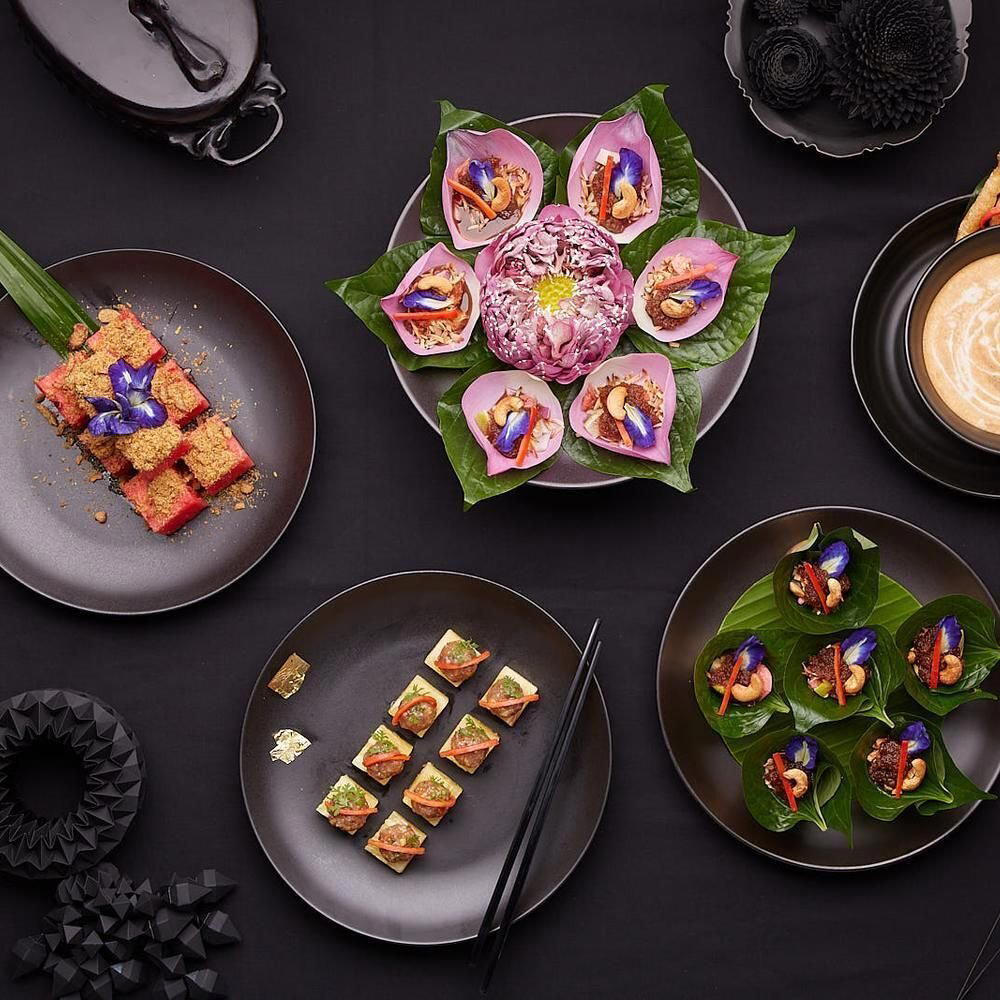
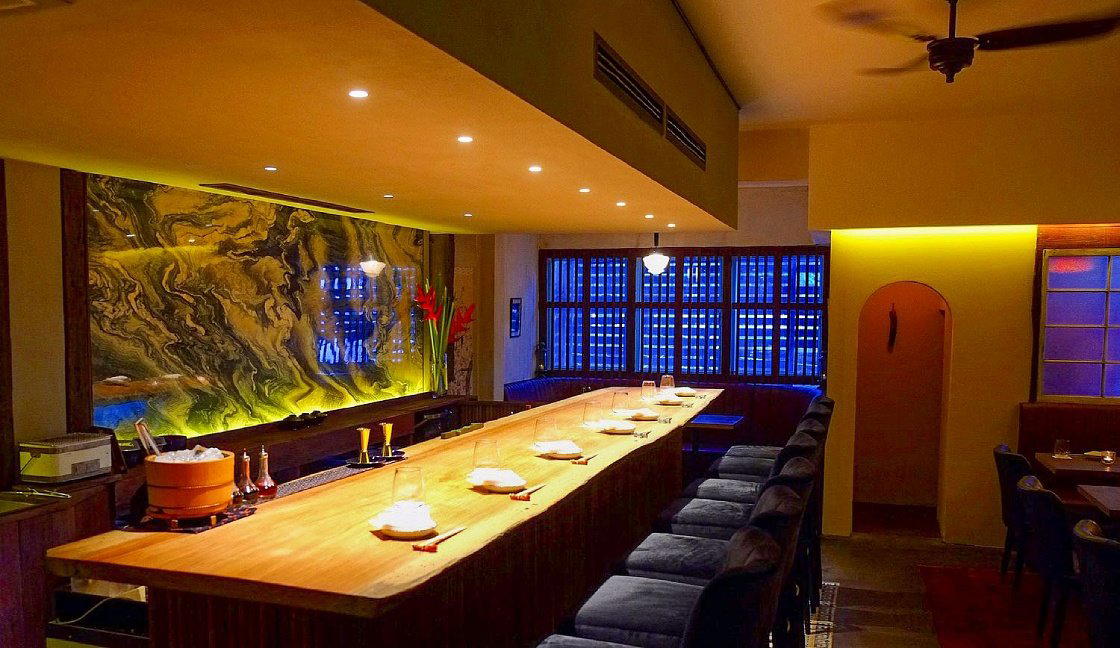
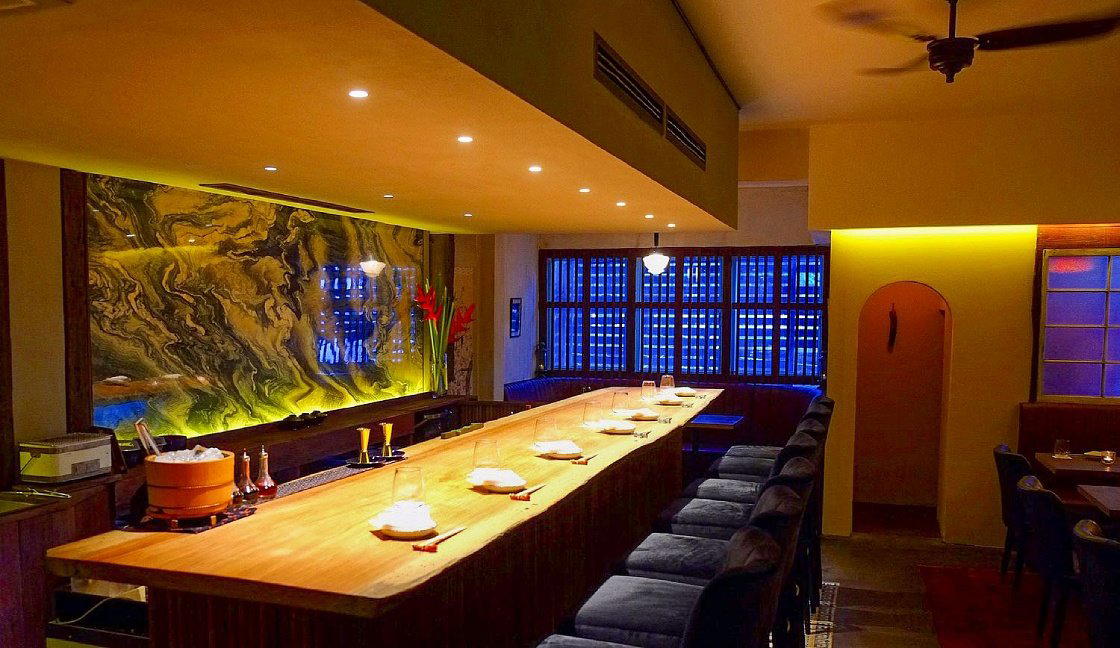
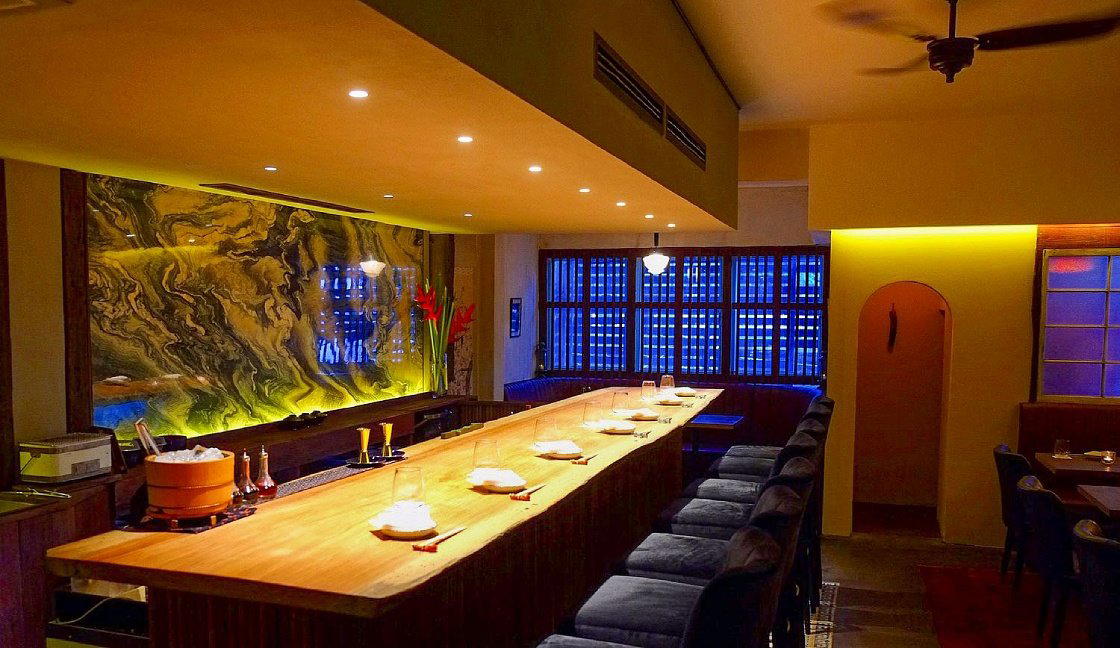
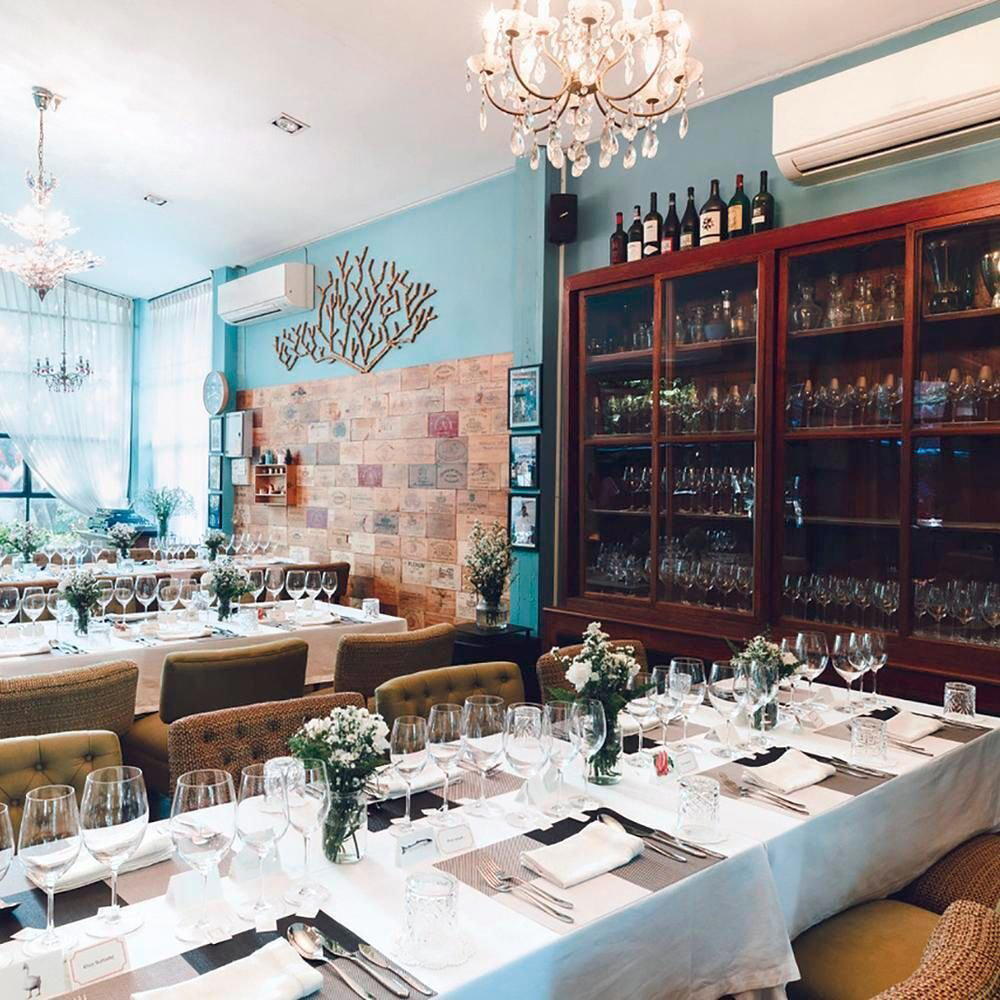
Northern Thai cuisine is among the most regionally distinct food traditions in the country, shaped by Burmese, Yunnanese, and Shan influences that rarely translate intact to Bangkok menus. Rachamankha's restaurant takes a Thai-focused fusion approach, serving on traditional Chinese plates, a presentation choice that acknowledges the cross-border cultural exchange embedded in the old city's history. The library provides internet access in a setting lined with books, while cocktails are available poolside or at the bar, which is decorated with lithographs. These are not afterthought amenities; in a 25-room property, how a bar is curated and what the library communicates about editorial taste are meaningful signals of the hotel's overall sensibility.
Responsibility at Small Scale
The case for small-footprint luxury as an inherently more responsible model is sometimes overstated, but at Rachamankha the argument is grounded in specifics. A 25-room property within the old city walls generates a fundamentally different community impact than a resort development outside them. Guests are within walking distance of the night market and a short taxi ride from the city's main cultural sites, which means the hotel's location actively supports the existing economic fabric of the district rather than concentrating spend within a self-contained resort campus. The property is approximately 10 minutes from Chiang Mai International Airport by car, close enough to be convenient, far enough from the airport corridor that the surrounding neighbourhood retains its residential character.
The architectural decision to model the main building on a Lanna temple structure also carries a preservation argument. Heritage-conscious design in tourism contexts can function as a form of advocacy, it creates guest familiarity with local architectural traditions and frames those traditions as worth protecting.
Rachamankha also maintains a strict adults-only policy, declining accommodation to guests aged 12 and under. In a property where quiet is a core offering and the ambient sound is more likely to be roosters than traffic, that policy is logistically coherent, and it positions the hotel within a specific traveller profile that values that kind of intentional calm.
Chiang Mai's Boutique Position in Thailand's Luxury Map
Thailand's premium hospitality offer is geographically spread in ways that reward specificity. Beach properties dominate the international perception of Thai luxury: Amanpuri in Phuket, Six Senses Yao Noi in Phang Nga, Phulay Bay, A Ritz-Carlton Reserve in Krabi, and Soneva Kiri in Trat all operate in coastal or island contexts where the setting does significant commercial work. Chiang Mai's proposition is different: it is a cultural and culinary city, and the properties that perform leading here are those where the architectural or programmatic identity connects to the city's specific heritage rather than replicating a resort template.
Within that framing, Rachamankha's position is clear. Properties like Raya Heritage and AMANOR Hotel Chiang Mai operate in the same design-conscious register, while Le Méridien Chiang Mai and Chiang Mai Marriott Hotel serve a different brief. For travellers comparing Chiang Mai against other northern destinations, Anantara Golden Triangle Elephant Camp & Resort in Chiang Rai offers a different kind of cultural immersion at a larger scale. See our full Chiang Mai restaurants and hotels guide for broader context across the city's categories.
For those building a broader Thailand itinerary, the contrast between Chiang Mai's heritage-city pace and Bangkok's density is worth factoring into timing. Mandarin Oriental Bangkok and Grand Hyatt Erawan Bangkok represent the capital's high end; arriving in Chiang Mai after Bangkok tends to sharpen the contrast that properties like Rachamankha depend on.
Planning a Stay
Rachamankha sits inside the old city walls at 6 Soi Ratchamanka 9, within the Si Phum subdistrict, and is accessible from Chiang Mai International Airport in approximately 10 minutes by car. The surrounding neighbourhood is walkable to Phra Singh Temple and within easy reach of the night market on foot. Given the 25-room capacity and Michelin 2 Keys recognition, availability during peak northern Thailand travel periods (November through February, when temperatures are at their most comfortable) warrants early planning. The hotel does not accommodate children aged 12 and under.
Price and Recognition
Comparable venues nearby, for context on price, style, and recognition.
| Venue | Price | Awards | Notes |
|---|---|---|---|
| RachamankhaThis venue (the venue you are viewing) | Not listed | 2 Michelin Keys · Mr & Mrs Smith Seal of Approval | Not listed |
| Four Seasons Resort Chiang Mai | Not listed | 3 Michelin Keys · La Liste Top Hotels | Mae Rim, Thai-inspired pavilions set in rice terraces with modern luxury |
| Raya Heritage | $200–300 | 1 Michelin Key · Mr & Mrs Smith Seal of Approval | Mae Rim, Contemporary Lanna heritage luxury resort |
| 137 Pillars House | $300–500 | 2 Michelin Keys · La Liste Top Hotels | Mueang Chiang Mai, Colonial teak homestead restored as a luxurious boutique residence |
| Aleenta Retreat Chiang Mai | Not listed | 1 Michelin Key · Travel + Leisure T+L 500 Hotels | Mueang Chiang Mai, Intimate boutique wellness retreat blending modern design with Lanna cultural heritage and sustainability. |
| Tamarind Village | $100–200 | 1 Michelin Key | Mueang Chiang Mai, Historic Lanna-style boutique hotel with traditional Thai architecture and contemporary comfort, positioned as a peaceful retreat within the urban old city. |
Recognition history
Dated appearances from independent guides and award organizations, with the underlying list record or original source where available.
Michelin 2 Keys
Michelin
Mr & Mrs Smith Seal of Approval
Mr & Mrs Smith
Full recognition history (4 entries)
Michelin 2 Keys
Michelin
Michelin 2 Keys
Michelin
Continue exploring
More in Chiang Mai
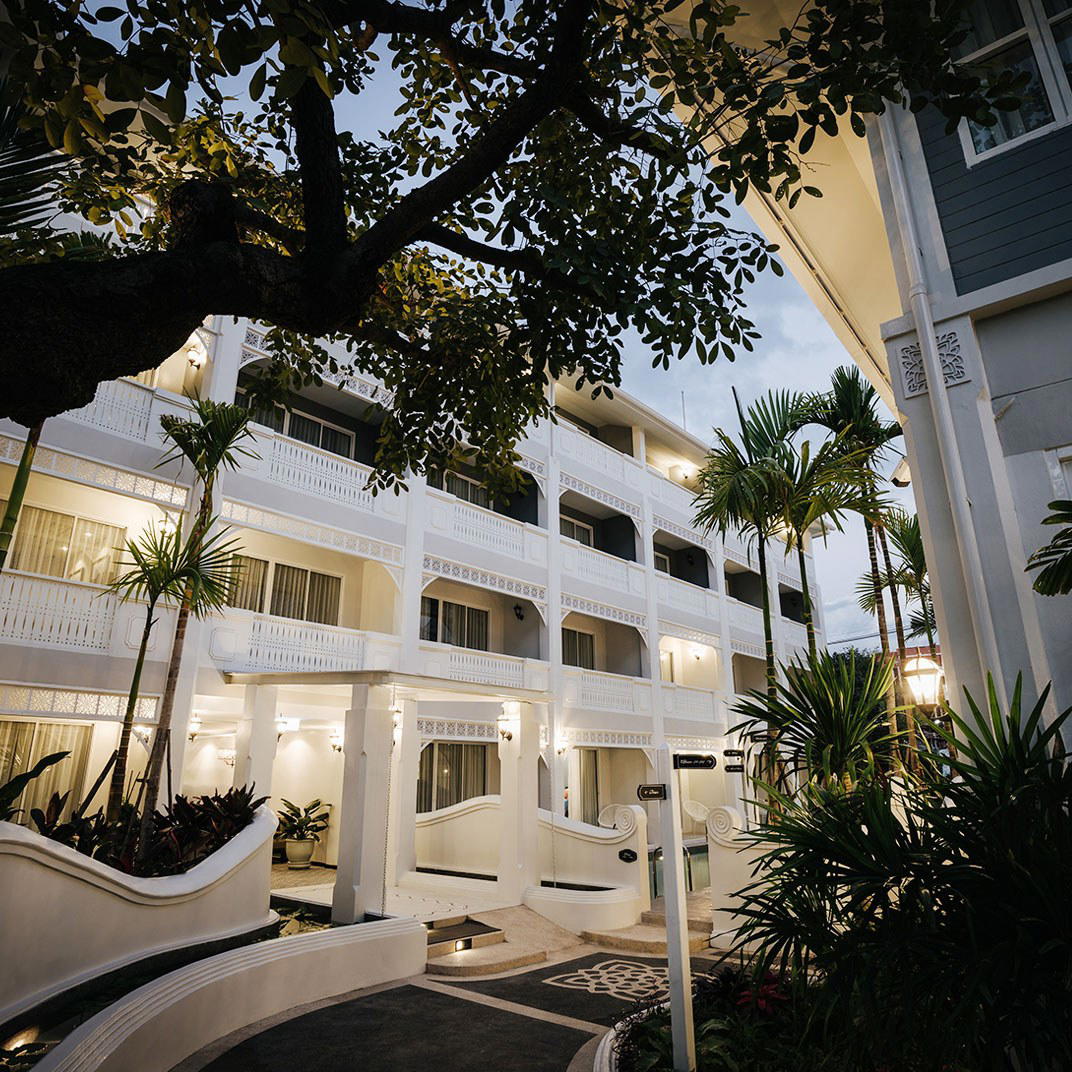
Hotels in Chiang Mai
All hotels in Chiang Mai →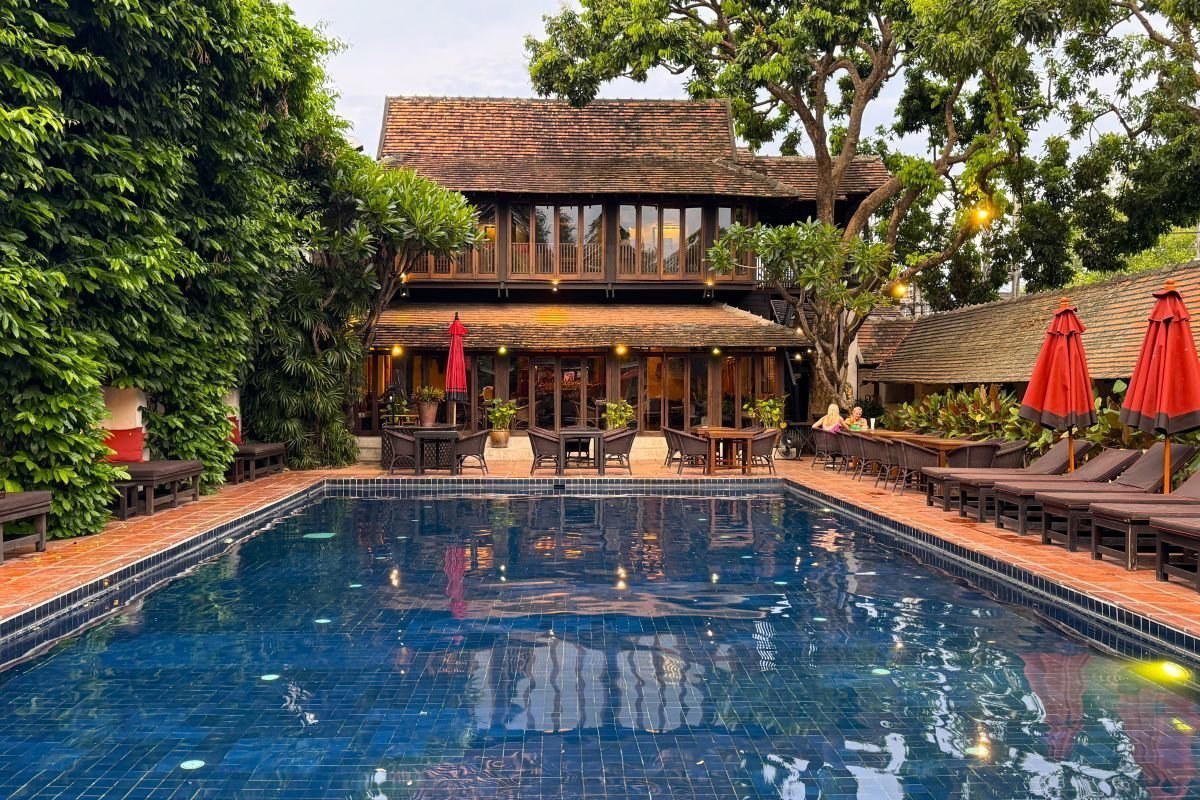
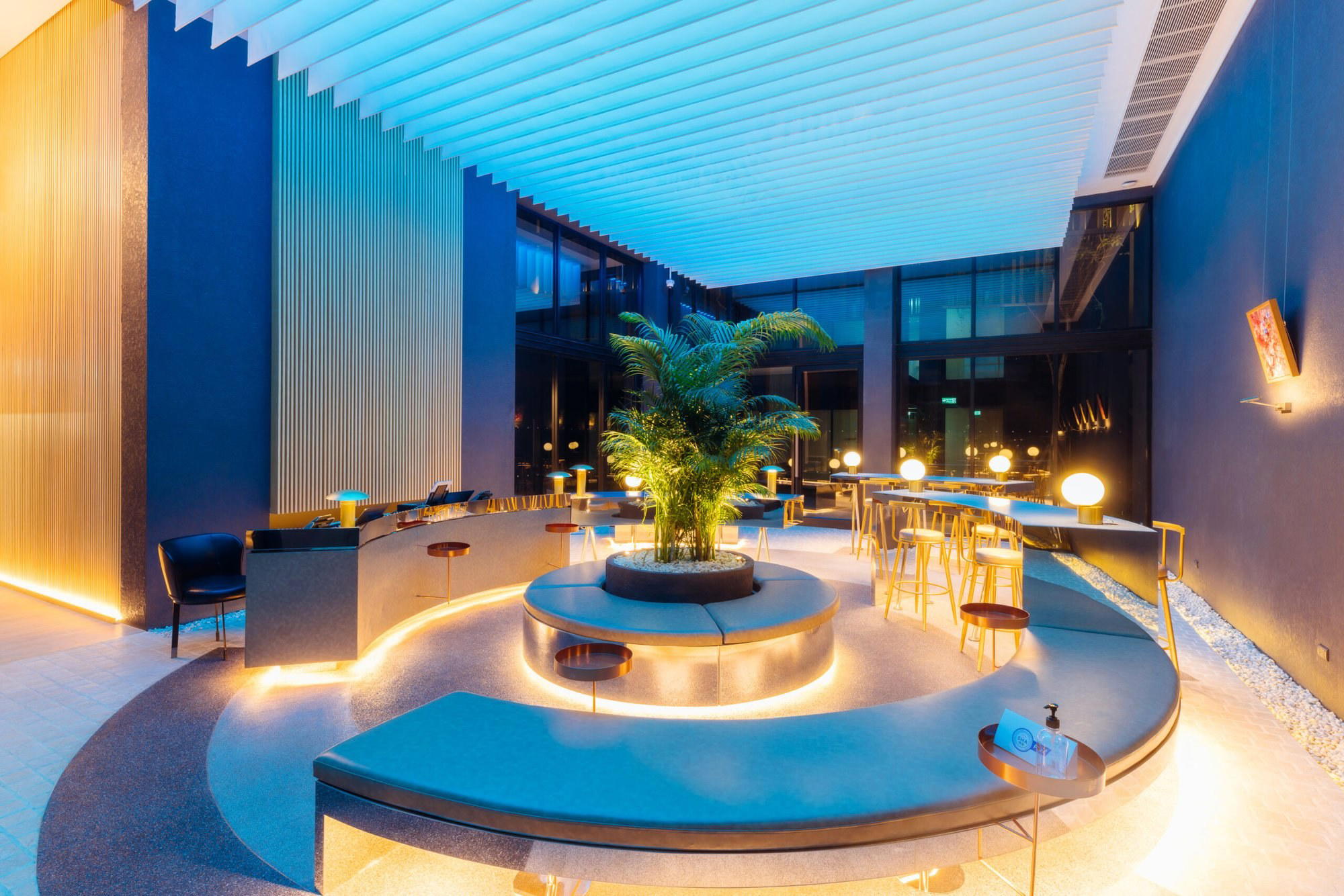
Bars in Chiang Mai
All bars in Chiang Mai →
Details
- Quiet
- Elegant
- Intimate
- Sophisticated
- Cozy
- Romantic Getaway
- Honeymoon
- Anniversary
- Wellness Retreat
- Historic Building
- Garden
- Wi Fi
- Pool
- Spa
- Massage
- Restaurant
- Concierge
- Room Service
- Garden
- Garden
- Step Free Entrance
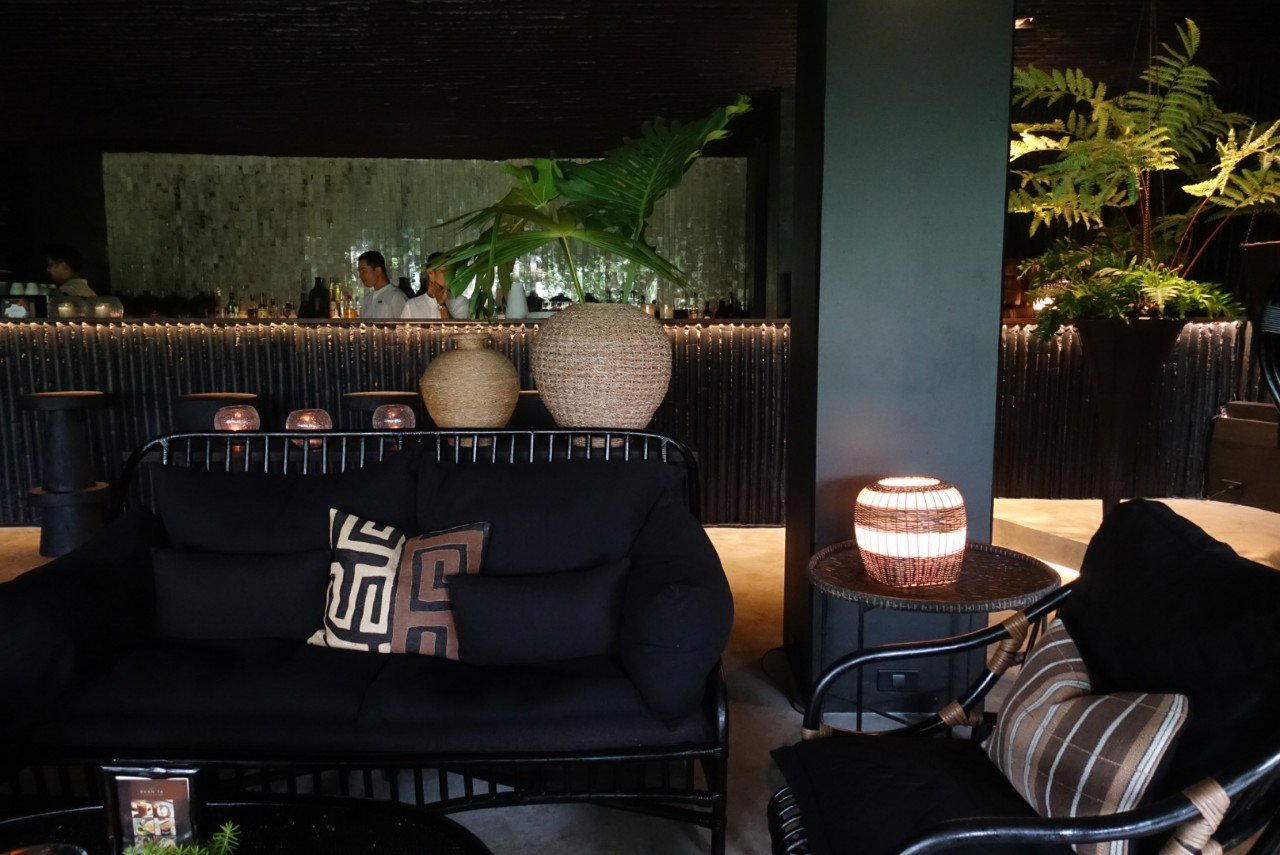
Tranquil and serene with graceful illumination, plush furnishings, and an elegant atmosphere enhanced by antiques, orchids, and manicured gardens.