Laab Ton Yang (San Phi Suea)
.png)
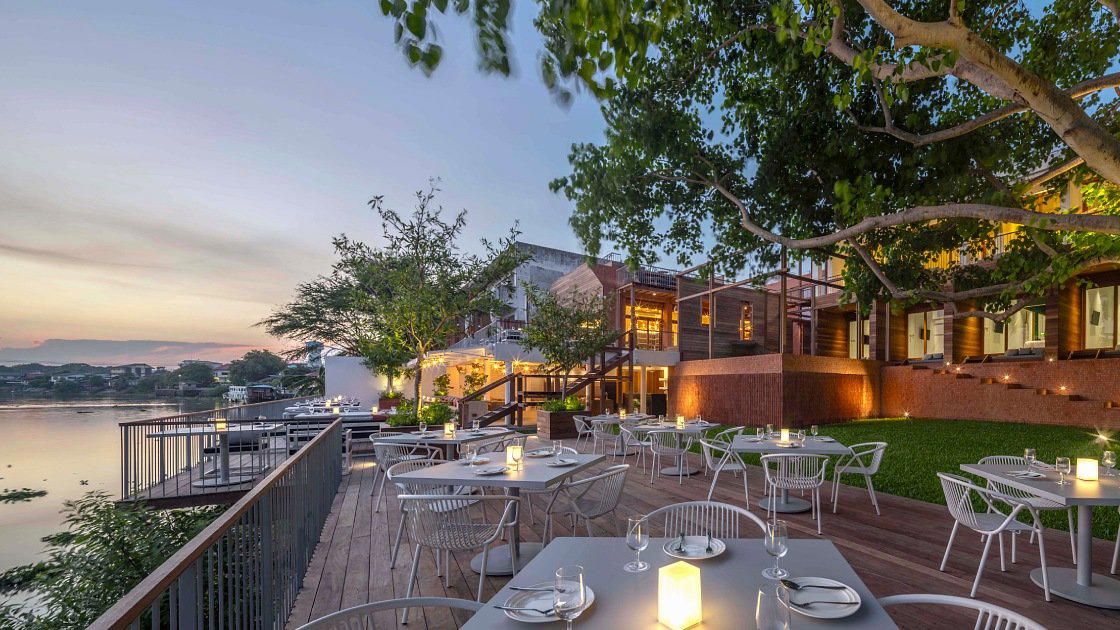
A reliable address for no-fuss Northern Thai cooking in Chiang Mai's San Phi Suea district, Laab Ton Yang draws a predominantly local crowd to its open-air sala for rustic sharing plates. The lap nuea and kaeng om are prepared in classic Northern style, with the lap available raw or cooked. Expect a relaxed, neighbourhood pace rather than a polished dining room.
 Discover on Pearl
Pearl is the En Primeur Club membership app — saves, bookings, and concierge access live there. Same editors, same standards.
- Address
- 199 330 หมู่ที่ 9 ถนน รอบเมืองเชียงใหม่ Tambon San Phi Suea, Mueang Chiang Mai District, Chiang Mai 50300, Thailand
- Phone
- +66 89 433 9786
- Website
- facebook.com
Northern Thai Food Without the Performance
Chiang Mai's most credible Northern Thai restaurants tend to operate at two ends of a spectrum: the tourist-facing spots near the Old City, where menus are translated into four languages and prices reflect the foot traffic, and the neighbourhood spots further out, where the cooking is more anchored to local habit and the room does not try to sell you anything. Laab Ton Yang, located in the San Phi Suea district along the outer ring road, sits firmly in the second category. The open-air setting and a clientele that fills tables at peak times with Thai diners rather than visitors signal something reliable: this is a place that earns its repeat business through the food, not the setting.
That dynamic matters more in Chiang Mai than in most Thai cities, because Northern Thai cuisine, ahaan mueang, is a distinct culinary tradition that suffers in translation. The herb profiles are more bitter and astringent than central Thai food. The seasoning is less sweet. The lap, the region's signature minced-meat preparation, sits outside the comfort zone of diners raised on the milder, lime-forward larb found on menus elsewhere in Thailand. Restaurants catering primarily to locals have less incentive to soften those edges, and Laab Ton Yang does not soften them.
The Menu's Logic: Sharing, Simplicity, Repetition
The format here follows the rhythm of Northern Thai eating: small sharing portions, a short menu structured around a few well-executed preparations, and dishes meant to be ordered in combination rather than isolation. The lap nuea is the anchor, a boldly flavoured minced meat preparation available with pork, beef, or fish, and ordered either raw or cooked. Raw lap, lap dip, is the more traditional form, seasoned with bile, blood, and a dry spice mix that includes long pepper, dried chilli, and roasted rice powder. It is not a dish that rewards hesitation, and its presence on the menu without qualification is its own kind of trust signal about the kitchen's priorities.
Alongside the lap, the kaeng om arrives well-balanced: an herbal, broth-light stew built on lemongrass, galangal, and local aromatics, closer to a dry curry than a coconut-milk preparation. In the broader context of Northern Thai cooking, kaeng om acts as a counterpoint to the intensity of lap, and the kitchen here appears to understand that structural relationship. The dishes are not designed to be eaten alone.
Across the city, comparable Northern Thai addresses include Busarin Cuisine and Aunt Aoy Kitchen, both of which operate at the ฿฿ tier with their own approaches to traditional preparations. Baan Landai and Baan Suan Mae Rim represent the garden-setting end of Northern Thai dining, where the outdoor experience is part of the value proposition. Laab Ton Yang makes no such concession to atmosphere; the open-air sala is functional rather than designed, which means the food carries the full weight of the visit.
Lunch vs. Dinner: Two Different Rooms
Northern Thai restaurants that rely on local clientele tend to operate on a lunch-heavy rhythm. The midday service at Laab Ton Yang draws the strongest crowd: Thai families, office workers from nearby districts, and regulars who treat the menu as a known quantity. The energy at lunch is communal and unhurried in the Thai provincial sense, tables ordering in rounds, food arriving without ceremony. This is when the kitchen is at full pace and the sharing format makes most sense contextually.
By evening, the dynamic shifts. Open-air restaurants along Chiang Mai's outer ring road see quieter tables after dark, with fewer walk-in groups and a more deliberate crowd. For a first visit, the lunch window captures the place at its most characteristic: busiest, noisiest, and with the full range of the menu in circulation. Evening visits are quieter and arguably easier to navigate, particularly for those less familiar with ordering in Northern Thai, as the staff, who are noted for friendliness and often speak Northern Thai rather than central Thai or English, have more time to assist.
Staff communicating in kham mueang, the Northern Thai dialect, is a reliable indicator that the restaurant's primary audience is local, which in turn tells you something about where the kitchen's calibration sits. It is not calibrated for outside approval.
Where This Fits in Chiang Mai's Eating Scene
At the high end of Chiang Mai's restaurant spectrum, the city's more structured dining experiences draw on Northern ingredients and techniques but present them within a format designed for visitors with higher budgets and lower familiarity with the source material. That tier serves a legitimate purpose, but it is a different experience from eating at a san phi suea neighbourhood spot where lap dip is ordered without footnotes.
Internationally, Northern Thai cooking has begun to attract serious critical attention. Sorn in Bangkok, which holds two Michelin stars and focuses on Southern Thai, demonstrated that regional Thai cuisines can sustain a format operating at the level of Le Bernardin in New York City or Atomix in terms of critical seriousness. PRU in Phuket and AKKEE in Pak Kret represent other points on that spectrum of refined regional focus. Laab Ton Yang operates at the opposite end of that price and format axis, but the culinary argument it makes, that Northern Thai food is best understood in its most unmediated form, is no less coherent.
For visitors whose Chiang Mai eating has been concentrated around the Night Bazaar or Nimman Road, a trip out to San Phi Suea for lunch at a restaurant this unconcerned with presentation is a useful recalibration. The neighbourhood itself, part of the Mueang Chiang Mai district, sits on the outer ring road and is most efficiently reached by taxi or rideshare from the city centre. Arriving slightly before peak lunch hour, around 11:30 to 11:45, gives the best chance of a table without a wait.
Elsewhere in the Northern Thai dining tier, Aeeen offers a vegetarian perspective on Chiang Mai cooking, and Aquila represents the Italian end of the city's international options for those varying their week.
Practical Notes
Laab Ton Yang is located at 199 Moo 9, Rob Mueang Road, Tambon San Phi Suea, Mueang Chiang Mai District. The address sits outside the immediate city centre and is most efficiently reached by Grab or a metered taxi from the Old City or Nimman Road. Reservations are recommended. Arriving before peak lunch service, around 11:30, is the practical approach during the week. The kitchen produces rustic Northern Thai sharing plates at a price point consistent with a neighbourhood address, with meals around $10 per person.
At a Glance
Comparable venues nearby, for context on price, style, and recognition.
| Venue | Cuisine | Price | Notes |
|---|---|---|---|
| Laab Ton Yang (San Phi Suea)This venue — the venue you are viewing | Mueang Chiang Mai, Northern Thai Laap | $$ | |
| Sukjai by Pata Obasan | $$ | Mueang Chiang Mai, Authentic Vegetarian Thai | |
| Chum (Saraphi) | Saraphi, Northern Thai | $$ | |
| Tub Ping | $$ | Mueang Chiang Mai, Northern Thai with European Fusion | |
| Lumdee Te Khuadang | San Sai, Northern Thai | $$ | |
| We-La-Dee | San Sai, Central Thai | $$ |
Continue exploring
More in Chiang Mai
Restaurants in Chiang Mai
Browse all →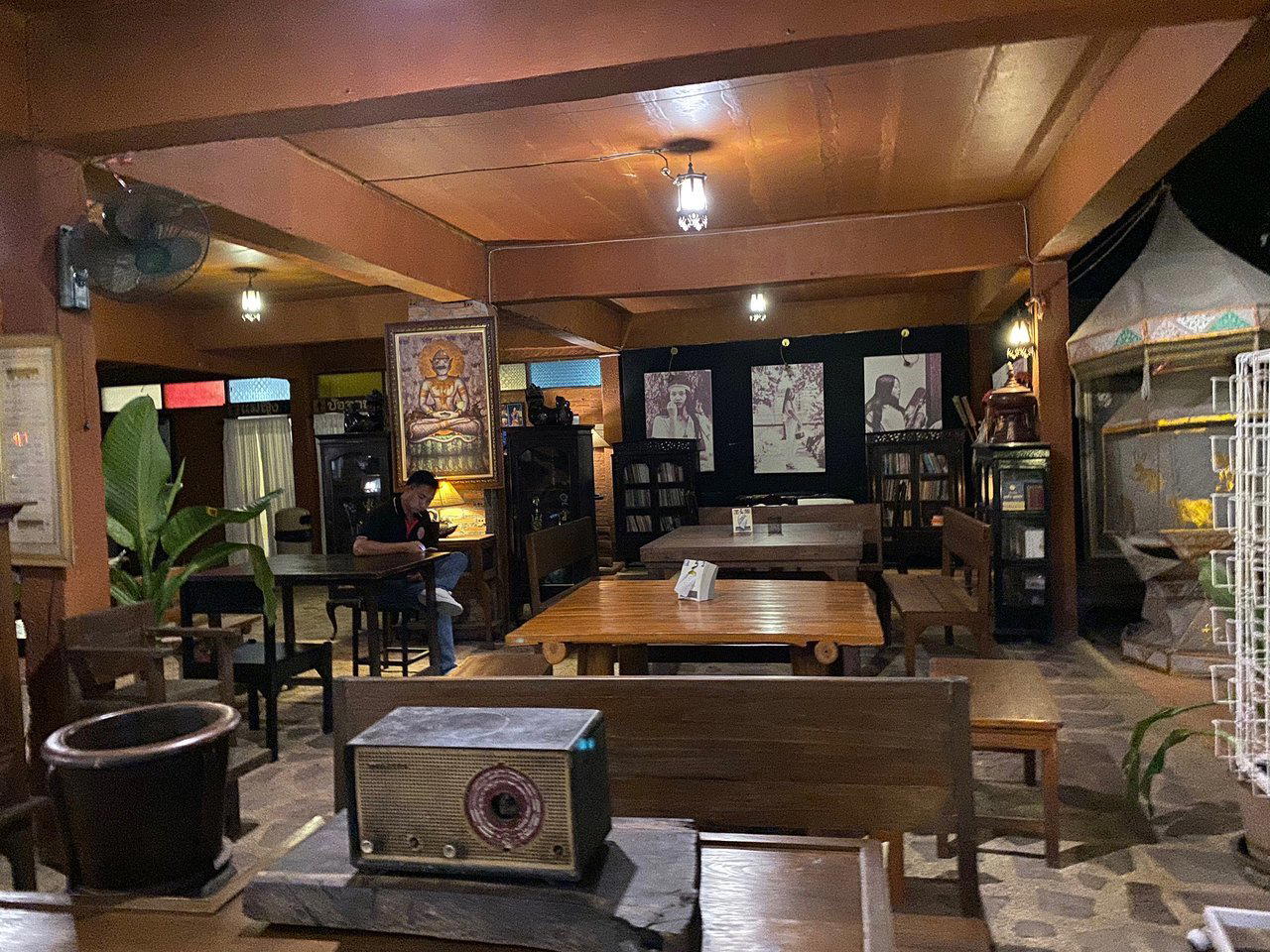

At a Glance
- Rustic
- Lively
- Cozy
- Casual Hangout
- Group Dining
- Open Kitchen
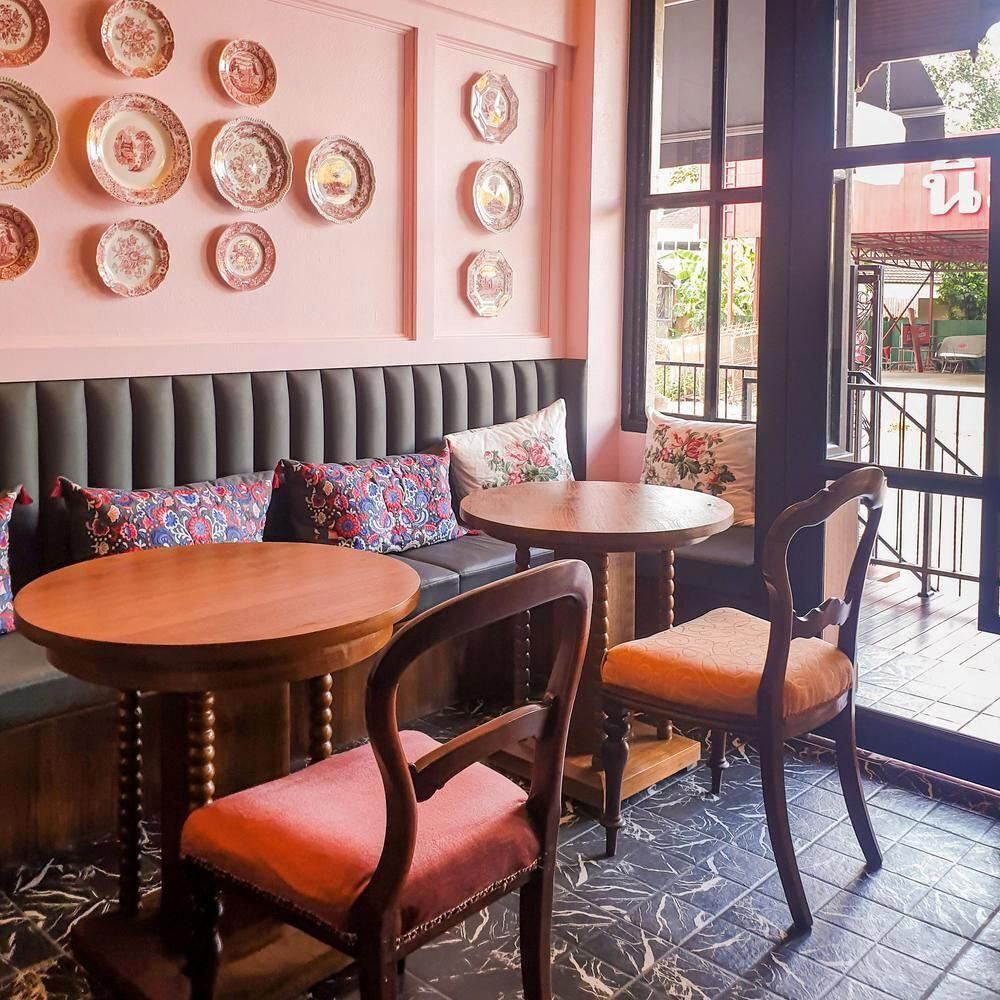
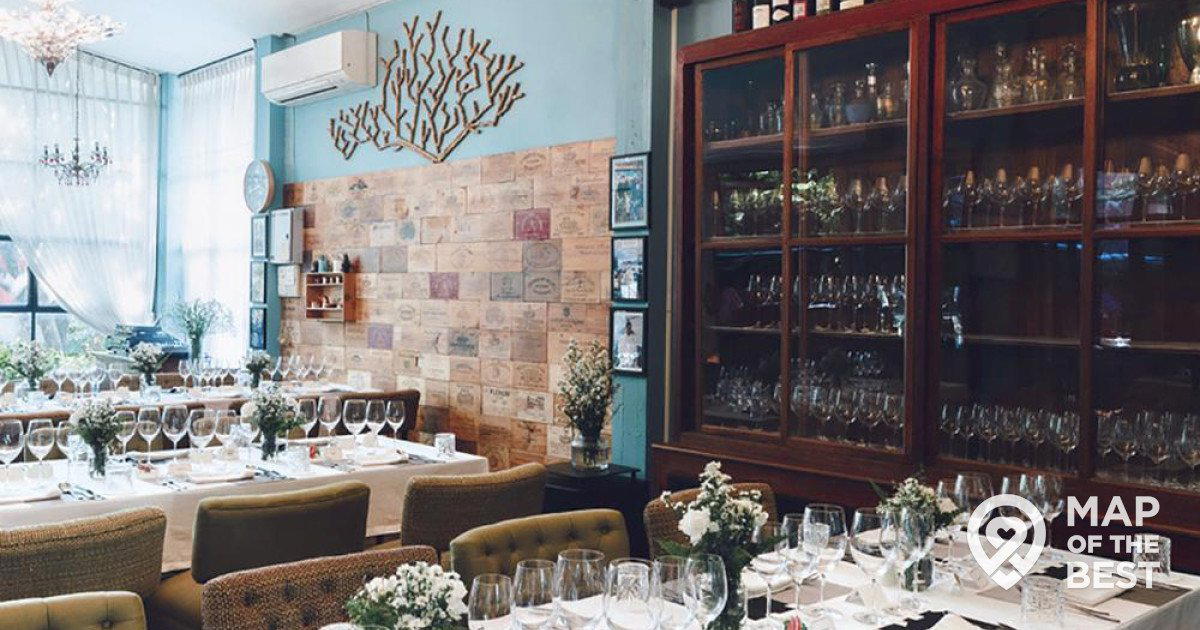
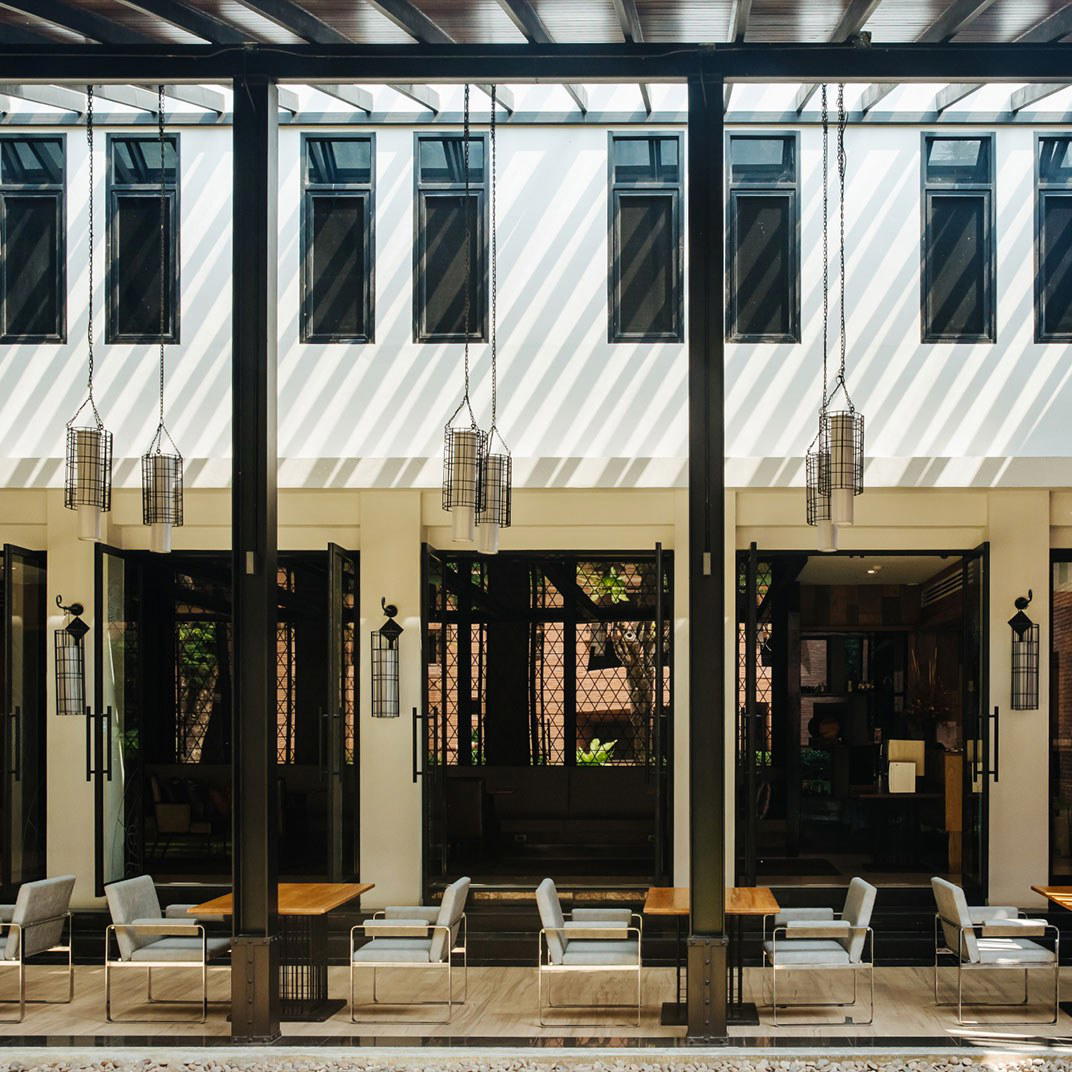
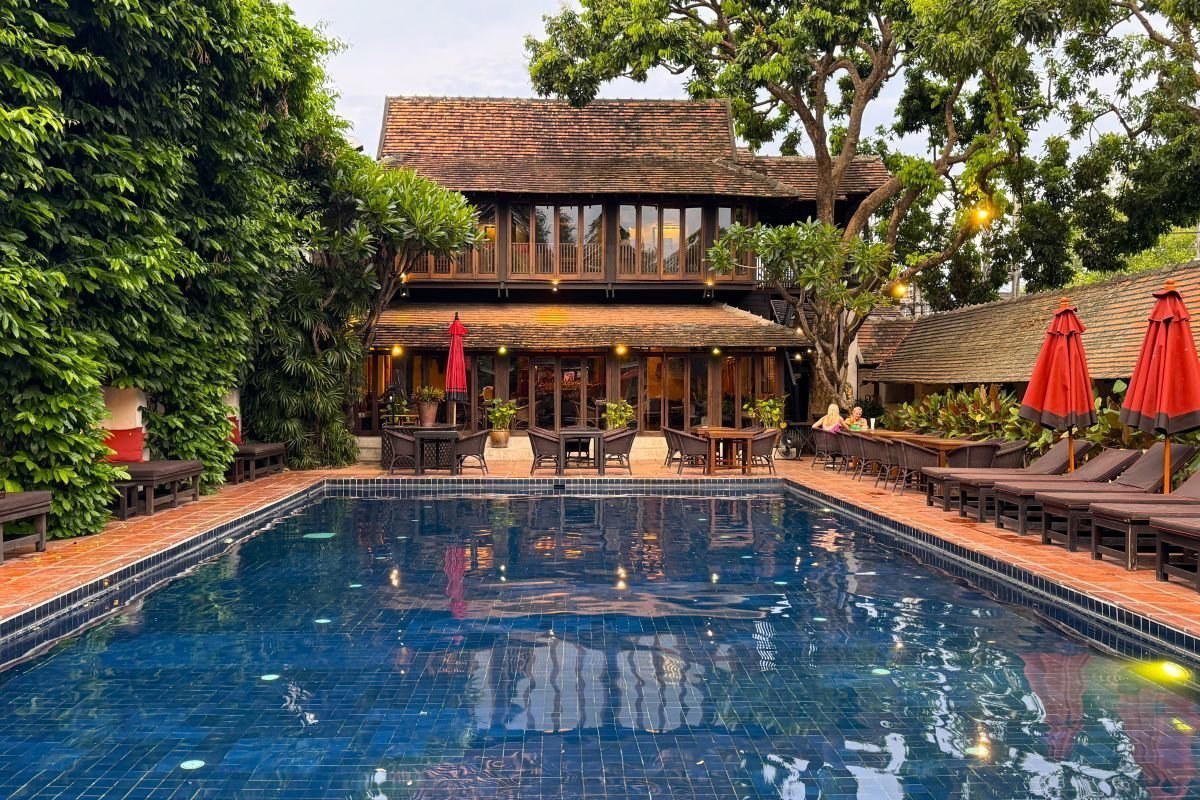
Straightforward outdoor setting beneath a rubber tree with practical lighting, wooden benches, and a warm, inviting neighborhood atmosphere filled with local diners.