Our verdict
Teppanyaki in Ishigaki occupies a different register from the genre's flashier mainland incarnations. Omoto Teppenyaki represents the island's approach to live-fire counter dining, where Yaeyama ingredients and a more intimate pace shape the format. For visitors moving through Ishigaki's restaurant circuit, it sits in a category with few direct local competitors.

Pearl is the En Primeur Club membership app, where members save venues, book tables and use the concierge.
The menu
What to order
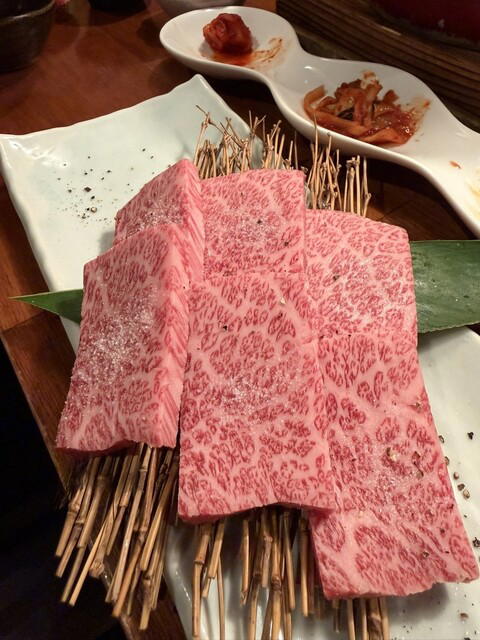
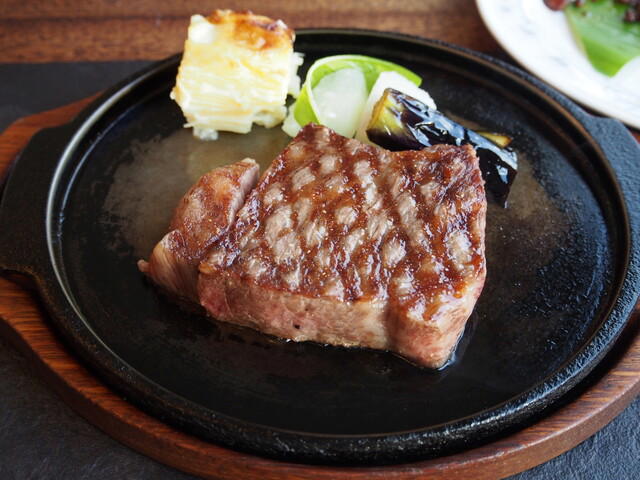
- Ishigaki Beef
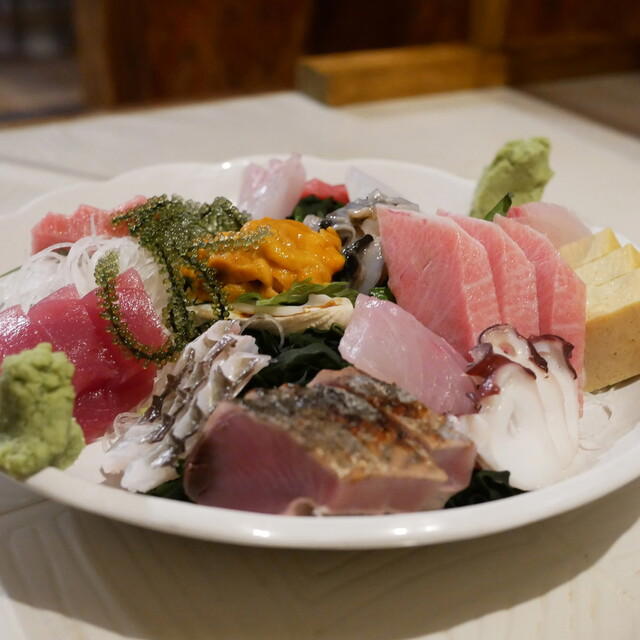
- Seasonal seafood
Fire and Proximity: Teppanyaki in the Yaeyama Islands
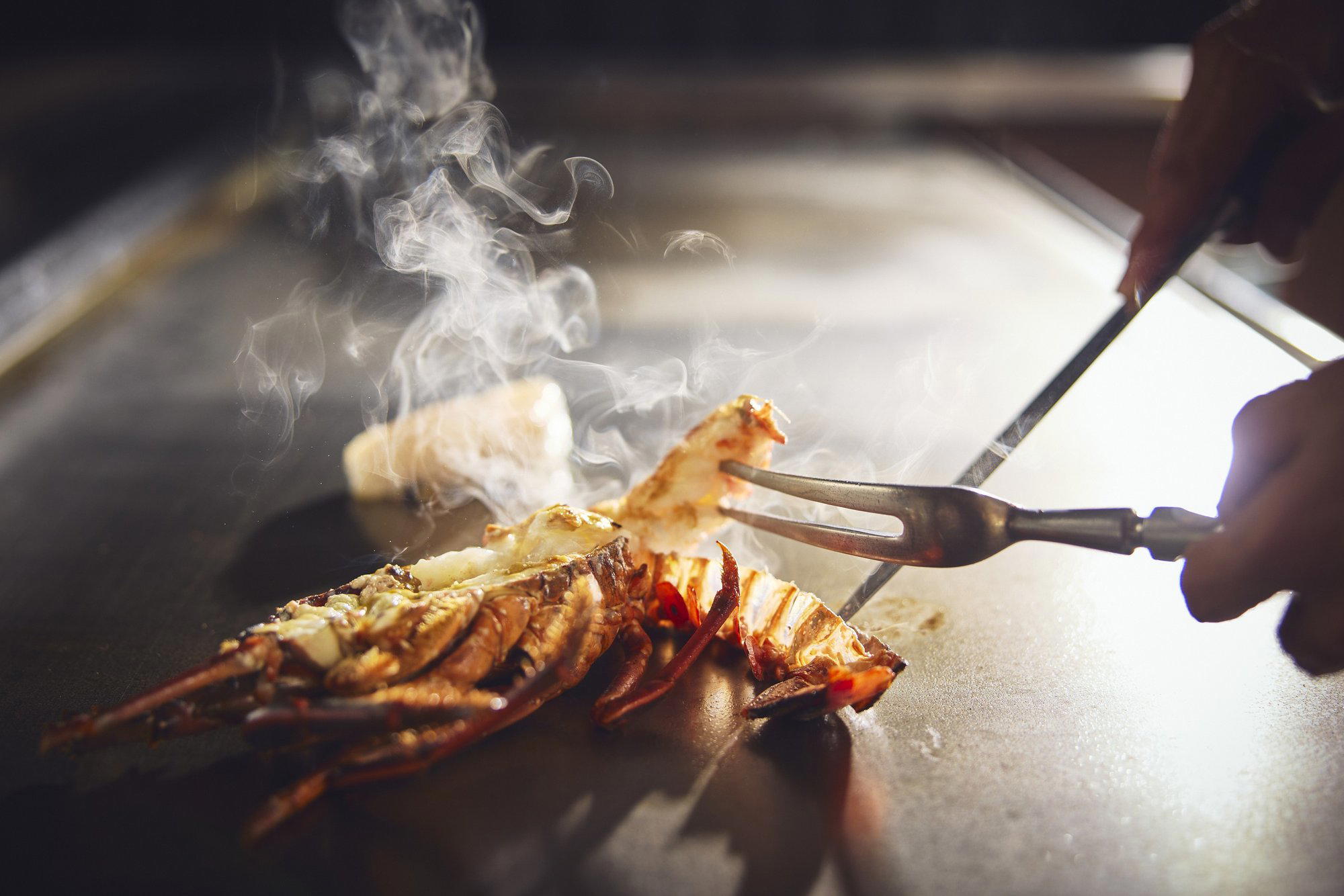
There is a version of teppanyaki that exists primarily as performance, the spatula theatrics and tableside fire that defined the format's export to Western hotel dining rooms in the 1970s and 1980s. What survives on Japan's smaller islands, including Ishigaki in the Yaeyama archipelago, tends to be a quieter register of the same format: a flat iron griddle, close seating, and ingredients sourced from the surrounding reef and farmland rather than from a centralized distribution chain. Omoto Teppenyaki operates within this tradition, where the proximity of the cook to the diner does the work that spectacle does elsewhere.
Ishigaki sits roughly 410 kilometres southwest of Okinawa's main island, which means its food supply chain functions differently from mainland Japan. Ishigaki beef, raised on the island and recognized as a distinct brand of Wagyu, is the primary protein that defines the island's premium dining category. Teppanyaki, as a format, is particularly well-suited to showcasing marbled beef: the flat steel surface allows fat to render at low, controlled heat without the char that an open flame would introduce. Any serious teppanyaki counter in Ishigaki is, in practice, a vehicle for presenting that beef alongside the island's seafood in a format where temperature control and timing are the main technical variables.
What the Format Reveals About the Menu
Teppanyaki's menu logic is sequential and ingredient-led rather than modular. Unlike izakaya dining, where dishes arrive in no particular order and the table constructs its own progression, a teppanyaki counter imposes a linear structure: lighter preparations precede heavier ones, and the beef course, when it appears, functions as the meal's apex rather than one item among many. This architecture is worth understanding before you arrive, because it changes how you should pace your appetite and what you should order early versus hold for later.
In Ishigaki's context, that structure typically means seafood sourced from local waters in the opening courses, moving through vegetables to the beef finale. The island's position within the Yaeyama chain gives it access to reef fish and shellfish that do not appear on mainland menus, and a teppanyaki counter is one of the cleaner ways to experience those ingredients, since the steel surface cooks them quickly without masking their character with heavy saucing. The menu architecture, in other words, is a geographical argument as much as a culinary one: it traces what the island produces and places the most prized local product at the end.
For visitors who have eaten teppanyaki in Tokyo or Osaka at addresses like HAJIME in Osaka or in the context of high-end kaiseki-adjacent formats like Gion Sasaki in Kyoto, the Ishigaki version will feel both simpler and more locally grounded. The ambition is narrower in geographic scope and wider in ingredient specificity. That trade-off suits the island format, where sourcing from a small, defined territory is a credential rather than a limitation.
Ishigaki's Restaurant Context
Ishigaki's dining circuit is smaller and more concentrated than Okinawa's main island, with most of the options sitting inside or near Ishigaki city. The restaurant mix skews toward Okinawan staples, Yaeyama-specific preparations like Yaeyama soba, and the island's seafood-forward izakaya culture. Premium counter formats, including teppanyaki, occupy a narrower tier within that ecosystem. There are no Michelin Guide entries for Ishigaki as of the current guide's coverage area, which stops well short of the Yaeyama islands, so the reference points that typically structure a dining decision on the mainland do not apply here.
Among Ishigaki's dining options, Akaishi Shokudou and Amuritano-niwa represent the more casual end of the local food culture, while Ishigaki Jima Kitauchi Bokujou is directly associated with the island's beef ranching tradition. Omoto Teppenyaki sits within the premium counter category, which is a thin tier on the island but a meaningful one for visitors who want structure and ingredient focus rather than a shared-plate format.
For those building a broader Ishigaki itinerary, lighter options like Hau Tree Gelato and Mirumiru Honpo Honten anchor the casual and dessert tier, while the full picture of where teppanyaki fits within the island's dining geography is covered in our full Ishigaki restaurants guide. Those travelling from Japan's larger dining cities, where counter formats like Harutaka in Tokyo or akordu in Nara set a high technical bar, should adjust expectations for scale while recognising that ingredient provenance here is a genuine point of difference.
Planning Your Visit
Ishigaki is a seasonal destination, with the busiest travel window running from late spring through the summer diving and beach season, typically May through August, and a secondary peak during Japanese national holidays. During those periods, the island's small number of premium dining seats compresses quickly, and teppanyaki counters with limited covers are among the first to fill. Arriving without a reservation during high season is the likeliest route to disappointment. Outside those peaks, late October through December offers cooler weather and thinner crowds, with most restaurants remaining open through the quieter months.
Practical logistics in Ishigaki require some planning at the city level. Most visitors arrive via New Chitose, Haneda, Narita, or Naha with a connecting flight to Ishigaki Airport, which sits roughly five kilometres from the city centre. Within the city, dining venues are clustered and walkable from the main accommodation strip, which removes the transport friction that can complicate dinner reservations in more spread-out island destinations. Ishigaki's scale works in the diner's favour once you are on the ground.
For comparison across Japan's broader teppanyaki and counter-dining spectrum, it is worth knowing that venues like Goh in Fukuoka, Birdland in Sakai, and regional specialists such as 一本木 糸川制 in Nanao, 夕仙山乃 in Sapporo, 湖辺庄屋 in Takashima, and 羽根屋 in Nishikawa Machi each occupy their own regional tier, shaped by local ingredient access and the counter culture of their respective cities. Internationally minded diners who use references like Le Bernardin in New York City or Atomix in New York City as benchmarks will find Ishigaki's premium tier operates on a different axis entirely, one measured by ingredient geography rather than technical ambition at scale.
Frequently asked questions
Is Omoto Teppanyaki a family-friendly restaurant?
Teppanyaki as a format generally accommodates families well, the counter-side cooking gives younger diners something to watch, and the sequential, ingredient-focused structure makes it easier to pace a meal than izakaya-style dining. Omoto sits in Ishigaki city, which is the main hub for families visiting the Yaeyama Islands, and the surrounding dining circuit is compact enough that it fits naturally into a broader evening out.
Should I book Omoto Teppenyaki in advance?
Reservations are recommended for Omoto Teppenyaki in Ishigaki. Confirm current policy via the venue's official channels.
How would you describe the vibe at Omoto Teppanyaki?
Teppanyaki in a setting like Ishigaki tends to run quieter and more focused than the theatrical export version that took hold overseas. Expect proximity to the grill and a pace shaped by the cooking itself rather than by service conventions. Ishigaki's restaurant scene is smaller and more concentrated than Okinawa's main island, which keeps the atmosphere local rather than tourist-facing.
What should I eat at Omoto Teppanyaki?
Teppanyaki menus follow an ingredient-led, sequential logic, proteins and vegetables arrive in a set order determined by the cook rather than the diner. In the Yaeyama Islands context, local seafood and Okinawan-influenced produce appear regularly across the teppanyaki circuit.
Awards and Standing
| Venue | Cuisine | Price | Awards |
|---|---|---|---|
| Omoto TeppenyakiThis venue (the venue you are viewing) | Teppanyaki with Ishigaki Beef | $150–200 | Not listed |
| Ishigaki Jima Kitauchi Bokujou | Ishigaki Wagyu Yakiniku | $50–100 | Not listed |
| Hau Tree Gelato | Not listed | $1–10 | Tabelog 100 #11 |
| Mirumiru Honpo Honten | Ishigaki Gelato Cafe | $10–20 | Not listed |
| Nakayoshi Shokudou | Okinawan Cuisine | Not listed | Not listed |
| Amuritano-niwa | Contemporary Japanese-Italian Fusion Cafe | $10–20 | Not listed |
Continue exploring
More in Ishigaki
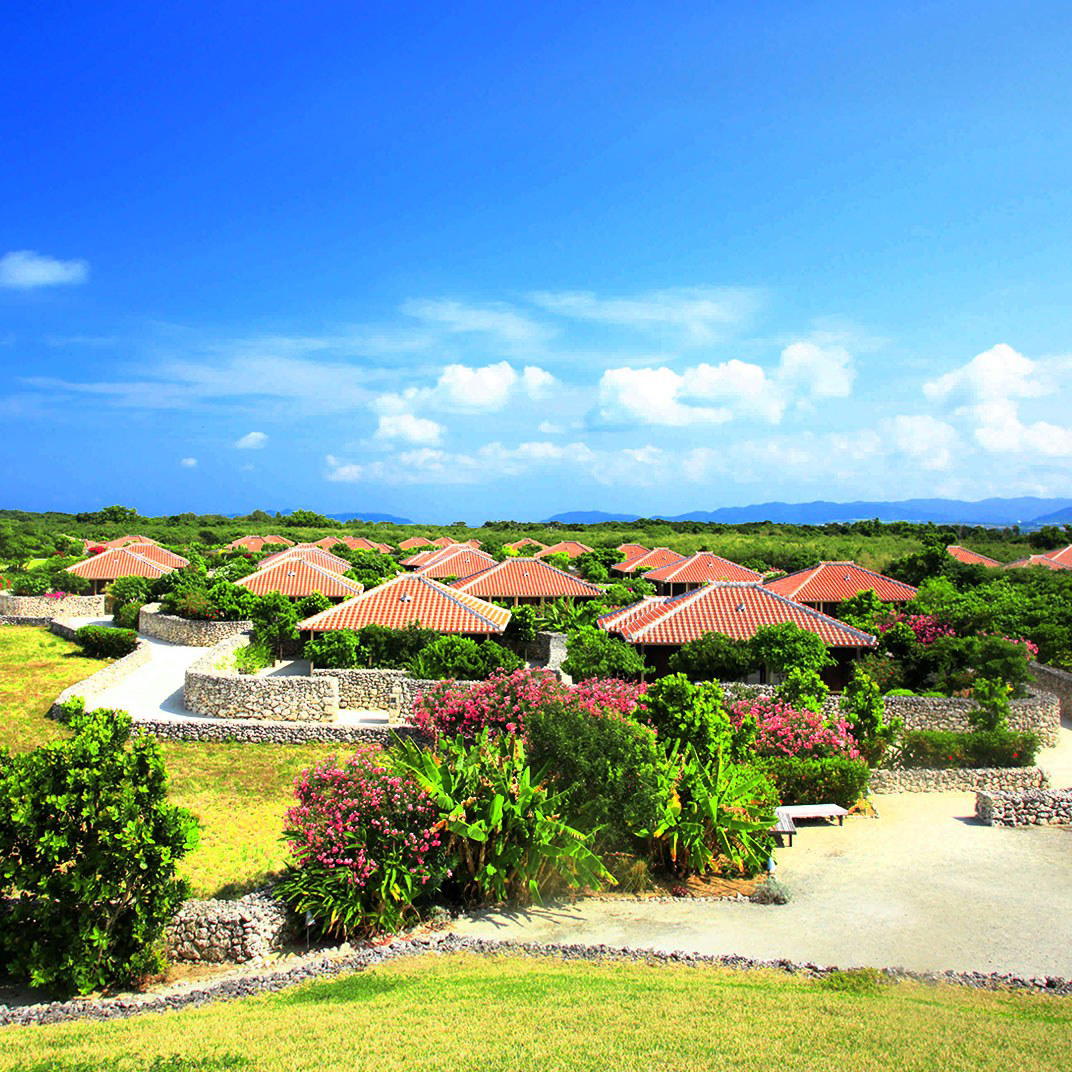
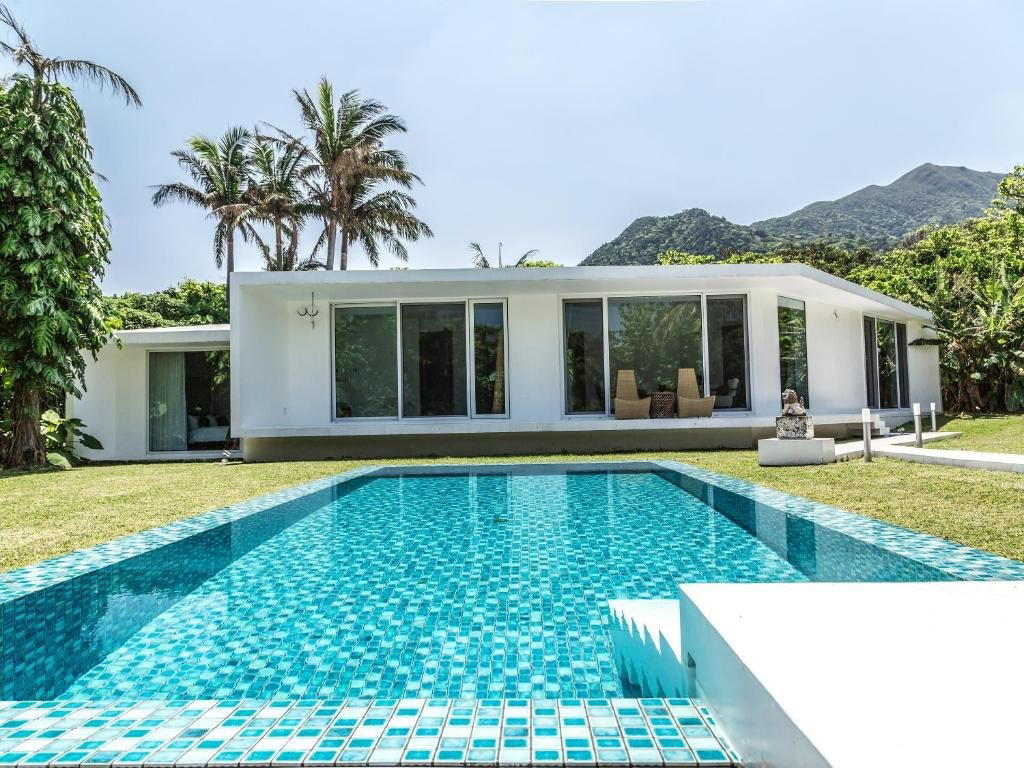
Omoto Teppenyaki
The wine
- Wine program
- Deep wine list
- Extensive wine list
- Sake program
Details
- Elegant
- Sophisticated
- Special Occasion
- Celebration
- Date Night
- Open Kitchen
- Private Dining
- Hotel Restaurant
- Extensive Wine List
- Sake Program
- Local Sourcing
- A La Carte
- Counter Dining
- Wine
- Sake
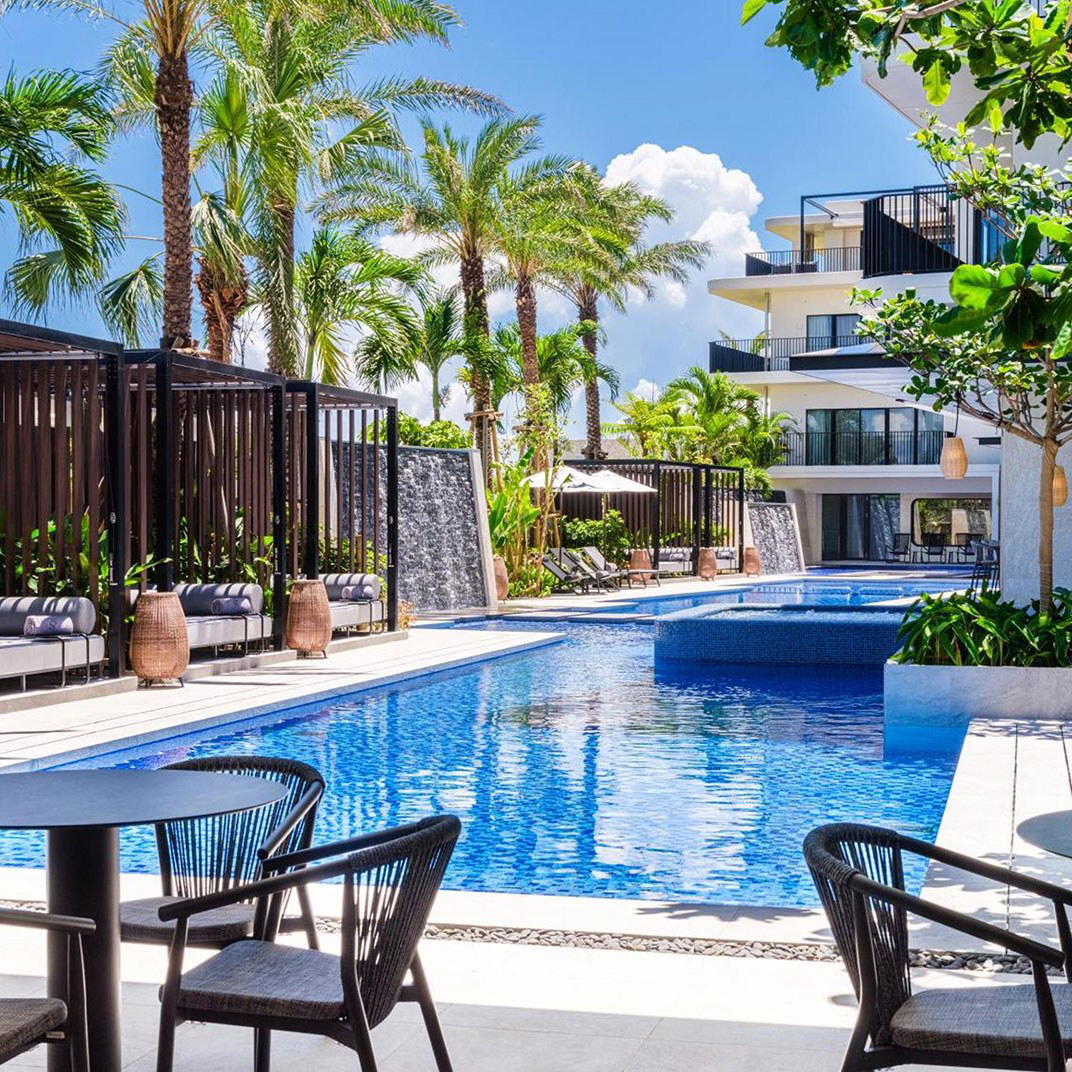
Refined hotel atmosphere with skilled chef performances at the grill, creating an engaging sensory dining experience.