Our verdict
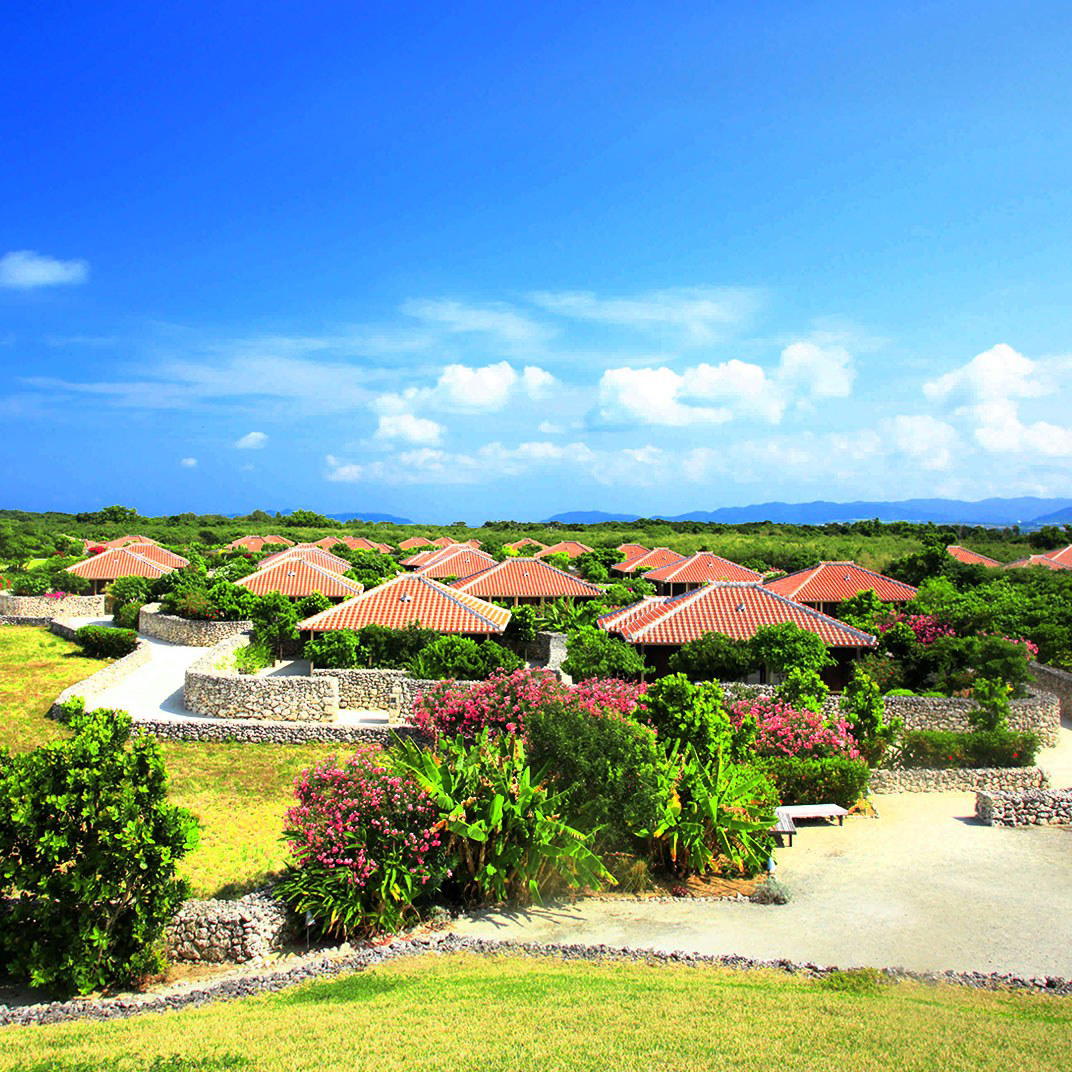
Amuritano-niwa sits within Ishigaki's quieter dining circuit, where the island's subtropical setting shapes the atmosphere as much as the kitchen does. The venue reflects the broader Yaeyama approach to hospitality: unhurried, locally rooted, and attentive to seasonal rhythm. For travellers moving beyond Ishigaki's busier restaurant strips, it represents a considered stop in a city where the dining scene rewards patience.

Pearl is the En Primeur Club membership app, where members save venues, book tables and use the concierge.
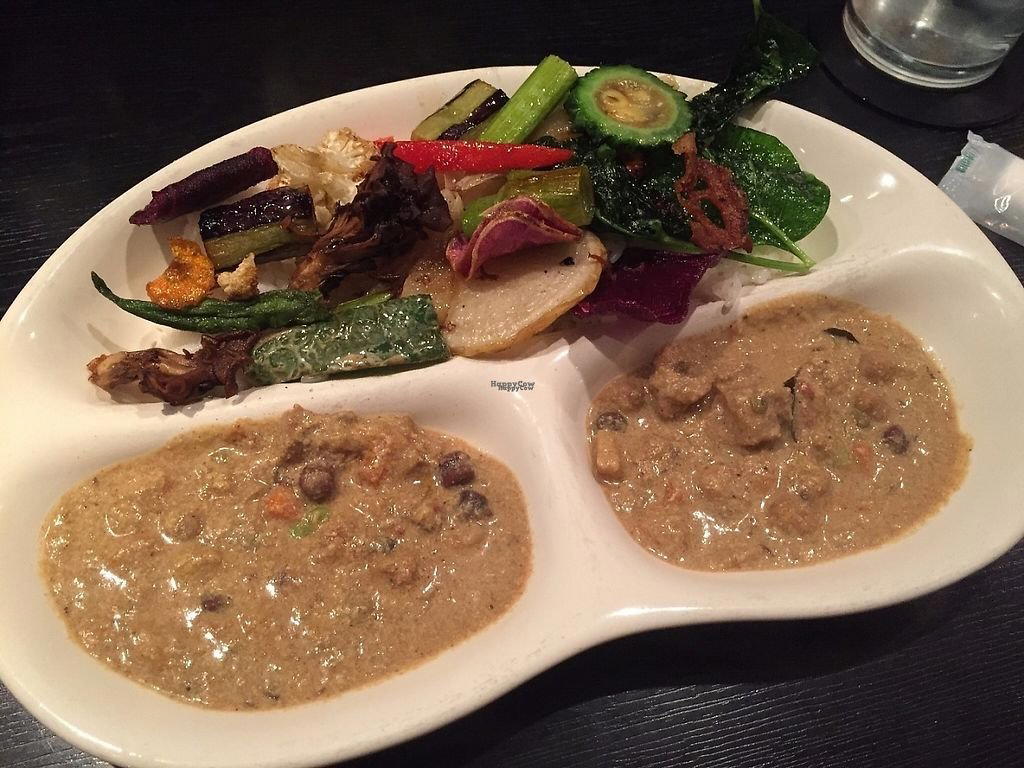
The menu
What to order
- Curry rice
- Pasta
- Salad
- Vegetarian menu dishes
Where Ishigaki's Subtropical Setting Enters the Room
Dining in Ishigaki operates at a cadence that mainland Japan rarely matches. The southernmost city of Okinawa Prefecture sits closer to Taipei than to Tokyo, and that geographic distance shapes everything from the produce available to the pace at which meals unfold. The Yaeyama Islands, of which Ishigaki is the hub, have developed a food culture that borrows from Ryukyuan tradition, absorbs subtropical agricultural rhythms, and occasionally reflects the proximity of Taiwan in ways that make the island's dining circuit genuinely distinct from the kaiseki formalism of Kyoto or the precision-counter culture of venues like Harutaka in Tokyo.
Amuritano-niwa belongs to that Ishigaki context. The name itself carries a softness typical of the Yaeyama dialect, and the venue draws visitors who have already moved past the island's more trafficked eating strips and are looking for something that sits closer to the grain of local life. In a city where several options, including Nakayoshi Shokudou and Akaishi Shokudou, anchor the casual shokudou tradition, and where Ishigaki Jima Kitauchi Bokujou represents the island's well-known Ishigaki beef offering, Amuritano-niwa occupies a quieter position within that peer group.
The Sensory Register of an Island Kitchen
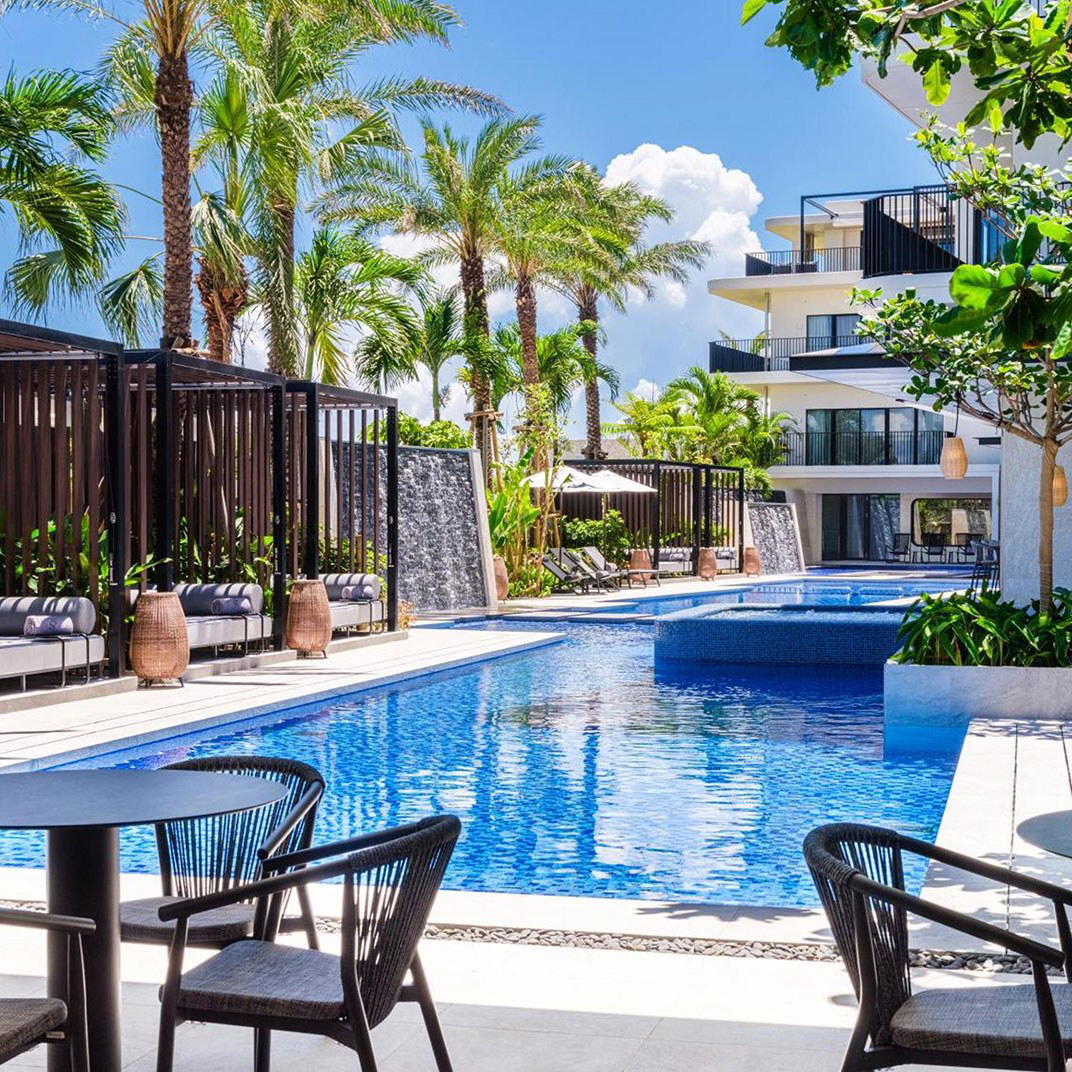
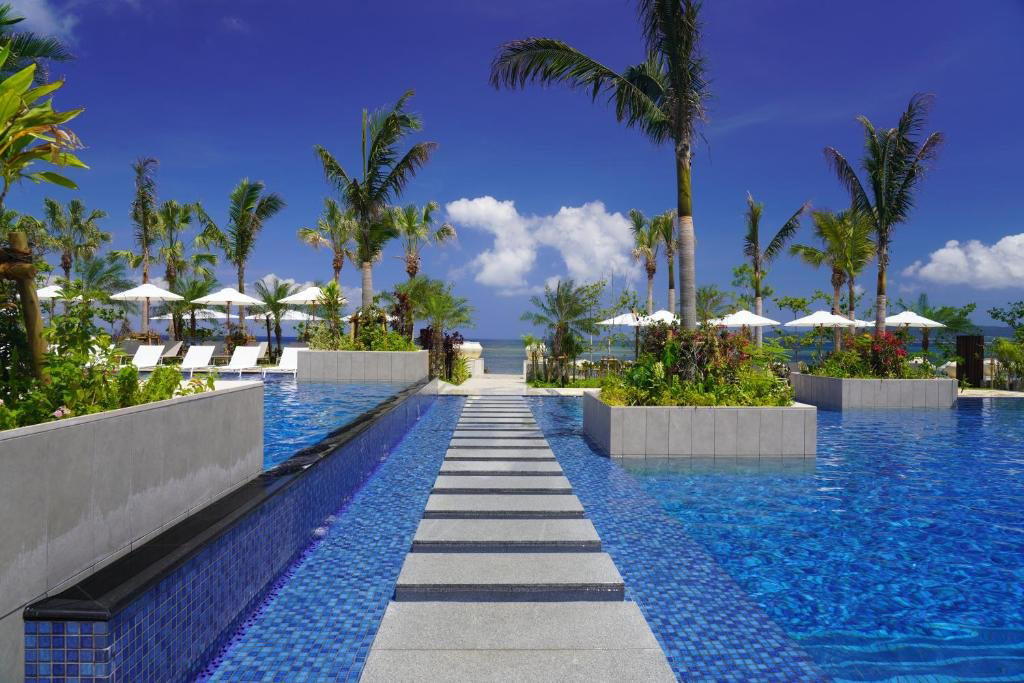
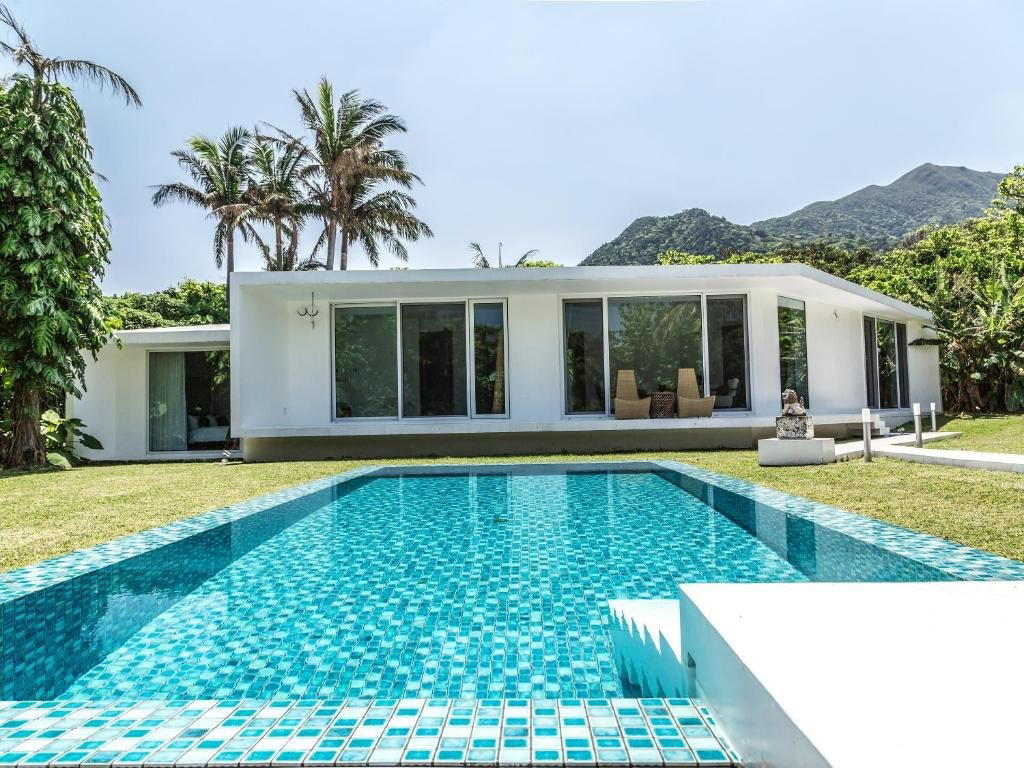
The physical experience of eating in Ishigaki is inseparable from the environment. Even indoors, the island's climate asserts itself: the quality of light through open windows in the late afternoon, the particular humidity that softens the edges of a room, the sound of cicadas or wind moving through the surrounding vegetation depending on the season. These are not incidental details. In the Yaeyama tradition, the relationship between interior and exterior is rarely forced apart, and venues that understand this let the setting do significant atmospheric work.
Ishigaki's subtropical latitude means the culinary calendar runs differently from most of Japan. The growing season extends far longer, bitter goya (bitter melon) and handama (Okinawan spinach) appear across menus through months when comparable ingredients would be absent further north, and the surrounding ocean produces species, including grouper, parrotfish, and various reef varieties, that do not appear in the fish cases of most Japanese cities. Venues that draw on this supply, rather than importing standardised protein to meet conventional expectations, tend to produce food that reads as genuinely placed.
For travellers calibrating their Ishigaki visit against the broader arc of Japanese dining, it helps to understand that the island does not compete on the same terms as the country's major culinary cities. HAJIME in Osaka, Gion Sasaki in Kyoto, and Goh in Fukuoka operate inside frameworks of sustained critical attention and award infrastructure. Ishigaki's dining identity is built on different foundations: access to exceptional local seafood, a Ryukyuan food tradition that values fermentation and long-cooked preparations, and an island hospitality culture that prioritises ease over formality.
Placing Amuritano-niwa in the Ishigaki Dining Circuit
Ishigaki's restaurant scene divides broadly into a few recognisable categories. There are the shokudou serving Okinawan staples, chanpuru dishes, soki soba, and taco rice to a local and budget-conscious visitor base. There are the specialist beef venues building on the Ishigaki wagyu reputation, which has grown significantly as the island's cattle-raising tradition gained wider recognition. And then there are the smaller, less categorically obvious spaces that draw visitors who are willing to look past the well-worn options.
Amuritano-niwa sits closer to this third tier. Its name and positioning suggest a space that leans into the garden-adjacent, nature-connected sensibility that the Yaeyama Islands cultivate as a distinctive identity. That is not a criticism of the more established options. Mirumiru Honpo Honten and Hau Tree Gelato each serve specific roles in the island's hospitality ecosystem. But for a visitor who has already covered those bases, Amuritano-niwa represents a different kind of stop, one that rewards a slower approach.
The broader pattern across Japan's smaller-city dining scenes, visible also in places like akordu in Nara or venues in the regional circuits of Nanao and Takashima, is that the most compelling rooms are often the ones that make the strongest use of their specific geography rather than mimicking metropolitan formats. Ishigaki has enough culinary identity of its own that venues drawing on local tradition tend to produce a more coherent experience than those reaching toward mainland Japan's reference points.
Planning Your Visit
Ishigaki is most comfortably reached by direct flight from Tokyo (Haneda or Narita), Osaka, or Naha, with journey times ranging from roughly two hours from Osaka to just over three from Tokyo. The island's dining culture generally rewards spontaneous visits for casual spaces, though smaller, less-publicised venues in the Yaeyama circuit can fill quickly during peak periods. The busiest window runs from late spring through the end of summer, when beach visitors and divers crowd the island's accommodation. For a more measured experience of Ishigaki's food scene, the shoulder months of late autumn and early spring offer better table availability and more moderate temperatures without sacrificing the subtropical produce that defines the local kitchen.
The island is compact enough that moving between several spots in a day is direct, and pairing Amuritano-niwa with other venues in the dining circuit, detailed in our full Ishigaki restaurants guide, gives the visit a more complete shape.
For travellers who have built their Japan itinerary around the formal precision of venues like Atomix in New York City (which frames Japanese culinary tradition through a different lens entirely) or Le Bernardin in New York City, the adjustment Ishigaki requires is largely one of expectation: the island operates on a slower clock, and its dining culture is leading understood as an expression of place rather than a competitor to metropolitan ambition.
Frequently asked questions
What kind of setting does Amuritano-niwa offer, and how does the outdoor environment factor into the experience?
The name Amuritano-niwa incorporates the Japanese word 'niwa,' meaning garden, which points toward an outdoor or garden-integrated setting, a format that aligns with how Ishigaki's subtropical climate and natural surroundings are used by a number of the island's restaurants. Ishigaki sits at roughly 24 degrees north latitude, closer to Taipei than to Tokyo, and that geography shapes the ambient quality of any outdoor dining space through most of the year.
What do people recommend at Amuritano-niwa?
Asking staff on arrival what is freshest that day is a reliable approach at island restaurants in this part of Japan.
Do I need a reservation for Amuritano-niwa?
Ishigaki's better-regarded restaurants tend to fill quickly during peak travel periods, particularly between July and September and over the Golden Week holidays in late April and early May. Booking ahead is advisable, though confirmed reservation contact details for Amuritano-niwa are not currently available through public listings. Checking with your hotel concierge or a local booking platform is the most direct route.
What is Amuritano-niwa known for?
Amuritano-niwa is a restaurant in Ishigaki, the administrative centre of the Yaeyama Islands in Okinawa Prefecture. Ishigaki's dining identity overall is built around proximity to some of Japan's most productive subtropical waters.
Can Amuritano-niwa accommodate dietary restrictions?
In smaller Japanese island restaurants, advance communication about restrictions is generally more effective than arriving without notice, particularly for vegetarian, vegan, or allergy-specific requirements where ingredient sourcing may be limited by what is locally available.
Is Amuritano-niwa worth the price?
For context, Ishigaki dining spans a wide range, from shokudou meals under ¥1,000 to izakaya evenings around ¥3,000–¥5,000 per person. Without documented price points or award recognition the value question is best assessed by checking current menus directly before visiting.
Should I go to Amuritano-niwa on a weekday or weekend?
Ishigaki draws significant domestic tourism from mainland Japan on weekends and during holiday periods, which puts pressure on the island's smaller restaurants. A weekday visit generally means shorter waits and more attentive service at venues operating without large staff.
Similar Picks
| Venue | Cuisine | Price | Awards |
|---|---|---|---|
| Amuritano-niwaThis venue (the venue you are viewing) | Contemporary Japanese-Italian Fusion Cafe | $10–20 | Not listed |
| Ishigaki Jima Kitauchi Bokujou | Ishigaki Wagyu Yakiniku | $50–100 | Not listed |
| Hau Tree Gelato | Not listed | $1–10 | Tabelog 100 #11 |
| Mirumiru Honpo Honten | Ishigaki Gelato Cafe | $10–20 | Not listed |
| Nakayoshi Shokudou | Okinawan Cuisine | Not listed | Not listed |
| Omoto Teppenyaki | Teppanyaki with Ishigaki Beef | $150–200 | Not listed |
Continue exploring
More in Ishigaki
Details
- Cozy
- Solo
- Casual Hangout
- Date Night
- Standalone
- Sake Program
- Local Sourcing
- A La Carte
- Set Menu
- Coffee
- Tea
- Vegetarian Friendly
- Vegan Options
- Gluten Free Options
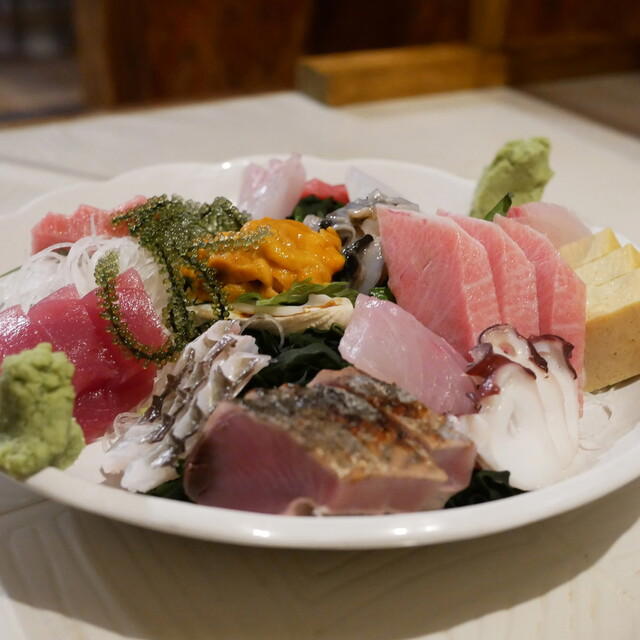
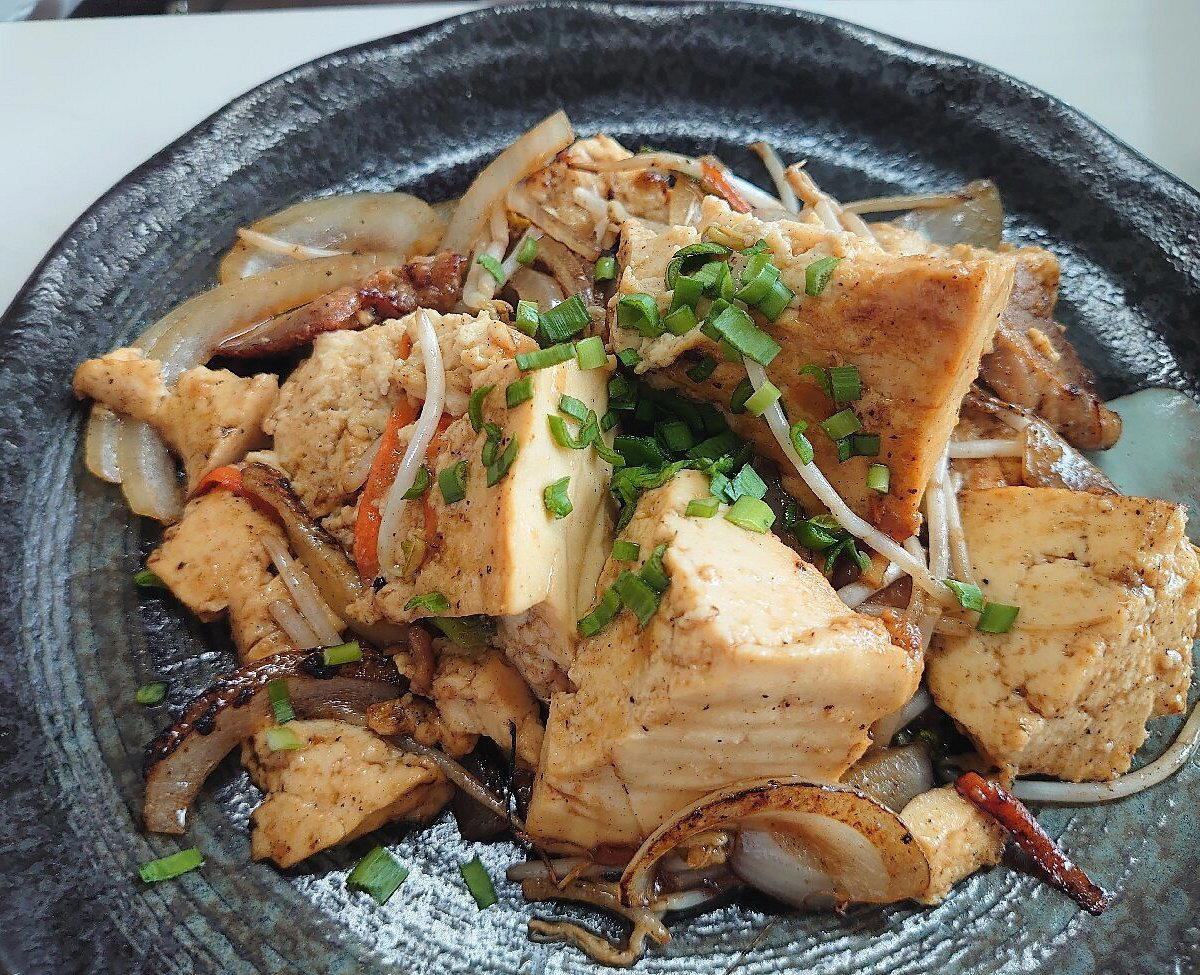
A quiet, artistic café-restaurant atmosphere with a subtropical island feel; reviews and guides frame it as a relaxed downtown spot with food, art, and music at its core.