Our verdict
Dining in the Yaeyama Islands: What the Ritual Reveals Ishigaki sits at the southwestern edge of the Japanese archipelago, closer to Taiwan than to Tokyo, and the dining culture here reflects that geographic remove. Meals on the island tend to...

Pearl is the En Primeur Club membership app, where members save venues, book tables and use the concierge.
Dining in the Yaeyama Islands: What the Ritual Reveals
Ishigaki sits at the southwestern edge of the Japanese archipelago, closer to Taiwan than to Tokyo, and the dining culture here reflects that geographic remove. Meals on the island tend to unfold at a different pace than on the mainland: less rush, more attention to the table itself, with Okinawan ingredients and preparation methods carrying a regional identity that mainland kaiseki or sushi traditions do not fully absorb. Mirumiru Honpo Honten operates inside this context, as one of the island's established addresses for local Okinawan and Yaeyama-style food, the kind of place where the meal functions as orientation to the island rather than as a detached dining event.
The name alone signals provenance. Mirumiru references the sea grape (umi-budo), a saline, textured seaweed native to the warm waters around Okinawa and the Yaeyama chain that has become one of the region's most recognisable ingredients. A restaurant built around that ingredient is making a clear statement about its frame of reference, placing itself in the tradition of Okinawan ingredient-led cooking rather than the technique-forward approach that defines fine dining in HAJIME in Osaka or the hyper-seasonal kaiseki of Gion Sasaki in Kyoto.
The Pacing and Customs of an Okinawan Table
Okinawan dining ritual differs from the mainland in a few observable ways. The meal typically begins with awamori, the island's indigenous distilled spirit made from long-grain rice, often diluted with water and poured communally. Food arrives less in a strict procession and more as a gradual accumulation, with shared plates placed at the centre and individual portions assembled around them. This is not the sequential omakase logic you find at Harutaka in Tokyo, where each course is presented and consumed before the next appears. It is closer to the Okinawan concept of yuimaru, collective effort and mutual support extended to the table itself.
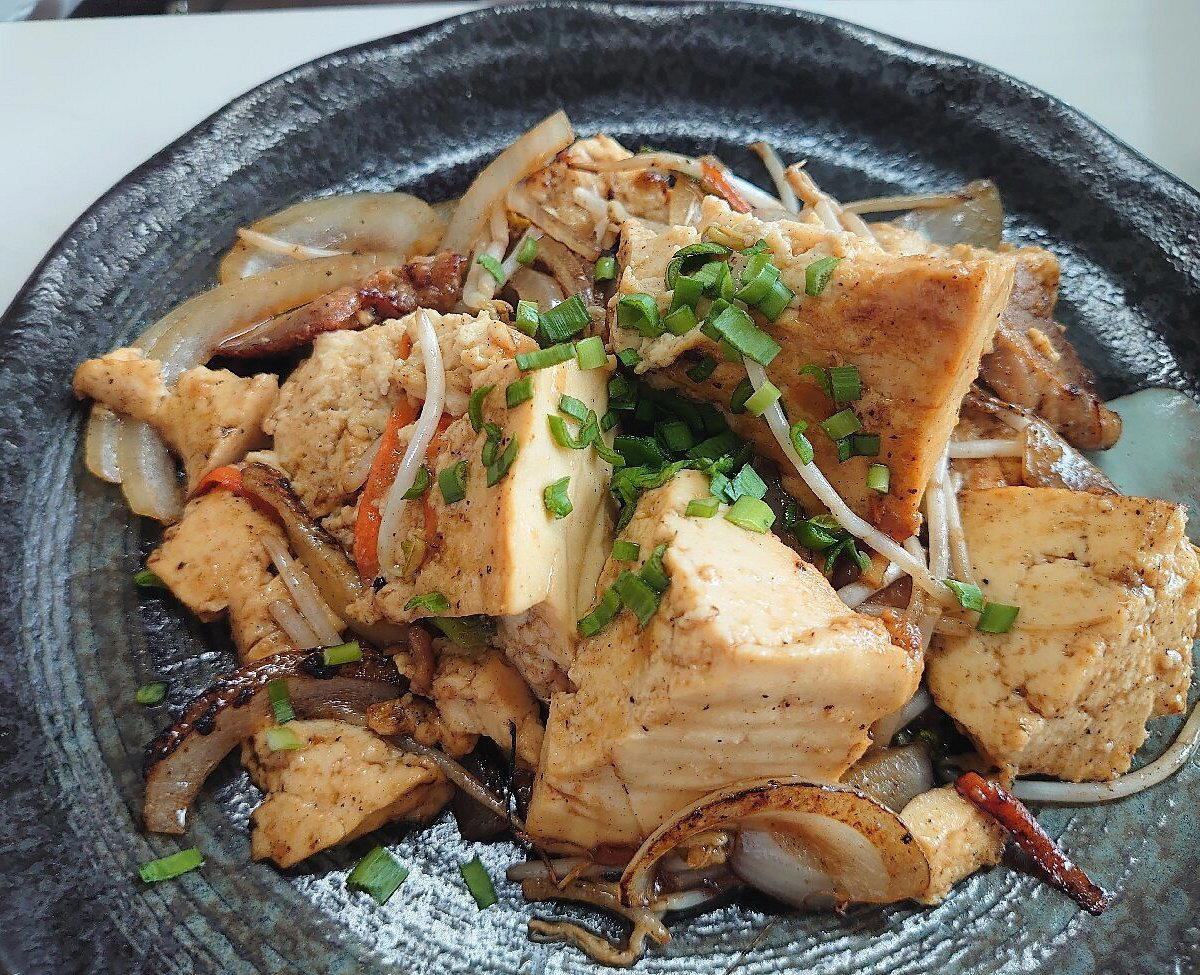
At Mirumiru Honpo Honten, that rhythm shapes the experience. Dishes built around umi-budo, champuru stir-fries, rafute braised pork, and preparations drawing on the island's access to fresh reef fish arrive in a format that rewards unhurried attention. The sea grape, in particular, is an ingredient that resists speed: eaten too quickly, its saline pop and textural resistance are lost; treated carefully, it functions as both flavour and textural counterpoint within a dish. Learning to eat it is a small exercise in the island's own tempo.
This is one of the distinctions that separates an Ishigaki dining experience from eating Okinawan food in a mainland city. The ingredients are not shipped in as a regional novelty but grown and harvested locally, which affects both freshness and the kitchen's confidence in using them simply. The gap between ingredient quality at source and ingredient quality after transit is one the leading island dining addresses exploit without calling attention to it. Places like Akaishi Shokudou and Nakayoshi Shokudou work along the same principle, with local sourcing as a structural fact rather than a marketing position.
Ishigaki's Dining Tier and Where This Address Sits
Ishigaki does not have the tiered fine-dining stratification of a city like Fukuoka, where restaurants such as Goh represent a clearly defined upper bracket. The island's dining economy runs more horizontally: a few well-regarded specialist addresses, a wider tier of reliable shokudou and family-run restaurants, and a small layer of resort-adjacent dining that serves visitors who do not venture far from their accommodation. Mirumiru Honpo Honten sits in the specialist-local tier, the kind of address that locals return to consistently and that informed visitors seek out specifically for its grounding in Yaeyama culinary identity.
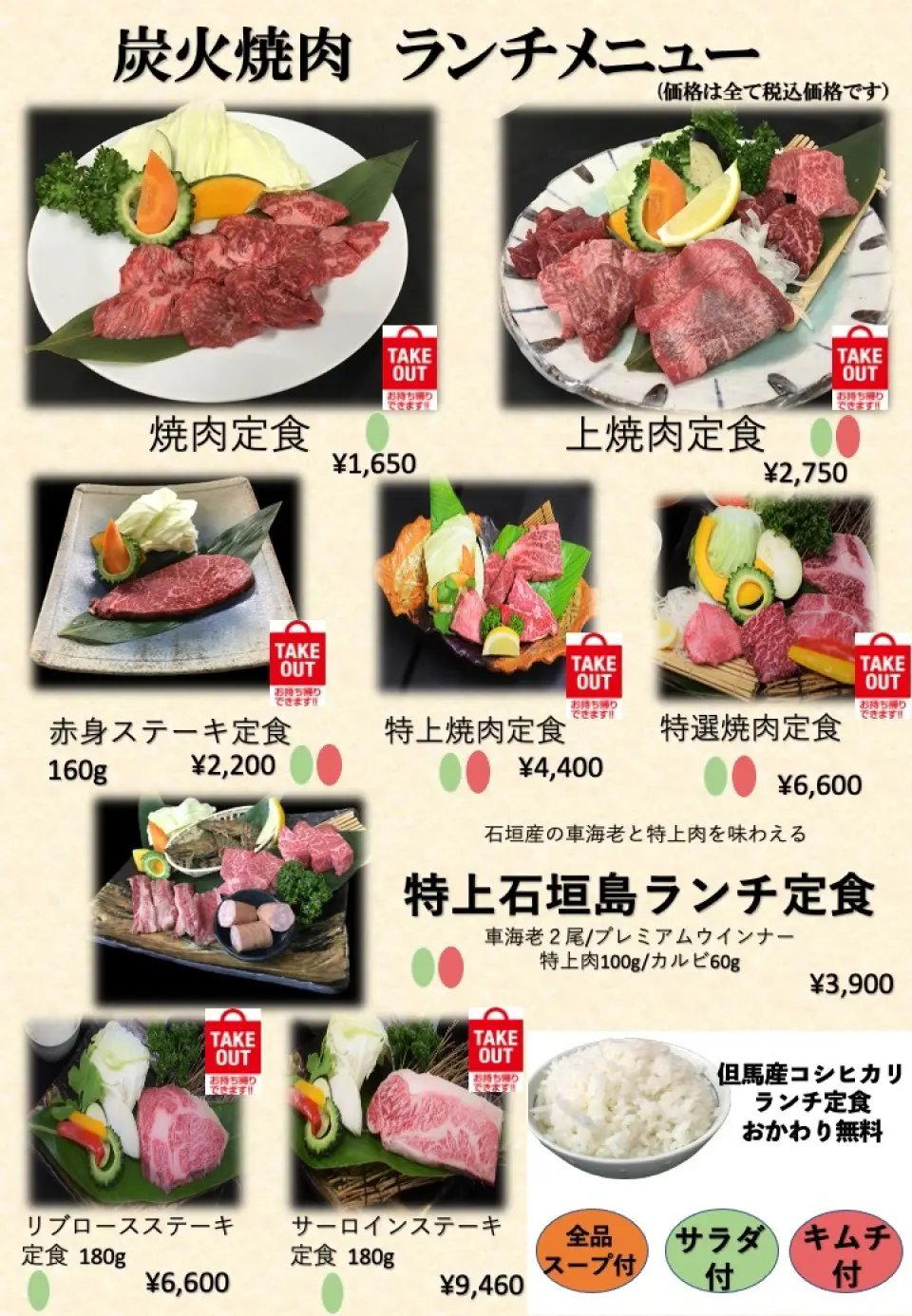
For comparative reference within Ishigaki, the island has several worthwhile options across different registers. Ishigaki Jima Kitauchi Bokujou focuses on Ishigaki beef, one of the island's most exported reputations, while Amuritano-niwa offers a different mode of local produce engagement. For something lighter between meals, Hau Tree Gelato works with tropical fruit native to the island. These are not competing with Mirumiru Honpo Honten so much as mapping distinct parts of the island's food identity, and a coherent two or three days of eating in Ishigaki would move between all of them.
The contrast with high-craft mainland Japanese dining addresses is instructive rather than hierarchical. akordu in Nara or Harutaka in Tokyo represent the kind of precision-based, credential-heavy end of Japanese dining where the meal is the primary event of the day. Mirumiru Honpo Honten occupies a different position, closer to the European trattoria model than to the omakase counter: a restaurant that exists to make the ingredients of its specific place legible and accessible.
Planning the Visit
Ishigaki is accessible by direct flight from Tokyo (Haneda and Narita), Osaka, and Naha, with the island's Ishigaki Airport serving as the main entry point. The island's dining scene is concentrated in and around Ishigaki City, which is compact enough to cover on foot or by bicycle in the central areas. Mirumiru Honpo Honten, as a well-known local address, tends to draw visitors and residents together, which means evenings, particularly on weekends, fill up. Arriving with a reservation or arriving early in the dinner service reduces the risk of a wait. Lunch service, where available, often offers a quieter and faster read of the menu.
Seasonality matters on an island where produce is tied to warm-water conditions. The umi-budo harvest runs broadly through warmer months, which makes visits between spring and autumn the period when the kitchen is working with the ingredient at its most immediate. Okinawa's subtropical climate means the gap between seasons is less dramatic than on the mainland, but the preference for peak produce is worth factoring in.
For those building a broader Japan dining itinerary, the island sits at enough geographic and culinary distance from the mainland that it warrants dedicated attention. The comparison addresses that inform a Yaeyama dining experience are not the Michelin-heavy Tokyo or Kyoto circuits but rather the regional, produce-led restaurants elsewhere in Japan: addresses like a produce-anchored address in Nanao or the format in Takashima, where geography shapes the menu more than culinary fashion. Our full Ishigaki restaurants guide maps the full range of the island's dining options for those planning a longer stay.
Frequently asked questions
What kind of cooking tradition does Mirumiru Honpo Honten draw from, and how does that differ from mainland Japanese restaurants?
Mirumiru Honpo Honten operates within the Yaeyama culinary tradition of Ishigaki, a lineage shaped by Ryukyuan food culture rather than the kaiseki or ramen-dominant frameworks most associated with mainland Japan. The Yaeyama Islands have historically sat at a crossroads between Okinawan, Taiwanese, and Southeast Asian food influences, which gives the cooking here a distinct character not found in Japanese restaurants north of Okinawa prefecture.
What do regulars order at Mirumiru Honpo Honten?
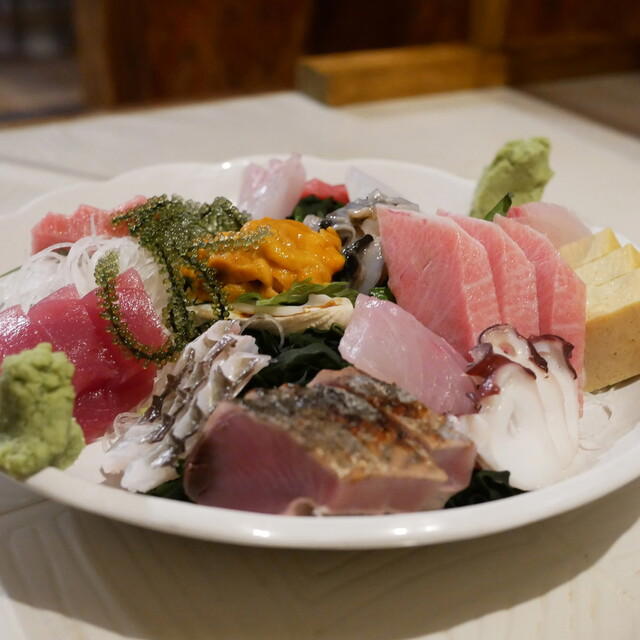
The kitchen is rooted in Yaeyama island produce and the culinary traditions of Ishigaki, which means regulars tend to gravitate toward dishes built around local seafood and Okinawan ingredients specific to this latitude. Without a published menu on record, the safest approach is to ask the staff what has arrived that day, in Ishigaki, the catch and the season drive what actually lands on the table.
Can I walk in to Mirumiru Honpo Honten?
No booking contact details are documented for Mirumiru Honpo Honten at this time, which makes it difficult to confirm reservation policy in advance. For a venue in Ishigaki at this address tier, arriving early in the evening or at the start of lunch service gives the best chance of a seat without a prior arrangement.
What's the defining dish or idea at Mirumiru Honpo Honten?
The defining idea is geographic rather than a single dish: Ishigaki sits closer to Taiwan than to Tokyo, and the table here reflects that position in the archipelago through Yaeyama-inflected cooking that sits outside mainland Japanese restaurant conventions. The Okinawan tradition of beginning a meal with awamori, the island's distilled spirit, frames how the rest of the menu reads.
Can Mirumiru Honpo Honten handle vegetarian requests?
Okinawan cooking as practised across Ishigaki is not structurally vegetarian-friendly, pork and seafood appear throughout even dishes that appear plant-based, a pattern common to this part of the Ryukyu chain.
Is Mirumiru Honpo Honten worth the price?
What the Ishigaki dining tier generally offers is produce-driven cooking at prices significantly below equivalent quality in Tokyo or Osaka, which tends to skew the value proposition in the diner's favour across this island category.
What's the sweet spot for visiting Mirumiru Honpo Honten?
Ishigaki's peak season runs from late spring through summer, when the island draws the heaviest tourist traffic and local seafood supply is at its broadest. For a quieter table and more attentive service, the shoulder months of October through November offer milder conditions without the summer crowds, a timing pattern that holds across most Yaeyama island restaurants.
Cuisine Lens
Comparable venues nearby, for context on price, style, and recognition.
| Venue | Cuisine | Price | Awards | Notes |
|---|---|---|---|---|
| Mirumiru Honpo HontenThis venue (the venue you are viewing) | Ishigaki Gelato Cafe | $10–20 | Not listed | Not listed |
| Akaishi Shokudou | Okinawan Yaeyama Soba | $10–20 | Not listed | Ibaruma |
| Shunya Ban Chan | Island Japanese set meals & breakfast | $20–30 | Tabelog 100 #67 | Shiraho |
| Omoto Teppenyaki | Teppanyaki with Ishigaki Beef | $150–200 | Not listed | Maezato |
| Corners Grill | Ishigaki beef steak & burger grill | $20–30 | Tabelog 100 #52 | Okawa |
| 明石食堂 | Okinawan Yaeyama Soba | $10–20 | Not listed | Ihara, Ishigaki |
Continue exploring
More in Ishigaki

Details
- Scenic
- Cozy
- Casual Hangout
- Local Sourcing
- Street Scene
- A La Carte
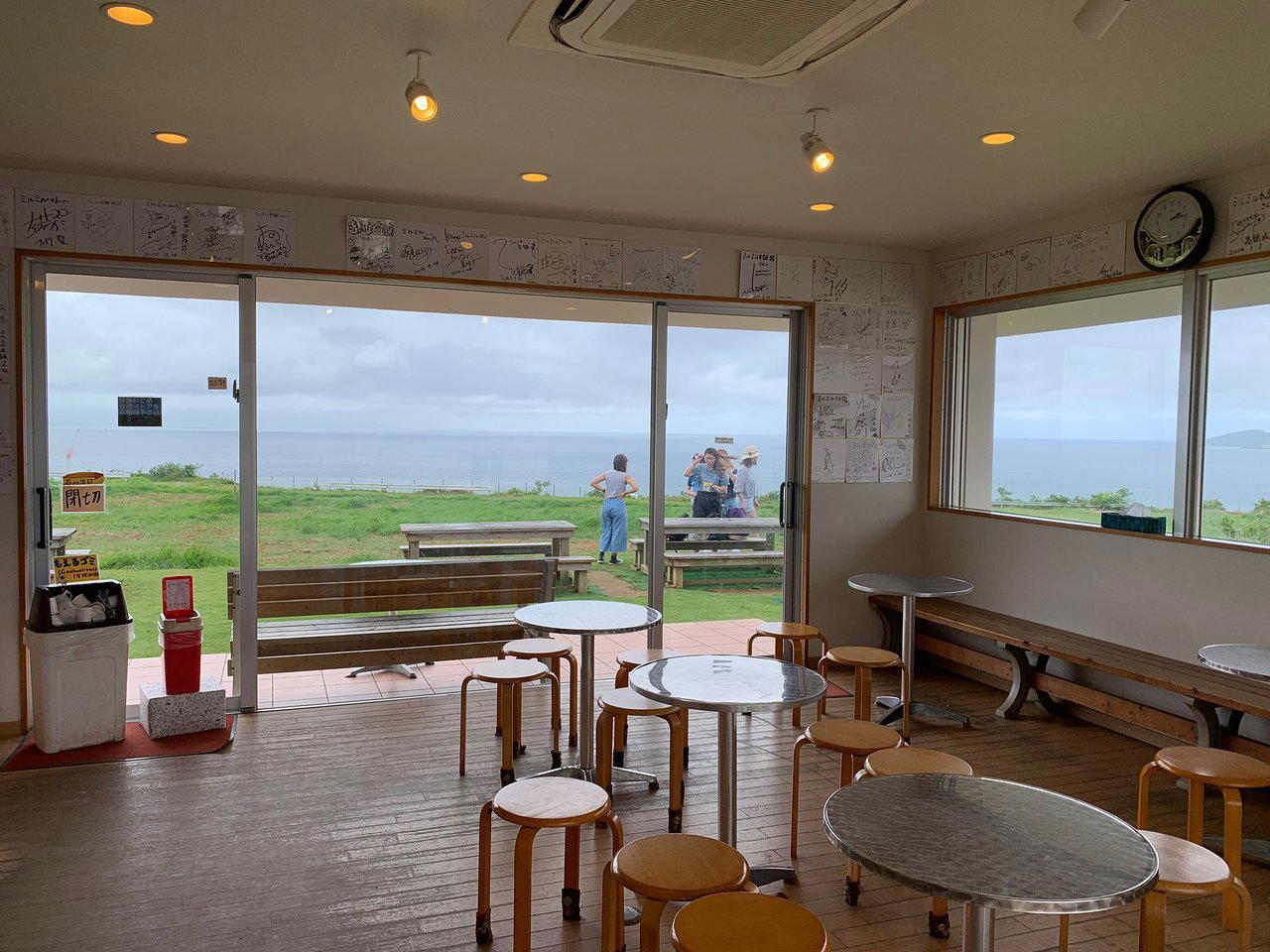
Serene hilltop setting with far-reaching views, ideal for relaxed sunset enjoyment.