Our verdict
A local shokudou in Ishigaki that draws on the island's own produce and cooking traditions, Akaishi Shokudou sits in the tier of neighbourhood dining rooms that defines how residents actually eat on Yaeyama's largest island. For visitors prepared to look beyond the resort strip, it represents the kind of table where context matters as much as the food on it. Booking logistics and timing are worth thinking through before you arrive.

Pearl is the En Primeur Club membership app, where members save venues, book tables and use the concierge.
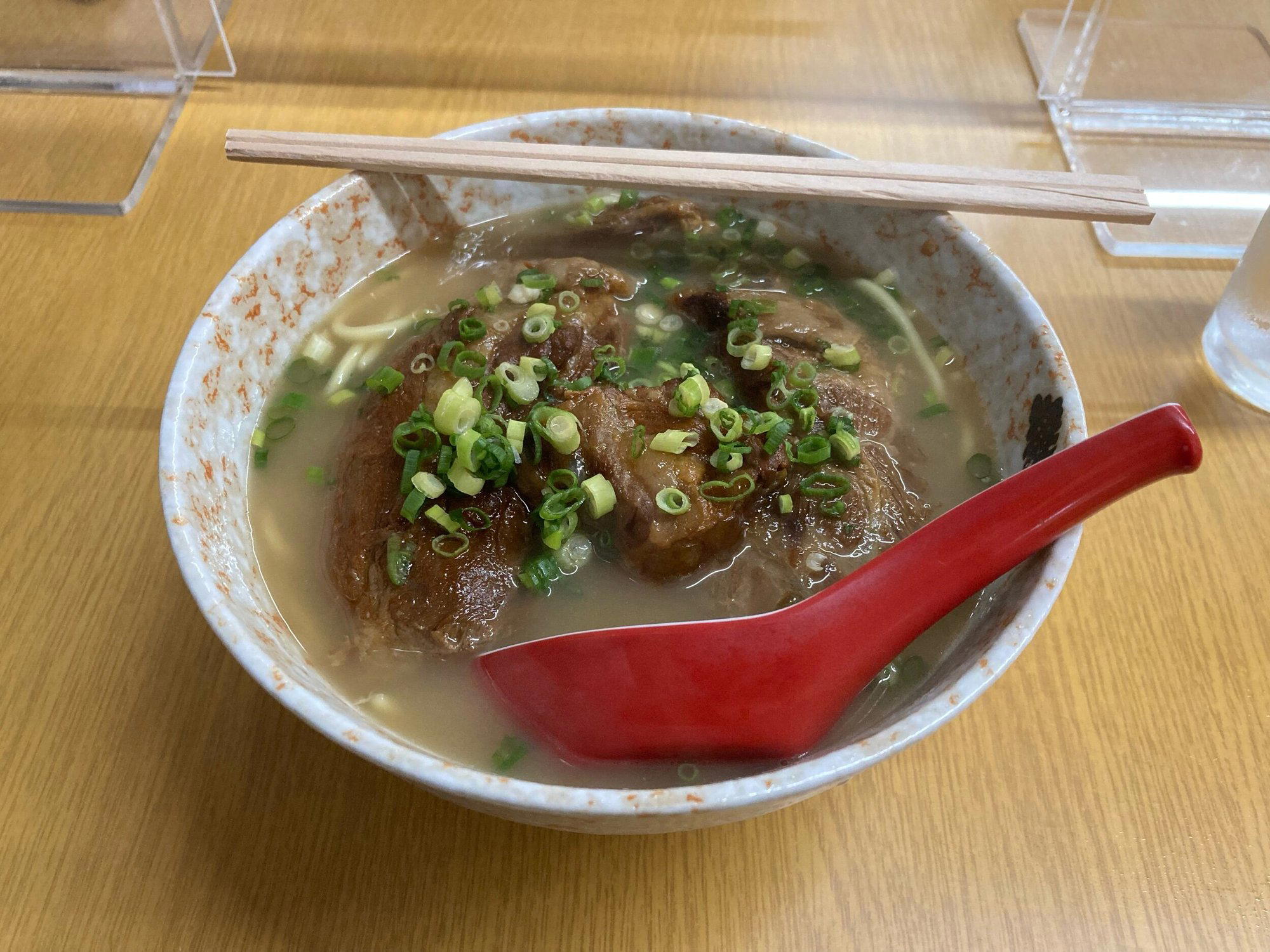
The menu
What to order
- Soki soba
- Yaeyama soba
Eating Like an Islander: The Shokudou Tradition in Ishigaki
Ishigaki sits at the southwestern edge of Japan's main archipelago, roughly equidistant between Taiwan and Okinawa's main island, and its food culture reflects that position. The Yaeyama islands developed their own register of Ryukyuan cooking, shaped by subtropical produce, coral-clear coastal waters, and a centuries-long trade relationship with the Chinese mainland that left its mark on spicing, noodle forms, and fermented staples. The shokudou format, a casual dining room serving set meals and single-plate dishes at prices that reflect local wages rather than tourist premiums, is where that tradition lives most honestly. Akaishi Shokudou belongs to that category of neighbourhood table, and understanding the format is the first thing any visitor should do before they show up expecting a kaiseki counter.
Across Ishigaki, the gap between resort dining and local dining is more pronounced than on many comparable Japanese islands. High-end hotel restaurants have migrated upward in price and spectacle, while places like Nakayoshi Shokudou and Akaishi Shokudou have stayed oriented toward the rhythms of the people who actually live here. That divergence is part of what makes the shokudou circuit worth tracking. Japan's most decorated fine dining operates in a different register entirely: compare the architectural precision of HAJIME in Osaka, the sushi counter discipline of Harutaka in Tokyo, or the seasonal kaiseki depth of Gion Sasaki in Kyoto. Akaishi Shokudou operates at the opposite end of that formality axis, and that is precisely its function. It is not aspiring toward those categories. It is doing something different: feeding people well and cheaply in an island town where the fish arrived that morning.
What to Expect Before You Walk In
The shokudou format across the Yaeyama islands follows a recognisable pattern. Expect a compact room, a short menu that rotates by availability, dishes built around Ishigaki beef, Okinawan bitter melon (goya), rafute pork belly, and whatever the local boats have brought in. Soki soba, the Okinawan noodle dish made with pork ribs, turns up on most menus in this tier. So does champuru, the stir-fry that functions as a daily-use vehicle for vegetables, tofu, and protein in Ryukyuan home cooking. None of this is elaborate. All of it is context-specific in a way that resort menus rarely manage.
For visitors arriving from Japan's larger cities, the calibration shift is worth making consciously. Nara's akordu and Fukuoka's Goh represent Japan's contemporary fine dining in smaller cities doing serious creative work. Akaishi Shokudou is not in that conversation. Its value is of a different type: it shows you what and how people eat on this island, and that is information no tasting menu will give you.
The Booking Question: How Far Ahead Do You Need to Plan?
This is where the editorial angle matters most for Ishigaki. Neighbourhood shokudou in Japan's outer islands do not always operate on the booking infrastructure that urban visitors expect. Many have no online reservation system, limited English-language presence, and hours that shift with seasonality, local events, or simply the proprietor's schedule.
The practical implication is that you should arrive in Ishigaki with a contingency plan. If Akaishi Shokudou is closed, full, or operating reduced hours on the day you visit, the island has alternatives in the same tier. Nakayoshi Shokudou occupies similar neighbourhood-dining territory. Ishigaki Jima Kitauchi Bokujou offers a different angle on local beef in a ranch-dining format. For something lighter between meals, Hau Tree Gelato and Mirumiru Honpo Honten cover the island's dessert and snack circuit.
Seasonality matters more on Ishigaki than on most Japanese islands at similar latitudes. The island receives a distinct typhoon season through late summer, which can close restaurants unpredictably and reduce the availability of fresh fish from local boats. The leading operational window for reliable access to the full range of local shokudou is broadly October through early June, when the weather is consistent and the local fishing and agricultural calendar is at its fullest. Visiting in July and August is common among Japanese domestic tourists, but the logistics of individual neighbourhood restaurants become harder to predict.
For a broader orientation to planning a dining itinerary on the island, the full Ishigaki restaurants guide maps the full tier structure from resort dining to local shokudou, covering what each segment of the market actually delivers. It is worth reading before you commit to an itinerary.
Ishigaki in the Context of Japan's Broader Dining Geography
Japan's fine dining recognition tends to concentrate in Tokyo, Osaka, Kyoto, and to a lesser extent Fukuoka and smaller cities with active culinary scenes like Kanazawa, Sapporo, and Nara. Venues like 一本杉川嶋 in Nanao, 老舗山乃 in Sapporo, 湖畔荘庵 in Takashima, and 羽根屋 in Nishikawa Machi illustrate how far Japan's serious dining culture extends into regional and rural territory. Ishigaki does not participate in that tier in any documented way, but it participates in something else: a subtropical island food tradition that has no direct equivalent anywhere else in the Japanese archipelago. The Ryukyuan culinary inheritance is distinct from mainland Japanese cooking in its spicing, its protein choices, its use of bitter vegetables, and its fermentation culture. You do not travel to Ishigaki for the same reasons you travel to Kyoto or Osaka for food. You travel there for something geographically and culturally specific.
For context outside Japan, Amuritano-niwa is another Ishigaki address worth cross-referencing when building a full island dining picture. And for reference against the international tier, Le Bernardin in New York City and Atomix in New York City illustrate how different the formal fine dining conversation looks from the local-shokudou end of the spectrum. Neither comparison is a criticism. They are simply different instruments playing in different registers.
What Akaishi Shokudou offers, within the frame that local Ishigaki dining can be evaluated at all, is access to a food culture that the resort tier of the island does not deliver. Whether that access is worth planning around depends on what you are looking for on the island. If your interest is in how people actually eat in the Yaeyama islands, then neighbourhood shokudou in general, and venues in this category specifically, are where that answer lives. Visit Birdland in Sakai for a comparable study in how a local speciality restaurant operates outside the metropolitan fine-dining frame.
Frequently asked questions
Is Akaishi Shokudou a good option for visitors unfamiliar with Okinawan island food?
Ishigaki's shokudou culture draws on Ryukyuan and Yaeyama traditions that differ from both mainland Japanese and metropolitan Okinawan dining, making a place like Akaishi Shokudou a practical entry point into the region's actual food habits. The format is low-barrier: short menus, set-meal pricing, and a room designed for quick, honest meals rather than extended tasting. No English-language menu availability is confirmed, so a translation app is a useful tool for first-time visitors to the city.
What do people recommend at Akaishi Shokudou?
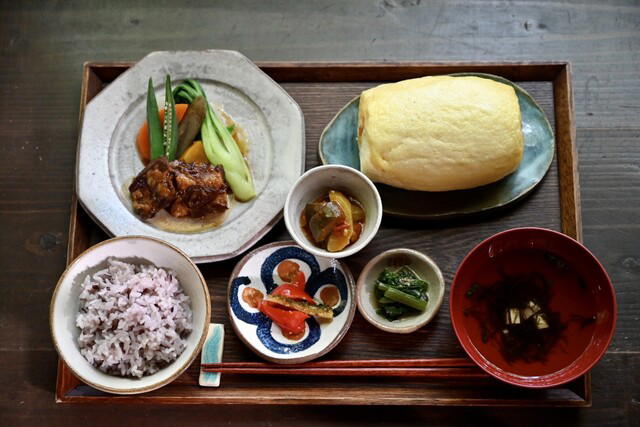
Shokudou in Ishigaki typically rotate their menu by daily availability, so the choice is driven by what came off the boat or in from local farms that morning. At a Yaeyama-format diner, expect regional staples: Okinawan-influenced set meals built around rice, miso soup, and whatever protein is running that day. Arrive with openness to the menu as written rather than a pre-set order.
How far ahead should I plan for Akaishi Shokudou?
Neighbourhood shokudou on Ishigaki generally operate on a walk-in basis rather than advance reservations, though hours can be irregular and closures happen without notice. No booking infrastructure is publicly confirmed for Akaishi Shokudou, so the practical approach is to show up early, lunch service at island diners tends to sell out before the listed close time. Building a backup option into your day in Ishigaki is sensible.
What's Akaishi Shokudou best at?
Akaishi Shokudou sits within the shokudou tradition that underpins everyday eating across Japan's outer islands, where the format prizes simplicity and local sourcing over formal presentation. In Ishigaki specifically, that means food shaped by the Yaeyama island pantry rather than mainland Japanese convention.
At-a-Glance Comparison
A quick peer reference to anchor this venue in its category.
| Venue | Cuisine | Price | Awards |
|---|---|---|---|
| Akaishi ShokudouThis venue (the venue you are viewing) | Okinawan Yaeyama Soba | $10–20 | Not listed |
| Ishigaki Jima Kitauchi Bokujou | Ishigaki Wagyu Yakiniku | $50–100 | Not listed |
| Hau Tree Gelato | Not listed | $1–10 | Tabelog 100 #11 |
| Mirumiru Honpo Honten | Ishigaki Gelato Cafe | $10–20 | Not listed |
| Nakayoshi Shokudou | Okinawan Cuisine | Not listed | Not listed |
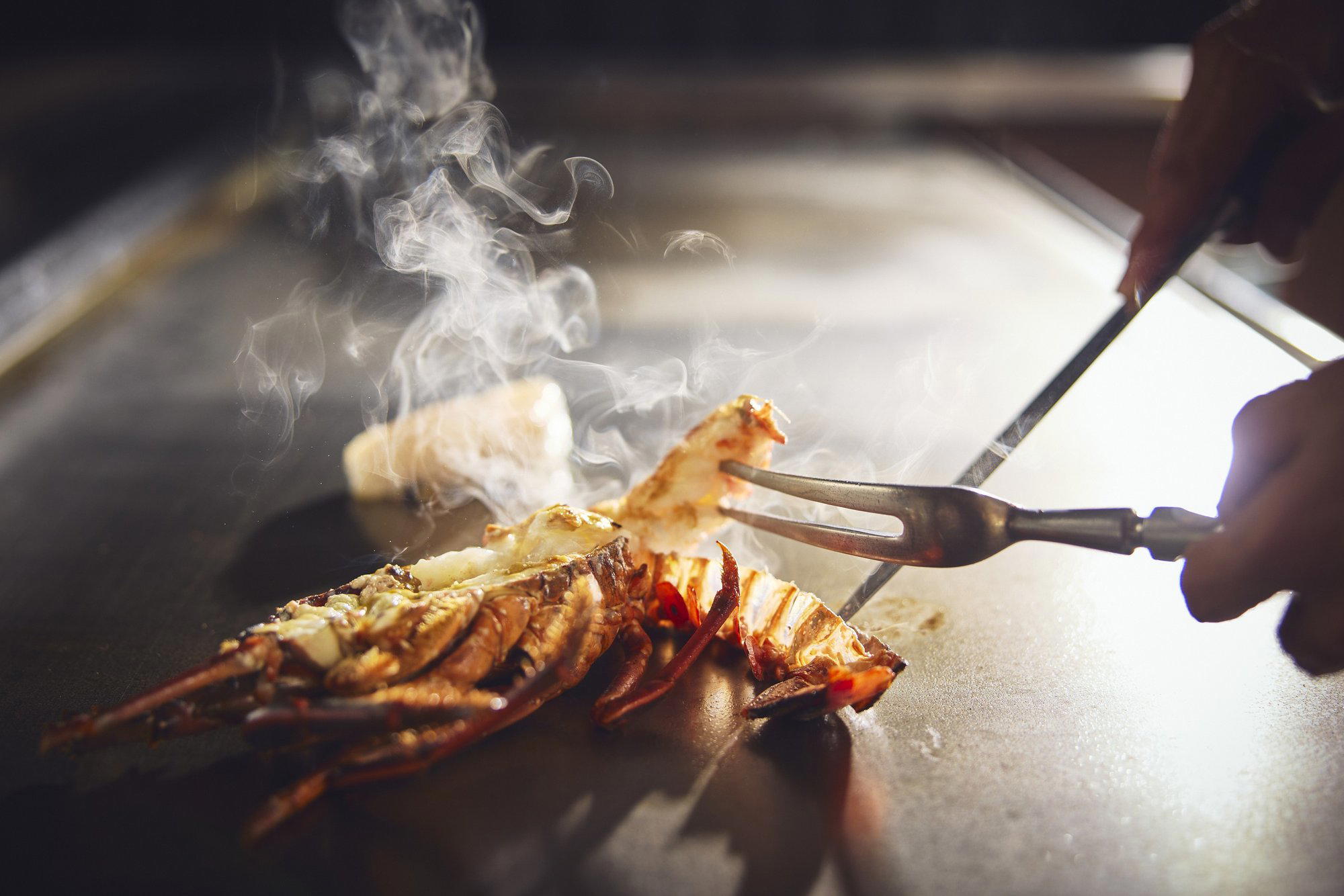
| Omoto Teppenyaki | Teppanyaki with Ishigaki Beef | $150–200 | Not listed |
Continue exploring
More in Ishigaki


Details
- Rustic
- Cozy
- Casual Hangout
- Family
- Sake Program
- Local Sourcing
- A La Carte
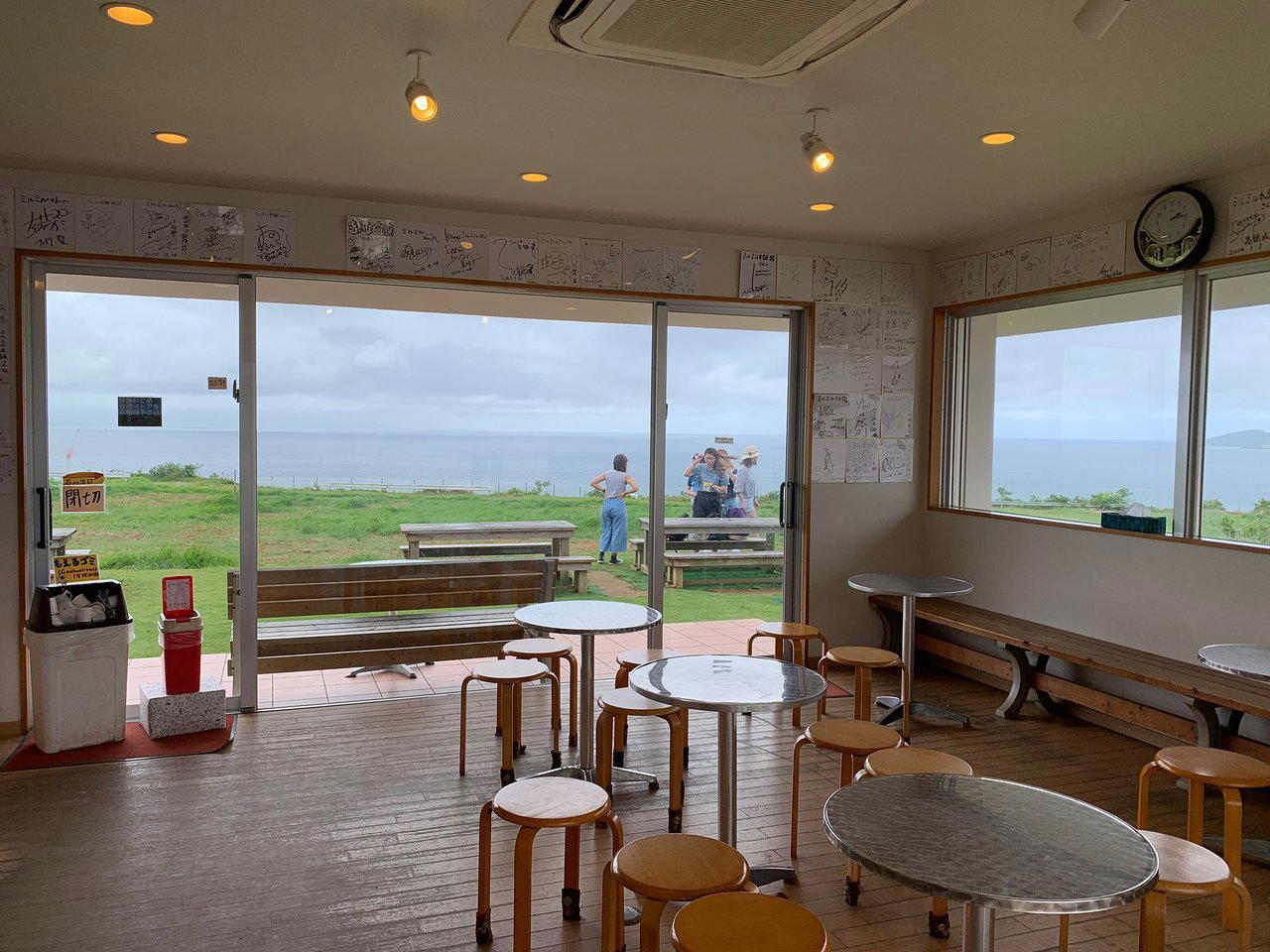
No-frills, relaxing house-style eatery with counter seating, tatami rooms, and open terrace, offering casual local comfort.