
Shunya Ban Chan is a Shiraho, Ishigaki diner selected for Tabelog 100 - Diner - 2026, with a JPY 2,000 - JPY 2,999 lunch range and a small 24-seat room. The appeal is local rather than theatrical: island ingredients, fish-led cooking, a morning-to-lunch rhythm, and a setting that fits Ishigaki’s slower eastern coast.
Pearl is the En Primeur Club membership app — saves, bookings, and concierge access live there. Same editors, same standards.
- Address
- 沖縄県石垣市白保13-1
- Phone
- +81980868310
- Website
- shun-ya-banchan.com
 Saves & bookings on Pearl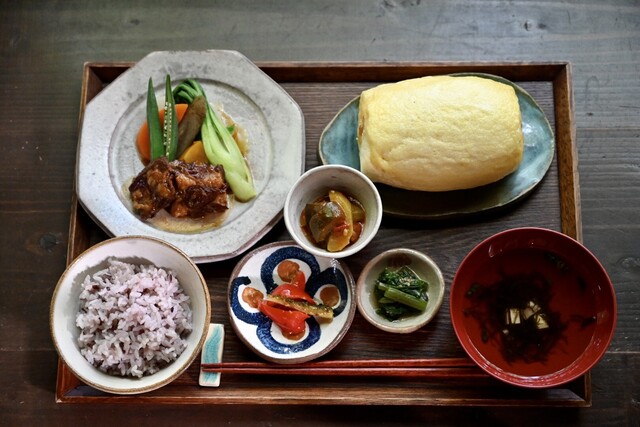
Shiraho changes the tempo of Ishigaki dining. The village sits on the island’s eastern side, where meals feel closer to household cooking, fishing routines, and the practical calm of day trade than to resort dining. Shunya Ban Chan belongs to that register: a small house-restaurant format with ocean-facing context, table seating, tatami room space, and a kitchen identity built around fish, island produce, and health-minded set-meal culture rather than long-form ceremony.
That matters because Ishigaki is often reduced to two easy categories: Yaeyama soba and beef. Both deserve attention, but the island’s everyday dining culture is broader, shaped by subtropical vegetables, seafood, home-style side dishes, and the morning-to-afternoon rhythm of village restaurants. A cafeteria can say as much about a place as a tasting counter when it treats local ingredients with discipline. Tabelog’s selection of Shunya Ban Chan for Tabelog 100 - Diner - 2026 places this modest format in a national conversation usually dominated by urban dining rooms and destination counters.
Shiraho's island-diner format, not resort polish
Japan’s shokudo tradition is often misunderstood by travelers chasing spectacle. The category is not defined by luxury cues; it is defined by utility, repetition, and a compact menu language that makes sense for regulars. In Okinawa and the Yaeyama Islands, that everyday structure absorbs local conditions: tropical heat, fishing seasons, slower roads, family groups, and daytime meals built around rice, soup, vegetables, and fish rather than elaborate sequence.
Shunya Ban Chan sits in that cultural lane. The category is listed as cafeteria and creative, a pairing that signals an island diner with some latitude rather than a formal restaurant chasing tasting-menu conventions. The listed food emphasis, fish and health-and-wellness cooking, also points away from the heavier end of Ishigaki dining. For travelers already planning beef at Corners Grill or tuna at Hitoshi Honten, this is a different read on the island: quieter, daytime, and closer to a village meal than a night out.
The 24-seat scale is part of the appeal. Small Japanese dining rooms can become precious when scarcity becomes the story; here, the size feels more functional. A limited room suits a format that is family-friendly, non-smoking, and built for seated meals rather than bar energy. The absence of private rooms also keeps the experience in the shared-room shokudo tradition, where the room’s rhythm comes from small groups, local traffic, and the kitchen’s pace.
Why this recognition matters in Ishigaki
Tabelog 100 - Diner is a useful signal because the diner category rewards consistency in a field that rarely has the glamour of sushi, kaiseki, or French-influenced Japanese fine dining. A 2026 selection, alongside a previous 2024 selection, indicates sustained attention rather than a single-season spike. The score attached to the listing, 3.61, should be read in Japanese review-platform context: shokudo and regional restaurants often operate within tighter scoring bands than heavily publicized urban counters.
The stronger point is comparative. Ishigaki’s premium dining map tends to sort itself by protein and occasion. Steak Restaurant Papoiya and Toraichi Seiniku Ten occupy the beef-led track at higher dinner budgets; Hitoshi Ishigantou ten sits in the island’s fish-and-izakaya orbit; Milmil Honpo Ishigaki kuukou ten serves a lower-priced airport-adjacent role. The restaurant’s recognition in a diner category places it in a separate decision set, where the question is not how much ceremony a meal can carry, but how much local character can survive in a compact daytime format.
This is also where Shiraho helps. The village is not the same proposition as central Ishigaki. Its appeal lies in a lower-volume, more residential feel, with the sea and village roads shaping the approach. Dining here asks for planning, but it also gives context: Ishigaki is not only its port, its hotels, or its beef restaurants. It is a working island with small communities where food can remain practical without becoming anonymous.
How to place it in an Ishigaki itinerary
The smart use of the restaurant is as a daytime anchor on the eastern side of the island, especially for travelers who want a meal that does not duplicate the usual dinner categories. It pairs naturally with a broader Shiraho plan, rather than as a last-minute add-on between central Ishigaki reservations. The restaurant’s reservation-only format and limited seating make advance planning part of the equation, but the experience itself belongs to the island’s unforced register.
Visitors building a fuller Ishigaki dining map should treat this as one coordinate rather than the whole story. Akaishi Shokudou, Amuritano-niwa, Hau Tree Gelato, and the wider selection in Our full Ishigaki restaurants guide help show how the island moves between casual sweets, beef, seafood, and village cooking. For planning beyond the table, use Our full Ishigaki hotels guide, Our full Ishigaki bars guide, Our full Ishigaki wineries guide, and Our full Ishigaki experiences guide.
For readers tracing everyday Japanese dining beyond Okinawa, useful contrasts include -Grilled beef Sukiyaki- KAMAKURA TANUKIAN 鎌倉 たぬき庵 in Kamakura. 鮪と炭火焼き うお炭 秋葉原店 in Tokyo.cafe in Osaka.know in Kumamoto, (Shoku) Vietnam in Kawasaki, [Curry Senmon Ten] Maruyama Kyoju. in Sapporo, Jōdo Saké Bar in Los Angeles, and Onigiri Time in Pasadena. The point is not sameness; it is seeing how small-format Japanese meals adapt to place, price, and daily use.
Cost Snapshot
Comparable venues by cuisine and price in the same metro.
| Venue | Cuisine | Price | Notes |
|---|---|---|---|
| Shunya Ban ChanThis venue — the venue you are viewing | Not listed | $$ | Not listed |
| Hitoshi Honten | Not listed | $$ | .null, Traditional Okinawan Izakaya & Seafood |
| Nakayoshi Shokudou | Shine-cho, Okinawan Cuisine | $$ | Not listed |
| Akaishi Shokudou | Ibaruma, Okinawan Yaeyama Soba | $$ | Not listed |
| Toraichi Seiniku Ten | Not listed | $$ | Maezato (Maseiri), Ishigaki, Ishigaki beef yakiniku & steak |
| 石垣島きたうち牧場 浜崎町本店 | Hamasaki, Ishigaki Premium Yakiniku | $$$ | Not listed |
Recognition history
Dated appearances from independent guides and award organizations, with the underlying list record or original source where available.
Tabelog 100 #67 · No. 67
Tabelog · Tabelog 100 - Diner - 2026
Continue exploring
More in Ishigaki
Restaurants in Ishigaki
Browse all →
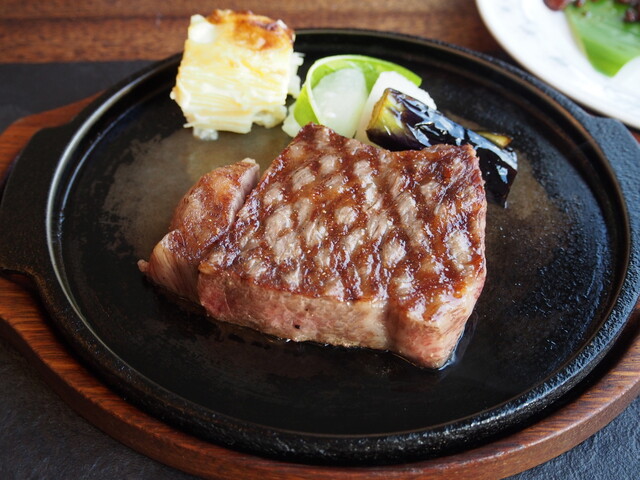
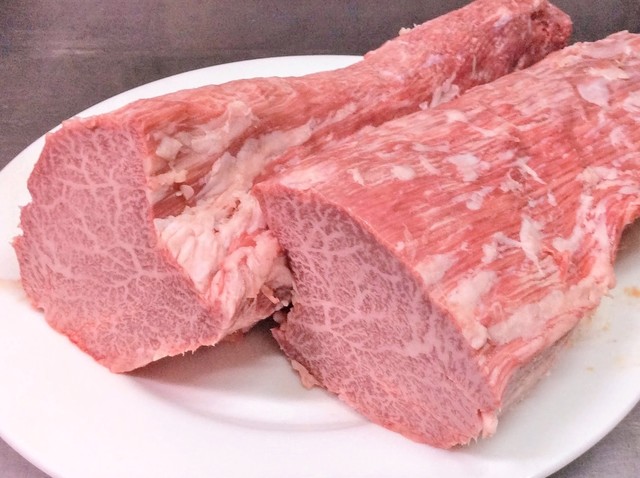
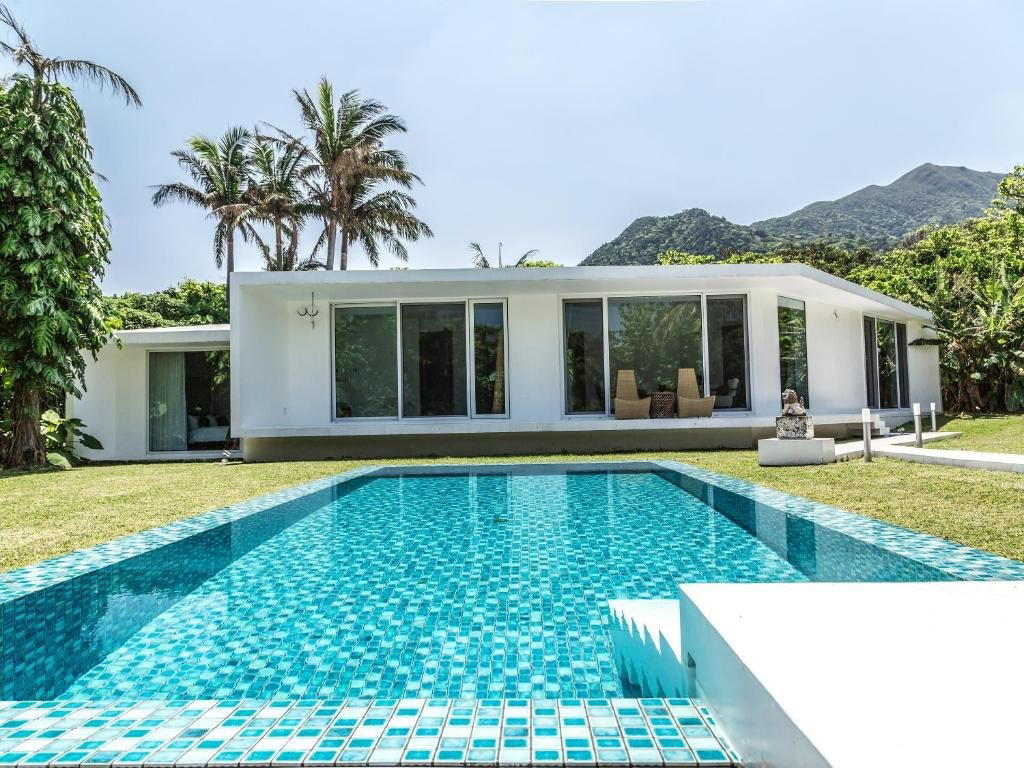
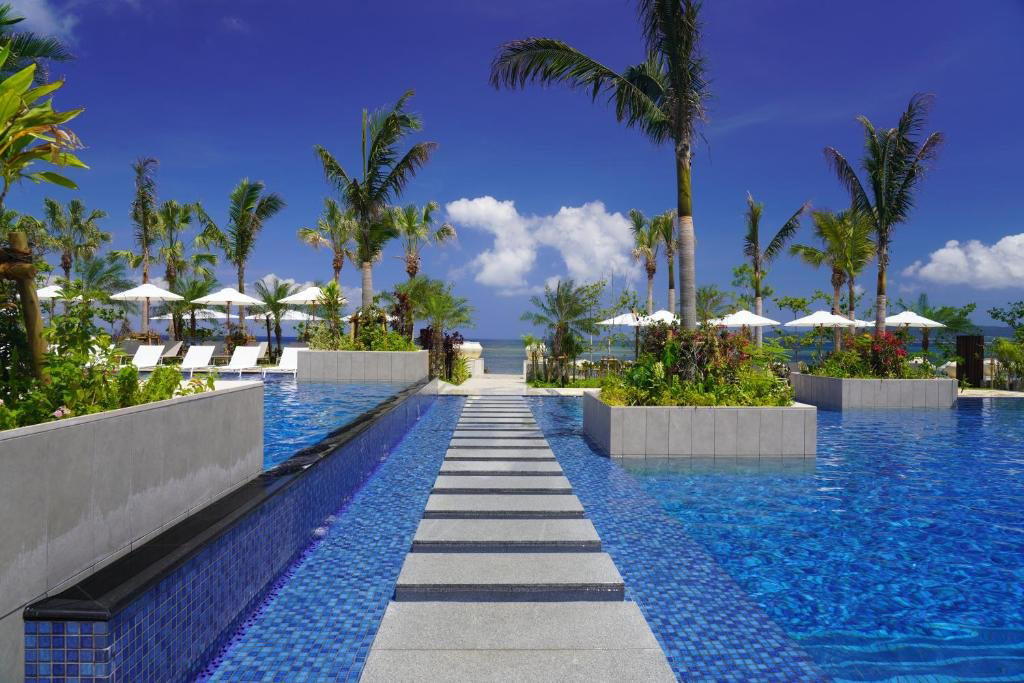
At a Glance
- Cozy
- Scenic
- Rustic
- Intimate
- Family
- Casual Hangout
- Solo
- Brunch
- Waterfront
- Garden
- Standalone
- Farm To Table
- Local Sourcing
- Waterfront
- Garden
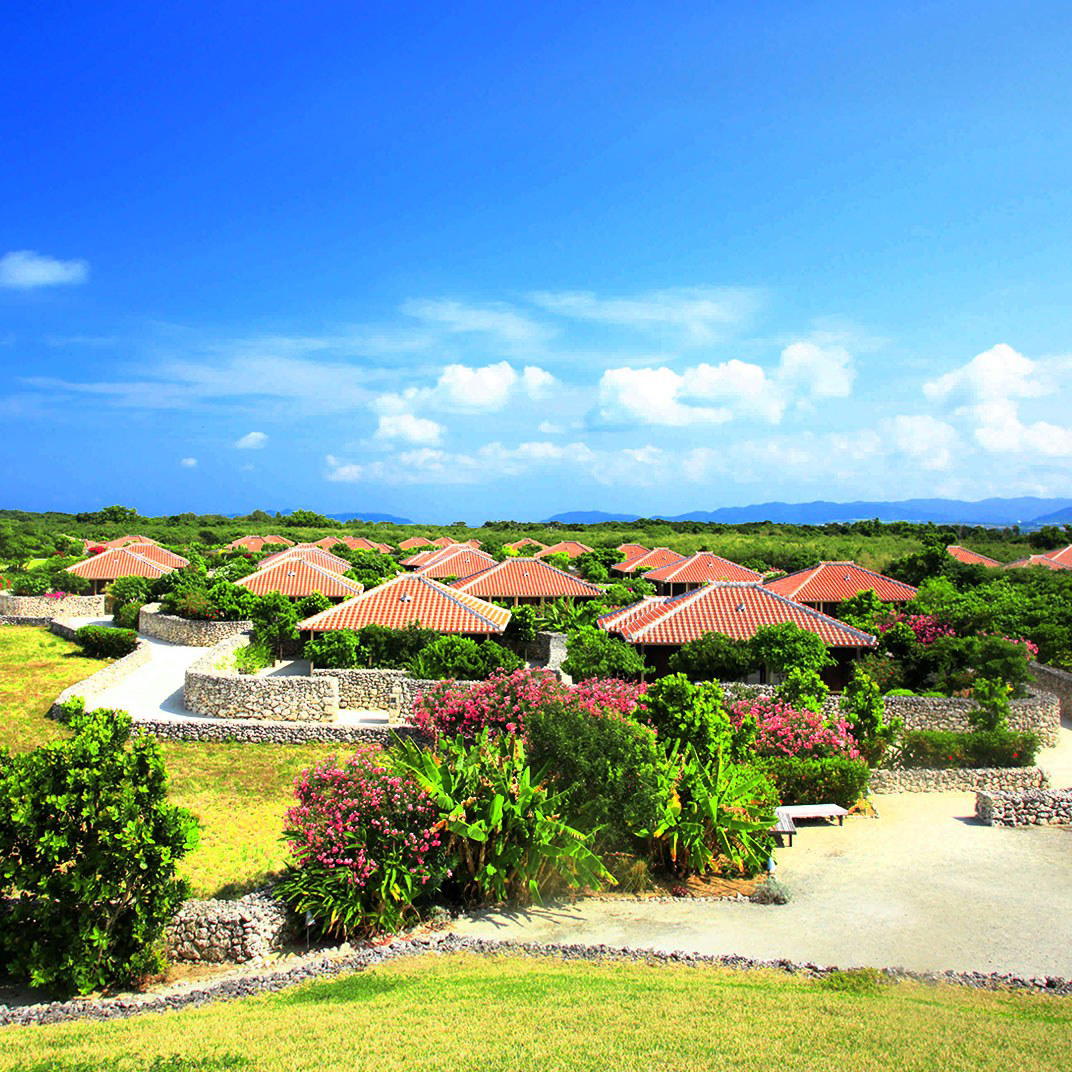
Relaxed and homely with a slow, unhurried pace, simple rustic interiors, and a calm island atmosphere where guests enjoy thoughtfully prepared meals, a breezy garden path, and views of the nearby sea.