
Ishigaki’s beef culture gives yakiniku a sharper sense of place than the format has in many resort towns. Toraichi Seiniku Ten is a Maezato Japanese BBQ restaurant selected for Tabelog 100 Yakiniku WEST 2025, with a mid-range dinner bracket and lunch service that make it a serious stop for travelers comparing island beef formats beyond steakhouse dining.
Pearl is the En Primeur Club membership app — saves, bookings, and concierge access live there. Same editors, same standards.
- Address
- 204-68 Maezato, Ishigaki, Okinawa 907-0002, Japan
- Phone
- +81 980-87-6029
- Website
- toraichiseinikuten.com
 Saves & bookings on Pearl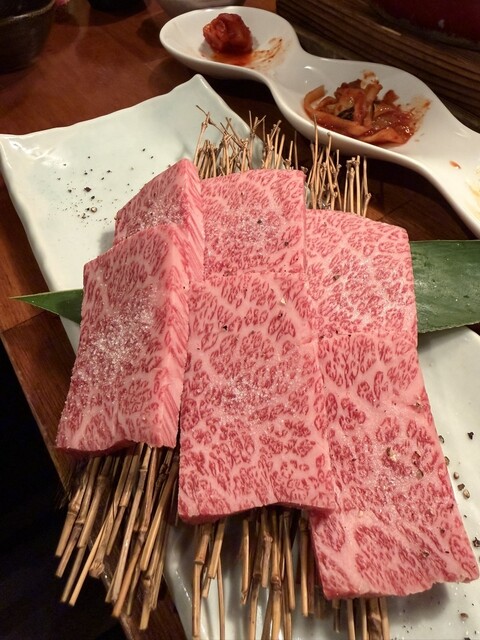
Approaching a yakiniku room in Ishigaki, the first cue is heat: grill-built tables, tongs, smoke extraction, and timing. On an island where beef is culinary identity rather than a luxury import story, Japanese BBQ becomes a way to read local appetite. The format rewards sourcing and cut selection over elaborate plating, which is the right frame for Toraichi Seiniku Ten.
Ishigaki dining often splits between seafood counters, casual island kitchens, and beef-led restaurants built around the island’s cattle reputation. For visitors mapping the city through meals, Hitoshi Honten explains the tuna-and-izakaya side, while Corners Grill and the island’s steakhouse tier show how beef is translated for a broader travel audience. Yakiniku sits between those poles: less formal than steak, more ingredient-sensitive than a general izakaya order.
Ishigaki beef culture, read through the grill
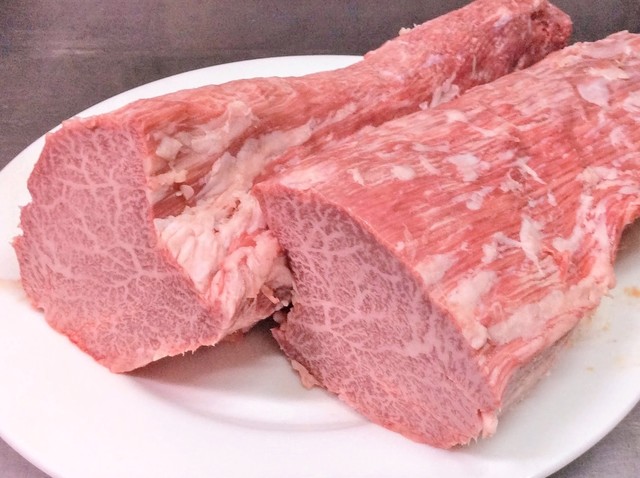
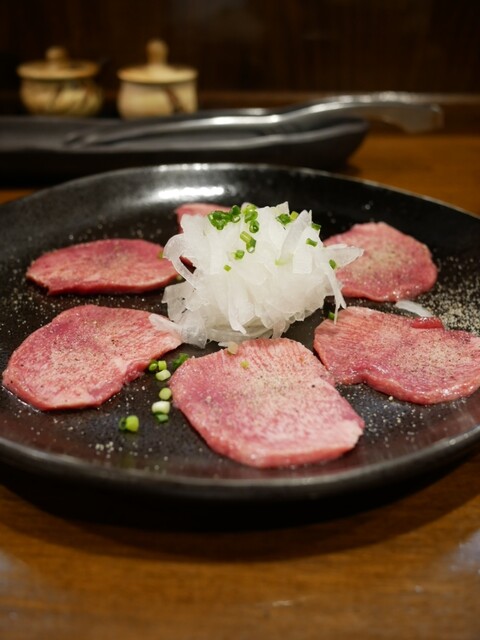
Premium Japanese beef is often framed by brand names, marbling grades, and auction mystique, but yakiniku shifts the emphasis. The diner becomes partly responsible for the result. Thin cuts, fattier portions, leaner selections, offal, and sauces all land differently when cooking happens at the table. That makes the category revealing in Ishigaki, where local beef is part of the island’s agricultural identity, not just a menu headline.
Toraichi Seiniku Ten’s recognition in Tabelog 100 Yakiniku WEST 2025 places a small Ishigaki address inside western Japan’s wider yakiniku conversation. Tabelog’s Hyakumeiten selections tend to reward consistency and category strength rather than luxury signals alone. For travelers, that distinction is useful: judge this room not by fine-dining choreography, but by how confidently it handles the grill format in a city where beef restaurants compete for attention.
The Ishigaki comparison set clarifies the choice. Steak Restaurant Papoiya occupies a higher dinner bracket and reads as a steak-focused occasion. Sumibi Yakiniku Yamamoto sits in a similar yakiniku price band, making it the more direct comparison for diners who want charcoal-grill beef rather than Western-style steak service. Corners Grill and Hitoshi Honten sit lower in the spending range, better for a night focused on value, volume, or an izakaya rhythm rather than a beef-focused grill meal.
That is the distinction: yakiniku in Ishigaki is not simply “Japanese BBQ” as a catch-all. It makes sourcing visible through portioning, sequence, and how a table orders around fat, texture, and appetite. The island setting raises expectations around Ishigaki beef, yet better meals avoid turning the ingredient into a tourist slogan.
Where it fits in a Maezato dining day
Maezato is not postcard Ishigaki dining. It is practical, car-oriented, and useful for travelers moving between beaches, hotels, and town rather than lingering in one entertainment district. That geography suits yakiniku: social, direct, and better for groups wanting a central table rather than a counter seat with a fixed progression.
Both lunch and dinner service change how to use the restaurant. Lunch puts beef into a lighter daytime slot; dinner is the natural choice for a fuller grill session. Dinner reservations are available, a detail to take seriously in a small island market where recognized restaurants have less slack during holiday periods and flight-heavy weekends.
Practicality also shapes the audience. Private rooms and private use are not part of the listed setup, so expect a shared restaurant atmosphere, not a secluded dining room. Non-smoking status and available parking help fold it into a family or hotel-based plan, especially for travelers comparing Maezato with central Ishigaki. Payment coverage is broad by Japanese regional standards, including major credit cards, electronic money, and QR code payments, reducing the cash-only friction that can still affect smaller restaurants across Japan.
For a wider Ishigaki route, pair this meal with casual and sweet stops rather than another heavy dinner. Akaishi Shokudou gives another read on island cooking, Amuritano-niwa works in another local register, and Hau Tree Gelato shifts the day lighter. For broader planning, use Our full Ishigaki restaurants guide alongside Our full Ishigaki hotels guide, Our full Ishigaki bars guide, Our full Ishigaki wineries guide, and Our full Ishigaki experiences guide.
The traveler's call: choose it for beef, not spectacle
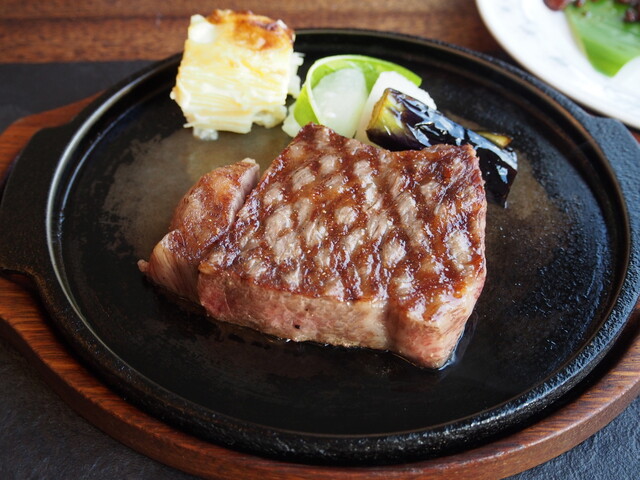
The strongest reason to come is category fit. A traveler interested in Ishigaki beef can learn more from a yakiniku table than from one composed steak plate, because the meal exposes variation across cuts and cooking times. The diner slows down, grills in small batches, and notices how fat behaves over heat. That is a better education in the ingredient than a room built mainly around presentation.
Toraichi Seiniku Ten also reminds diners that recognition outside Japan’s Michelin-centered lens can be more relevant for everyday decisions. Tabelog 100 Yakiniku WEST 2025 places the restaurant in a consumer-driven Japanese category conversation, not an international fine-dining script. In Ishigaki, that matters: the city’s restaurant culture is compact, seasonal in demand, and shaped by domestic travelers as much as overseas visitors.
Readers building a wider Japan dining map can treat this as a regional counterpoint to beef and grill formats elsewhere: -Grilled beef Sukiyaki- KAMAKURA TANUKIAN 鎌倉 たぬき庵 in Kamakura shows another beef tradition, while. 鮪と炭火焼き うお炭 秋葉原店 in Tokyo,.cafe in Osaka,.know in Kumamoto, (Shoku) Vietnam in Kawasaki, and [Curry Senmon Ten] Maruyama Kyoju. in Sapporo show how regional Japanese dining categories resist a single national template. Outside Japan, Jōdo Saké Bar in Los Angeles and Onigiri Time in Pasadena sit in a different diaspora context, useful for seeing how Japanese formats change once they leave the country.
The editorial call is clear: choose this for a beef-focused Ishigaki meal with recognized yakiniku credentials, especially when the plan calls for a table-centered dinner rather than a chef-counter performance. The reward is not theatrical service. It is a direct encounter with the island’s beef culture through a format that leaves the final seconds of cooking in the diner’s hands.
A Quick Peer Check
Comparable venues by cuisine and price in the same metro.
| Venue | Cuisine | Price | Awards | Notes |
|---|---|---|---|---|
| Toraichi Seiniku TenThis venue — the venue you are viewing | Ishigaki beef yakiniku & steak | $$ | , | |
| Shunya Ban Chan | Island Japanese set meals & breakfast | $$ | , | Shiraho |
| Akaishi Shokudou | Okinawan Yaeyama Soba | $$ | , | Ibaruma |
| Omoto Teppenyaki | Teppanyaki with Ishigaki Beef | $$$$ | , | Maezato |
| 明石食堂 | Yaeyama Soba & Okinawan Comfort Food | $ | , | Ihara, Ishigaki |
| 石垣島きたうち牧場 浜崎町本店 | Ishigaki Premium Yakiniku | $$$ | , | Hamasaki |
Continue exploring
More in Ishigaki
Restaurants in Ishigaki
Browse all →
At a Glance
- Cozy
- Hidden Gem
- Lively
- Group Dining
- Casual Hangout
- Family
- After Work
- Celebration
- Solo
- Standalone
- Local Sourcing
- Farm To Table
Relaxed neighborhood yakiniku in a standalone house-like building with a calm, simple interior of tables and tatami-style seating, frequented by locals rather than tourists.