Ramen in Vienna occupies a particular niche: a Japanese comfort format that sits well outside the city's dominant schnitzel-and-fine-dining axis. Shoyu Ramen on Seilerstätte 10 in the First District brings a soy-broth tradition to one of central Europe's most formal dining neighbourhoods, positioning itself as a counterpoint to the €€€€ tasting menus that dominate Vienna's upper tier.
Pearl is the En Primeur Club membership app — saves, bookings, and concierge access live there. Same editors, same standards.
- Address
- Seilerstätte 10, 1010 Wien, Austria
- Phone
- +434319415018
- Website
- shoyu.at
- Directions
- Get directions
 Saves & bookings on Pearl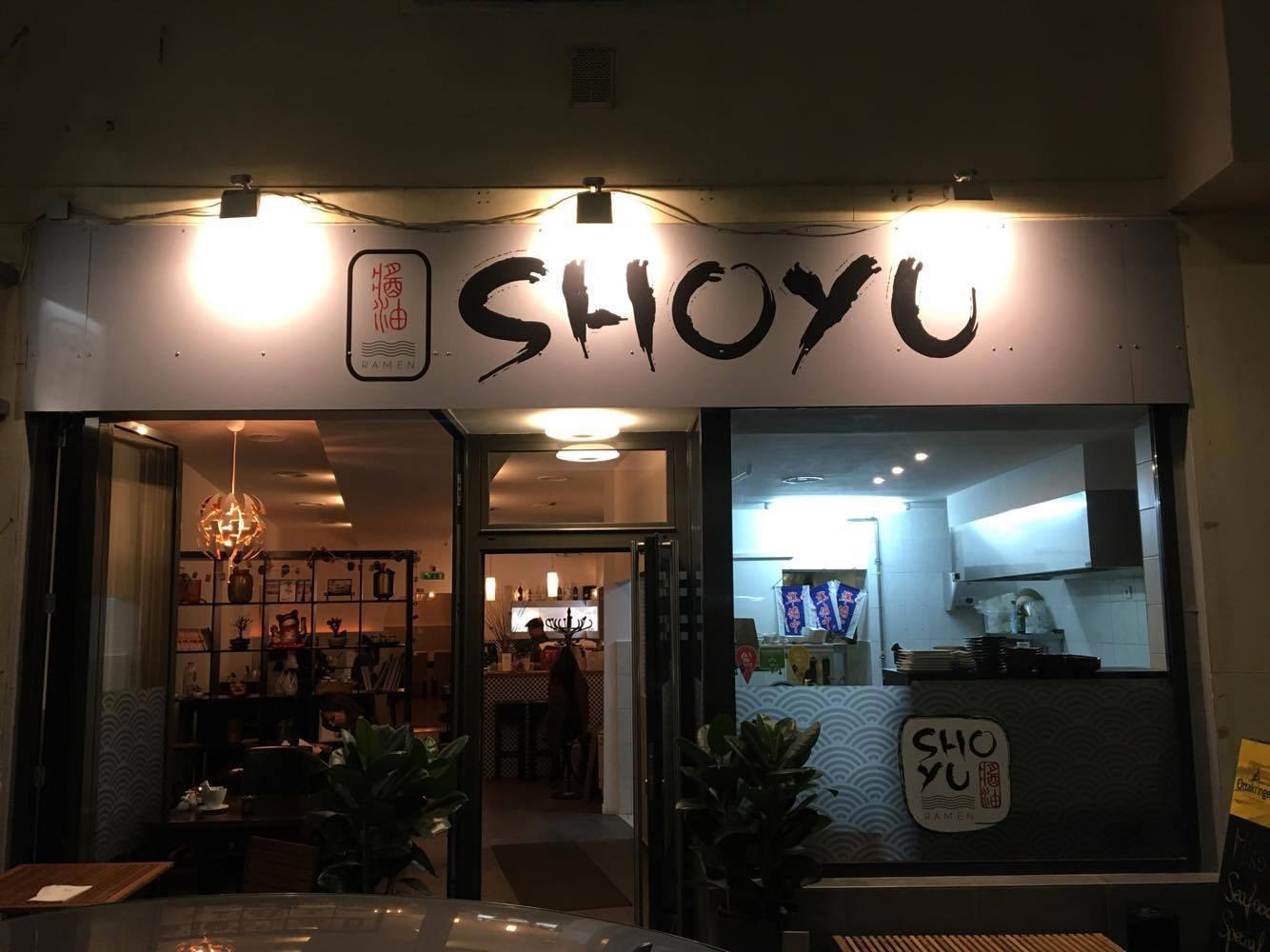
Ramen in the First District: A Format That Reads Against the Grain
Vienna's First District is not where you expect to find a bowl of soy broth. The Innere Stadt has long been defined by grand Kaffeehaus culture, Viennese schnitzel institutions, and a cluster of high-end tasting-menu restaurants that compete at the summit of Austria's Michelin hierarchy. Operations like Steirereck im Stadtpark, Amador, and Konstantin Filippou set the dominant register for serious dining in the city. Ramen sits in a different category entirely: a Japanese workaday format built around hours-long broth reduction, precise noodle calibration, and toppings that reward repetition rather than novelty. Shoyu Ramen occupies a Seilerstätte address in Vienna's Innere Stadt.
Shoyu, as a ramen sub-style, is the oldest of the four canonical broths. Where tonkotsu leans on pork bone opacity and miso adds fermented depth, shoyu ramen works from a clear or lightly clouded soy-seasoned base, typically built on chicken or dashi stock. The result is a broth with more transparency than richness, where the layering of tare (the seasoning concentrate) against the base stock becomes the core technical exercise. In Tokyo's ramen culture, shoyu is associated with the oldest shop lineages and with a restrained approach that rewards the broth rather than the garnish.
What Ramen Means in a European Capital
European ramen has moved considerably since the mid-2010s, when most cities outside of London and Paris treated the format as a novelty. Vienna now has a recognisable ramen circuit, with the format sitting comfortably below the €€€€ fine-dining tier occupied by Mraz & Sohn and Doubek, and functioning as a mid-market counterpoint to the city's dominant dining identity. The question for any ramen operation in this context is whether it reads as a genuine engagement with the format or as a approximation assembled for a market that won't know the difference.
That distinction matters more in a city like Vienna than in Tokyo or Osaka, where informed ramen consumers create constant competitive pressure. European ramen houses that take the format seriously tend to signal it through broth preparation time, noodle sourcing, and the discipline of not over-garnishing a bowl that the broth is meant to carry. The same editorial standard applies whether you're assessing a counter in Shinjuku or a room on Seilerstätte.
The Team Dynamic Inside a Ramen Kitchen
Ramen is often framed as a one-person craft, with the shop owner as both broth architect and front-of-house personality. In practice, a ramen operation at any scale above a solo counter depends on a team dynamic that runs from kitchen to floor with unusual tightness. The broth cycle requires overnight preparation and consistent monitoring; the noodle cook window is short and unforgiving; and the service rhythm at peak hours compresses the margin for error on every element. Where fine-dining kitchens distribute tasks across specialist stations, a ramen kitchen often asks a small team to hold every variable simultaneously.
The front-of-house function in ramen is correspondingly direct. There is no sommelier pairing structure or multi-course pacing to manage, but the speed and accuracy of service determines whether a bowl arrives at the right temperature with broth still in condition. This is a different kind of coordination than what you find at Ikarus in Salzburg or Griggeler Stuba in Lech, but it requires the same underlying alignment between kitchen output and table delivery. Operations that get this wrong produce overcooked noodles and cooling broth; the bowl tells you immediately whether the team is functioning.
How Shoyu Ramen Sits Against Vienna's Broader Dining Map
Vienna's restaurant spectrum runs from the multi-decade fine-dining institutions in the First District through a growing cohort of natural wine bars and independent neighbourhood restaurants in the Second, Seventh, and Ninth districts. Japanese cuisine in the city has followed a similar trajectory to other European capitals: early sushi-focused operations gave way to a broader range of regional Japanese formats, with ramen arriving as part of a second wave that also included izakaya-style menus and Japanese-Austrian fusion concepts.
Within that arc, a shoyu-focused operation in the First District occupies a specific position: it serves a format with clear technical parameters, in a neighbourhood where the surrounding price tier is significantly higher, at a category of dining that Viennese consumers increasingly engage with on its own terms rather than as a curiosity. Austria's wider fine-dining infrastructure, from Döllerer in Golling an der Salzach to Landhaus Bacher in Mautern an der Donau, shows the depth of serious cooking culture in the country; a ramen counter in Vienna draws from a different tradition but exists within the same environment of informed eating.
For context on how a single-format Japanese concept can reach serious critical standing in a Western market, Atomix in New York City demonstrates how Korean fine dining crossed over; Le Bernardin shows the long arc of French technique holding authority in an American city. Ramen operates at a different register, but the principle of a non-native format earning genuine local recognition follows a comparable pattern.
Other Austrian references worth holding for comparison include Obauer in Werfen, Kräuterreich by Vitus Winkler in Sankt Veit im Pongau, Schwarzer Adler in Hall in Tirol, Restaurant 141 by Joachim Jaud in Mieming, and Ois in Neufelden. These operate in entirely different formats and price tiers, but they collectively map the range of serious eating across Austria that any visitor building a broader itinerary should know.
Know Before You Go
Planning Notes
- Address: Seilerstätte 10, 1010 Wien, Austria
- District: First District (Innere Stadt)
- Format: Ramen counter, shoyu-focused
- Price tier: €€
- Booking: Recommended
- Getting there: Seilerstätte 10, 1010 Wien, Austria
- Timing: Mon: Closed; Tue: 11:30 AM-10 PM; Wed: 11:30 AM-10 PM; Thu: 11:30 AM-10 PM; Fri: 11:30 AM-10 PM; Sat: 11:30 AM-10 PM; Sun: Closed
Comparable Venues
Comparable venues nearby, for context on price, style, and recognition.
| Venue | Cuisine | Price | Notes |
|---|---|---|---|
| Shoyu RamenThis venue — the venue you are viewing | Authentic Japanese Ramen | $$ | Not listed |
| Sosaku | Japanese Sushi | $$ | Hofburg |
| Nikkai | Japanese Fusion | $$ | Inner City |
| Ramen Makotoya Landstraße | Japanese Ramen | $$ | Wien-Mitte |
| Mari's Metcha Matcha | Authentic Japanese Tapas & Matcha Café | $$ | Hofburg |
| Kojiro Sushi | Authentic Japanese Sushi | $$ | Wieden |
Continue exploring
More in Vienna
Restaurants in Vienna
Browse all →
Bars in Vienna
Browse all →
Hotels in Vienna
Browse all →
At a Glance
- Cozy
- Modern
- Casual Hangout
- Open Kitchen
- Sake Program
Current opening hours
- Monday
- Closed
- Tuesday
- 11:30 AM–10 PM
- Wednesday
- 11:30 AM–10 PM
- Thursday
- 11:30 AM–10 PM
- Friday
- 11:30 AM–10 PM
- Saturday
- 11:30 AM–10 PM
- Sunday
- Closed
Hours can change for holidays and private events. Last verified .
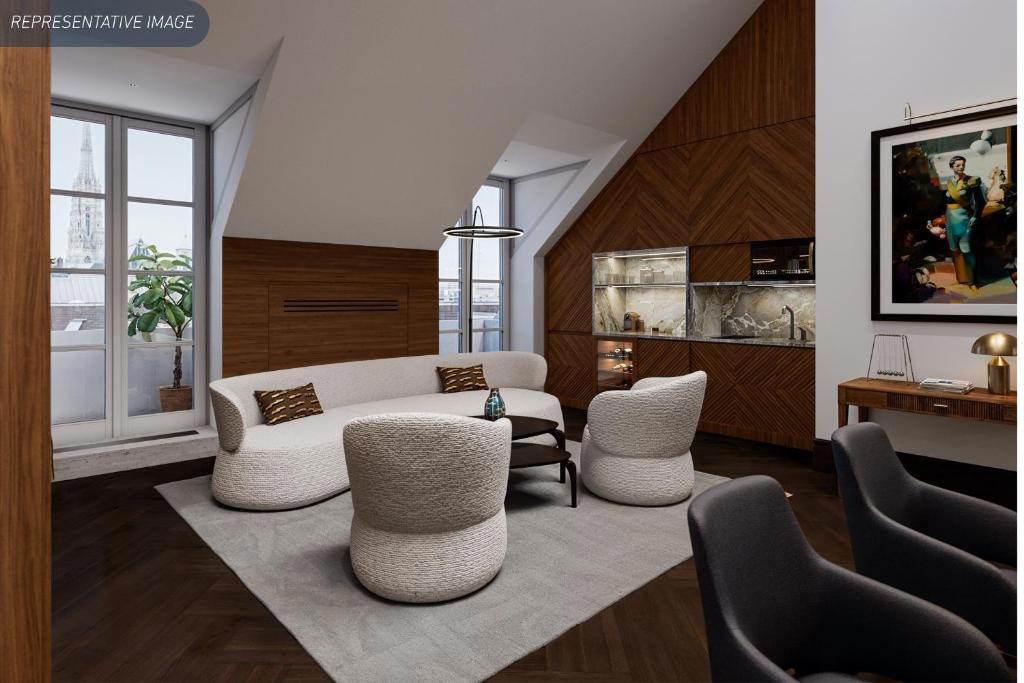
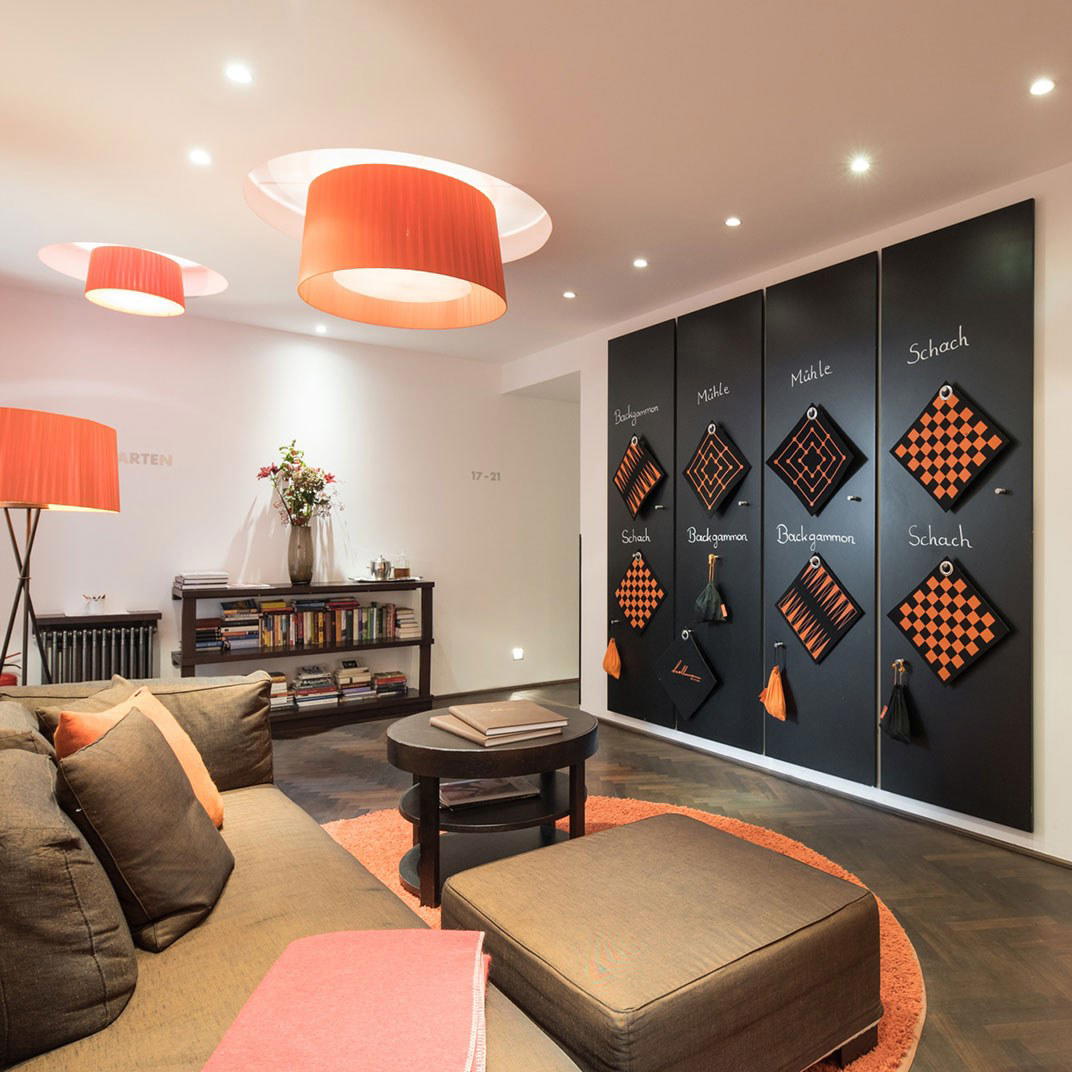
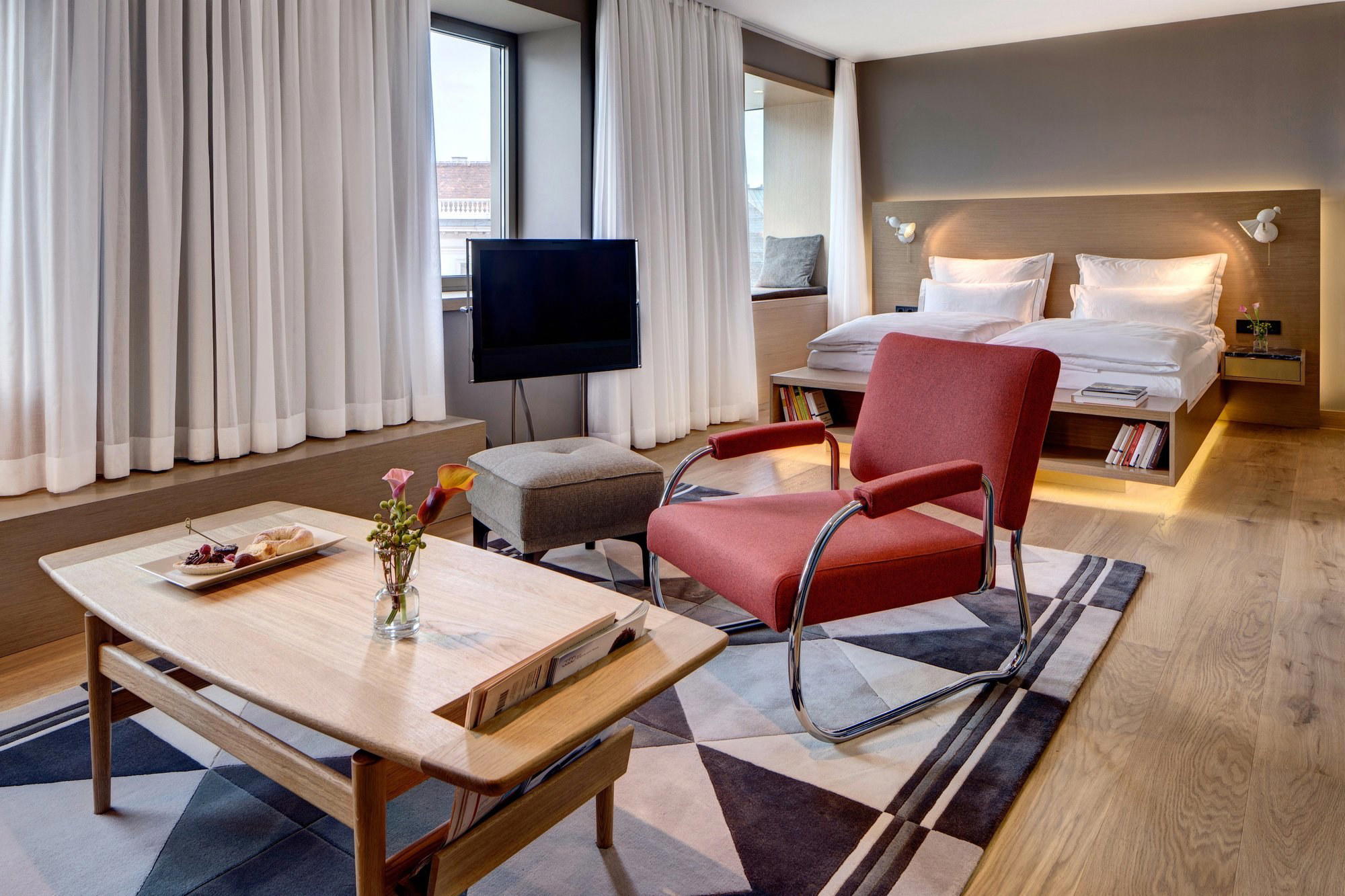
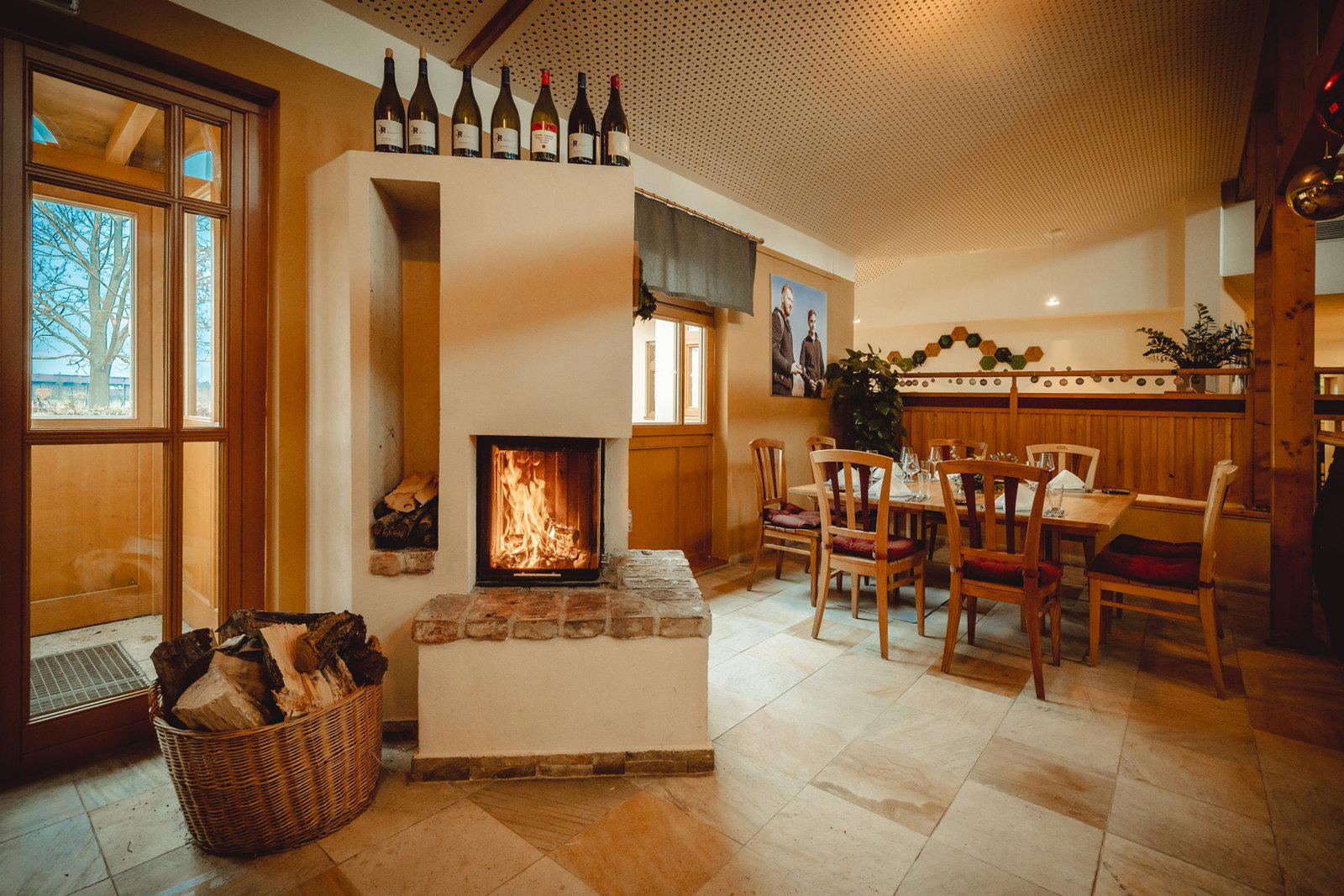
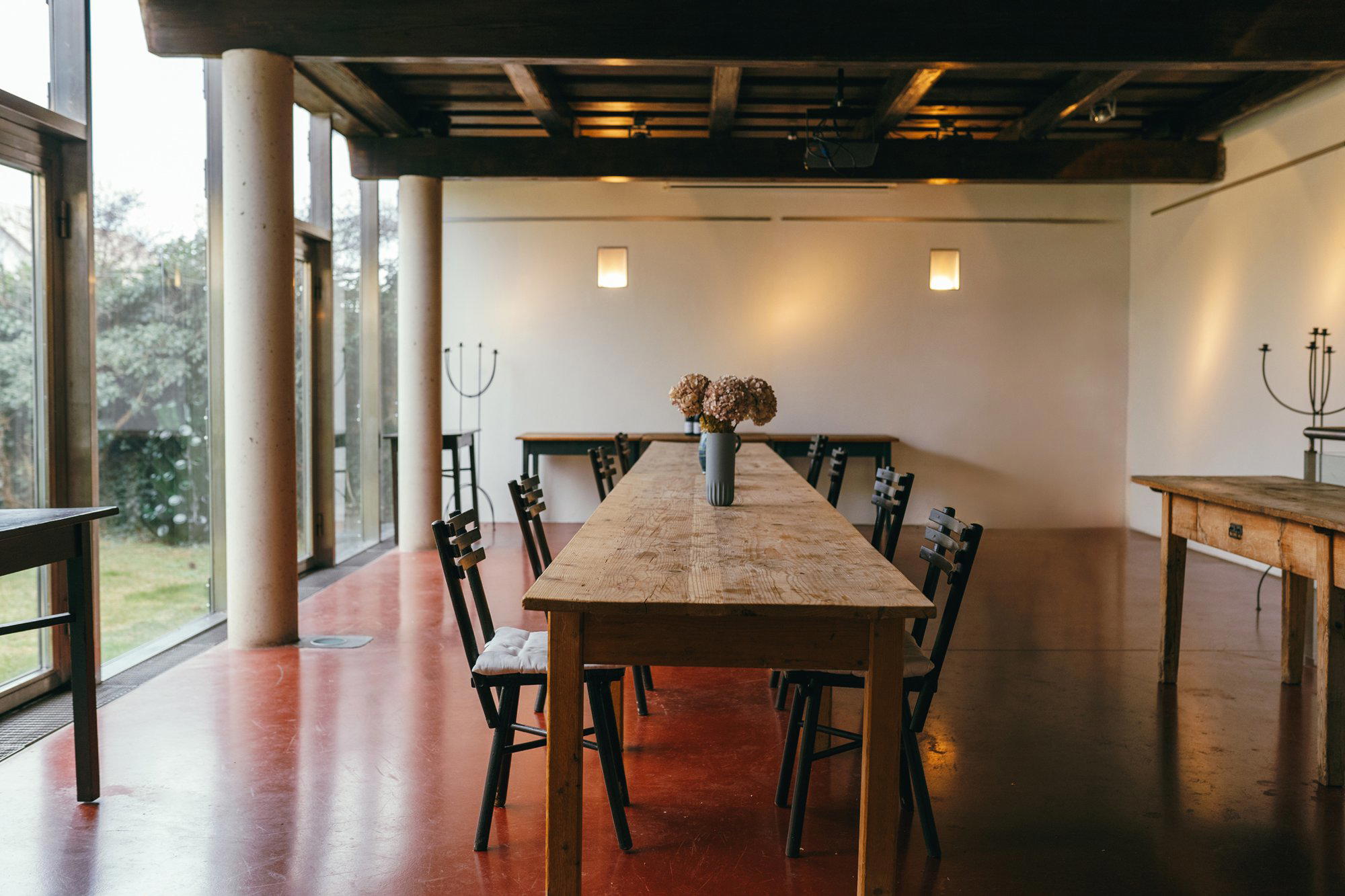
Relaxed and cozy atmosphere with modern decor suitable for casual dining.