Old Jesse Restaurant is one of Shanghai's most enduring addresses for traditional Shanghainese home cooking, drawing locals and visitors who want the city's domestic culinary tradition served without modernist revision. The cooking leans on seasonal produce and the braised, red-cooked preparations that define the style. Booking ahead is strongly advised, particularly on weekends.
Pearl is the En Primeur Club membership app — saves, bookings, and concierge access live there. Same editors, same standards.
- Address
- Shanghai, China
- Directions
- Get directions
 Saves & bookings on Pearl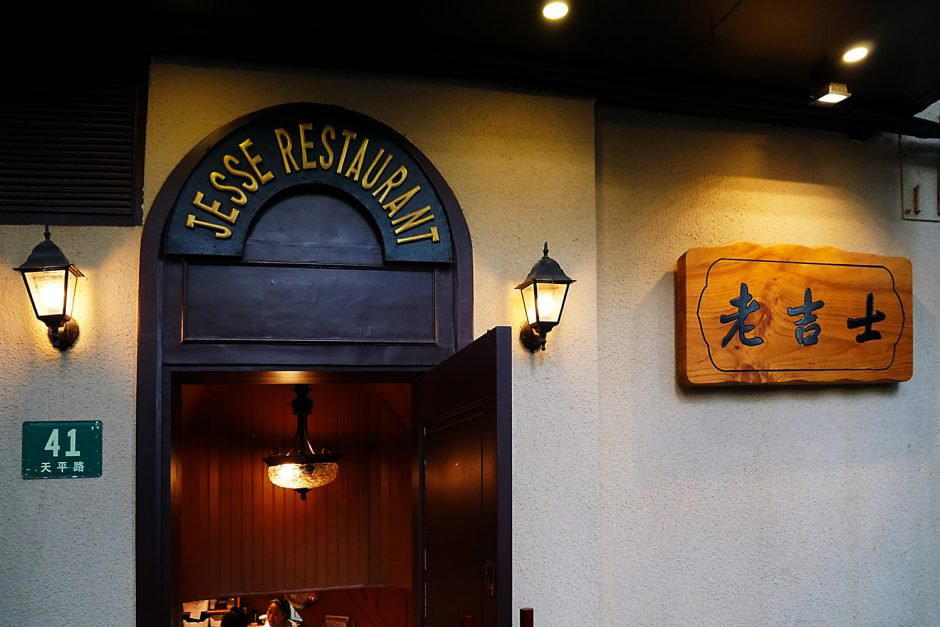
Where Shanghai Eats Like It Always Has
In a city that recycles itself faster than almost anywhere on earth, the restaurants that survive by standing still carry a particular authority. Traditional Shanghainese home cooking, known locally as benbang cai, occupies an increasingly complicated position in Shanghai's dining scene: it is the city's foundational cuisine, yet it is consistently overshadowed by international arrivals and modern Chinese formats at the summit end of the market. Old Jesse Restaurant sits in the middle of this tension, operating as one of the cleaner expressions of the style in a city where the original form is harder to find than it should be.
The cooking at Old Jesse belongs to a lineage of Shanghai domestic cuisine that draws on seasonal availability and long, slow preparation methods rather than imported technique or premium imported product. Red-braised pork belly, lion's head meatballs, smoked fish, and river eel prepared with soy and sugar are the dishes that define this tradition. They are not light preparations. They reward patience both in the cooking and in the eating, and they reflect a style of hospitality rooted in feeding people well rather than presenting food for its own sake.
Ingredients, Seasons, and the Logic of Benbang Cooking
The ingredient-sourcing logic behind traditional Shanghainese cooking is seasonal by necessity rather than by marketing. The cuisine developed in a Yangtze Delta context where freshwater fish, river crab, pork, and seasonal vegetables dictated the menu. Hairy crab season, running from roughly October through December, is the single most significant calendar event in this kitchen tradition: the crabs come from Yangcheng Lake and nearby waterways, and the question of provenance matters acutely to anyone who has eaten the difference between a well-sourced specimen and a lesser substitute.
Outside crab season, the sourcing emphasis shifts to pork cuts suited for long braises, to river eel, which is at its fattiest in late summer, and to vegetables that track the agricultural calendar of the Jiangnan region. This is not farm-to-table as a concept applied from outside; it is the original operating logic of a regional cuisine that predates the vocabulary. Visiting in autumn, when hairy crab appears on the menu and the weather cools enough to make braised preparations genuinely satisfying, is the decision that most separates a good meal here from a great one.
This sourcing tradition connects Old Jesse to a wider pattern of Jiangnan cooking visible across the region. Ru Yuan in Hangzhou and Dingshan·Jiangyan in Suzhou operate within the same seasonal and ingredient logic, while Jiangnan Wok·Rong in Fuzhou extends the tradition south. The regional coherence is worth understanding: benbang cooking is not an isolated Shanghai phenomenon but one node in a broader Yangtze Delta culinary grammar.
The Physical Experience and What to Expect
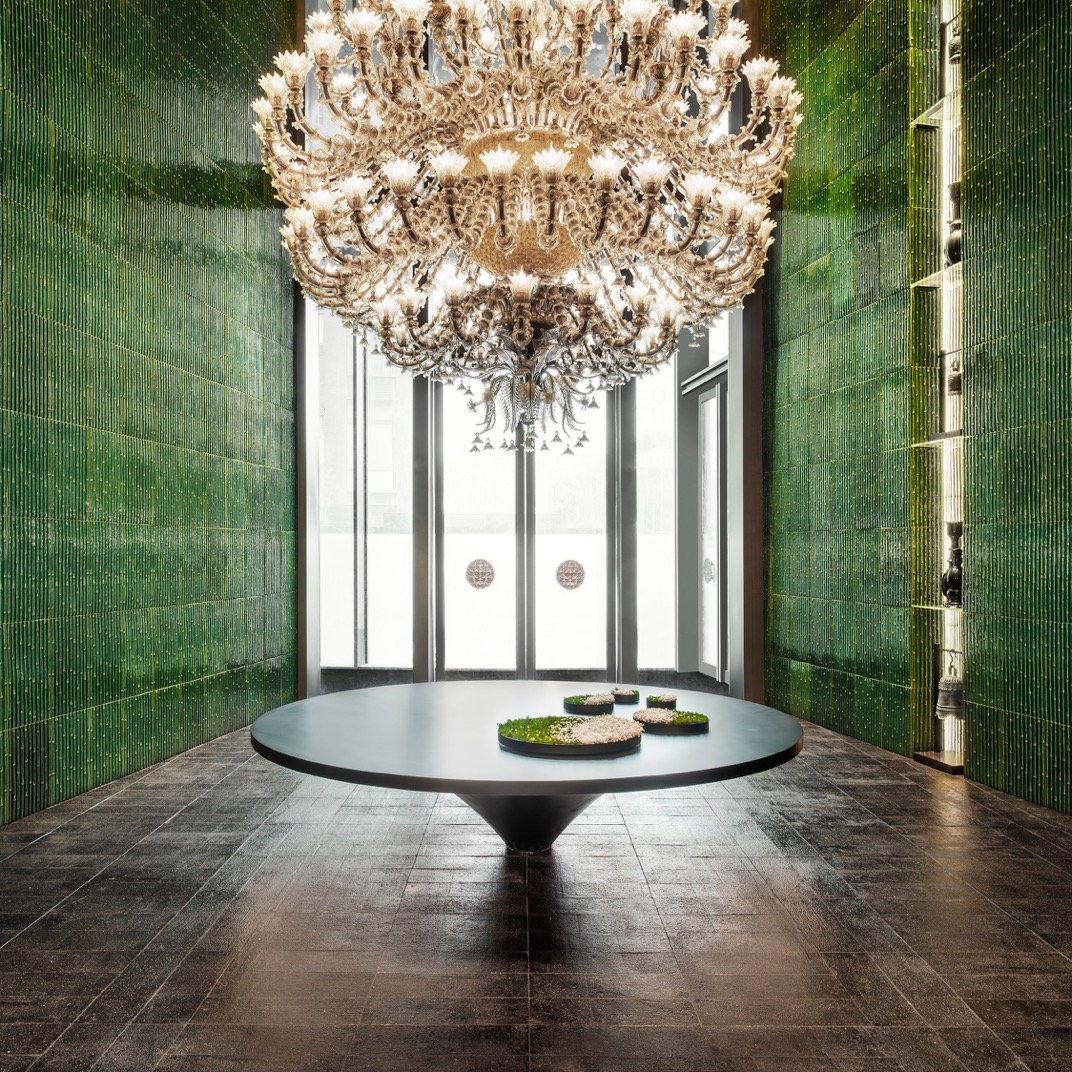
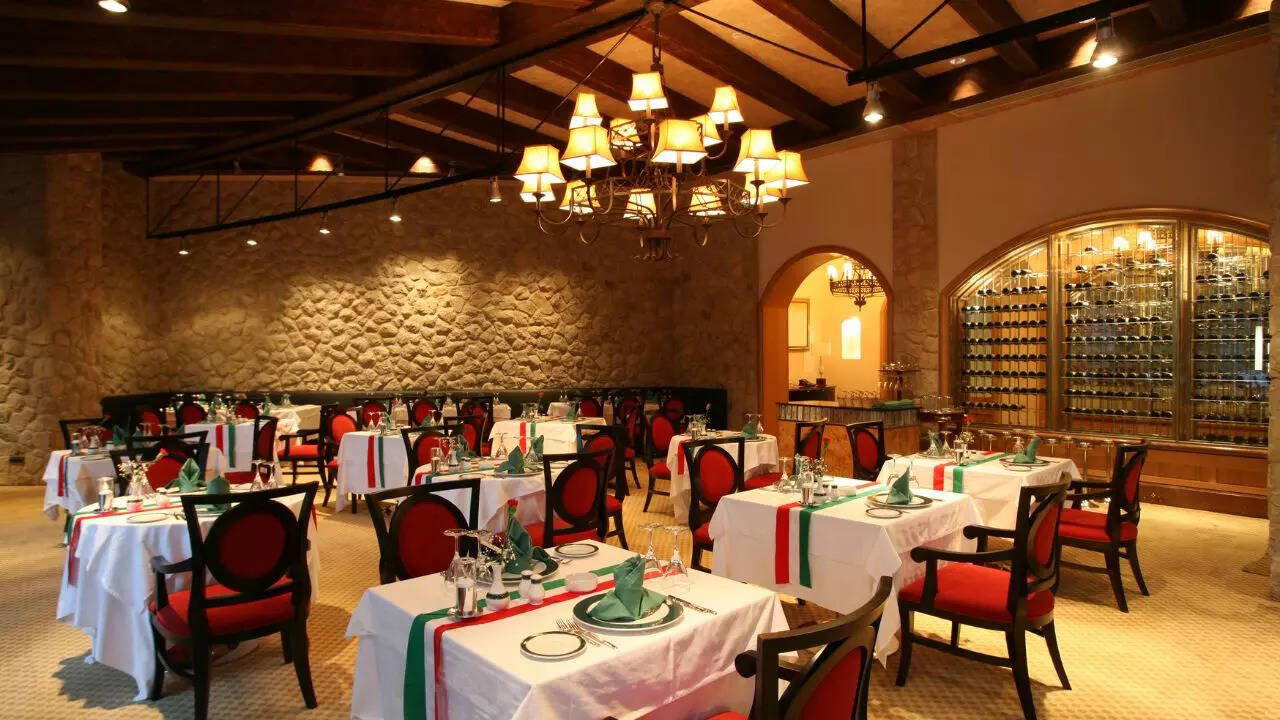
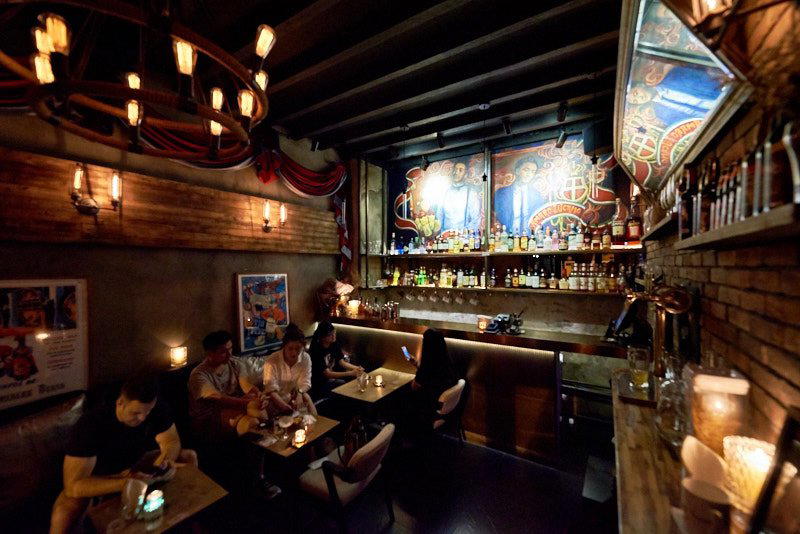
Old Jesse is not a large space, and that smallness is part of its character. The dining room operates at the compressed, close-set table density that is standard in well-regarded neighbourhood restaurants across China, where the priority is turning out food efficiently rather than providing generous personal space. The atmosphere is noisy in the way that full rooms always are, and the pace of service reflects that of a kitchen running at capacity. Neither of these is a complaint; they are the conditions under which the food tastes as it should.
Reservations are essential. Weekday lunch is the path of least resistance for those with scheduling flexibility, and the food is identical to what arrives at dinner.
Shanghai's Broader Chinese Dining Tiers
Old Jesse occupies a different competitive position from Shanghai's high-end Chinese dining addresses. 102 House applies a refined, modernist approach to Cantonese cooking, while Xin Rong Ji on West Nanjing Road represents the premium end of Taizhou seafood cooking. Fu He Hui has built a case for vegetarian Chinese cuisine at a ¥¥¥¥ price point. Old Jesse operates at a different price tier and with different ambitions: the goal is not culinary invention but culinary fidelity, and that fidelity to a specific tradition is the relevant measure of its success.
The comparison to Chinese fine dining elsewhere in the region is instructive. Xin Rong Ji in Beijing, Xin Rong Ji in Chengdu, and Imperial Treasure in Guangzhou each represent the kind of formal, service-intensive Chinese dining that operates at the summit of its respective market. Old Jesse sits in a different category: it is valued not for ceremony but for the direct transmission of a cooking tradition that is genuinely at risk of being diluted in its home city. Chef Tam's Seasons in Macau and Dai Yuet Heen in Nanjing anchor similar arguments about regional tradition in their own markets.
For Shanghai diners who move between this kind of cooking and the city's international offer, the contrast is clarifying. Taian Table and 8 1/2 Otto e Mezzo Bombana represent the premium European formats that coexist with domestic Chinese cooking in Shanghai. For comparison beyond China, formats like Le Bernardin in New York and Atomix show how other cities maintain tradition-anchored restaurants within a modernising dining culture. The underlying tension is the same: restaurants that hold form when the market is pulling toward novelty tend to attract a loyalty that is disproportionate to their apparent modesty. Fleurs Et Festin in Xiamen and Shang Palace in Yangzhou operate in this same category of place-specific, tradition-grounded dining that resists easy categorisation within international fine dining frameworks.
Planning Your Visit
Old Jesse is the kind of restaurant that works well when you arrive knowing what to order rather than reading the menu cold. The red-braised preparations and seasonal river produce are the core of the kitchen's identity. In autumn, any visit that does not include hairy crab is missing the seasonal argument for the cuisine. The room fills early and stays full; arriving at the opening of service gives one relaxed experience. Reservations are essential.
- Braised Pork Belly
- Hong Shao Rou (Red-Braised Pork)
- Crab Roe Tofu
- Scallion Oil Noodles
- Eight Treasure Pig Trotter
- Scallion Fish Head
Comparable Venues
Comparable venues nearby, for context on price, style, and recognition.
| Venue | Cuisine | Price | Notes |
|---|---|---|---|
| Old Jesse RestaurantThis venue — the venue you are viewing | Authentic Shanghainese Home-Style | $$ | Not listed |
| Di Shui Dong | Authentic Hunan Cuisine | $$ | Da Pu Qiao |
| 滴水洞湘菜馆 | Authentic Hunan Cuisine | $$ | Da Pu Qiao |
| Spicy Moment | Authentic Hunan Cuisine | $$ | Da Pu Qiao |
| Gongdelin | Shanghainese Vegetarian Mock Meat | $$ | Huangpu |
| 鼎泰丰 | Taiwanese Dim Sum | $$ | Lao Ximen |


At a Glance
- Well Known
- Rustic
- Lively
- Group Dining
- Casual Hangout
- Special Occasion
- Standalone
- Historic Building
- Byob
- Local Sourcing
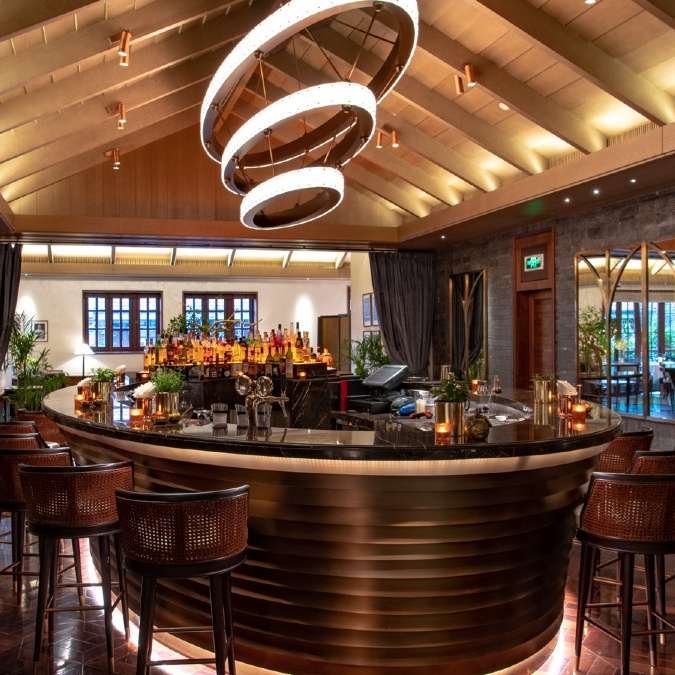
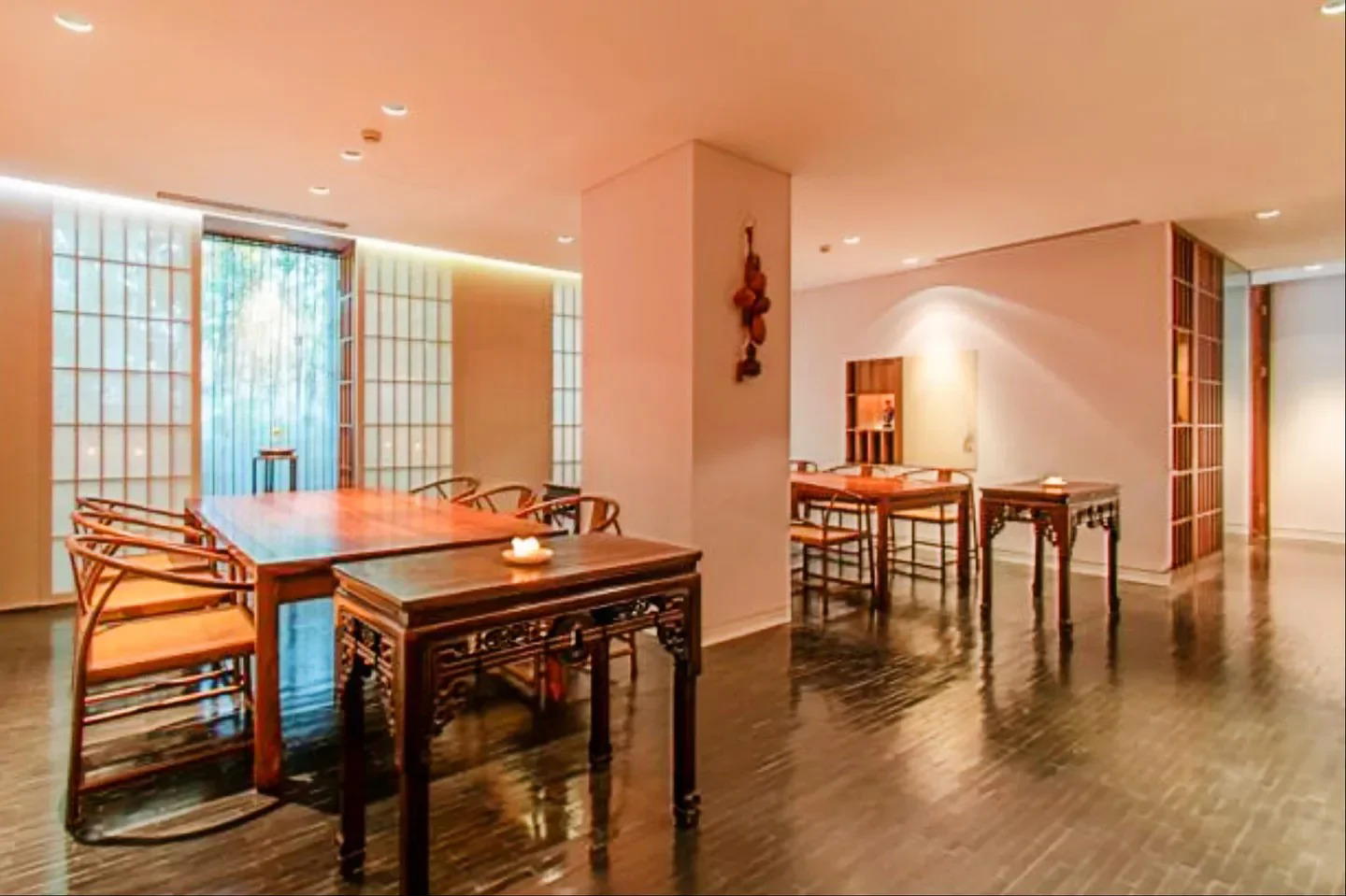
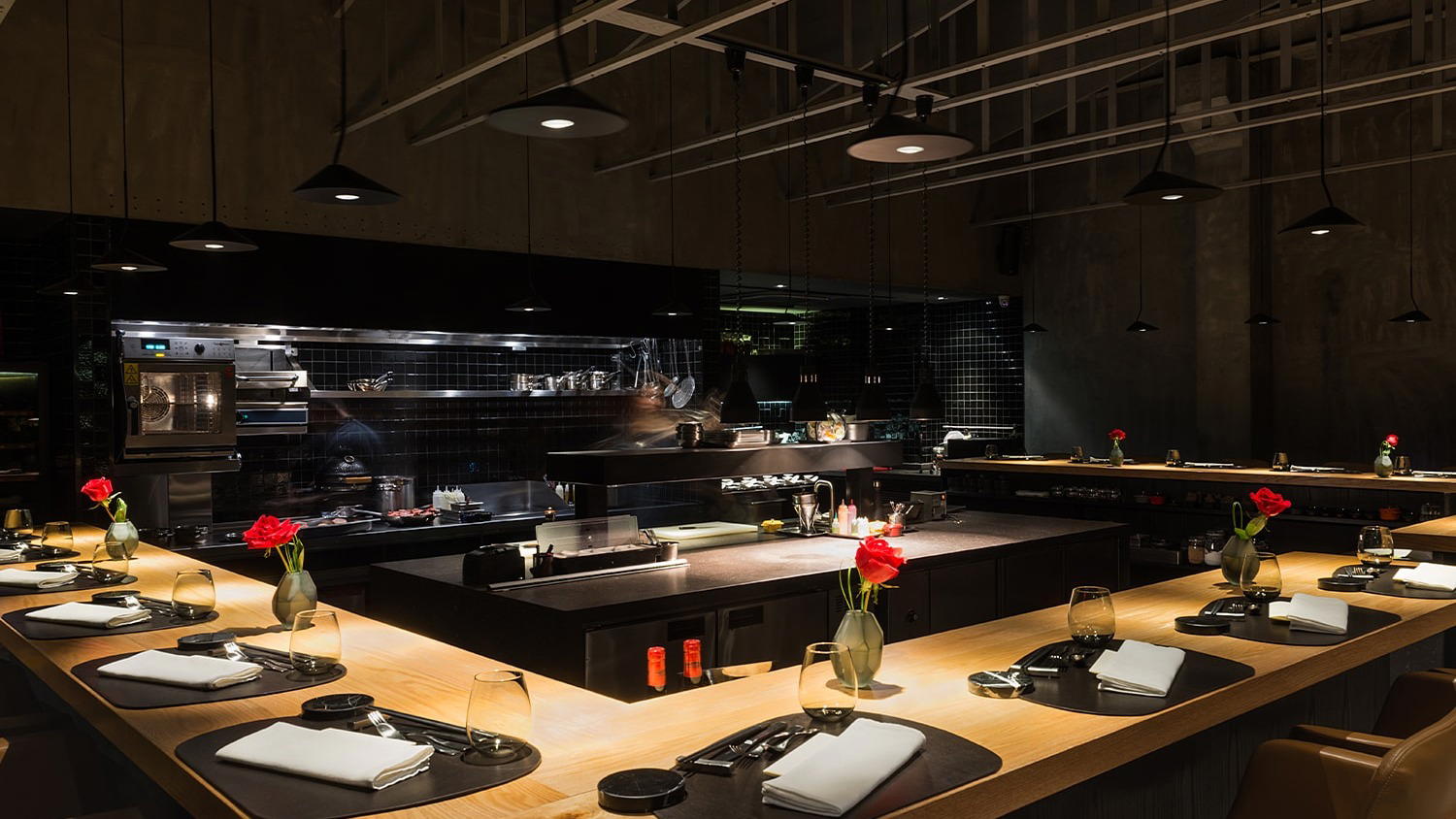
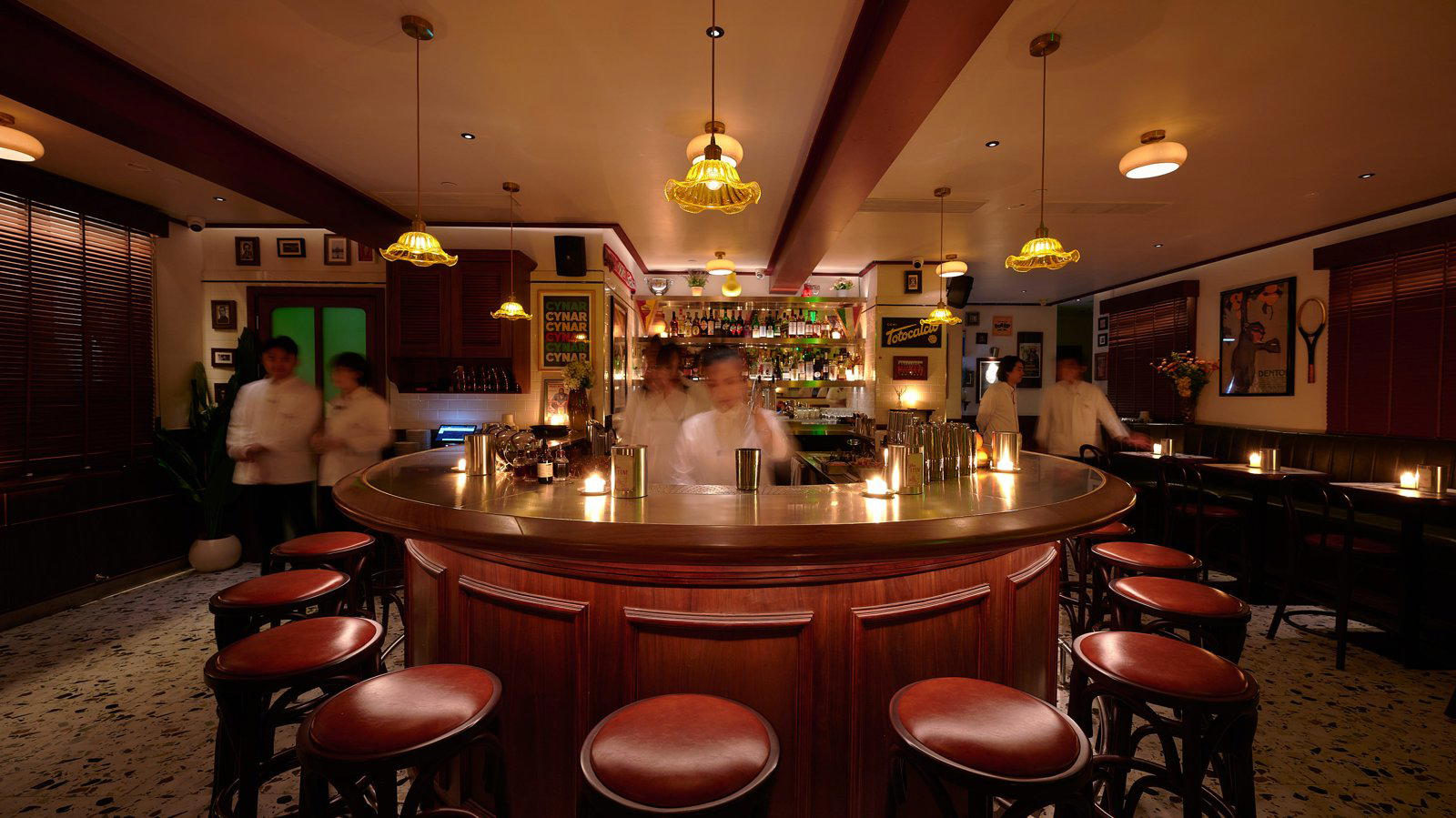
Simple, tightly packed dining rooms across two floors with traditional Shanghainese decor; modest and unassuming with authentic local atmosphere where Shanghainese is the lingua franca.