A Hunan restaurant on Dongping Road in Shanghai's Xuhui District, 滴水洞湘菜馆 represents the northern migration of Xiangcai cooking into the city's broader Chinese regional dining scene. Where many restaurants in this category default to chilli-forward crowd-pleasing, this address draws a local following for a more grounded reading of the tradition. Worth knowing before the queue forms.
Pearl is the En Primeur Club membership app — saves, bookings, and concierge access live there. Same editors, same standards.
- Address
- 5 Dongping Rd, Xuhui District, Shanghai, China, 200031
- Phone
- +86 21 6415 9448
- Directions
- Get directions
 Saves & bookings on Pearl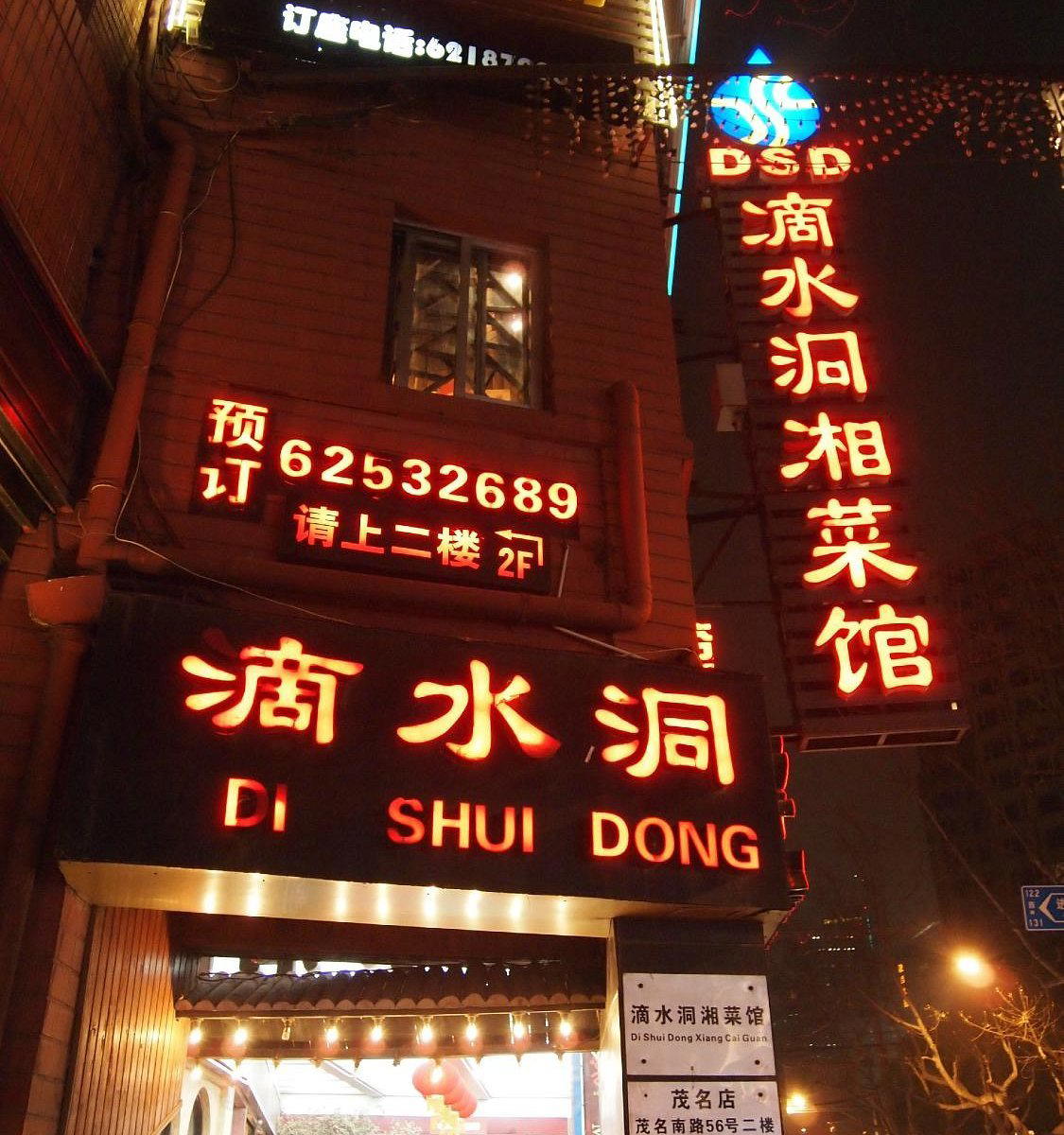
Hunan Cooking in Shanghai: The Regional Import That Earns Its Place
Dongping Road in Xuhui sits in a quiet residential corridor south of Huaihai Road, lined with French Concession-era plane trees and a scatter of low-key addresses that tend to outlast the high-profile openings nearby. It is the kind of street where longevity is the signal worth reading. Restaurants that hold here do so because they serve a local clientele that returns out of habit rather than novelty, and 滴水洞湘菜馆 has built that kind of standing. The name references Dīshuǐdòng, a cave in Hunan province with a particular resonance in Chinese political and cultural memory, which tells you something about the restaurant's ambitions: this is not a generalist Chinese address softening its edges for a broader audience, but a Xiangcai house that plants its flag.
What Xiangcai Actually Means in This Context
Hunan cuisine operates in the shadow of Sichuan's global profile, which means it is often read through the wrong lens. Where Sichuan cooking is known for numbing heat from Sichuan peppercorn, Xiangcai is driven by fresh and dried chillies, smoked ingredients, and a pronounced sour-fermented thread running through preserved vegetables and pickled aromatics. The cuisine also has a significant tradition of dry-cured and air-dried meats, particularly pork, that align more closely with techniques found in southern mountain cooking than with the coastal Chinese traditions better known in Shanghai's restaurant circuit. That contrast matters in a city where the dominant regional Chinese imports tend to be Cantonese, Shanghainese, and increasingly Taizhou-influenced, the last of which you can trace through addresses like Xin Rong Ji (West Nanjing Road), which sits in a different register entirely from what 滴水洞湘菜馆 offers.
Hunan cooking's relationship to seasonal and preserved ingredients also makes it an interesting case through the lens of sustainable kitchen practice. The tradition of preserving, pickling, and smoking, originally a response to the province's mountainous geography and limited cold storage, translates into a kitchen logic that wastes little. Whole-animal thinking, the use of offal and secondary cuts, and the extended shelf life of lacto-fermented and salt-cured preparations all align, whether by intention or inheritance, with the kind of ingredient discipline that contemporary kitchens often have to engineer deliberately. In Shanghai's restaurant scene, where fine-dining establishments like Fu He Hui (Vegetarian) have built a formal sustainability philosophy around plant-forward cooking, and where technically progressive houses like Taian Table (Modern European, Innovative) approach sourcing with considerable structural intent, 滴水洞湘菜馆 arrives at similar outcomes through a far older, more embedded culinary logic.
The Tradition Behind the Heat
It is worth separating the reputation of Hunan cooking from its reality. The province's cuisine does run hot, Chairman Mao, himself from Hunan's Xiangtan county, was famously vocal about his attachment to red chillies, but the dishes that define Xiangcai at its most considered involve careful layering rather than heat for heat's sake. Dry-fried preparations develop complex char notes before spice arrives. Steamed fish with preserved black beans introduces umami depth before any chilli registers. The region's smoked pork, when properly cured, delivers a resinous, almost bacony richness that carries the dish independently of its accompaniments. This is cooking with architecture, not just intensity, which is why the restaurants that do it well in cities outside Hunan tend to develop a specific and loyal following rather than crossover mainstream appeal.
That relative niche status is visible in how Shanghai's Hunan dining tier is priced and positioned. It occupies a different bracket from the white-tablecloth Cantonese addresses on the city's formal dining circuit, houses like 102 House (Cantonese), and also a different register from the city's high-concept regional cooking. What it offers instead is the kind of confident, specific, mid-range dining that holds the centre of a city's restaurant culture without always receiving editorial attention proportional to its value.
Xuhui, Regional Cooking, and the Street That Rewards Return Visits
The Xuhui neighbourhood has long hosted a layer of Shanghai dining that operates below the visible radar of international food media but above the anonymous canteen tier. The French Concession grid gives these streets a residential character that keeps rents lower and loyalty-based models viable. For anyone mapping Shanghai's regional Chinese dining, which at its depth also pulls in addresses from the broader Yangtze Delta and beyond, from Ru Yuan in Hangzhou to the more formal presentations at Dai Yuet Heen in Nanjing, Dongping Road is the kind of street that rewards the walk.
The Hunan restaurant category in Shanghai also benefits from comparison with what the cuisine looks like in its home province versus its diaspora iterations. Versions that travel to coastal cities sometimes lose the smoked and preserved elements, which require specific curing processes, and default to chilli-oil simplifications that miss the point. The addresses that hold their ground over time, and that build the kind of local following 滴水洞湘菜馆 has developed in Xuhui, tend to be the ones maintaining that preserved-and-smoked thread rather than editing it out. This is the practical sustainability argument: that respecting traditional technique is also a form of ingredient respect, carrying forward methods that produce more from less.
Planning Your Visit
Dongping Road (5 Dongping Rd, Xuhui District) is accessible from multiple metro lines serving the broader French Concession area, and the street's low-key character means it is rarely approached as a destination in itself, which works in the visitor's favour. The restaurant draws a strong local regular crowd, which is one reliable signal for a kitchen running at its actual level rather than for a hospitality performance. Booking ahead is advisable for evenings, particularly on weekends when the neighbourhood's resident clientele fills addresses like this quickly. Visitors approaching Shanghai's regional Chinese dining more broadly can orient themselves through our full Shanghai restaurants guide, which maps the city's dining tiers and regional traditions across price points and neighbourhoods. Those travelling the broader China circuit may also find useful reference points in Hunan-adjacent regional cooking at Xin Rong Ji in Chengdu or in the more formal southern Chinese presentation at Imperial Treasure Fine Chinese Cuisine in Guangzhou. For those whose itineraries extend to coastal Fujian, Fleurs Et Festin in Xiamen and Wenru No.9 in Fuzhou represent different regional Chinese traditions at a comparable independent-restaurant register. The more formal presentation of southern Chinese cooking can also be traced through Shang Palace in Yangzhou and Pingjiangsong in Suzhou, while Macau's tradition of Chinese fine dining is well-represented at Chef Tam's Seasons.
Just the Basics
Comparable venues nearby, for context on price, style, and recognition.
| Venue | Cuisine | Price | Notes |
|---|---|---|---|
| 滴水洞湘菜馆This venue — the venue you are viewing | Da Pu Qiao, Authentic Hunan Cuisine | $$ | Not listed |
| An Fu Lu | Da Pu Qiao, Cantonese Dim Sum | $$ | Not listed |
| Guang Dong Lu | Not listed | $$ | Huangpu, Traditional Shanghainese Noodles & Dim Sum |
| Spicy Moment | Da Pu Qiao, Authentic Hunan Cuisine | $$ | Not listed |
| Canton 8 | Huangpu, Cantonese | $$ | Not listed |
| upper club | Jing'an, Modern Chinese Hot Pot | $$$ | Not listed |
At a Glance
- Lively
- Classic
- Group Dining
- Casual Hangout
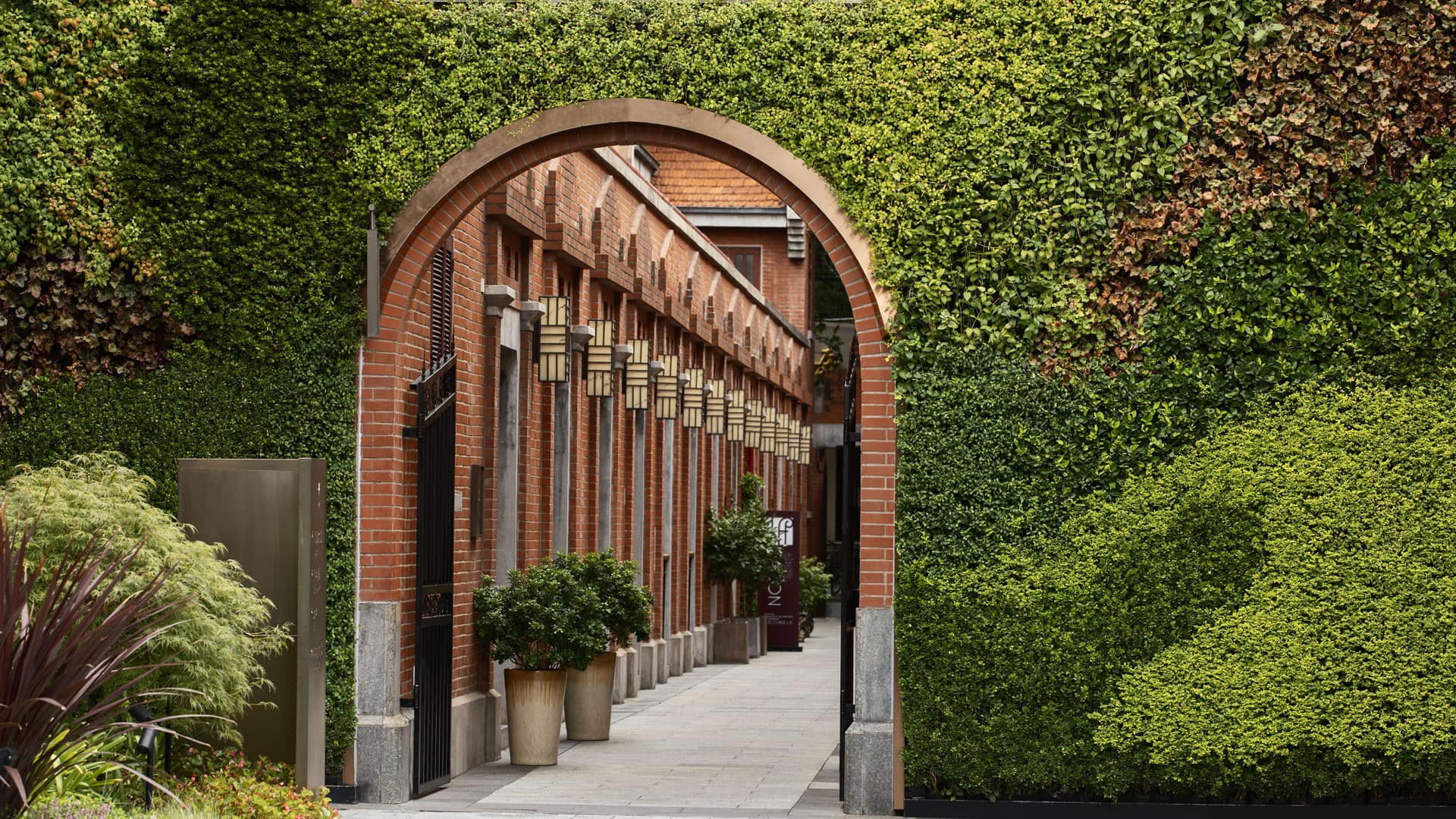
- Historic Building
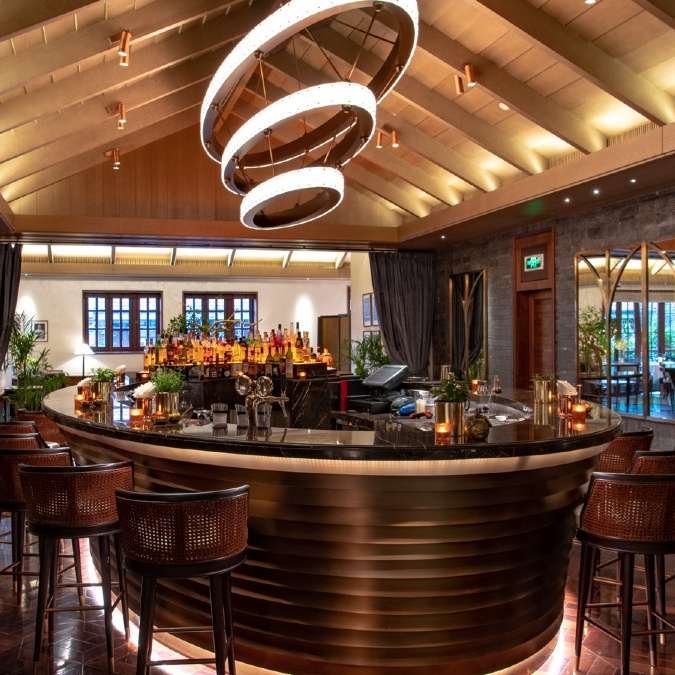
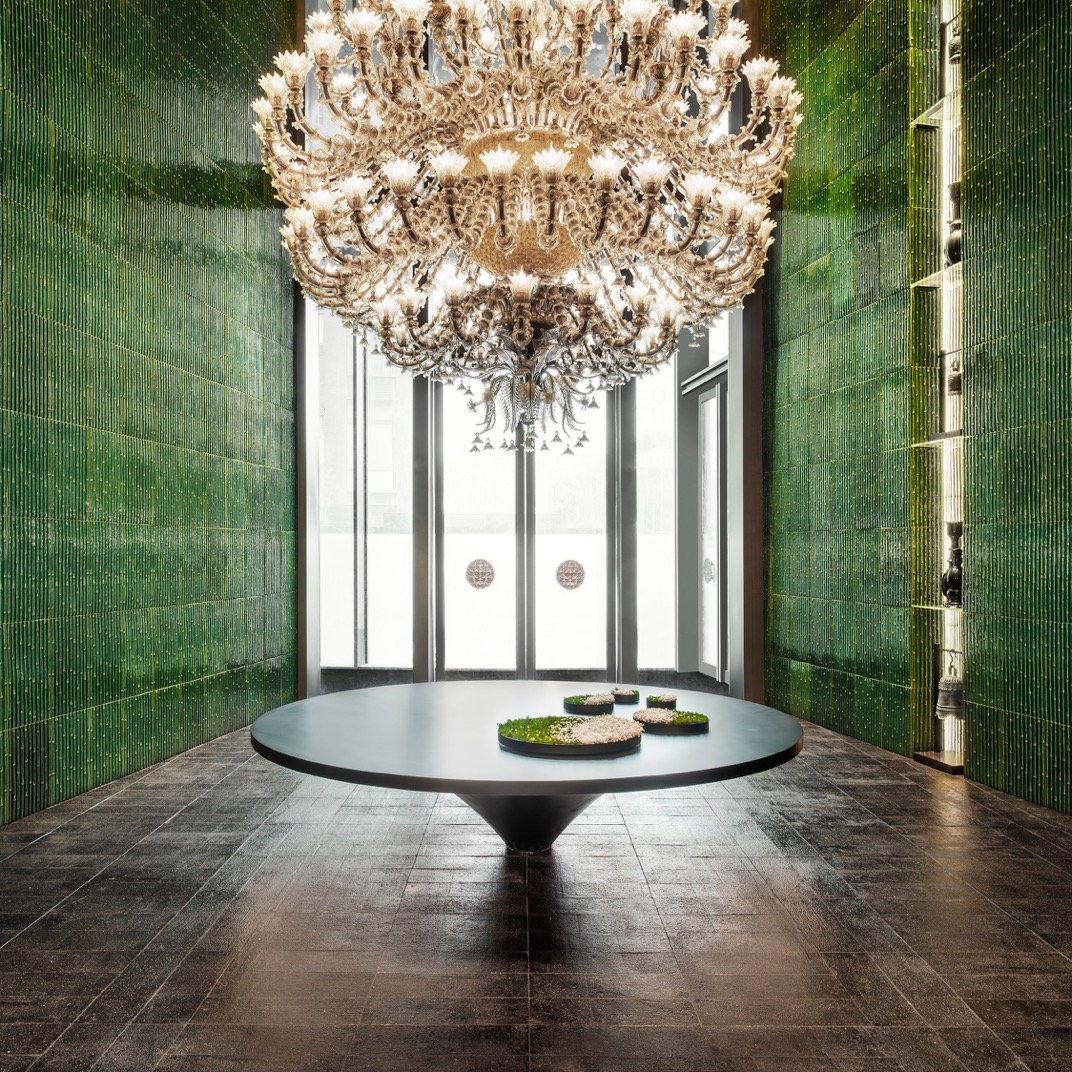
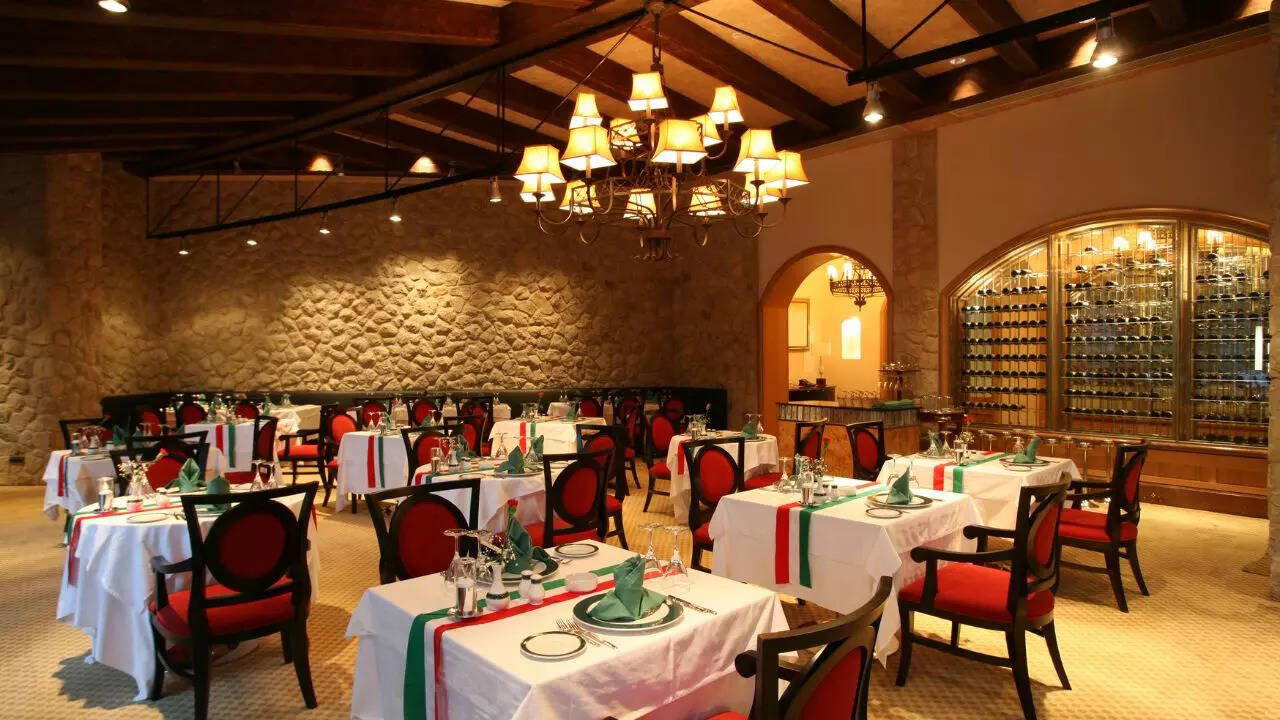
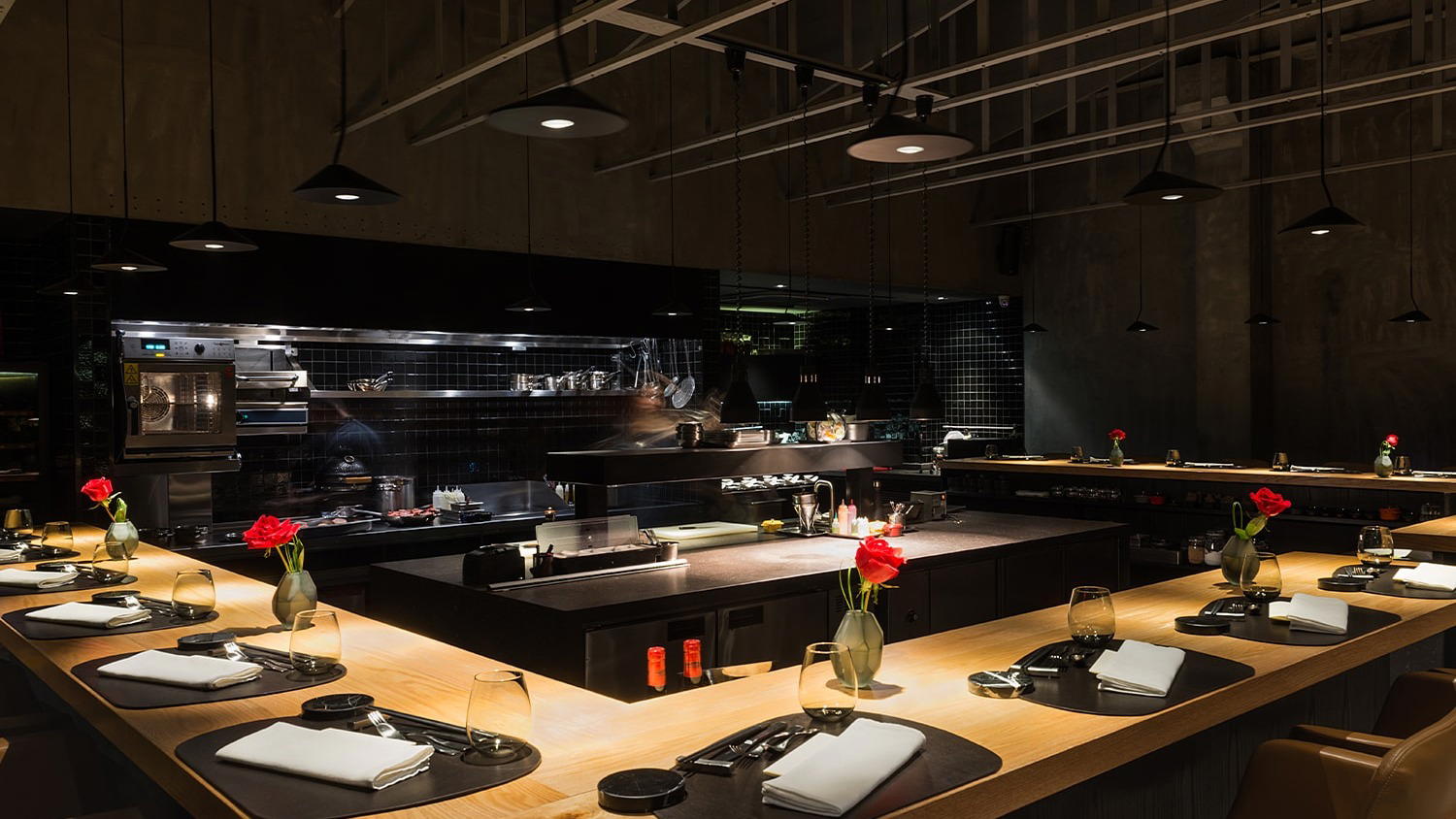
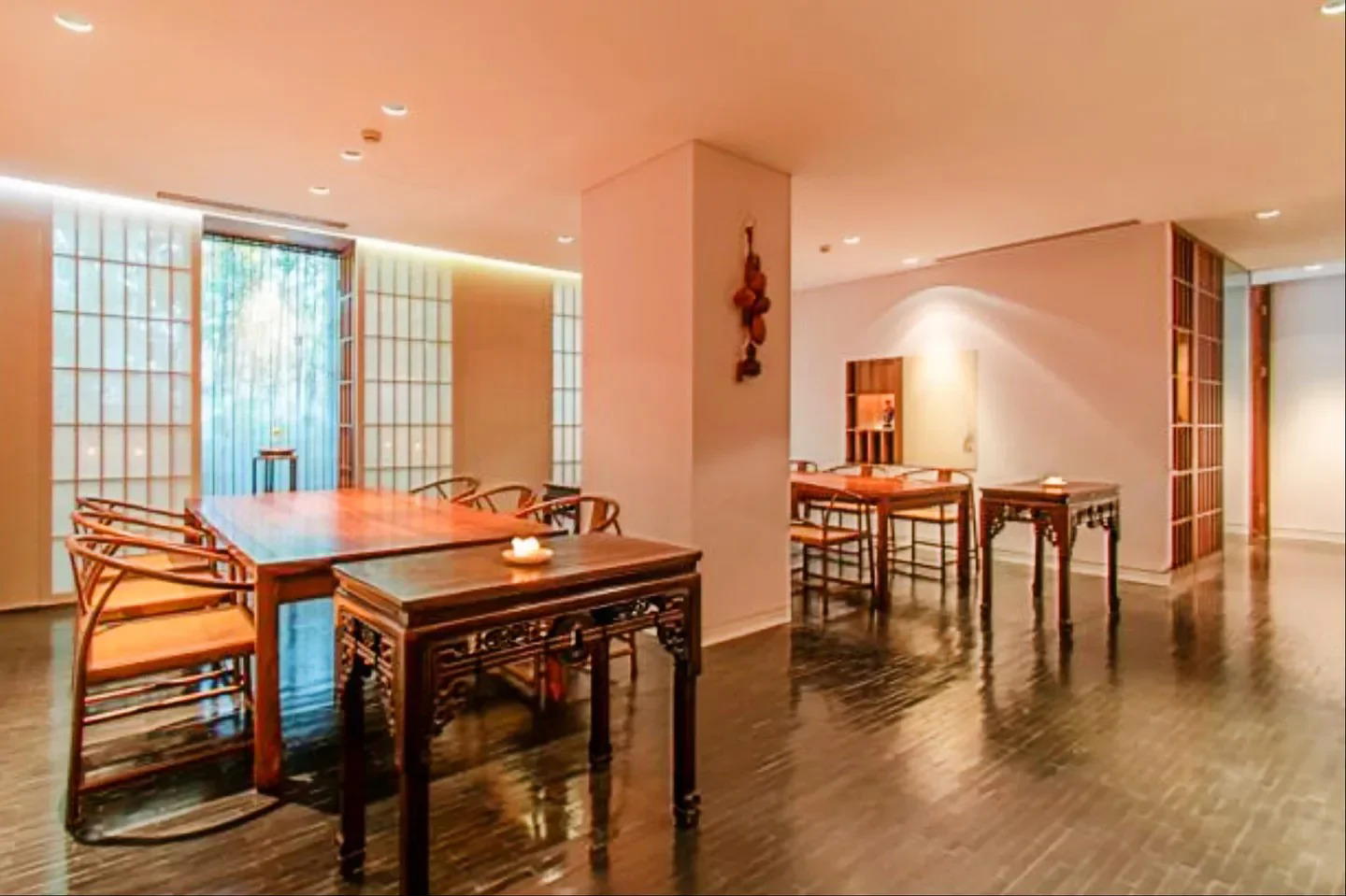
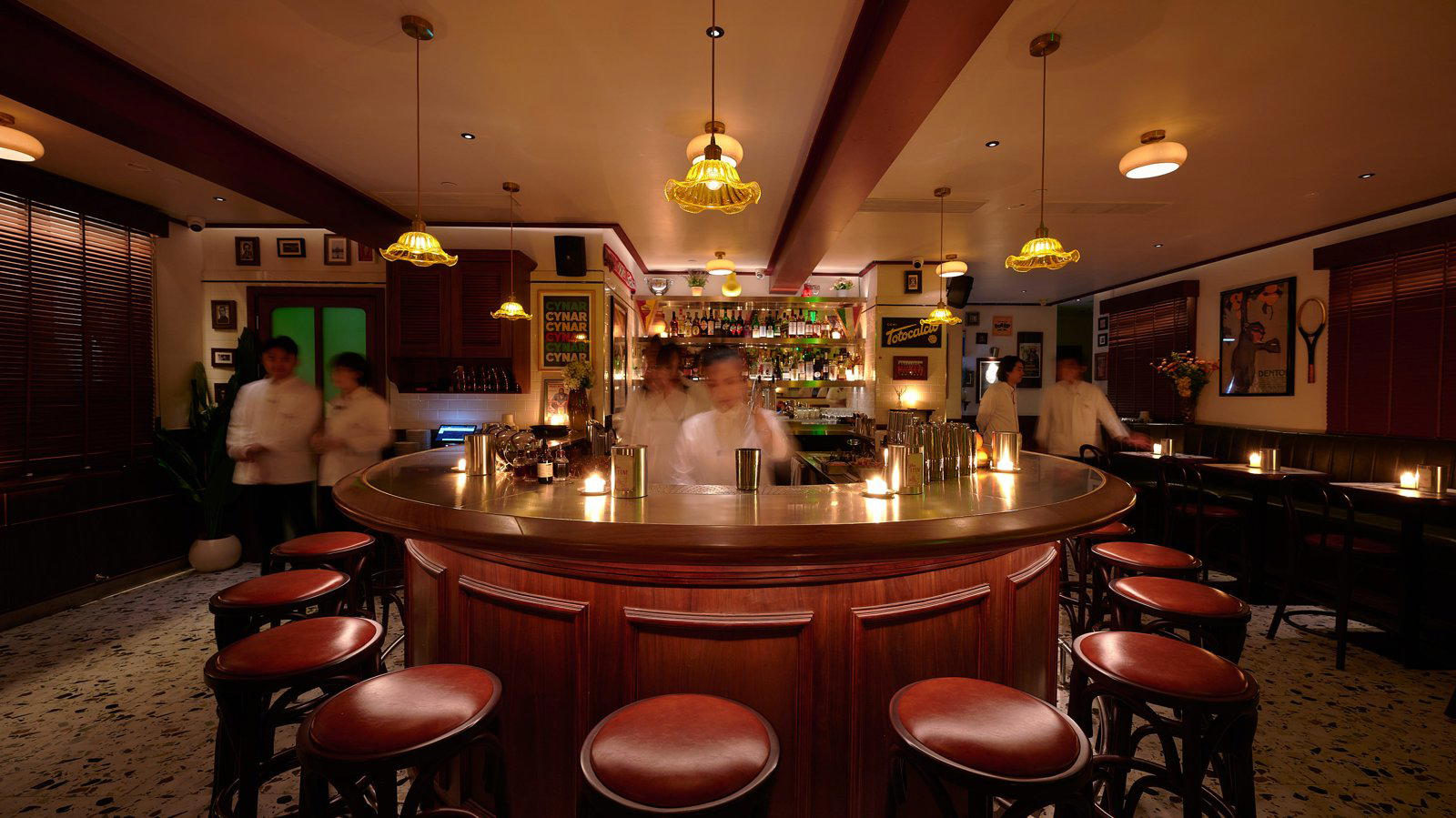
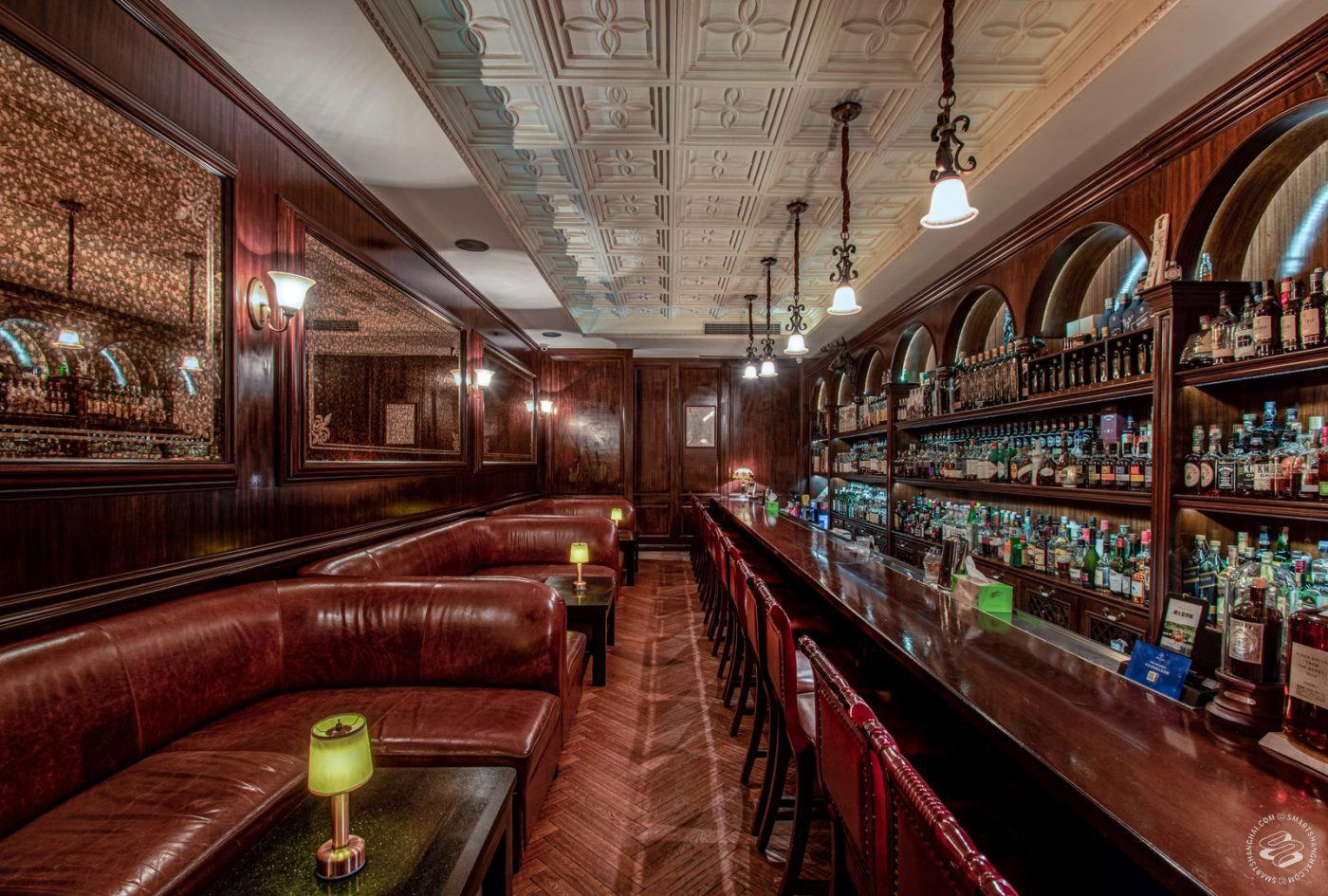
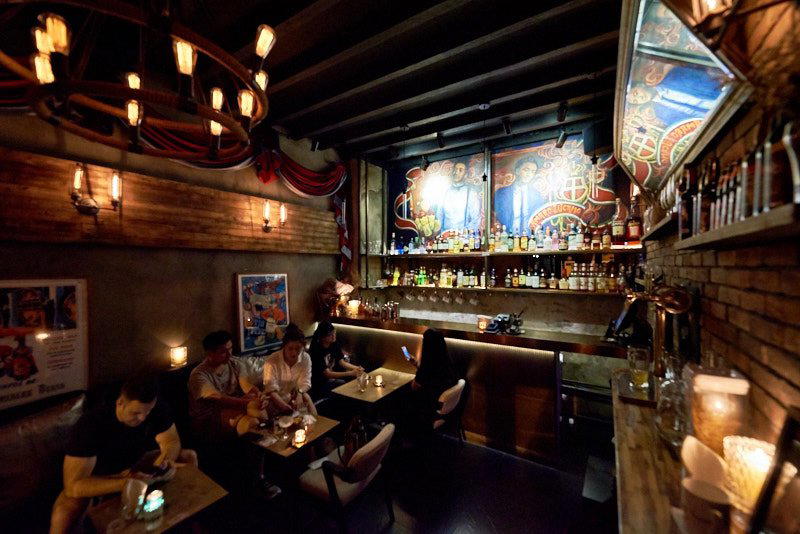
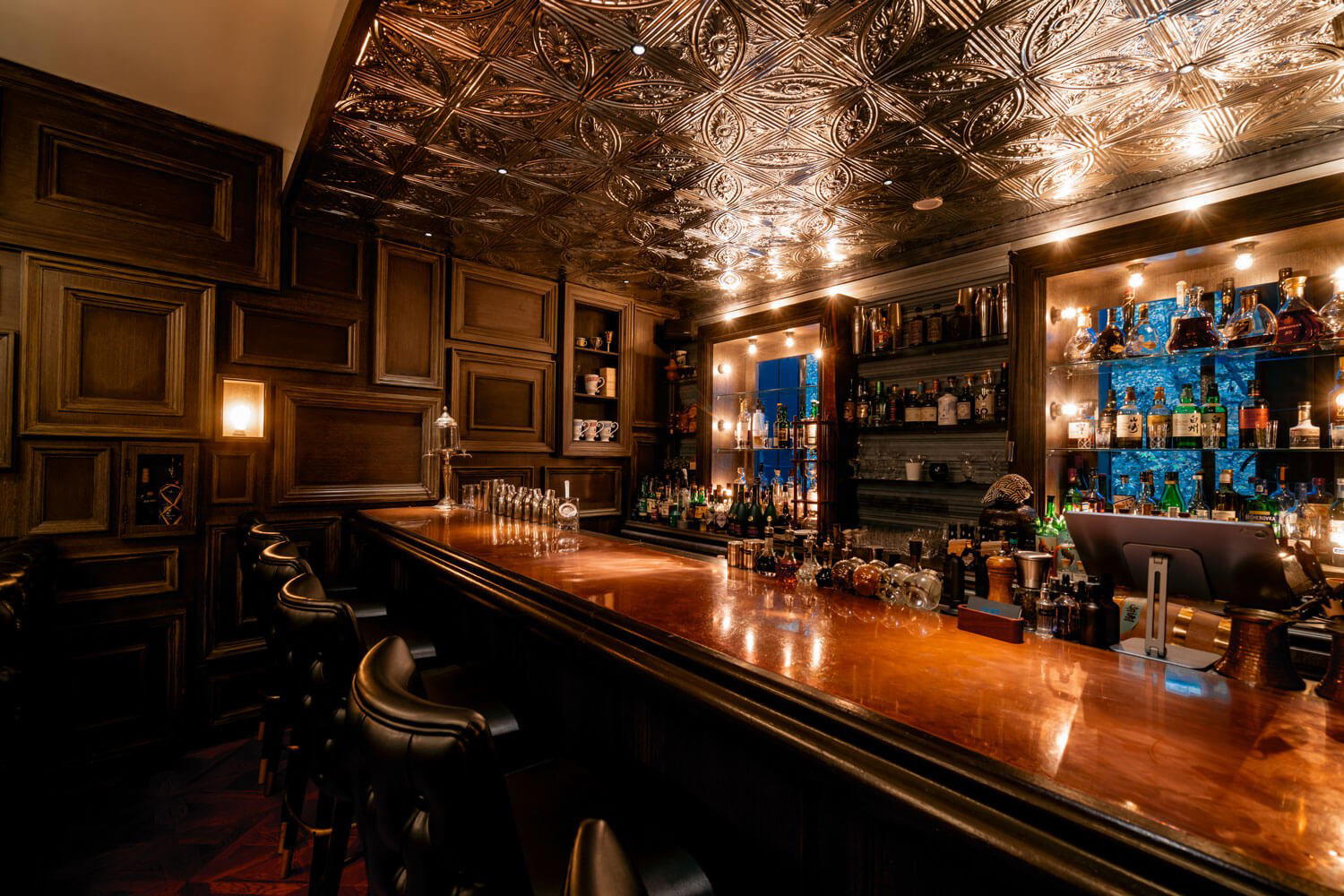
Lively and bustling with a nostalgic, dated decor featuring walls of awards, creating a noisy yet authentic atmosphere.