Di Shui Dong on Maoming South Road is one of Shanghai's most enduring addresses for Hunan cooking, serving the chile-forward, smoke-edged cuisine that sets the province apart from its Sichuan neighbour. The room is dense, unhurried, and reliably crowded, with a menu that rewards those who order deliberately rather than defensively. It belongs to a tier of casual-serious Chinese restaurants that Shanghai does better than almost anywhere else.
Pearl is the En Primeur Club membership app — saves, bookings, and concierge access live there. Same editors, same standards.
- Address
- 56 Maoming S Rd, 卢湾区 Shanghai, China, 200041
- Phone
- +86 21 6253 2689
- Directions
- Get directions
 Saves & bookings on Pearl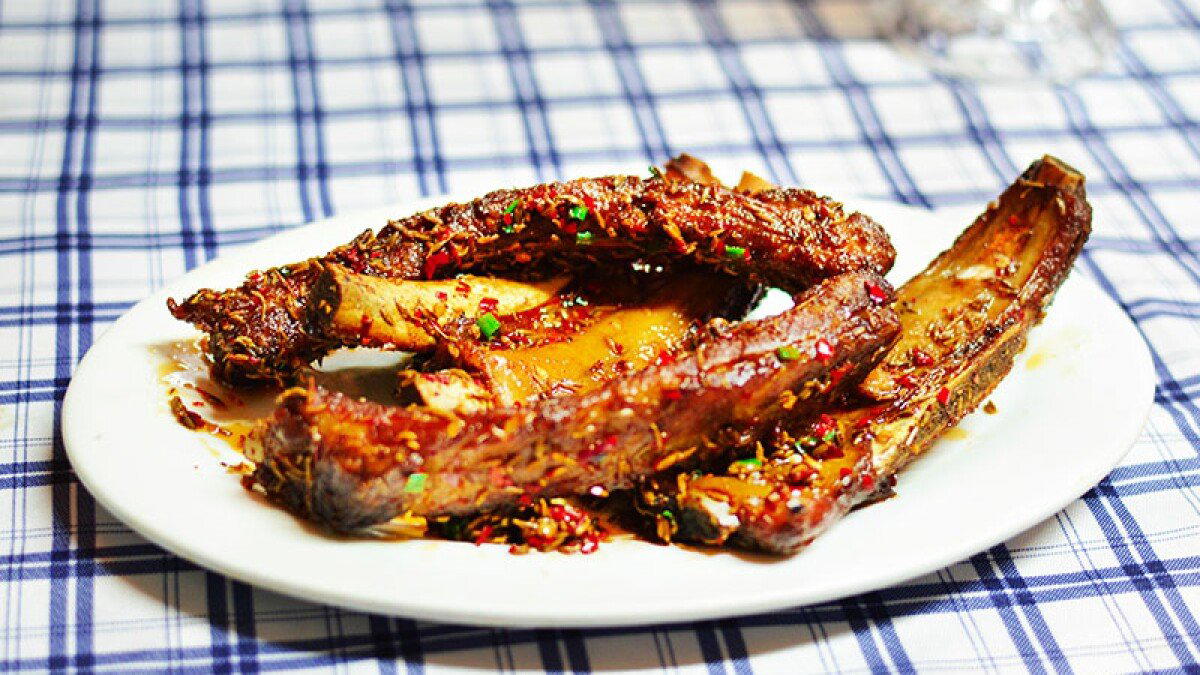
Maoming South Road and the Hunan Dining Tradition
There is a particular kind of Shanghai restaurant that resists the city's appetite for reinvention. It does not rotate its menu seasonally or hire a celebrity consultant. It opens early, fills fast, and earns its following through repetition rather than novelty. Di Shui Dong is a restaurant in Shanghai serving Authentic Hunan Cuisine at 56 Maoming South Rd. The address has become shorthand among residents and returning visitors for a specific style of Hunan cooking that is harder to find at this level of consistency in a city that otherwise leans toward Shanghainese, Cantonese, and increasingly international formats.
Hunan cuisine occupies a distinct lane within China's regional cooking traditions. Where Sichuan cooking achieves its heat through the numbing compound of dried chiles and Sichuan peppercorn (the mala effect), Hunan cooking is straighter in its attack: fresh and dried chiles, fermented black beans, cured meats smoked over rice straw or tea. The province's food is often described as xiang la, meaning fragrant-hot, and that sequence matters. The fragrance arrives first, carried on rendered fat and char, and the heat follows. Restaurants serving this tradition well are not especially common in Shanghai, which makes places that do it with confidence and volume a reference point rather than a discovery.
How the Meal Moves
Dining at Di Shui Dong follows a rhythm that is closer to a Hunanese family table than to the structured progression of a formal Chinese banquet. Dishes arrive when they are ready, not in a prescribed sequence. The table fills in layers: cold plates first, then clay pot preparations and wok dishes, then staple carbohydrates. This is not pacing in the Western tasting-menu sense. It is simultaneity managed by the kitchen's output speed, and regulars order with that in mind, sequencing cold, warm, and rice-based dishes across their order so the table reads coherently when it is full.
That ordering intelligence is part of the dining ritual here. The menu is substantial, and the gap between a well-composed order and a chaotic one is significant. Smoked and cured preparations anchor the table. Clay pot dishes reward patience. Green chile-based stir-fries, which appear across multiple protein formats, provide the brightness that cuts the richer clay pot elements. Regulars at this kind of Hunanese address tend to build their order around a structural logic that mirrors how the food is actually cooked: start with cured, move to wok-fried, finish on braised or steamed. Deviation from that structure produces a table that peaks too early or too late.
Where Di Shui Dong Sits in Shanghai's Chinese Restaurant Tier
Shanghai's Chinese restaurant market has stratified considerably over the past decade. At one end sit formal Cantonese rooms and multi-course Shanghainese banquet houses charging comparable rates to European fine dining. At the other end is the mass-market xiaochi tier: efficient, low-margin, turnover-driven. The restaurant occupies the middle register that Shanghai does particularly well: a casual-serious format where cooking quality is non-negotiable but the environment does not charge for ambience. It competes for the same occasion as addresses serving Taizhou cooking such as Xin Rong Ji (West Nanjing Road), rather than against the white-tablecloth rooms of 8 1/2 Otto e Mezzo Bombana.
Across greater China, the casual-serious register for regional cuisine takes different forms. In Beijing, Xin Rong Ji on Xinyuan South Road applies similar principles to Taizhou seafood. In Hangzhou, Ru Yuan anchors a quieter, more contemplative version of that format. The contrast with formally positioned Chinese rooms elsewhere in the region is instructive: Chef Tam's Seasons in Macau, Imperial Treasure Fine Chinese Cuisine in Guangzhou, and Shang Palace in Yangzhou operate in a different register entirely. The restaurant's comparable set is defined by cooking conviction rather than service architecture.
In the wider Yangtze Delta region, the casual-serious format shows up in different cuisine traditions: Pingjiangsong in Suzhou applies it to Suzhou garden cuisine, while Fleurs Et Festin in Xiamen and Wenru No.9 in Fuzhou each anchor their local traditions with comparable energy. Dai Yuet Heen in Nanjing and Xin Rong Ji in Chengdu extend the pattern westward. That comparative framing helps explain why the restaurant's model travels well conceptually even as the cooking itself is specifically Hunanese.
The French Concession Address
Maoming South Road sits within the former French Concession, a neighbourhood whose dining character is unusually layered for Shanghai. Plane-tree canopy, pre-war lane housing, and a density of independent restaurants across price points give the area a feel distinct from the Bund's set-piece formality or the commercial intensity of Jing'an. The Concession has long absorbed restaurants that prioritise cooking over staging, which partly explains how an unfussy Hunan kitchen came to anchor this street without incongruity. For visitors whose Shanghai frame of reference is shaped by addresses like Lazy Bear in San Francisco or Le Bernardin in New York City, the shift in register requires recalibration: this is a neighbourhood restaurant operating at the summit of its category, evaluated on its own terms.
Planning Your Visit
The restaurant is located at 56 Maoming South Road in the Luwan district of Shanghai. The restaurant draws full rooms across lunch and dinner services, and the location means foot traffic is high on weekends. Arriving early is the practical strategy for those without a reservation, as tables turn quickly given the format. The meal is well suited to three or four diners, a group size that allows the table to cover enough of the menu to illustrate the range between smoked-cured preparations and fresh wok-fired dishes without over-ordering on any single category. The price point is about $15 per person, making it a realistic option across multiple visits on a longer stay.
Cuisine and Awards Snapshot
Comparable venues nearby, for context on price, style, and recognition.
| Venue | Cuisine | Price | Notes |
|---|---|---|---|
| Di Shui DongThis venue — the venue you are viewing | Authentic Hunan Cuisine | $$ | Not listed |
| Canton 8 | Cantonese | $$ | Huangpu |
| Xi Kang Lu | Northeastern Chinese Dumplings | $$ | Jing'an |
| upper club | Modern Chinese Hot Pot | $$$ | Jing'an |
| Bu Chi Su | Sichuan Chinese | $$$ | Jing'an District |
| NingBo RestarrantSince2001 | Ningbo Seafood | $$$ | Huangpu |
At a Glance
- Lively
- Energetic
- Group Dining
- Casual Hangout
- Open Kitchen
Current opening hours
- Monday
- 10:30 AM–10 PM
- Tuesday
- 10:30 AM–10 PM
- Wednesday
- 10:30 AM–10 PM
- Thursday
- 10:30 AM–10 PM
- Friday
- 10:30 AM–10 PM
- Saturday
- 10:30 AM–10 PM
- Sunday
- 10:30 AM–10 PM
Hours can change for holidays and private events. Last verified .
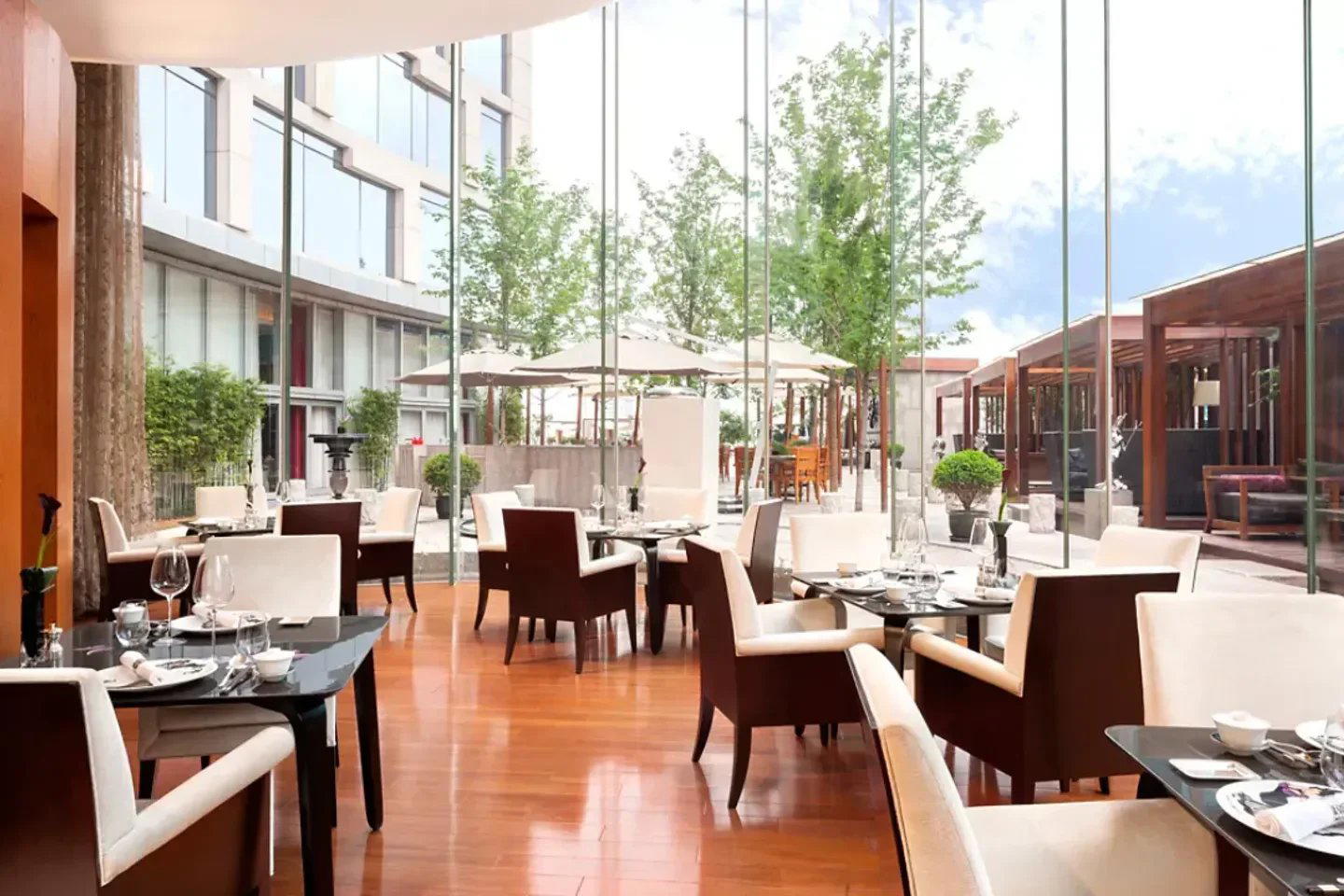
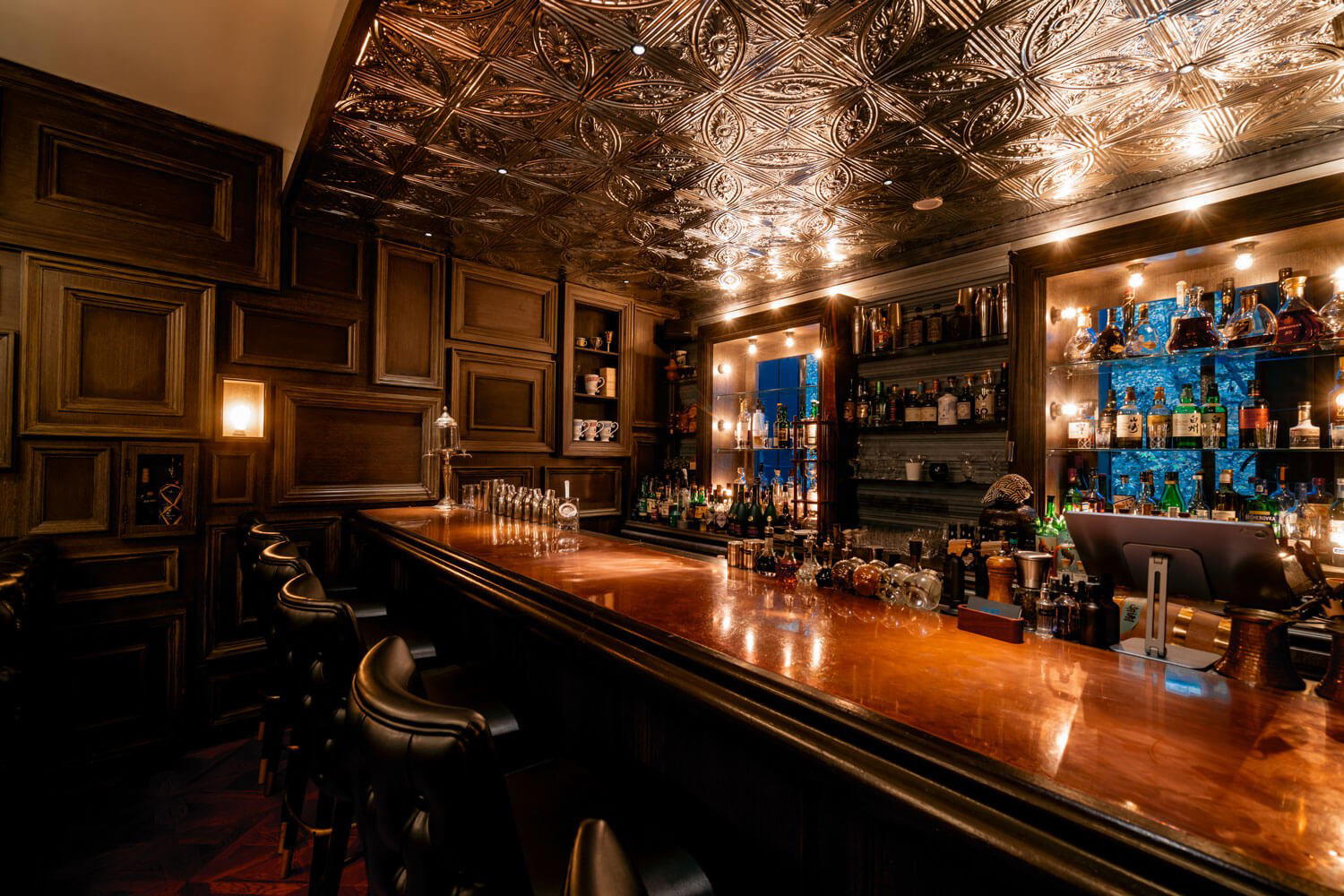
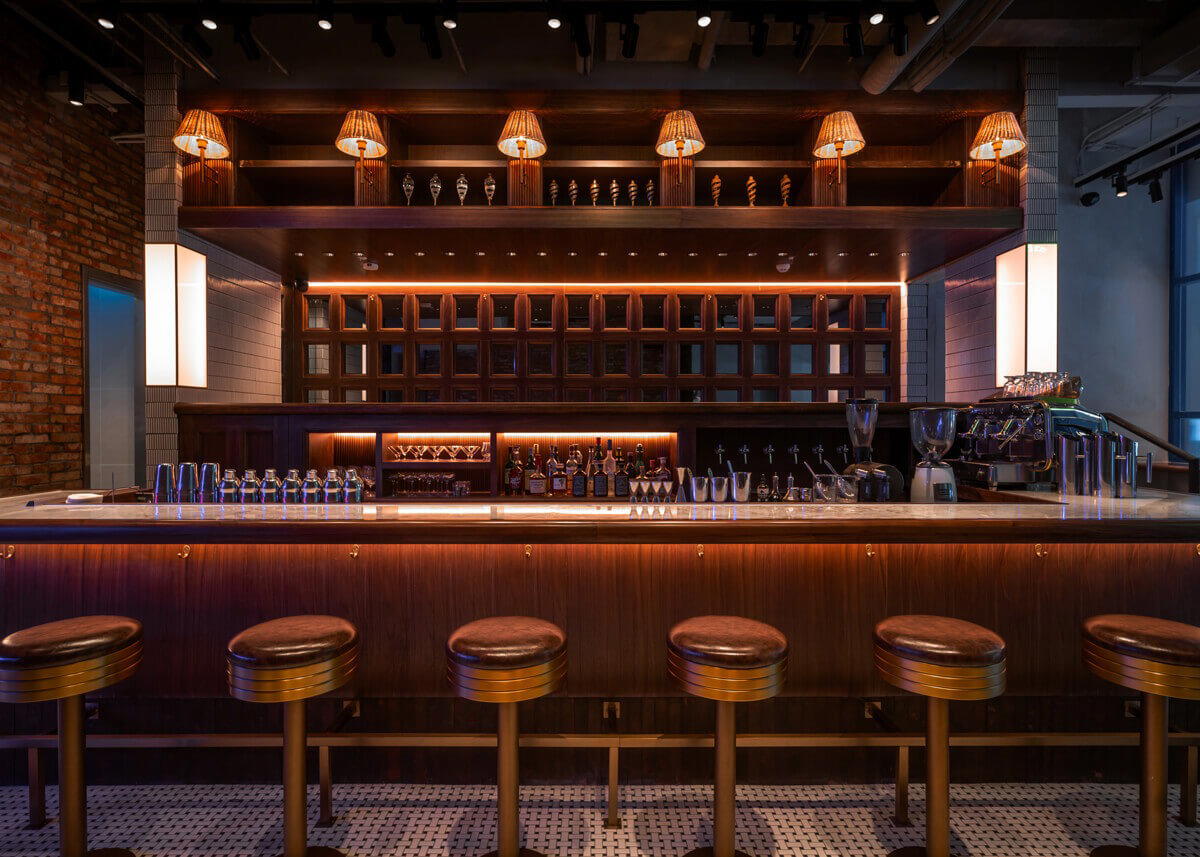
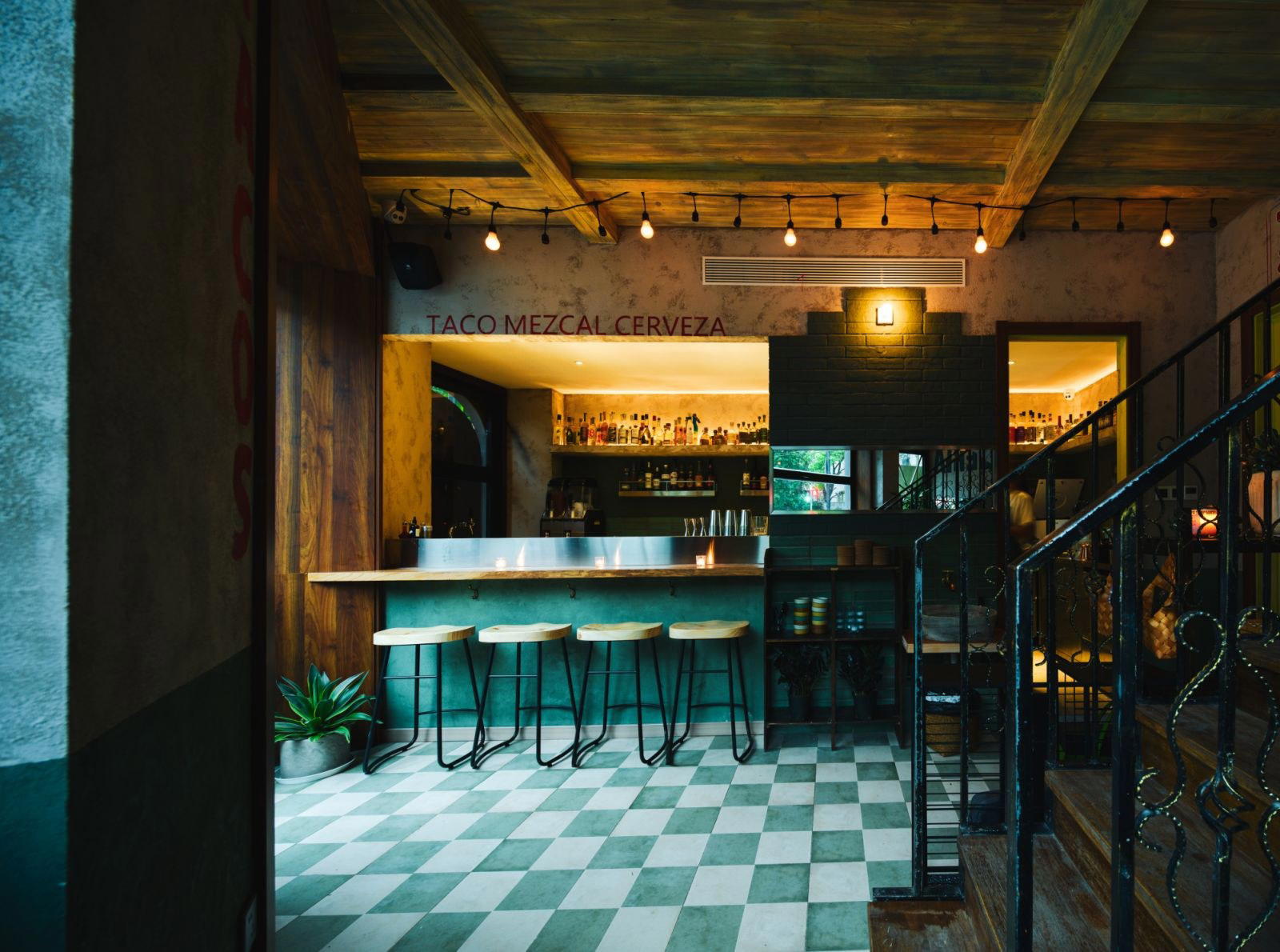
Lively and busy with a crowded, rustic atmosphere that complements the high-impact, spicy dishes.