Skip to Main Content
Taiwanese Dim Sum
← Collection
Shanghai, China

鼎泰丰

Price≈$20
Dress CodeCasual
ServiceUpscale Casual
NoiseLively
CapacityLarge

Din Tai Fung's Fangbang Middle Road address in Shanghai's Huangpu district places one of the most closely watched dumpling operations in the world within reach of the Old City. The chain built its reputation on xiaolongbao precision, pleating count, wrapper thickness, soup-to-filling ratio, and that technical standard has made it a reference point for how a regional dumpling tradition scales without losing its benchmark character.

Pearl is the En Primeur Club membership app — saves, bookings, and concierge access live there. Same editors, same standards.

Plan your visit on PearlPlan Your Visit
Address
168 Fangbang Middle Rd, 四牌楼 Huangpu, Shanghai, China, 200010
Phone
+86 21 6334 1008
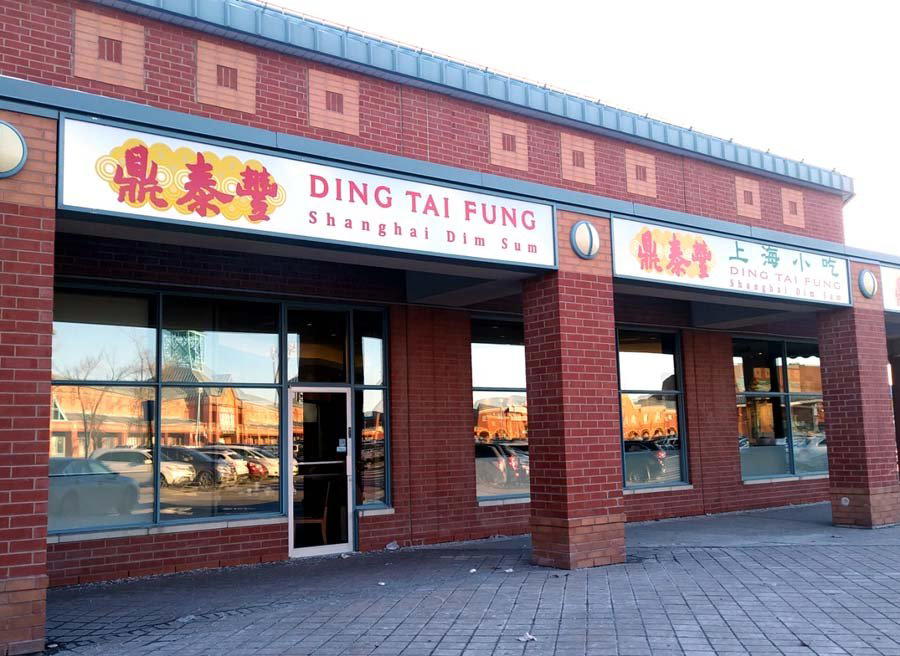
鼎泰丰 restaurant in Shanghai, China
About

From Cooking Oil Shop to Global Dumpling Reference

Din Tai Fung is a Taiwanese dim sum restaurant in Shanghai's Huangpu district, at 168 Fangbang Middle Rd, and it is permanently closed. What began as a street-level response to falling oil revenues became, across five decades, a multi-country operation with locations from Tokyo to Los Angeles, and a Michelin star at its Hong Kong branch that rewrote assumptions about what a chain dumpling restaurant could achieve at the recognition level. The Shanghai outpost on Fangbang Middle Road sits inside that lineage, inheriting both the method and the scrutiny. It is permanently closed.

That scrutiny matters because Din Tai Fung's evolution has never been direct. Each expansion into a new city carries a version of the same question: does the house standard travel, or does consistency erode as distance from Taipei increases? In Shanghai, that question runs against a local dumpling culture already highly developed. The city has its own xiaolongbao canon, anchored by long-running local institutions, and any comparison between Din Tai Fung's approach and the Shanghainese vernacular is a legitimate editorial conversation. The Fangbang Middle Road location drops the brand directly into Huangpu, the historical core of the city, where the appetite for calibration is high and the competition for dumpling authority is real. It is now permanently closed.

What the Standard Actually Looks Like

Din Tai Fung's core claim has always been technical repeatability. The xiaolongbao, soup dumplings filled with seasoned pork and aspic that liquefies in steaming, are produced to a documented specification: eighteen folds per dumpling, wrapper weight held to approximately five grams, filling to approximately sixteen grams. These are not marketing figures; they have been reported across multiple food publications and are part of what earned the chain its Michelin recognition in Hong Kong. The discipline behind that specification is why Din Tai Fung occupies a different competitive tier from most casual dumpling operations, even in a city like Shanghai where the category is crowded.

The broader menu extends beyond xiaolongbao into steamed pork chop fried rice, wontons, and a range of noodle preparations, but the soup dumpling remains the axis around which the operation is judged. For a city eating alongside spots like Xin Rong Ji (West Nanjing Road) and properties with more regionally specific credentials, Din Tai Fung's position is that of a high-precision generalist, a chain with institutional knowledge of a single form, executed at volume without the slippage that usually accompanies scale.

The Huangpu Address in Context

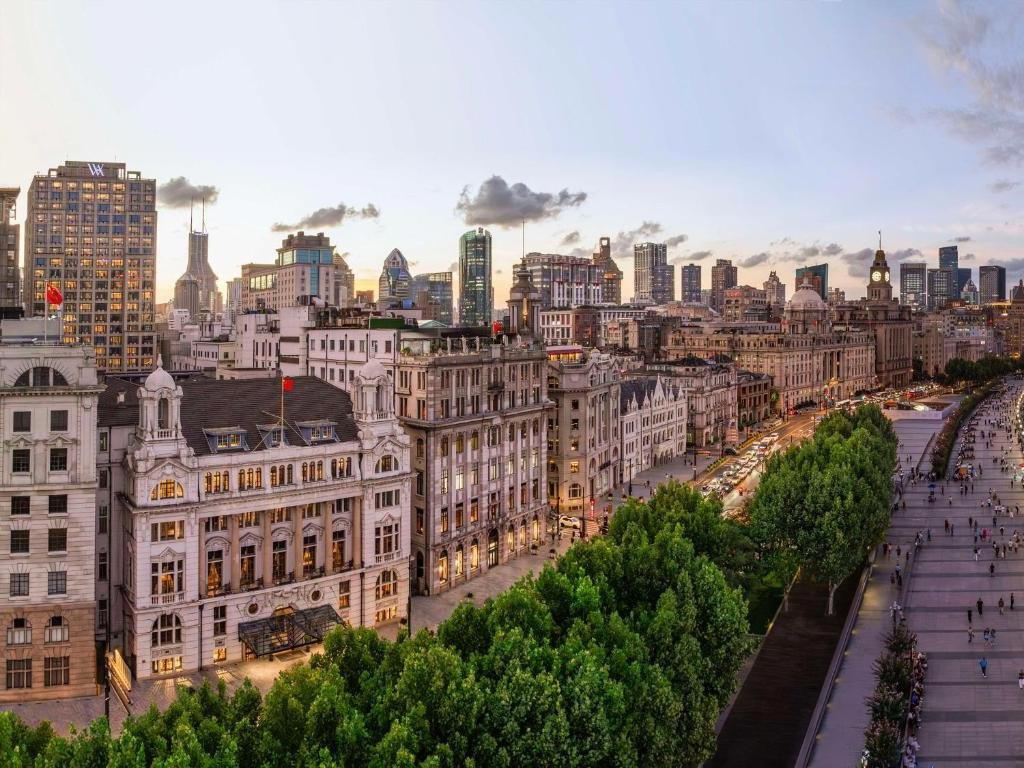
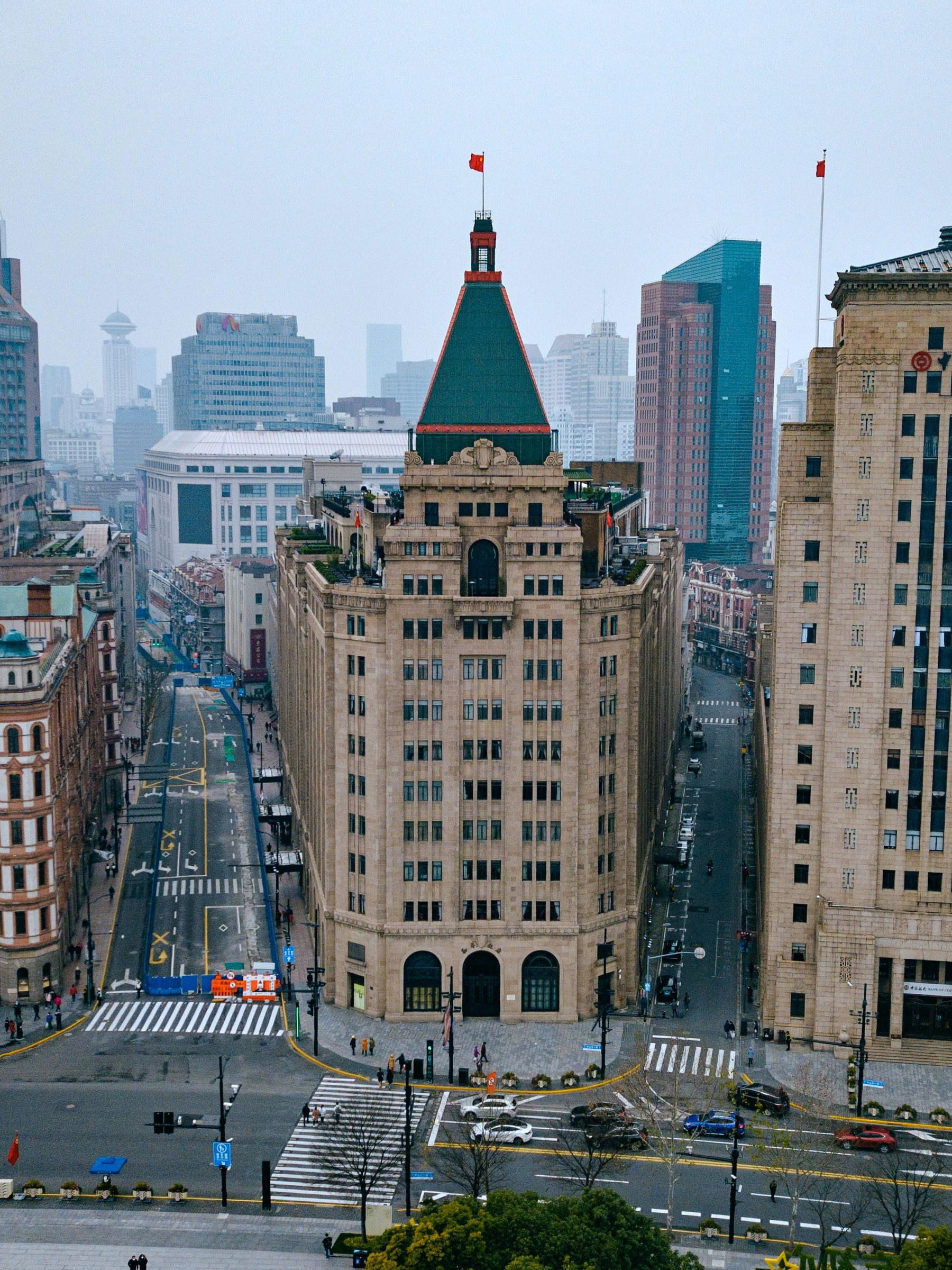
Fangbang Middle Road runs through the area flanking the Yu Garden complex, a corridor that has absorbed waves of tourist traffic and commercial redevelopment while retaining pockets of genuine local food culture. The address places Din Tai Fung within walking distance of one of Shanghai's most visited heritage zones, which shapes the crowd considerably. This is not the same dining environment as the French Concession's quieter restaurant streets or the corporate lunch circuits of Jing'an. The Huangpu location draws a mixed audience: international visitors using Din Tai Fung as a known quantity in an unfamiliar city, regional Chinese travelers encountering the brand outside its Taipei or Hong Kong contexts, and Shanghai residents who treat it as a reliable option rather than a destination.

That positioning, reliable rather than revelatory, is not a criticism. It reflects how Din Tai Fung has chosen to evolve: as a precision operator rather than an experimental one. The Shanghai dining scene has plenty of experimental space, from the vegetable-focused tasting menus at Fu He Hui to the technically ambitious kitchen at Taian Table. Din Tai Fung occupies a different register entirely, and the Fangbang Road location benefits from not pretending otherwise.

Chain Confidence and What It Implies for the Traveler

There is a specific kind of trust a well-run chain generates that independent restaurants rarely can: you arrive knowing the reference point. For a traveler moving through multiple Chinese cities, or someone earlier in their experience of Chinese dumpling styles, Din Tai Fung provides a calibrated baseline. The Michelin star earned at the Hong Kong branches, a credential applying to those specific locations, not universally across the group, signals that the brand's technical ceiling is demonstrably high, even if individual branches operate at different levels of day-to-day consistency.

Across the wider China circuit, the range of fine Chinese dining is genuinely varied. 102 House pursues Cantonese craft in a different register. Chef Tam's Seasons in Macau represents the Cantonese tasting menu at its most formal. Imperial Treasure Fine Chinese Cuisine in Guangzhou anchors a different regional tradition. Din Tai Fung sits apart from all of these: it is neither heritage institution nor avant-garde experiment, but a chain that has made technical replication its differentiator, and in doing so created a recognizable category of its own.

For broader regional context across the country's dining scene, Ru Yuan in Hangzhou, Pingjiangsong in Suzhou, Dai Yuet Heen in Nanjing, Fleurs Et Festin in Xiamen, Wenru No.9 in Fuzhou, and Shang Palace in Yangzhou each offer a different entry point into regional Chinese culinary tradition. And for travelers building a wider Asia itinerary, the precision-driven counter format has parallels in cities as different as Tokyo and San Francisco, consider what Lazy Bear in San Francisco does with American tasting menus, or how Le Bernardin in New York City has maintained classical discipline across decades of operation. The comparison is structural rather than culinary: these are all institutions that have built reputations on consistency held over time.

Also worth considering when building a Shanghai itinerary: 8½ Otto e Mezzo Bombana for Italian at the formal end, and Xin Rong Ji (Xinyuan South Road) in Beijing or Xin Rong Ji in Chengdu if Taizhou-style cooking is on your radar across the trip.

Planning Your Visit

The Fangbang Middle Road address, 168 Fangbang Middle Road, Huangpu, is reachable by metro via the Yu Garden station area. Queuing is common at peak meal times, particularly on weekends and during public holidays when the Yu Garden district draws heavy foot traffic. Arriving early in the lunch or dinner window reduces wait time.

Signature Dishes
xiaolongbaocrab xiaolongbaofried pork chop noodle soup
Frequently asked questions

Recognition Snapshot

Comparable venues nearby, for context on price, style, and recognition.

At a Glance
Vibe
  • Classic
  • Iconic
Best For
  • Family
  • Casual Hangout
Experience
  • Standalone
Dress CodeCasual
Noise LevelLively
CapacityLarge
Service StyleUpscale Casual
Meal PacingStandard

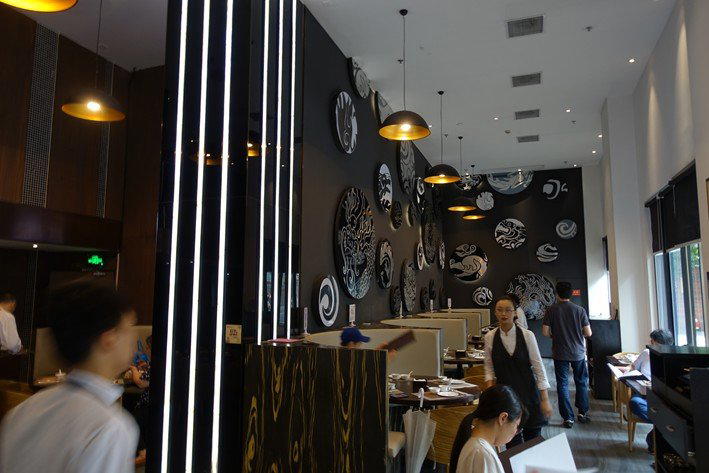
Clean, comfortable dining environment with friendly table service and bustling atmosphere.

Signature Dishes
xiaolongbaocrab xiaolongbaofried pork chop noodle soup