
Shinjuku’s sweets-cafe tradition has a different rhythm from Tokyo’s tasting-menu economy: brief visits, modest spend, and craft measured in wagashi, dango, and kakigori rather than ceremony. Oiwake Dango Honpo Shinjuku honten sits in that lane, with Tabelog 100 recognition for Tokyo Japanese sweets cafes in 2023 and a format that suits a pause between shopping, stations, and evening plans.
Pearl is the En Primeur Club membership app — saves, bookings, and concierge access live there. Same editors, same standards.
- Address
- 3 Chome-1-22 Shinjuku, Shinjuku City, Tokyo 160-0022, Japan
- Phone
- +81 3-3351-0101
- Website
- oiwakedango.co.jp
 Saves & bookings on Pearl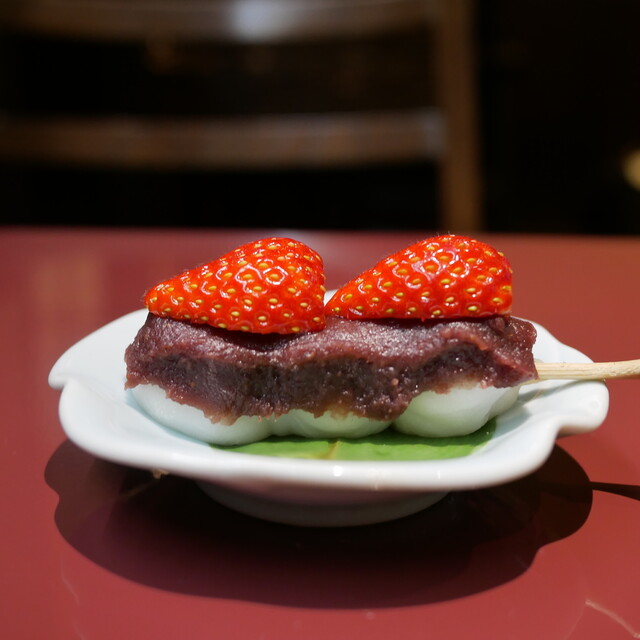
Shinjuku Sanchome changes temperature quickly: department-store polish, station traffic, side-street lunch queues, then the calmer register of a sweets counter. In that context, wagashi is not dessert tacked onto a meal. It is its own city ritual, a short-form craft built around tea, rice flour, bean paste, shaved ice, and the seasonal discipline that Japanese confectionery has carried for centuries.
Oiwake Dango Honpo Shinjuku honten belongs to that older Tokyo habit of stopping for something sweet without turning the stop into an occasion. The recognition that matters here is not a tasting-menu star or a chef cult, but selection for the Tabelog 100 Japanese traditional sweets and Japanese sweets cafe list for Tokyo in 2023. That places it in a category where consistency, takeout fluency, and cafe pacing count as much as culinary ambition.
Shinjuku sweets culture works on craft, turnover, and restraint
Tokyo’s dessert scene is split between photogenic cafe culture and older wagashi shops where the craft is quieter. Shinjuku has both. A place such as 2D Cafe speaks to the city’s visual-cafe appetite, while Oiwake Dango Honpo Shinjuku honten sits closer to the Japanese sweets cafe tradition: dango, wagashi, and kakigori rather than plated pastry or coffee-house theatrics.
The useful comparison is not with expensive dining rooms. It is with the mid-city refreshment stop, where a visitor may spend JPY 1,000 to JPY 1,999 and still encounter a serious local category. CAFE AALIYA occupies a similar low-spend Tokyo cafe bracket, while Il Lato and Le Parang operate in entirely different dinner-price territory. Marugo, with tonkatsu as its defining category, shows another side of Tokyo’s specialization: single-lane food culture can be casual in price and exacting in expectation.
That is why wagashi cafes deserve a place in a serious Tokyo itinerary. They explain how the city eats between meals. The format rewards timing and appetite rather than duration: a short sit-down, a takeout box, or a cooling shaved-ice break in warmer months. The craft is collaborative in the practical sense, less about a named chef than about production, counter service, and front-of-house timing holding the room together.
The appeal is the specialist format, not a chef narrative
Tokyo dining coverage often overweights the individual chef. That lens fits sushi counters, kaiseki rooms, and modern tasting menus, but it distorts wagashi. Traditional sweets shops rely on repeatable technique and service choreography: the kitchen or production side keeps texture and temperature in order, the counter moves takeout without turning chaotic, and the cafe team manages a room that may be used by families, friends, solo shoppers, and station-area regulars in the same service window.
Oiwake Dango Honpo Shinjuku honten has 30 seats, with service that includes takeout, and that combination explains its role better than any personality-led story would. The room is not built for a long progression with a sommelier narrative. It is built for a precise stop in a neighborhood where time is fragmented. The decision is simple: use it when the itinerary needs Tokyo specificity without the cost or time commitment of a full meal.
For travelers mapping Shinjuku and nearby neighborhoods, the contrast is useful. 12/10 Shinjuku ten keeps the focus in the same district, while 124. KAGURAZAKA (Yakitori) points toward a more evening-driven, grill-led Tokyo. 3 Chome no Curry Ya San shows how narrow categories thrive across the city, and . 鮪と炭火焼き うお炭 秋葉原店 sits in a more savory register. Together they make the case for Tokyo as a city of precise formats, not generic restaurant types.
How to place it in a Tokyo day
The strongest use case is between larger plans. Shinjuku Sanchome is a natural hinge between retail, rail, and dinner, and the sweets-cafe format works because it does not ask for the same commitment as an omakase counter or a late-night bar. It also suits mixed groups better than many specialist Tokyo venues: the listing notes family-friendly use, children welcome, a non-smoking setting, and payment flexibility across cards, transport IC, QUICPay, and PayPay.
The caution is category expectations. This is not the place to look for wine pairing, chef biography, or a long-form dining arc. It belongs to the same Tokyo map as cafes, sweets shops, curry counters, yakitori rooms, tonkatsu specialists, and izakaya-style drinking food, each doing one thing with discipline. For broader planning, use Our full Tokyo restaurants guide alongside Our full Tokyo hotels guide, Our full Tokyo bars guide, Our full Tokyo wineries guide, and Our full Tokyo experiences guide.
Readers building a wider Japan food route can treat this as a Tokyo sweets reference point, then compare it with regional and overseas Japanese-adjacent formats: -Grilled beef Sukiyaki- KAMAKURA TANUKIAN 鎌倉 たぬき庵 in Kamakura.cafe in Osaka.know in Kumamoto, (Shoku) Vietnam in Kawasaki, [Curry Senmon Ten] Maruyama Kyoju. in Sapporo, [ki:] in Kyoto, Jōdo Saké Bar in Los Angeles, and Onigiri Time in Pasadena. The thread is not sameness; it is how Japanese food culture travels through formats, from sweets cafe to bar to regional counter.
The editorial verdict is practical: this is a compact, credible Shinjuku stop for Japanese sweets rather than a destination built around spectacle. Its Tabelog 100 selection gives it a trust signal within Tokyo’s wagashi and sweets-cafe field, while the modest price bracket keeps the decision low-risk. Use it to understand how Tokyo treats confectionery as an everyday craft, not merely an after-dinner course.
- Oiwake dango
- Koshian dango
- Mitarashi dango
- Anmitsu
- Seasonal honey lemon dango
- Anzu daifuku
Compact Comparison
Comparable venues to calibrate price, style, and recognition.
| Venue | Cuisine | Price | Notes |
|---|---|---|---|
| Oiwake Dango Honpo Shinjuku hontenThis venue — the venue you are viewing | Not listed | $ | Not listed |
| BERG | Shinjuku, Beer Cafe | $ | Not listed |
| Fuuunji Shinjuku honten | Shibuya, Ramen & Tsukemen | $ | Not listed |
| Teuchi Udon Iwashiya Aoyama ten | Minato, Handmade Sanuki Udon | $ | Not listed |
| Akasaka Aono Honten | Not listed | $ | Minato, Traditional Japanese Wagashi Shop |
| Sanuki no Udon Hana wa Saku Shin nakano honten | Nakano, Sanuki Udon & Tempura | $ | Not listed |
Recognition history
Dated appearances from independent guides and award organizations, with the underlying list record or original source where available.
Tabelog 100 #66 · No. 66
Tabelog · Tabelog 100 - Japanese traditional sweets / Japanese sweets cafe - TOKYO - 2023












At a Glance
- Classic
- Cozy
- Quiet
- Well Known
- Solo
- Family
- Casual Hangout
- After Work
- Standalone
- Historic Building
- Local Sourcing
- Street Scene
Current opening hours
- Monday
- 10:30 AM–7 PM
- Tuesday
- 10:30 AM–7 PM
- Wednesday
- 10:30 AM–7 PM
- Thursday
- 10:30 AM–7 PM
- Friday
- 10:30 AM–7 PM
- Saturday
- 10:30 AM–7 PM
- Sunday
- 10:30 AM–7 PM
Hours can change for holidays and private events. Last verified .
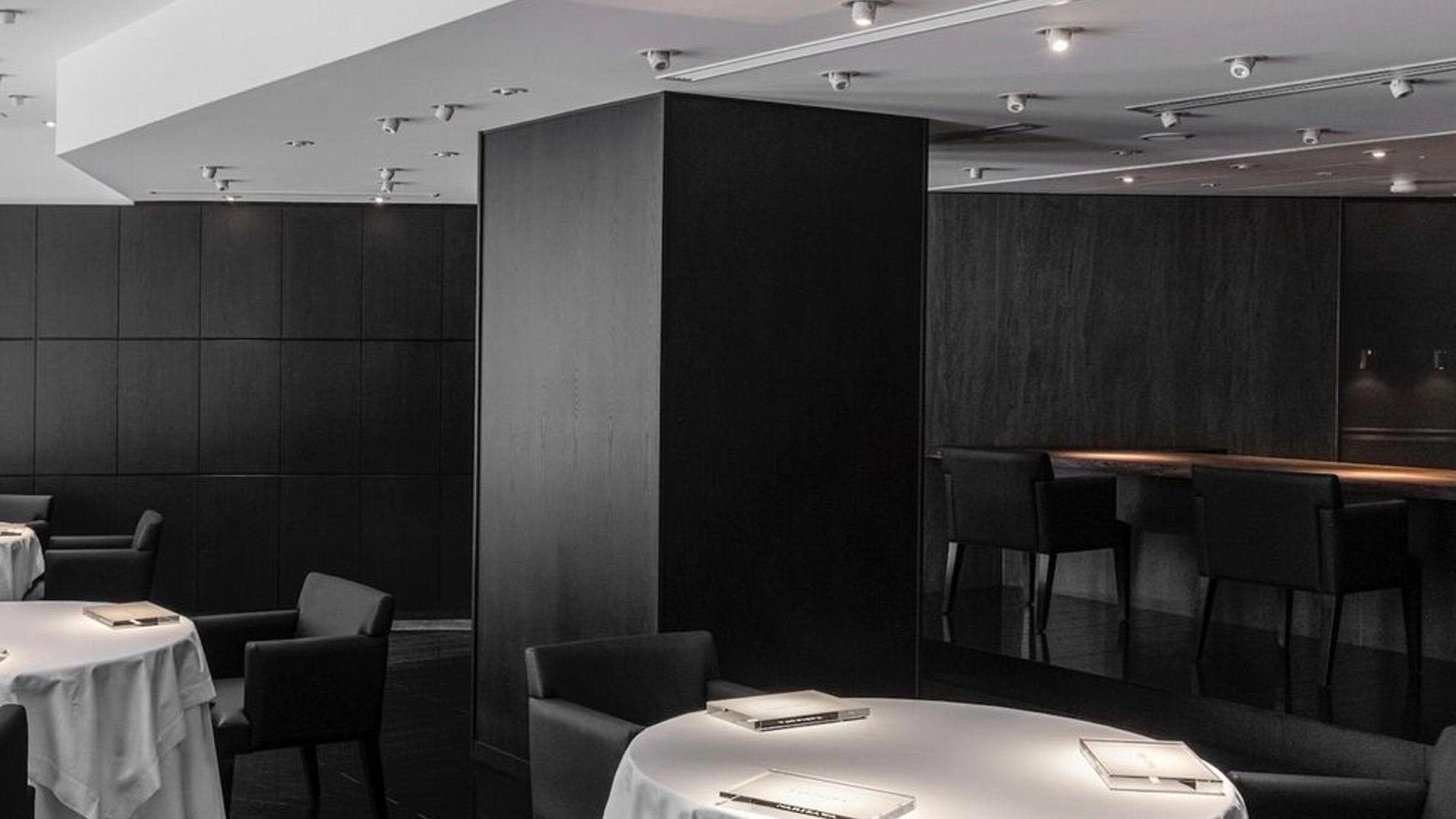
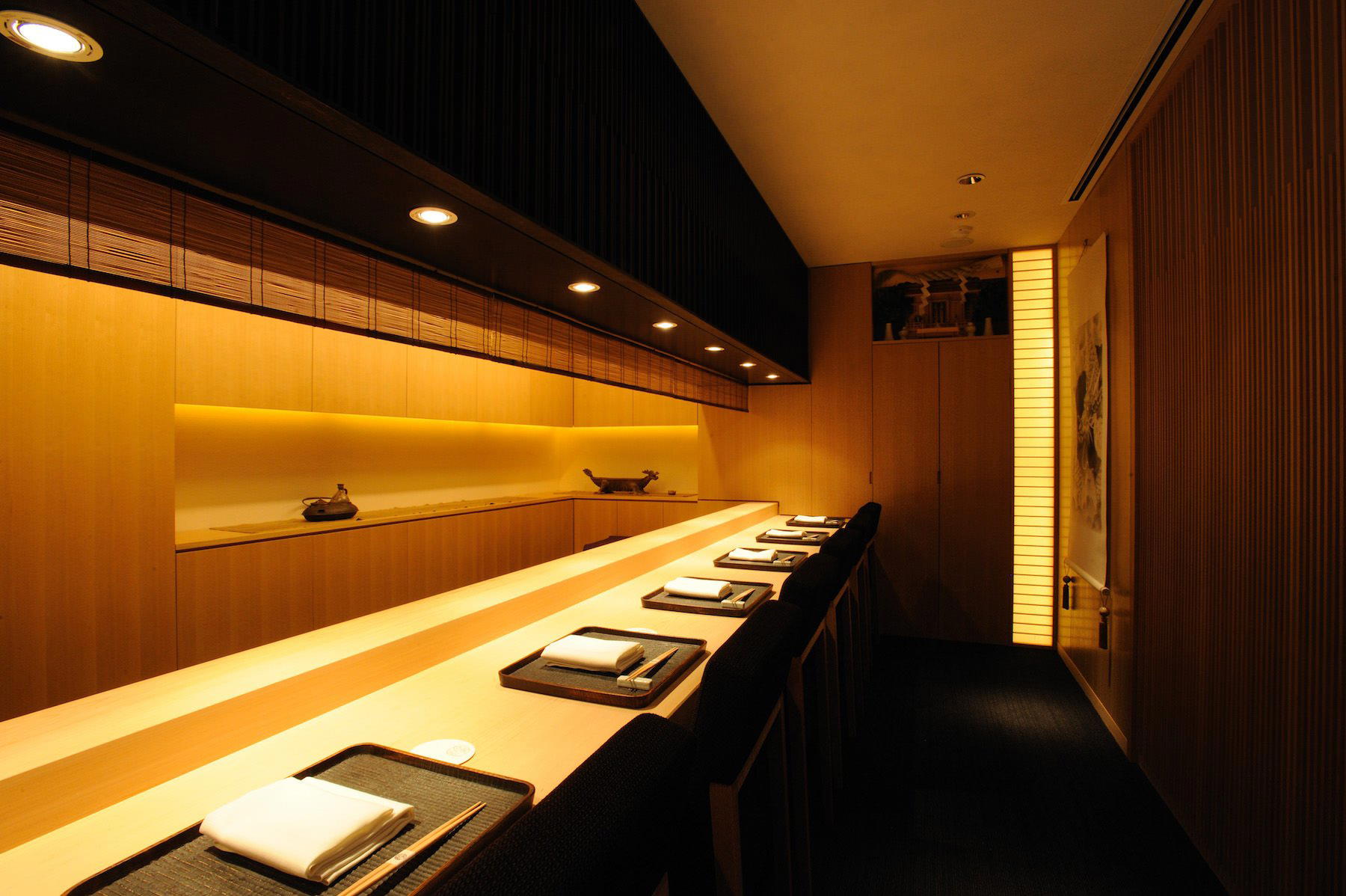
Traditional Japanese sweets shop with a relaxed, unhurried kissaten-style cafe area; simple classic decor and a calm atmosphere ideal for a break during Shinjuku shopping.