Ogami Shabu Shabu occupies the fourth floor of the Grand et Cru building in Ginza 8-chome, placing a traditionally structured hot-pot format inside one of Tokyo's most competitive dining corridors. The address signals intent: this is shabu shabu positioned against the broader premium dining scene of central Ginza, where format discipline and ingredient sourcing carry as much weight as cuisine category.
Pearl is the En Primeur Club membership app — saves, bookings, and concierge access live there. Same editors, same standards.
- Address
- Japan, 〒104-0061 Tokyo, Chuo City, Ginza, 8 Chome−16−4 Grand et Cru, 4F
- Phone
- +81362606117
- Website
- tabelog.com
- Directions
- Get directions
 Saves & bookings on Pearl
Ginza 8-Chome and What an Address Communicates
In Tokyo's dining hierarchy, a Ginza postcode does specific work. The district's southern stretch around 8-chome sits within walking distance of the Kabuki-za theatre and the high-density restaurant floors that stack above street-level luxury retail. Buildings like Grand et Cru, which houses Ogami Shabu Shabu on its fourth floor, represent a particular model: purpose-built dining infrastructure where the address itself functions as a first credential. Venues here compete not just within their cuisine category but across formats, from omakase sushi counters like Harutaka to multi-course French rooms operating at the same price register.
Shabu shabu as a format occupies an interesting position in that competition. It is communal and interactive in ways that omakase or kaiseki are not, and its premium tier has historically been defined by the quality of the protein at the centre of the table rather than the theatrics of the kitchen. In Ginza, that means the format is measured against neighbours with very different service models, and the address implies a commitment to sourcing standards that can hold that comparison.
The Shabu Shabu Tradition in a High-Density Dining District
Shabu shabu's structure is deceptively simple: thinly sliced meat or seafood, briefly passed through a simmering dashi or kombu broth, finished in ponzu or sesame dipping sauce. The technique arrived in Japan via Chinese hot-pot traditions and was codified into its current form in Osaka in the mid-twentieth century before spreading to Tokyo's premium restaurant circuit. What separates a high-end shabu shabu room from a casual one is almost entirely about the protein: the fat distribution in wagyu, the grade and provenance of the beef, and whether the kitchen controls the slicing thickness precisely enough to allow the meat to cook in one or two passes through the broth without losing texture.
In Ginza specifically, premium hot-pot formats compete with kaiseki-adjacent restaurants like RyuGin and French-inflected multi-course rooms such as L'Effervescence and Sézanne. The shabu shabu format wins on a different axis: it is participatory, the pacing is controlled by the diner rather than the kitchen, and it scales for groups in ways that a counter-seat omakase cannot. That distinction matters in a district where corporate entertainment and group dining remain a significant part of the economic base.
Format Discipline in a Participatory Dining Model
The shift toward transparent, ingredient-led dining that has reshaped Tokyo's premium restaurant sector over the past decade applies to hot-pot formats as much as it does to sushi or French cuisine. Diners in this tier are not arriving for novelty or spectacle; they are arriving because they want direct access to the ingredient itself, with minimal intervention between the raw product and the palate. Shabu shabu, correctly executed at this level, delivers exactly that: the broth is a carrier, not a flavour asserter, and the dipping sauces are there to accent rather than mask.
This is the same logic that has driven Ginza's omakase counters toward shorter menus with more expensive individual components, and that has pushed innovative French rooms like Crony toward hyper-sourced, restrained plating.
Tokyo's Premium Hot-Pot Tier in Context
Tokyo's shabu shabu scene at the premium end is relatively concentrated. The city has established wagyu specialists, but the format does not carry the same density of Michelin recognition as sushi or kaiseki, which means individual venues are evaluated more on reputation and word-of-mouth within specific dining communities than on award tiers. That places a different kind of pressure on booking patterns and repeat clientele.
Across Japan more broadly, the hot-pot tradition takes distinct regional forms: the nabe-heavy kaiseki of Kyoto (visible at places like Gion Sasaki), the seafood-forward broths of Fukuoka (represented at venues like Goh), and the produce-led interpretations found further afield in Nara at akordu. Tokyo's version tends toward wagyu-centrism, and the Ginza tier specifically skews toward the kind of curated, high-service room that positions the meal as an occasion rather than a routine dinner. For international comparisons of how premium hot-pot concepts scale, the discipline of ingredient sourcing visible in New York tasting-menu rooms like Atomix or the seafood precision of Le Bernardin offers a useful reference point for what ingredient-led focus looks like at comparable price points.
For broader Japan context on comparable premium dining formats and how they sit within their respective cities, our guides to HAJIME in Osaka, 一本杉川嶋 in Nanao, 夕佳亭山之 in Sapporo, 湖畔庵 in Takashima, 鶴羽屋 in Nishikawa Machi, Birdland in Sakai, and Bistro Ange in Toyohashi are available through our full Tokyo restaurants guide.
Planning Your Visit
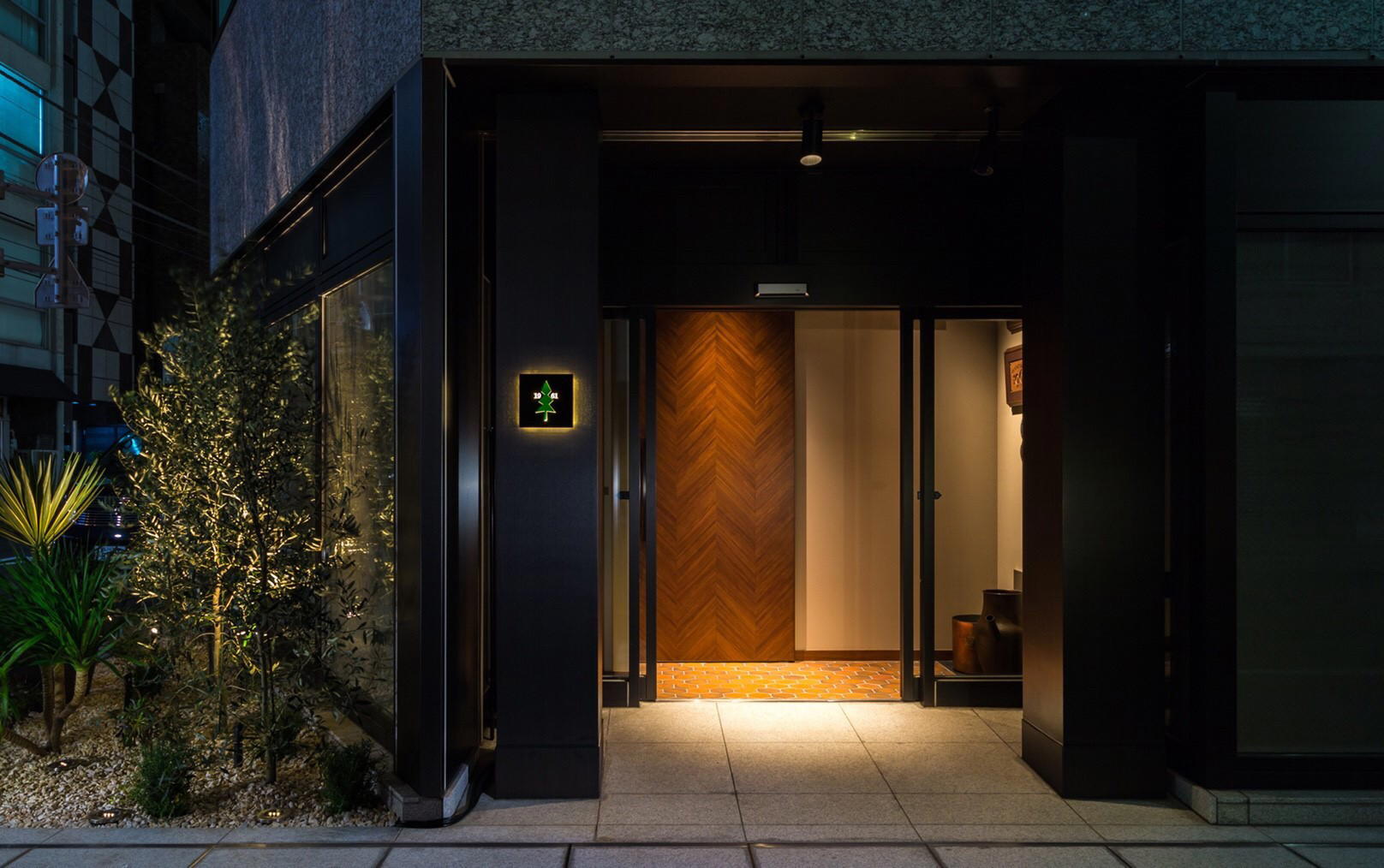
Ogami Shabu Shabu is located at Grand et Cru, 4F, 8-16-4 Ginza, Chuo City, Tokyo 104-0061. The building sits in the southern section of Ginza, within walking distance of Shimbashi and Higashi-Ginza stations. As with most premium Ginza dining rooms, advance reservations are strongly advisable; walk-in availability at this address and price positioning is limited, particularly on weekday evenings when corporate dining demand is high. Contact details and current availability should be confirmed directly through the venue or via a hotel concierge familiar with the Ginza circuit.
| Venue | Cuisine | Price Tier | Format |
|---|---|---|---|
| Ogami Shabu Shabu | Shabu Shabu | Confirm directly | Hot-pot, communal/group |
| Harutaka | Sushi | ¥¥¥¥ | Counter omakase |
| RyuGin | Kaiseki | ¥¥¥¥ | Multi-course, seated |
| L'Effervescence | French | ¥¥¥¥ | Multi-course, seated |
| Crony | Innovative French | ¥¥¥¥ | Multi-course, counter |
A Pricing-First Comparison
| Venue | Cuisine | Price | Awards |
|---|---|---|---|
| Ogami Shabu ShabuThis venue — the venue you are viewing | Not listed | This venue | Not listed |
| Harutaka | Sushi | ¥¥¥¥ | Michelin 3 Star |
| L'Effervescence | French | ¥¥¥¥ | Michelin 3 Star |
| RyuGin | Kaiseki, Japanese | ¥¥¥¥ | Michelin 3 Star |
| Crony | Innovative, French | ¥¥¥¥ | Michelin 2 Star |
| Florilège | French | ¥¥¥ | Michelin 2 Star |









At a Glance
- Elegant
- Intimate
- Classic
- Date Night
- Special Occasion
- Group Dining
- Business Dinner
- Private Dining
- Open Kitchen
- Sake Program
- Farm To Table
- Local Sourcing
- Organic
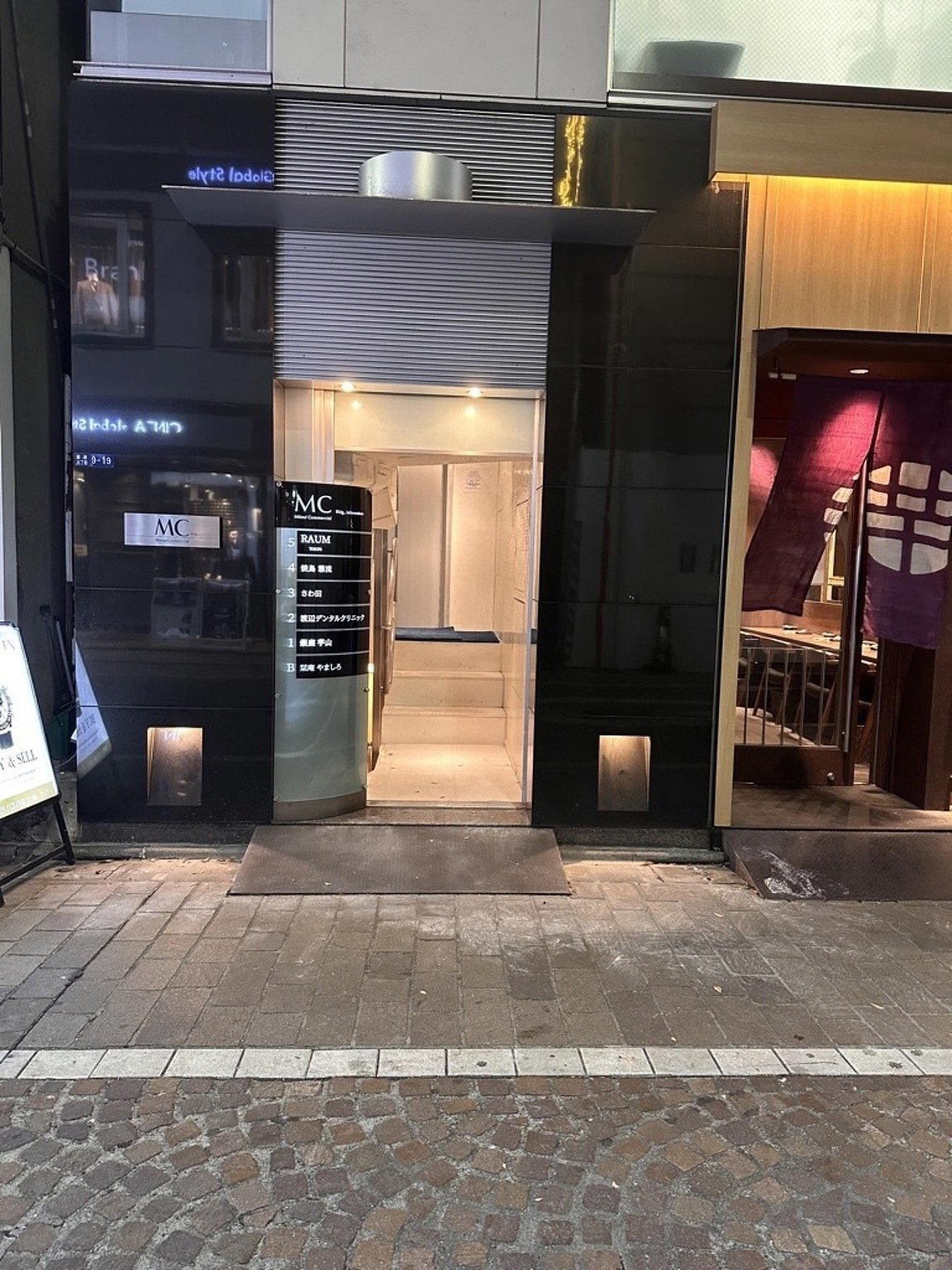
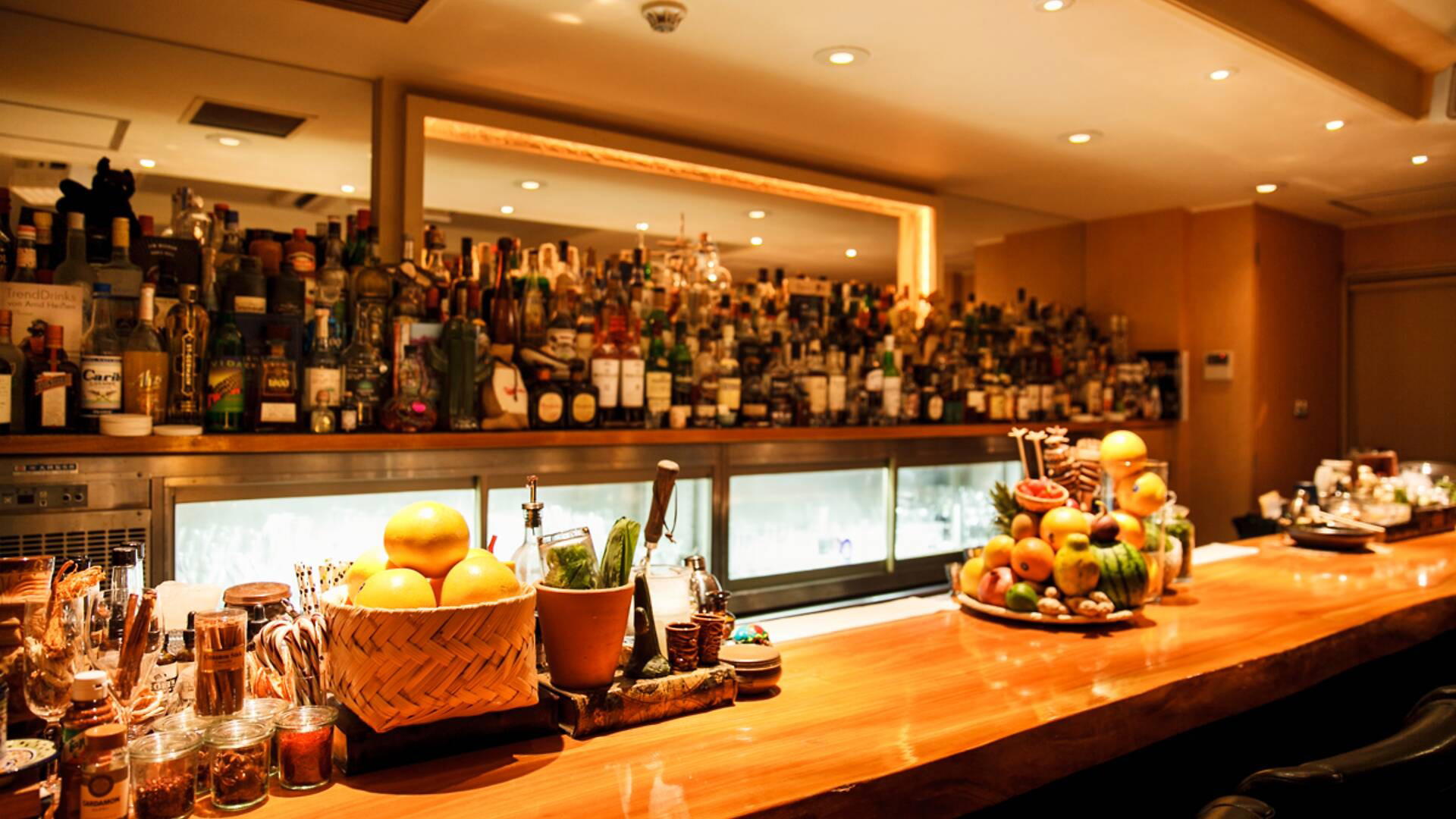
Japanese-themed ambiance with warm, refined lighting ideal for special occasions; intimate counter and table seating with private room options.
Know Before You Go
- Getting there
- Japan, 〒104-0061 Tokyo, Chuo City, Ginza, 8 Chome−16−4 Grand et Cru, 4F