Our verdict
On a cobblestoned stretch of Rua do Amparo in the UNESCO-listed colonial quarter of Olinda, Oficina do Sabor has built its reputation on Pernambuco's pantry. The kitchen draws from the Northeast's native ingredients — dried meats, palm oil, cassava derivatives, and local seafood — and presents them in a setting where the surrounding architecture does as much work as the menu. For anyone tracing Brazil's regional cooking from its source, this address is a serious reference point.

Pearl is the En Primeur Club membership app — saves, bookings, and concierge access live there. Same editors, same standards.
- Address
- R. do Amparo, 335 - Amparo, Olinda - PE, 53070-410, Brazil
- Phone
- +558134293331
- Hours
- Mon ClosedTue–Thu 11:30 AM–10 PMFri–Sat 11:30 AM–11 PMSun 11:30 AM–5 PM
- Website
- oficinadosabor.com
- Directions
- Get directions
The menu
What to order
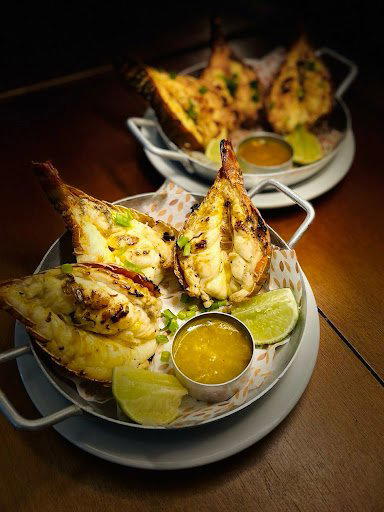
- Shrimp and shellfish stew in passion fruit sauce served in pumpkin
Where the Northeast's Pantry Comes to the Table
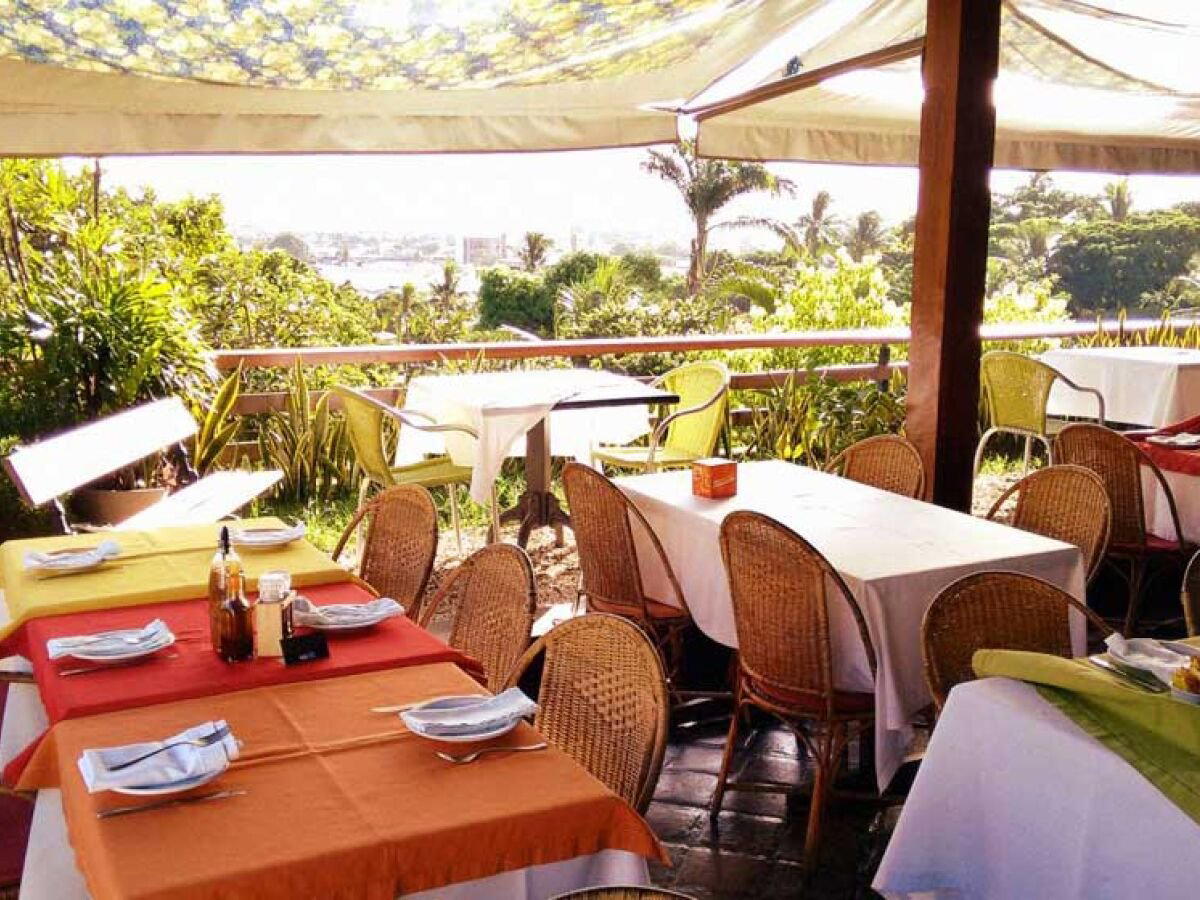
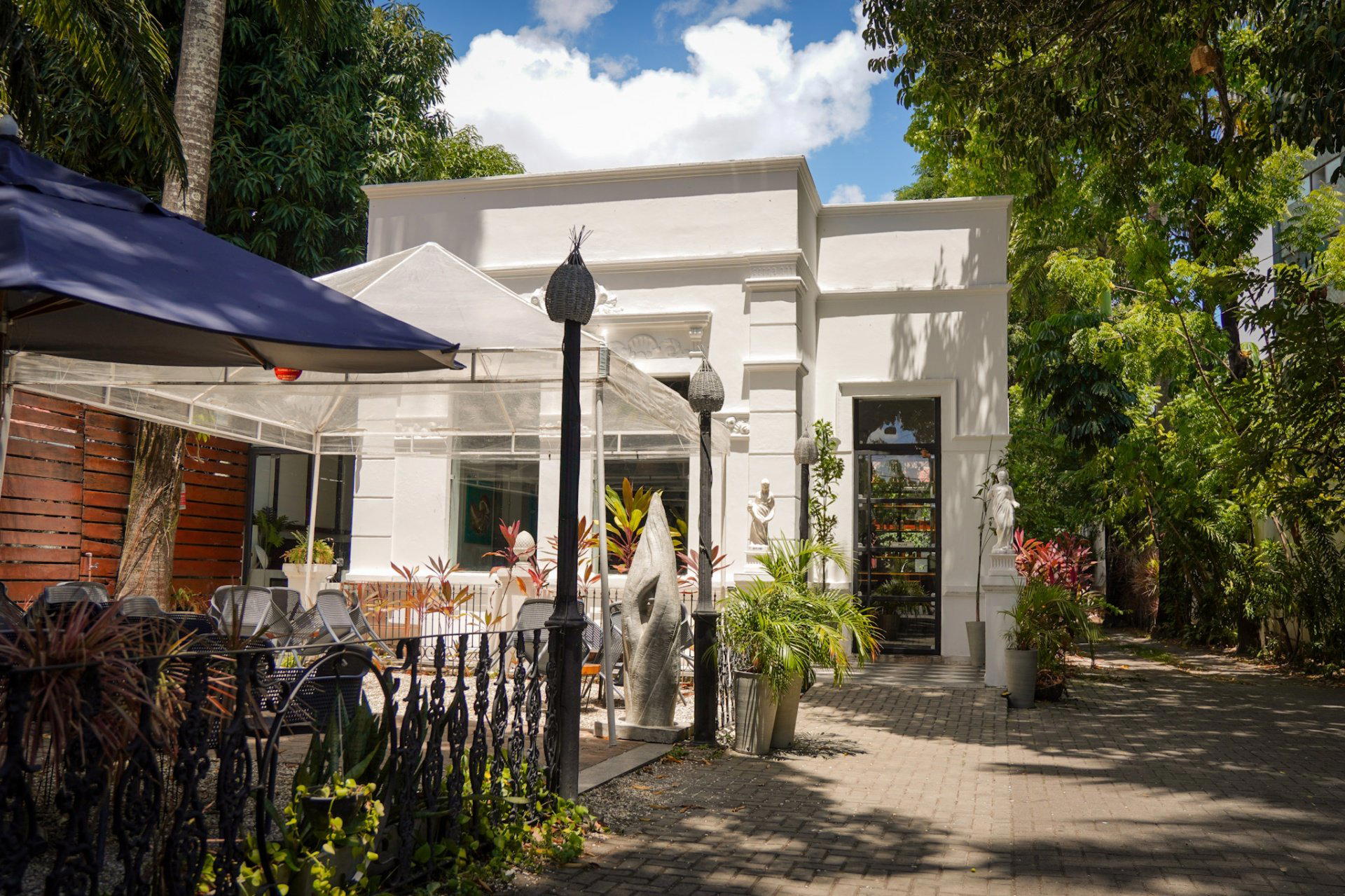
Rua do Amparo climbs through one of Brazil's most intact colonial quarters, where Baroque churches and pastel-painted townhouses frame a neighbourhood that UNESCO designated a World Heritage site in 1982. Oficina do Sabor occupies a position on this street at number 335 that would be scenically remarkable even before a plate arrives. The open-air design typical of Olinda's better restaurants lets the hill's breeze and views operate as a constant backdrop, and the physical environment establishes the editorial premise of what follows at the table: you are eating in a place that has not severed its ties to its own history.
That matters in northeastern Brazil more than almost anywhere else in the country. Pernambuco's food culture sits at a particular crossroads of Indigenous, African, and Portuguese influences, and its pantry reflects centuries of that convergence. Dishes built on sun-dried carne de sol, dendê oil, cassava in its many forms, and the freshwater and coastal catches of the region carry a lineage that the more internationally aligned kitchens of São Paulo — including D.O.M. in São Paulo — tend to interpret at a remove. Here, the source material is the street outside.
Ingredient Logic: Pernambuco as Pantry
The ingredient-sourcing question in Brazilian regional cooking has become sharper over the past decade, as chefs in Rio and São Paulo increasingly mine the Northeast for raw material. What Olinda offers, and what an address on Rua do Amparo specifically offers, is proximity to those ingredients in their least-processed state. Queijo coalho arrives from farms a short distance inland. Dried and salted meats follow curing traditions that predate refrigeration and remain a cornerstone of Pernambuco's daily cooking. Palm oil comes from trees cultivated along routes established during the colonial period. These are not curated imports or boutique substitutes; they are the functional backbone of a regional food tradition that has maintained continuity.
Oficina do Sabor's position in Olinda situates it closer to the ingredient origin, in a city where the local diner and the culturally curious traveller share the same dining room.
This sourcing proximity shapes what lands on the table. Northeastern Brazilian kitchens working with carne de sol and cassava are not approximating tradition, they are executing it within the geography that created it. The distinction carries weight for anyone who has eaten the same dish in São Paulo and then in Recife or Olinda. The Pernambuco version is rarely about refinement in the modernist sense; it is about material fidelity.
Olinda's Dining Position Within Brazil's Northeast
Olinda and its larger neighbor Recife together constitute the cultural center of Pernambuco, and the two cities have developed a dining scene that operates in productive tension. Recife's Boa Viagem and Pina neighborhoods carry the volume and the range; Olinda's historic upper town carries the identity. Restaurants on and around Rua do Amparo draw a crowd that is partly domestic, Recife residents making the short drive on weekends, and partly international, given the city's profile as a heritage tourism destination.
That context defines the competitive set for a restaurant like Oficina do Sabor. It is not competing with the modern Brazilian tasting menus that benchmark against global fine dining, the way kitchens in São Paulo or Rio position themselves. It belongs instead to a category of regionally anchored restaurants where the measure of quality is faithfulness to source combined with enough kitchen craft to distinguish the result from home cooking. This is a harder bar to clear than it appears, and it is the bar that Olinda's better kitchens set for themselves. For broader orientation to what the city offers, our full Olinda restaurants guide maps the scene in more detail.
Across Brazil, comparable regional anchoring can be found in different forms: Bistro Fitz Carraldo in Manaus works within the Amazon basin's distinct pantry, while Cantina Pozzobon in Santa Maria and Casa da Flor Restaurante in Dourados each represent the kind of geographically specific cooking that resists easy transplant. The Northeast's version, rooted in Afro-Brazilian culinary traditions and a dry-climate pantry, is among the most documented and culturally significant of these regional expressions. Other regionally distinct Brazilian tables worth cross-referencing include Casa da Dika Restô e Eventos in Braganca and Arte e café Imperial - Matriz in Angra Dos Reis.
Planning a Visit
Olinda's historic quarter is compact and most navigable on foot, though the cobblestone gradient from the lower town demands reasonable footwear. Rua do Amparo itself runs through the heart of the heritage zone, and Oficina do Sabor's address at number 335 places it within easy walking distance of the city's main viewpoints and churches. Visitors arriving from Recife typically make the trip by taxi or rideshare, a journey of roughly 20 to 30 minutes depending on traffic, the two cities' limits effectively meet.
Reservations are advisable for weekend lunch, which is the dominant meal format in Olinda's restaurant culture and the period when both local families and visiting travellers compete for tables at the area's better-regarded addresses. The open-air format that characterises many Rua do Amparo restaurants means that a midday table in dry season offers the full experience of the colonial setting; the rainy season months between March and July can affect al fresco comfort. Those planning a broader Northeast itinerary may also want to cross-reference dining options elsewhere in Brazil, from Madê in Santos on the São Paulo coast to Casa da Picanha Penedo in Itatiaia in the interior. For reference points in global fine dining that contextualise what ingredient-driven Brazilian cooking is measured against internationally, Le Bernardin in New York City and Atomix in New York City represent the kind of sourcing-led precision that leading Brazilian kitchens increasingly cite as a comparative standard.
Other Brazilian tables worth adding to a longer itinerary include Bistrô Vila Graziella in Bauru, Famosa Pizza in Ribeirao Preto, Kampeki Sushi in Canoas, Fornazzo Pizzaria in Passo Fundo, Aero Burguer e Grill in Santa Cruz Do Sul, and Piiholo Ranch, which offers a different angle on Olinda's dining options.
Frequently asked questions
Is Oficina do Sabor a family-friendly restaurant?
Oficina do Sabor sits on Rua do Amparo in Olinda's historic quarter, a neighbourhood built for slow, unhurried visits rather than quick turnover. The setting within a colonial townhouse context suits multi-generational groups, and regional Pernambuco cooking tends toward shared, recognisable dishes rooted in local tradition. Families visiting Olinda's UNESCO-listed centre regularly include it in a half-day itinerary.
What's the overall feel of Oficina do Sabor?
The address — Rua do Amparo, 335 in Olinda's Amparo district — places the restaurant inside one of Brazil's most intact Baroque neighbourhoods, which shapes the pace and tone considerably. Expect a grounded, place-specific atmosphere closer to a regional table than a formal dining room: the focus sits on Pernambuco's larder rather than on theatrical presentation. It reads as a working expression of Northeast Brazilian culinary identity rather than a tourist-facing interpretation of it.
Is Oficina do Sabor a good restaurant to visit while exploring Olinda's historic centre?
The restaurant is located at Rua do Amparo, 335, which places it directly within the colonial quarter that draws most visitors to Olinda in the first place — no detour required. Olinda and neighbouring Recife together anchor Pernambuco's dining scene, and Oficina do Sabor has established itself as a reference point for regional cooking within that context. For anyone spending time in the UNESCO-listed neighbourhood, it serves as a practical and culturally coherent meal stop tied to the same Pernambuco identity the area represents.
What do regulars order at Oficina do Sabor?
The kitchen's identity centres on Pernambuco's regional pantry, which means dishes built around ingredients that define the Northeast: dried meats, tropical produce, and preparations with deep local roots. Without a published menu available, the reliable approach is to follow seasonal specials, which in this context typically reflect what's available from nearby producers in the state. Staff guidance on the day's strongest dishes is generally the most accurate navigation.
What's Oficina do Sabor's location?
Oficina do Sabor is located at R. do Amparo, 335 - Amparo, Olinda - PE, 53070-410, Brazil, Olinda.
Fast Comparison
Comparable venues nearby, for context on price, style, and recognition.
| Venue | Cuisine | Price | Notes |
|---|---|---|---|
| Oficina do SaborThis venue — the venue you are viewing | Sophisticated Pernambuco Brazilian Seafood | Not listed | Not listed |
| Must Restaurant & Bar | Modern Brazilian with Indigenous Flavors | Not listed | Belem |
| Açougue Central | Modern Brazilian Churrascaria | $30–50 | Vila Madalena |
| Charco | Modern Brazilian with South American and Asian influences | Not listed | Jardim Paulista |
| Taberna Japonesa Quina do Futuro | Japanese Sushi | $50–100 | Aflitos |
| Lobby Café | Hotel Lobby Café | Not listed | Campina |
Details
- Elegant
- Scenic
- Rustic
- Date Night
- Special Occasion
- Terrace
- Historic Building
- Skyline
- A La Carte
Current opening hours
- Monday
- Closed
- Tuesday
- 11:30 AM–10 PM
- Wednesday
- 11:30 AM–10 PM
- Thursday
- 11:30 AM–10 PM
- Friday
- 11:30 AM–11 PM
- Saturday
- 11:30 AM–11 PM
- Sunday
- 11:30 AM–5 PM
Hours can change for holidays and private events. Last verified .
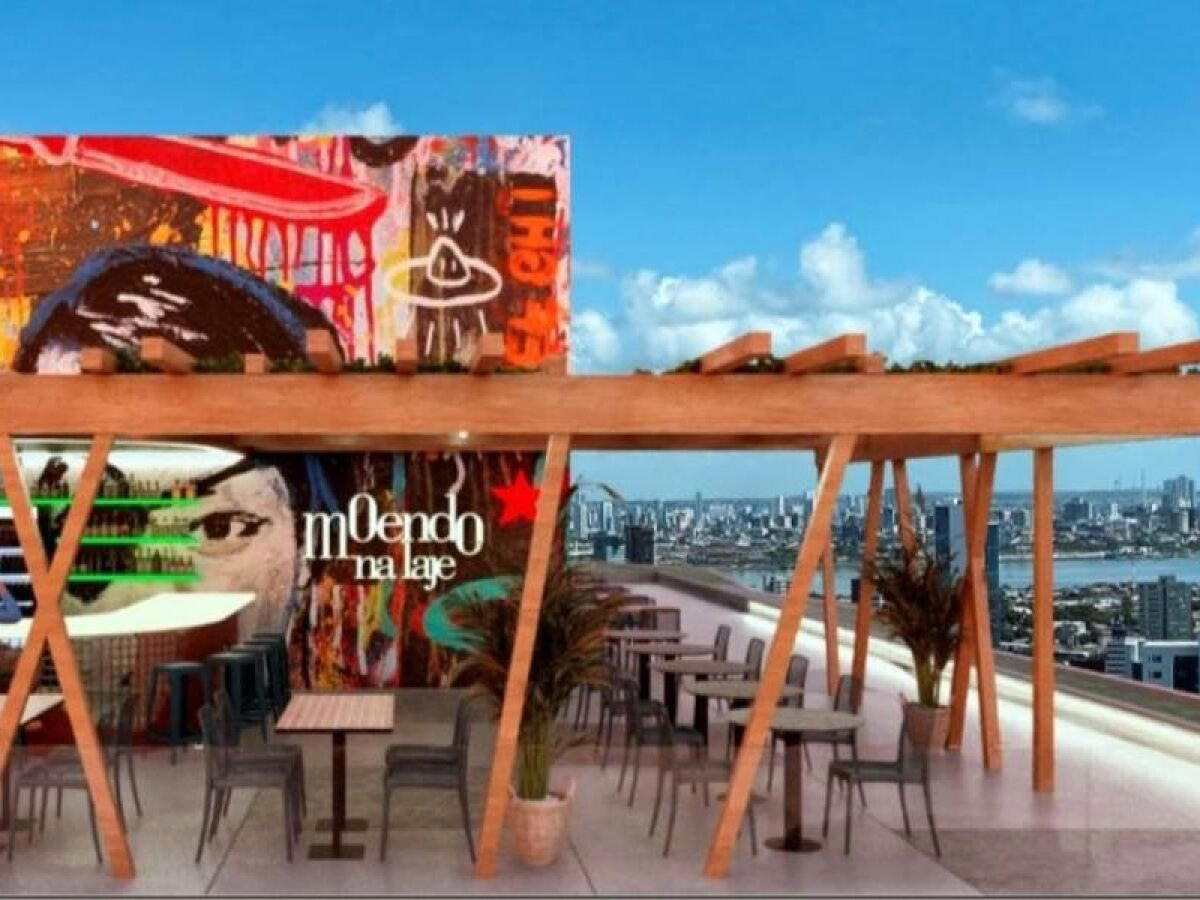
Charming open-air terrace overlooking the Recife skyline in a historic setting.