Our verdict
Pobre Juan Recife sits on Avenida República do Líbano in the Pina neighbourhood, positioning it within one of the city's most active dining corridors. The address places it among Recife's mid-to-upper dining tier, where ingredient sourcing and regional identity increasingly define the conversation. For visitors building a serious picture of Recife's restaurant scene, this address is worth knowing.

Pearl is the En Primeur Club membership app — saves, bookings, and concierge access live there. Same editors, same standards.
- Address
- Av. República do Líbano, 251 - Pina, Recife - PE, 51110-160, Brazil
- Phone
- +558133270862
- Hours
- Mon–Sat 12–10 PMSun 12–9 PM
- Website
- pobrejuan.com.br
- Directions
- Get directions
- Booking
- Book on the venue's website
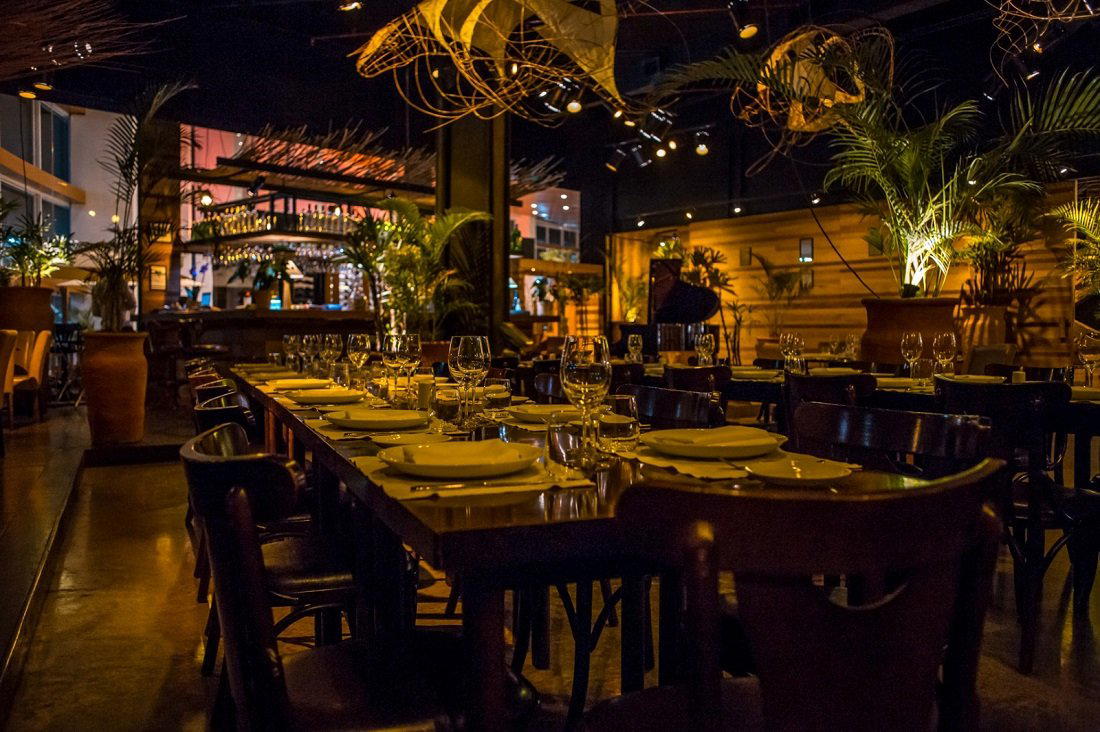
Pina's Dining Corridor and Where Pobre Juan Sits Within It
Avenida República do Líbano runs through Pina, a neighbourhood that has become one of Recife's more consequential addresses for restaurants operating above the casual register. The avenue and its immediate surrounds attract the kind of operation that relies on a regular clientele with considered tastes rather than tourist foot traffic, which shapes both the format and the sourcing logic of the kitchens here. Pobre Juan Recife, at number 251, occupies that address — and in Recife terms, the postcode carries meaning. Pina sits close to Boa Viagem's commercial energy without being absorbed by it, which gives restaurants here a slightly different operating rhythm: less transient, more anchored.
Recife's restaurant scene has been repositioning itself over the past decade. The city draws comparisons with Salvador and Fortaleza as a Northeastern Brazilian dining capital, but it operates with a distinct ingredient logic rooted in the agreste and zona da mata that surround it. Cassava, carne de sol, fresh Atlantic seafood from the reefs off the coast, and the particular heat profile of Pernambuco's spice tradition all form the raw material that better Recife kitchens are working with. The question any address on República do Líbano has to answer is how it connects to that supply chain — or whether it is doing something different and, if so, whether that difference holds up.
The Ingredient Logic Behind Recife's Better Tables
Northeastern Brazil has a more defensible claim to ingredient specificity than most Brazilian regions outside the Amazon. The Atlantic reef system off Recife produces fish and shellfish that rarely travel beyond the state, which means restaurants with direct relationships to the market at Brasília Teresinha or the smaller pier-side operations at Cais de Santa Rita have access to product that simply does not exist in São Paulo or Rio kitchens. At the same time, the agreste hinterland supplies aged cheeses, dried meats, and root vegetables that define the region's more formal cooking traditions. Kitchens that source well here are working with genuinely different raw material than their counterparts further south.
This matters for how you read any Recife restaurant in the mid-to-upper tier. The sourcing question is not cosmetic, it is the structural difference between a kitchen expressing a place and one that could be operating anywhere. Venues like Restaurante Famiglia Giuliano represent the Italian immigrant tradition that runs deep in certain pockets of the city, while Taberna Japonesa Quina do Futuro demonstrates that Recife's dining range extends well beyond regional Northeastern cooking. Both positions are legitimate, but they operate with different sourcing logics. A restaurant in Pina that leans into the local Atlantic and agreste supply chain is making a different argument than one building around imported product or a European culinary framework.
Recife Against the National Picture
Brazil's most formally recognised restaurants remain concentrated in São Paulo and Rio de Janeiro. D.O.M. in São Paulo built its reputation in part by treating Brazilian ingredients as fine dining material rather than regional curiosity, a move that changed how international observers read the country's cooking. Lasai in Rio de Janeiro operates with a similar sourcing discipline, connecting a fine dining format to a specific geographic and agricultural logic. These are the reference points against which serious Northeastern kitchens measure their own ambitions, even if the scale and price tier differ considerably.
Recife operates below that visibility level but not necessarily below the quality threshold. The city's better tables have been developing a more coherent identity around local product, and the Pina corridor is part of that shift. Whether Pobre Juan engages with that conversation directly or positions itself differently is the relevant question for a visitor choosing between it and, say, Restaurante Tomaselli in Espinheiro, which operates from a European culinary lineage. Each represents a distinct answer to what a Recife restaurant in 2024 should be doing.
Brazil Beyond the Major Cities
The gap between Brazil's culinary capitals and its regional cities is narrowing, and that narrowing is visible in addresses like República do Líbano. Across the country, a generation of kitchens has been building more serious sourcing relationships and format discipline outside São Paulo and Rio. Operations as varied as Bistro Fitz Carraldo in Manaus, working with Amazonian ingredients in a city that rarely appears in national food coverage, and Cantina Pozzobon in Santa Maria demonstrate that serious dining intent is not confined to the southeast. The Northeast has its own version of this story, and Recife is its most populated chapter.
For the international visitor, the practical framing matters. Recife sits roughly 2,900 kilometres northeast of São Paulo, operates on Brasília time (UTC-3), and has its own international airport with connections through Guarulhos and direct links to Lisbon. The city is not a detour on a southern Brazil itinerary, it requires its own trip, which means the restaurants you choose carry more weight. Pina is a reasonable base for evening dining, with taxi and app-based transport making it accessible from Boa Viagem hotels without difficulty.
Planning a Visit
República do Líbano, 251, Pina. Walk-in availability on the República do Líbano corridor tends to be stronger on weekday evenings than weekend service, when Pina draws a more consistent local crowd. Building Pobre Juan into a broader Recife evening that includes the surrounding neighbourhood gives the visit more texture than treating it as a standalone stop. The full Recife restaurants guide maps the city's dining geography across neighbourhoods and price tiers, which is worth reading before finalising an itinerary.
Visitors building a serious picture of Brazilian dining across regions may also find useful context in the EP Club coverage of restaurants across the country's more dispersed cities, from Casa da Flor Restaurante in Dourados to Famosa Pizza in Ribeirão Preto, a reminder that Brazil's dining map is far wider than its two dominant cities suggest.
Frequently asked questions
How do I find Pobre Juan Recife?
Pobre Juan Recife is located at Av. República do Líbano, 251 - Pina, Recife - PE, 51110-160, Brazil, Recife.
Is Pobre Juan Recife a good option for visitors who want to eat outside the São Paulo and Rio circuit?
Recife and specifically the Pina neighbourhood on Avenida República do Líbano represent the clearest evidence that Brazil's regional dining is narrowing the gap with its two dominant culinary capitals. Pobre Juan Recife sits within that shift, giving visitors a grounded alternative to the São Paulo–Rio axis. Northeastern Brazil's ingredient specificity, anchored by Atlantic reef seafood and interior larder staples, gives kitchens in this corridor a distinct identity that São Paulo restaurants have historically had to source from afar.
What do regulars order at Pobre Juan Recife?
EP Club does not hold verified menu data for Pobre Juan Recife at time of writing. The restaurant sits on Avenida República do Líbano in Pina, a corridor where kitchens in this part of Recife draw on the Atlantic reef system and northeastern Brazilian pantry. Contacting the venue directly will give you the clearest picture of current signature dishes.
How hard is it to get a table at Pobre Juan Recife?
Pina has become one of Recife's more competitive dining addresses, and restaurants on Avenida República do Líbano attract both local regulars and visitors.
What's Pobre Juan Recife best at?
Pobre Juan Recife operates in a neighbourhood that has earned its reputation through ingredient-driven cooking rooted in the northeastern Brazilian tradition. Pina's dining corridor on Avenida República do Líbano rewards restaurants that work with the region's Atlantic and interior produce rather than replicating São Paulo or Rio templates.
A Quick Peer Check
Comparable venues nearby, for context on price, style, and recognition.
| Venue | Cuisine | Price | Notes |
|---|---|---|---|
| Pobre Juan RecifeThis venue — the venue you are viewing | Argentine Steakhouse | Not listed | Not listed |
| Restaurante Tomaselli - Espinheiro | Traditional Italian Pizza & Pasta | $30–50 | Espinheiro |
| Taberna Japonesa Quina do Futuro | Japanese Sushi | $50–100 | Aflitos |
| Restaurante Famiglia Giuliano | Classic Italian Trattoria | $50–100 | Boa Viagem |
| Maki Sushi | Japanese Sushi Rodízio | Not listed | City Center |
| NAU Frutos do Mar RN | Brazilian Seafood | $30–50 | Capim Macio |
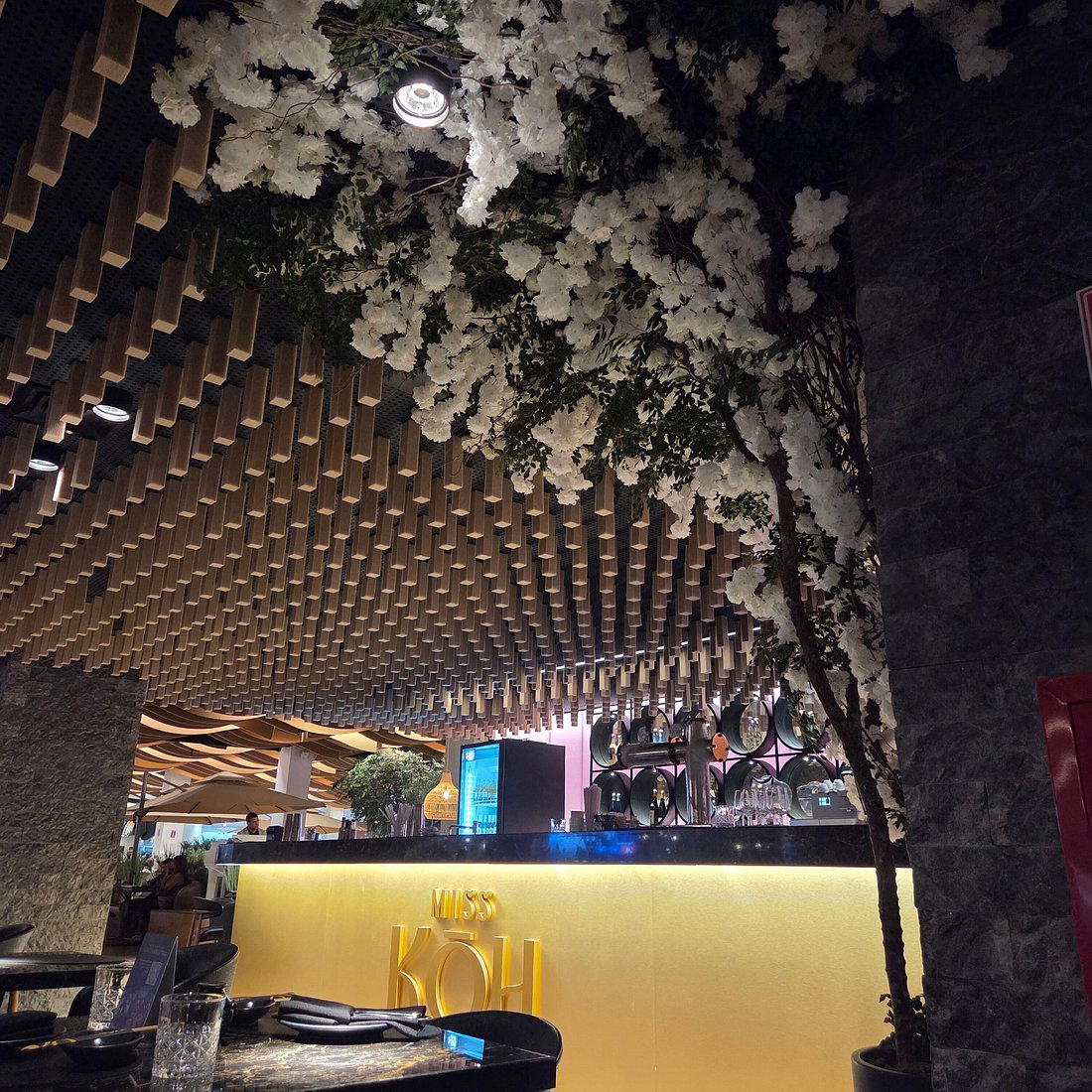
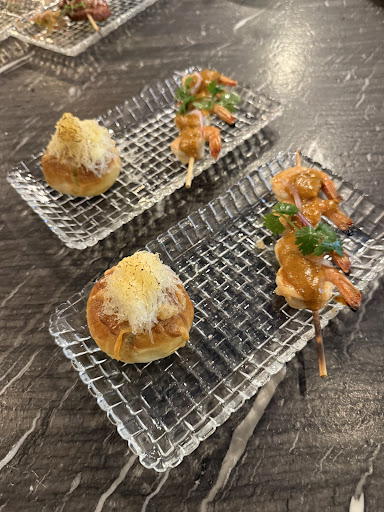
Pobre Juan Recife
The wine
- Wine program
- Exceptional wine program
- Extensive wine list
Details
- Elegant
- Cozy
- Sophisticated
- Business Dinner
- Date Night
- Group Dining
- Private Dining
- Extensive Wine List
- A La Carte
Current opening hours
- Monday
- 12–10 PM
- Tuesday
- 12–10 PM
- Wednesday
- 12–10 PM
- Thursday
- 12–10 PM
- Friday
- 12–10 PM
- Saturday
- 12–10 PM
- Sunday
- 12–9 PM
Hours can change for holidays and private events. Last verified .
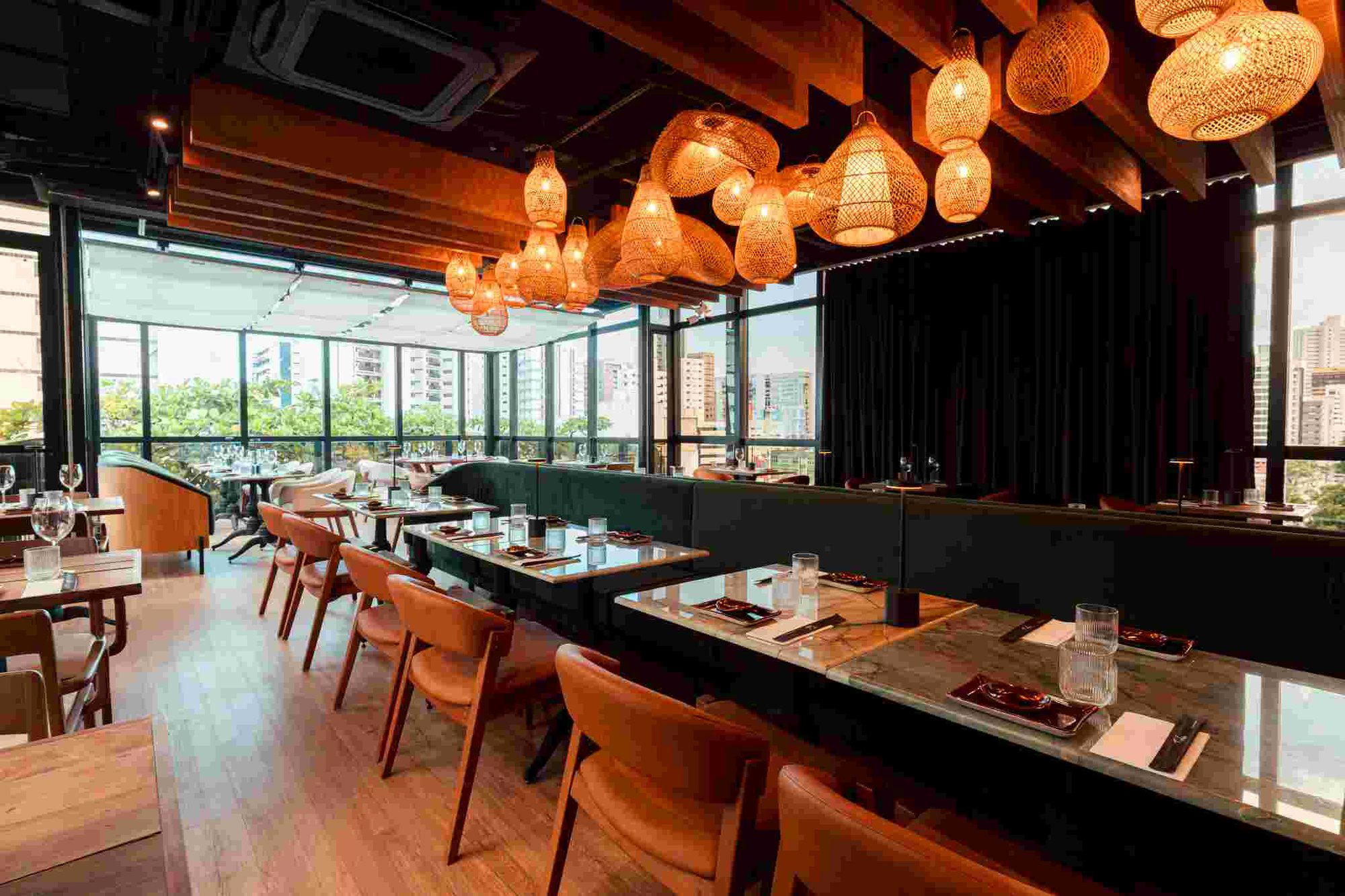
Cozy and elegant atmosphere with beautiful decoration, pleasant open area despite mall location, and professional service.