Our verdict
In Recife's residential Aflitos neighbourhood, Taberna Japonesa Quina do Futuro represents a category that sits at an interesting distance from the city's coastal churrascarias and Italian trattorias: Japanese-inflected taberna dining transplanted into Brazil's Northeast. The address on Rua Xavier Marques places it within a quieter pocket of the city, where neighbourhood character shapes the experience as much as what arrives at the table.

Pearl is the En Primeur Club membership app — saves, bookings, and concierge access live there. Same editors, same standards.
- Address
- R. Xavier Marques, 134 - Aflitos, Recife - PE, 52050-230, Brazil
- Phone
- +558132422553
- Hours
- Mon–Fri 11:30 AM–3 PM, 6–11 PMSat 12–3:30 PM, 6–11 PMSun Closed
- Website
- quinadofuturo.com.br
- Directions
- Get directions
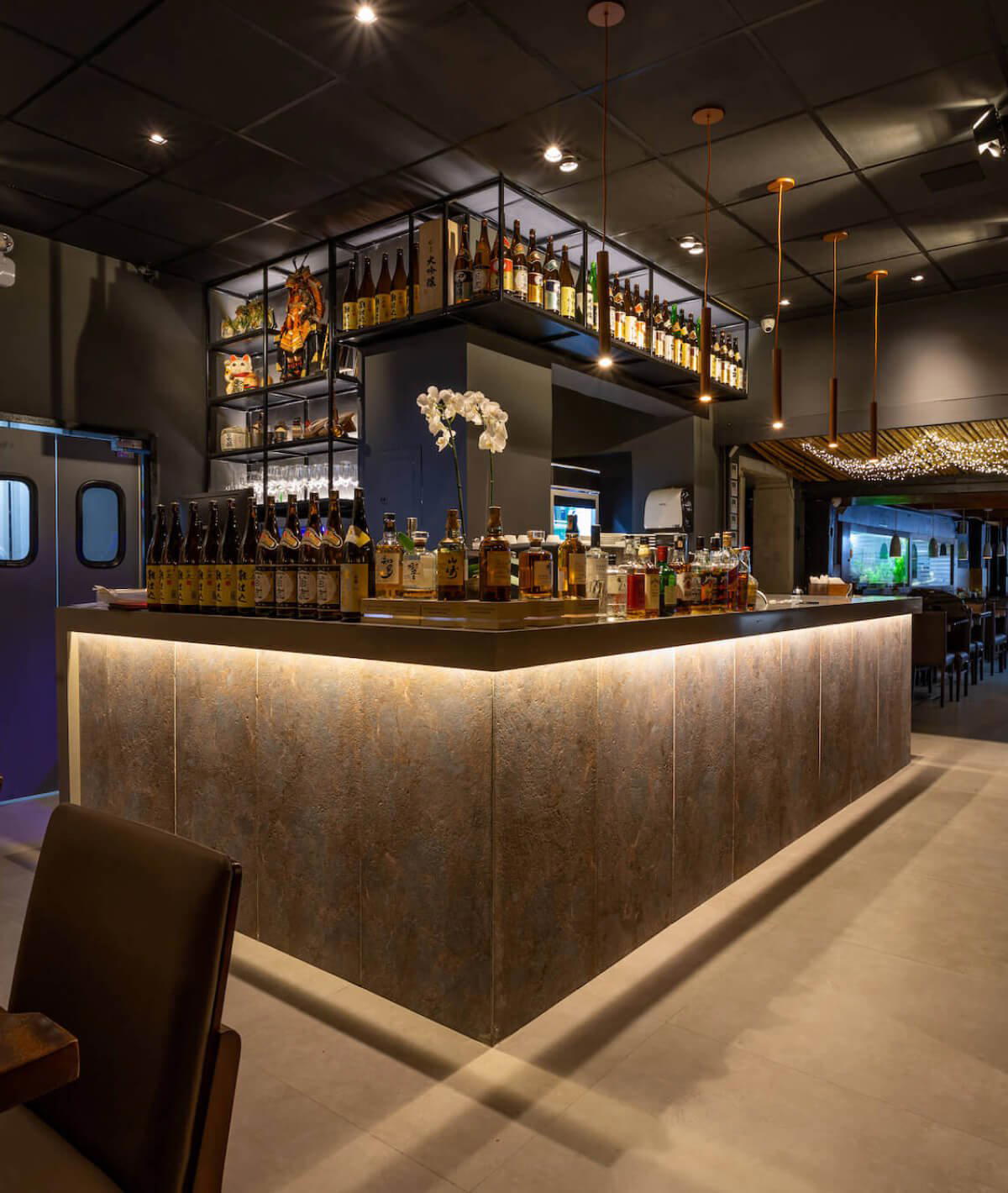
The menu
What to order
- Sashimi gyoza
- Sukiyaki
- Special sushis
Where Aflitos Sets the Tone
Recife's dining geography divides fairly cleanly between the waterfront circuits of Boa Viagem and Pina, the heritage corridor of Boa Vista, and the quieter residential streets that run uphill through Aflitos and Graças. Taberna Japonesa Quina do Futuro sits in that third zone, on Rua Xavier Marques, a street that carries the tempo of a neighbourhood rather than a dining district. That placement is not incidental. In cities across Brazil, Japanese-influenced restaurants that position themselves in residential pockets tend to operate on a different register than their counterparts in commercial strips: lower ambient noise, a more local-facing clientele, and a format calibrated for return visits rather than tourist throughput.
The Aflitos neighbourhood has historically attracted the kind of Recife resident who is less interested in being seen at a destination address and more interested in a consistent local table. That social geography matters when reading what a venue like this is doing and who it is doing it for. It belongs to a Brazilian dining tradition of the neighbourhood taberna as a third place, somewhere between a formal restaurant and a casual bar, where the format allows for wine, small plates, and extended evenings without the structural rigidity of a tasting menu or the chaos of a busy gastrobar.
Japanese Inflection in a Northeastern Brazilian Setting
Brazil's relationship with Japanese cuisine is longer and more structurally embedded than most outside the country appreciate. The São Paulo region, home to the largest Japanese diaspora outside Japan, shaped a Brazilian-Japanese culinary grammar that has since dispersed outward into cities like Recife, Fortaleza, and Natal. At the premium end, operations like Atomix in New York City or Le Bernardin in New York City show how Asian and European culinary traditions can fuse at a high technical register. In Brazil, that conversation is more relaxed, more creolised, and more focused on the pleasure of the table than on technical demonstration.
A venue calling itself a taberna japonesa is staking a particular position in that conversation. The taberna format signals informality, generosity, and depth of choice over precision plating. The Japanese qualifier signals a cuisine orientation that in Recife still operates as a counterpoint to the dominant local grids of churrasco, moqueca, and seafood-heavy Northeastern cooking. That combination places this address in an interesting competitive position relative to the more established Recife dining circuit. For context on that circuit, the Argentine-influenced Pobre Juan Recife, the Italian register of Restaurante Famiglia Giuliano, and the neighbourhood-anchored Restaurante Tomaselli - Espinheiro each occupy distinct cuisine lanes. A Japanese taberna represents a different lane entirely.
Across Brazil more broadly, the premium Japanese dining tier has been shaped by venues in the major urban centres. D.O.M. in São Paulo and Lasai in Rio de Janeiro anchor the national conversation around fine dining with Brazilian ingredients. The taberna format sits below that tier deliberately, trading technical ambition for accessibility and frequency. It is a format that survives on regulars.
The Neighbourhood Taberna as a Dining Form
The taberna model, borrowed from Iberian tradition and long naturalised across Latin America, works when the neighbourhood supports it. Aflitos has the density and demographic profile that sustains this kind of operation: a mix of older residents, young professionals, and families who treat the area's restaurants as community infrastructure rather than occasional destinations. Across Brazilian cities, this pattern repeats in neighbourhoods like Santa Teresa in Rio, Vila Madalena in São Paulo, and the historic residential quarters of Salvador. The format's survival depends less on national reputation and more on whether the kitchen and the room reward the third visit as much as the first.
The Japanese taberna format specifically tends toward a menu built around izakaya-adjacent logic: multiple small plates designed for sharing, a drinks list weighted toward sake, Japanese whisky, or locally adapted cocktails, and a pacing that allows the table to extend the evening without structural pressure. For other examples of Japanese-adjacent dining in Brazil's interior and smaller cities, Kampeki Sushi in Canoas shows how the cuisine category has dispersed well beyond the Southeast.
Reading the Address
Rua Xavier Marques 134 in Aflitos is not a difficult address to reach from Recife's main hotel zones, which cluster primarily in Boa Viagem to the south and the historic centre to the east. The distance from the waterfront strip means this is not a venue that benefits from passing foot traffic; it draws deliberately and depends on word of mouth and repeat custom. That structural reality shapes what the operation needs to deliver. Venues in this position across Brazilian cities tend to invest in consistency and hospitality depth rather than visual spectacle, because the clientele returning on a Wednesday evening is not there for novelty.
For visitors building a broader Recife itinerary, the full Recife restaurants guide maps the city's dining geography more completely. The Aflitos area rewards those willing to move beyond the Boa Viagem dining strip, which, while convenient, represents a more predictable selection of the city's cuisine range. Other Brazilian destinations with strong neighbourhood dining traditions include the residential corners covered in guides to venues like Bistro Fitz Carraldo in Manaus and Cantina Pozzobon in Santa Maria, each of which reflects how Brazilian dining vitality concentrates in places that prioritise local use over visitor throughput.
Planning Your Visit
The address at Rua Xavier Marques, 134 in the Aflitos district of Recife is the confirmed location. Visitors planning around this part of the city should treat the surrounding neighbourhood as part of the experience: Aflitos moves at a quieter pace than the commercial restaurant corridors, and arriving on foot or by rideshare gives a better read of the local character than arriving by taxi from a hotel zone. Given the taberna format and residential setting, evenings are the more natural fit. Checking current hours through local search tools or by direct contact before visiting is advisable, as neighbourhood-facing operations of this type often run shorter lunch services or adjust schedules seasonally.
Frequently asked questions
Is Taberna Japonesa Quina do Futuro suitable for children?
The taberna format at Rua Xavier Marques 134 in Aflitos tends toward an adult neighbourhood dining atmosphere rather than a family-casual setting. Japanese-inflected menus in this mould typically feature shared plates and counter-style service, which can suit older children comfortable with that format.
What's the vibe at Taberna Japonesa Quina do Futuro?
Aflitos is one of Recife's quieter residential neighbourhoods, removed from the beachfront circuit of Boa Viagem, and that geography shapes the atmosphere here. The taberna model implies a low-key, local register: a place built around repeat custom rather than spectacle. The Japanese inflection adds a counter-culture precision to what is otherwise a neighbourhood room.
How does Taberna Japonesa Quina do Futuro fit into Recife's Japanese dining scene?
Recife has a smaller Japanese dining footprint than São Paulo or Curitiba, cities shaped by over a century of Japanese immigration to Brazil, which makes a dedicated Japanese-inflected taberna in Aflitos a fairly distinctive proposition in Pernambuco's capital. The venue's address on Rua Xavier Marques 134 places it in a residential neighbourhood rather than a tourist or commercial corridor, suggesting a model built around local regulars rather than passing trade. For those tracking Nikkei cuisine across Brazil's regions, Quina do Futuro represents the format operating well outside its established São Paulo heartland.
What dish is Taberna Japonesa Quina do Futuro famous for?
Given the Nikkei positioning within a taberna format in Recife, the menu likely draws on Brazil's deep Japanese culinary tradition, where local northeastern ingredients meet Japanese technique. For the most accurate picture, reaching out to the venue directly is the practical route.
What part of town is Taberna Japonesa Quina do Futuro in?
Taberna Japonesa Quina do Futuro is located at R. Xavier Marques, 134 - Aflitos, Recife - PE, 52050-230, Brazil, Recife.
Is Taberna Japonesa Quina do Futuro reservation-only?
Neighbourhood tabernas in Recife vary considerably: some operate on a walk-in basis while others, particularly those with limited covers, require advance reservation. Given the Aflitos address and the venue's apparent local following, checking directly before visiting is advisable.
What's the defining dish or idea at Taberna Japonesa Quina do Futuro?
The defining concept appears to be the meeting point of Iberian taberna culture and Japanese culinary logic within a Northeastern Brazilian context. Recife sits outside the São Paulo axis where Brazil's Nikkei restaurant scene is most concentrated, which makes this Aflitos address a relatively unusual proposition in the city. The venue's name itself signals a forward-looking posture — 'Quina do Futuro' translates loosely as 'Corner of the Future.'
At a Glance
Comparable venues nearby, for context on price, style, and recognition.
| Venue | Cuisine | Price | Notes |
|---|---|---|---|
| Taberna Japonesa Quina do FuturoThis venue — the venue you are viewing | Japanese Sushi | $50–100 | Not listed |
| Restaurante Famiglia Giuliano | Classic Italian Trattoria | $50–100 | Boa Viagem, Classic Italian Trattoria |
| Pobre Juan Recife | Argentine Steakhouse | Not listed | Pina, Argentine Steakhouse |
| Restaurante Tomaselli - Espinheiro | Traditional Italian Pizza & Pasta | $30–50 | Espinheiro, Traditional Italian Pizza & Pasta |
| Koni Store | Japanese Hand Rolls (Konis) | $10–20 | Asa Sul, Japanese Hand Rolls (Konis) |
| Oficina do Sabor | Sophisticated Pernambuco Brazilian Seafood | Not listed | Amparo, Sophisticated Pernambuco Brazilian Seafood |
Details
- Elegant
- Intimate
- Sophisticated
- Date Night
- Open Kitchen
- Local Sourcing
- A La Carte
- Vegetarian Friendly
- Gluten Free Options
Current opening hours
- Monday
- 11:30 AM–3 PM, 6–11 PM
- Tuesday
- 11:30 AM–3 PM, 6–11 PM
- Wednesday
- 11:30 AM–3 PM, 6–11 PM
- Thursday
- 11:30 AM–3 PM, 6–11 PM
- Friday
- 11:30 AM–3 PM, 6–11 PM
- Saturday
- 12–3:30 PM, 6–11 PM
- Sunday
- Closed
Hours can change for holidays and private events. Last verified .
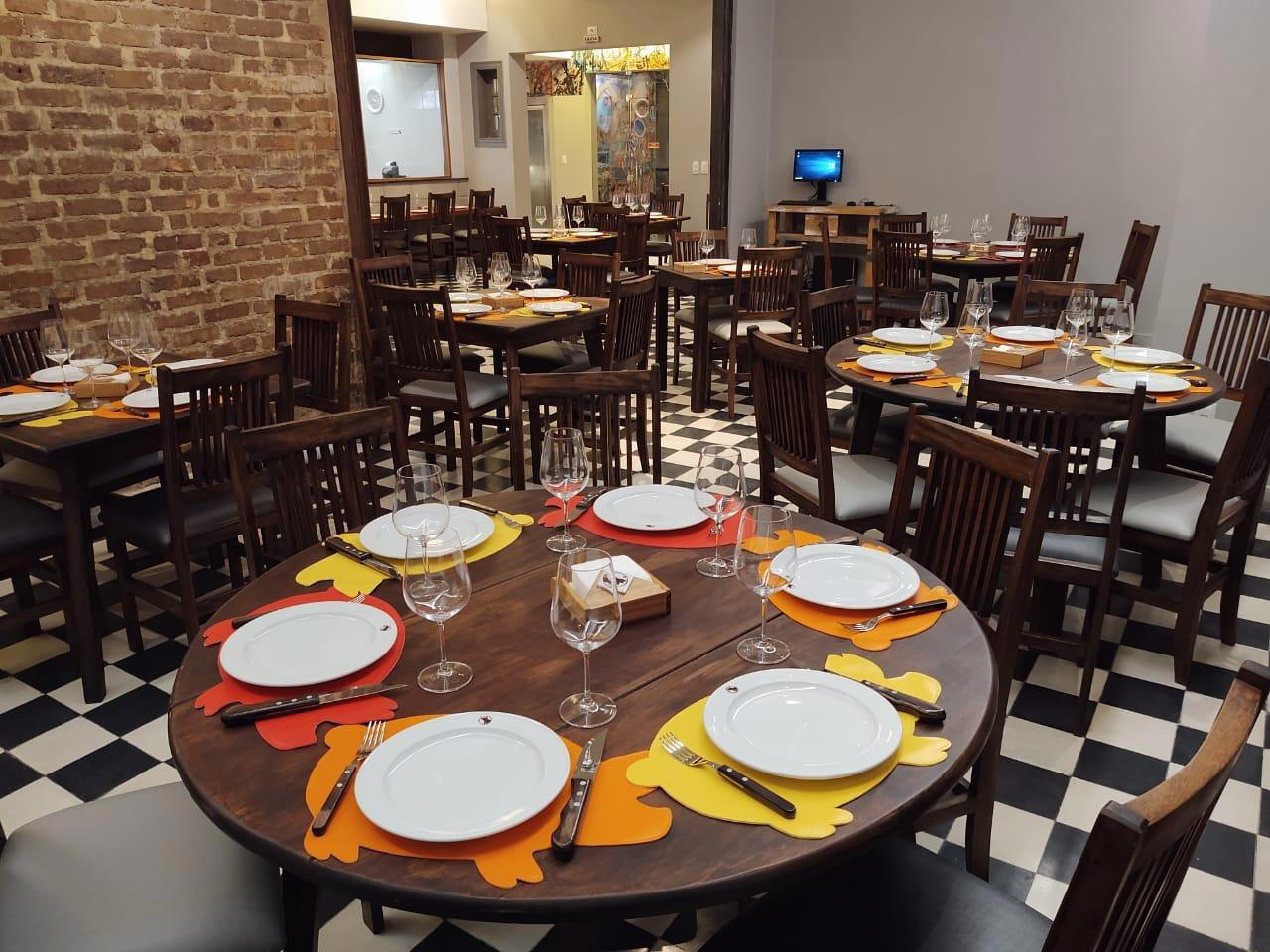
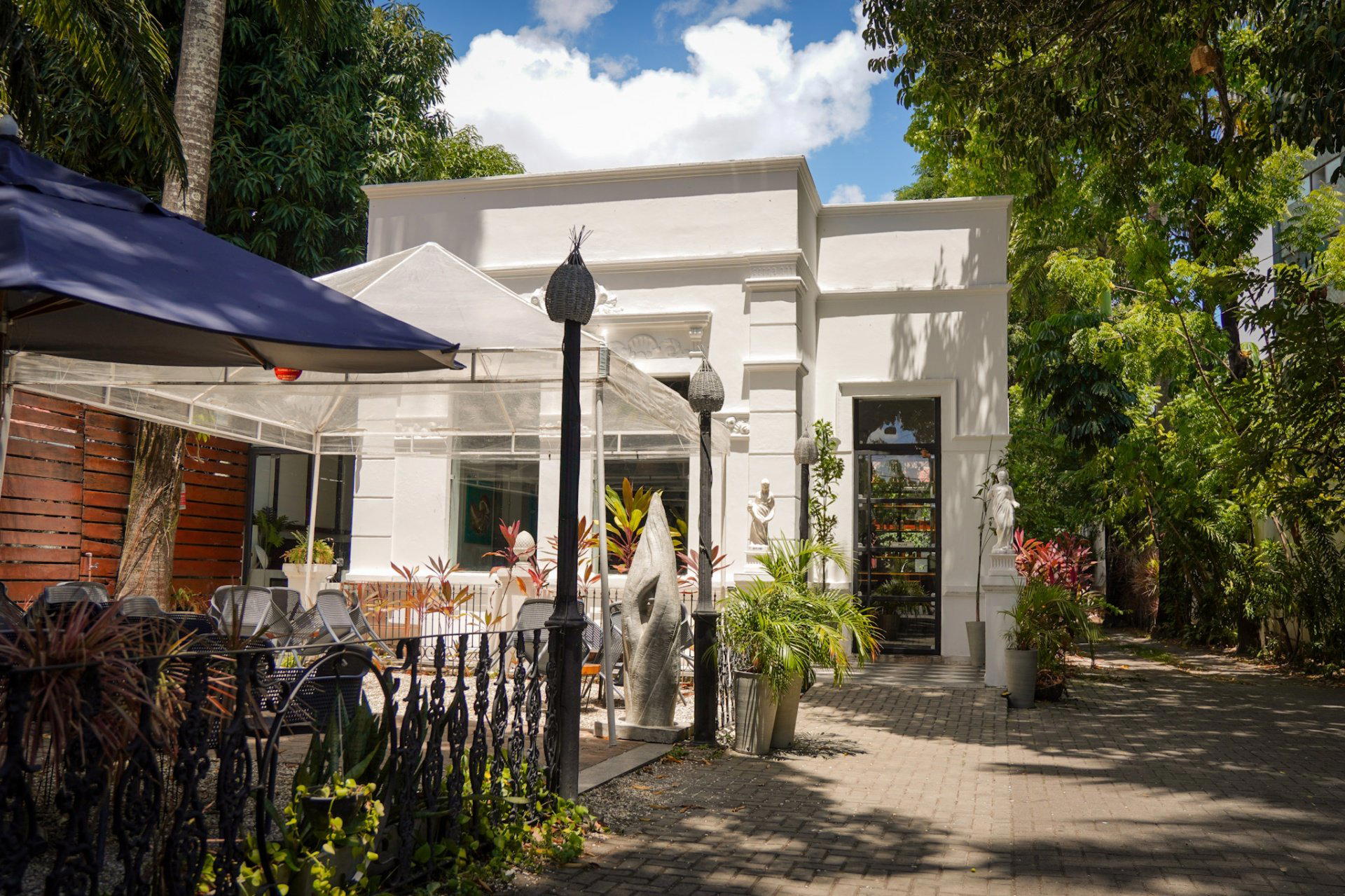
Sensual black-and-red dining room featuring an enormous aquarium and Japanese decorative elements.