Our verdict
On Avenida Engenheiro Domingos Ferreira in Boa Viagem, Restaurante Famiglia Giuliano brings the Italian-Brazilian dining tradition that shaped southern Brazil's immigrant communities to Recife's most cosmopolitan beachfront district. The restaurant sits within a dining corridor where European-lineage kitchens operate alongside the Northeast's own strong culinary identity, making it a point of comparison for anyone mapping the city's full range.

Pearl is the En Primeur Club membership app — saves, bookings, and concierge access live there. Same editors, same standards.
- Address
- Av. Eng. Domingos Ferreira, 3972 - Boa Viagem, Recife - PE, 51020-030, Brazil
- Phone
- +5581992014115
- Hours
- Mon ClosedTue–Fri 6 PM–12 AMSat–Sun 12–4 PM, 6–11 PM
- Website
- famigliagiuliano.com
- Directions
- Get directions
The menu
What to order
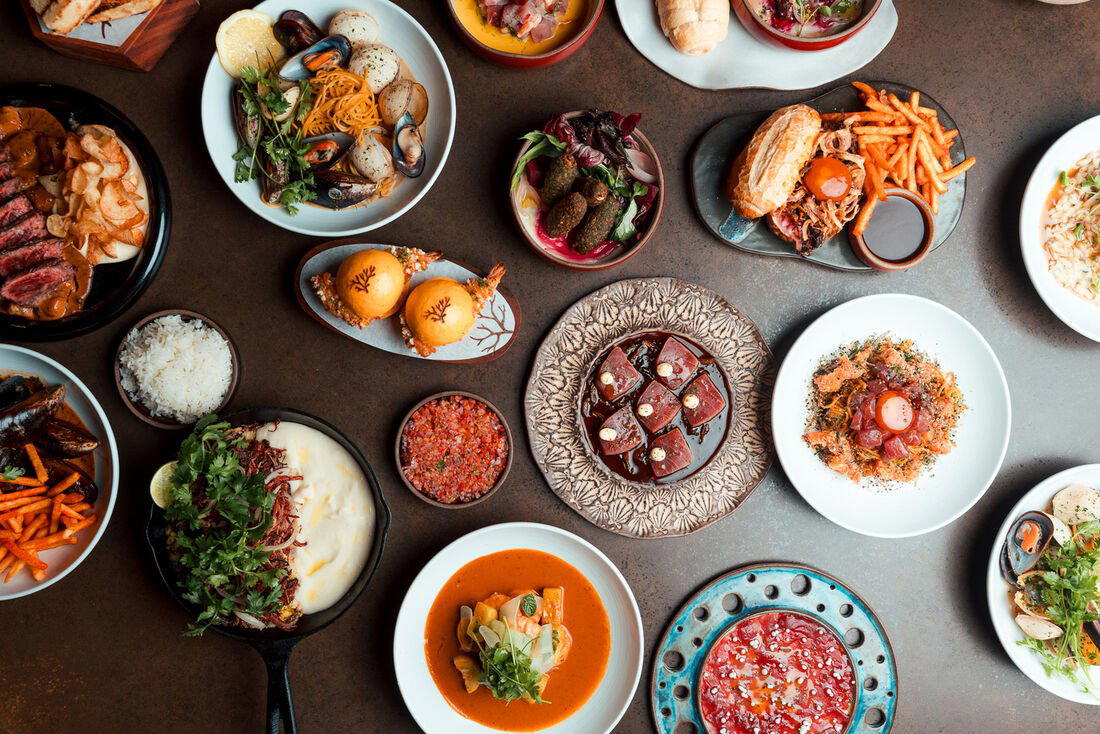
- Lasagna
- Carbonara
- Mignon ravioli
- Mushroom risotto
- Pizza
Italian Roots in a Northeastern City
Boa Viagem is Recife's most commercially active residential district, a long stretch of beachfront avenue lined with apartment towers, shopping centres, and a restaurant density that reflects the neighbourhood's middle-to-upper-middle-class population. Avenida Engenheiro Domingos Ferreira, where Famiglia Giuliano sits at number 3972, is one of the area's main dining arteries. The setting matters because it tells you something about the kind of restaurant this is: a neighbourhood anchor operating in a competitive, streetwise environment rather than a destination-only address tucked behind a hotel lobby.
Italian-Brazilian cuisine occupies a distinct place in Brazil's food culture that is easy to underestimate if your reference point is São Paulo or Rio. The Italian immigration waves that arrived in Rio Grande do Sul and Santa Catarina from the 1870s onward produced a regional kitchen that is simultaneously Italian in structure and Brazilian in ingredient logic. Pasta is hand-rolled. Sauces lean on slow reduction. The dining format is familial in the fullest sense: large portions, shared tables, long meals. Restaurants like Cantina Pozzobon in Santa Maria represent that southern Brazilian cantina tradition at its most rooted. When that same tradition appears in Recife, it arrives carrying cultural freight from a different region of the country entirely.
That displacement is part of what makes Famiglia Giuliano worth understanding. Recife's own culinary identity is built on Afro-Brazilian technique, fresh Atlantic seafood, cassava-based preparations, and the spice logic of the agreste and sertão. Italian-Brazilian cooking does not slot naturally into that tradition; it arrives as a counterpoint. The fact that this kind of restaurant sustains itself on Domingos Ferreira says something about how Recife's dining public has diversified, particularly in Boa Viagem, where appetite for European-lineage cooking has grown alongside the neighbourhood's economic weight.
The Cantina Format and What It Implies
The word "famiglia" in a restaurant name is a signal, not just a branding choice. Across Brazilian Italian restaurants, the family-format dining model carries specific implications: generous portion sizing calibrated for sharing, a menu that rewards regulars over first-timers, and a kitchen philosophy that prioritises consistency and abundance over innovation and restraint. This is not the lean, contemporary Italian cooking that has defined places like Lasai in Rio de Janeiro or the tasting-menu ambitions of D.O.M. in São Paulo. It belongs to an older and arguably more durable tradition.
In that older tradition, the dining room is not curated for Instagram. Tables are set for conversations that run long. The wine list, typically dominated by Argentine Malbec and Brazilian Serra Gaúcha reds, is priced to encourage a second bottle rather than to showcase the sommelier's range. Dishes like house-made pasta in meat ragù, grilled proteins with simple accompaniments, and tiramisu as a genuine staple rather than a nostalgic gesture are the architecture of this kind of menu. The format sits in a different competitive tier than Recife's contemporary fine-dining addresses; it competes instead with other European-tradition comfort restaurants in Boa Viagem, a set that includes Restaurante Tomaselli in Espinheiro and the broader cluster of neighbourhood restaurants in the district.
Where Famiglia Giuliano Sits in Recife's Dining Map
Recife's restaurant scene has developed a genuinely layered character over the past decade. At one end, there are churrascarias and steakhouses in the mode of Pobre Juan, where the format is Brazilian-Argentine in inspiration and the dining experience is built around protein quality and live-fire technique. At another end, there are specialty venues like Taberna Japonesa Quina do Futuro, which demonstrate that Recife's dining public will support precisely executed non-Brazilian cuisines. Famiglia Giuliano sits between those poles, in the comfort-dining register that most cities need more of but rarely celebrate in editorial coverage.
The Boa Viagem location carries logistical advantages. The neighbourhood is walkable from the major beachfront hotels that serve business and leisure travellers, and the avenue has reliable taxi and app-based transport access at all dining hours. For visitors staying in Boa Viagem, Famiglia Giuliano represents the kind of evening meal that does not require advance planning or a fixed tasting-menu commitment: a dinner at a neighbourhood Italian restaurant in a city where that option is less common than it would be in São Paulo or Porto Alegre.
Comparisons elsewhere in Brazil's interior and secondary cities are instructive. Restaurants like Aero Burguer e Grill in Santa Cruz do Sul, Bistro Fitz Carraldo in Manaus, or Casa da Flor Restaurante in Dourados illustrate how regional Brazilian cities each develop their own hybrid dining logic, absorbing European-lineage formats and adapting them to local clientele. Famiglia Giuliano is Recife's version of that same negotiation.
Planning Your Visit
Avenida Engenheiro Domingos Ferreira is accessible from most Boa Viagem addresses on foot or by a short ride. The restaurant's address at number 3972 places it in the mid-section of the avenue, away from the busiest commercial clusters near the beach access points but well within the neighbourhood's active dining corridor. Given that no booking data is publicly available at this time, visiting during off-peak hours on weekdays is a reasonable strategy if you prefer a quieter room; weekend evenings in Boa Viagem tend to be lively across all price tiers. For the broader picture of where Famiglia Giuliano fits among Recife's full range of restaurants, our full Recife restaurants guide maps the city's dining options by neighbourhood and cuisine type.
Visitors who want to benchmark Italian-Brazilian cooking against other cantina traditions operating in Brazilian cities should note that Fornazzo Pizzaria in Passo Fundo and Famosa Pizza in Ribeirão Preto represent how the Italian-Brazilian format diversifies across regions. The cantina end of that spectrum, which Famiglia Giuliano occupies in Recife, is distinct from the pizzeria format in its emphasis on slow-cooked pasta sauces and multi-course meal structure rather than individual-serve items. That distinction matters when choosing where a particular evening's appetite and social format leading fit.
Frequently asked questions
Where do I go for Restaurante Famiglia Giuliano?
Restaurante Famiglia Giuliano is located at Av. Eng. Domingos Ferreira, 3972 - Boa Viagem, Recife - PE, 51020-030, Brazil, Recife.
Is Restaurante Famiglia Giuliano a good option for group dinners in Recife?
The family-format cantina model is structurally well-suited to group dining: shared plates, table-centred service, and a relaxed pace are built into the format rather than added as an accommodation. Restaurante Famiglia Giuliano sits on Av. Eng. Domingos Ferreira in Boa Viagem, Recife's most densely residential beachfront district, which makes it a practical gathering point for groups spread across the neighbourhood. For larger parties, contacting the venue in advance to confirm capacity and any set-menu options is advisable.
What do regulars order at Restaurante Famiglia Giuliano?
The cantina format that defines family-style Italian restaurants in Brazil typically centres on pasta, slow-cooked sauces, and shared plates meant for the table rather than individual portions. At Boa Viagem addresses like this one on Av. Eng. Domingos Ferreira, neighbourhood regulars tend to return for the comfort of familiar, repeated dishes rather than rotating menus.
What makes Restaurante Famiglia Giuliano worth seeking out?
Recife's dining scene has grown considerably more layered over the past decade, and Italian cantinas with a genuine family-format identity occupy a specific and consistent niche within it. Restaurante Famiglia Giuliano operates on Av. Eng. Domingos Ferreira in Boa Viagem, which is the district's main commercial artery and accessible from most of the neighbourhood's residential addresses. The "famiglia" framing signals a dining model built around table-centred service and repeatable comfort rather than chef-driven experimentation, which is a deliberate positioning in a city where that register has its own loyal audience.
Can Restaurante Famiglia Giuliano handle vegetarian requests?
Italian cantina kitchens in Brazil typically carry a workable range of pasta and vegetable-based preparations that translate readily to vegetarian plates, though the depth of that offer varies by kitchen. The Boa Viagem address at number 3972 on Av. Eng. Domingos Ferreira makes it easy to reach from most parts of the district if you need to check in person.
Cost and Credentials
Comparable venues nearby, for context on price, style, and recognition.
| Venue | Cuisine | Price | Notes |
|---|---|---|---|
| Restaurante Famiglia GiulianoThis venue — the venue you are viewing | Classic Italian Trattoria | $50–100 | Not listed |
| Restaurante Tomaselli - Espinheiro | Traditional Italian Pizza & Pasta | $30–50 | Espinheiro, Traditional Italian Pizza & Pasta |
| Pobre Juan Recife | Argentine Steakhouse | Not listed | Pina, Argentine Steakhouse |
| Taberna Japonesa Quina do Futuro | Japanese Sushi | $50–100 | Aflitos, Japanese Sushi |
| Roberta Sudbrack | Modern Brazilian | Not listed | Jardim Botânico, Modern Brazilian |
| Oficina do Sabor | Sophisticated Pernambuco Brazilian Seafood | Not listed | Amparo, Sophisticated Pernambuco Brazilian Seafood |
Details
- Romantic
- Elegant
- Classic
- Cozy
- Date Night
- Special Occasion
- Celebration
- Group Dining
- Family
- Live Music
- Private Dining
- Historic Building
- Design Destination
- Extensive Wine List
- Garden
- A La Carte
- Family Style
- Wine
- Beer
- Vegetarian Friendly
Current opening hours
- Monday
- Closed
- Tuesday
- 6 PM–12 AM
- Wednesday
- 6 PM–12 AM
- Thursday
- 6 PM–12 AM
- Friday
- 6 PM–12 AM
- Saturday
- 12–4 PM, 6–11 PM
- Sunday
- 12–4 PM, 6–11 PM
Hours can change for holidays and private events. Last verified .
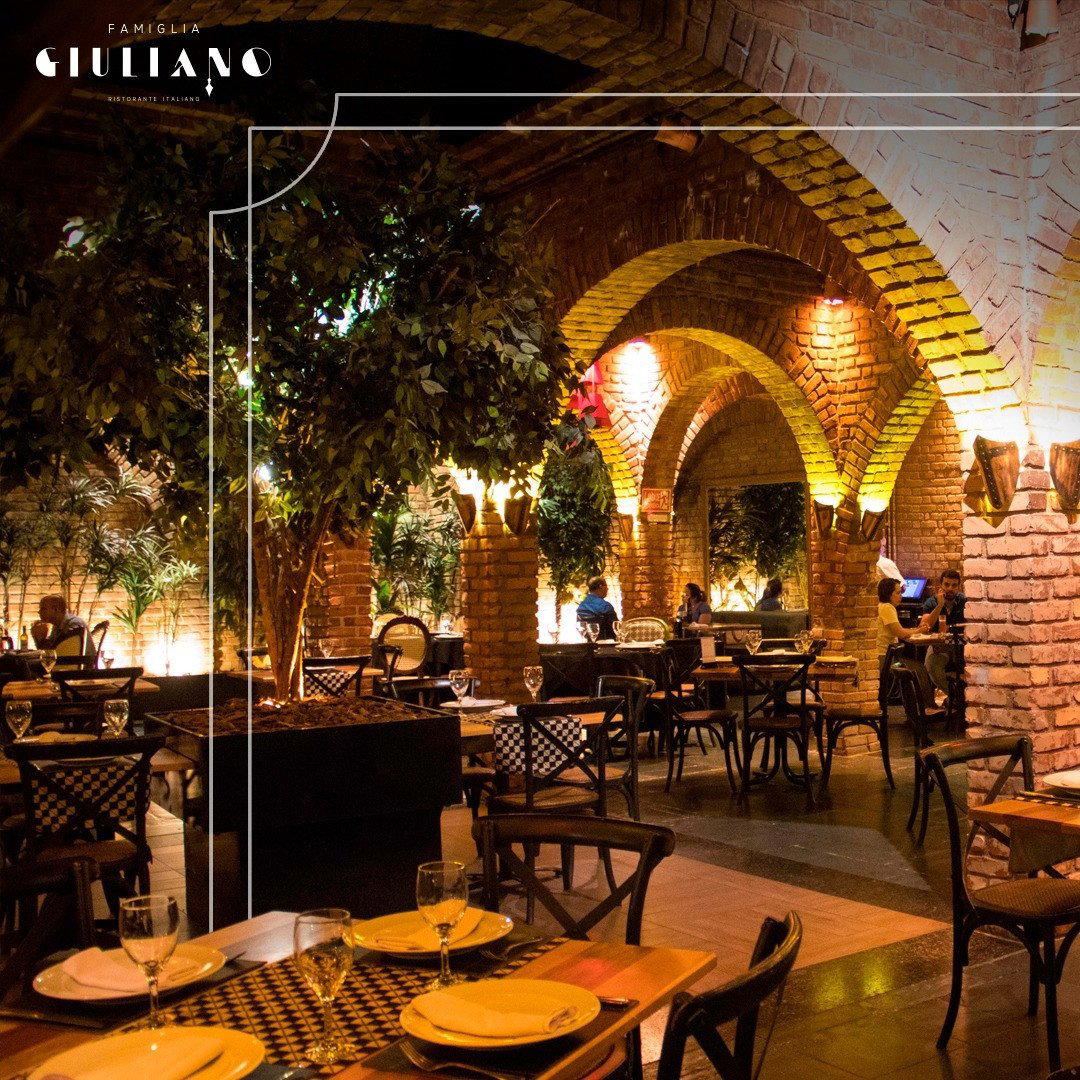
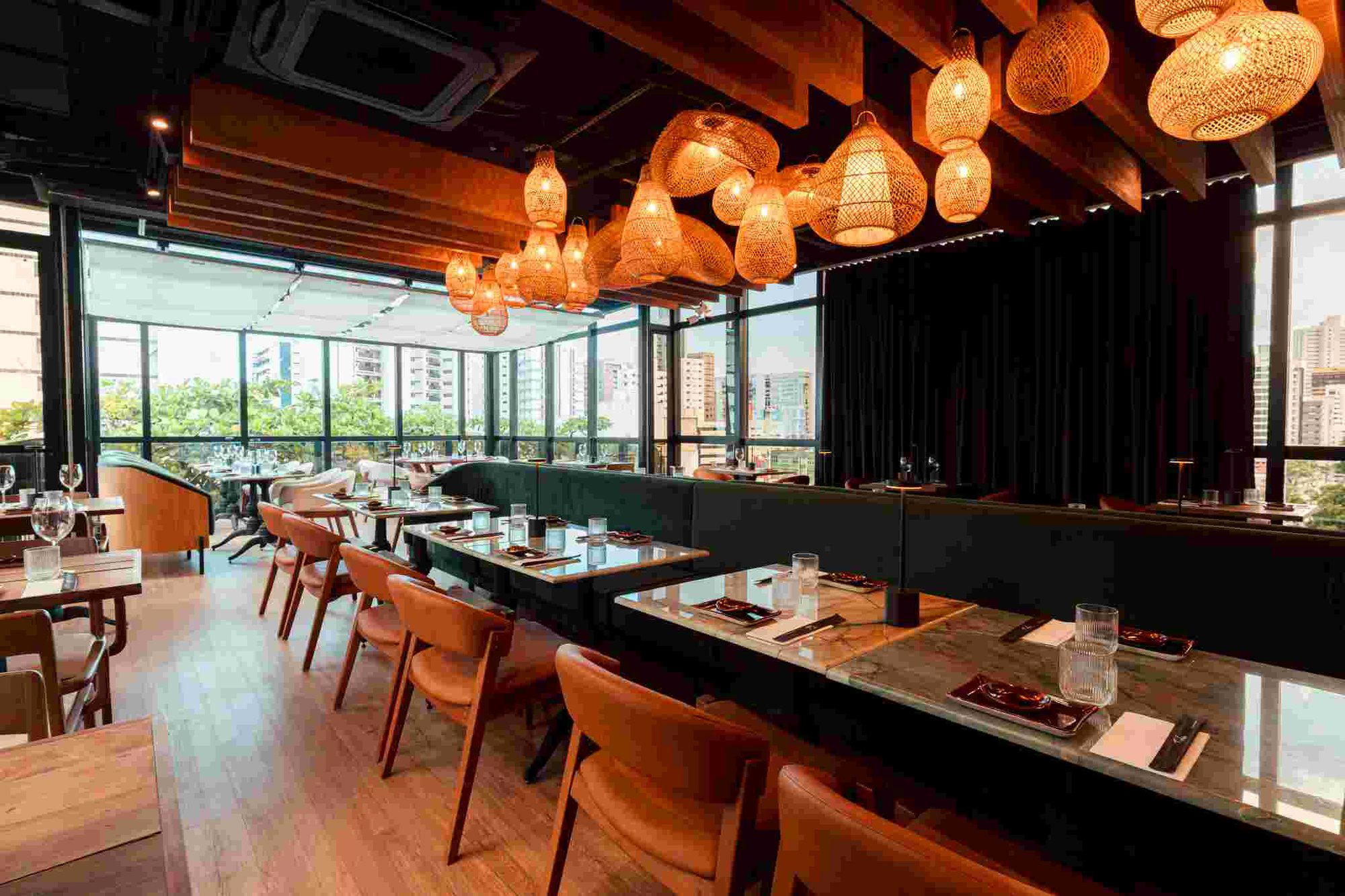
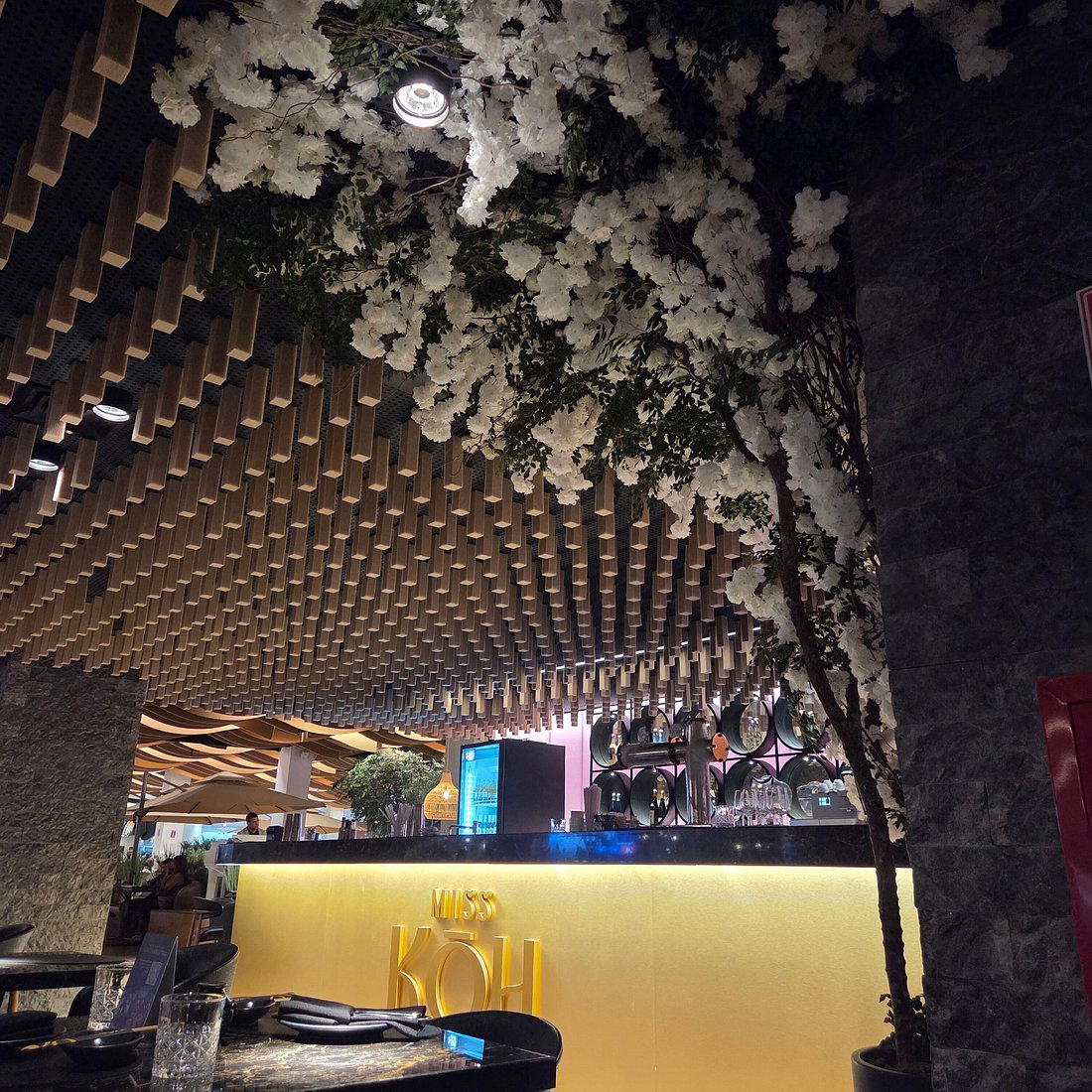
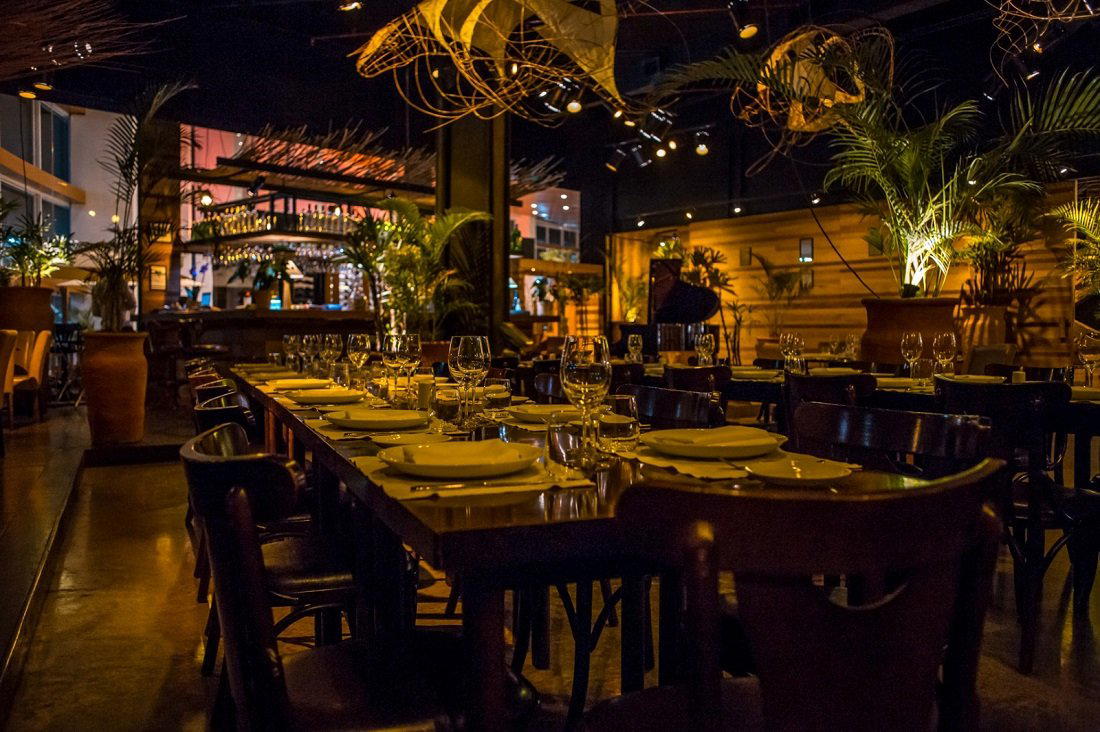
Soft, intimate lighting with ambient piano music and half-light throughout the castle-themed interior; modern decor contrasts with arched brick architecture creating a light yet romantic atmosphere.