Our verdict
A temakeria on Rua Imperial in Vitória de Santo Antão, Kyō Temakeria brings Japan's hand-roll format to the interior of Pernambuco, a state better known for carne de sol and baião de dois than sushi rice. The address places it squarely in the Matriz district, where informal dining rooms and local ingredients tend to define the offer rather than imported protocols.

Pearl is the En Primeur Club membership app — saves, bookings, and concierge access live there. Same editors, same standards.
- Address
- R. Imperial, 236 - Matriz, Vitória de Santo Antão - PE, 55602-020, Brazil
- Phone
- +5581988903086
- Hours
- Mon–Thu 11:30 AM–2 PM, 5:30–10 PMFri–Sun 11:30 AM–2 PM, 5:30–11 PM
- Website
- kyotemakeria.com.br
- Directions
- Get directions
Japan's Hand-Roll Format Meets Pernambuco's Interior
Brazil's temakeria format — walk-in counters serving large, cone-shaped hand rolls — spread outward from São Paulo's Liberdade neighbourhood over the past two decades, reaching mid-sized cities across every region. In Pernambuco's interior, that diffusion has landed in places where the raw-fish tradition sits alongside a strong regional food identity: sun-dried meats, fermented corn, and produce that travels shorter distances than anything leaving a coastal port. Kyō Temakeria, on Rua Imperial in the Matriz district of Vitória de Santo Antão, operates within that tension, in a city that produces some of the Northeast's most valued sugarcane-derived ingredients and sits roughly 50 kilometres west of Recife.
The address, R. Imperial, 236, puts the restaurant in one of the older commercial arteries of a municipality that traces its settlement to the colonial sugar economy. That context matters when thinking about ingredient sourcing: the agricultural hinterland around Vitória de Santo Antão supplies fresh produce to Recife's markets and to local kitchens alike, which means a temakeria at this address has closer access to tropical vegetables, tropical fruits, and freshwater fish than its equivalents in a coastal capital would to their own local fisheries.
The Temakeria Format in the Brazilian Interior
Understanding what Kyō Temakeria is requires understanding what a temakeria is in Brazil's dining taxonomy. The format is distinct from omakase sushi, distinct from a rotating sashimi bar, and distinct from delivery-only operations. A temakeria is a sit-down or counter service space built around hand rolls, typically ordered à la carte or through a fixed combination, assembled to order in front of the customer. Portions are generous by Japanese temaki standards; fillings run from salmon and tuna to local seafood and cooked options that have no precedent in Japanese culinary tradition. The result is a Brazilian food category in its own right, analogous to how Kampeki Sushi in Canoas or operations further south have adapted Japanese forms to local taste registers.
In São Paulo, the category has matured to the point where premium temakerías compete on sourcing provenance: which salmon supplier, which tuna grade, which nori origin. In cities like Vitória de Santo Antão, the competitive conversation is more foundational: fresh versus frozen, locally sourced versus shipped, house-made sauces versus industrial condiments. The editorial interest in a venue at this address is therefore less about Michelin tier and more about what the format does when it meets a food culture with its own strong supply chains and taste preferences.
Ingredient Geography and the Northeast Supply Chain
Pernambuco sits at the intersection of several distinct food-production zones. The Zona da Mata region, which includes Vitória de Santo Antão, produces sugarcane, tropical fruits, and a range of leafy vegetables suited to its humid subtropical microclimate. The coast, accessible within a day's logistics run, brings fresh marine fish: cação (shark), cavala (kingfish), camarão (shrimp), and other species common to Northeastern fish markets. The São Francisco River basin, further inland, supplies freshwater fish like surubim and curimatã, which Brazilian sushi and temaki operations have increasingly incorporated as alternatives to imported salmon.
For a temakeria operating in this geography, the sourcing question is whether the kitchen builds around what is structurally available nearby, the way that Camarões Potiguar in Natal has made regional shrimp sourcing the centrepiece of its identity, or whether it defaults to the same refrigerated salmon and surimi supply chain used by operations nationwide. The former approach is harder to execute but produces a product that cannot be replicated elsewhere; the latter is scalable but indistinguishable from a suburban São Paulo equivalent. Brazil's more ambitious modern restaurants, from D.O.M. in São Paulo to Lasai in Rio de Janeiro, have spent the past decade arguing that native Brazilian ingredients deserve the same structural centrality that French terroir receives at European tables. That argument reaches even informal formats when the kitchen chooses to engage with it.
Dining in Vitória de Santo Antão
Vitória de Santo Antão is not a dining destination in the way that Recife or Olinda are. It is a working municipality known for its Pitú cachaça distillery, its annual Festa do Morango, and as the birthplace of Lampião-era folk culture. Its restaurant scene is shaped by local demand rather than tourist traffic, which tends to produce more consistent pricing and less theatrical service than coastal equivalents. For a visitor arriving from Recife, the city is reachable via the BR-408, and the Matriz neighbourhood is the commercial and historic core, a practical address for a lunch-focused operation. The full Matriz restaurants guide covers the broader dining context for the district.
Informal sit-down restaurants in this price tier across Brazil's interior typically operate at lunch hours with a reduced or closed evening service, a pattern driven by the workforce lunch market rather than evening leisure dining. Walk-in access is standard for the temakeria format; advance booking is rarely required at this category level in cities of this scale.
Where Kyō Temakeria Sits in Brazil's Broader Japanese-Influenced Dining Scene
Brazil has the largest Japanese diaspora outside Japan, a fact that gives its Japanese-influenced food scene a depth and regional spread that surprises visitors expecting the tradition to be confined to São Paulo. From operations like Kampeki Sushi in Canoas in Rio Grande do Sul to informal temakerías in mid-sized Northeastern cities, the format has taken genuinely Brazilian form. It sits in a different competitive register from the high-end fusion found at venues like Atomix in New York City or the precision seafood work at Le Bernardin, but it draws on the same underlying principle: that the hand-roll or fish-forward format rewards fresh, well-sourced ingredients more than almost any other preparation, because there is nowhere to hide a weak product behind sauce or heat.
At the informal, neighbourhood level, the tier where most Brazilian temakerías operate, quality is expressed through sourcing discipline and freshness cycles rather than through elaboration. A venue on Rua Imperial in Vitória de Santo Antão that takes its fish supply chain seriously will outperform a complacent coastal competitor every service. That is the standard against which Kyō Temakeria should be assessed, and the standard that makes informal Japanese-Brazilian dining across the country's interior worth tracking alongside the fine-dining circuit covered at venues such as Bistrô Vila Graziella in Bauru or Madê in Santos.
Planning Your Visit
Kyō Temakeria is located at R. Imperial, 236, Matriz, Vitória de Santo Antão, PE. The Matriz district is the commercial centre of the city, making the address accessible by local transport and on foot from the main civic areas. The temakeria format at this city scale is typically a daytime operation, and walk-in access is standard. For broader context on dining in the region, consult the Matriz restaurants guide, and for regional comparisons across Brazil's more established dining scenes, see Casa da Dika Restô e Eventos in Bragança, Bistro Fitz Carraldo in Manaus, or Cantina Pozzobon in Santa Maria.
Frequently asked questions
Is Kyō Temakeria child-friendly?
The temakeria format is one of the more accessible structures in Brazilian dining: counter service, hand-held cone rolls, and no formal tasting menu pacing. Vitória de Santo Antão's Matriz district is a commercial hub rather than a nightlife zone, which generally makes the surrounding environment low-key. Specific family seating arrangements are not documented.
What kind of setting is Kyō Temakeria?
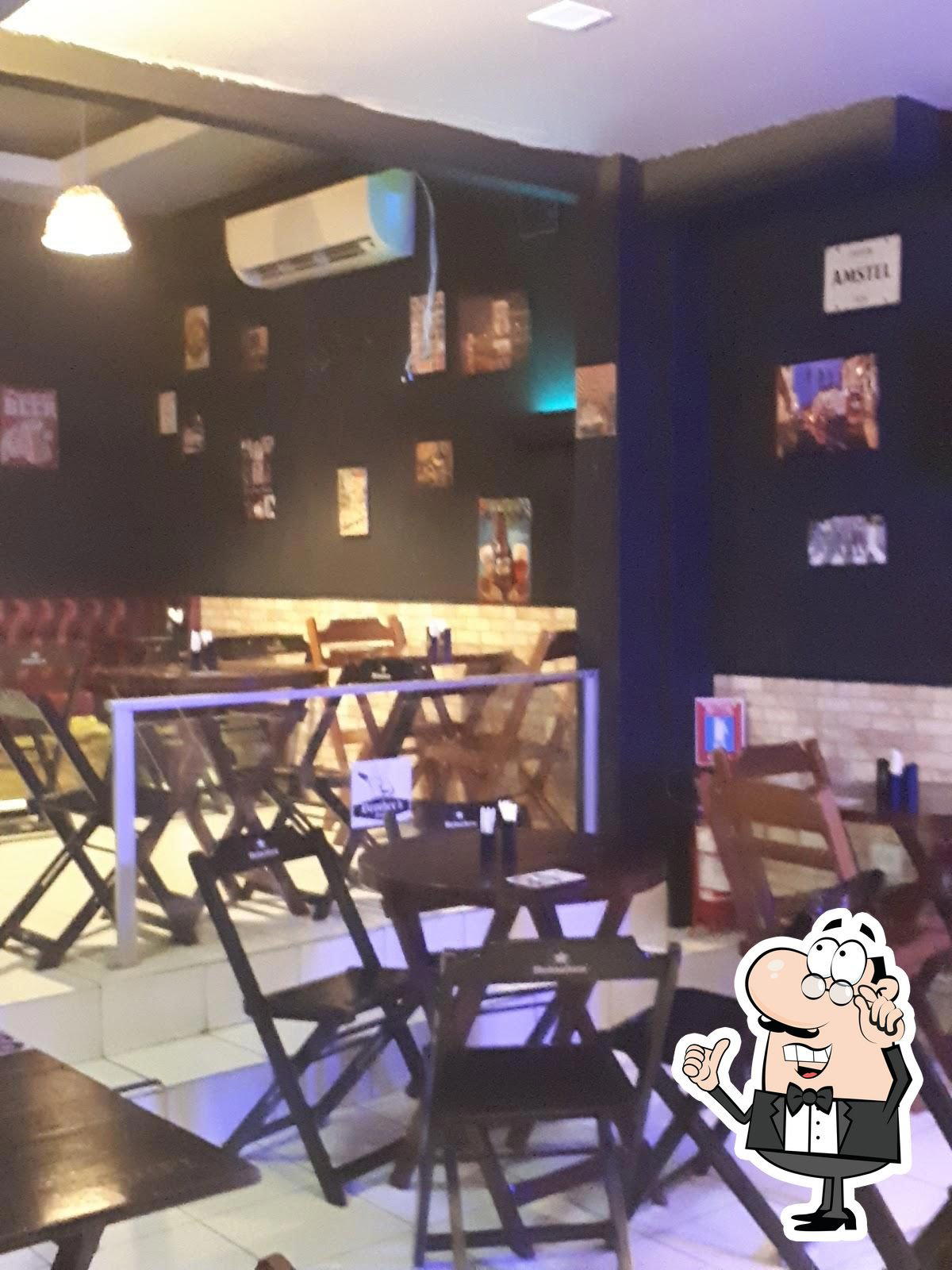
Kyō Temakeria is set on R. Imperial, 236 in Matriz, the commercial centre of Vitória de Santo Antão. In Brazil, the temakeria format typically means counter or café-style seating oriented around quick assembly and fresh service rather than formal table dining. This positions it closer to a specialist snack counter than a sit-down restaurant.
What's the best thing to order at Kyō Temakeria?
The temaki — the large, cone-shaped hand roll that defines the Brazilian temakeria format — is the structural centrepiece of any visit. Brazil's temakeria tradition, which spread from São Paulo's Liberdade neighbourhood, built its reputation on fresh nori wrapping around varied fillings, served immediately before the seaweed softens.
Where is Kyō Temakeria located?
Kyō Temakeria is located at R. Imperial, 236 - Matriz, Vitória de Santo Antão - PE, 55602-020, Brazil, Matriz.
Should I book Kyō Temakeria in advance?
No reservation contact details or booking policy are documented for Kyō Temakeria. The temakeria format in Brazil generally operates on a walk-in basis, following the counter-service model rather than a reservations system. Checking local platforms or visiting during off-peak hours is the practical approach for Vitória de Santo Antão's Matriz district.
What's Kyō Temakeria best at?
Kyō Temakeria occupies a specific niche: bringing the temakeria counter format to Vitória de Santo Antão, a municipality in Pernambuco's Zona da Mata region better known for Pitú cachaça production than Japanese food. Brazil's Japanese diaspora, the largest outside Japan, gave the country a Japanese-influenced food culture with genuine regional reach, and Kyō represents that spread into the Northeast interior.
A Quick Peer Check
Comparable venues nearby, for context on price, style, and recognition.
| Venue | Cuisine | Price | Notes |
|---|---|---|---|
| Kyō TemakeriaThis venue — the venue you are viewing | Brazilian Temakeria | $10–20 | Not listed |
| Lobby Café | Brazilian Café | $10–20 | Belem |
| Taberna Japonesa Quina do Futuro | Japanese Sushi | $50–100 | Aflitos |
| Recanto das Massas | Italian Pasta & Pizza | $10–20 | João Pessoa |
| Smash Burger | Smash Burgers | Not listed | Jardim Boa Vista |
| Maki Sushi | Japanese Sushi Rodízio | Not listed | City Center |
Details
- Casual
- Lively
- Casual Hangout
- Group Dining
- Standalone
- A La Carte
- Pescatarian Friendly
Current opening hours
- Monday
- 11:30 AM–2 PM, 5:30–10 PM
- Tuesday
- 11:30 AM–2 PM, 5:30–10 PM
- Wednesday
- 11:30 AM–2 PM, 5:30–10 PM
- Thursday
- 11:30 AM–2 PM, 5:30–10 PM
- Friday
- 11:30 AM–2 PM, 5:30–11 PM
- Saturday
- 11:30 AM–2 PM, 5:30–11 PM
- Sunday
- 11:30 AM–2 PM, 5:30–11 PM
Hours can change for holidays and private events. Last verified .
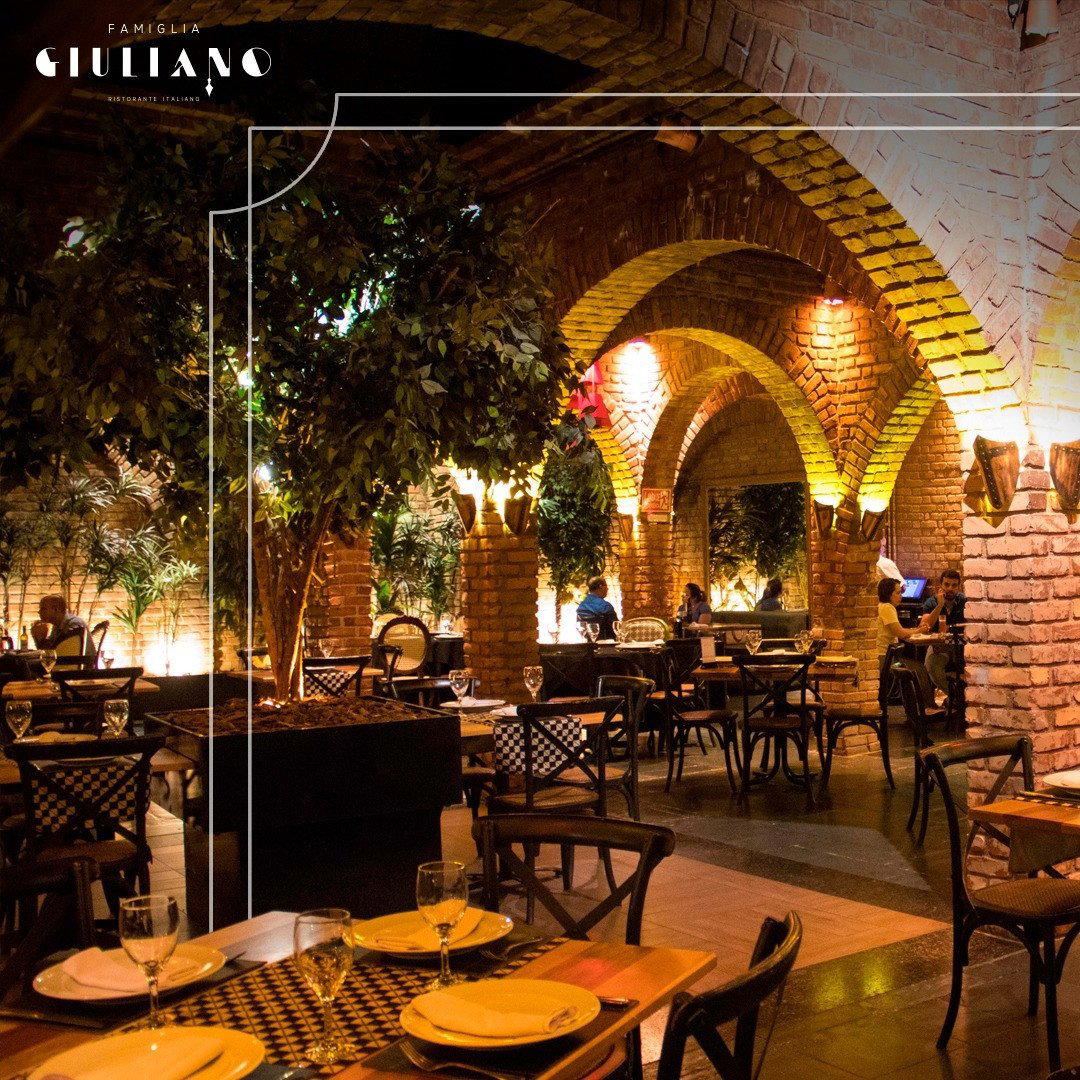
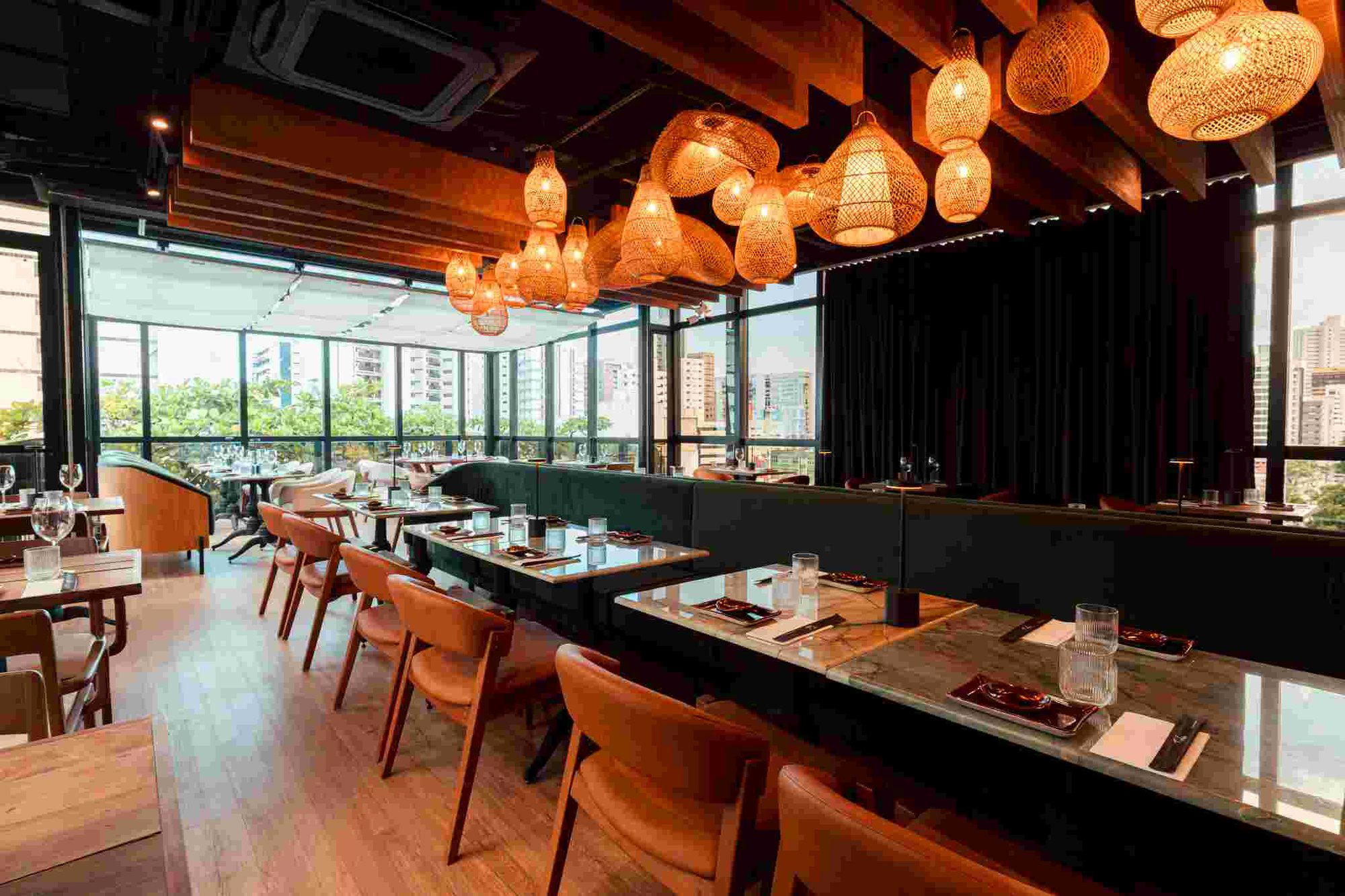
Casual, energetic neighborhood spot with bright lighting and relaxed dining environment typical of Brazilian casual dining.