Piiholo Ranch
Our verdict
Piiholo Ranch sits on the upcountry slopes of Maui's Makawao district, where working agricultural land meets one of Hawaii's most distinctive food-sourcing traditions. The ranch represents a strain of farm-direct hospitality that has defined upcountry Maui for decades, grounding its offering in the cattle, produce, and land that surround it at 325 Waiahiwi Rd.
- Address
- 325 Waiahiwi Rd, Makawao, HI 96768
- Phone
- (808) 572-5516
- Directions
- Get directions
Upcountry Maui and the Agriculture Behind the Plate
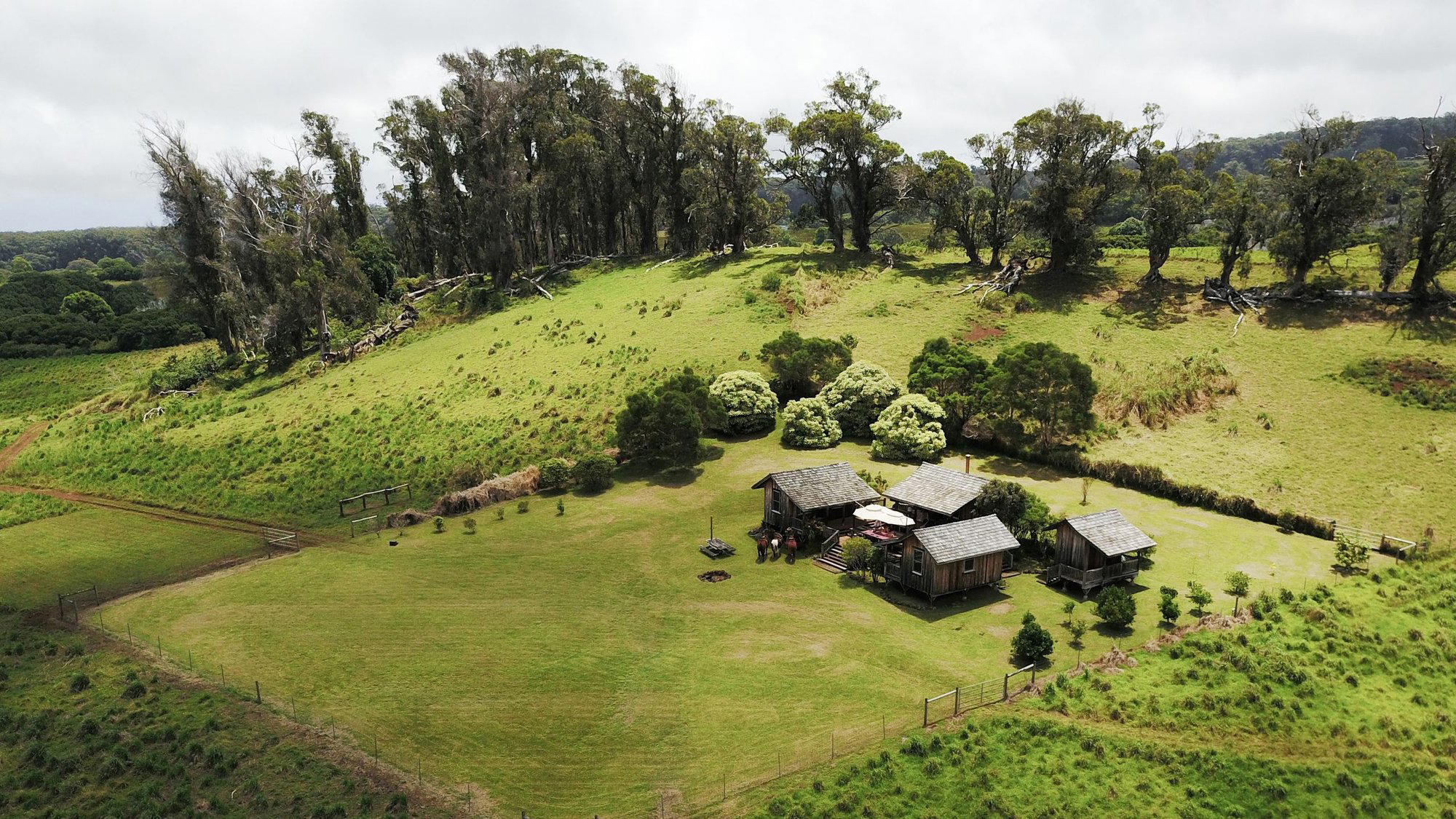
The road to Makawao climbs through a shift in climate that most visitors to Maui never experience. By the time you reach the upcountry elevation, the coast's humidity has given way to cooler air, open pasture, and the kind of working agricultural terrain that once supplied Maui's plantation economy and now supplies its most farm-grounded restaurants and ranches. Piiholo Ranch, at 325 Waiahiwi Rd in Olinda, sits inside this tradition. The address alone tells you something about the approach: Waiahiwi Road runs through active ranch land, not resort corridors.
Upcountry Maui's food identity is built on proximity to source in a way that coastal Hawaiian dining rarely achieves. The region's ranches have grazed cattle on volcanic upland pasture for over a century, and that land-to-table continuity is the defining characteristic of the area's culinary character. Where farm-to-table in many American cities means a curated supply relationship between a restaurant and a distant producer, in Makawao it can mean the livestock, the land, and the hospitality operation are the same entity. That structural difference matters for what ends up on the plate and how it gets there.
The Ranch Setting and What It Signals
Arriving at Piiholo Ranch, the physical context does most of the communicating. The working range of the upcountry — eucalyptus groves, open paddocks, the distant profile of Haleakala — frames an experience that is agricultural before it is hospitality. This is not a designed approximation of rural life; it is rural life with an experiential layer built onto it. That distinction matters for the category of traveller likely to engage with it, and it separates Piiholo from the resort-side luau format that dominates Maui's mainstream visitor experience.
The upcountry ranch experience in Hawaii operates in a relatively small peer group nationally. Venues like Single Thread Farm in Healdsburg and Blue Hill at Stone Barns in Tarrytown have made integrated farm-and-table operations a recognised format in American fine dining, placing sourcing transparency at the centre of the experience rather than as a footnote. Piiholo operates in that same philosophical territory, though in a Hawaiian agricultural context with its own distinct history and ecology. The comparison is structural, not culinary: both approaches ask the guest to understand where their food comes from as a condition of the experience itself.
Ingredient Sourcing as the Core Proposition
The argument for upcountry Maui beef has been made on quality grounds for long enough that it no longer requires novelty to hold up. Hawaii's ranching history stretches back to the early nineteenth century, when Spanish vaqueros trained Hawaiian cowboys, paniolo, on cattle brought by Captain George Vancouver. The upcountry pastures that resulted, particularly on Maui and the Big Island, developed a distinct ranching culture that persists as one of the American West's less-documented agricultural traditions. Piiholo Ranch is part of that lineage, and the land it occupies has produced cattle in this tradition for generations.
What that means practically is that the sourcing story at a place like Piiholo is not assembled from supply relationships but inherited from the land itself. The cattle are raised at elevation on volcanic pasture, with a feed profile shaped by the specific botany of upcountry Maui. This is the kind of terroir argument that winemakers make routinely but ranchers rarely get credit for, and it is worth applying here: the product on the plate carries the character of a specific place, not a generic commodity category.
For comparison, restaurants operating at the highest sourcing standards in the continental United States, Smyth in Chicago, Lazy Bear in San Francisco, or The French Laundry in Napa, spend considerable effort and cost to build supply chains that approximate the directness that a working ranch like Piiholo achieves by default. That structural advantage is worth naming clearly.
How Piiholo Fits into Hawaii's Dining Conversation
Hawaii's restaurant scene has developed a dual identity over the past two decades. On one side sits the resort dining circuit, anchored by hotel groups and chef-branded concepts that draw on Hawaiian ingredients as accent notes within internationally legible formats. On the other sits a smaller, more place-specific strand of hospitality that treats the land as the primary text. Upcountry Maui belongs to the second category, and Piiholo Ranch is one of its clearest expressions.
This places Piiholo in an interesting peer position relative to destination-driven American dining. Venues like Addison in San Diego, Providence in Los Angeles, and ITAMAE in Miami each make a place-specific argument through their menus, drawing on regional identity to distinguish themselves within competitive urban markets. Piiholo's argument is geographic in a more literal sense: the place is the product, and the experience is inseparable from the land you are standing on. That is a less common and harder-to-replicate proposition than any individual menu can claim.
For visitors arriving from the continental US dining circuit, the ranch also offers a point of contrast with sustainability-focused urban restaurants like Oyster Oyster in Washington, D.C. or The Wolf's Tailor in Denver, both of which make sourcing ethics a central editorial point of their menus. At Piiholo, that ethics conversation is present in structural terms, the operation produces what it serves, rather than as a declared menu philosophy. The difference is one of mode, not commitment.
Planning Your Visit
Piiholo Ranch is located at 325 Waiahiwi Rd, Makawao, HI 96768, in the Olinda area of upcountry Maui. Access requires a car; the ranch sits well above the coast, and public transport does not reach this area. Visitors travelling from Kahului Airport should allow approximately 40 minutes for the drive, accounting for the winding upcountry roads. The Makawao area is leading approached without the time pressure of a coastal itinerary, the upcountry pace is slower by design, and the experience benefits from that adjustment. Given the specific nature of ranch-based programming, confirming availability and format directly before visiting is advisable. Our full Olinda restaurants guide covers additional options in the area, including Oficina do Sabor for those building a broader dining itinerary around the region.
Frequently asked questions
Can I bring kids to Piiholo Ranch?
Piiholo Ranch is a working ranch set on the upcountry slopes of Maui near Makawao, and its open agricultural environment tends to suit families with children well. The outdoor setting at 325 Waiahiwi Rd gives younger visitors direct exposure to ranch operations and Hawaii's pastoral upcountry, which holds its own educational value. Confirm current programming and age requirements directly with the ranch before visiting, as offerings may vary by season or event.
What should I expect atmosphere-wise at Piiholo Ranch?
The atmosphere is shaped by the working ranch itself: eucalyptus groves, open paddocks, and the cooler temperatures of upcountry Maui at elevation. This is not a resort-polished setting. The environment at Olinda feels agricultural and functional, which is precisely the point — the land communicates what the ranch prioritizes before any meal or activity begins.
How does Piiholo Ranch's upcountry Maui location affect what you experience compared to coastal Maui venues?
The Olinda area above Makawao sits at an elevation where the climate diverges sharply from Maui's coast — cooler temperatures, higher rainfall, and open pasture replace the beach-resort corridor that most visitors know. Piiholo Ranch at 325 Waiahiwi Rd operates within that agricultural zone, which means the provenance of its beef and the character of the surrounding land are part of the same experience rather than a marketing footnote added to a coastal dining room.
What should I eat at Piiholo Ranch?
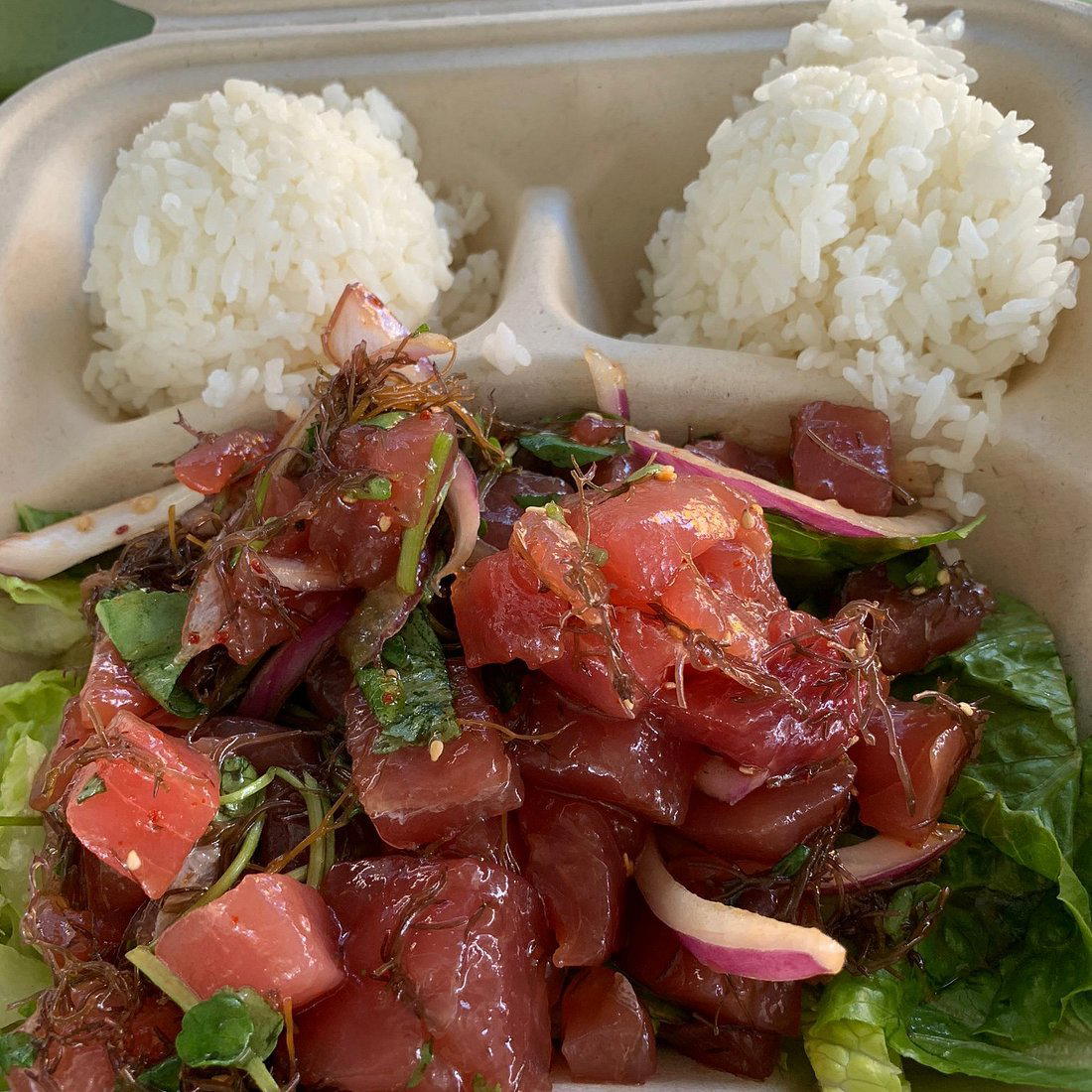
Upcountry Maui beef is the central argument here. Hawaii's ranching tradition produces cattle raised on open pasture at elevation, and Piiholo Ranch sits within that production context in the Makawao area. Specific menu offerings and dining formats are best confirmed directly with the ranch, as programming can shift by season or event calendar.
What's the address for Piiholo Ranch?
Piiholo Ranch is located at 325 Waiahiwi Rd, Makawao, HI 96768, Olinda.
What's the best way to book Piiholo Ranch?
Searching the ranch name directly or contacting Maui visitor services will surface current booking channels. Given the ranch's upcountry location and event-based programming, booking ahead rather than arriving without a reservation is the practical approach.
What's the defining dish or idea at Piiholo Ranch?
The defining idea is provenance made physical. At Piiholo Ranch, the sourcing argument — upcountry Maui beef raised on open pasture in the Olinda area above Makawao — is embedded in the setting itself rather than written on a menu header. You are eating within the production context, which is a different proposition from ordering Hawaii-sourced beef at a Maui resort property thirty miles downhill.
A Quick Peer Check
| Venue | Cuisine | Price | Awards | Notes |
|---|---|---|---|---|
| Piiholo RanchThis venue — the venue you are viewing | Farm-fresh Hawaiian Ranch Cuisine | Not listed | Not listed | Not listed |
| Le Bernardin | French Seafood Fine Dining | $300–500 | 3 Michelin Stars · World's 50 Best #13 | French, Seafood |
| Lazy Bear | Modern American Tasting Menu | Not listed | 2 Michelin Stars · World's 50 Best #25 | Progressive American, Contemporary |
| Atomix | Modern Korean Tasting Menu | $300–500 | 2 Michelin Stars · World's 50 Best #7 | Modern Korean, Korean |
| Per Se | French Fine Dining Tasting Menu | $300–500 | 3 Michelin Stars · World's 50 Best #40 | French, Contemporary |
| Masa | Traditional Japanese Omakase | $500+ | 2 Michelin Stars · World's 50 Best #27 | Sushi, Japanese |

Details
- Rustic
- Scenic
- Family
- Celebration
- Historic Building
- Farm To Table
- Local Sourcing
- Mountain
- A La Carte
- Vegetarian Friendly
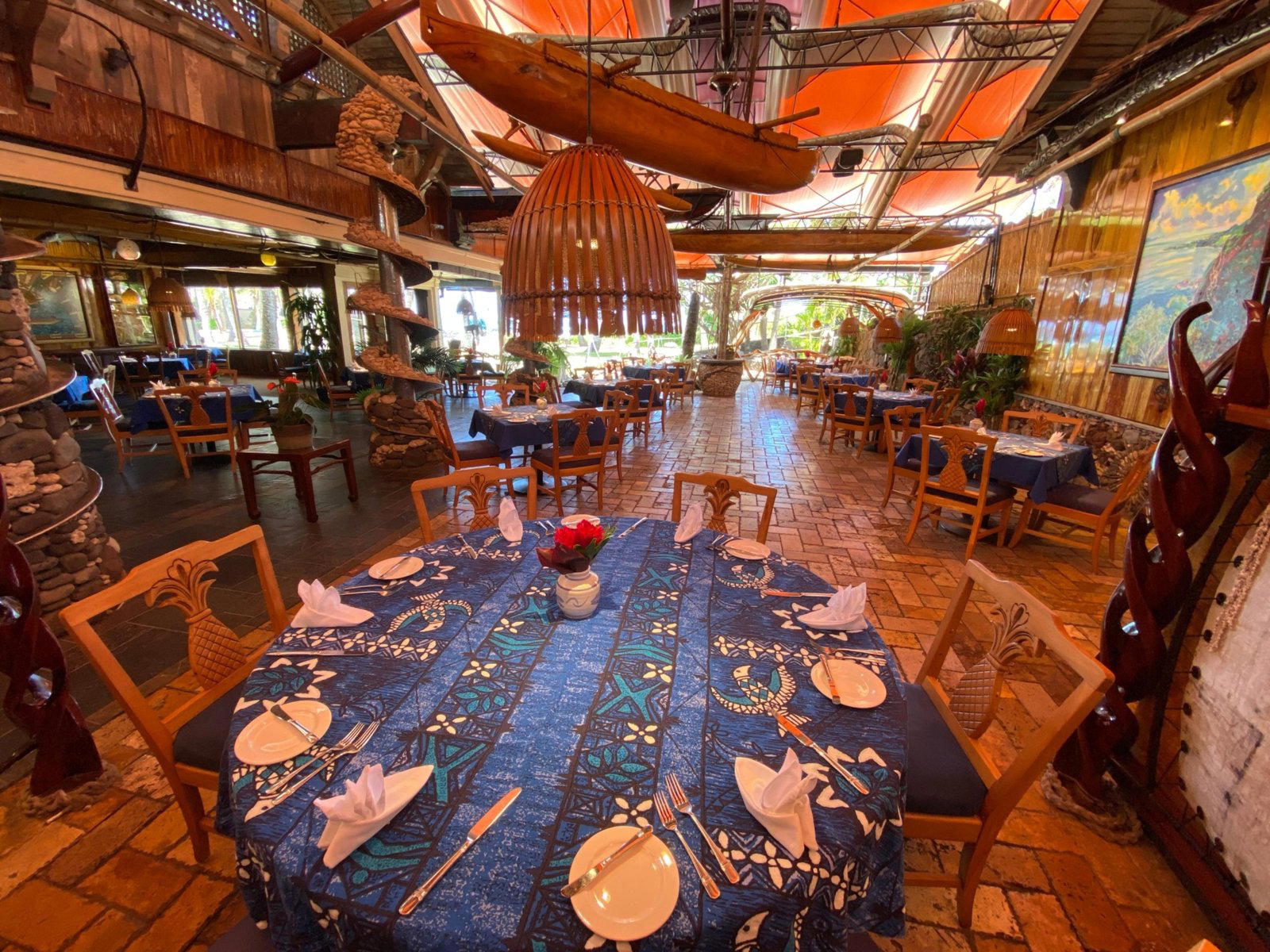
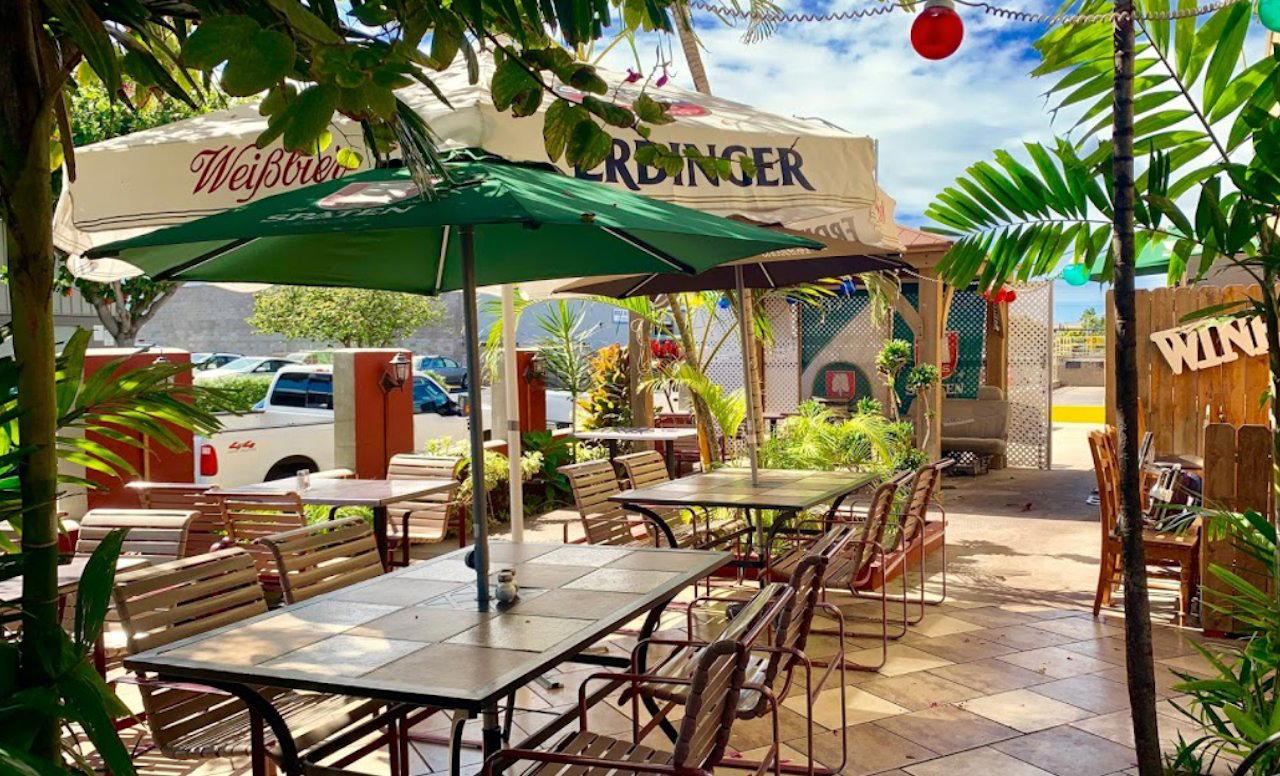
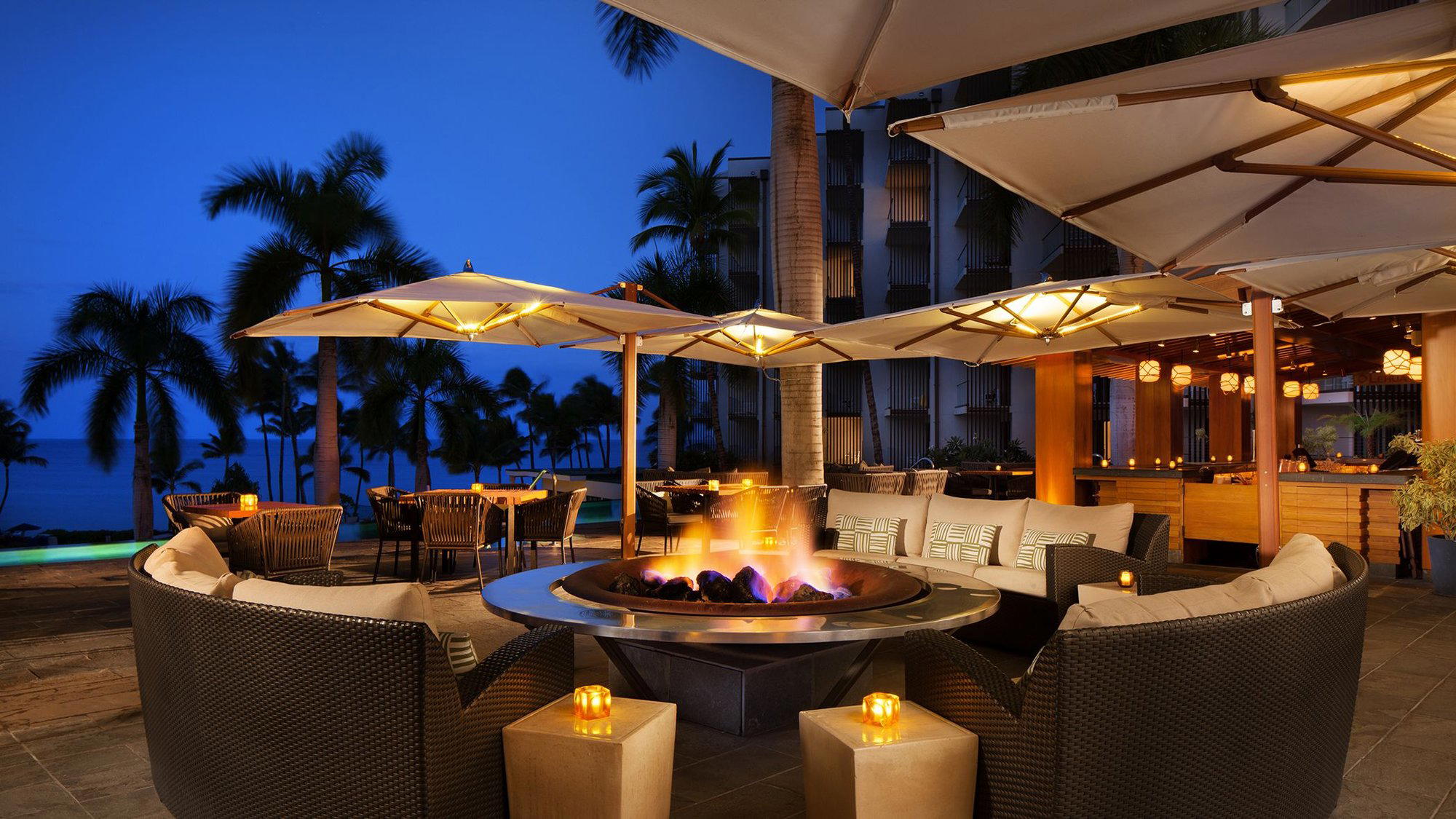
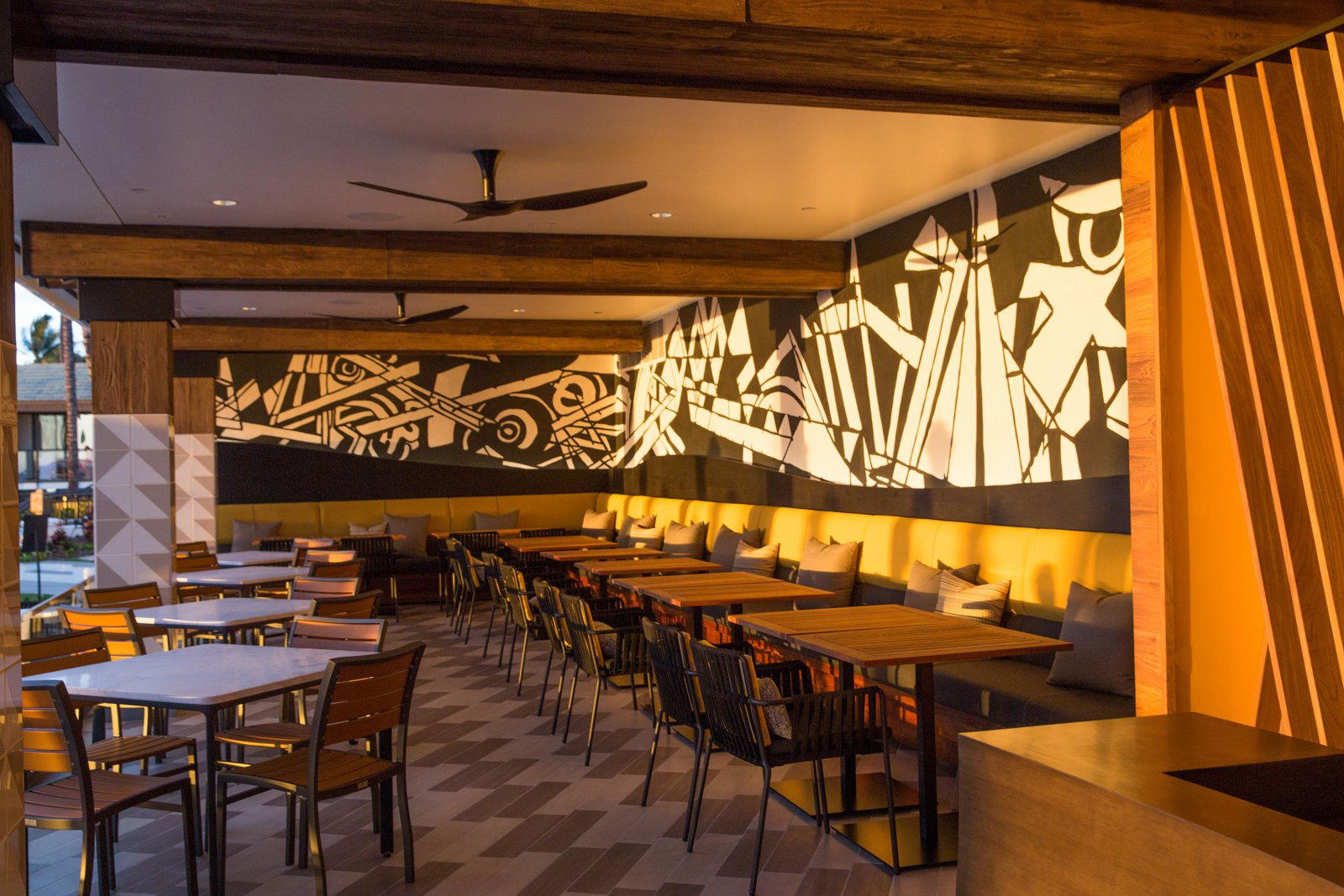
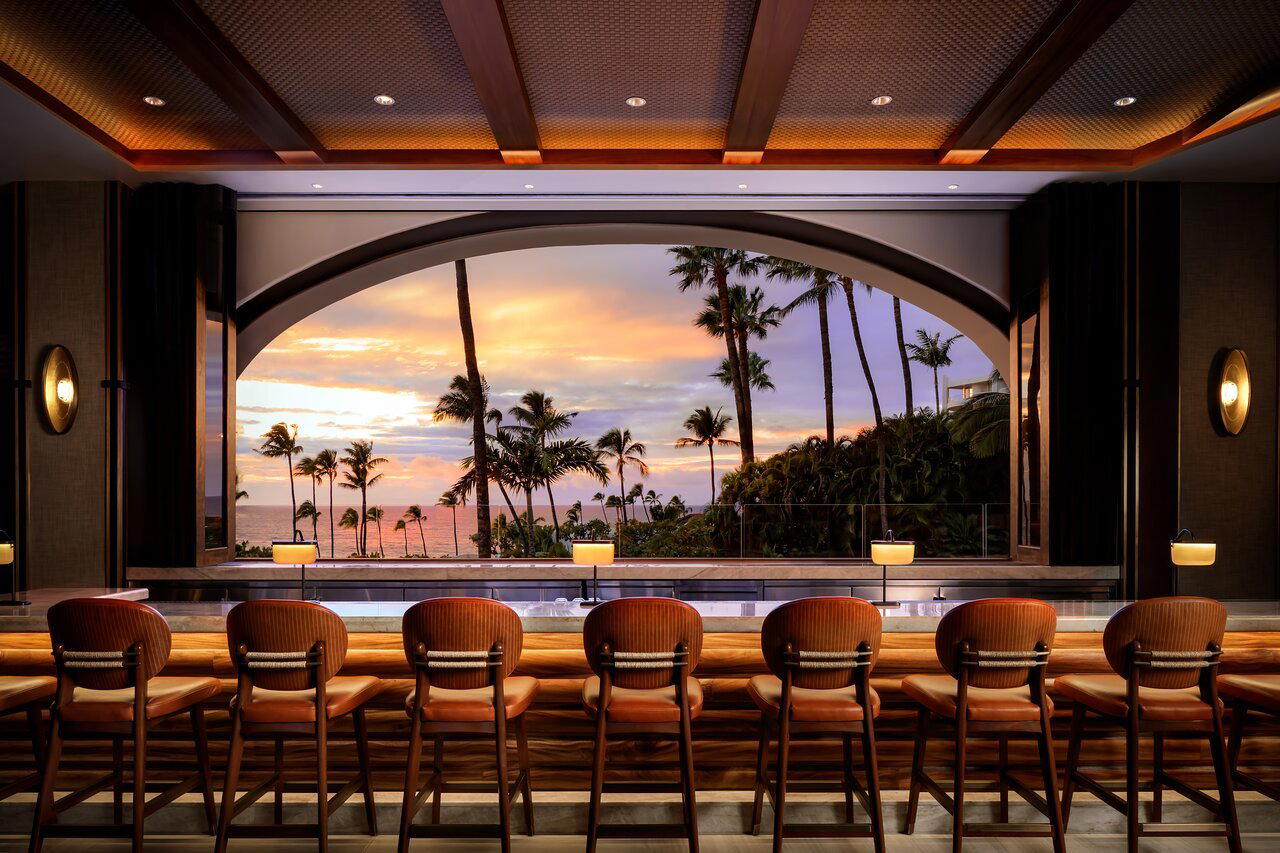
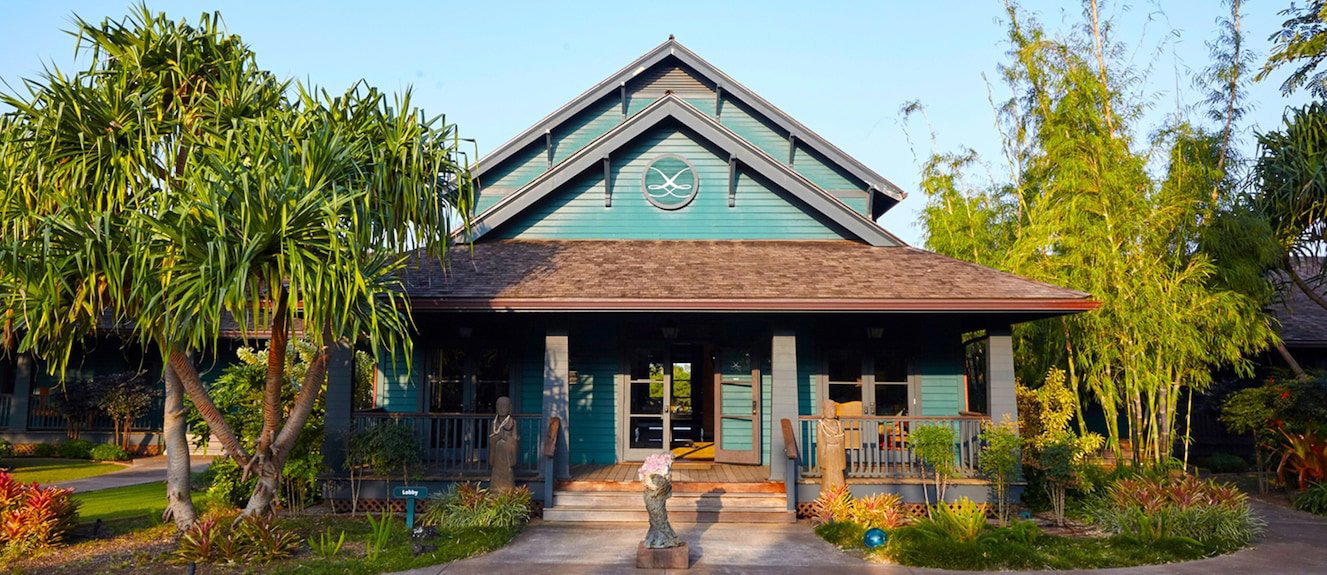
Laid-back, rustic ranch atmosphere with cool mountain breezes, ocean views, and peaceful natural surroundings.