Our verdict
On Iași's main boulevard, Oddity occupies a position in the city's growing cohort of restaurants that take local sourcing seriously without retreating into folkloric nostalgia. The name signals intent: this is not a restaurant content to replicate familiar formats. For visitors building a picture of where Romanian provincial dining is heading, it represents a useful reference point alongside peers like Andalu Gastrobar and CARTUF.

Pearl is the En Primeur Club membership app — saves, bookings, and concierge access live there. Same editors, same standards.
- Address
- Bulevardul Ștefan cel Mare și Sfânt, Iași 700064, Romania
- Phone
- +40746618476
- Hours
- Mon ClosedTue–Wed 8 PM–1 AMThu–Sat 7 PM–2 AMSun Closed
- Website
- oddity.ro
- Directions
- Get directions
- Booking
- Book on the venue's website
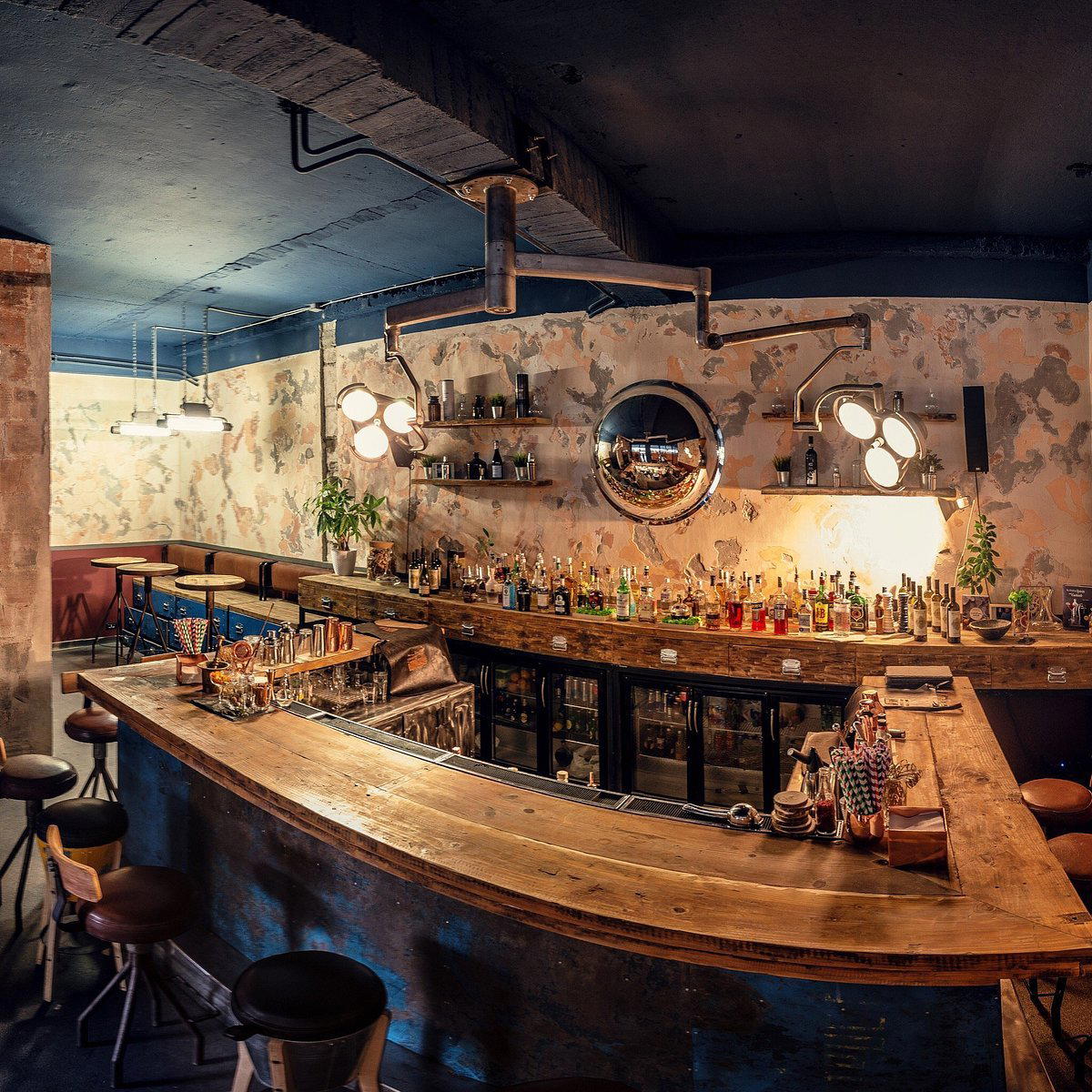
Where Iași's Dining Scene Is Going
Romanian provincial cities have spent the better part of a decade sorting themselves into tiers. At one end sit the tourist-facing restaurants anchored in folklore and comfort; at the other, a smaller cohort of places testing how far local ingredients and European technique can travel together. Iași, long overshadowed by Bucharest and Cluj-Napoca in dining conversation, has been quietly building the latter category. Oddity, on Bulevardul Ștefan cel Mare și Sfânt, sits within that second group — a restaurant whose name implies it is aware of the contrast it presents to its surroundings.
The boulevard itself frames the approach. Iași's central artery runs past neoclassical facades and 19th-century institutional architecture, giving the street a civic weight that few Romanian cities outside the capital can match. Arriving here, you are not walking into a neighbourhood pocket; you are walking into the city's most deliberate public face. That setting raises the stakes for anything that opens on it, and it shapes the clientele that Oddity draws: professionals, academics from the nearby university quarter, and visitors who have already worked through the more obvious dinner options.
The Sourcing Logic Behind the Menu
The most telling measure of where a restaurant sits in its local food culture is not the plating style or the wine list — it is what the kitchen is willing to source and from where. Across Romania's more serious restaurants, a pattern has emerged over the last several years: the shift away from imported proteins and commodity vegetables toward regional producers, mountain dairy, river fish from Moldova and Transylvania, and heritage grain varieties that largely disappeared from commercial agriculture after collectivisation. This shift is not nostalgia. It is a practical recalibration, driven partly by cost and partly by the recognition that Romanian ingredients, when handled with discipline, do not need comparison to French or Italian counterparts to justify their place on a plate.
Oddity operates within this current. The restaurant's name, read through this lens, is less about eccentricity and more about positioning: in a dining culture where the default has long been either heavy traditional cooking or imitation Western formats, a kitchen that insists on local provenance as a serious culinary argument is, in fact, doing something that reads as odd to a portion of its audience. For context on how this sourcing logic plays out at different price points and formats across the country, the trajectory of Bogdania Bistro in Bucharest and the long-standing influence of Caru' cu bere in Bucuresti offer useful bookends, the former represents the modern sourcing-forward approach, the latter the weight of Romanian culinary tradition in its most architectural form.
Iași's specific geography matters here. The city sits in Moldavia, the northeastern region of Romania that borders the Republic of Moldova and shares both climate and agricultural heritage with it. This is a part of the country where sheep farming remains economically significant, where foraged ingredients from the Carpathian foothills arrive in urban markets with minimal intermediary steps, and where fermentation traditions, from borș (fermented wheat bran stock) to various pickled vegetable preparations, run deeper than in the more internationally visible Transylvanian cities. A kitchen that takes this regional identity seriously has material to work with that Bucharest restaurants often have to source from a greater distance.
Iași's Competitive Set and Where Oddity Fits
The restaurant sits alongside a small but growing group of Iași addresses that have moved beyond the city's earlier fine-dining models. Andalu Gastrobar approaches the local dining scene from a Mediterranean-inflected angle; CARTUF occupies a more casual register. Among the named comparison venues, L'Atelier and Le Bistrot Français represent the French-influenced strand of Iași's mid-to-upper dining, while STUP's French fusion positioning and NOUA's presence indicate that the city's more ambitious kitchens are testing multiple directions simultaneously. Kupaj Fine Wines and Gourmet Tapas completes the picture of a city where wine-forward formats are gaining ground alongside food-led concepts.
Oddity's position on the boulevard, rather than in a side-street or courtyard location, suggests a confidence about visibility that many newer restaurants in Romanian cities avoid, there is less room to be a quiet discovery when you are on the main road. That visibility also means the restaurant has to perform for a broader audience than its peers in more sheltered locations.
For a wider view of how Romania's regional cities are developing their dining identities, the work being done at Eat IT casual gourmet kitchen in Oradea, Lo Sfizio in Targu Mures, Kombinat Gastro-Brewery in Sibiu, and the Cartofisserie in Brasov format (which also operates in Timisoara and Suceava) gives some sense of the range of approaches active across the country's second-tier cities. Cofeels in Cluj-Napoca and Cocteleria Urban Garden in Floresti extend the picture further. Internationally, the sourcing rigour that restaurants like Le Bernardin in New York City apply to seafood provenance, or the ingredient-level precision that defines Atomix in New York City, represent the further end of the same spectrum that Romanian kitchens are beginning to occupy at their own scale and in their own idiom.
Planning Your Visit
Oddity is located on Bulevardul Ștefan cel Mare și Sfânt in central Iași, an address with good pedestrian access from the city's main cultural and hotel corridor. Iași is served by direct flights from Bucharest Henri Coandă and several European cities, and the city centre is compact enough that the boulevard is reachable on foot from most hotel options near the Palace of Culture. For a full picture of what else the city's dining scene offers at different price points and formats, our full Iasi restaurants guide maps the options across neighbourhoods and styles. Further afield, Vatos Restaurant in Agigea, Butterfly Events in Chiscani, and Cafeneaua Nației in Ploiesti round out EP Club's coverage of Romania's regional dining.
Frequently asked questions
Is Oddity suitable for children?
Oddity sits within a restaurant group that has positioned itself at the more considered end of Iași's dining scene, which typically means the atmosphere skews adult.
Is Oddity better for a quiet night or a lively one?
Based on its placement within Iași's emerging contemporary dining tier — alongside addresses like Andalu Gastrobar — Oddity reads as a venue built around considered eating rather than high-volume social dining. That puts it closer to a quiet, focused evening than a lively one, though the specific room format and service pace are best confirmed directly with the restaurant.
How does Oddity compare to other contemporary restaurants in Iași?
Oddity sits within a small cluster of Iași addresses that have moved the city's dining conversation beyond its earlier tourist-facing models, placing it alongside venues like Andalu Gastrobar in a nascent but growing upper tier. For a city of Iași's cultural weight — home to Romania's oldest university and a dense historic centre — this group represents where provincial Romanian dining is currently heading.
What's the best thing to order at Oddity?
The most reliable approach is to ask staff for current chef recommendations on arrival, particularly any dishes driven by seasonal Romanian ingredients.
Where is Oddity in Iasi?
Oddity is located at Bulevardul Ștefan cel Mare și Sfânt, Iași 700064, Romania, Iasi.
How It Stacks Up
Comparable venues nearby, for context on price, style, and recognition.
| Venue | Cuisine | Price | Notes |
|---|---|---|---|
| OddityThis venue — the venue you are viewing | Not listed | Not listed | Not listed |
| Andalu Gastrobar | Spanish Gastrobar | Not listed | Iasi |
| CARTUF | Belgian Fries | $10–20 | Iasi |
| Rockstadt | Rock Bar Snacks | $10–20 | central Brasov |
| Bistro de l'Arte | Romanian Bistro with French Influences | $10–20 | Old Town |
| Cafeneaua Nației | Vegetarian Cafe with Middle Eastern Influences | $10–20 | Central Ploiesti |
Continue exploring
More in Iasi
Restaurants in Iasi
Browse all →

Details
- Trendy
- Cozy
- Industrial
- Date Night
- Casual Hangout
- Craft Cocktails
- Cocktails
Current opening hours
- Monday
- Closed
- Tuesday
- 8 PM–1 AM
- Wednesday
- 8 PM–1 AM
- Thursday
- 7 PM–2 AM
- Friday
- 7 PM–2 AM
- Saturday
- 7 PM–2 AM
- Sunday
- Closed
Hours can change for holidays and private events. Last verified .
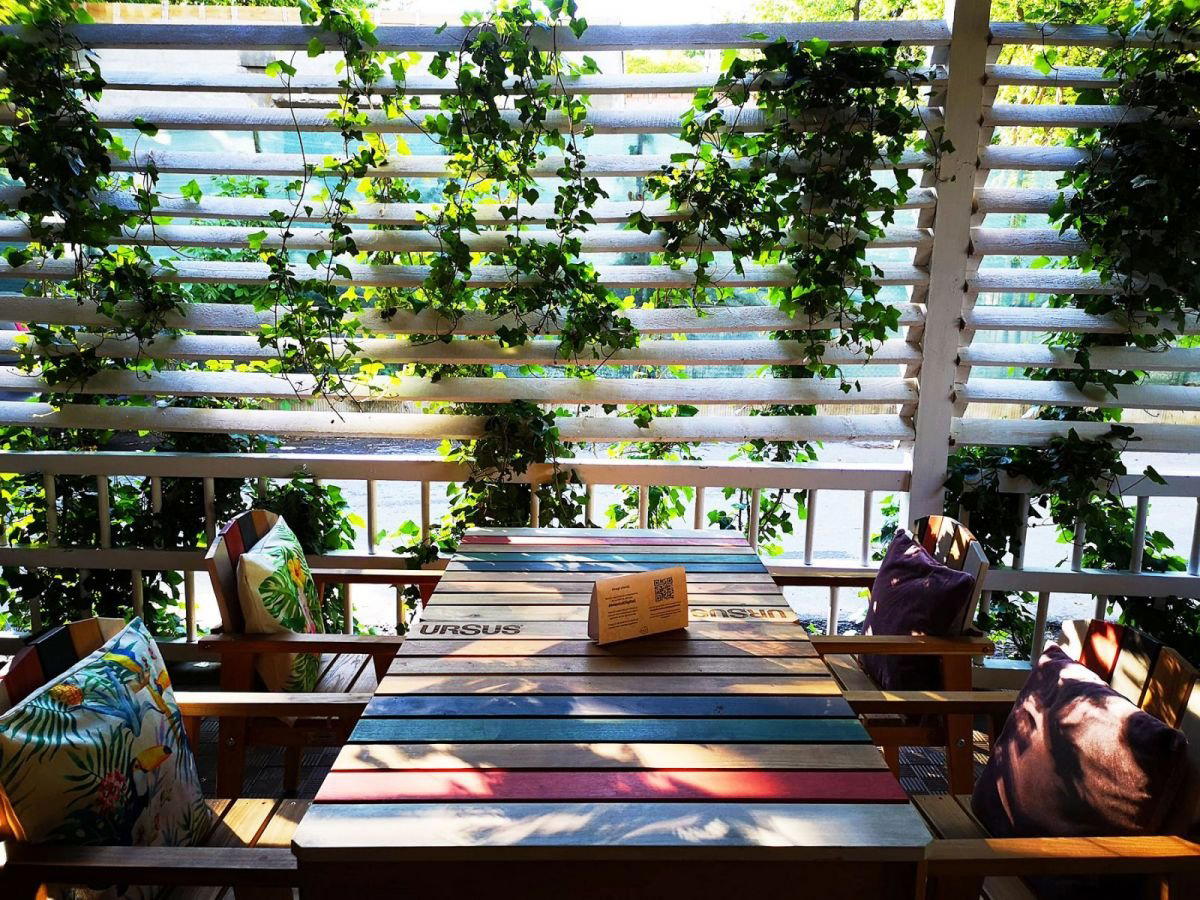
Cozy industrial decor with striking lamps creating a cool, laid-back yet lively atmosphere.