Our verdict
The address places it in the residential-commercial fabric of one of Moldova's oldest cities, a region whose food culture draws on layered Central and Eastern European influences. Visitors looking beyond Iași's student-quarter staples will find it worth investigating.

Pearl is the En Primeur Club membership app — saves, bookings, and concierge access live there. Same editors, same standards.
- Address
- Strada Vasile Lupu 82, Iași 707252, Romania
- Phone
- +40720550771
- Hours
- Daily 10 AM–10 PM
- Website
- cartuf.ro
- Directions
- Get directions
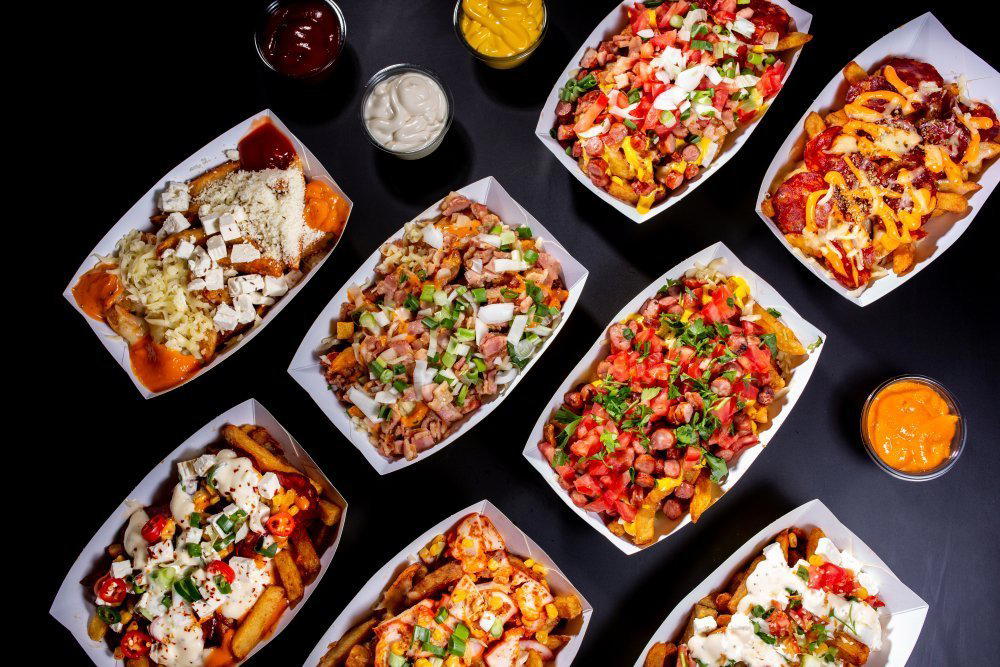
Iași's current dining tier breaks roughly into three layers: the casual, high-volume venues around the university and Copou neighbourhoods; a mid-tier of places with some culinary ambition but broad menus designed for volume; and a smaller group of addresses that have narrowed their scope and priced accordingly. Andalu Gastrobar and Oddity represent different points in that upper segment, each with a distinct format logic.
What the address and location signal is a venue operating away from the obvious high-traffic zones, which in Iași has historically correlated with a more focused offer rather than a catch-all one.enprimeurclub.com/restaurants/artegianale-brasov-restaurant">Artegianale in Brașov to Kupaj Fine Wines and Gourmet Tapas in Cluj-Napoca, suggest that restaurants choosing secondary streets with residential character are generally making a deliberate statement about who they want in the room. STUP in Simon represents the rural-rooted approach with French Fusion framing, while Epoca Steak House in Craiova shows how a single-category focus can anchor a provincial address with credibility. Neither approach is inherently superior, but they produce very different rooms and very different regulars.
Iași's culinary identity has been slower to consolidate than Cluj-Napoca's or Timișoara's, partly because the city's economy and demographics skew younger and more transient, and partly because the regional food tradition is less aggressively marketed than Transylvanian or Dobrogean cooking. That creates an opportunity for restaurants willing to do the interpretive work, and it creates a gap in the market that addresses like CARTUF are positioned to fill. The venues that work are the ones that understand the tradition deeply enough to know when to depart from it. Internationally, formats as different as Le Bernardin in New York City and Lazy Bear in San Francisco demonstrate that disciplined conceptual focus, rather than broad appeal, is what builds a lasting dining address. Iași is reachable by train from Bucharest in approximately four to five hours, or by flight via Iași International Airport, which receives connections from several European hubs.enprimeurclub.com/restaurants/cartofisserie-suceava-restaurant">Cartofisserie in Suceava to the north, to Bistro Caffe Moțu in Baia Sprie for a different register of provincial hospitality. Within the city, Andalu Gastrobar and Oddity are the most useful peer comparisons for calibrating expectations before or after a visit to CARTUF.
Frequently asked questions
Is CARTUF suitable for children?
EP Club does not have confirmed operational data for CARTUF on family or children's policies. Given its address on Strada Vasile Lupu 82 in Iași and its position within the sharper tier of the city's dining scene, it is worth contacting the venue directly before arriving with young children. Restaurants operating at this register in Romanian provincial cities tend to skew toward adult-led evenings, though that is not a confirmed policy here.
What should I expect atmosphere-wise at CARTUF?
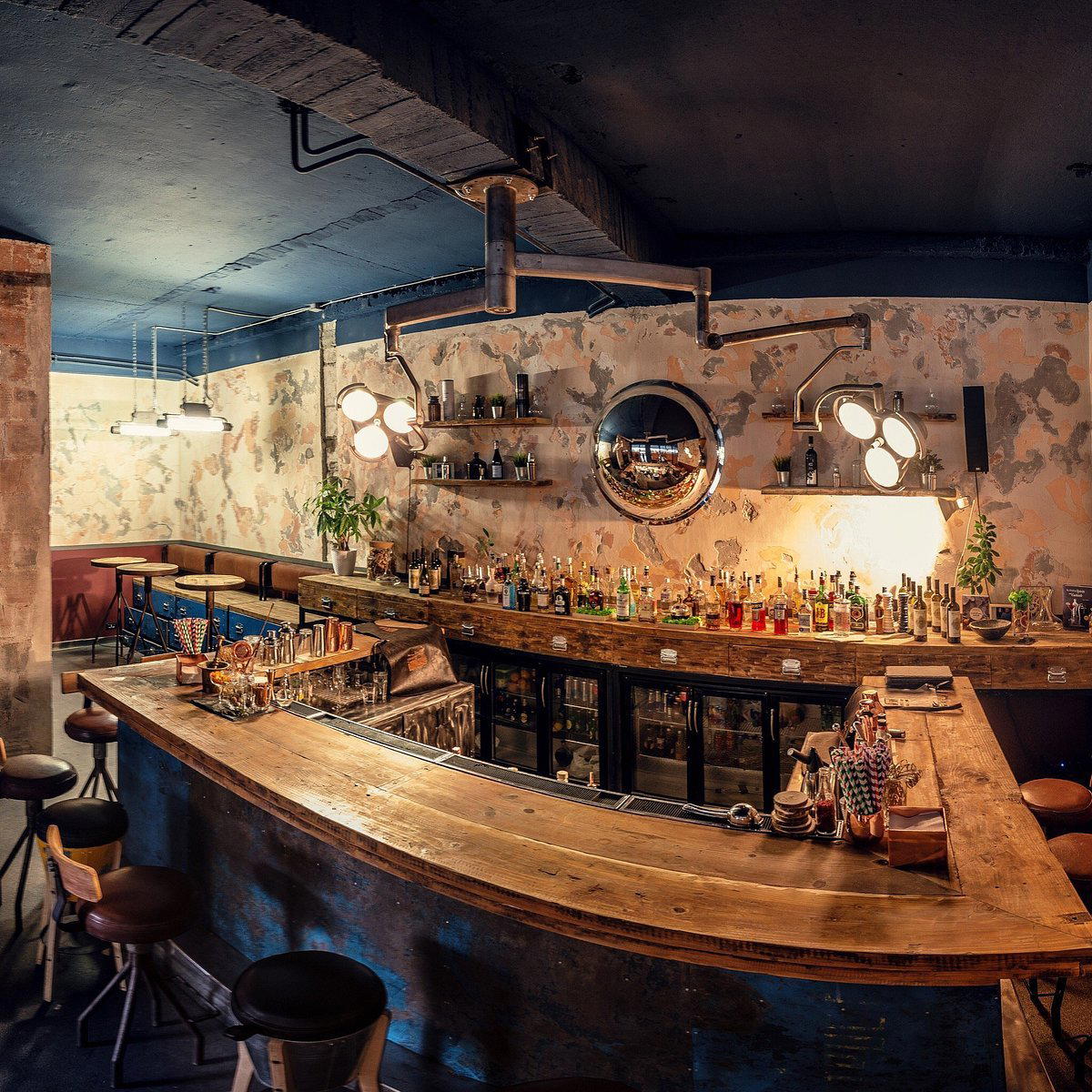
CARTUF sits at the more considered end of Iași's current dining tier, above the high-volume university-area venues and distinct from the mid-range mainstream. The address on Strada Vasile Lupu places it in a neighbourhood context that shapes the room's register. EP Club does not have verified interior or format data, so specific décor or seating configuration can change. Check the venue's official channels for the latest details.
How does CARTUF fit into the broader Iași dining scene compared to other Romanian cities?
Iași is the historical capital of the northeastern Moldavian region and has developed a distinct dining tier that differs from the Bucharest-led template driving Romania's urban food conversation. That positioning makes it one of the more relevant addresses for understanding what Romanian provincial dining looks like on its own terms, outside the Bucharest frame.
What should I eat at CARTUF?
The body of reporting situates it within northeastern Romanian and Moldavian food culture, a tradition built around slow-cooked proteins, fermented dairy, and grain-forward preparations.
Where do I go for CARTUF?
CARTUF is located at Strada Vasile Lupu 82, Iași 707252, Romania, Iasi.
Booking and Cost Snapshot
Comparable venues nearby, for context on price, style, and recognition.
| Venue | Cuisine | Price | Notes |
|---|---|---|---|
| CARTUFThis venue — the venue you are viewing | Belgian Fries | $10–20 | Not listed |
| Oddity | Centru,null | Not listed | Not listed |
| Andalu Gastrobar | Spanish Gastrobar | Not listed | Not listed |
| Blank | Traditional Romanian | $20–30 | Old Town, Traditional Romanian |
| Caru' cu bere | Traditional Romanian | $20–30 | Old Town, Traditional Romanian |
| Rockstadt | Rock Bar Snacks | $10–20 | central Brasov, Rock Bar Snacks |
Continue exploring
More in Iasi
Restaurants in Iasi
Browse all →
Details
- Lively
- Trendy
- Casual Hangout
- After Work
- A La Carte
Current opening hours
- Monday
- 10 AM–10 PM
- Tuesday
- 10 AM–10 PM
- Wednesday
- 10 AM–10 PM
- Thursday
- 10 AM–10 PM
- Friday
- 10 AM–10 PM
- Saturday
- 10 AM–10 PM
- Sunday
- 10 AM–10 PM
Hours can change for holidays and private events. Last verified .
Casual and fast-paced atmosphere focused on quick, delicious street food prepared in front of customers.