On Strada Ștefan cel Mare, Cafeneaua Nației sits inside Ploiești's older civic fabric, operating as a gathering point where the city's Romanian café tradition meets a programming sensibility grounded in local provenance. It occupies a tier of Romanian hospitality that prioritizes neighborhood continuity over destination dining, making it a reference point for anyone tracing how mid-sized Romanian cities sustain their food culture between the capital's modernist surge and the countryside's agritourism boom.
Pearl is the En Primeur Club membership app — saves, bookings, and concierge access live there. Same editors, same standards.
- Address
- Strada Ștefan cel Mare Nr. 7A, Ploiești 100031, Romania
- Phone
- +40732603456
- Website
- cafeneauanatiei.ro
- Directions
- Get directions
 Saves & bookings on Pearl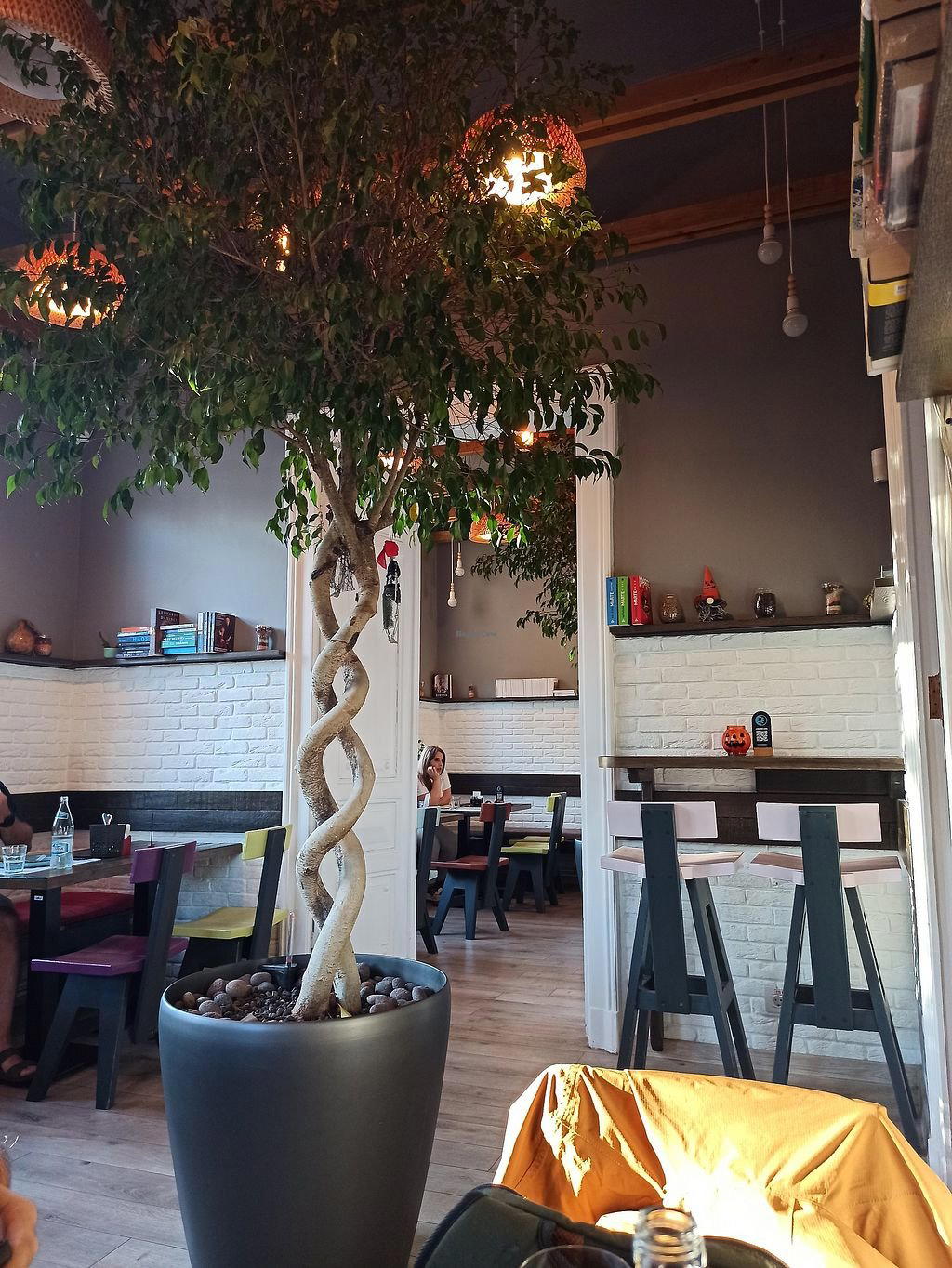
Where Ploiești Sits in Romania's Dining Conversation
Cafeneaua Nației is a vegetarian café with Middle Eastern influences in Ploiești, Romania. Bucharest pulls in the Michelin-adjacent modernism, think L'ATELIER in Bucharest, where Romanian Modern cuisine engages directly with European fine dining conventions, while rural and mountain settings host a parallel movement anchored in hyperlocal sourcing, exemplified by places like STUP in Simon, which draws on French Fusion technique applied to Transylvanian ingredients. Between those two poles sit Romania's mid-sized cities: Ploiești, Brașov, Sibiu, Craiova. These are the places where the country's food culture actually sustains itself day to day, less visible internationally but more representative of what Romanians eat, where they gather, and how the café tradition has persisted through decades of economic shift.
Ploiești, built on petroleum wealth and located roughly 60 kilometers north of Bucharest along the DN1 corridor, has a civic character shaped by its industrial history. The city's central streets retain a 19th- and early 20th-century architectural register, the kind of built environment that makes a properly located café feel like a natural extension of the streetscape rather than a hospitality intervention. Cafeneaua Nației, at Strada Ștefan cel Mare Nr. 7A, occupies exactly that kind of position.
The Café as Civic Institution
Across Romanian cities, the cafenea, the café, operates differently from its Western European counterpart. In Bucharest, institutions like Caru' cu Bere carry the weight of a 19th-century grand café tradition, now layered with tourism and heritage positioning. In smaller cities, that same tradition operates without the heritage premium: the café remains a neighborhood anchor, a place where locals return on schedule rather than on occasion. Cafeneaua Nației works within that second model. Its address on one of Ploiești's central streets signals a civic rather than a destination function, this is a place that holds the social fabric of a neighborhood together, not one that draws visitors from outside.
That distinction matters when thinking about ingredient sourcing. In destination-oriented restaurants, provenance becomes a selling point: the menu names the farm, the county, the producer. In neighborhood cafés of this type, provenance is often structural rather than declared, local supply chains persist because they are practical and habitual, not because they have been curated for narrative effect. Romanian café culture at this tier typically draws from regional markets, seasonal produce cycles, and supplier relationships built over years rather than months. The food expresses place without necessarily advertising it.
Provenance Without Performance
The ingredient sourcing argument for Romanian mid-city dining is worth making plainly: Ploiești sits in the Prahova Valley, one of Romania's most agriculturally productive regions, with access to produce from the foothills of the Carpathians to the north and the Wallachian plain to the south. This geographic position gives cafés and restaurants in the city genuine supply-chain proximity to seasonal vegetables, dairy, cured meats, and preserved goods that form the backbone of Romanian café menus. Comparing this to the sourcing dynamics at, say, Kombinat Gastro-Brewery in Sibiu or Artegianale in Brașov illustrates how Transylvanian and Wallachian food cultures draw from adjacent but distinct agricultural traditions, different cheeses, different cured pork preparations, different bread-making conventions.
At the restaurant, the price point is about $15 per person. What the address and city context do confirm is that this is a street-level neighborhood café in Ploiești. The peer comparison sits closer to Bistro Caffe Moțu in Baia Sprie than to Kupaj Fine Wines and Gourmet Tapas in Cluj-Napoca, which operates at a more explicitly curated end of the Romanian hospitality spectrum.
The Romanian Café Tier in Regional Perspective
Placing the restaurant in a regional frame requires acknowledging how the Romanian café tradition differs from gastrobar programming emerging in larger cities. Venues like Andalu Gastrobar in Iași or Eat IT casual gourmet kitchen in Oradea represent a newer strand of Romanian hospitality: self-consciously modern, format-driven, often importing international references into a local context. The neighborhood café operates on a different logic, continuity over reinvention, regulars over visitors, daily rhythm over occasion dining. Neither model is more valuable than the other, but they serve different functions and answer different reader questions.
For travelers who primarily know Romanian dining through Bucharest's modernist wave or through destination steakhouses like Epoca Steak house in Craiova, a Ploiești café represents a calibration point, a reminder that Romanian food culture is not only about what is being invented or relaunched but also about what has been sustained. The café format at this level tends toward accessible pricing and daily service rhythms, It is open Monday through Friday, 8 AM to 5 PM, and closed on Saturday and Sunday.
Planning a Visit
Strada Ștefan cel Mare places the restaurant within Ploiești's central walkable zone, accessible from the city's main train station, itself a reasonable 55-60 minute rail journey from Bucharest Gara de Nord on frequent CFR services. For visitors combining Ploiești with broader Prahova Valley travel (Sinaia, Predeal, or the valley's wine producers), the city functions well as a lunch or afternoon stop rather than a dinner destination requiring advance planning. The venue is walk-in friendly, and hours should be checked before visiting. Those seeking event-oriented hospitality in the broader south-Muntenia region may also find Butterfly Events in Chiscani a relevant reference point for comparison.
In Context: Similar Options
Comparable venues nearby, for context on price, style, and recognition.
| Venue | Cuisine | Price | Notes |
|---|---|---|---|
| Cafeneaua NațieiThis venue — the venue you are viewing | Vegetarian Cafe with Middle Eastern Influences | $$ | Not listed |
| Blank | Traditional Romanian | $$ | Old Town |
| Rockstadt | Rock Bar Snacks | $$ | central Brasov |
| K Food | Korean | $$ | Centru |
| Kunnai | Contemporary Thai Cuisine | $$ | Crângaşi |
| Egg & Smash House | American Smash Burgers & Breakfast | $$ | Cincsor |
Continue exploring
More in Ploiesti
Restaurants in Ploiesti
Browse all →
Bars in Ploiesti
Browse all →
Hotels in Ploiesti
Browse all →

At a Glance
- Cozy
- Quiet
- Casual Hangout
- Family
- Brunch
- Open Kitchen
- Craft Cocktails
- Local Sourcing
Current opening hours
- Monday
- 8 AM–5 PM
- Tuesday
- 8 AM–5 PM
- Wednesday
- 8 AM–5 PM
- Thursday
- 8 AM–5 PM
- Friday
- 8 AM–5 PM
- Saturday
- Closed
- Sunday
- Closed
Hours can change for holidays and private events. Last verified .
Cozy and warm atmosphere with soft lighting, lounge jazz music, and thoughtful decor creating a relaxing, inviting space.