Bogdania Bistro occupies a quiet address on Strada Olari in Bucharest's Obor-adjacent quarter, operating as a neighbourhood bistro in a city where the dining conversation increasingly centres on a small cluster of modern Romanian and European-influenced rooms. The address places it at a remove from the Old Town density, which shapes both its clientele and its pace.
Pearl is the En Primeur Club membership app — saves, bookings, and concierge access live there. Same editors, same standards.
- Address
- Strada Olari 20, București 024057, Romania
- Phone
- +40787877985
- Website
- bogdania.ro
- Directions
- Get directions
 Saves & bookings on Pearl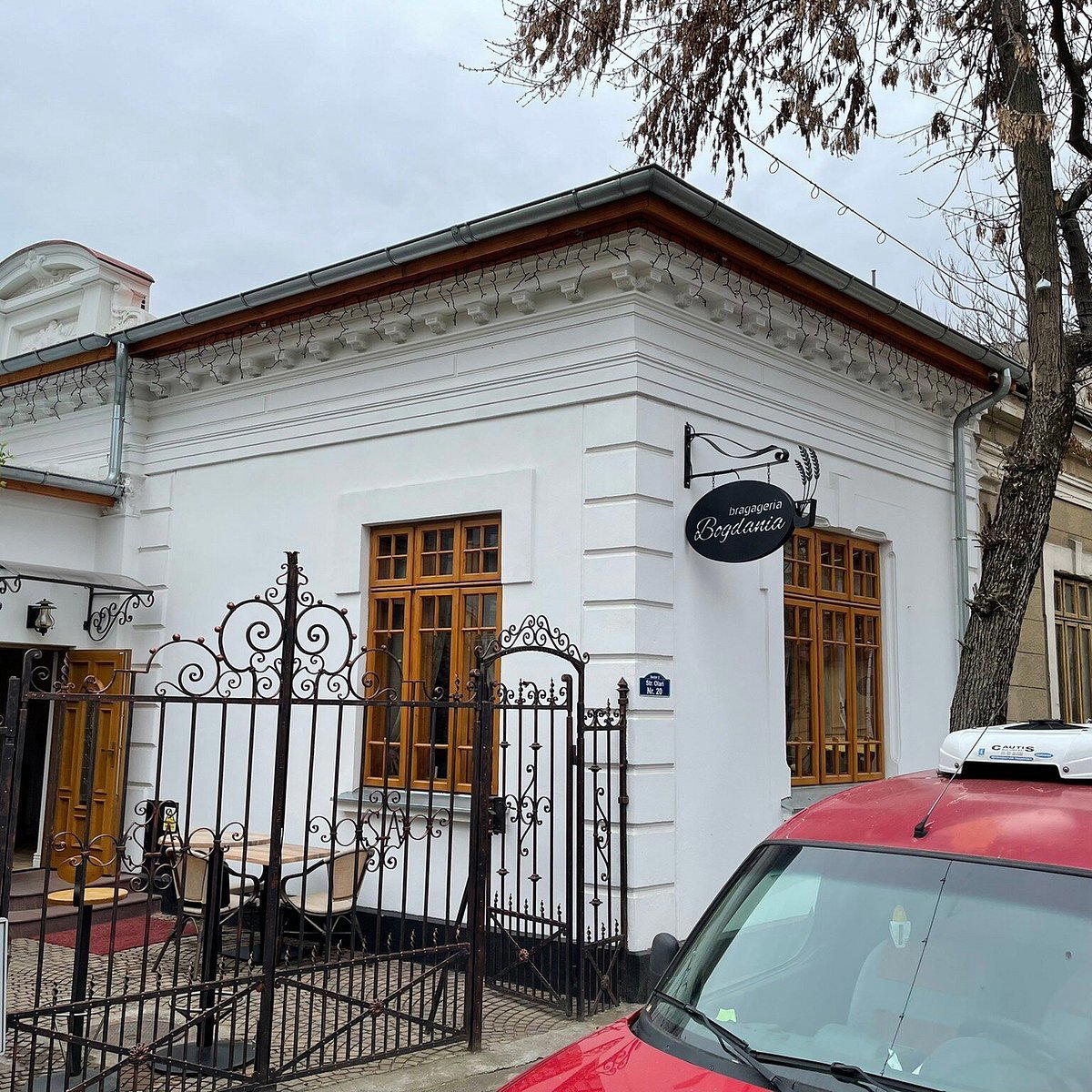
A Street Address That Tells You Something
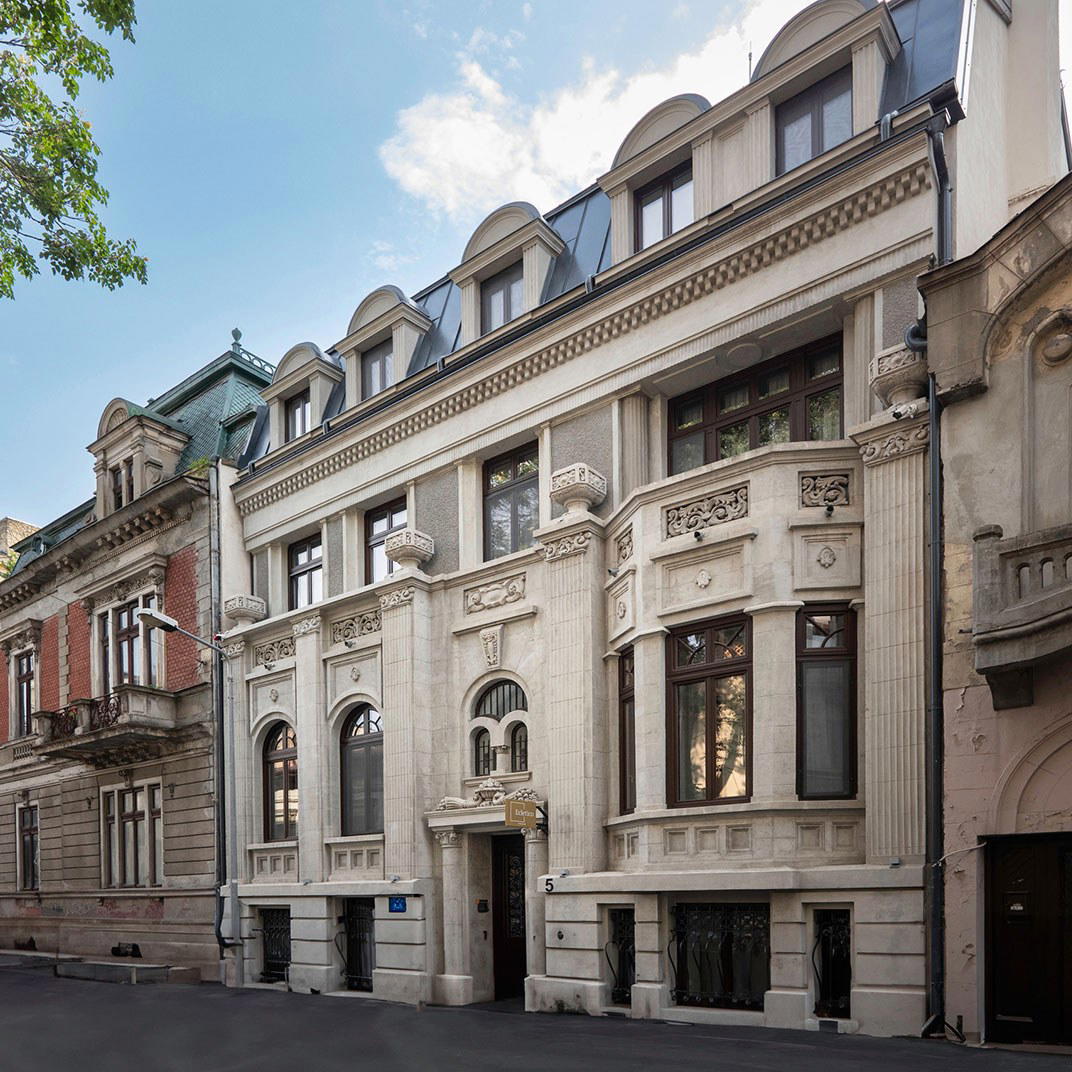
Strada Olari runs through one of Bucharest's quieter residential corridors, a stretch that sits at a deliberate distance from the Old Town circuit that most first-time visitors follow. In a city where dining geography matters, the Obor-adjacent addresses tend to attract a local, repeat clientele rather than the hotel-concierge crowd. Arriving at Bogdania Bistro, the neighbourhood context does the first work: this is not a room designed to intercept tourists on their way to Caru' Cu Bere, nor does it position itself within the higher-intensity modern Romanian scene that Alouette and Aubergine occupy. The address is a statement of intent about pace and audience.
Bucharest's bistro tier has expanded considerably over the past five years. Where the city once split cleanly between white-tablecloth Romanian and casual fast-dining, a middle register has grown to accommodate rooms that prioritise daily-use hospitality over occasion dining. Bogdania sits inside that middle register, sharing a competitive posture with neighbourhood-format bistros rather than the destination-driven properties that draw advance reservations from outside Romania.
The Rhythm of a Neighbourhood Meal
The dining ritual at a neighbourhood bistro differs structurally from the experience at a destination room, and that difference is worth understanding before you book. At higher-register Bucharest addresses like Casa Doina or Casa di David, the meal is paced by a kitchen with tasting format logic, where timing between courses is controlled and the guest is, to a degree, managed. At a bistro operating on neighbourhood terms, the pacing is more negotiated. You arrive, the room reads your tempo, and the meal unfolds accordingly. Lunch moves faster than dinner; larger tables set their own rhythm.
This format places different demands on the kitchen. There is less room for elaborate mise en place or extended preparation windows, and the menu tends to reflect what can be executed consistently across a busy service rather than what is technically ambitious. The trade is a fair one: you give up the constructed arc of a formal tasting and gain the ease of a room that expects you to use it regularly rather than reverently. That ease is not incidental. It is the product of a deliberate service posture that Bucharest's better neighbourhood bistros have developed in response to a local clientele that eats out several times a week rather than several times a year.
Compared to what the same format produces in other Romanian cities, the Bucharest bistro has generally adopted a broader European reference palette. Venues like Andalu Gastrobar in Iași or Artegianale in Brașov reflect distinct regional characters. Bucharest's version tends to absorb French bistro structure, Italian informality, and Romanian ingredient logic into a single format, without strongly declaring allegiance to any one tradition. Whether Bogdania follows that synthesis or stakes out a more distinct position is something the menu, not the address, will answer.
Where Bogdania Sits in the Romanian Picture
Romania's dining scene outside Bucharest has developed several address categories worth tracking for context. At the more ambitious end, Kupaj Fine Wines and Gourmet Tapas in Cluj-Napoca pairs wine-led programming with a tapas format that imports an Iberian register into a Transylvanian context. STUP in Simon represents the farm-anchored rural dining format that has gained traction in the countryside around Brașov. Epoca Steak House in Craiova takes the protein-centred steakhouse format into a secondary city. Against those comparators, a Bucharest neighbourhood bistro is doing something differently structured: it is serving a dense urban population that has both higher dining frequency and broader frame of reference than most regional cities can sustain.
That urban context shapes what the format needs to deliver. Bucharest diners who eat regularly across the city's middle tier develop preferences quickly. A room that performs adequately but not memorably loses repeat visits to the next address. The bistros that sustain a local following in this city tend to do one or two things with enough clarity that regulars build a habit around them, whether that is a particular preparation style, a wine list with a coherent logic, or a service team that recognises faces. At the global reference points of format ambition, venues like Le Bernardin in New York City or Lazy Bear in San Francisco demonstrate what sustained editorial identity does for longevity. The principle scales down: a neighbourhood bistro that knows what it is tends to outlast one that does not.
Practical Details for Planning Your Visit
Bogdania Bistro is at Strada Olari 20, București 024057. The Obor area is accessible by metro on the M2 line, with Obor station placing you within a short walk of the address. Given the neighbourhood positioning, this is a reasonable lunch or early dinner option when scheduling around the city's eastern districts, and it pairs logically with time spent at the Obor market or the broader residential quarter rather than as a standalone destination from the centre.
Reservations are recommended, and the bistro is open Friday through Sunday from 1 to 10 PM; it is closed Monday through Thursday. For venues across Bucharest's broader range, including properties with confirmed reservations infrastructure, the full Bucharest restaurants guide provides current operational detail. Other neighbourhood-adjacent options for context and comparison include Cafeneaua Nației in Ploiești, Cartofisserie in Suceava, Cartofisserie in Timișoara, Bistro Caffè Moțu in Baia Sprie, and Butterfly Events in Chișcani for a wider picture of Romania's bistro-register formats across different city sizes.
Cuisine and Awards Snapshot
Comparable venues nearby, for context on price, style, and recognition.
| Venue | Cuisine | Price | Notes |
|---|---|---|---|
| Bogdania BistroThis venue — the venue you are viewing | Balkan Bistro | $$ | Not listed |
| Caru'Cu Bere | Traditional Romanian | $$ | Lipscani |
| Aubergine | Mediterranean with Israeli and Egyptian influences | $$ | Old Town |
| Casa Doina | Traditional Romanian | $$$ | Sector 1 |
| Studio 80 | Asian-Mediterranean Fusion | $$$ | Pipera |
| Alouette | Modern European Bistro | $$$ | Old Town |
Continue exploring
More in Bucharest
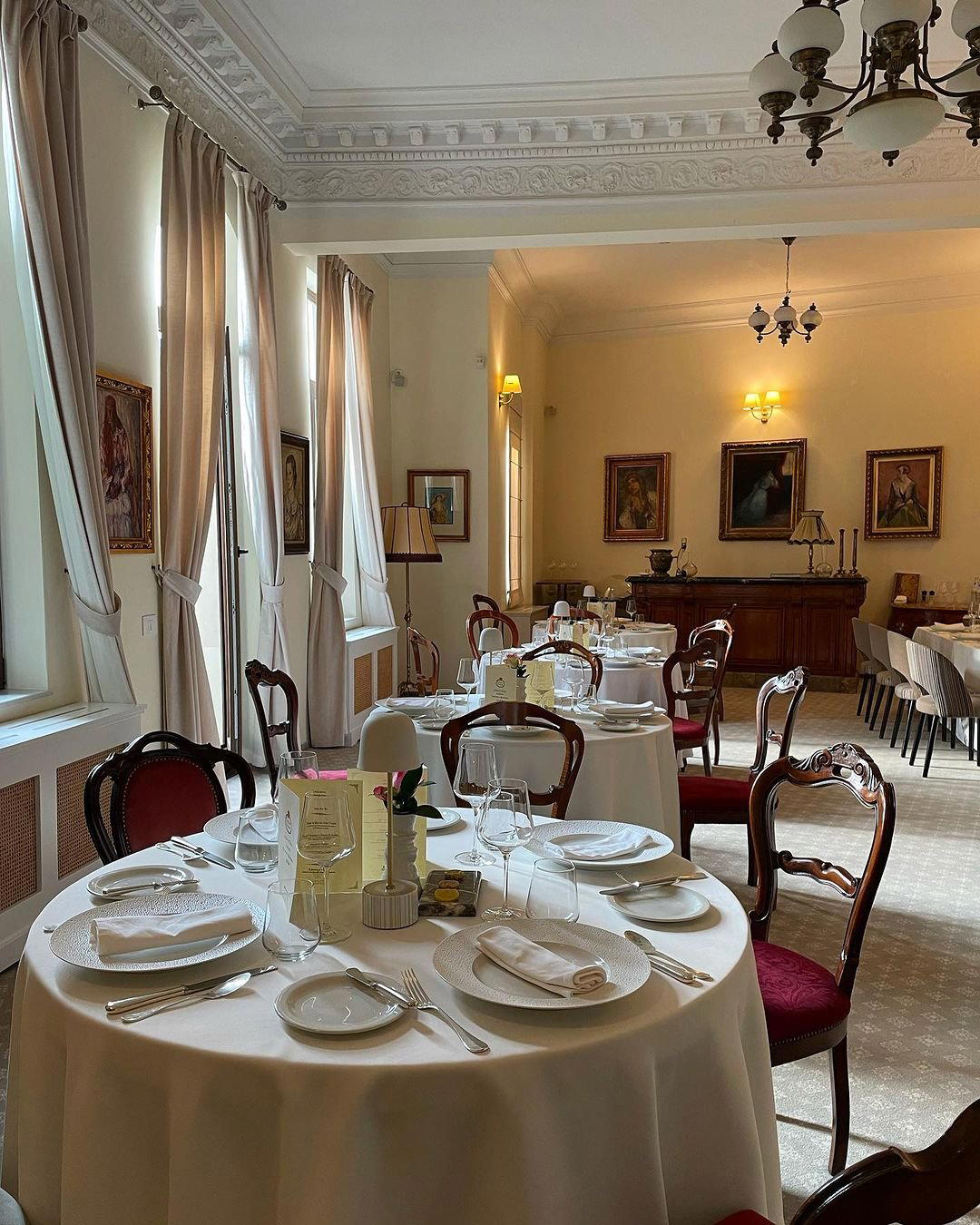
Restaurants in Bucharest
Browse all →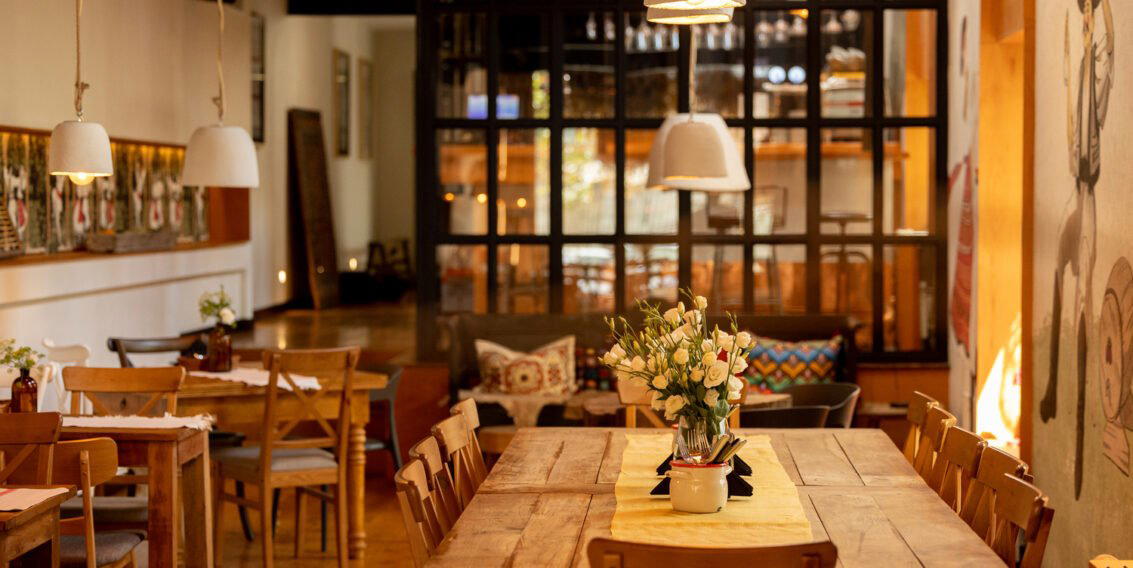
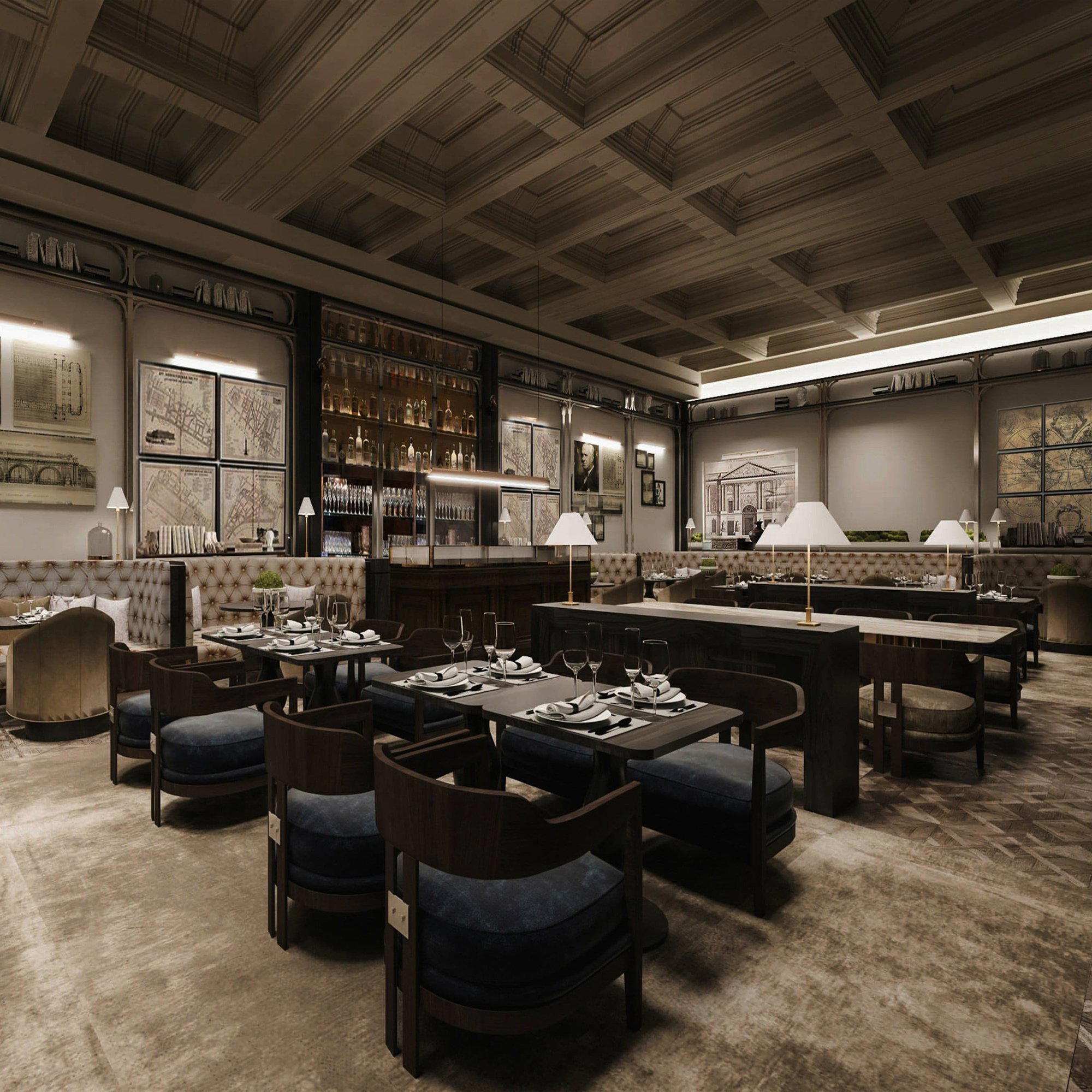
Bars in Bucharest
Browse all →

At a Glance
- Cozy
- Bohemian
- Intimate
- Classic
- Casual Hangout
- Group Dining
- Business Dinner
- Date Night
- Terrace
- Garden
- Standalone
- Beer Program
Current opening hours
- Monday
- Closed
- Tuesday
- Closed
- Wednesday
- Closed
- Thursday
- Closed
- Friday
- 1–10 PM
- Saturday
- 1–10 PM
- Sunday
- 1–10 PM
Hours can change for holidays and private events. Last verified .
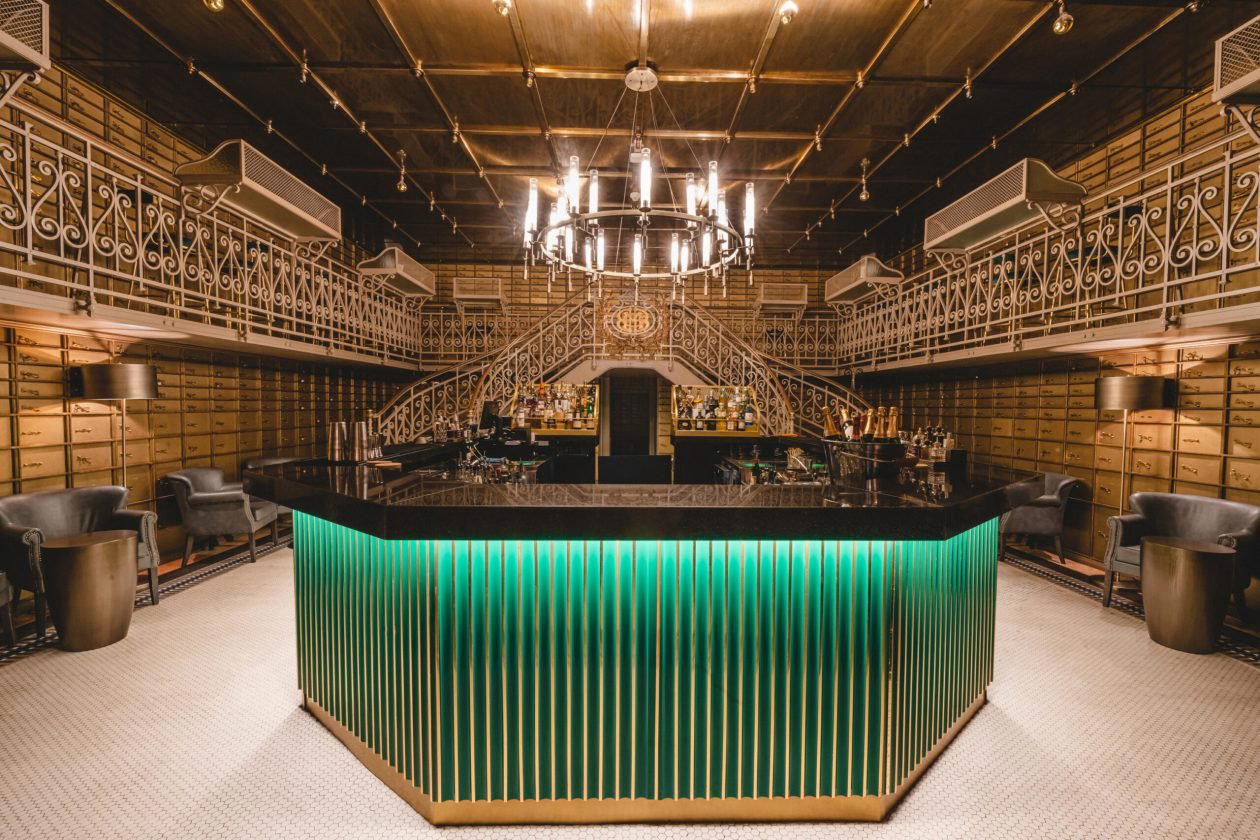
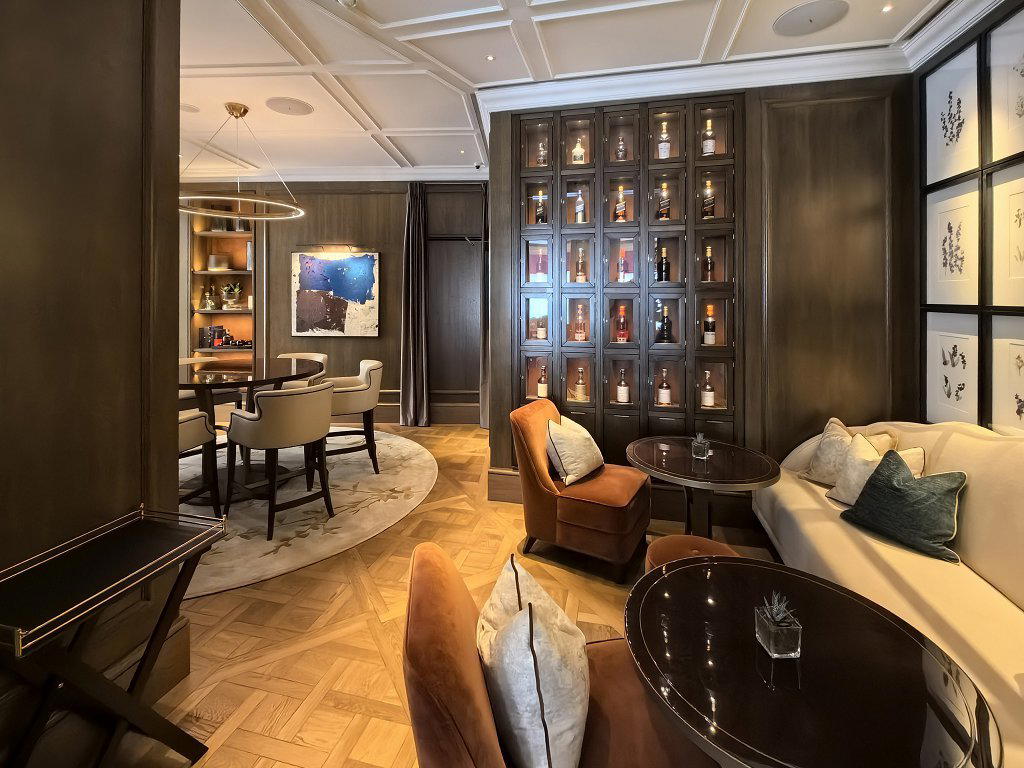
Intimate and cozy with antique furnishings evoking early 20th-century Bucharest; warm lighting and a peaceful garden terrace hidden from the city center bustle; decorated with old furniture reminiscent of a more peaceful era.