
NOUA occupies a quiet stretch of Popa Nan Street in central Bucharest, where chef Alex Petricean has built one of the city's most discussed fine-dining addresses around a modern Romanian framework. The kitchen draws on native ingredients and culinary tradition without treating either as decoration. For anyone tracking where Romanian haute cuisine is heading, this is a primary reference point.
Pearl is the En Primeur Club membership app — saves, bookings, and concierge access live there. Same editors, same standards.
- Address
- Str. Popa Nan 7, 030167 București, Romania
- Phone
- +40 21 794 3294
- Website
- nouarestaurant.ro
- Directions
- Get directions
 Saves & bookings on Pearl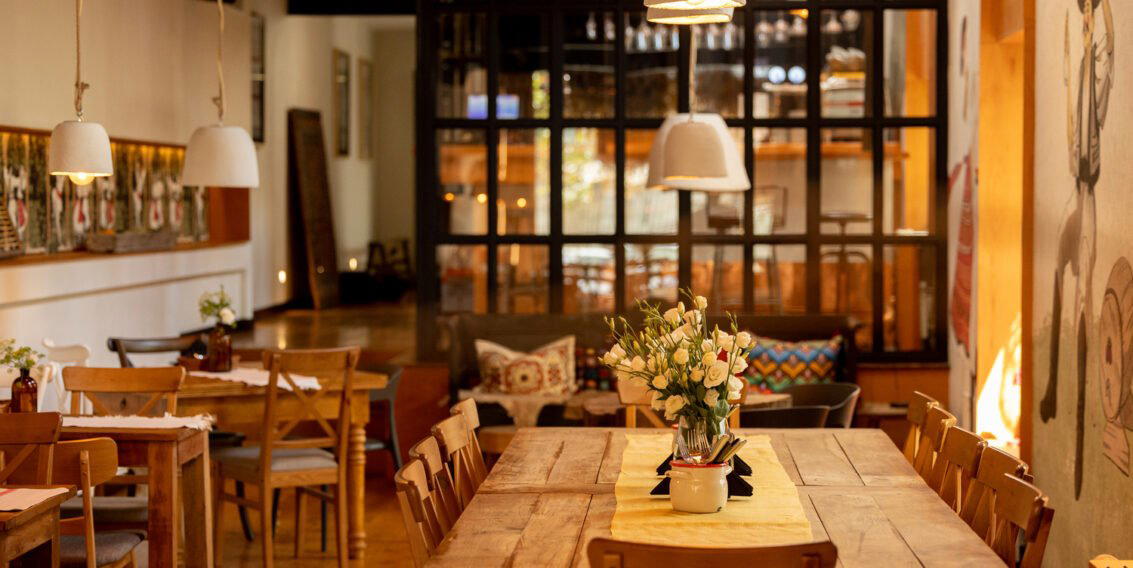
A Street in Bucharest, and What It Now Represents
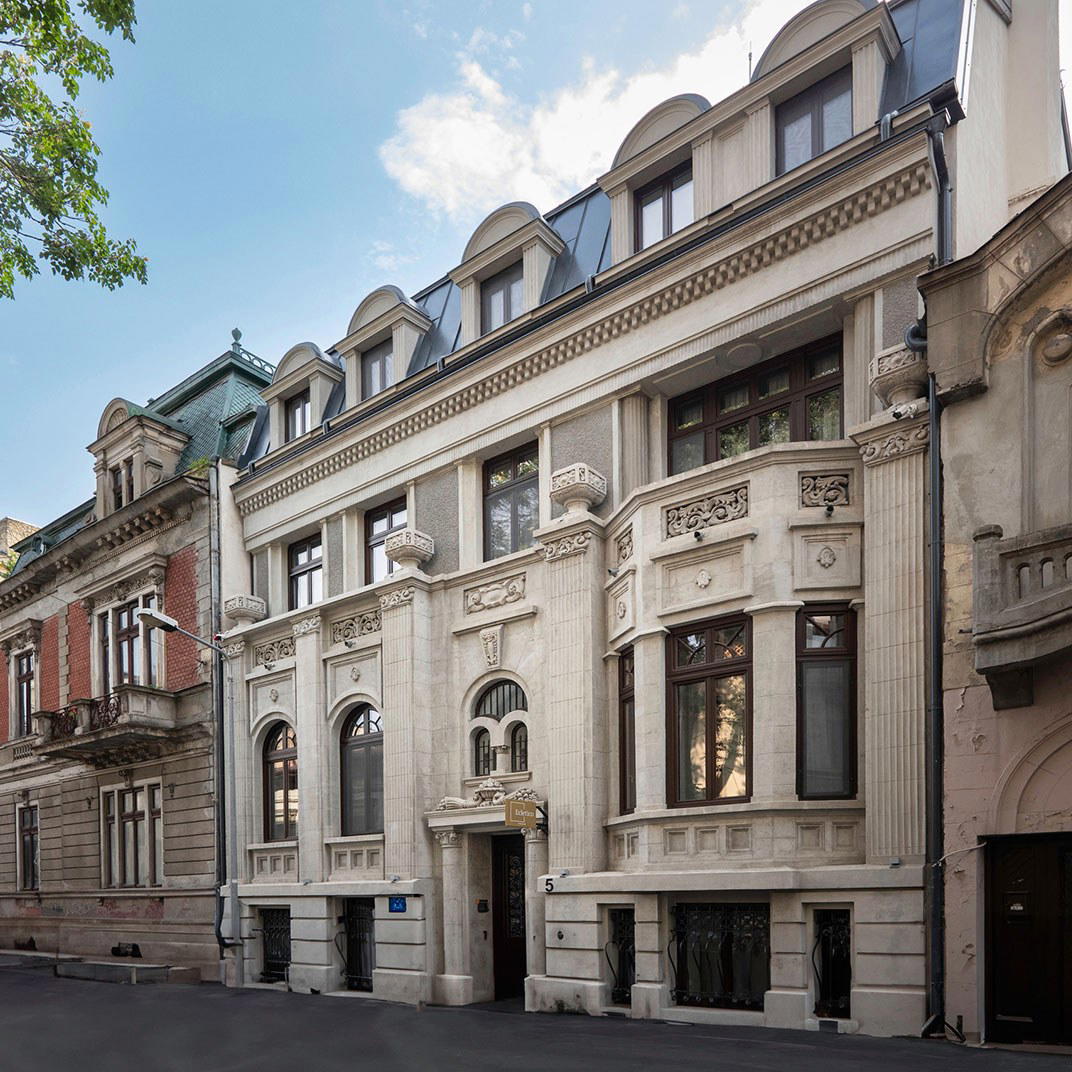
Str. Popa Nan 7 is not a dining address that announces itself. The street sits in a part of central Bucharest that has accumulated independent restaurants and neighbourhood bars without becoming a destination quarter in the way that, say, Floreasca or the Old Town have. That relative quiet matters: it is precisely the kind of location where serious kitchens tend to take root in European cities, away from tourist circuits and high rents, with space to operate on their own terms. NOUA belongs to that tradition. The restaurant has earned attention not through spectacle or location but through the argument its kitchen is making about what Romanian cooking can be at its most considered.
Across European fine dining, the last decade has produced a recognisable pattern: younger chefs returning from international kitchens and applying high technique to regional ingredient traditions that had been overlooked or undervalued. You see this in Aponiente's rehabilitation of marine by-products in southern Spain, in Norbert Niederkofler's Alpine ingredient focus in Brunico, and in the broader Basque lineage that runs through Arzak in San Sebastián. Romania arrived later to this conversation, partly because the country's communist-era food culture systematically flattened regional traditions, and partly because serious investment in hospitality infrastructure came later than in Western Europe. NOUA is among the restaurants now making up that ground.
Romanian Cuisine as a Framework, Not a Theme
Romanian cooking is frequently misunderstood outside its borders, and sometimes within them. The popular image tends toward heavy peasant stews, preserved meats, and polenta — foods of survival and winter, which form a real and honourable part of the tradition but represent only one register of a much wider pantry. Romanian culinary heritage also encompasses the lighter Moldavian vegetable tradition, the Ottoman-influenced pastry and grape-leaf preparations of the south, the cured and smoked products of Transylvania, and a long history of seasonal preservation that predates any European trend toward fermentation. These are not decorative references for a modern menu: they represent a coherent culinary grammar with genuine depth.
The restaurant addresses this grammar through chef Alex Petricean, whose credentials as a driver of the modern Romanian fine-dining conversation are well established in the local market. The kitchen's approach at NOUA positions Romanian ingredients and techniques as the primary framework rather than as accent notes within a more internationally legible format. That distinction matters when assessing where this restaurant sits relative to peers. L'ATELIER operates in the Romanian modern register as well, and both restaurants form part of a small but increasingly coherent tier of Bucharest dining that is worth comparing directly. Le Bistrot Français represents the French-influenced alternative that has long served as a counterpoint to native-ingredient-led kitchens in the city.
Beyond Bucharest, the nearest useful comparative is STUP in Simon, which operates in a French-fusion register from a rural Transylvanian base and speaks to the same broader trend of Romanian hospitality finding a more specific culinary identity. Both restaurants are worth tracking as part of the same emerging story, even if their formats and settings differ considerably.
The Competitive Context: Where NOUA Sits
Fine dining in Bucharest occupies an unusual position in the European scene. The city has the population and economic activity to support serious restaurants, but the market for high-ticket tasting menus remains narrower than in Warsaw, Prague, or Budapest, partly because the post-1989 restaurant culture developed with different priorities. That context means the handful of restaurants operating at the level NOUA targets are competing not just locally but for a travelling audience that now includes food-focused visitors who treat Central and Eastern European capitals as legitimate dining destinations rather than budget alternatives to the West.
The standard of reference for this kind of Nordic or Eastern European ingredient-led fine dining abroad is instructive. At the international level, technically rigorous tasting menus built on a specific regional identity have become a strong category: Atomix in New York built its reputation on Korean culinary architecture reimagined through a fine-dining lens, while Lazy Bear in San Francisco operates on a communal American tradition updated with modern technique. Neither is a direct peer to NOUA, but both illustrate the broader model: regional identity as a driver of differentiation, not as nostalgia.
At the more classical French end of the spectrum, restaurants like Alain Ducasse at Louis XV in Monte Carlo or Alléno Paris au Pavillon Ledoyen represent an older model of fine dining where French technique is the universal benchmark. The newer generation of restaurants, including those in Bucharest's emergent fine-dining tier, implicitly argues against that universalism. Romanian cooking does not need a French framework to be taken seriously at a table that costs real money. NOUA is part of making that case.
Planning Your Visit
NOUA is located at Str. Popa Nan 7 in central Bucharest, accessible from the city centre without significant travel time. The address falls within a walkable zone from several of the city's better hotels, and the neighbourhood, while not a conventional dining destination, is direct to reach by taxi or rideshare from most central points. For a fuller picture of where to stay, our Bucharest hotels guide covers the range of options across price tiers.
Given the restaurant's position in the upper tier of Bucharest dining, advance booking is advisable. Tasting-menu restaurants at this level typically fill their sittings several weeks ahead, particularly on weekends, and this pattern holds across comparable formats in the region. Visitors building a trip around the meal should plan accordingly, treating NOUA as the anchor booking rather than an addition. For allergy requirements and dietary needs, direct contact with the restaurant ahead of arrival is the appropriate channel.
Bucharest's dining scene extends well beyond fine dining, and NOUA sits within a city that repays exploration at multiple levels. Our full Bucharest restaurants guide maps the wider picture, while the bars guide, wineries guide, and experiences guide cover the rest of the city's offer for visitors planning a longer stay. Romanian wine, in particular, has undergone significant development in the last decade and pairs naturally with a kitchen oriented around native ingredients.
For those building a broader Bucharest itinerary around serious eating, NOUA represents the clearest argument for what Romanian fine dining has become, set within a city that continues to develop its own voice in the European dining conversation. The restaurant also serves as a useful anchor for comparing what the category looks like at international reference points: Le Bernardin in New York, Emeril's in New Orleans, and 8½ Otto e Mezzo Bombana in Hong Kong each represent a different inflection of the tasting-menu format in their respective markets. Against that range, what NOUA is attempting in Bucharest is both locally significant and internationally legible to any reader who follows where serious food is being made.
How NOUA Bucharest compares with similar nearby venues.
| Venue | Awards |
|---|---|
| NOUA | The Best Chef One Knife (2025) |
Recognition history
Dated appearances from independent guides and award organizations, with the underlying list record or original source where available.
The Best Chef One Knife
The Best Chef
Continue exploring
More in Bucharest
Restaurants in Bucharest
Browse all →
Bars in Bucharest
Browse all →
At a Glance
- Elegant
- Intimate
- Sophisticated
- Cozy
- Date Night
- Celebration
- Special Occasion
- Business Dinner
- Open Kitchen
- Wine Cellar
- Historic Building
- Standalone
- Sommelier Led
- Local Sourcing
Current opening hours
- Monday
- Closed
- Tuesday
- Closed
- Wednesday
- 6–9 PM
- Thursday
- 6–9 PM
- Friday
- 6–9 PM
- Saturday
- 6–9 PM
- Sunday
- Closed
Hours can change for holidays and private events. Last verified .
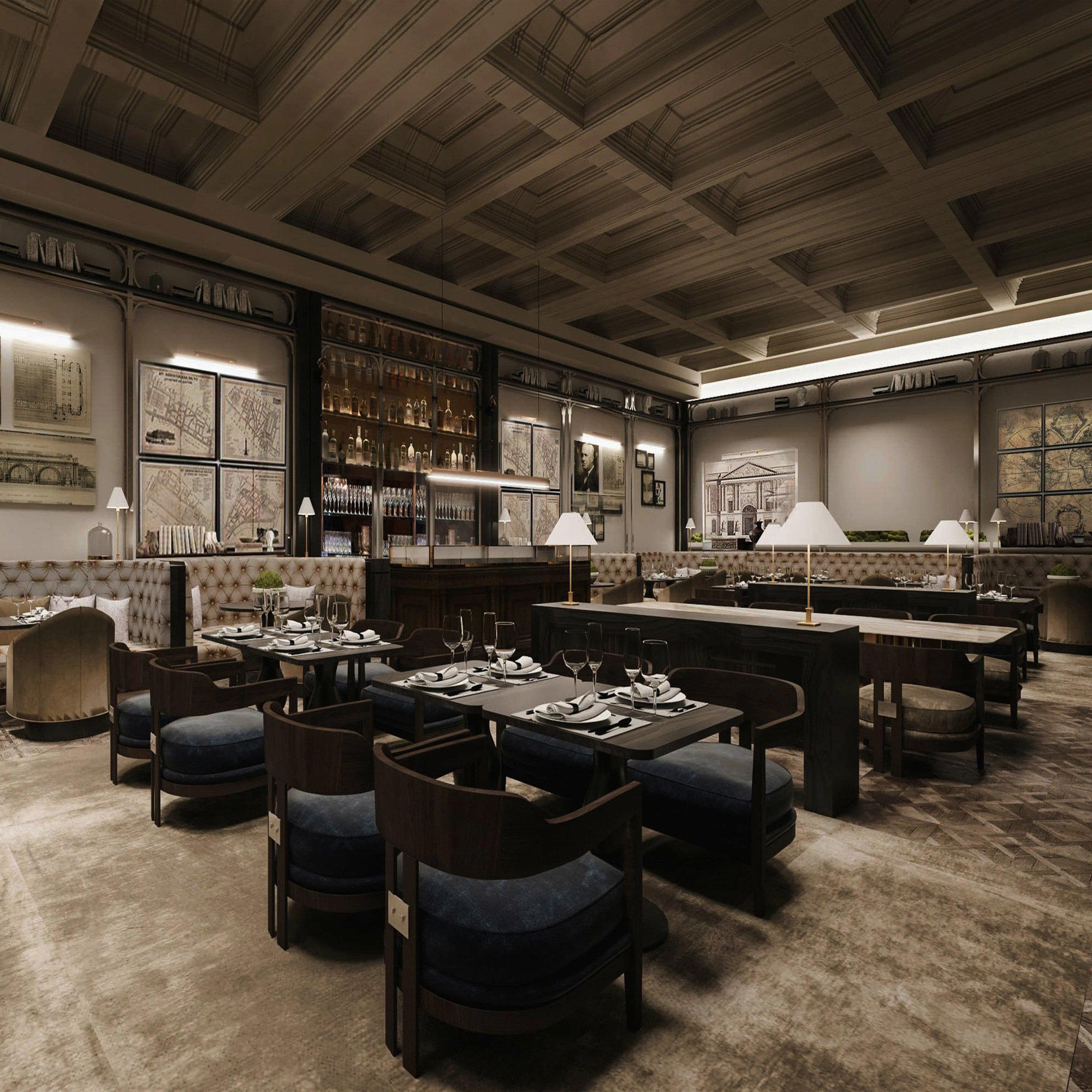
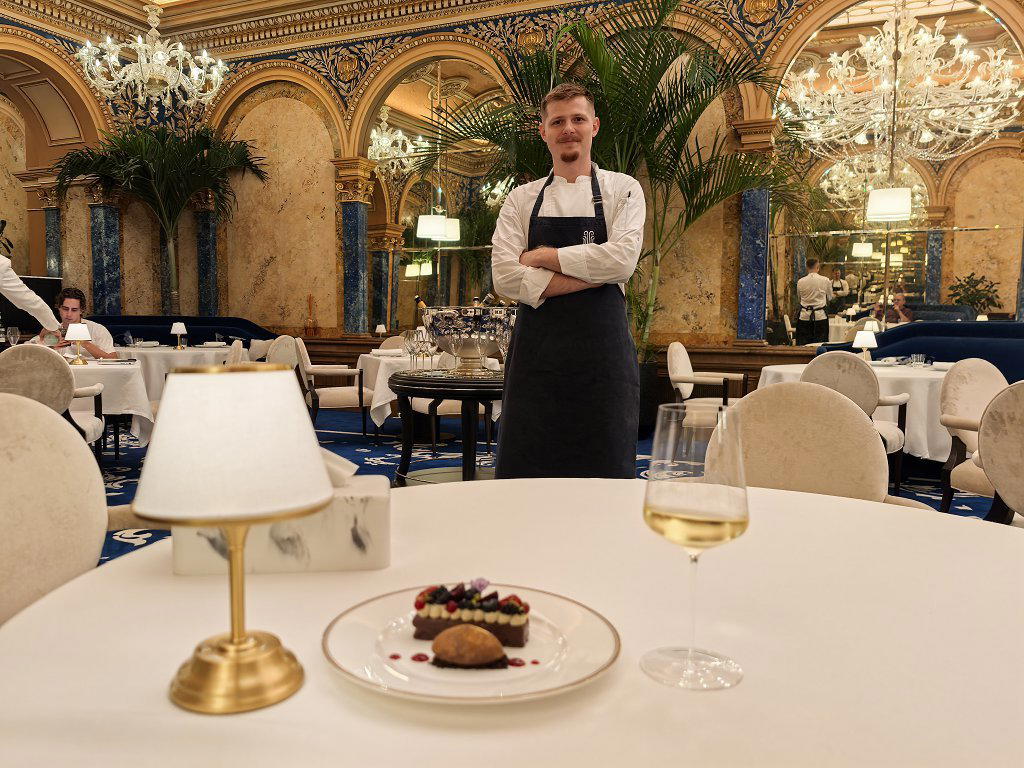
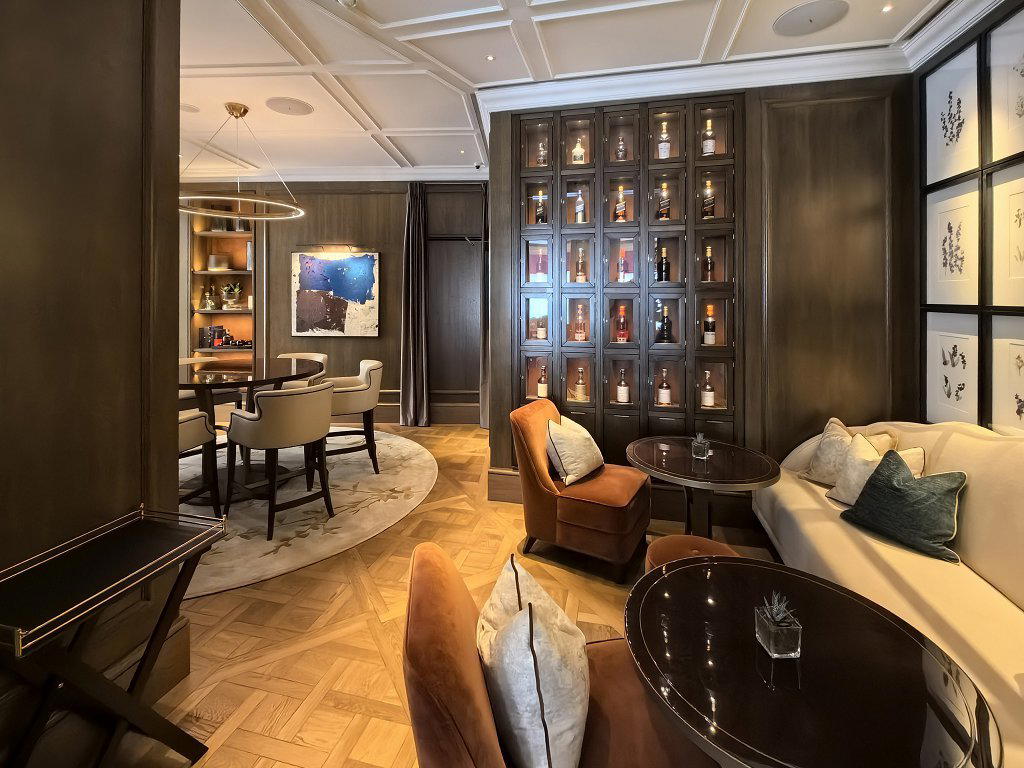
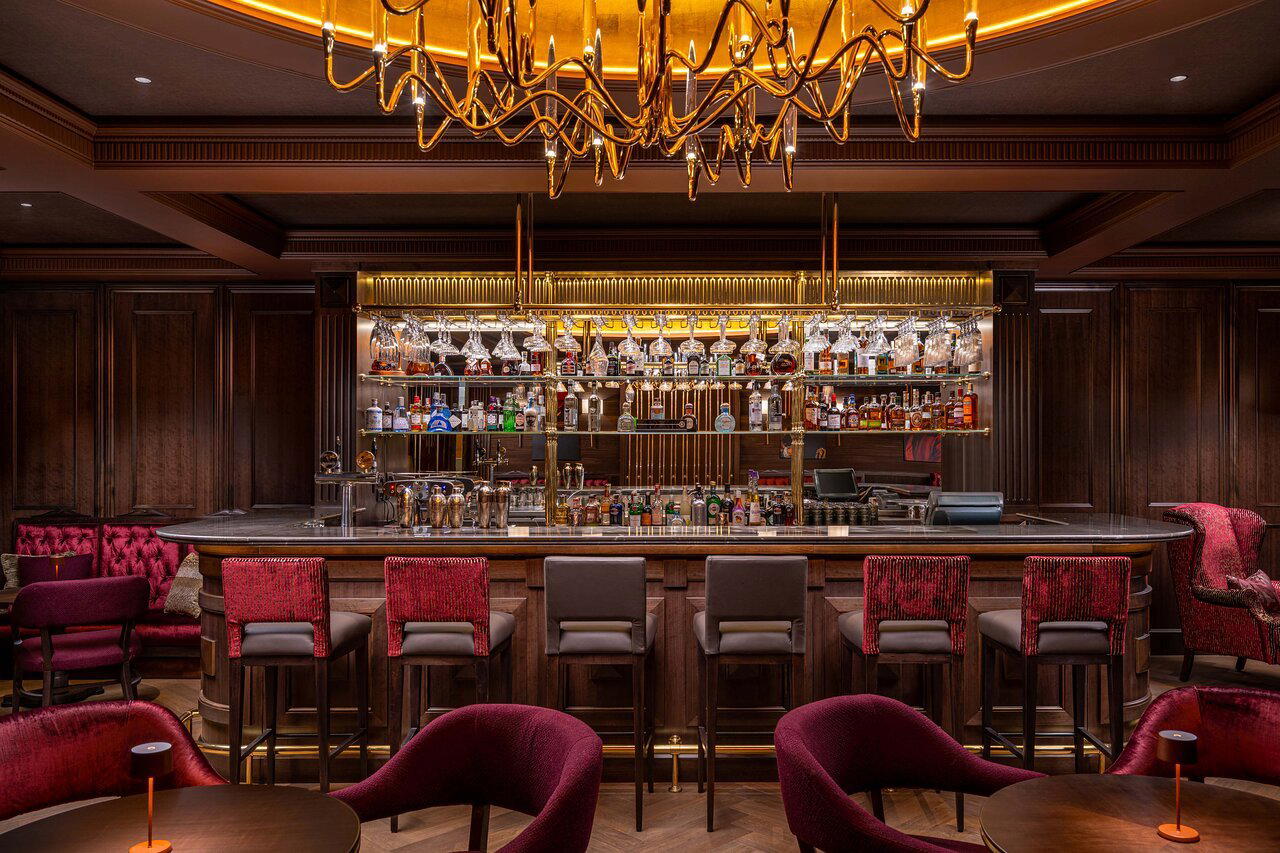
Warm, inviting, and refined with intimate lighting, elegant decor blending traditional Romanian motifs with contemporary aesthetics, open kitchen visibility, and a cosy-homey atmosphere despite fine dining sophistication.
Know Before You Go
- Getting there
- Str. Popa Nan 7, 030167 București, Romania