Kupaj Gourmet


Wine Spectator Best of Award of Excellence
Our verdict
Kupaj Gourmet occupies a precise address in central Cluj-Napoca at Strada Sindicatelor 4, placing it inside the city's emerging fine-dining corridor where ingredient provenance and kitchen craft are the primary competitive signals. Visitors planning Cluj's broader dining circuit should read it alongside the city's other serious kitchens.

Pearl is the En Primeur Club membership app — saves, bookings, and concierge access live there. Same editors, same standards.
- Address
- Strada Sindicatelor 4, Cluj-Napoca 400000, Romania
- Phone
- +40731653653
- Hours
- Mon–Fri 6–11 PMSat–Sun 11 AM–3 PM, 4–11 PM
- Website
- kupaj.ro
- Directions
- Get directions
The menu
What to order
- Tuna_tartare
- Eggplant_mousse
- Broccoli_cauliflower_tartare
Where Cluj-Napoca's Gourmet Conversation Is Happening
Romanian fine dining has spent the past decade in a sustained argument with itself about what the category should mean. In Bucharest, the debate has often centred on French technique applied to local ingredients, as seen in places like Bogdania Bistro in Bucharest or the historic theatricality of Caru' cu bere in Bucuresti. In Cluj-Napoca, the conversation has taken a different shape: more compressed, more ingredient-led, and increasingly anchored to Transylvania's specific agricultural character. Strada Sindicatelor 4 is not an obvious address for this kind of ambition. It is a central-city street address without the decorative context of a heritage courtyard or a riverside terrace, which means Kupaj Gourmet has to earn attention through what arrives on the plate rather than where the plate arrives.
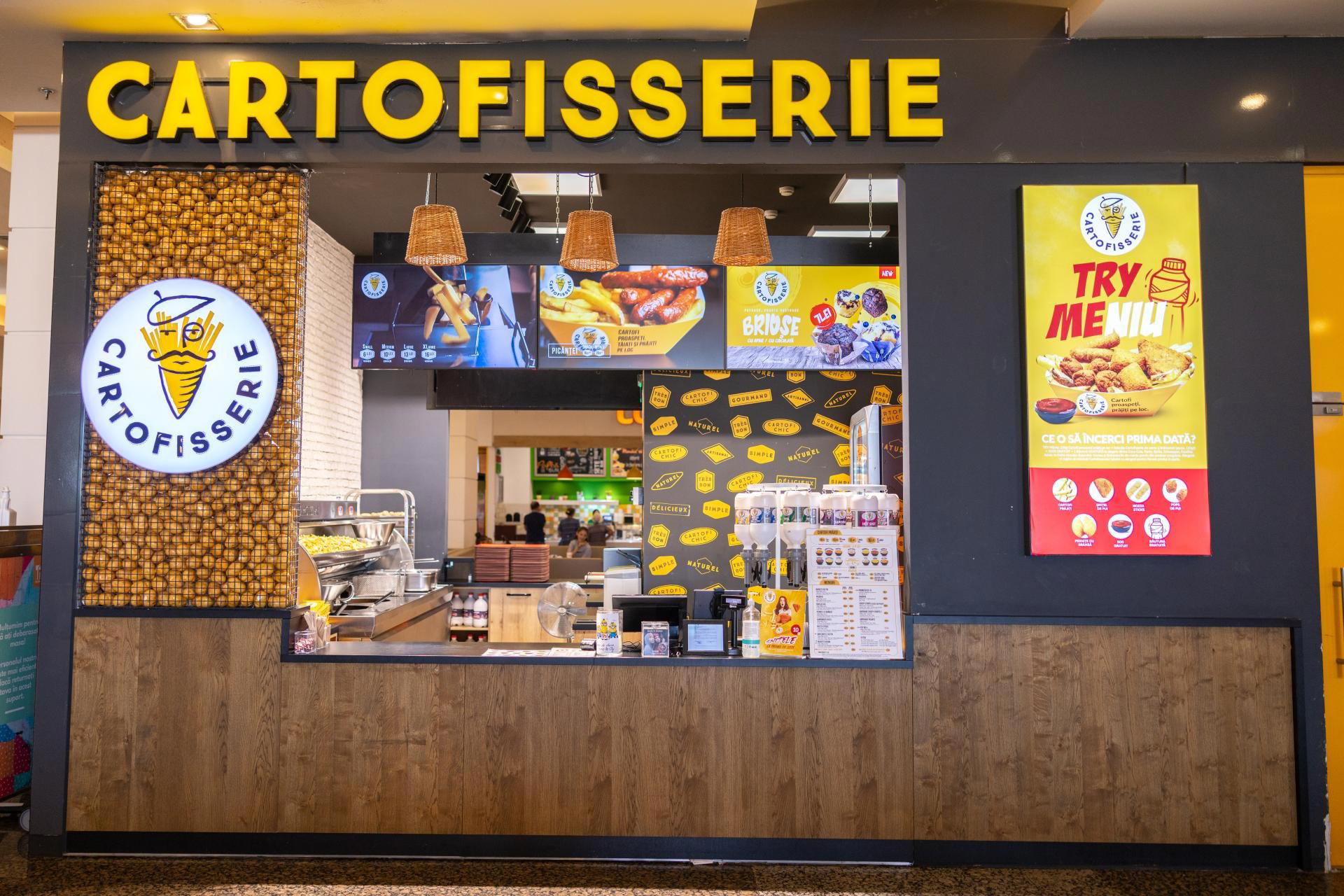
That constraint is, in many ways, a useful editorial frame. Gourmet kitchens that operate without the theatre of dramatic settings tend to invest the production budget elsewhere, typically in sourcing. Cluj's broader dining circuit, which now includes a range of formats from Cartofisserie Iulius Mall at the casual end to more technically driven rooms like Kupaj Fine Wines and Gourmet Tapas, has developed enough depth that diners can reasonably build a multi-stop itinerary without repeating the same culinary register. Kupaj Gourmet sits at the serious end of that spectrum.
Transylvania on the Plate: The Sourcing Logic
The ingredient argument in Transylvanian cooking is a specific one. The region's agricultural heritage includes highland pastures producing distinctively flavoured dairy, forest-edge foraging corridors for mushrooms and wild herbs, and river valleys with cold-water fish traditions that predate industrialised aquaculture by centuries. These are not marketing claims; they are documented features of the region's food geography that serious kitchens have been working to re-articulate since Romania's EU accession created both new market pressures and new access to technique.
Gourmet formats in this context face a structural choice: import premium ingredients from Western European supply chains to hit familiar fine-dining reference points, or build menus around what the Transylvanian region actually produces and accept that the result will feel different from a Parisian or Vienna-trained template. The latter path is harder to price and harder to explain, but it is the approach that tends to produce a distinctive kitchen identity. Across Romania's newer serious restaurants, from Eat IT casual gourmet kitchen in Oradea to Lo Sfizio in Targu Mures, the tension between these two paths produces some of the most interesting culinary differentiation in the country.
Kupaj Gourmet's address in central Cluj suggests it is operating in a context where both local and international diners form the audience. Cluj has developed a substantial tech-sector professional class and hosts two major universities, which means the local market is younger and more internationally calibrated than comparable cities in the region. That audience tends to understand provenance arguments and respond to them, creating the conditions for sourcing-led kitchens to hold their positioning over time.
Cluj's Gourmet Tier: Competitive Positioning
Understanding where Kupaj Gourmet sits requires a brief map of the city's current dining structure. Cluj-Napoca is not Bucharest in scale, but it has developed a meaningful range of formats in the past five years. The most interesting comparison is with its sibling concept, Kupaj Fine Wines and Gourmet Tapas, which handles the wine-forward tapas register that has become one of the city's more reliable format exports. Where the tapas operation is built for grazing and sharing, Kupaj Gourmet signals a more structured dining proposition, one where a kitchen has room to develop a point of view across multiple courses rather than across a selection of small plates.
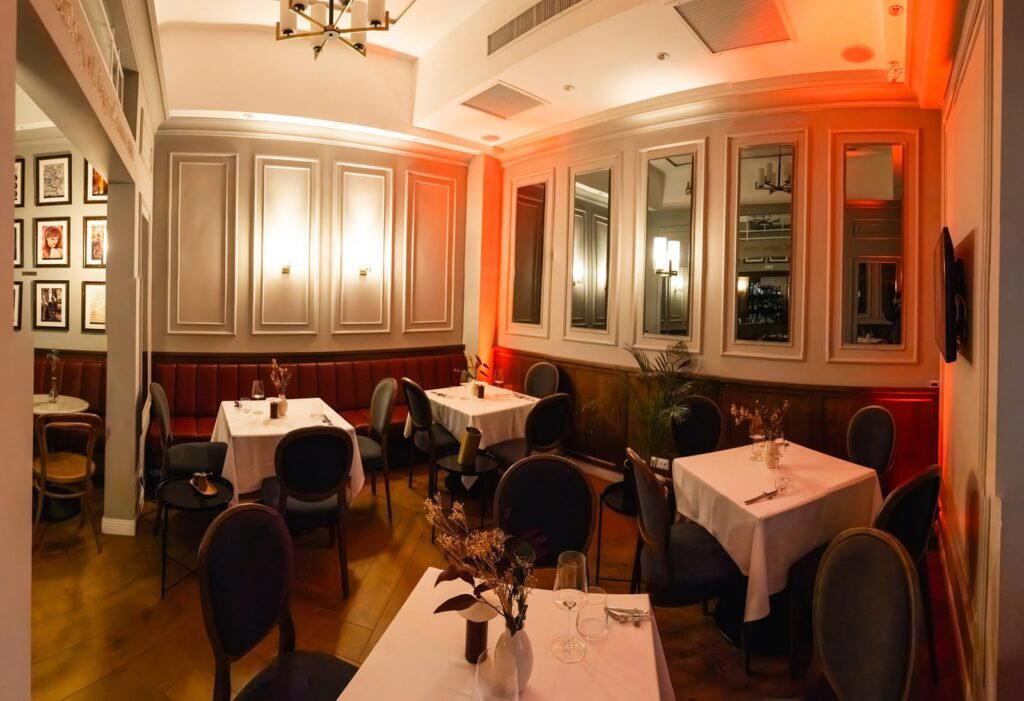
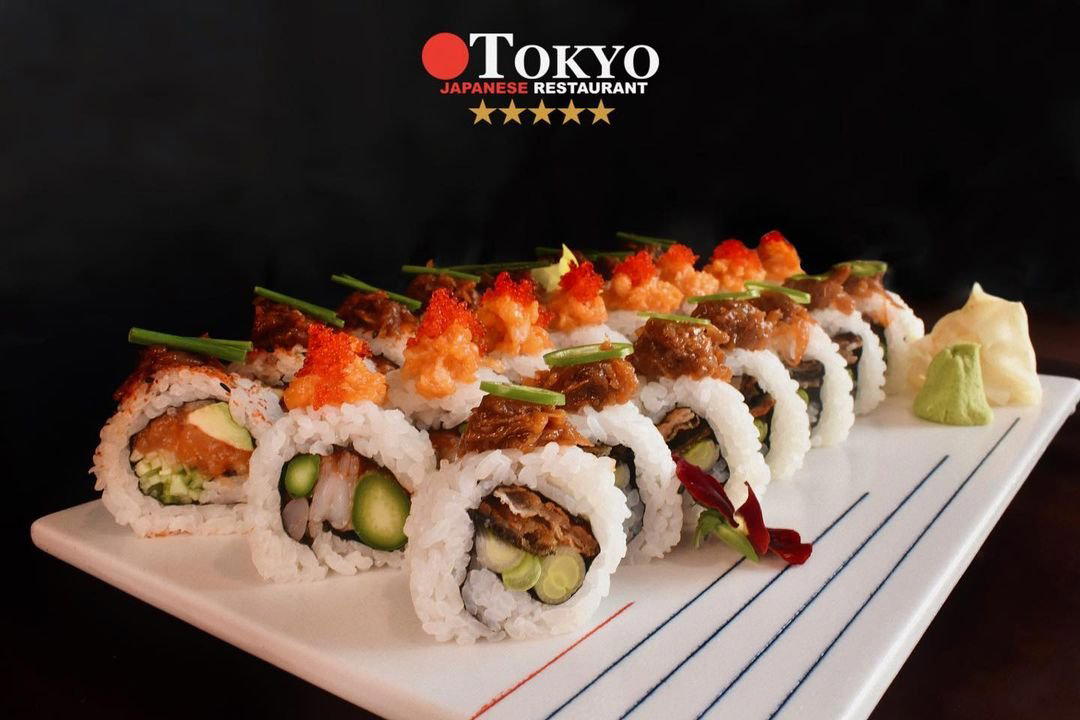
At the other end of the city's register, venues like Cofeels and Tokyo Japanese Restaurant occupy different niches, the former in the specialty coffee and lighter food segment, the latter in imported Asian cuisine. Neither is a direct peer for a gourmet kitchen, but they illustrate the breadth of the city's dining offer and help position what Kupaj Gourmet is not. Internationally, the craft discipline visible at restaurants like Le Bernardin in New York City or the tasting-menu rigour of Atomix in New York City set a reference point for what a serious kitchen at any scale is working toward. The Cluj context is different in resources and market size, but the directional ambition is comparable.
Across the broader Romanian circuit, Kombinat Gastro-Brewery in Sibiu represents a different model for Transylvanian dining ambition, one that integrates brewing culture into the food offer. Kupaj Gourmet appears to operate with a tighter focus on the kitchen itself rather than a broader hospitality concept, though without further confirmed data on format specifics, that reading should be held lightly.
Planning a Visit to Strada Sindicatelor 4
The address at Strada Sindicatelor 4, Cluj-Napoca 400000, places Kupaj Gourmet in the city's central zone, walkable from the main Unirii Square and accessible by most transport from Cluj's main rail station. For visitors building a full day or weekend around the city's dining offer, the practical approach is to anchor an evening at Kupaj Gourmet and bracket it with lighter stops: Cluj has enough breadth across formats, from the Cocteleria Urban Garden in Floresti for a pre-dinner drink in the near suburbs, to post-dinner coffee options in the centre, to support a complete evening circuit. For a fuller map of the city's serious kitchens and cafés, the EP Club full Cluj-Napoca restaurants guide provides context across the range.
Visitors arriving from other Romanian cities can compare the gourmet register here with what the format looks like in different regional contexts, including Cartofisserie in Timisoara, Cartofisserie in Suceava, or the Muntenian coastal register at Vatos Restaurant in Agigea. For event-format dining, Butterfly Events in Chiscani and Cafeneaua Nației in Ploiesti operate in different hospitality modes but illustrate how Romania's broader dining circuit is developing across format and geography.
Contacting the venue directly via the Strada Sindicatelor 4 address is the reliable path for reservation and planning information. Cluj's better kitchens at this tier typically operate on a reservation basis, particularly across midweek evenings and weekend services, so advance planning is advisable.
Frequently asked questions
How do I find Kupaj Gourmet?
Kupaj Gourmet is located at Strada Sindicatelor 4, Cluj-Napoca 400000, Romania, Cluj-Napoca.
How does Kupaj Gourmet fit into Cluj-Napoca's broader dining scene compared to other Romanian fine dining destinations?
Cluj-Napoca has developed a gourmet dining tier that operates independently of Bucharest's longer-established fine dining circuit, with restaurants drawing on Transylvania's distinct agricultural and culinary heritage rather than importing a capital-city template. Kupaj Gourmet, positioned in the city's central zone near Unirii Square, sits within that Cluj-specific conversation. For diners familiar with Romanian cuisine primarily through Bucharest, the regional Transylvanian framing at this level represents a meaningfully different approach to the country's cooking traditions.
What's the signature dish at Kupaj Gourmet?
What the restaurant's positioning within Cluj-Napoca's gourmet tier does suggest is a focus on Transylvanian regional ingredients rather than a pan-European template. check the venue's official channels at Strada Sindicatelor 4 for current menu details.
Do I need a reservation for Kupaj Gourmet?
Given Kupaj Gourmet's address in central Cluj-Napoca, within walking distance of Unirii Square, footfall is consistent enough that walk-ins carry real risk at peak hours. Booking ahead is the practical approach, particularly for dinner seatings on weekends. No online booking channel is currently listed in public records, so direct contact with the venue is the route to confirm.
What's the defining dish or idea at Kupaj Gourmet?
The defining idea at Kupaj Gourmet appears to be the application of gourmet technique to Transylvanian ingredient traditions, a direction that separates it from Cluj restaurants working in a more generic European fine dining mode. Romania's highland pastoral produce and regional preserving culture give a kitchen working in this frame a distinct sourcing vocabulary. Specific signature preparations would need to be confirmed directly with the restaurant.
What if I have allergies at Kupaj Gourmet?
No published allergen or dietary accommodation policy is available for Kupaj Gourmet. At a gourmet-tier restaurant in central Cluj-Napoca, the standard expectation is that the kitchen can address common dietary requirements when notified in advance. Raise specific allergies at the point of reservation rather than on arrival.
Is Kupaj Gourmet worth the price?
Pricing details for Kupaj Gourmet are not currently published, which is itself a signal: restaurants in Cluj-Napoca's gourmet tier that do not list prices tend to sit in a bracket that assumes a degree of prior commitment from the guest. Within the Romanian fine dining context, Cluj has built a credible alternative to Bucharest's more established scene, and Kupaj Gourmet is part of that conversation at Strada Sindicatelor 4. Whether the value calculation holds depends on the current menu execution, which warrants checking directly.
Comparable Venues
Comparable venues nearby, for context on price, style, and recognition.
| Venue | Cuisine | Price | Awards | Notes |
|---|---|---|---|---|
| Kupaj GourmetThis venue — the venue you are viewing | Fusion Gourmet Tapas & Fine Wines | Not listed | Wine Spectator Best of Award of Excellence | Not listed |
| Tokyo Japanese Restaurant | Authentic Japanese Sushi and Ramen | Not listed | Not listed | Zorilor |
| Cofeels | Specialty Coffee & Vegan Café | Not listed | Not listed | Cluj-Napoca city center |
| Cartofisserie Iulius Mall | Belgian-French Loaded Fries | $1–10 | Not listed | Marasti |
| Kupaj Fine Wines and Gourmet Tapas | Fusion Gourmet Tapas & Fine Wines | Not listed | Wine Spectator Best of Award of Excellence | Centru |
| La Boheme Noblesse | Event Venue | Not listed | Not listed | Bascov |
Recognition history
Dated appearances from independent guides and award organizations, with the underlying list record or original source where available.
Wine Spectator Best of Award of Excellence
Wine Spectator
World's Best Wine Lists Awards WBWL Category Winner
World's Best Wine Lists Awards
Full recognition history (3 entries)
World's Best Wine Lists Awards WBWL 3-Star
World's Best Wine Lists Awards
Continue exploring
More in Cluj-Napoca
Restaurants in Cluj-Napoca
Browse all →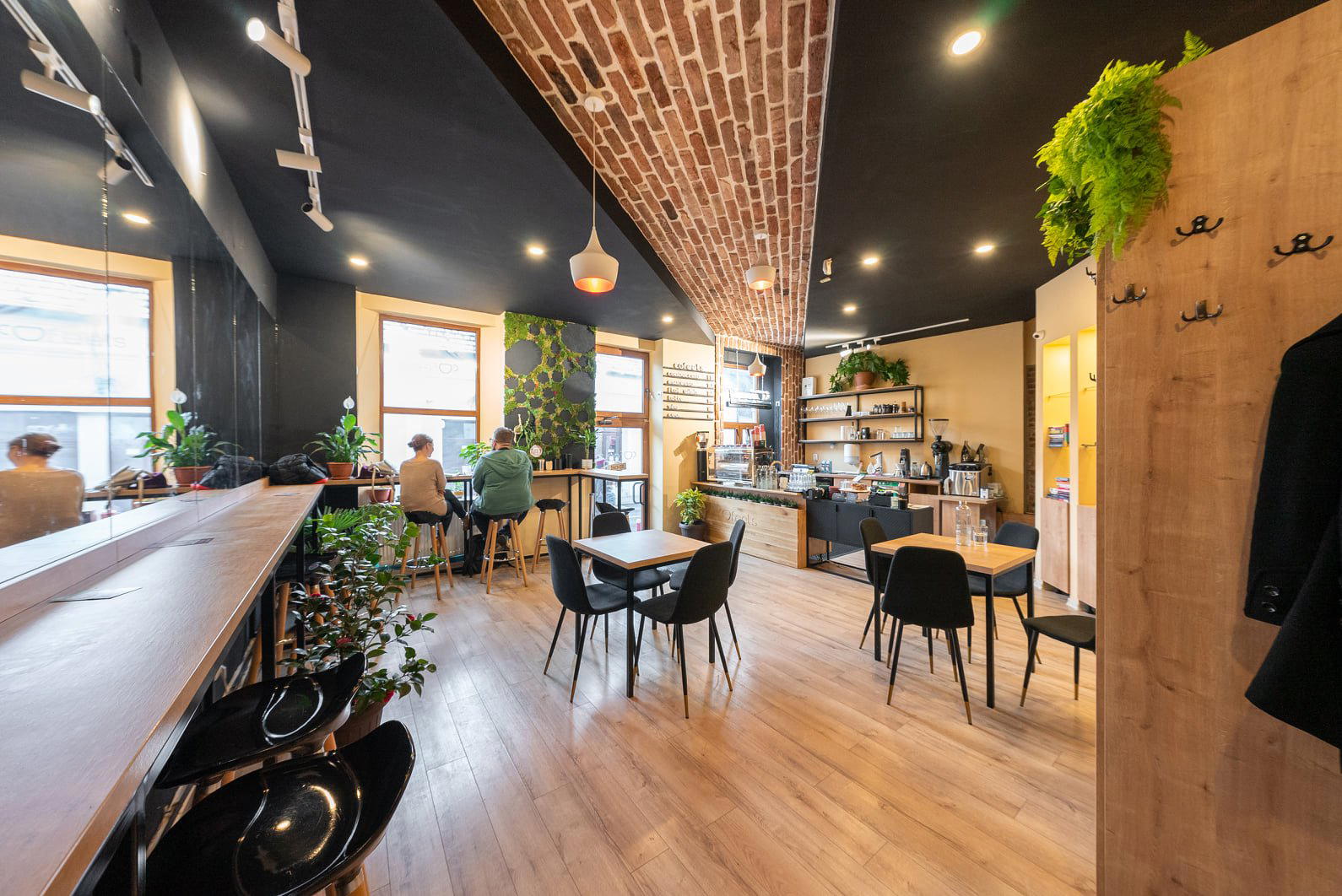

Hotels in Cluj-Napoca
Browse all →
Kupaj Gourmet
The wine
Kupaj Gourmet holds the Wine Spectator Best of Award of Excellence, which Wine Spectator gives to lists of usually 350 or more selections.
- Wine program
- Exceptional wine program
- Wine Spectator
- Wine Spectator Best of Award of Excellence
- Extensive wine list
Details
- Intimate
- Cozy
- Elegant
- Sophisticated
- Date Night
- Business Dinner
- Special Occasion
- Wine Cellar
- Extensive Wine List
- Organic
- A La Carte
- Tasting Menu
- Wine
- Vegetarian Friendly
- Vegan Options
Current opening hours
- Monday
- 6–11 PM
- Tuesday
- 6–11 PM
- Wednesday
- 6–11 PM
- Thursday
- 6–11 PM
- Friday
- 6–11 PM
- Saturday
- 11 AM–3 PM, 4–11 PM
- Sunday
- 11 AM–3 PM, 4–11 PM
Hours can change for holidays and private events. Last verified .
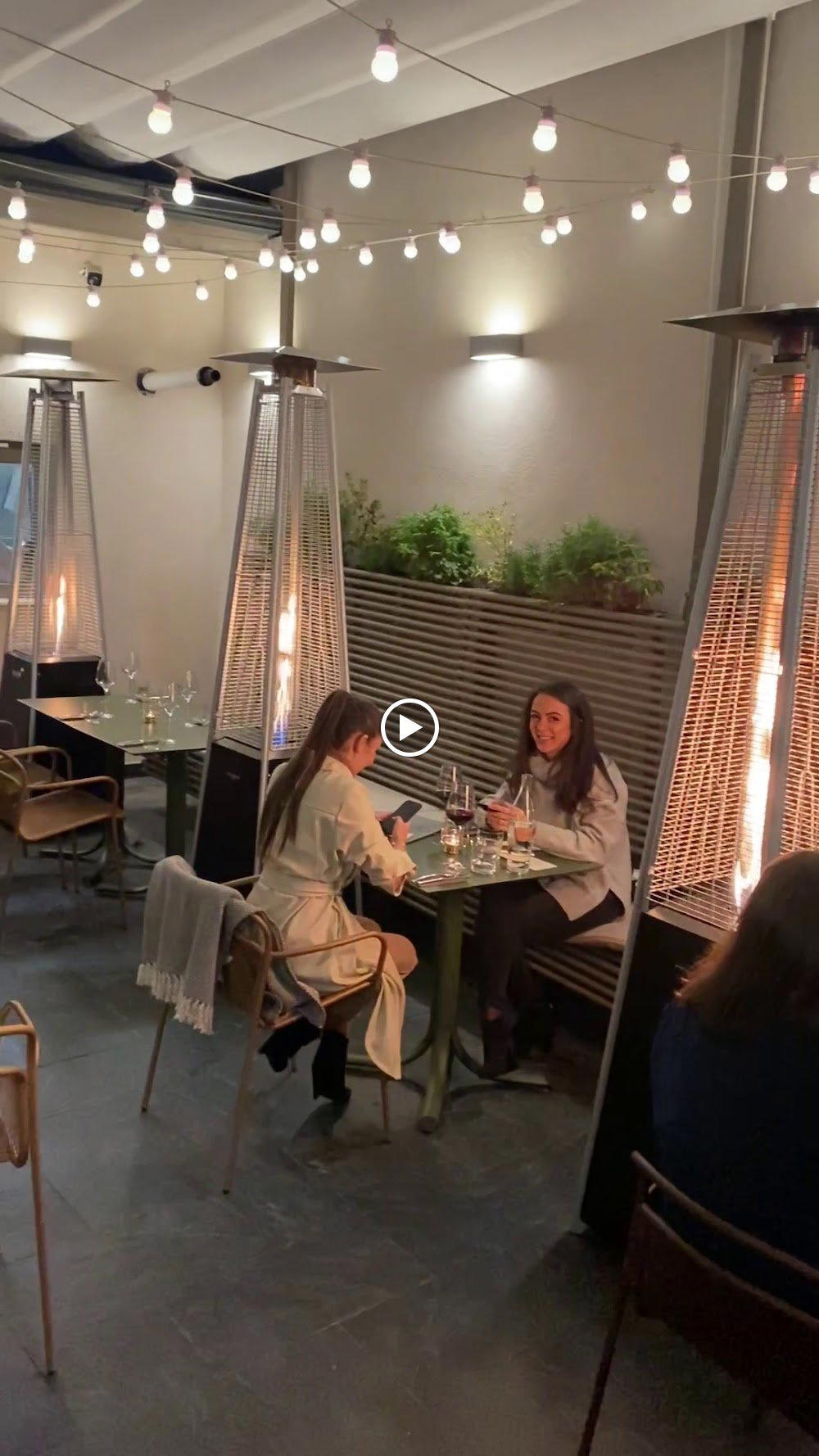
Cozy and intimate with beautiful brick and stonework, local art sculptures and paintings, relaxing and welcoming atmosphere.