Our verdict
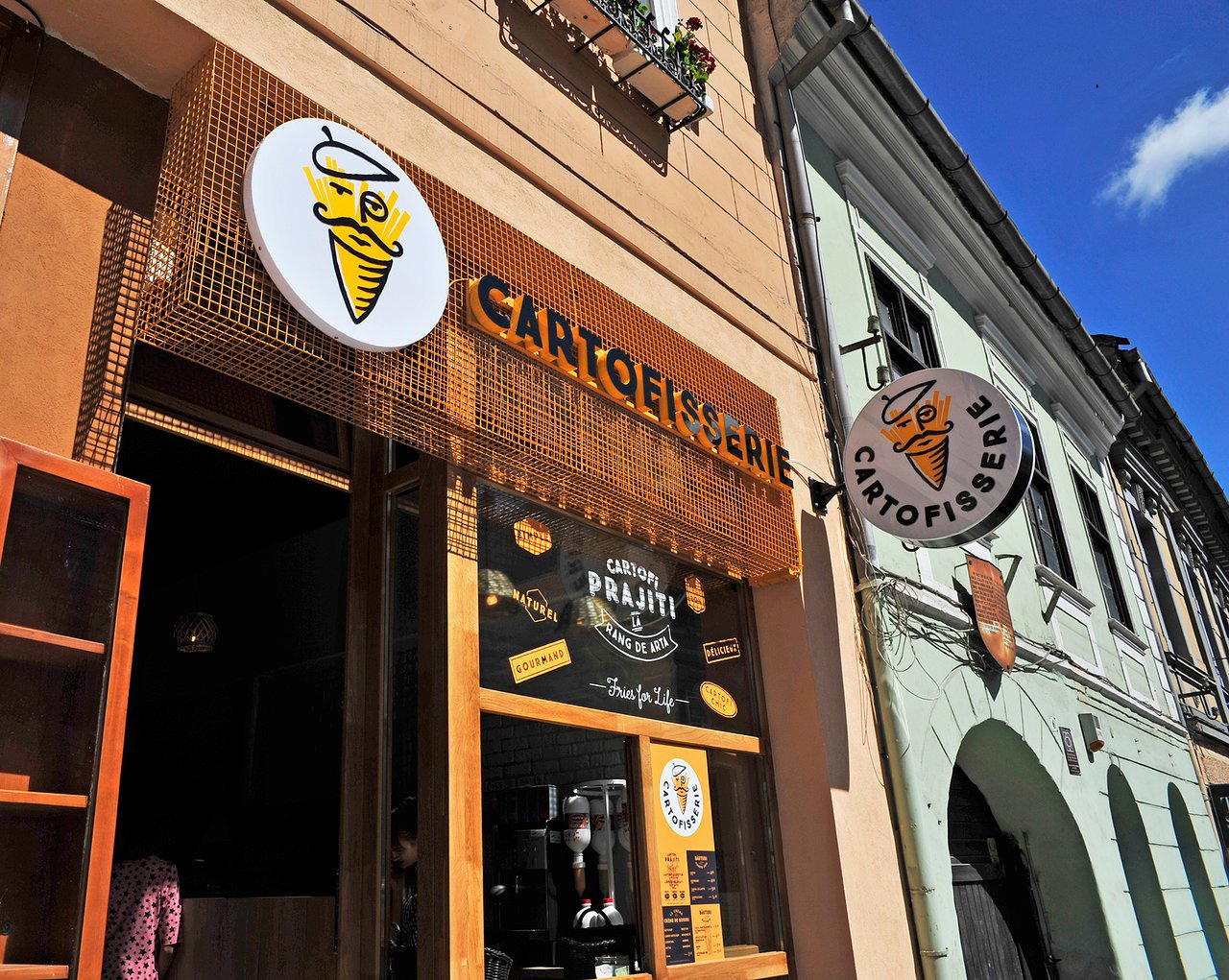
Cartofisserie on Str. Zaharia Stancu brings Brașov a format built around the potato as a serious ingredient rather than a side note. The concept, which has sister locations in Suceava and Timișoara, fits into the city's growing appetite for casual precision dining where a single product is treated with the same care usually reserved for protein-led menus.

Pearl is the En Primeur Club membership app — saves, bookings, and concierge access live there. Same editors, same standards.
- Address
- Str. Zaharia Stancu 1, Brașov 500167, Romania
- Phone
- +40722772548
- Hours
- Daily 10 AM–10 PM
- Website
- cartofisserie.ro
- Directions
- Get directions
The menu
What to order
- Cartofest cu Pui Crispy
- Cartofi Prăjiți
- Nuggets Vegan
A Single Ingredient, Taken Seriously
There is a particular kind of restaurant that organises itself around one ingredient and refuses to apologise for the limitation. In cities like Brașov, where the dining scene has been quietly expanding beyond the tourist-facing medieval-quarter steak houses, these single-focus formats are becoming a meaningful part of how locals eat out. Cartofisserie, on Str. Zaharia Stancu 1, belongs to that category: a concept that takes the potato as its central subject and builds a menu outward from there.
The format is not unique to Brașov. The Cartofisserie name also appears in Suceava and Timișoara, suggesting a small Romanian chain that has identified a gap: the potato, in Romanian culinary tradition, is everywhere, but it is rarely the star. Here it is treated as a primary ingredient deserving its own preparation logic, its own textures, and its own toppings architecture. That positioning matters when you are reading the menu, because it changes the frame. You are not ordering a side that has been promoted. You are ordering something that was conceived as the main event.
The Ritual of Ordering at a Cartofi Counter
Restaurants organised around a single core product tend to develop a specific dining ritual, and Cartofisserie is no exception. The decision-making process here is not the usual protein-then-sides hierarchy. Instead, the meal begins with the potato itself: format first (baked, fried, loaded), then toppings and combinations that build the flavour profile. This inverted logic is more common in Central and Eastern European street-food culture than in formal sit-down dining, and Cartofisserie sits somewhere between those two registers.
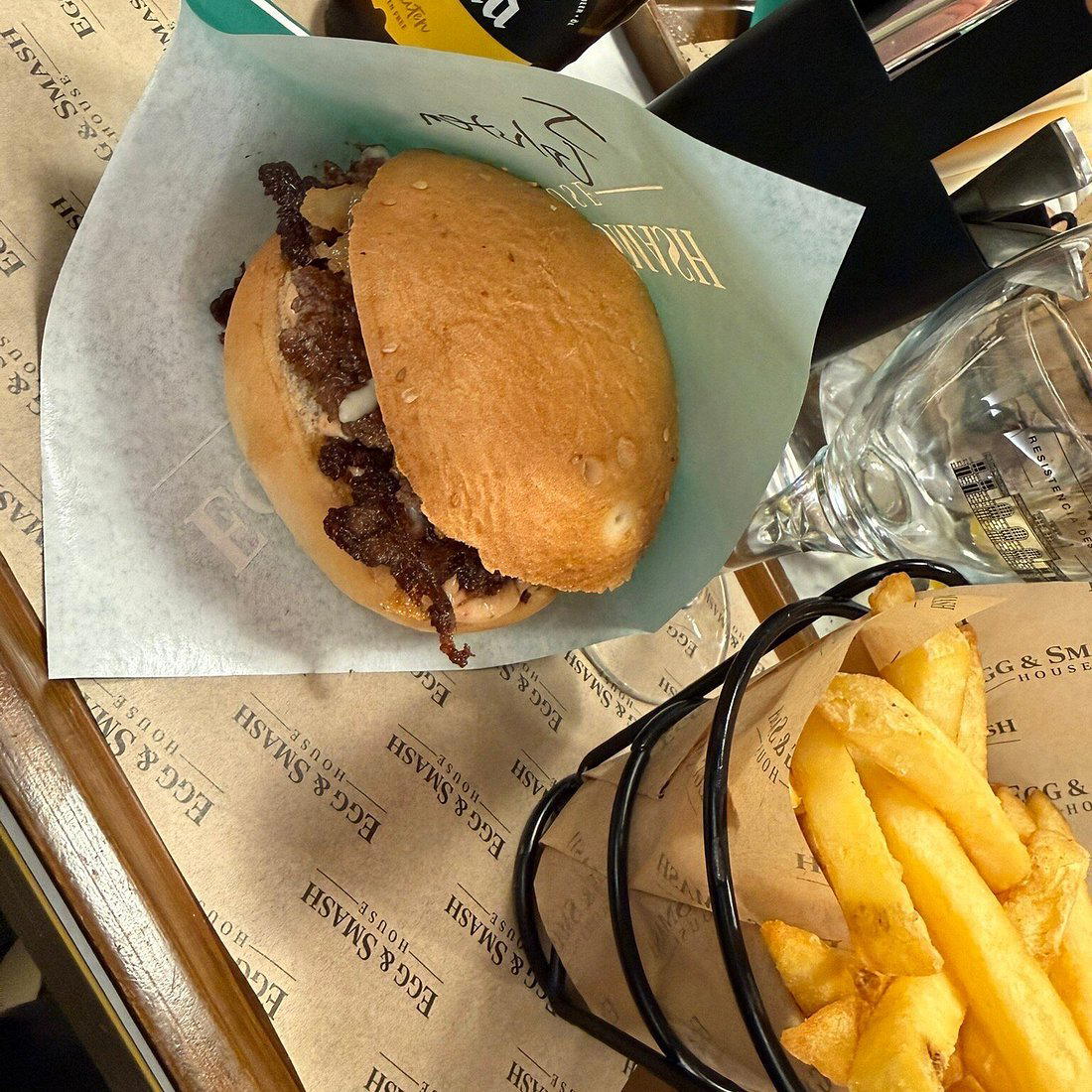
The pacing of a meal here is faster than a traditional Romanian restaurant, where courses arrive with some ceremony and the table expects to stay for two hours. This is a format closer to what Egg & Smash House does with brunch in Brașov: a defined product, executed consistently, served at a rhythm that suits both a quick lunch and a casual evening. The distinction from the older bistro format, represented by places like Bistro de l'Arte, is in the formality of the encounter. There is no sommelier, no amuse-bouche, no extended wine list to consider. The ritual is simpler and the pleasure is proportionally direct.
Where Cartofisserie Sits in the Brașov Dining Scene
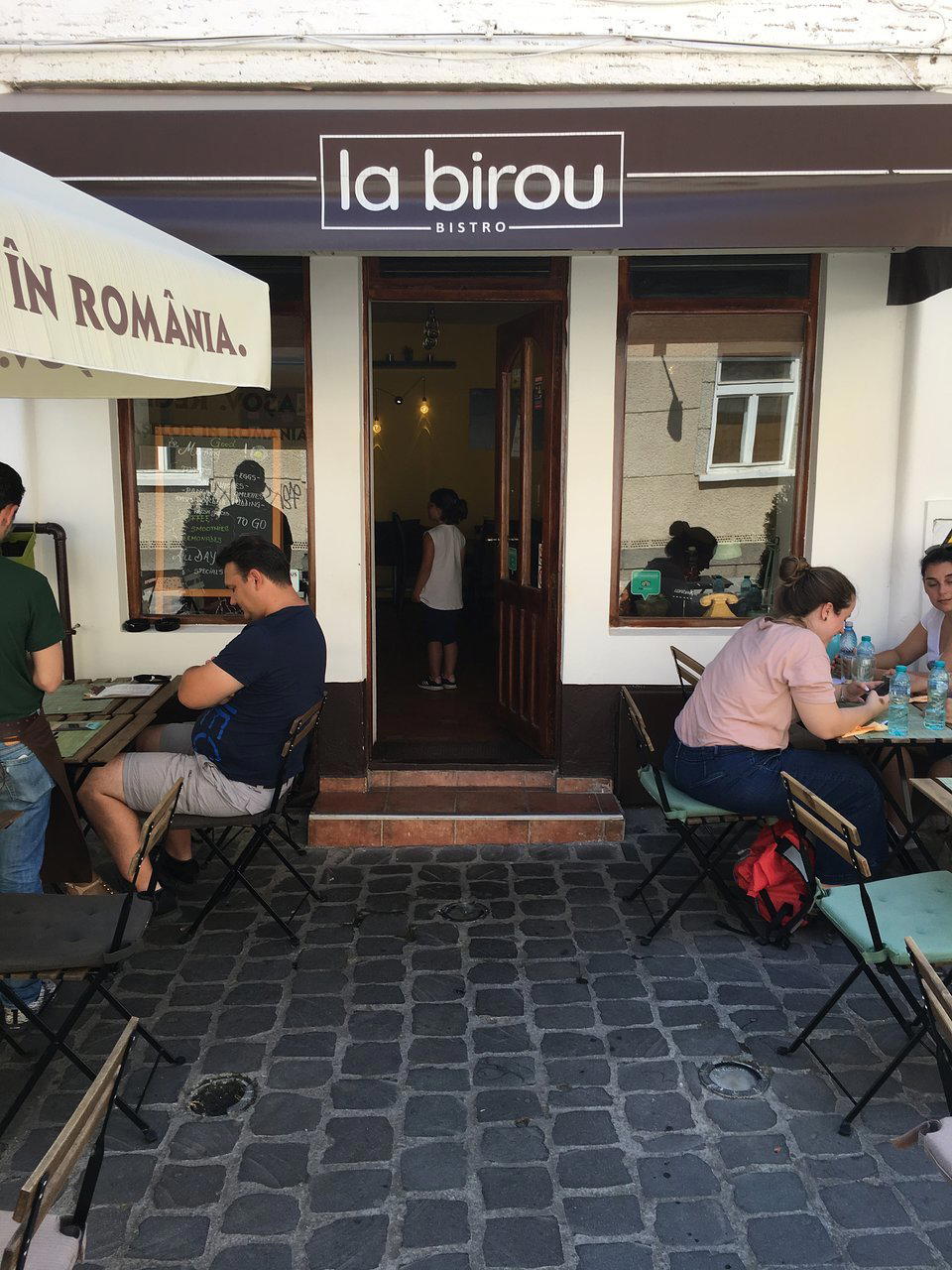
Brașov's restaurant market has been stratifying over the past several years. At one end, there are venues with serious kitchens and menus that reflect both local ingredients and international technique: Artegianale and La Birou Bistro occupy that tier. At the other end, there is a dense layer of tourist-oriented food operations clustered around Piața Sfatului. Cartofisserie does not sit cleanly in either bracket.
The broader Romanian dining trend toward concept-driven casual restaurants is visible across multiple cities. Andalu Gastrobar in Iași and L'ATELIER in Bucharest each represent a version of this: a defined product identity combined with an accessible price register, targeting an urban demographic that wants quality without the full fine-dining apparatus. Cartofisserie applies similar logic but goes further in narrowing its product scope. Among Romanian restaurant formats, that level of ingredient focus is less common than in Western European cities where single-product concepts (ramen bars, focaccerie, creperies) have been normalised for decades.
Internationally, the closest structural analogues are venues that have built serious reputations around unfashionable ingredients. The potato as a fine-dining subject has precedent at the top of the market. Eric Ripert's approach to stripping luxury signals down to technique at Le Bernardin in New York City, or the way Lazy Bear in San Francisco repositions American comfort food in a tasting-menu format, both demonstrate that the ingredient's status is less important than the precision brought to it. Cartofisserie operates at a very different scale and price point, but the underlying argument is structurally similar.
The Cartofisserie Across Romania
The presence of the same concept in multiple Romanian cities is worth noting because it signals something about the format's transferability. A potato-focused casual restaurant does not depend on a specific local terroir or a single chef's relationship with suppliers the way a fine-dining venue does. It scales because the product is ubiquitous and the preparation logic is replicable. STUP in Simon, near Brașov, shows a different approach: a hyperlocal, single-location concept that is inseparable from its specific place. Cartofisserie's model is the opposite: portable, consistent, built around a product that grows everywhere in Romania.
That model has worked in Timișoara and Suceava, two cities with very different dining cultures. Timișoara has a more Central European café tradition and a younger design-conscious consumer base. Suceava is a smaller city where the restaurant scene is less developed. The fact that the format reads consistently across both suggests the concept's appeal is broad enough to survive different local contexts, which is relevant for a visitor to Brașov deciding whether this is worth a detour from the more established addresses on our full Brașov restaurants guide.
Getting There and Practical Considerations
The address, Str. Zaharia Stancu 1, places Cartofisserie at a short distance from Brașov's central pedestrian zone, accessible on foot from most accommodation in the historic centre. The street itself is residential in character, which means the restaurant operates in a neighbourhood context rather than a tourist-corridor one. For visitors already familiar with Brașov's café district and looking for a quick meal between the Schei neighbourhood and the Council Square area, the location sits reasonably on the route. Comparable concept-casual venues in Brașov and across Romania, including Epoca Steak House in Craiova and Bistro Caffe Moțu in Baia Sprie, typically operate without advance booking requirements for smaller parties during off-peak hours, though weekend evenings in Brașov can be competitive across the board.
Frequently asked questions
How do I find Cartofisserie?
Cartofisserie is located at Str. Zaharia Stancu 1, Brașov 500167, Romania, Brasov.
Does Cartofisserie have locations outside Brașov, and are they consistent?
The Cartofisserie concept operates across multiple Romanian cities, which makes it one of the few single-ingredient restaurant formats in Romania to have scaled beyond a single site. Consistency across locations is a documented point of discussion, with the format's transferability noted as evidence that the core concept holds without heavy chef-dependent execution. The Brașov address at Str. Zaharia Stancu 1 sits within a short walk of the city's central pedestrian zone, making it the most accessible entry point for visitors to the brand.
What do people recommend at Cartofisserie?
The ordering focus at Cartofisserie is built around the potato in various preparations, which means the house formats are the reference point rather than peripheral dishes. Regulars tend to work through the core menu before adding toppings or accompaniments. Given the single-ingredient premise at Str. Zaharia Stancu 1, the recommendation is to order according to preparation style rather than looking for variety across protein categories.
Do they take walk-ins at Cartofisserie?
Cartofisserie operates as a counter-style format built around quick-decision ordering, which generally favours walk-in traffic over advance reservations. No booking system is documented for this location. Proximity to Brașov's central pedestrian zone means foot traffic is consistent, so arriving early in a meal period reduces any wait.
What do critics highlight about Cartofisserie?
The concept draws attention for its discipline: organising a full restaurant around a single ingredient in a city like Brașov, where the dining scene has been stratifying toward more elaborate kitchen formats, is a considered positioning choice. No formal awards are documented for this location. Editorial commentary tends to focus on the transferability of the format across multiple Romanian cities as evidence that the concept functions beyond novelty.
Can Cartofisserie adjust for dietary needs?
A potato-centred menu has structural advantages for dietary flexibility: the core ingredient is naturally gluten-free and plant-based, and toppings or accompaniments are typically modular. Direct confirmation from the restaurant at Str. Zaharia Stancu 1, Brașov is the reliable path for specific dietary requests.
Cuisine-First Comparison
Comparable venues nearby, for context on price, style, and recognition.
| Venue | Cuisine | Price | Notes |
|---|---|---|---|
| CartofisserieThis venue — the venue you are viewing | Belgian Fries Street Food | $10–20 | Not listed |
| Rockstadt | Rock Bar Snacks | $10–20 | central Brasov |
| Bistro de l'Arte | Romanian Bistro with French Influences | $10–20 | Old Town |
| La Birou Bistro | European Breakfast Bistro | $10–20 | old town |
| K Food | Korean | Not listed | Centru |
| Old Shanghai Restaurant | Authentic Shanghai Chinese | $10–20 | Centru |
Continue exploring
More in Brasov
Restaurants in Brasov
Browse all →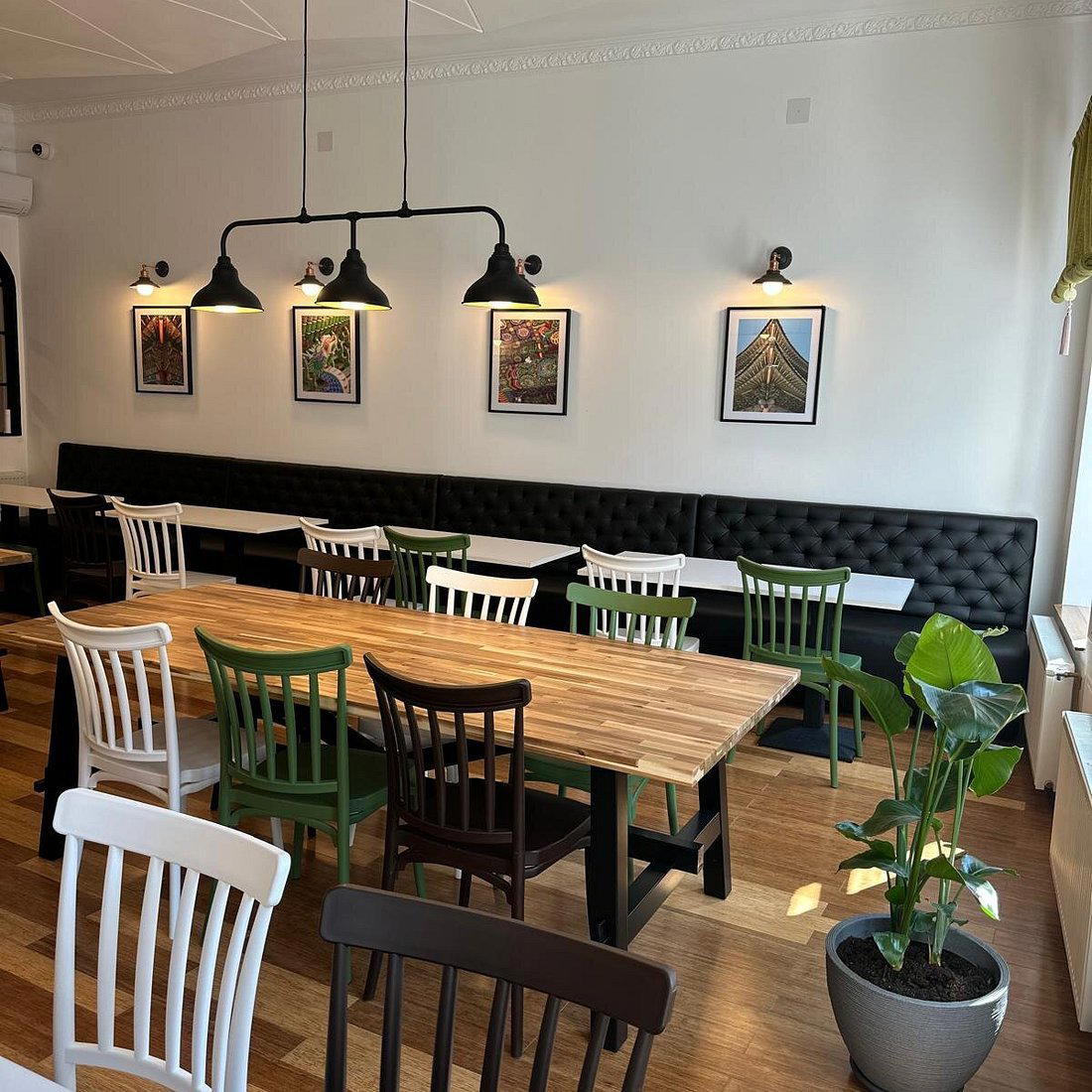
Details
- Cozy
- Casual Hangout
- Local Sourcing
- A La Carte
- Vegetarian Friendly
Current opening hours
- Monday
- 10 AM–10 PM
- Tuesday
- 10 AM–10 PM
- Wednesday
- 10 AM–10 PM
- Thursday
- 10 AM–10 PM
- Friday
- 10 AM–10 PM
- Saturday
- 10 AM–10 PM
- Sunday
- 10 AM–10 PM
Hours can change for holidays and private events. Last verified .
Casual and cozy fast-food atmosphere focused on fresh potato dishes.