

Relais Chateaux Award · Wine Spectator Best of Award of Excellence
Our verdict
A creative cooking address on one of Bucharest's quieter side streets, L'ATELIER puts Romanian Modern cuisine through a continental lens under chef Eduardo Vuolo. this is the kind of room where the food asks questions the city's broader dining scene rarely poses.

Pearl is the En Primeur Club membership app — saves, bookings, and concierge access live there. Same editors, same standards.
- Address
- ground floor, Intrarea Aurora 17C, 010213 București, Romania
- Phone
- +40 740 089 565
- Hours
- Daily 12–5 PM, 6–10 PM
- Website
- latelier-restaurant.ro
- Directions
- Get directions
- Booking
- Book on OpenTable
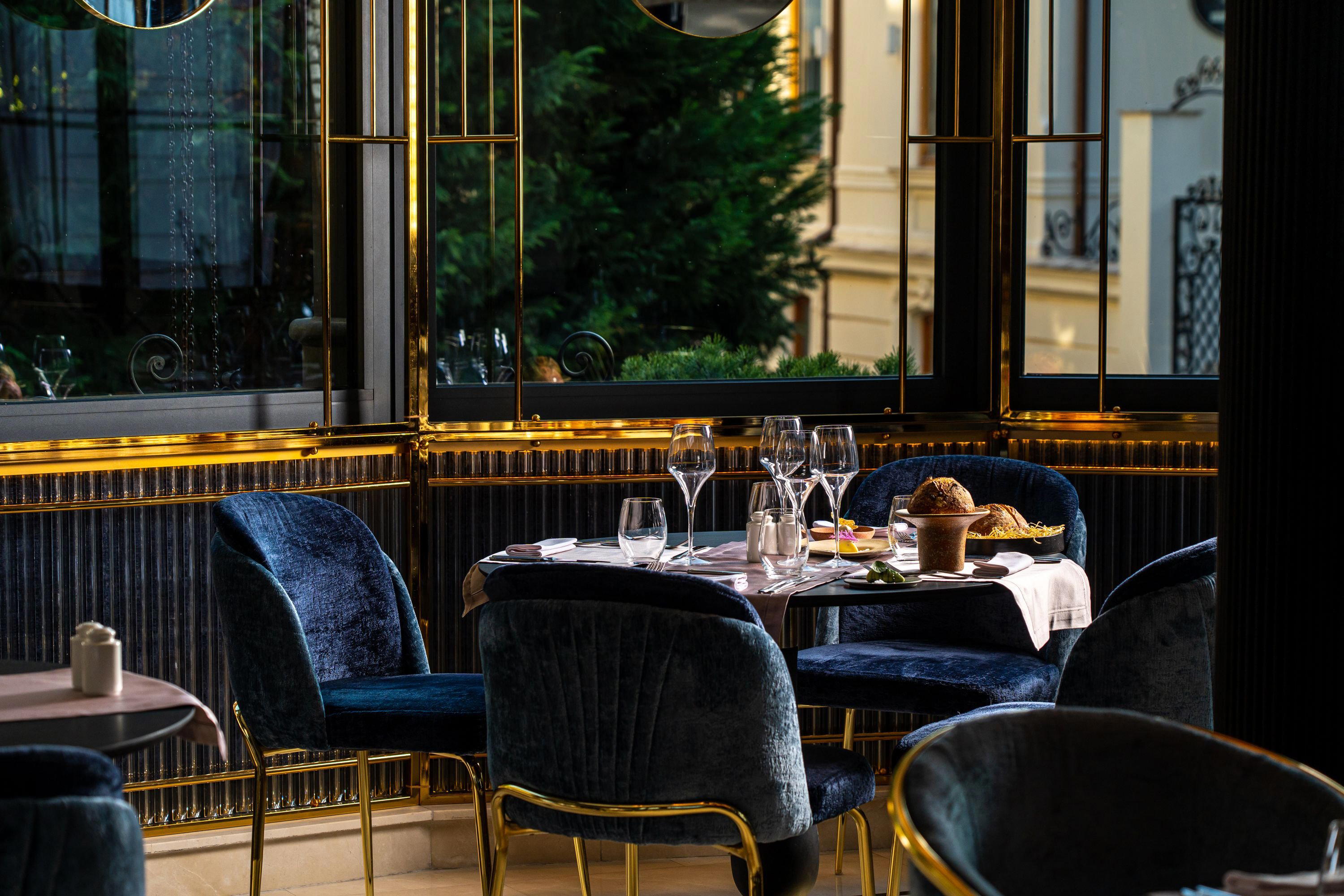
A Side Street That Sets a Different Tone
Intrarea Aurora is not the sort of address that announces itself. The street sits off the main arteries of central Bucharest, the kind of passage that requires a deliberate decision to find rather than a casual turn. Arriving at ground floor, Intrarea Aurora 17C puts you immediately in a particular register of the city's dining culture: the addresses that earn their audience through the plate rather than a prominent corner or a design-led shopfront visible from a taxi window. That context matters, because it shapes what L'ATELIER is — a room that asks the city's more curious diners to come looking for it.
Bucharest's restaurant scene has moved quickly over the past decade. The capital now holds serious French kitchens like Le Bistrot Français, progressive Romanian cooking at NOUA, and a growing number of rooms that resist easy categorisation. L'ATELIER sits within that last group. Its Creative Cooking recognition positions it alongside addresses in Bucharest and further afield where the kitchen's organizing principle is intellectual curiosity rather than category adherence. That distinction is not cosmetic — it determines what ends up on the plate, how frequently the menu turns, and what kind of diner the room attracts.
Romanian Modern Through a Continental Lens
The category label Romanian Modern is doing considerable work at L'ATELIER, more than it might at a restaurant content to cook regional classics with slightly cleaner technique. What the Creative Cooking recognition signals, in practical terms, is that the kitchen treats Romanian produce and culinary memory as raw material for a conversation rather than a fixed text to reproduce. That approach has parallels at rooms across Europe, from the tasting counter format that has become standard in cities like Paris and Copenhagen to the producer-first menus that define progressive kitchens in smaller Central European capitals.
Chef Eduardo Vuolo brings a formation that does not originate in Romania, and that matters editorially because it explains the angle of approach. Restaurants where the lead cook arrives from outside the local tradition tend to read that tradition differently, less attached to received hierarchies of ingredient and technique, more willing to place a local flavour profile next to a reference it would not normally share a plate with. The most instructive comparisons are not necessarily the haute cuisine rooms like Alain Ducasse at Louis XV or Alléno Paris au Pavillon Ledoyen, where French classical training is the entire premise, but the rooms where a chef's international formation is applied to a local ingredient vocabulary, the model that has produced some of the more interesting cooking to emerge from Central and Eastern European capitals in recent years.
Internationally, the pattern of an outside chef bringing disciplined creative methodology to a national cuisine has generated some of the most discussed tables of the last two decades. Atomix in New York City runs Korean fine dining through a rigorous tasting format shaped by international training. Lazy Bear in San Francisco routes American regional cooking through a modernist kitchen lens. Aponiente in El Puerto de Santa María applies creative cooking discipline to the marine pantry of the Spanish Atlantic coast. The shared logic across those addresses is that the creative framework comes first, and the local identity emerges through it rather than dictating the terms. L'ATELIER is working in that register, scaled to the realities of the Bucharest market.
In a city where the dining public is becoming more literate about what creative cooking entails, and more willing to hold a room accountable to its own stated ambition, maintaining that average requires consistency across both the food and the room's ability to communicate what it is doing. The Creative Cooking highlight reinforces the point: this is not a score built on comfort food familiarity, where high marks come easily because the dishes are inherently crowd-pleasing. It is a score built on a kitchen that has asked something of its guests and been rewarded for it.
For context within Bucharest's broader offer, that combination of creative recognition and strong public response places L'ATELIER in a narrower tier than the volume of restaurants in the city might suggest. The rooms that earn both critical acknowledgment and consistent guest approval for genuinely creative cooking form a short list in any capital, and Bucharest is not an exception. Alongside NOUA and a handful of others, L'ATELIER occupies that compressed upper tier of the city's creative dining scene.
Booking and Practical Notes
L'ATELIER's address at ground floor, Intrarea Aurora 17C places it in a part of central Bucharest that is walkable from the main hotel clusters and the older residential neighbourhoods north of the centre. The side-street location means it does not benefit from passing foot traffic, which in turn means the room's audience self-selects, diners who have looked it up, made a plan, and arrived with reasonable expectations. That dynamic tends to produce a more engaged room than a table that fills by accident of location.
The most reliable approach is to verify current reservation availability through a local concierge or a direct approach to the address, particularly for weekend evenings when Bucharest's smaller creative kitchens tend to fill several days in advance.
For those building a broader picture of the city's dining, drinking, and hospitality offer, the full Bucharest restaurants guide maps the complete scene. The Bucharest hotels guide, bars guide, wineries guide, and experiences guide cover the rest of the visit. Beyond Bucharest, STUP in Simon represents the kind of creative cooking emerging from Romania's provincial scene, a useful counterpoint to the capital's more concentrated offer.
For those who follow creative kitchens internationally, the reference set is worth mapping: Le Bernardin in New York City, 8½ Otto e Mezzo Bombana in Hong Kong, Amber in Hong Kong, Alinea in Chicago, and Emeril's in New Orleans each represent different national traditions filtered through a creative cooking methodology. L'ATELIER is making a related argument, at a different scale, on a quiet street in the Romanian capital.
Frequently asked questions
How do I find L’ATELIER?
L’ATELIER is located at ground floor, Intrarea Aurora 17C, 010213 București, Romania, Bucharest.
Is L’ATELIER award-winning?
L’ATELIER has received recognition including: HIGHLIGHTS: • CREATIVE COOKING.
Who runs the kitchen at L’ATELIER?
The chef associated with L’ATELIER is Eduardo Vuolo.
How It Stacks Up
Comparable venues nearby, for context on price, style, and recognition.
| Venue | Cuisine | Price | Awards | Notes |
|---|---|---|---|---|
| L’ATELIERThis venue — the venue you are viewing | Modern Romanian Fine Dining | Not listed | Relais Chateaux Award · Wine Spectator Best of Award of Excellence | Not listed |
| Osho | Premium Steakhouse | Not listed | Not listed | Primăverii |
| Restaurant Trattoria Garibaldi - CAROL | Authentic Italian Trattoria | $20–30 | Not listed | Carol |
| Le Bistrot Français | Modern French Bistro with Basque Influences | $50–100 | Star Wine List · Relais Chateaux Award | City Center |
| Namaste Restaurant Indian | Authentic Indian Restaurant | $20–30 | Not listed | Old Town |
| Kaiamo | Modern Romanian Fine Dining | $50–100 | Wine Spectator Award of Excellence | Dorobanți |
Recognition history
Dated appearances from independent guides and award organizations, with the underlying list record or original source where available.
Relais Chateaux Award
Relais Chateaux
Wine Spectator Best of Award of Excellence
Wine Spectator
Full recognition history (3 entries)
Relais Chateaux Award
Relais Chateaux
Continue exploring
More in Bucharest
Restaurants in Bucharest
Browse all →
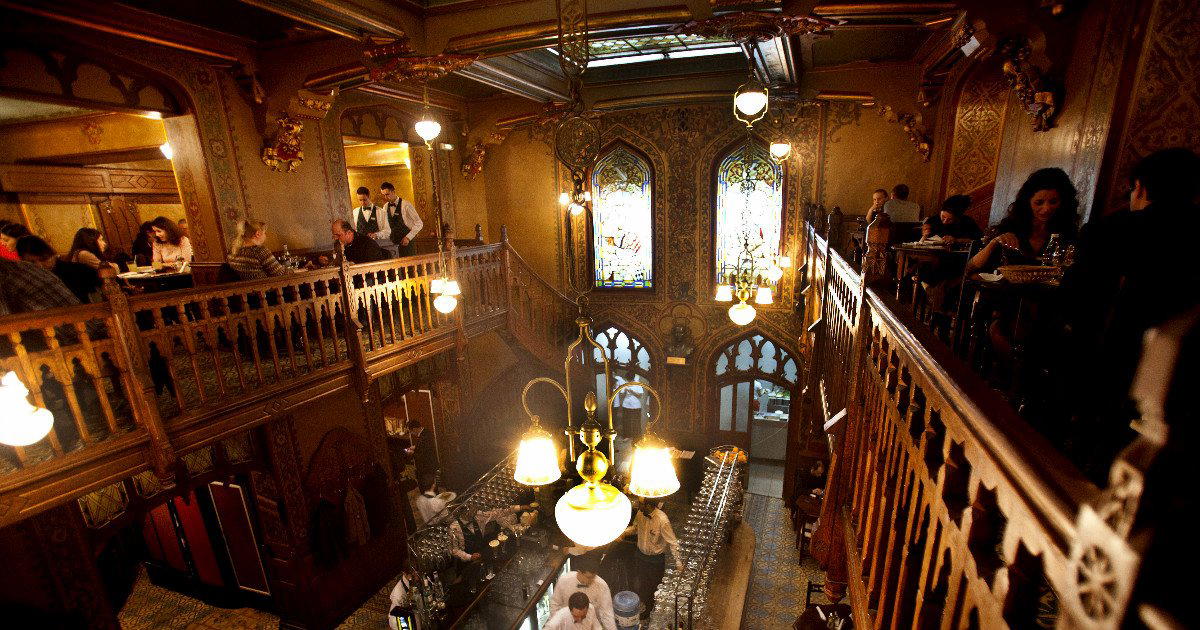
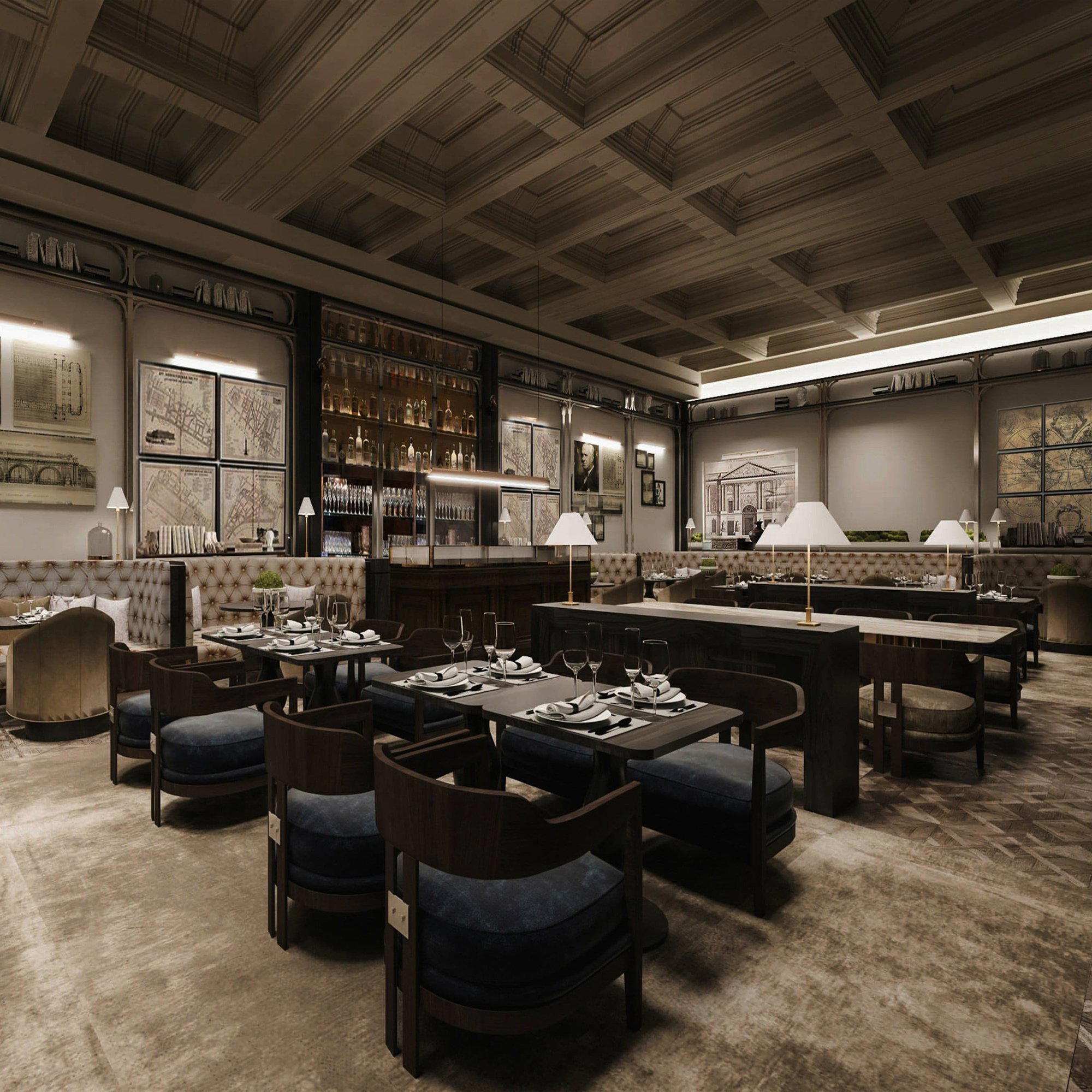
Bars in Bucharest
Browse all →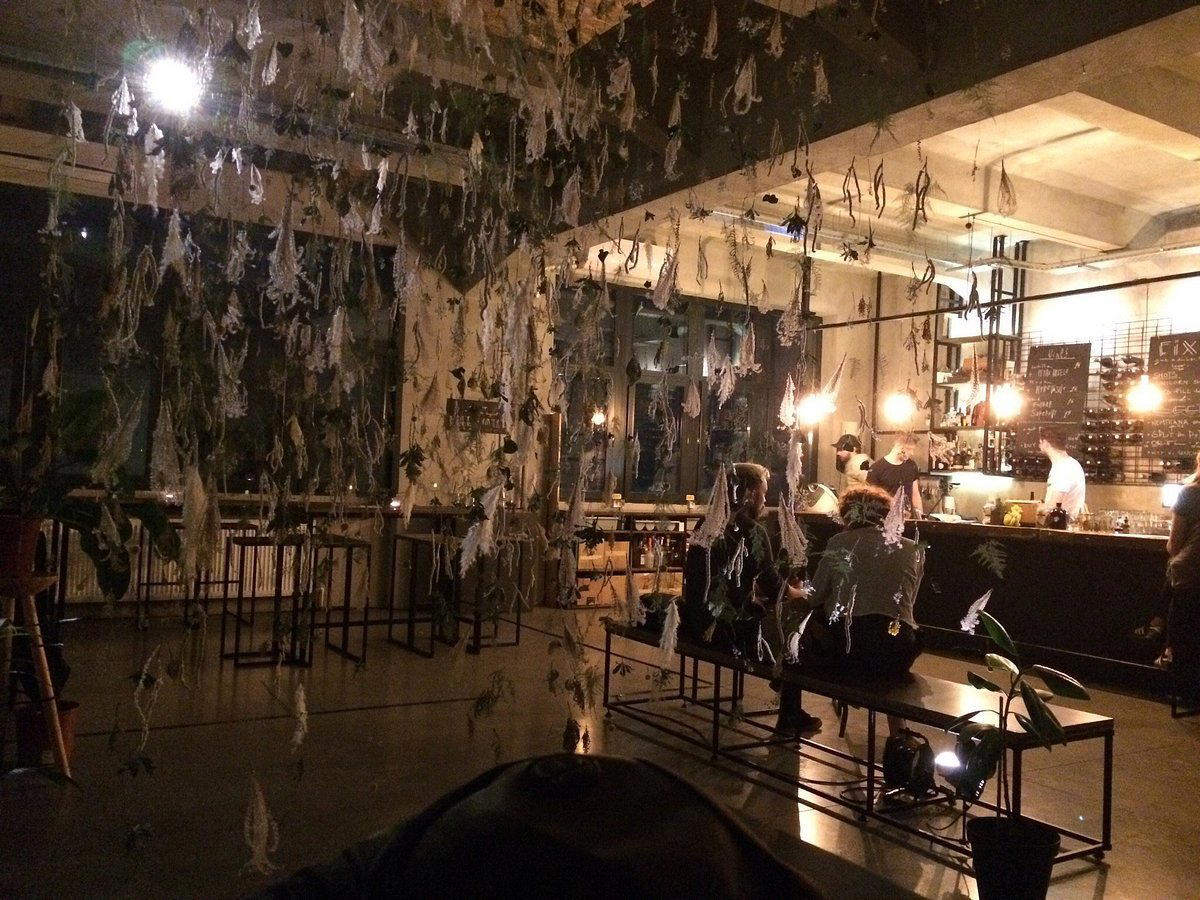
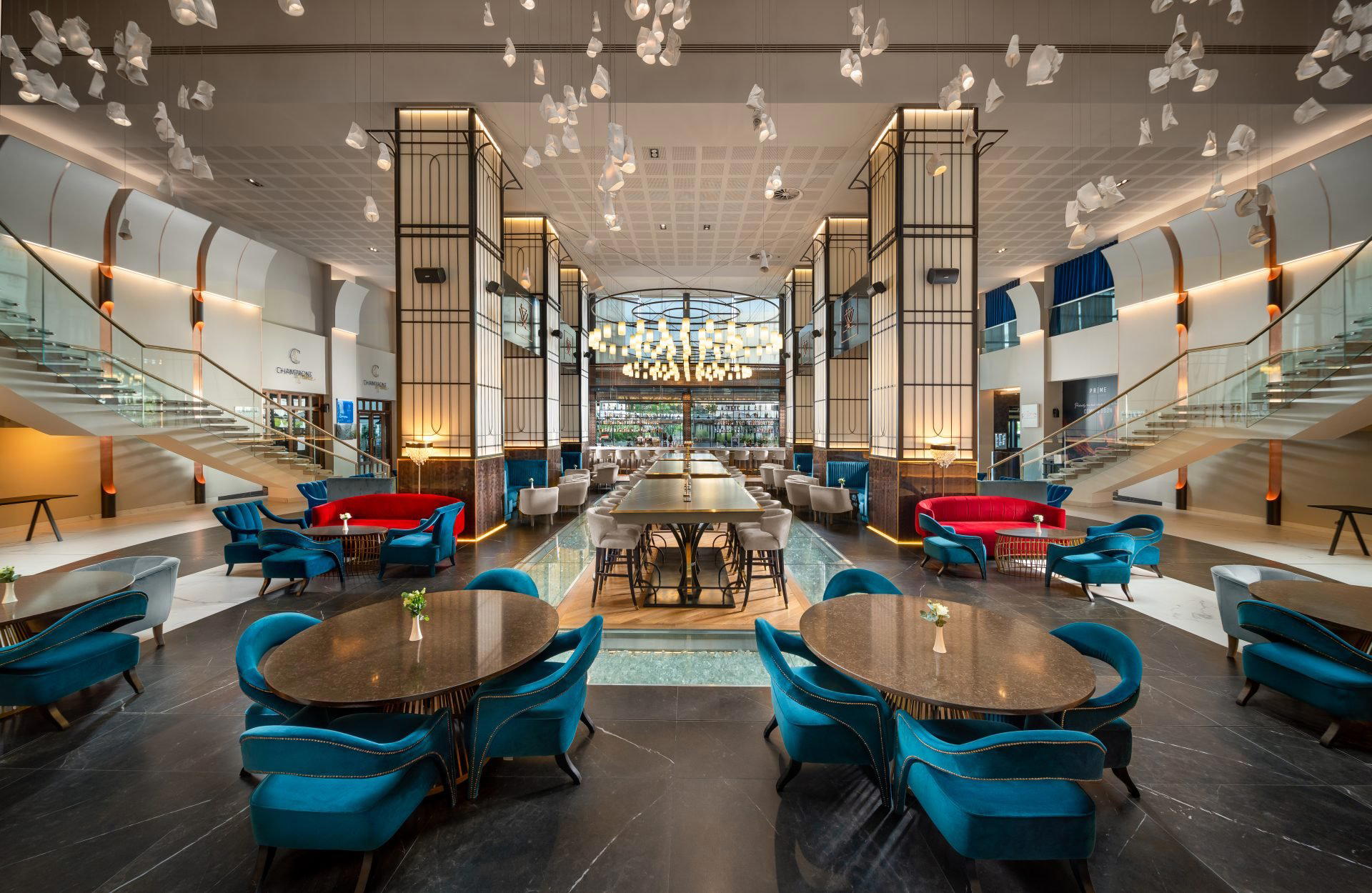
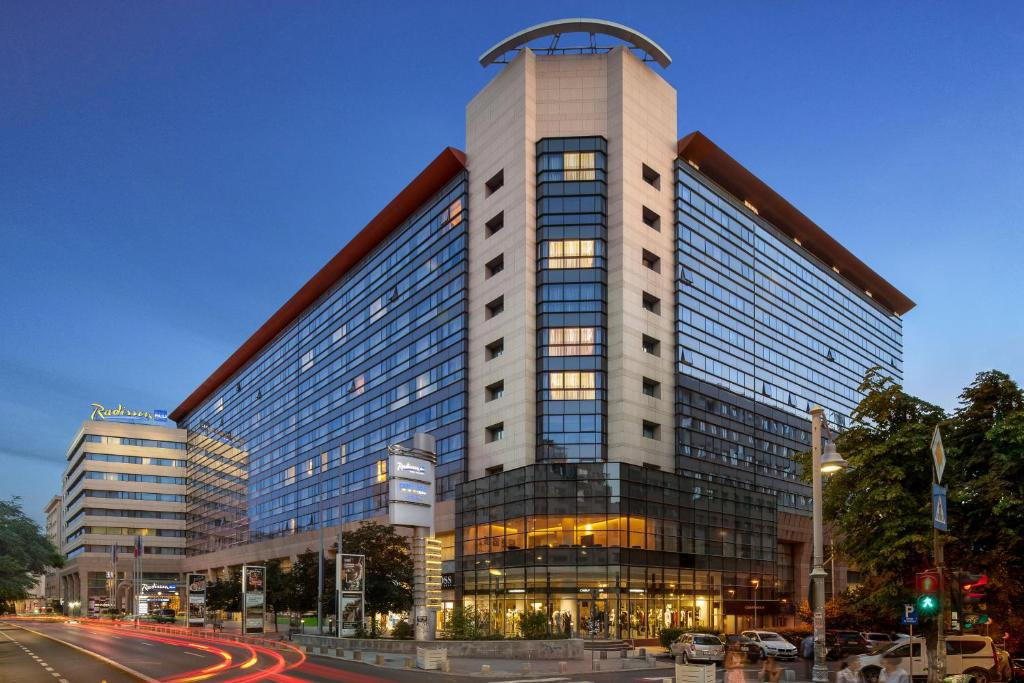
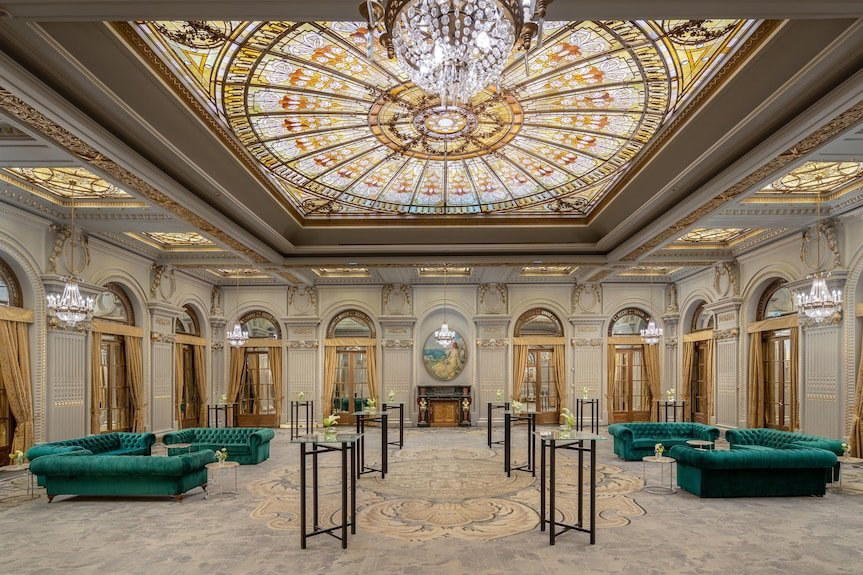
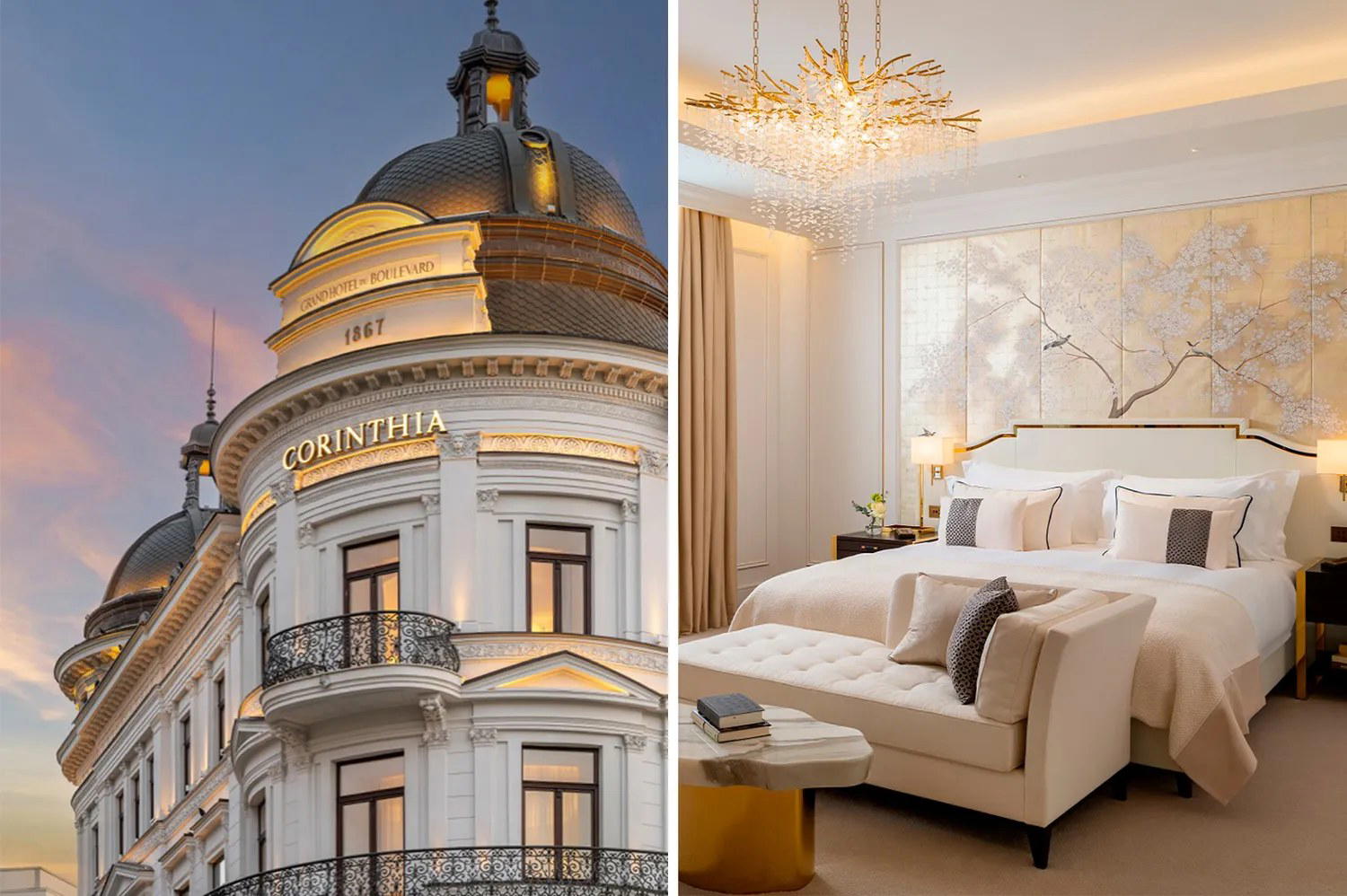
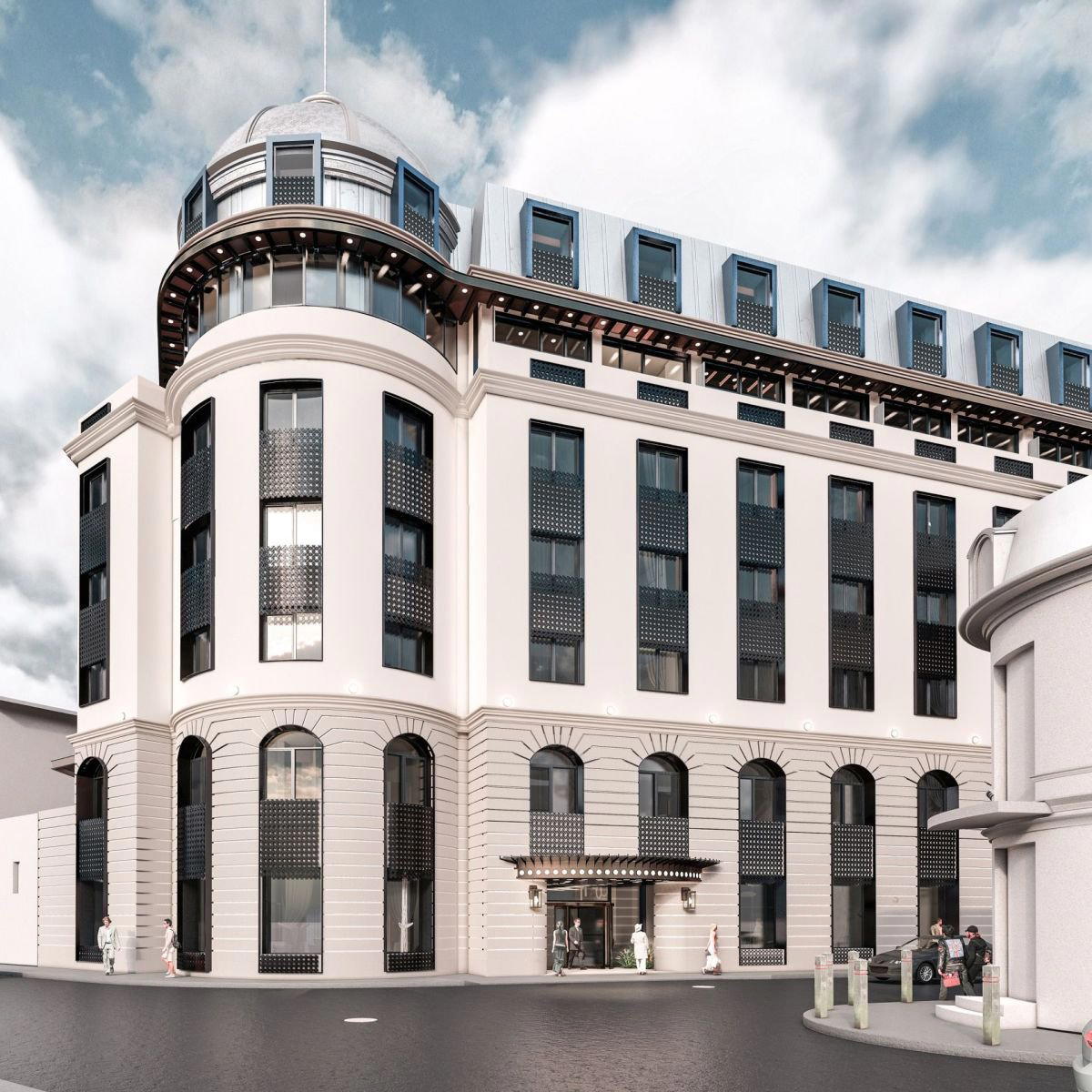
L’ATELIER
The wine
L’ATELIER holds the Wine Spectator Best of Award of Excellence, which Wine Spectator gives to lists of usually 350 or more selections.
- Wine program
- Curated wine list
- Wine Spectator
- Wine Spectator Best of Award of Excellence
- Extensive wine list
Details
- Elegant
- Romantic
- Intimate
- Sophisticated
- Cozy
- Date Night
- Special Occasion
- Business Dinner
- Hotel Restaurant
- Open Kitchen
- Extensive Wine List
- Local Sourcing
- Tasting Menu
- A La Carte
- Vegetarian Friendly
Current opening hours
- Monday
- 12–5 PM, 6–10 PM
- Tuesday
- 12–5 PM, 6–10 PM
- Wednesday
- 12–5 PM, 6–10 PM
- Thursday
- 12–5 PM, 6–10 PM
- Friday
- 12–5 PM, 6–10 PM
- Saturday
- 12–5 PM, 6–10 PM
- Sunday
- 12–5 PM, 6–10 PM
Hours can change for holidays and private events. Last verified .
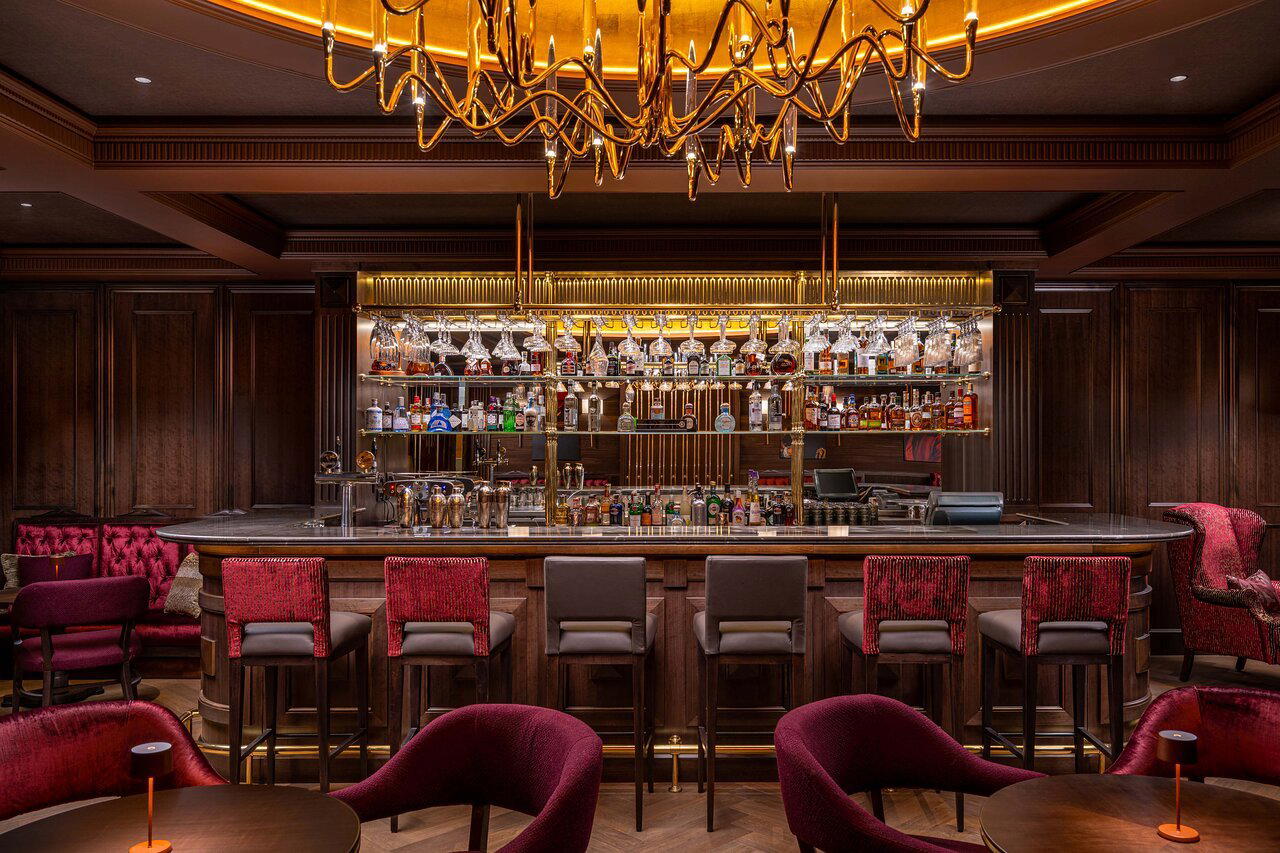
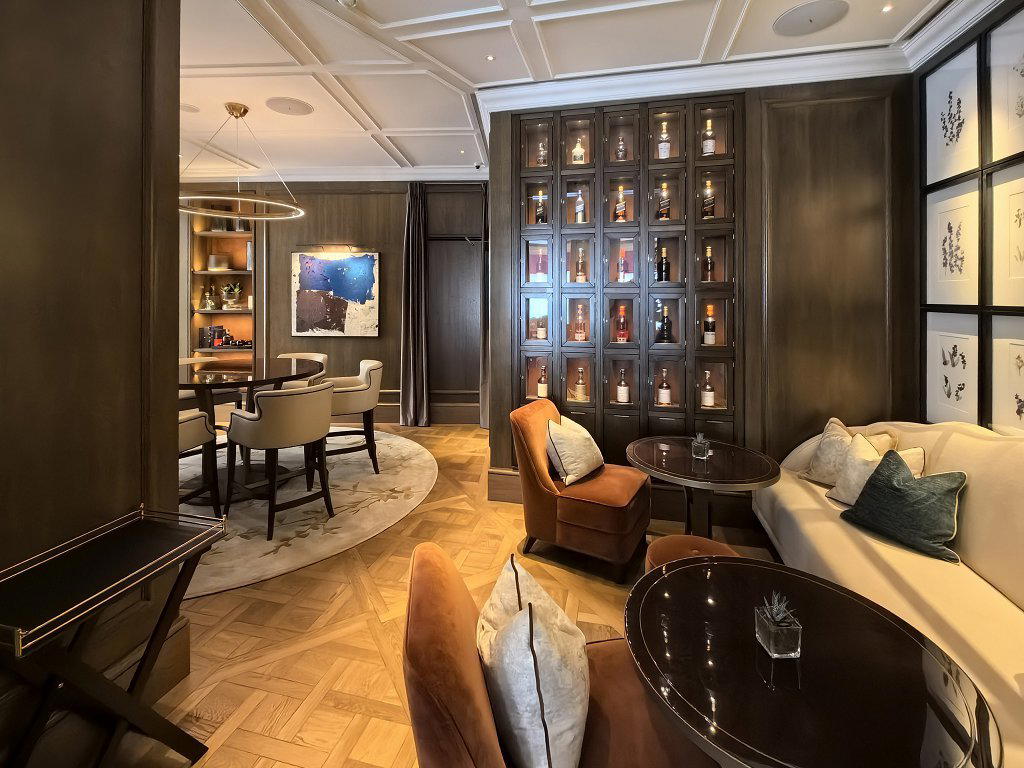
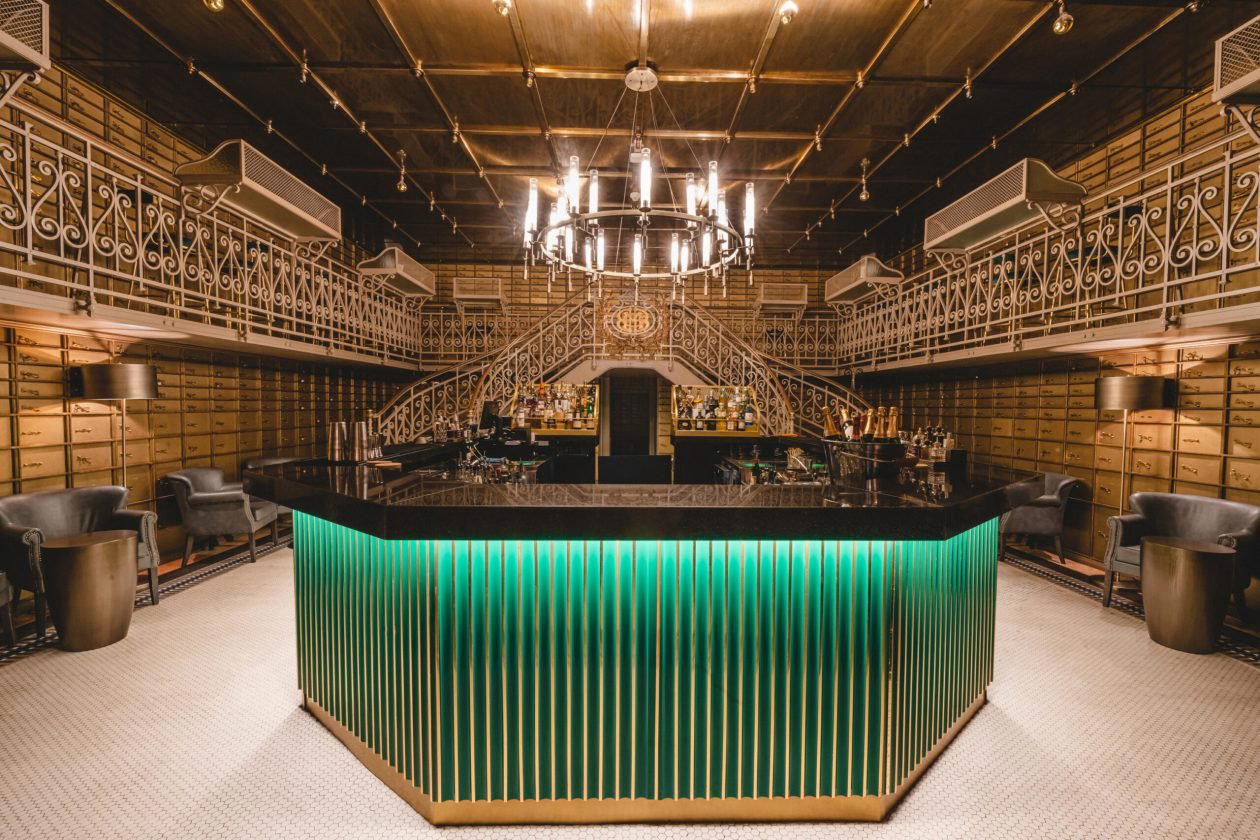
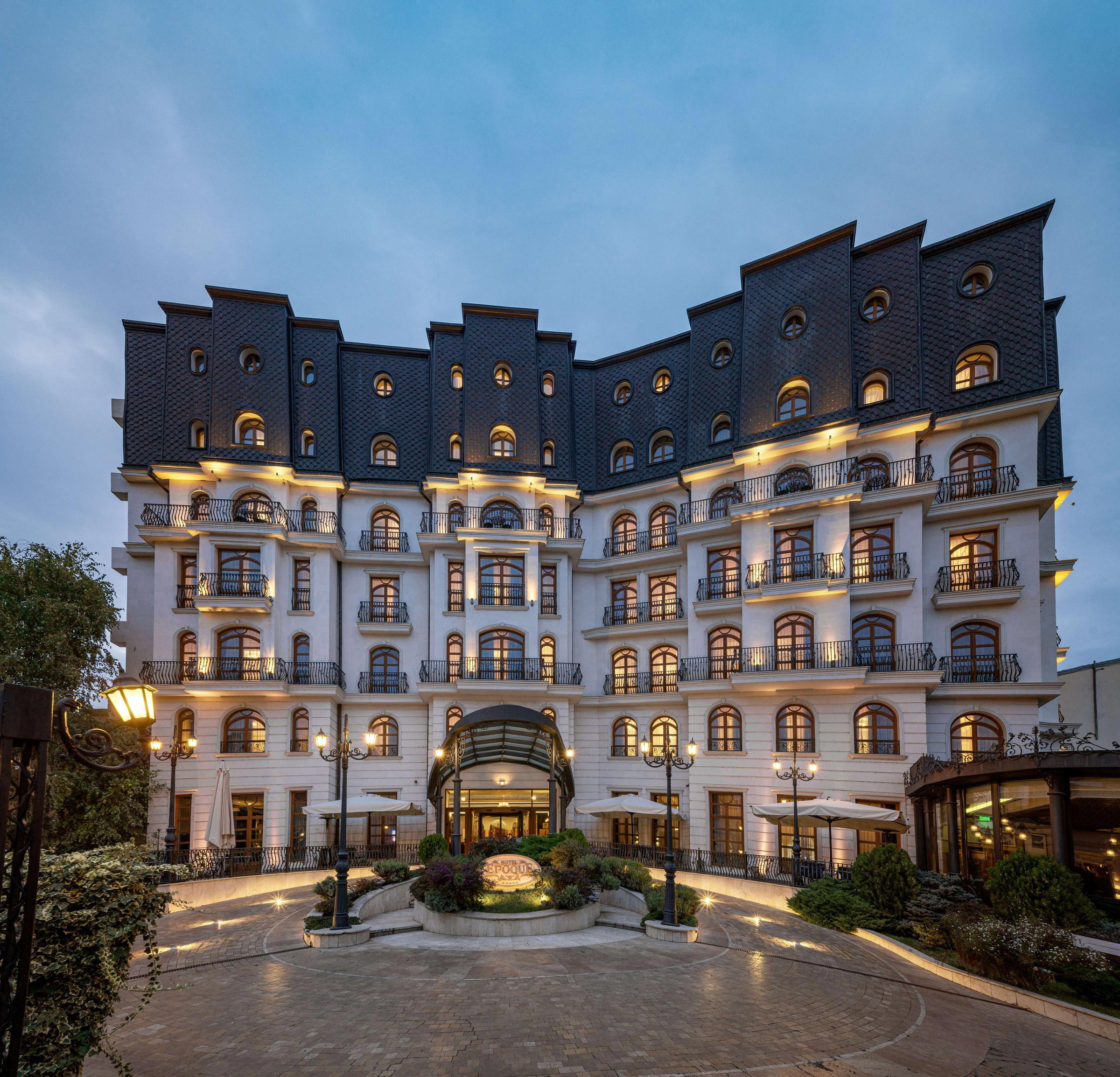
Cosy, elegant atmosphere with warm lighting, stylish decor, and an intimate setting well-suited for romantic dinners.