Our verdict
A potato-specialist concept on one of Timișoara's quieter streets, Cartofisserie commits to a single ingredient with the same format discipline found in the best focused-concept restaurants across Europe. The approach is uncommon in Romania's restaurant scene, and the Banat region's agricultural supply gives the premise genuine local grounding. A casual, purposeful address for those who want their meal to have an argument.

Pearl is the En Primeur Club membership app — saves, bookings, and concierge access live there. Same editors, same standards.
- Address
- Strada Aristide Demetriade 1, Timișoara 300088, Romania
- Phone
- +40722234248
- Hours
- Daily 10 AM–10 PM
- Website
- cartofisserie.ro
- Directions
- Get directions
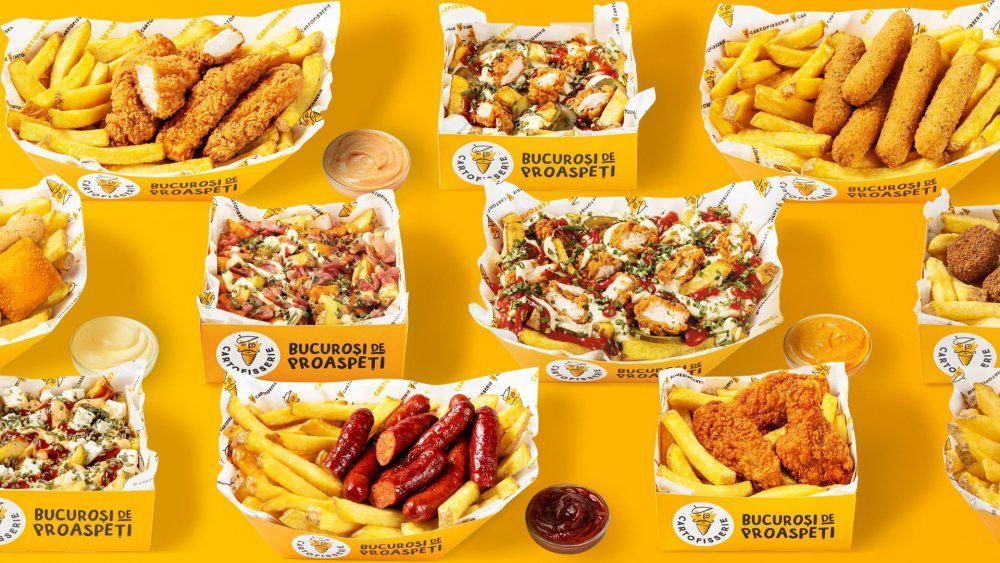
A Street Address in Timișoara's Emerging Dining Quarter
Strada Aristide Demetriade sits in one of Timișoara's quieter residential stretches, away from the tourist circuit around Piața Unirii and the bar-dense blocks of the city center. The name Cartofisserie — a portmanteau that signals potatoes as the central organizing ingredient — places this address immediately within a format that has grown across Romanian cities over the past decade: the specialist single-ingredient concept that treats a humble staple as both hero and editorial statement. In a country where the cartofi have fed generations of families through every economic chapter, framing them as the focus of a dedicated restaurant is less a gimmick than a reclamation.
The Ingredient as Argument
Romanian dining has long operated in two registers: the old-school bucătărie tradițională, where potatoes appear as a side dish almost without thought, and the newer wave of internationally influenced kitchens that tend to push the ingredient further down the menu in favor of more photogenic proteins. The specialist potato format occupies a third position, one that insists the ingredient deserves primary attention. Across Europe, formats built around a single democratic ingredient (the Belgian friterie tradition, the Peruvian causa lineage, the Spanish patata brava canon) have demonstrated that sourcing discipline and preparation technique can do more for a humble tuber than any amount of expensive accompaniments. The question for any Romanian iteration of that logic is whether local sourcing, the dense, starchy varieties grown in the Banat and Transylvanian highlands, can anchor a menu with the same authority.
Timișoara's position as Romania's westernmost major city gives it a different supply geography than Bucharest or Cluj. The Banat plain produces some of the country's most reliable root vegetable crops, and proximity to the Serbian and Hungarian borders has historically meant more fluid ingredient exchange across the region. A concept built around potatoes in this city has access to a different raw material than the same concept would in the Moldavian east. That geographic specificity matters when the ingredient is also the argument.
Where Cartofisserie Sits in Timișoara's Dining Scene
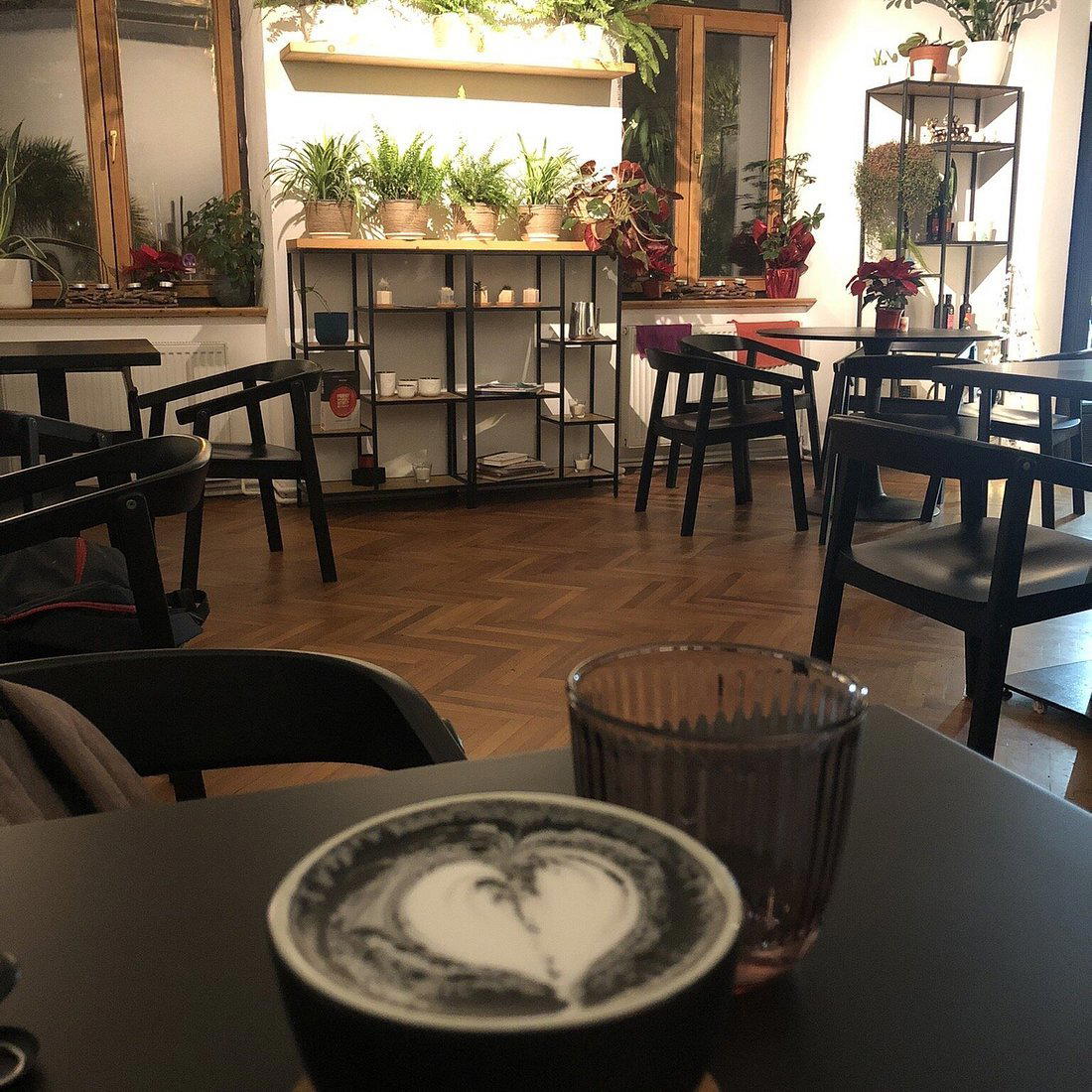
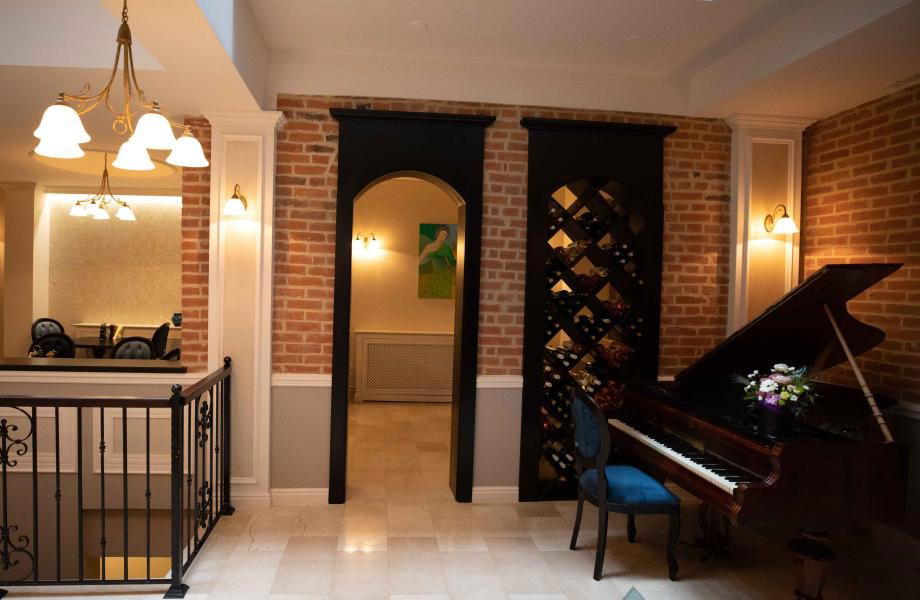
Timișoara's restaurant scene has diversified considerably since the city's designation as a European Capital of Culture in 2023 brought increased visitor scrutiny and local ambition. The city now supports a range of formats from the traditional to the contemporary: La Calul Alb represents the more classical Romanian dining tradition, while addresses like Merlot and Pescada push toward more wine-focused or seafood-led territory. Coffeerize Botanic and Restaurant Bun Timișoara round out a scene that has genuine range without yet achieving the density of Bucharest or Cluj.
Within that context, the single-ingredient specialist format is still relatively novel. Cartofisserie's decision to anchor its identity to one ingredient gives it a positioning clarity that most of its Timișoara contemporaries lack. That clarity is a commercial and editorial bet: it narrows the audience in theory while deepening the proposition for those who arrive on purpose. For a broader view of where this address fits, the full Timișoara restaurants guide maps the city's dining character across neighborhoods and formats.
The concept has at least one sibling: Cartofisserie in Suceava suggests the format has regional ambitions, spreading the potato-specialist model to northeastern Romania. That geographic spread is notable, Suceava is about as far from Timișoara as you can get within Romanian borders, and the fact that the concept travels implies a format logic strong enough to survive without the specific Banat supply chain. Whether each location sources locally or centrally is the key variable that separates a genuine ingredient-first operation from a themed chain.
Single-Ingredient Concepts Elsewhere in Romania
The broader Romanian dining scene has seen several focused-format experiments in recent years. STUP in Simon has built a reputation around hyper-local sourcing in the Transylvanian countryside. Kupaj Fine Wines and Gourmet Tapas in Cluj-Napoca anchors its format around a wine-first logic that narrows its competitive set deliberately. Andalu Gastrobar in Iasi imports a Mediterranean format into Moldavian context. Each of these represents a version of the same broader trend: Romanian restaurants that lead with a specific organizing principle rather than a general menu.
Internationally, the comparison set includes restaurants where ingredient focus has reached significant critical recognition. L'ATELIER in Bucharest demonstrates how a concept with strong format discipline can build a following in a competitive capital market. At the higher end of the spectrum, places like Le Bernardin in New York City and Lazy Bear in San Francisco have shown what happens when a single-ingredient or single-format commitment is taken to its furthest formal expression. Cartofisserie operates in a different register and at a different scale, but the underlying logic, that narrowing your proposition sharpens your execution, travels across price points.
Elsewhere in Romania, formats built around a clear cooking identity include Artegianale in Brasov, Epoca Steak house in Craiova, Bistro Caffe Moțu in Baia Sprie, Cafeneaua Nației in Ploiesti, and Butterfly Events in Chiscani, each illustrating how diverse Romania's restaurant formats have become across tier-two and tier-three cities.
Planning Your Visit
Cartofisserie is located at Strada Aristide Demetriade 1 in Timișoara, close enough to the city center to reach on foot from most central hotels but far enough from the main tourist squares to feel like a local's choice rather than a visitor trap. Given that the format skews casual, a potato-specialist concept is structurally more accessible than a tasting-menu counter, walk-in visits during off-peak hours are likely to be accommodated, though this cannot be guaranteed without current operational data.
Frequently asked questions
Is Cartofisserie okay with children?
The concept at Cartofisserie — centred on a single primary ingredient served across multiple preparations — tends to appeal to curious eaters of most ages. Timișoara's broader dining culture is family-accommodating, and nothing about Strada Aristide Demetriade 1 suggests a strictly adults-only environment. That said, confirm directly before arriving with young children, as format-led restaurants sometimes operate in compact spaces.
What kind of setting is Cartofisserie?
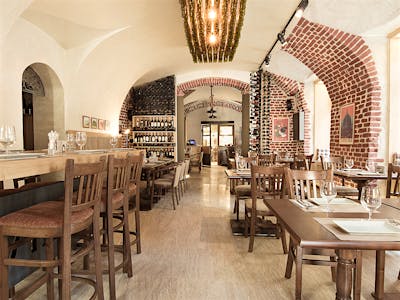
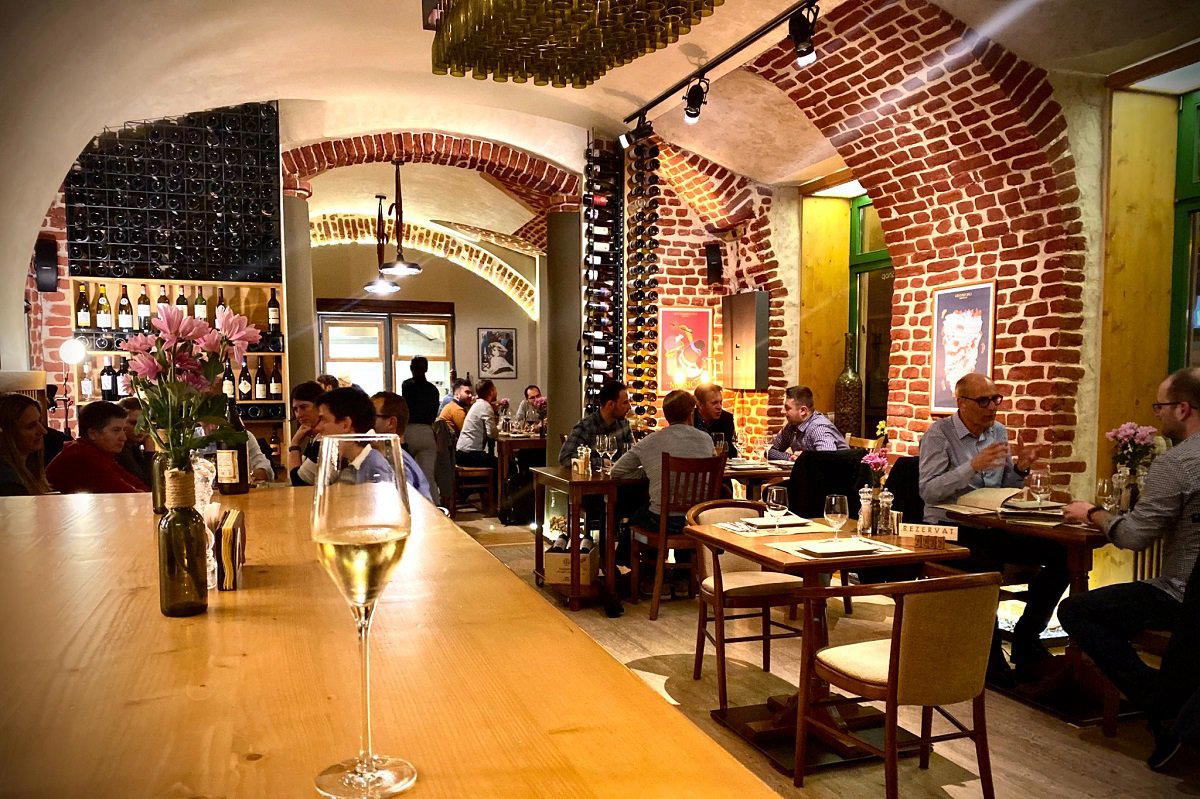
Cartofisserie sits on Strada Aristide Demetriade, a quieter residential stretch in Timișoara removed from the main tourist pull of Piața Unirii. That positioning signals a neighbourhood-facing room rather than a high-footfall tourist destination — expect a focused, low-key atmosphere more in keeping with a concept dining spot than a traditional Romanian restaurant.
Is Cartofisserie the only potato-specialist restaurant in Romania?
Cartofisserie in Timișoara is among a very small group of Romanian venues to dedicate an entire format to a single ingredient, and the potato-forward concept is particularly unusual given how routinely the ingredient is treated as a background player in traditional Romanian cooking. Romania's single-ingredient restaurant experiments remain scattered and recent, with no established category comparable to, say, the French frites-specialist tradition.
What should I eat at Cartofisserie?
The premise of Cartofisserie is a potato-led menu that pushes Romania's most ubiquitous ingredient beyond its standard supporting-role status. Rather than arriving with a shortlist, order across the range: the point of a single-ingredient concept is seeing how many distinct preparations one kitchen can produce from the same raw material. Specific dishes and current menu pricing are best confirmed with the venue directly before visiting.
What's the address for Cartofisserie?
Cartofisserie is located at Strada Aristide Demetriade 1, Timișoara 300088, Romania, Timisoara.
Do they take walk-ins at Cartofisserie?
Arriving without a reservation during peak evening hours carries some risk — contacting the venue ahead of your visit is the safer approach, particularly on weekends.
What makes Cartofisserie worth seeking out?
Cartofisserie is one of a small number of Romanian restaurants to build an entire menu around a single ingredient, positioning the potato not as a filler but as the central argument. That format is relatively rare in Romania's dining scene, where single-ingredient concepts remain experimental rather than established. The address — Strada Aristide Demetriade 1, Timișoara — puts it just far enough from the city centre to feel like a find rather than a default dinner stop.
Comparison Snapshot
Comparable venues nearby, for context on price, style, and recognition.
| Venue | Cuisine | Price | Notes |
|---|---|---|---|
| CartofisserieThis venue — the venue you are viewing | Loaded Fries Fast Food | Not listed | Not listed |
| Coffeerize Botanic | Specialty Coffee and Brunch | $10–20 | near Botanic Parc |
| La Calul Alb | Modern Banat Regional European Grill | $30–50 | Cetate |
| Restaurant Bun Timișoara | Modern Romanian | Not listed | Central Timisoara |
| Merlot | Mediterranean Fine Dining with French and Italian Influences | $30–50 | .NULL |
| Restaurant Sabres | Mediterranean Fine Dining with Fresh Seafood | $50–100 | Timisoara |
Continue exploring
More in Timisoara
Restaurants in Timisoara
Browse all →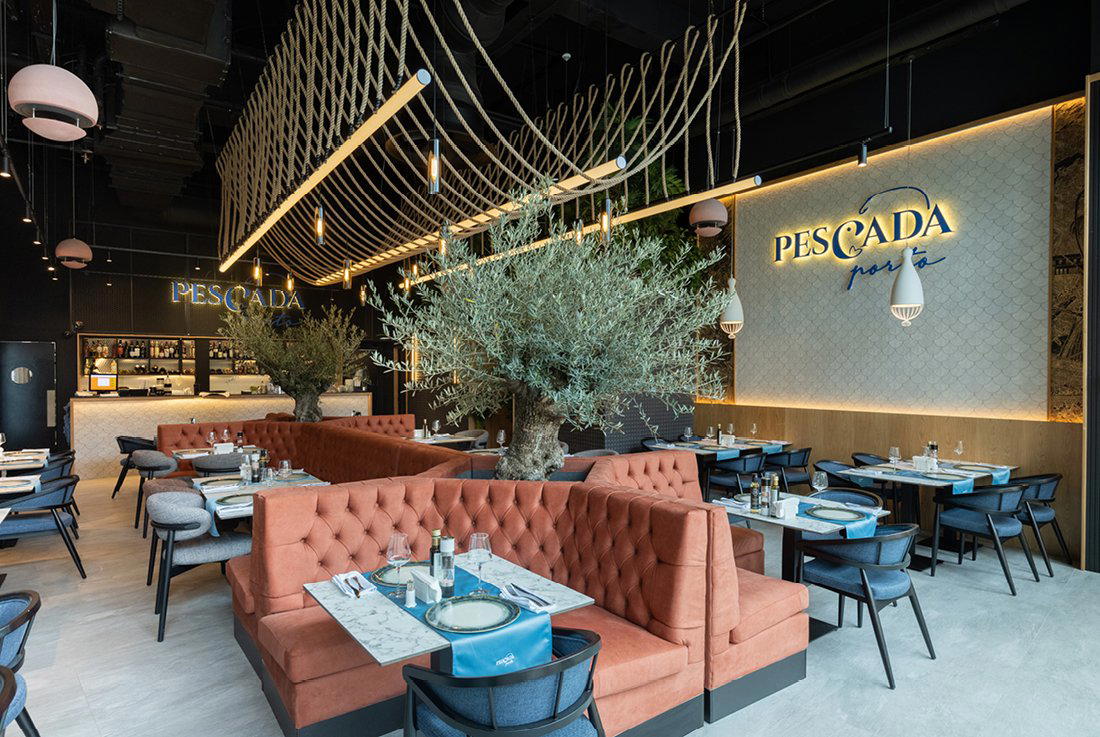
Wineries in Timisoara
Browse all →

Details
- Casual
- Casual Hangout
- A La Carte
- Vegan Options
Current opening hours
- Monday
- 10 AM–10 PM
- Tuesday
- 10 AM–10 PM
- Wednesday
- 10 AM–10 PM
- Thursday
- 10 AM–10 PM
- Friday
- 10 AM–10 PM
- Saturday
- 10 AM–10 PM
- Sunday
- 10 AM–10 PM
Hours can change for holidays and private events. Last verified .
Casual fast-food atmosphere focused on fresh potato preparations and human interaction without ordering tablets.