Nußdorfer Str. 7 sits in Vienna's 9th district, a residential address that positions it against the city's quieter, neighbourhood-rooted dining scene rather than the grand boulevard establishments of the 1st. With Vienna's fine dining tier defined by venues such as Steirereck and Konstantin Filippou, addresses in Alsergrund occupy a distinct register: less ceremonial, more embedded in daily urban life.
Pearl is the En Primeur Club membership app — saves, bookings, and concierge access live there. Same editors, same standards.
- Address
- Nußdorfer Str. 7, 1090 Wien, Austria
- Directions
- Get directions
 Saves & bookings on Pearl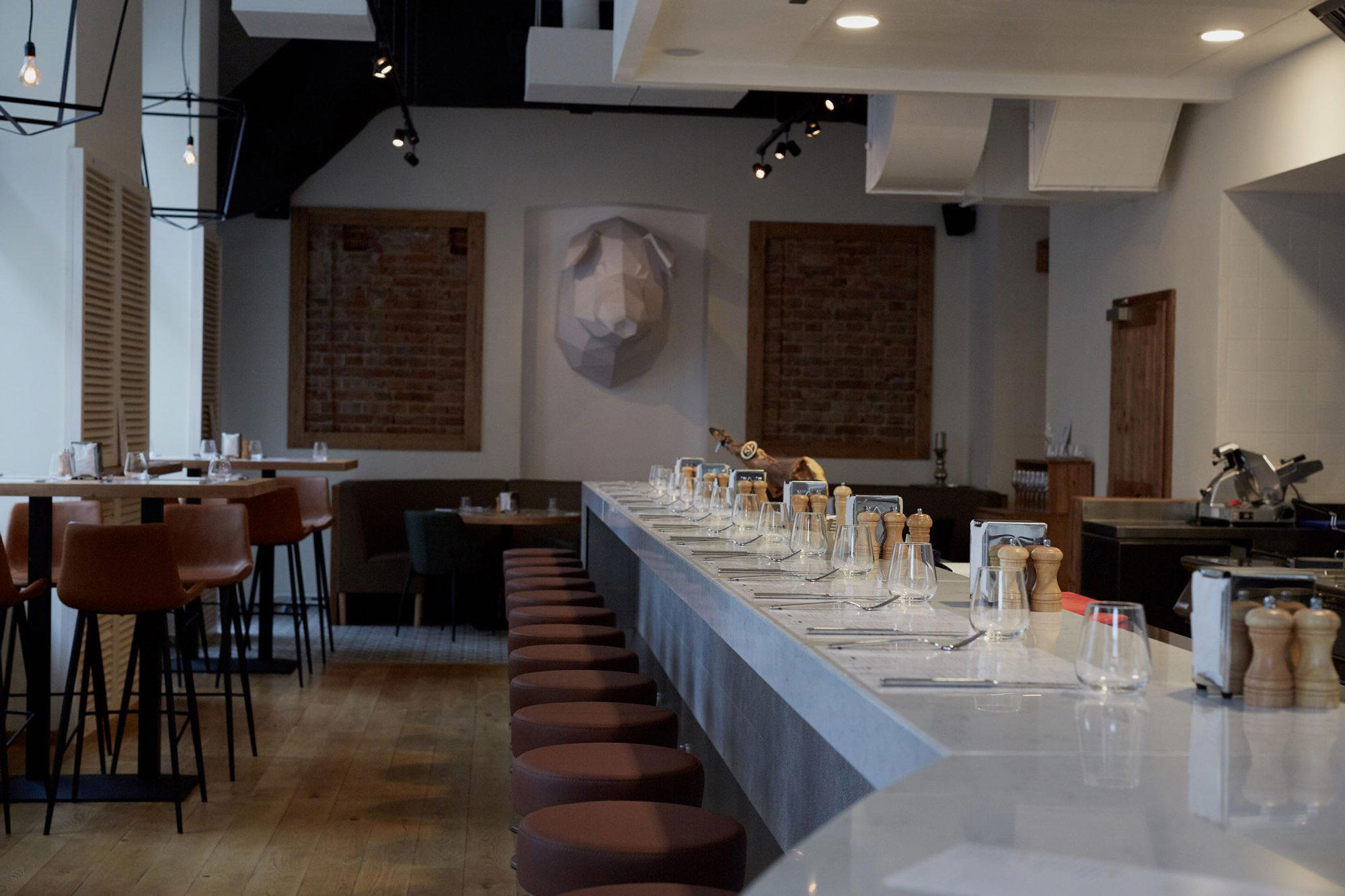
A Street Address as Dining Statement
Vienna's 9th district, Alsergrund, has long occupied an interesting position in the city's culinary map. It is not the 1st, with its imperial dining rooms and tourist-facing grandeur, nor the 7th, where a younger, more casual food culture has taken root. The 9th sits between those registers: residential, educated, historically associated with the university and the old medical quarter, and increasingly home to dining rooms that reflect a quieter confidence. An address like Nußdorfer Straße 7 is, in that sense, a positioning statement before a single dish is served.
Steirereck im Stadtpark and Amador represent the city's most formally recognised kitchens, while Konstantin Filippou and Mraz & Sohn have defined what creative Austrian cooking looks like when it operates at €€€€ price points with consistent critical attention. Nußdorfer Str. 7's neighbourhood address, by contrast, suggests a different relationship with the city: less self-conscious, more integrated into the actual fabric of how Viennese residents eat and drink through the week.
The Physical Container and What It Signals
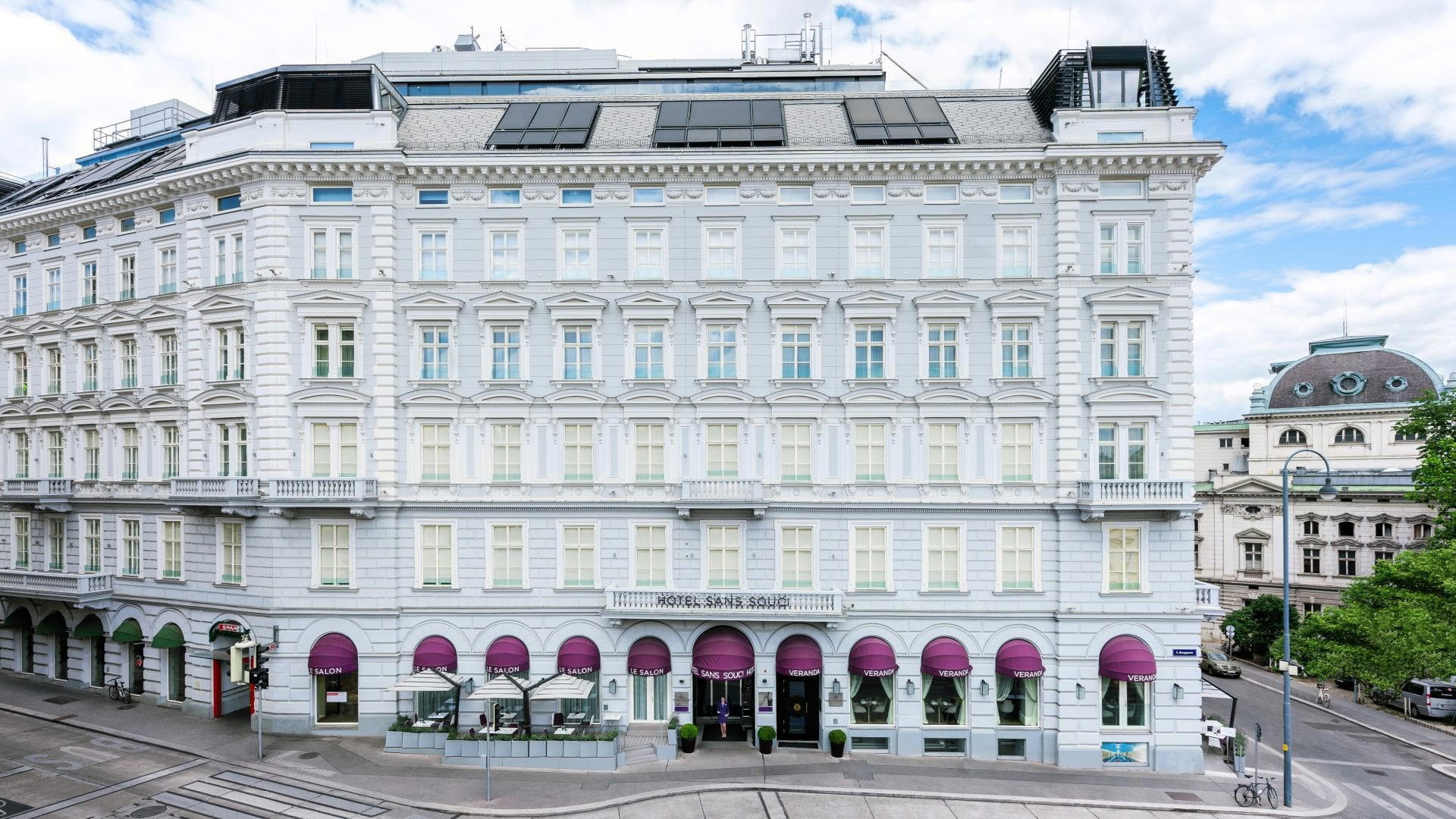
In Vienna's older residential districts, the ground floors of Gründerzeit buildings carry a particular character. These are spaces built in the late 19th century for everyday commerce, with ceiling heights and street-facing windows that lend themselves naturally to dining rooms with weight and proportion. The address on Nußdorfer Straße places the venue in exactly that architectural context: a street that runs from Währinger Straße toward the Danube Canal, lined with the kind of four- and five-storey apartment blocks that define inner-district Vienna. The street level here is where cafés, neighbourhood restaurants, and specialist shops have operated for generations.
That physical setting matters because it shapes expectation in a way that a purpose-built restaurant space in a newer development does not. Diners arriving on Nußdorfer Straße are already inside a lived-in urban grain, not a curated dining district. The experience of approaching and entering a restaurant in this context is different from walking into a hotel dining room or a converted industrial space: it is embedded rather than announced. Across European cities, this kind of spatial embedding has become a marker of a certain kind of serious restaurant, one that assumes its audience will find it rather than needing to be found first. Doubek, also operating in Vienna's residential districts, represents a comparable positioning logic.
Where Nußdorfer Str. 7 Sits in Vienna's Broader Scene
Vienna's restaurant scene has developed distinct tiers over the past decade. At the leading, a small cluster of kitchens competes for Michelin recognition and international visibility, with cuisine types ranging from creative Austrian at Mraz & Sohn to modern European at Konstantin Filippou. Below that tier, a larger group of neighbourhood restaurants serves a more locally oriented audience, often with shorter menus, lower price points, and less formal service codes. The 9th district contains examples across that spectrum.
Austria's wider dining culture provides useful context here. The country has developed a serious regional fine dining scene well beyond Vienna: Döllerer in Golling an der Salzach and Obauer in Werfen are among the kitchens that have built national reputations from provincial addresses, while Landhaus Bacher in Mautern an der Donau and Taubenkobel in Schützen am Gebirge demonstrate that serious cooking in Austria is not confined to its capital. That regional distribution has made Vienna's own restaurant culture more interesting: the city no longer has to carry Austrian gastronomy on its own, which frees neighbourhood addresses to operate without the pressure of national representation.
Further afield, comparisons with international venues illuminate what a residential-address dining room can achieve. Lazy Bear in San Francisco built its reputation from an unconventional format in a non-obvious neighbourhood. Le Bernardin in New York City, despite its Midtown address, operates with a focus and specificity that transcends its surrounding commercial context. In both cases, the physical address is a starting point, not a ceiling. The same logic applies to a venue on Nußdorfer Straße.
Austria's Mountain Dining Culture as Counterpoint
Understanding what a Vienna neighbourhood restaurant is requires understanding what it is not. Austria's alpine dining culture, represented by addresses such as Gourmetrestaurant Tannenhof in Sankt Anton am Arlberg, Stüva in Ischgl, Schwarzer Adler in Hall in Tirol, and Restaurant 141 by Joachim Jaud in Mieming, operates within a resort hospitality context where the dining room is often part of a larger guest experience. Kräuterreich by Vitus Winkler in Sankt Veit im Pongau and Ois in Neufelden take a different route, grounding themselves in local produce and regional identity. A Vienna street-level restaurant carries none of those contextual anchors: it lives or dies by its room, its cooking, and its relationship with a local audience that has other options every night of the week.
Planning a Visit
Nußdorfer Straße is accessible by U-Bahn via the U6 line, which serves Alsergrund directly, placing the address within direct reach of the city centre without requiring a taxi or long walk. The 9th district is pedestrian-friendly, and the street itself connects to the broader Währing and Josefstadt neighbourhoods, making it a natural stop within a wider evening in inner-district Vienna.
Cuisine Context
Comparable venues nearby, for context on price, style, and recognition.
| Venue | Cuisine | Price | Notes |
|---|---|---|---|
| Nußdorfer Str. 7This venue — the venue you are viewing | Modern Spanish Tapas | $$ | Not listed |
| Toma Tu Tiempo | Authentic Spanish Tapas | $$ | Neubau |
| Lobo y Luna | Modern Spanish Tapas | $$ | Mariahilf |
| PACO Ribera | Authentic Spanish Tapas | $$$ | Donauturm |
| Fish & Chips Bistro by DieSeeteufel | Fish & Chips Bistro | $$ | Inner City |
| Kantine Thai Kitchen | Authentic Thai Kitchen | $$ | Franz Josefs Bahnhof |
At a Glance
- Trendy
- Modern
- Lively
- Date Night
- Casual Hangout
- Open Kitchen
- Extensive Wine List
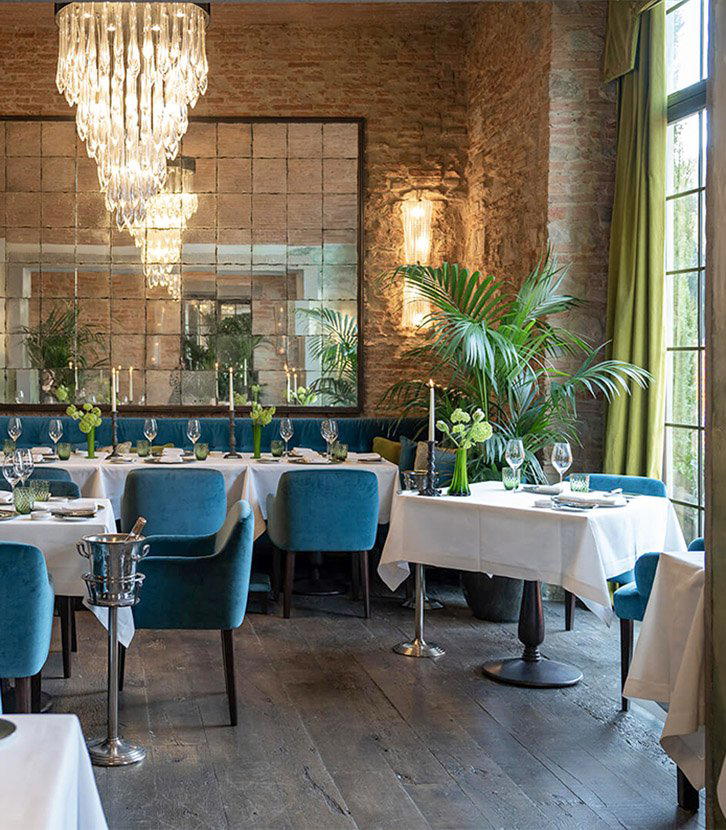
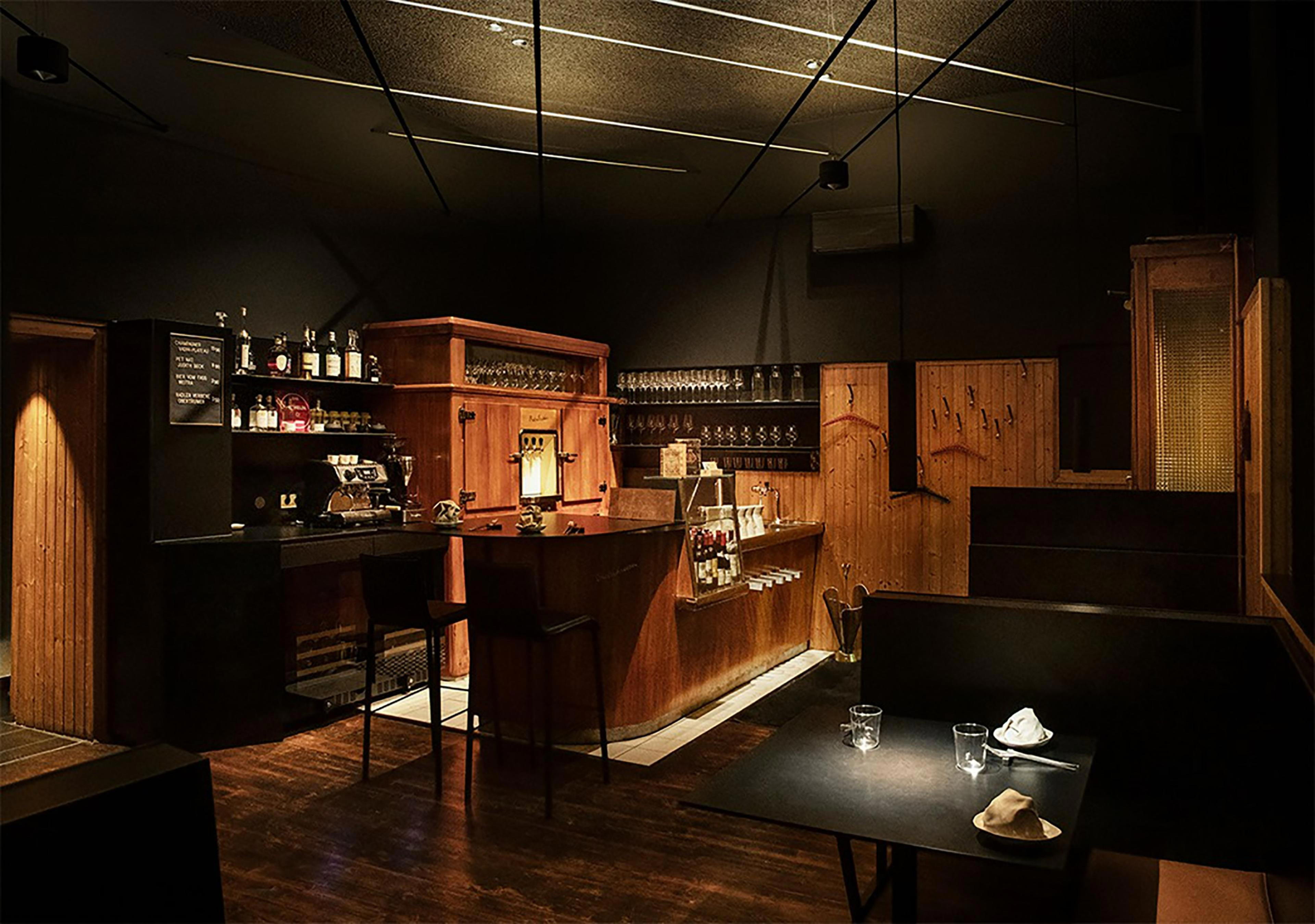
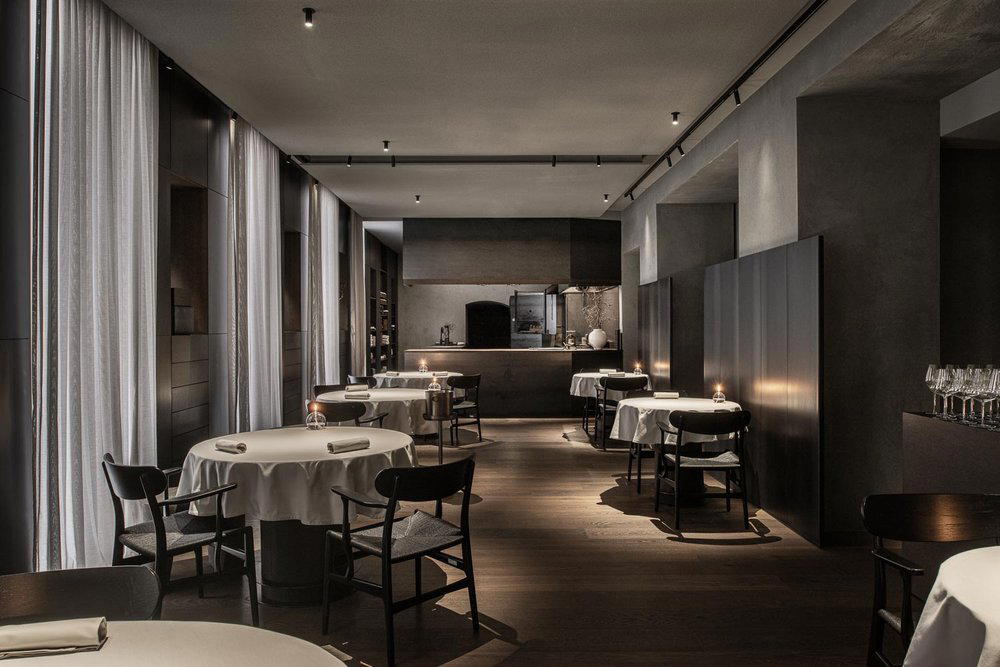
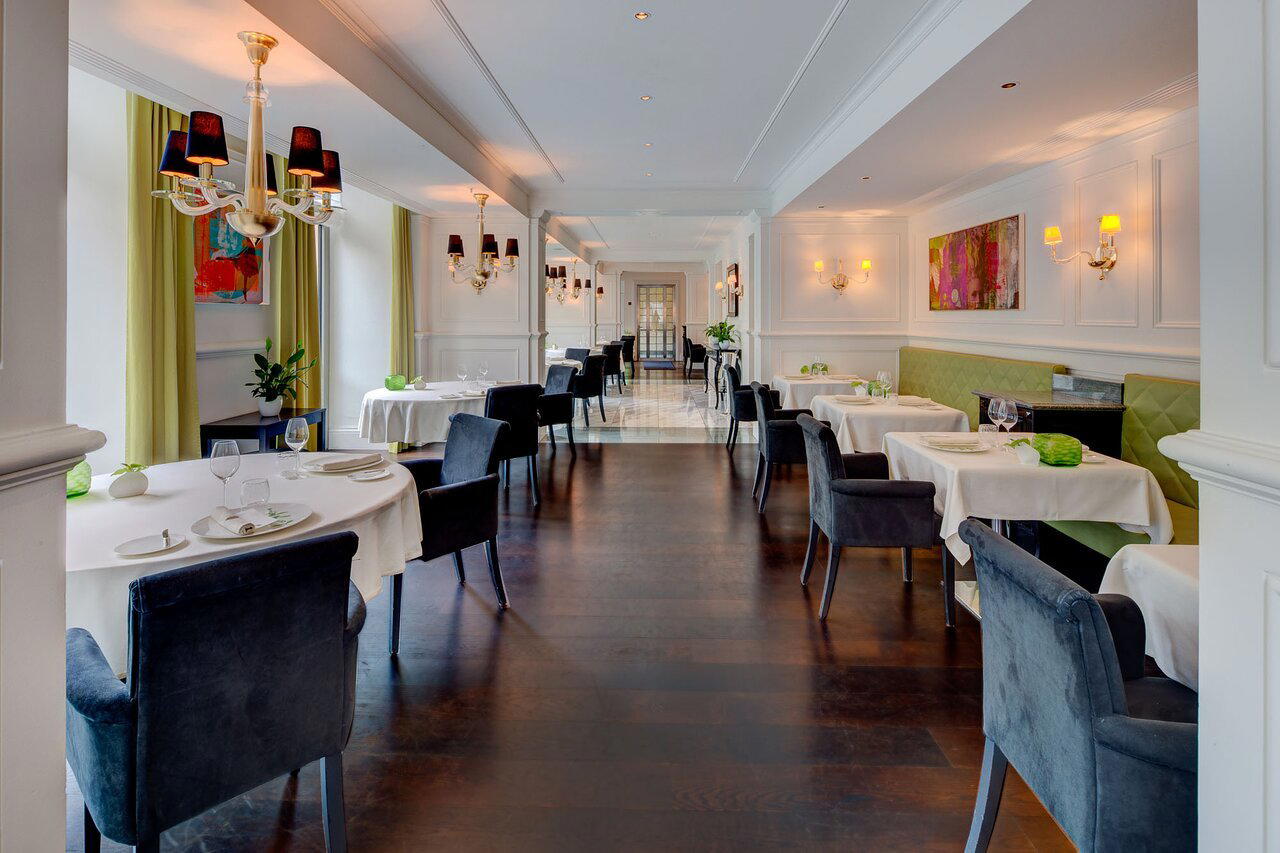
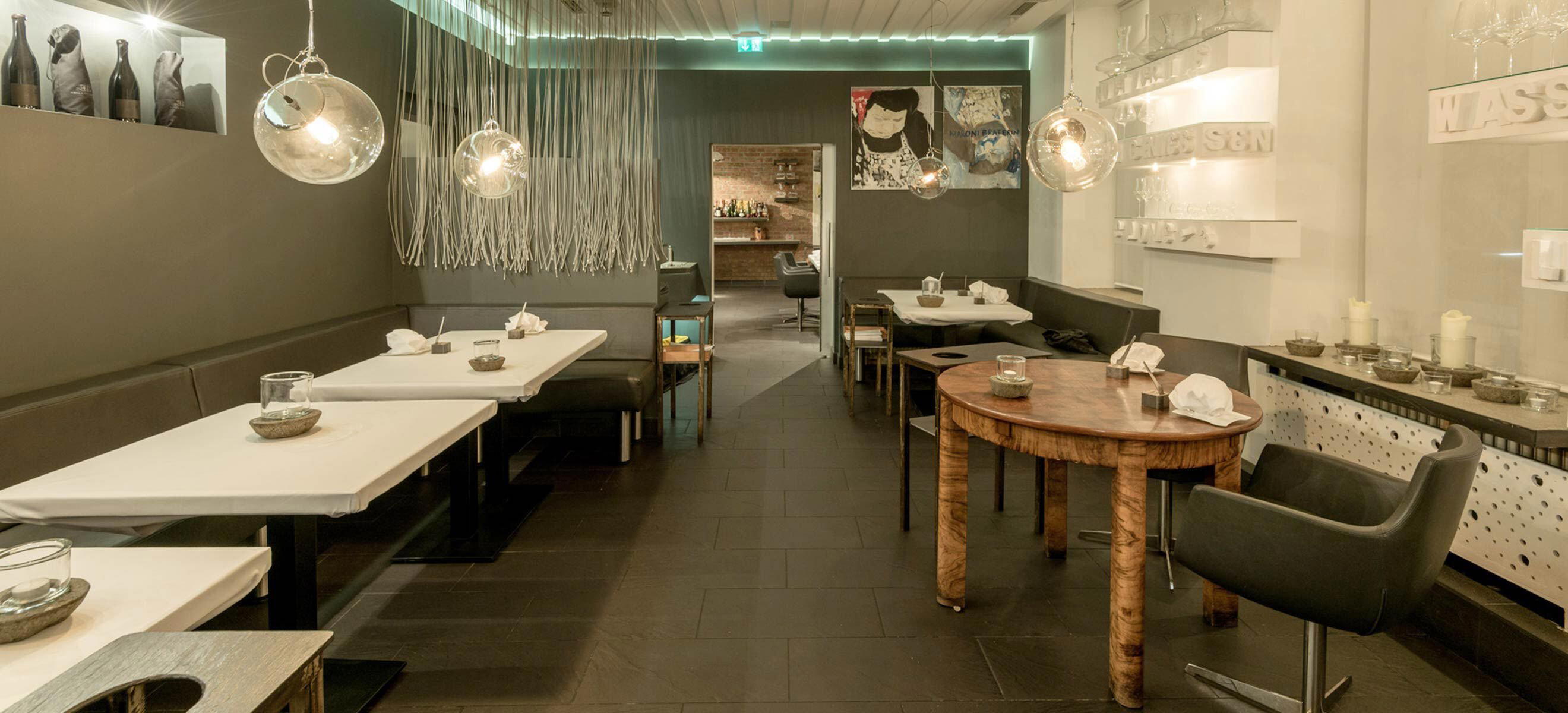
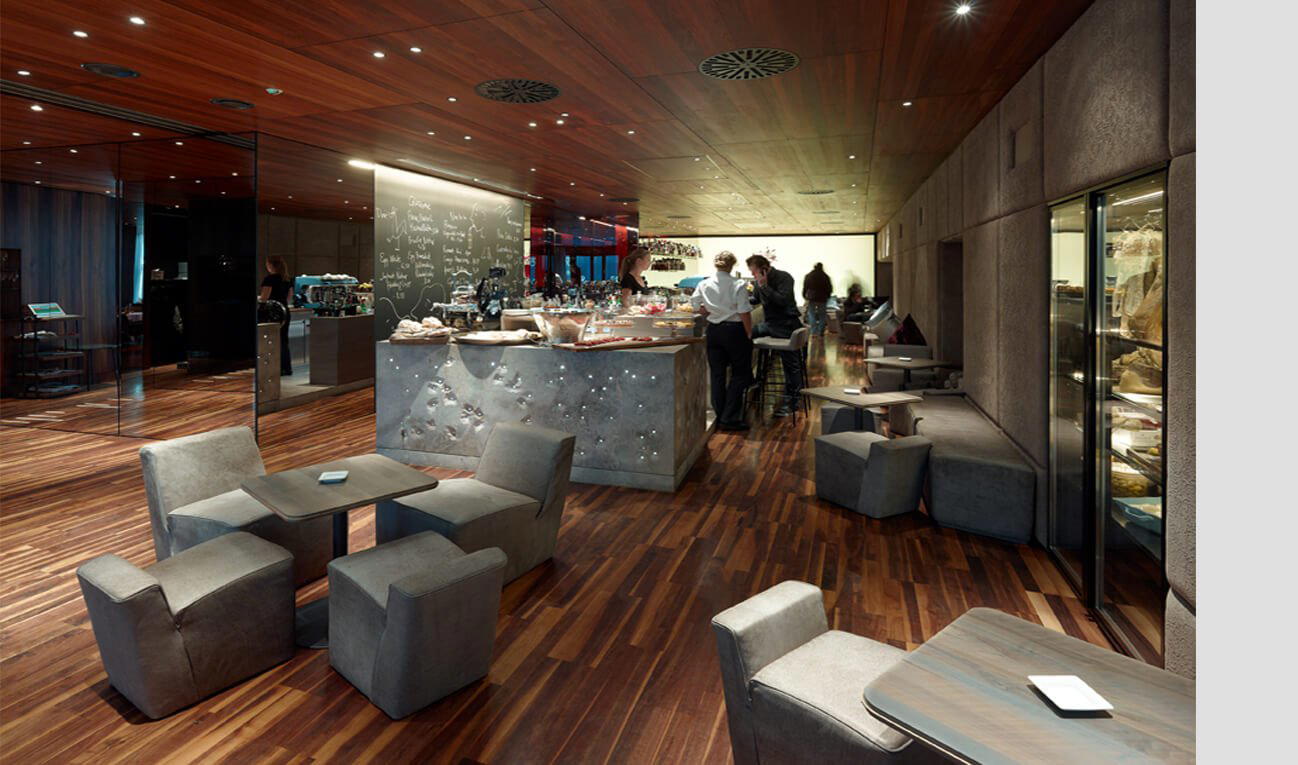
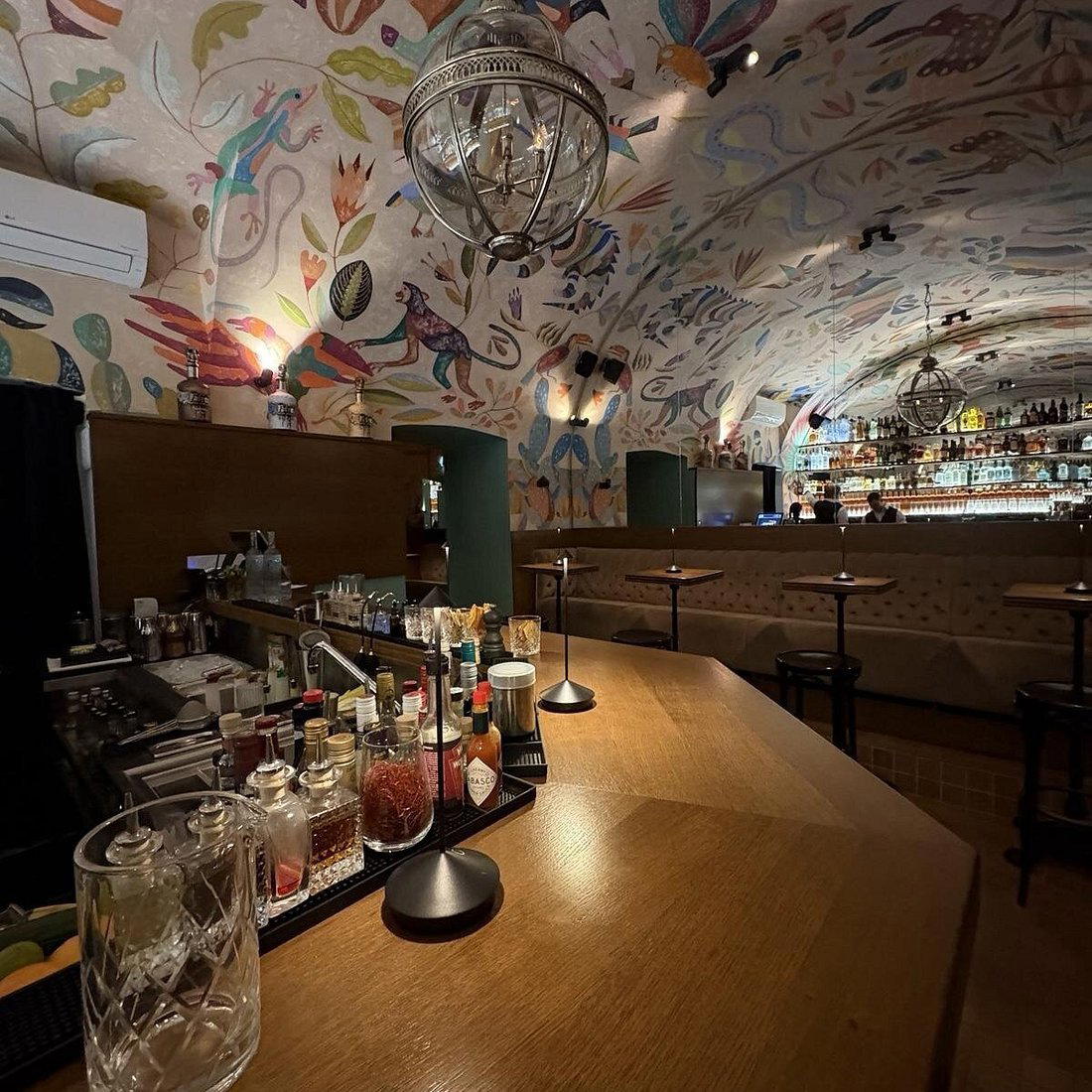
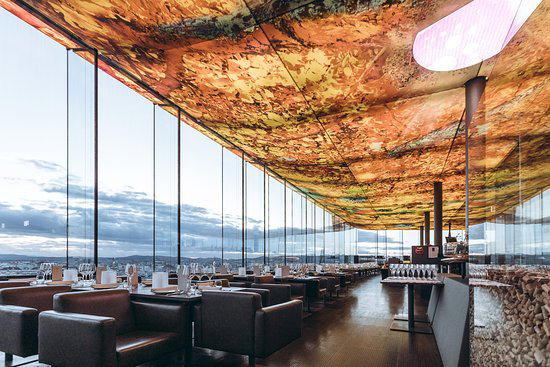
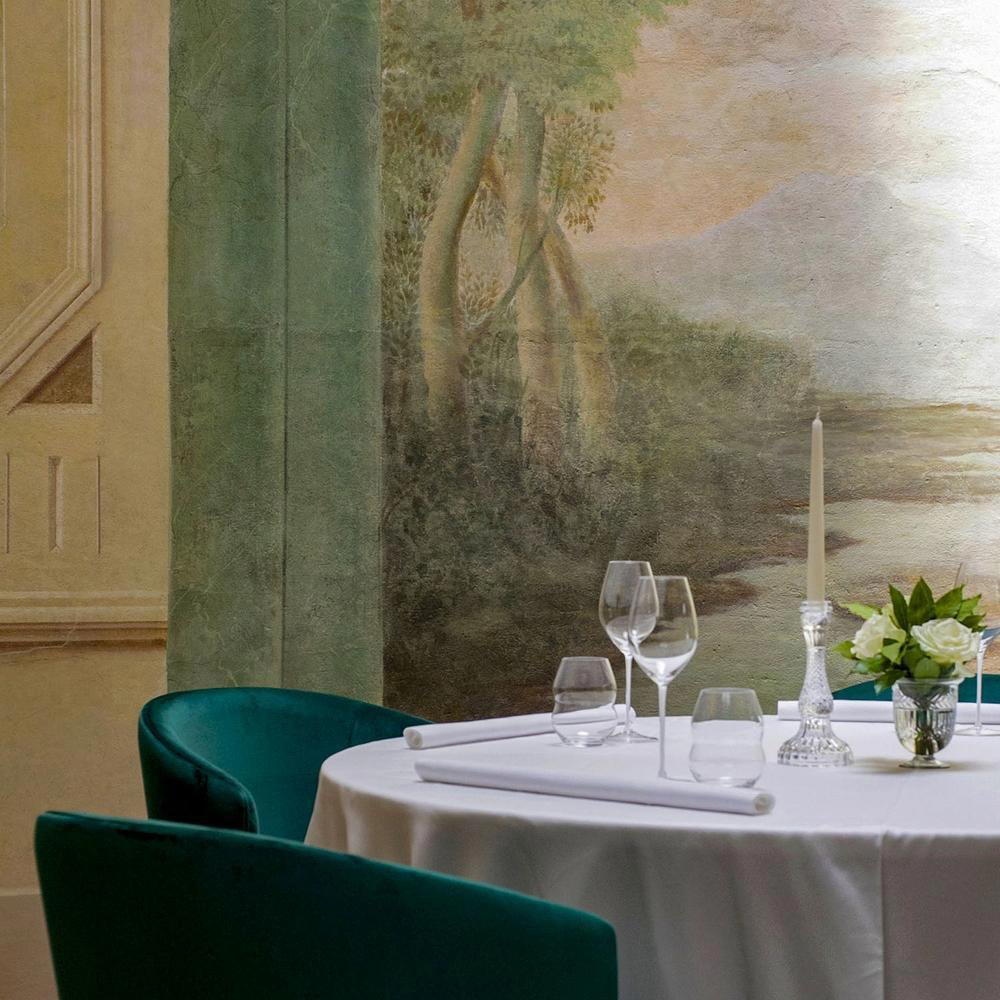
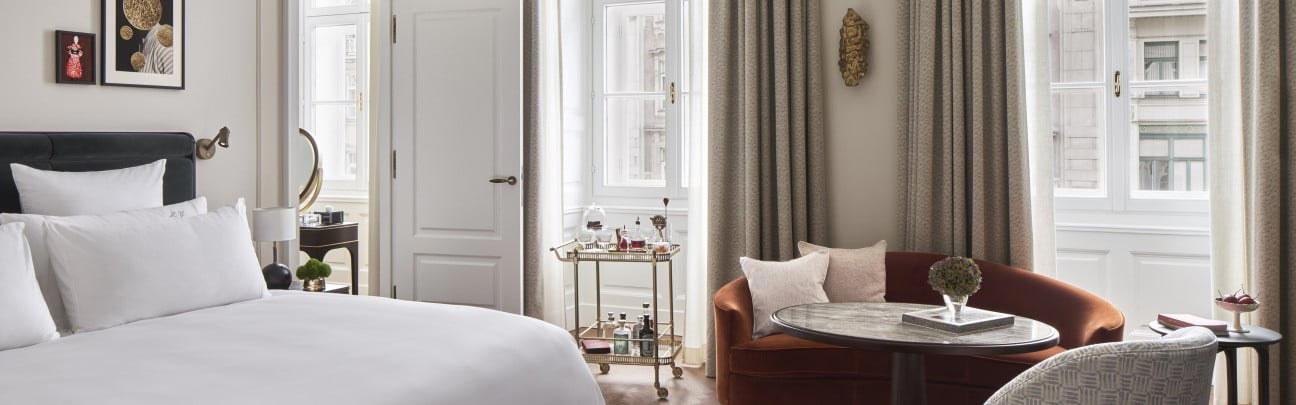
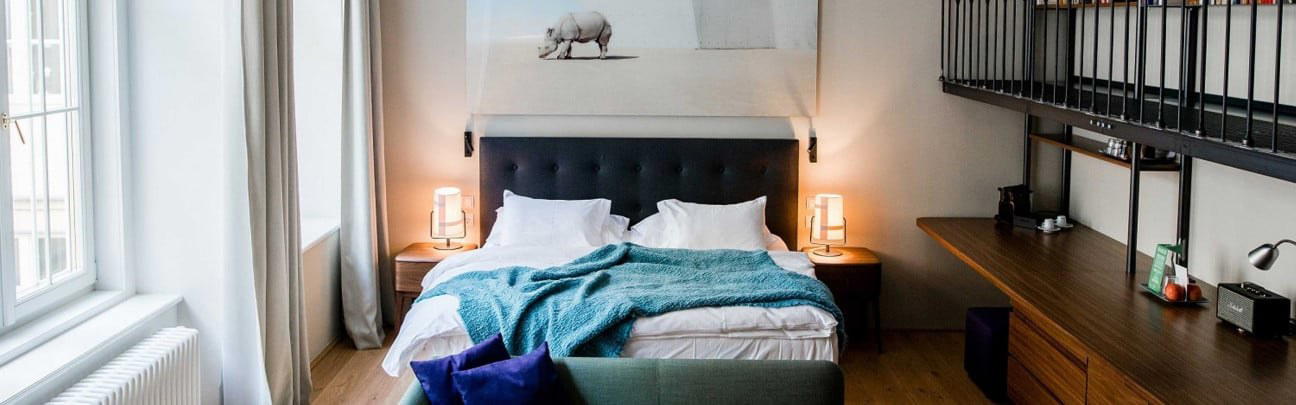
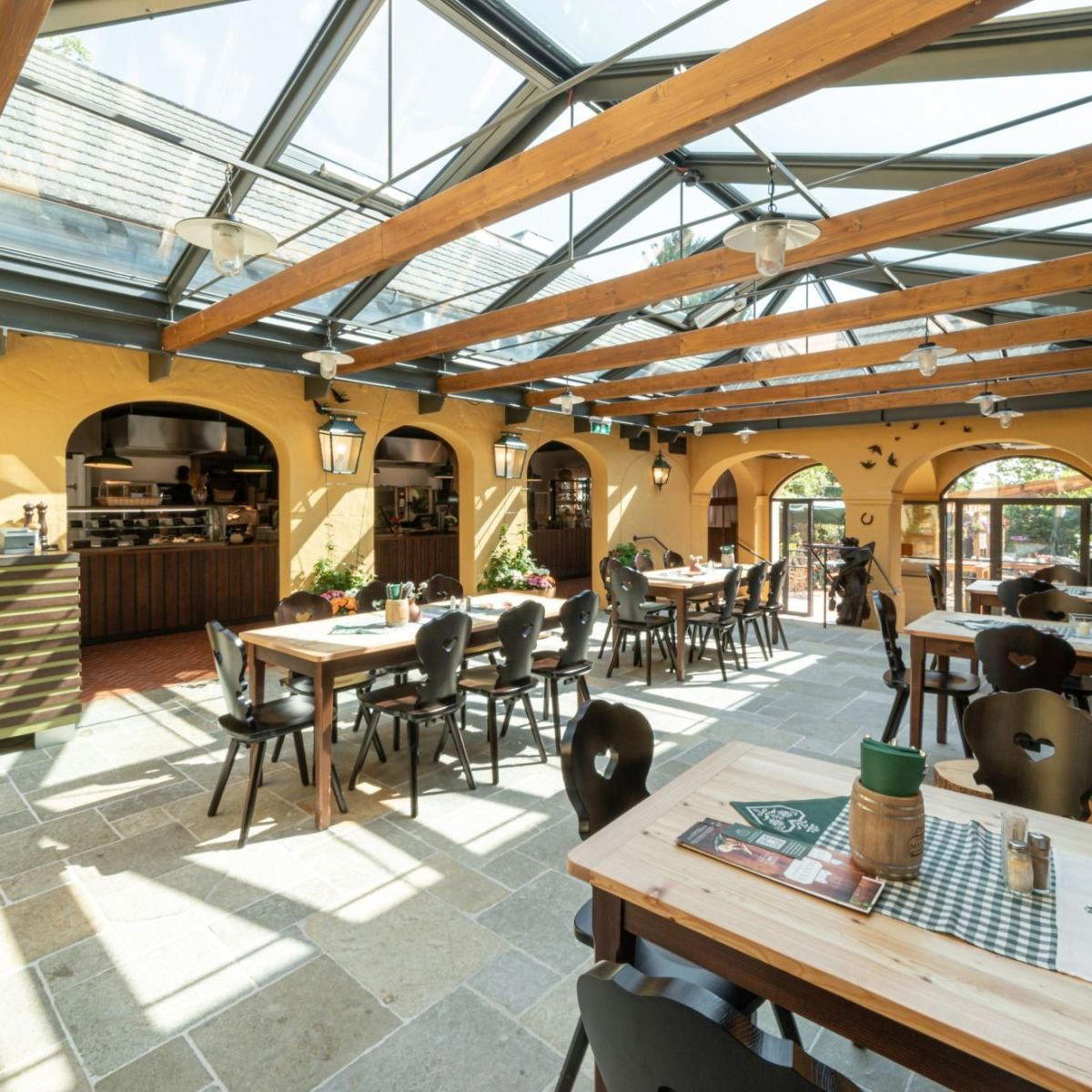
Contemporary atmosphere with lively tapas bar energy and warm lighting.