A Thai kitchen in Vienna's ninth district, Kantine Thai Kitchen on Porzellangasse sits in a neighbourhood that runs more Viennese café than Southeast Asian spice. The address places it among the Alsergrund's everyday eating spots rather than the city's formal dining tier, making it a reference point for how Thai cooking has carved space in a city whose restaurant identity still gravitates toward Austrian and Central European traditions.
Pearl is the En Primeur Club membership app — saves, bookings, and concierge access live there. Same editors, same standards.
- Address
- Porzellangasse 19, 1090 Wien, Austria
- Phone
- +434313195918
- Website
- kantinethairestaurant.com
- Directions
- Get directions
 Saves & bookings on Pearl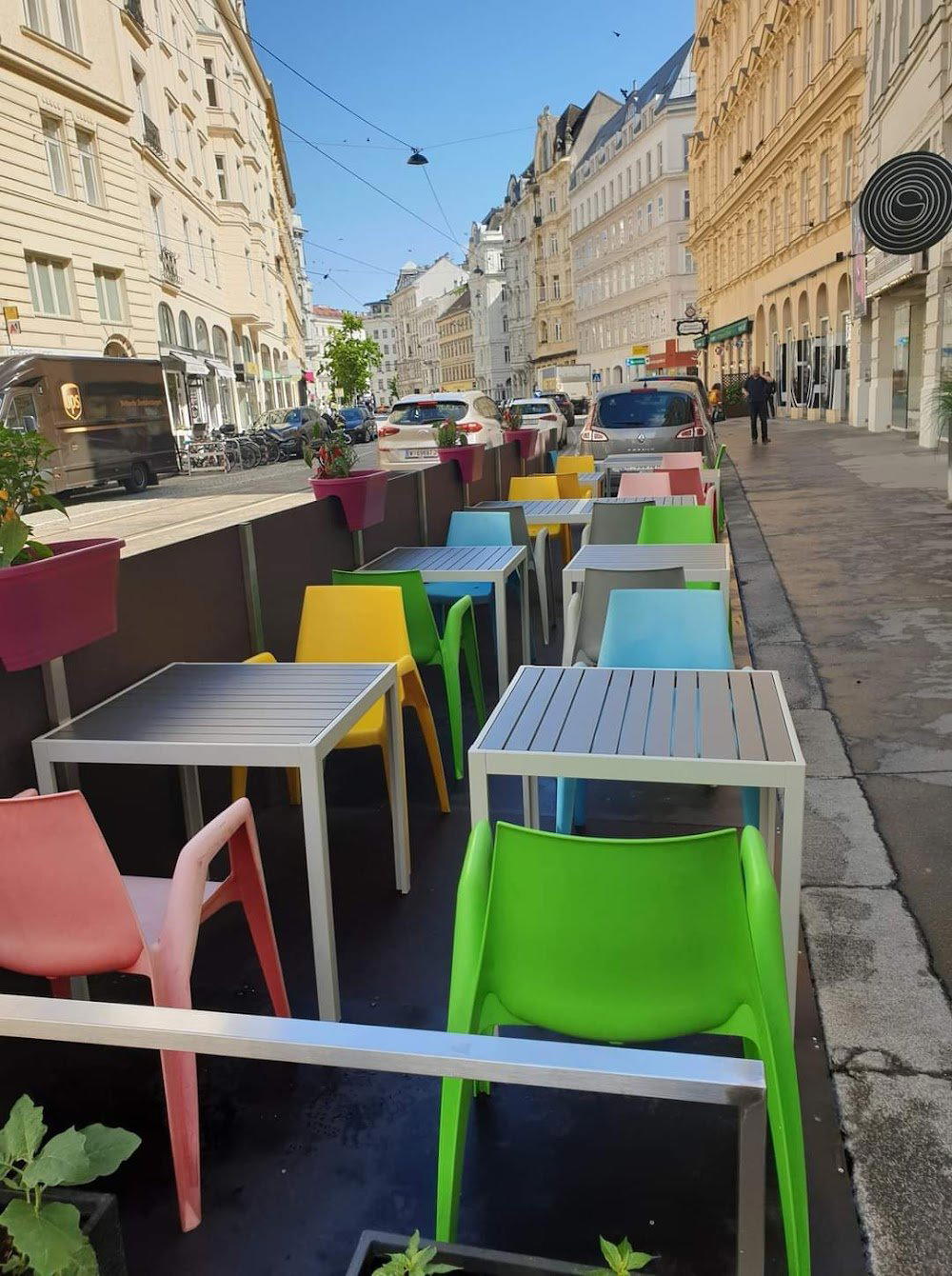
Thai Cooking in a City Built on Schnitzel
Vienna's restaurant identity has long been anchored in a specific idea of Central European cuisine: Wiener Schnitzel, Tafelspitz, Beuschel, and the kind of slow-roasted confidence that comes from cooking the same dishes for two hundred years. Kantine Thai Kitchen is an authentic Thai kitchen at Porzellangasse 19, 1090 Wien, Austria, with a casual dress code, recommended reservations, and an average spend of about $15 per person. The city's fine-dining tier, represented by houses like Steirereck im Stadtpark, Amador, and Konstantin Filippou, tends to work in the €€€€ bracket with tasting menus and Michelin recognition. Below that register, the city's everyday eating scene is far more international than its fine-dining tier suggests, and Thai kitchens have become a consistent part of that picture across the inner districts.
Kantine Thai Kitchen on Porzellangasse 19 sits in the ninth district, Alsergrund, a neighbourhood whose character is shaped by the university quarter, the general hospital campus, and the kind of residential density that produces reliable, unfussy restaurants rather than destination dining. The address places the kitchen in that everyday tier, which is not a diminishment so much as a category clarification. The dining traditions that matter here are different from those governing a Michelin room, and understanding that distinction shapes how you approach the meal.
The Ritual of Thai Eating, Transposed
Thai dining has a structural logic that differs from both the European tasting menu and the Austrian Gasthaus. At its most traditional, the meal is built around a table of shared dishes arriving in loose sequence, with rice as the constant and individual plates representing points of contrast rather than standalone courses. The pacing is communal rather than sequential, and the flavour logic runs across the table simultaneously: something hot, something sour, something cooling, something herbal. That framework travels across borders, though it adapts depending on the kitchen's ambitions and the expectations of its local audience.
In Vienna's neighbourhood Thai kitchens, this communal grammar often gets compressed into single-plate ordering, partly because the dining room format and partly because Austrian eating culture defaults toward individual portions. How a kitchen handles that compression tells you something about its seriousness. A kitchen that flattens every dish into a single sweet-salty register is working to a different standard than one that maintains the internal tension between fish sauce salinity, lime acidity, and fresh herb lift. The distinction is worth holding onto when you order.
Alsergrund as a Dining Neighbourhood
The ninth district operates at a different frequency from Vienna's first. Where the Innere Stadt trades on grandeur and tourist infrastructure, Alsergrund runs on a more practical energy: students, medical staff, long-term residents, and the kind of lunch-and-dinner traffic that keeps a neighbourhood kitchen honest. Porzellangasse itself is a residential street, and a Thai kitchen here competes primarily on reliability and value rather than on spectacle.
That context matters for setting expectations. This is not the dining tier of Mraz & Sohn or Doubek. It is the kind of place that earns its place through consistency in a neighbourhood that has enough options to be genuinely selective. Vienna's broader dining scene, including excursions to Döllerer in Golling an der Salzach or Ikarus in Salzburg, offers a different register entirely. Kantine Thai Kitchen operates in the register most Viennese actually eat in most evenings.
What the Format Signals
The name carries its own editorial note. Kantine, in German-speaking contexts, refers to a canteen or staff dining room: functional, without ceremony, built around feeding people efficiently and well rather than staging an experience. Pairing that word with Thai Kitchen creates a deliberate signal about format and intent. The expectation is not a formal dining experience with scripted service and long wine lists. It is a kitchen that takes its food seriously within a frame of directness.
That framing connects to a broader trend visible across European cities: Thai restaurants that shed the decorative trappings of mid-range Asian dining (the generic lanterns, the laminated menus with photographs) in favour of a more stripped-back presentation that lets the cooking carry the room. Venues in this mode tend to run tighter menus, source more carefully, and invest in the food rather than the surroundings. Whether Kantine Thai Kitchen executes fully within that model requires firsthand verification, but the naming convention and the address together suggest an orientation toward the functional end of that spectrum.
Placing It in the Vienna Context
Vienna's Thai dining scene does not carry the institutional recognition that marks the city's Austrian and European fine-dining sector. There are no Michelin stars in this category, no placement on the 50 Best Austria lists that orbit around names like Obauer in Werfen or Gourmetrestaurant Tannenhof in Sankt Anton am Arlberg. The comparison set for a neighbourhood Thai kitchen is local and practical: other kitchens on the same streets, the value equation against Austrian standbys, and the question of whether the cooking maintains its integrity within the constraints of a European kitchen supply chain.
Thai cuisine in Austria faces the same sourcing pressures that affect Southeast Asian kitchens across northern and central Europe: galangal, fresh kaffir lime leaves, Thai basil, and cured shrimp paste are available but not always consistent. The kitchens that handle this well tend to build menus around what they can source reliably rather than overpromising on dishes that depend on ingredients that arrive unpredictably. That discipline, or its absence, is usually visible in the cooking itself.
For a wider map of serious eating in and around Austria, the full Vienna restaurants guide covers the range from neighbourhood kitchens to the city's formal dining rooms, including references to regional destinations like Griggeler Stuba in Lech, Kräuterreich by Vitus Winkler in Sankt Veit im Pongau, Landhaus Bacher in Mautern an der Donau, Ois in Neufelden, Schwarzer Adler in Hall in Tirol, and Restaurant 141 by Joachim Jaud in Mieming. For international frame of reference at the far end of the formality spectrum, Le Bernardin in New York City and Atomix in New York City represent what tightly disciplined ethnic-rooted kitchens look like at maximum ambition.
Planning Your Visit
Address: Porzellangasse 19, 1090 Wien, Austria. The ninth district is accessible by tram from the inner city. Reservations: Budget: About $15 per person. Dress: Casual.
Standing Among Peers
Comparable venues nearby, for context on price, style, and recognition.
| Venue | Cuisine | Price | Notes |
|---|---|---|---|
| Kantine Thai KitchenThis venue — the venue you are viewing | Authentic Thai Kitchen | $$ | Not listed |
| Som Kitchen | Thai Street Food | $$ | Favoriten |
| Kao Soi Thai Bistro | Northern Thai Street Food | $$ | Staatsoper |
| Schönscharf | Authentic Thai Curries | $ | Innere Stadt |
| Bangkok Vienna | Authentic Thai | $$ | Mariahilf |
| Thailanna | Authentic Thai | $$ | Stadlau |
Continue exploring
More in Vienna
Restaurants in Vienna
Browse all →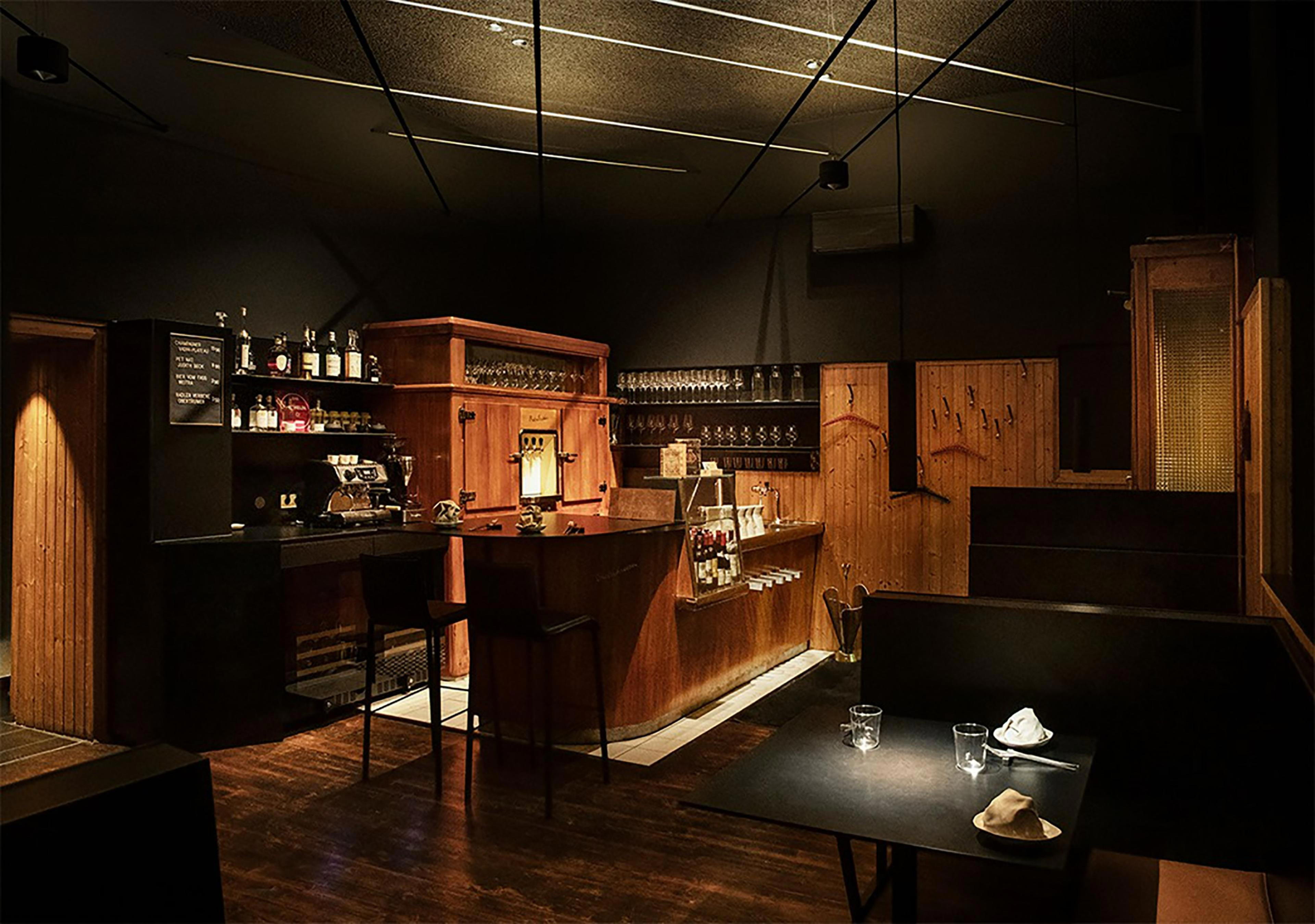
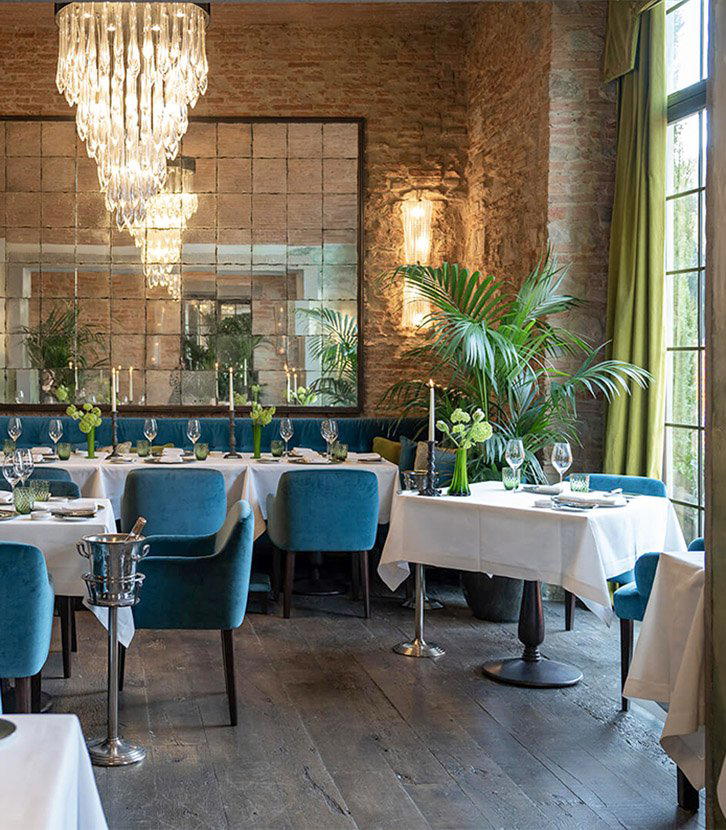
Bars in Vienna
Browse all →
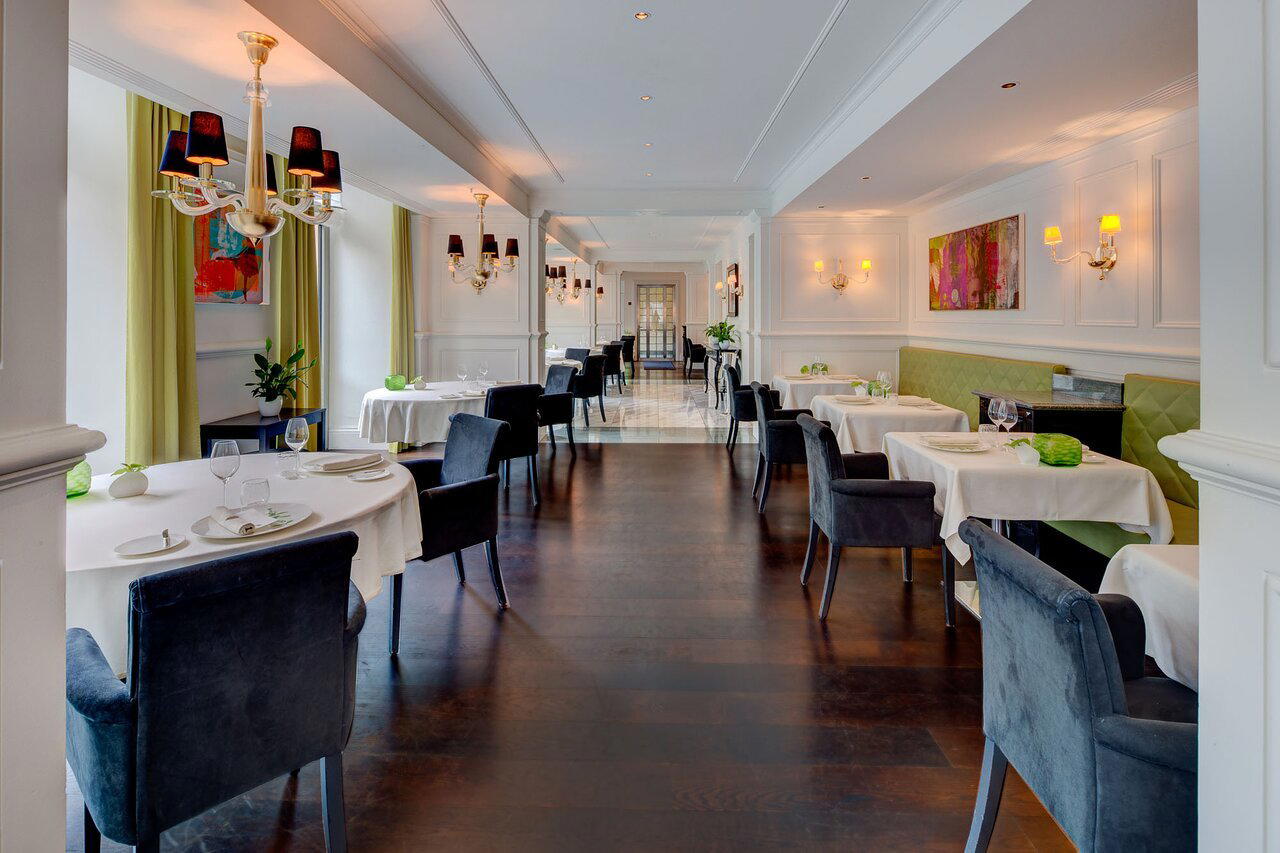
Hotels in Vienna
Browse all →
At a Glance
- Lively
- Cozy
- Trendy
- Casual Hangout
- Late Night
- Open Kitchen
- Beer Program
Current opening hours
- Monday
- 5 PM–12 AM
- Tuesday
- 5 PM–12 AM
- Wednesday
- 5 PM–12 AM
- Thursday
- 5 PM–12 AM
- Friday
- 5 PM–1 AM
- Saturday
- 5 PM–1 AM
- Sunday
- Closed
Hours can change for holidays and private events. Last verified .