Located on Mondscheingasse in Vienna's 7th district, Lobo y Luna sits within one of the city's most active dining corridors, where Spanish-inflected cooking meets the measured precision that defines the neighbourhood's better tables. The name alone signals a dual register: something feral and something lunar, restless and still. For visitors tracking Vienna's mid-format dining scene, it earns a place on the itinerary.
Pearl is the En Primeur Club membership app — saves, bookings, and concierge access live there. Same editors, same standards.
- Address
- Mondscheingasse 2, 1070 Wien, Austria
- Phone
- +434319449966
- Website
- loboyluna.at
- Directions
- Get directions
 Saves & bookings on Pearl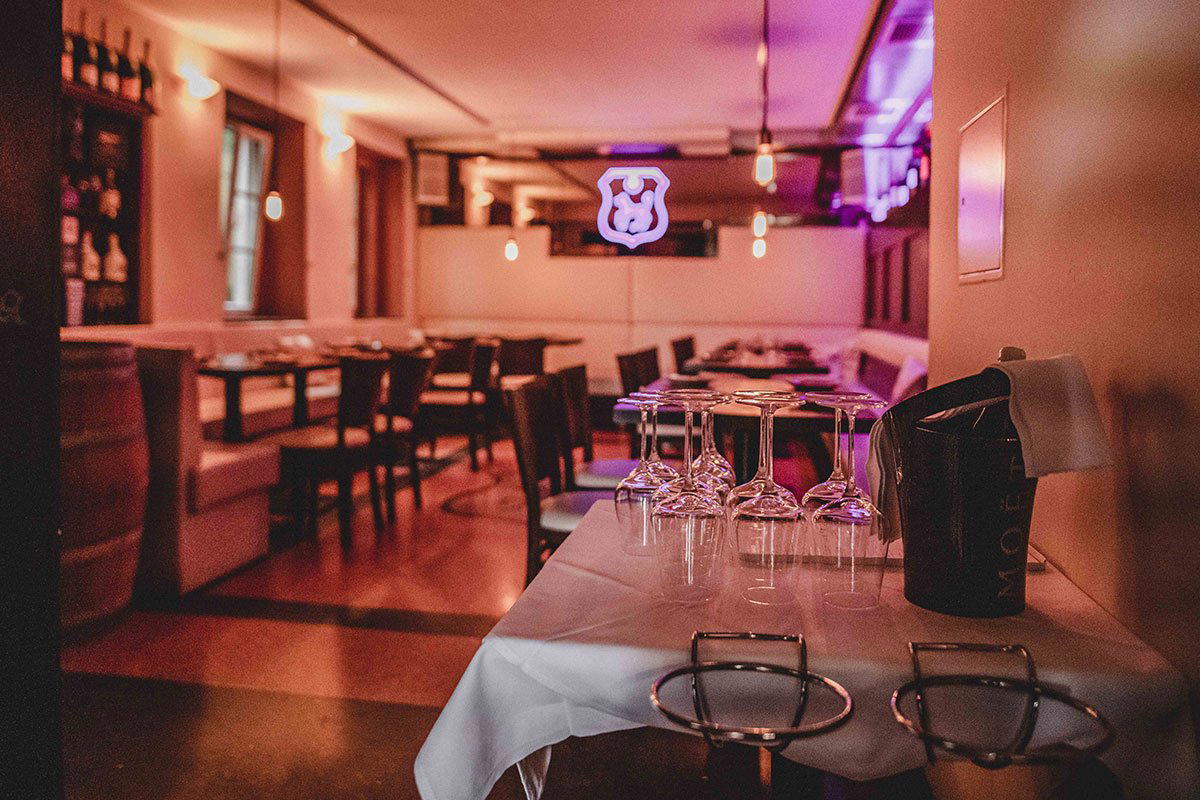
Mondscheingasse and the 7th District's Dining Register
Lobo y Luna is a restaurant in Vienna's 7th district, the Neubau, at Mondscheingasse 2, 1070 Wien, Austria. Unlike the 1st district's grand institutional dining or the 19th's legacy Heurigen culture, Neubau operates on a smaller, more editorial scale: compact rooms, kitchen-forward menus, and a clientele that reads reviews rather than just follows hotel concierge lists. Mondscheingasse 2 places Lobo y Luna squarely inside that ecosystem, on a street where proximity to the MuseumsQuartier delivers foot traffic but the room itself determines whether a table becomes a habit or a one-off visit.
The name carries its own signal. Wolf and moon: something grounded and something celestial, a pairing that in Spanish-speaking culinary culture often implies a tension between the rustic and the refined. Vienna's dining scene has increasingly made room for that kind of positioning, as the city's leading creative tables, Steirereck im Stadtpark, Amador, and Konstantin Filippou, have demonstrated that the city can sustain high-concept cooking without the stiffness of traditional Viennese formality.
How the Meal Unfolds
Vienna's stronger independent restaurants tend to organize the dining experience around a clear progression: a loose, exploratory opening act, a structural middle section where the kitchen's technique becomes apparent, and a closing sequence that either resolves into comfort or pushes toward a more provocative finish. That three-part architecture, borrowed in part from the tasting menu format that Michelin-starred houses like Mraz & Sohn have refined over years, now filters down into mid-format rooms across the city.
At the opening stage, smaller plates do the work of framing a kitchen's point of view. In restaurants drawing on Iberian or Spanish-influenced traditions, this often means cured items, acid-forward preparations, and shellfish, ingredients that function as a kind of palate-setting argument before the main event arrives. The middle section is where a kitchen's actual range becomes legible: the handling of heat, the balance between fat and brightness, the decision about when to complicate a dish and when to leave it alone. By the time a dessert sequence arrives, the meal has either built a coherent case or exposed its inconsistencies.
For context, the multi-course format has become one of the more reliable signals of a restaurant's seriousness in Vienna. The city's upper-tier tables, from the Austrian-rooted creativity of Doubek to the more internationally inflected approach at Amador, use sequencing as a primary editorial tool, each course positioned to shift the register slightly before the next arrives. Restaurants that treat the progression casually tend to read as less assured, regardless of the quality of individual dishes.
Placing Lobo y Luna in Vienna's Competitive Set
Vienna's mid-format independent restaurants occupy a tier below the €€€€ Michelin bracket but above the casual neighbourhood trattoria model. This is the city's most contested price band: enough competition that a kitchen has to be deliberate about what it offers, enough demand from a well-travelled local clientele that a strong concept can build a following without relying on tourism alone.
Spanish and Iberian-influenced cooking in Vienna remains a minority position. The city's restaurant culture is weighted heavily toward Austrian, Modern European, and pan-Asian formats, which means a room working within a Spanish register occupies its own relatively clear niche. That positioning carries advantages: less direct competition within the same cuisine category, a flavour vocabulary that feels distinct against the city's dominant registers, and an ingredient story, jamón, good olive oil, Galician octopus, pimentón, that travels well to northern European palates already familiar with the category from travel.
For comparison, Vienna's recognized creative tables, Konstantin Filippou and Mraz & Sohn, operate at higher price points and with longer-established reputations. A room like Lobo y Luna operates in a different tier, where the value proposition depends on execution-to-price ratio rather than on prestige alone. Austria's broader fine dining circuit, which includes destinations like Döllerer in Golling an der Salzach, Ikarus in Salzburg, and Obauer in Werfen, provides useful context for how seriously the country takes its restaurant culture at the upper end, and how high the bar sits even for well-regarded independent rooms outside that bracket.
The Neubau Setting
The 7th district's physical character shapes what dining here feels like before a single dish arrives. Neubau streets are narrower than the Ringstrasse boulevards, the buildings lower, the pace more residential even on a Friday evening. Restaurants here tend to feel less like events and more like rooms you return to, the kind of setting where regulars develop relationships with the floor staff and where a table by the window is worth specifying when booking.
Mondscheingasse specifically runs through the lower part of the 7th, close enough to the Mariahilfer Strasse axis to benefit from transit access but far enough from the tourist flow to maintain a neighbourhood feel. That geography matters for the kind of dining experience a room can sustain: less turnover pressure, a more settled pace, a clientele that has usually made a deliberate choice to be there rather than defaulting to proximity.
Planning a Visit
The restaurant is located at Mondscheingasse 2, 1070 Wien, Austria. The 7th district is compact and navigable on foot from most central Vienna accommodation. Readers building a broader Austrian itinerary may also want to cross-reference independent tables outside the capital, including Landhaus Bacher in Mautern an der Donau, Gourmetrestaurant Tannenhof in Sankt Anton am Arlberg, Griggeler Stuba in Lech, Schwarzer Adler in Hall in Tirol, Kräuterreich by Vitus Winkler in Sankt Veit im Pongau, Restaurant 141 by Joachim Jaud in Mieming, and Ois in Neufelden. For international reference points in the same conceptual register of tightly sequenced, technique-led multi-course dining, Le Bernardin in New York and Atomix in New York offer useful comparative benchmarks.
Where It Fits
Comparable venues nearby, for context on price, style, and recognition.
| Venue | Cuisine | Price | Notes |
|---|---|---|---|
| Lobo y LunaThis venue — the venue you are viewing | Modern Spanish Tapas | $$ | Not listed |
| Rioja Tapas y más | Spanish Tapas and Wine Bar | $$ | Josefstadt |
| Bodega Marqués | Modern Spanish Tapas | $$$ | Stephansdom |
| Mari's Metcha Matcha | Authentic Japanese Tapas & Matcha Café | $$ | Hofburg |
| MAKA Ramen | Japanese Ramen & Tapas | $$ | Josefstadt |
| Café Anzengruber | Traditional Austrian with Croatian influences | $$ | Wieden |
Continue exploring
More in Vienna
Restaurants in Vienna
Browse all →
![[aend] restaurant in Vienna](https://cdn.enprimeurclub.com/storage/v1/object/public/images/locations/recsVyRkMfzCxPmp0/hero2.jpg?width=3840&quality=75)
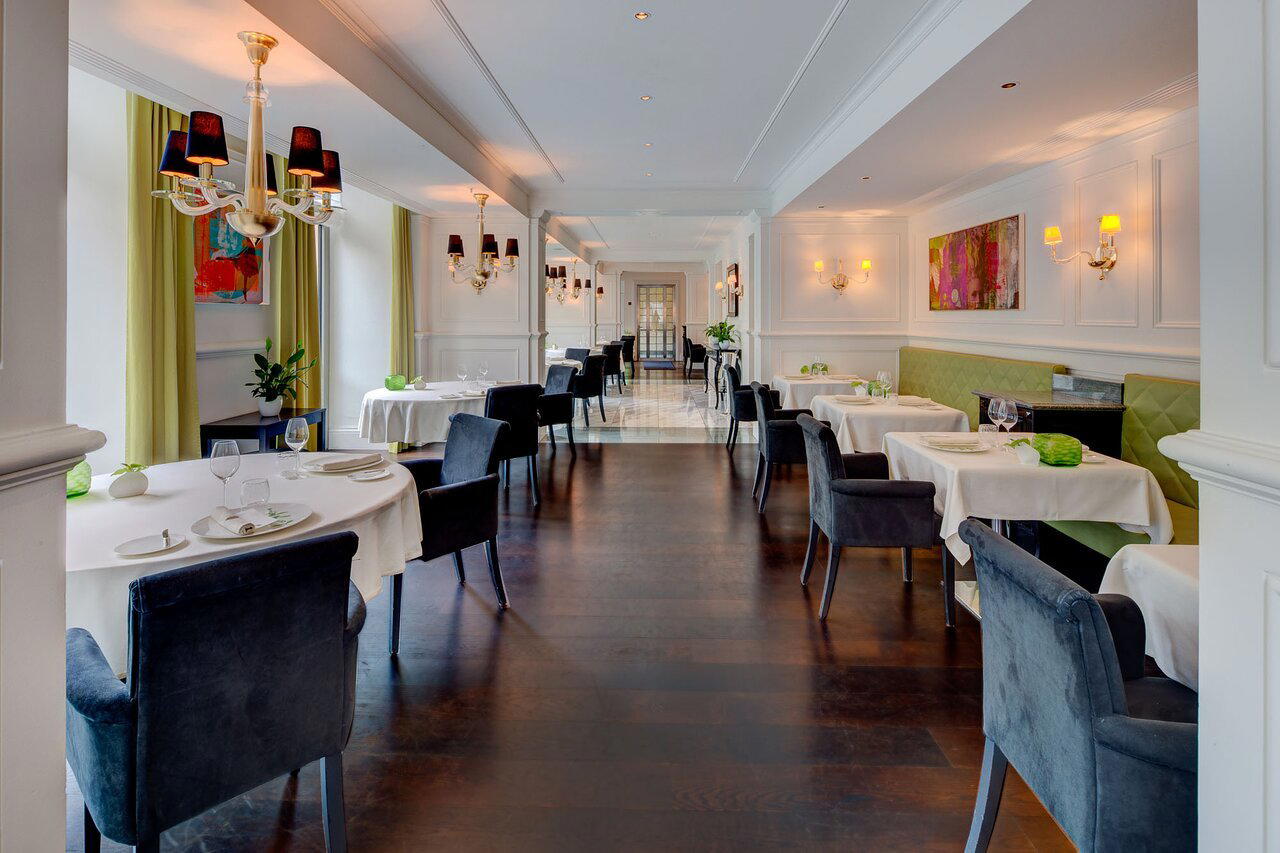
Bars in Vienna
Browse all →
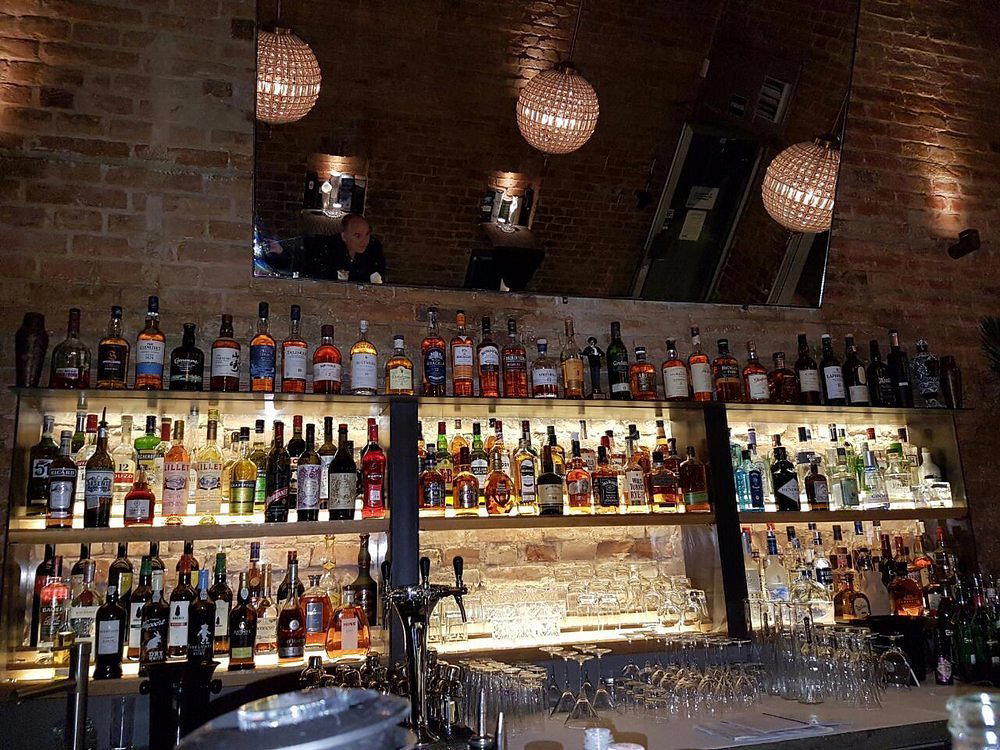
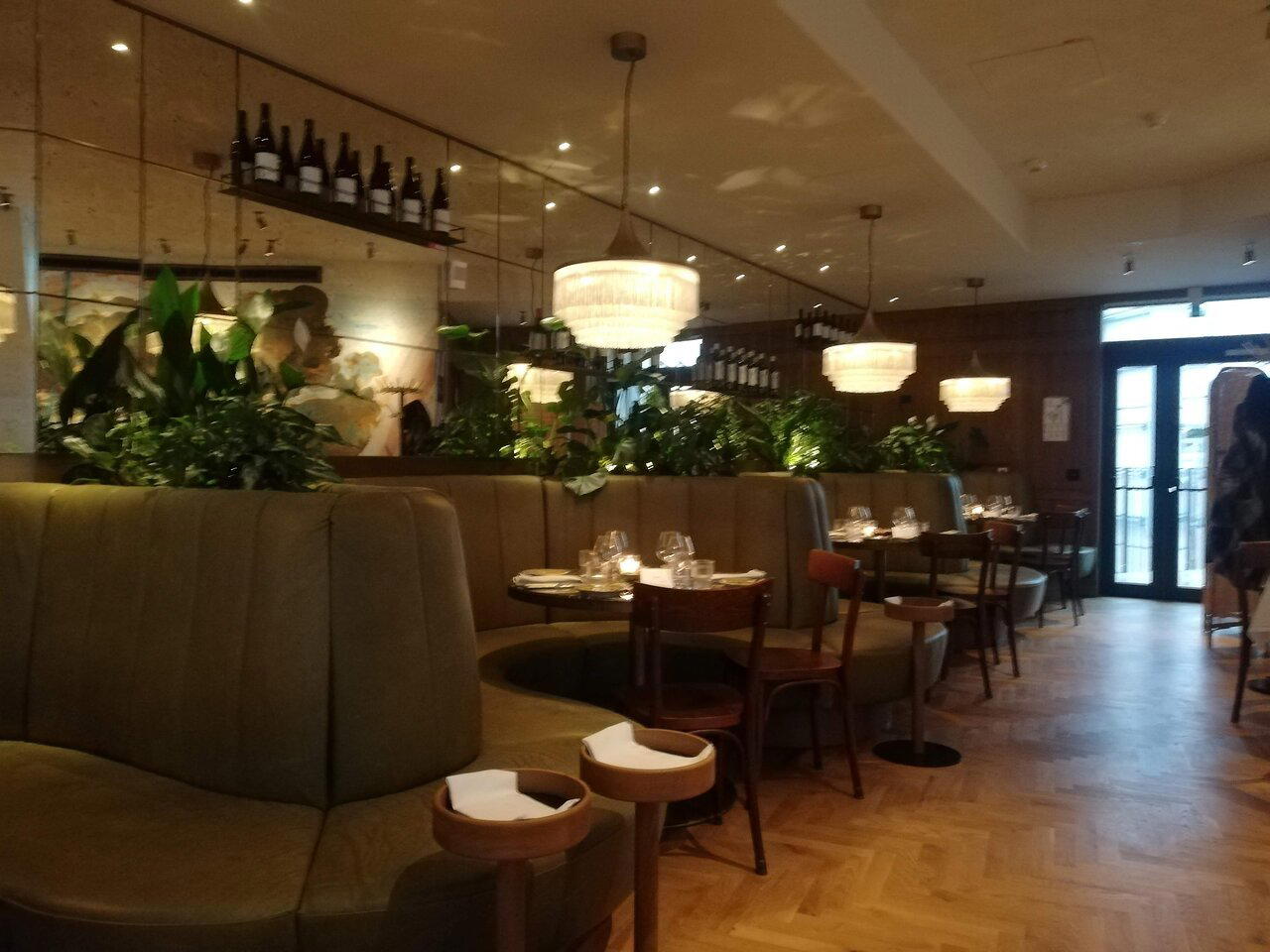
Hotels in Vienna
Browse all →
At a Glance
- Cozy
- Intimate
- Trendy
- Date Night
- Casual Hangout
- Group Dining
- Wine Cellar
- Extensive Wine List
Current opening hours
- Monday
- Closed
- Tuesday
- 3–11 PM
- Wednesday
- 3–11 PM
- Thursday
- 3–11 PM
- Friday
- 3–11 PM
- Saturday
- 3–11 PM
- Sunday
- Closed
Hours can change for holidays and private events. Last verified .
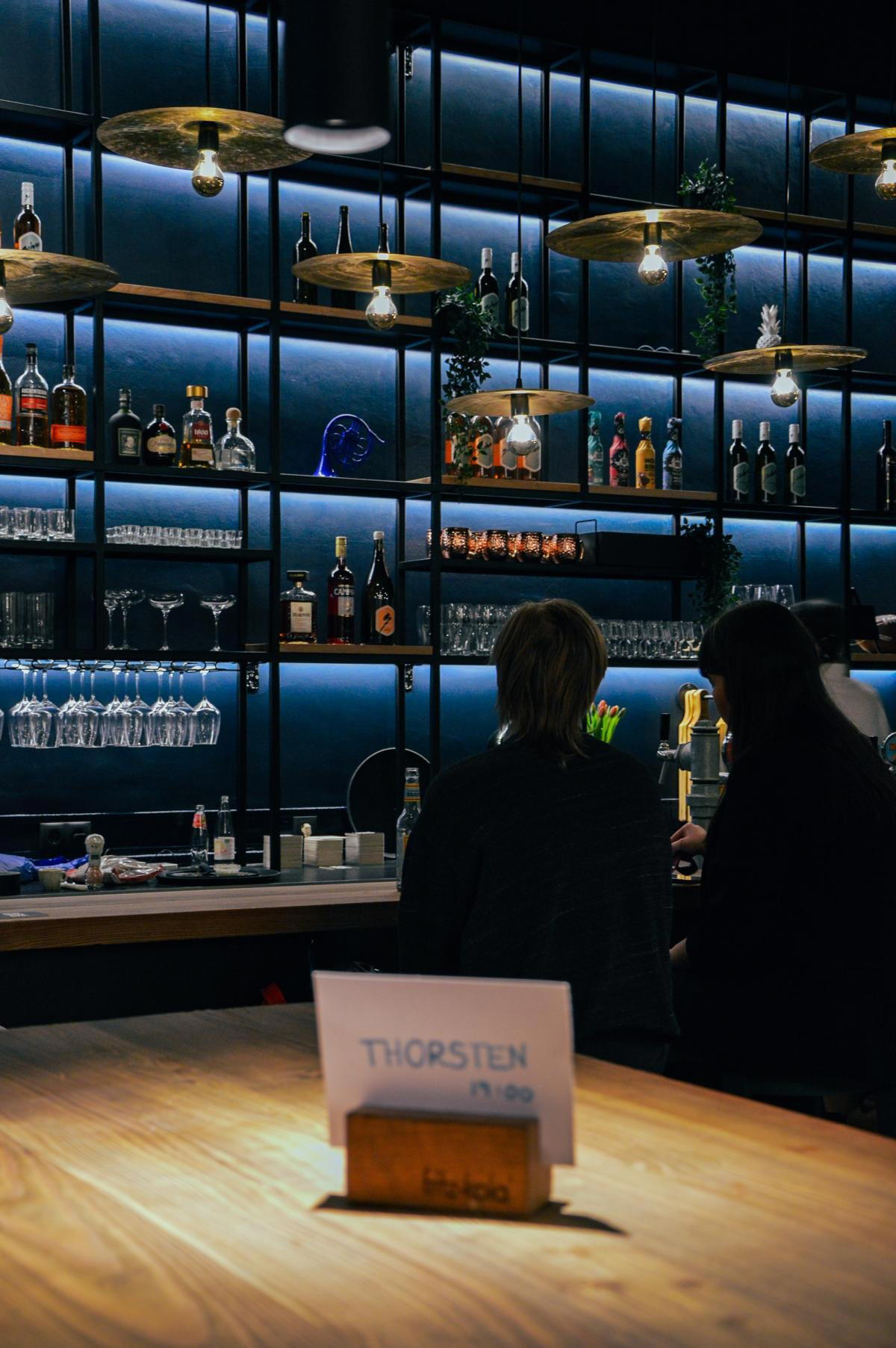
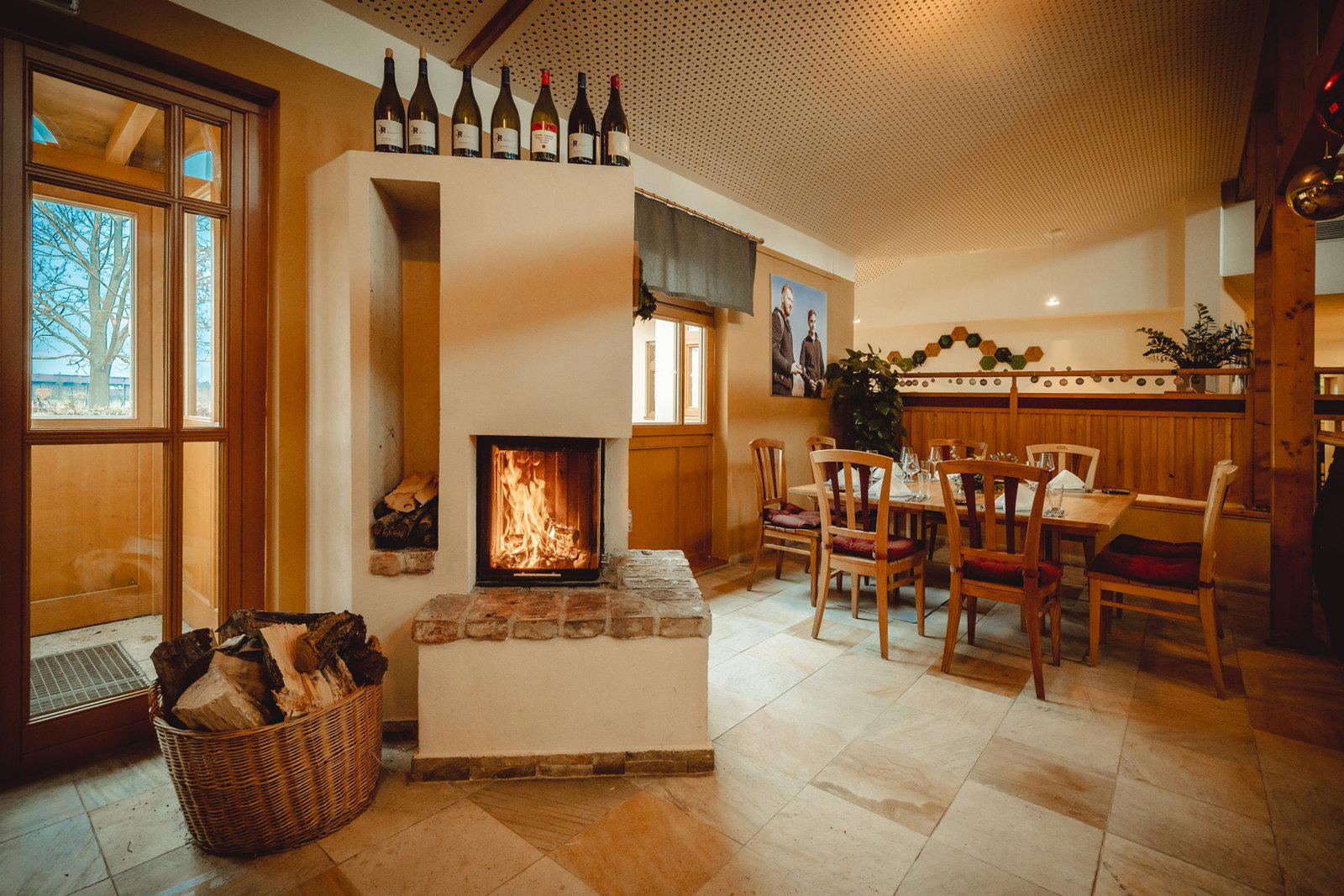
Cozy and intimate with warm, inviting lighting and a lively yet relaxed Spanish flair.