Nobu DC
The Nobu brand arrived in Washington, D.C. on the edge of Georgetown and Foggy Bottom, bringing its Japanese-Peruvian format to a city that already takes its international dining seriously. For regulars, the draw is less about novelty and more about the reliable architecture of a menu that has earned its place across decades of global service. 2525 M St NW puts it in a neighborhood where diplomats and deal-makers keep standing reservations.
Pearl is the En Primeur Club membership app — saves, bookings, and concierge access live there. Same editors, same standards.
- Address
- 2525 M St NW, Washington, DC 20037
- Phone
- +12028716565
- Website
- noburestaurants.com
- Directions
- Get directions
 Saves & bookings on Pearl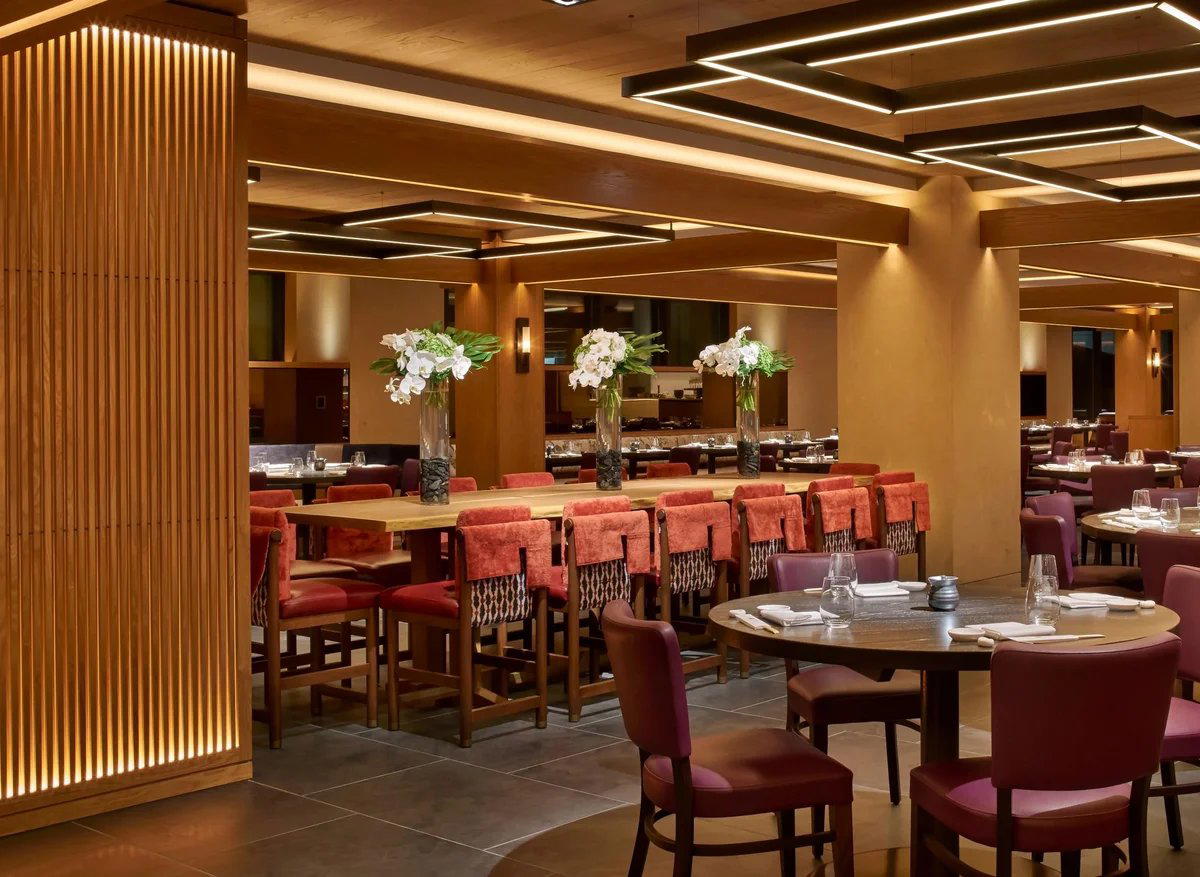
What the Room Signals Before the Food Arrives
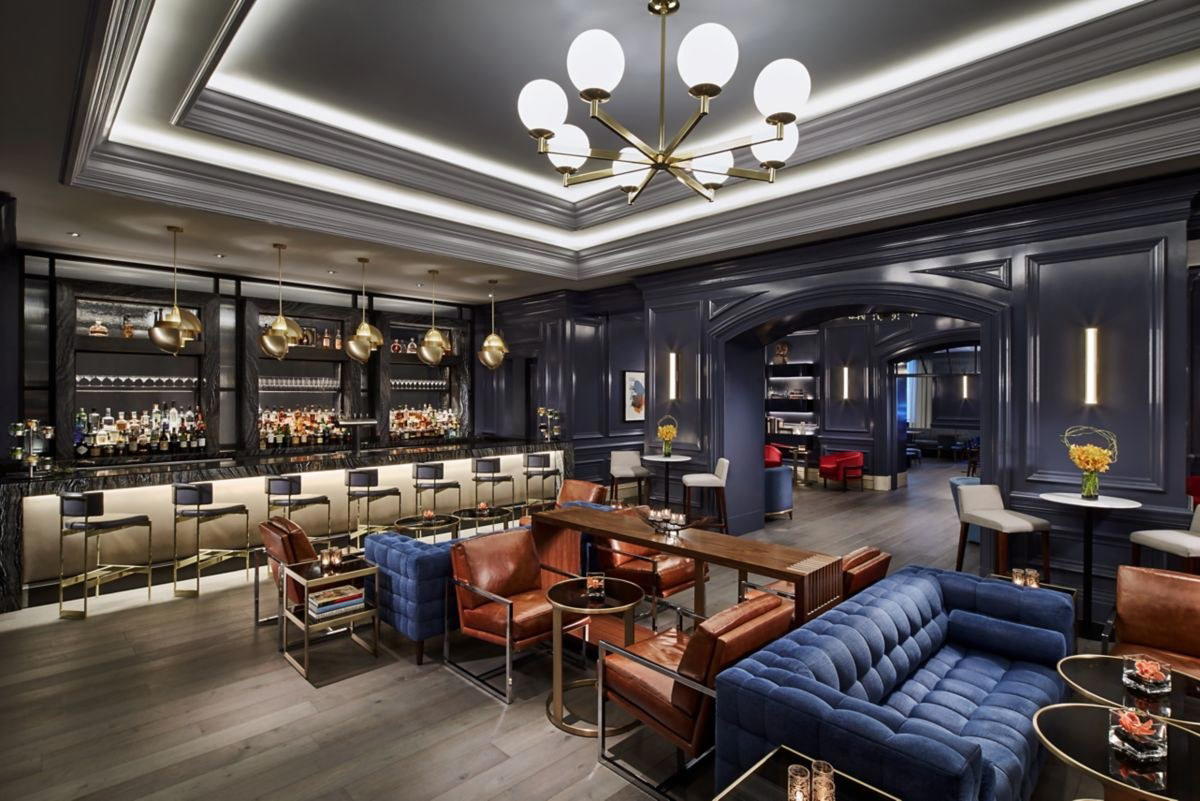
The stretch of M Street NW where Nobu DC sits occupies a transitional zone between Georgetown's retail corridor and the quieter, office-heavy blocks of Foggy Bottom. The room communicates what the global Nobu format has always communicated: controlled drama. Low lighting, a material palette that references Japanese minimalism without leaning into pastiche, and a floor plan that accommodates both the private booth and the bar seat with equal seriousness. Washington's dining culture skews toward the power meal and the celebration dinner, and this space serves both.
Counter-programming to the classic steakhouse and the white-tablecloth French room now includes the kind of precision-driven tasting menus you find at Jônt and minibar, and shareable formats built around regional sourcing like those at Oyster Oyster and Albi. Nobu sits in a different category entirely: a globally standardized brand with enough culinary coherence to hold its position in a serious dining city on its own terms.
The Format That Built the Loyalty
Japanese-Peruvian fusion idiom that defines the Nobu menu globally is, at this point, a reference category rather than a novelty. When the format first arrived in New York in the mid-1990s, the pairing of Japanese technique with Peruvian ingredients and acid structures was genuinely disruptive. Three decades on, the dishes that emerged from that synthesis, the miso-glazed black cod being the clearest example, have entered the international fine-casual canon. Washington's food-literate regulars know this history. They return not for discovery but for the specific execution of dishes that have no exact equivalent elsewhere in the D.C. market.
This is a dynamic visible across the Nobu network globally. The brand operates in cities where strong local competition exists, Le Bernardin in New York City, Providence in Los Angeles, Addison in San Diego, and it holds its position not by competing on innovation but by delivering a consistent, technically disciplined menu with strong brand recognition. The regulars at Nobu DC are, in a meaningful sense, regulars at a format rather than just a room. A diplomat who first encountered the menu in Tokyo or London recognizes it immediately on M Street. That cross-border continuity is a specific value proposition that no locally-rooted restaurant can replicate.
What Keeps the Regulars Ordering the Same Things
The loyalty pattern at Nobu locations tends to run in predictable grooves. Guests who know the menu anchor around the black cod, the yellowtail sashimi with jalapeño, and the rock shrimp tempura, dishes so frequently reordered that they function as the unwritten fixed menu beneath the full à la carte. This is not a criticism of the format; it reflects the strength of the original synthesis. These are dishes that have survived decades of imitation across the global Japanese-fusion category and remained preferable in their original form.
Washington's broader competitive set offers strong alternatives for guests seeking different experiences. Causa pushes Peruvian-Japanese crossover in a tighter, more avant-garde direction. For a local sourcing emphasis, Oyster Oyster represents what New American cooking looks like when it is built around sustainability from the ground up. But none of these directly substitute for the Nobu experience, which is partly about food and partly about a specific kind of occasion: the international business dinner, the post-flight celebration, the meal that needs to work for guests arriving from different cities with different reference points.
The cocktail and sake program supports the same repeat-visit pattern. Guests who have spent time at other Nobu locations arrive with expectations for the drink list that the D.C. outpost meets. The pacing of service reflects long practice with a particular kind of high-turnover, high-expectation clientele, efficient without feeling transactional, attentive without hovering.
Where Nobu DC Sits in the City's Premium Tier
Washington's upper-end dining falls into two broad cohorts. The first is the tasting-menu format, prix-fixe, chef-driven, limited seats, high commitment, represented by destinations like The Inn at Little Washington about an hour outside the city. The second is the à la carte premium format, where guests control pacing, can seat late arrivals without disrupting a sequence, and calibrate spend across a broader range. The restaurant operates in that second tier, making it structurally more useful for the Washington power-dinner format than a tasting-menu room.
At the national level, the Nobu brand occupies a comparable set that includes other globally standardized fine-casual concepts rather than the single-location tasting-menu restaurants. That means it prices and positions against a different competitive set than, say, Alinea in Chicago, Lazy Bear in San Francisco, or Single Thread Farm in Healdsburg. The comparison points are the international luxury restaurant brands that operate with consistent standards across multiple cities, where the brand itself carries trust-signal weight for guests who may be dining as visitors rather than locals.
Internationally, that positioning places the restaurant in a conversation with restaurants like 8 1/2 Otto e Mezzo Bombana in Hong Kong, venues that achieve their authority through precision and replication of a format rather than through the single-chef, single-location model that defines most Michelin recognition. The comparison matters for how you read the menu: the standard here is internal consistency across the network, not the kind of personal expression you find at Atomix in New York City or Blue Hill at Stone Barns in Tarrytown.
Comparable Venues
Comparable venues nearby, for context on price, style, and recognition.
| Venue | Cuisine | Price | Notes |
|---|---|---|---|
| Nobu DCThis venue — the venue you are viewing | Japanese-Peruvian Fusion | $$$$ | Not listed |
| Katsumi | Japanese Sushi & Lounge | $$$$ | Logan Circle |
| Uchi | Modern Japanese Omakase | $$$$ | Central Business District |
| KYOJIN Sushi | Modern Japanese Sushi | $$$ | West Village Georgetown |
| Zeppelin | Edomae-Style Sushi & Yakitori | $$$ | Shaw |
| Kaz Sushi Bistro | Authentic Japanese Sushi Bistro | $$$ | Golden Triangle |
Continue exploring
More in Washington DC
Restaurants in Washington DC
Browse all →
Bars in Washington DC
Browse all →
Hotels in Washington DC
Browse all →
At a Glance
- Sophisticated
- Elegant
- Modern
- Trendy
- Date Night
- Business Dinner
- Special Occasion
- Private Dining
- Sake Program
- Craft Cocktails
Current opening hours
- Monday
- 5–9:30 PM
- Tuesday
- 5–9:30 PM
- Wednesday
- 5–9:30 PM
- Thursday
- 5–9:30 PM
- Friday
- 5–10:30 PM
- Saturday
- 5–10:30 PM
- Sunday
- 11 AM–2 PM, 5–9:30 PM
Hours can change for holidays and private events. Last verified .
Sophisticated ambiance with ambient music, spacious dining room, lounge, and sushi bar creating an elegant atmosphere.