Kaz Sushi Bistro

Our verdict
Kaz Sushi Bistro has held a position on Opinionated About Dining's North America rankings since 2023, making it one of the more durably recognised Japanese restaurants in Washington, D.C. Chef Kaz Okochi runs a format built around creative, ingredient-led sushi in a neighbourhood where that kind of precision is harder to find than the city's Michelin map might suggest.

Pearl is the En Primeur Club membership app — saves, bookings, and concierge access live there. Same editors, same standards.
- Address
- 1915 I St NW, Washington, DC 20006
- Phone
- (202) 530-5500
- Hours
- Mon 11:30 AM–2 PM, 5:30–8 PMTue–Thu 11:30 AM–2 PM, 5:30–9 PMFri 11:30 AM–2 PM, 5:30–10 PMSat 5:30–10 PMSun Closed
- Website
- kazsushi.com
- Directions
- Get directions
- Booking
- Book on Tock
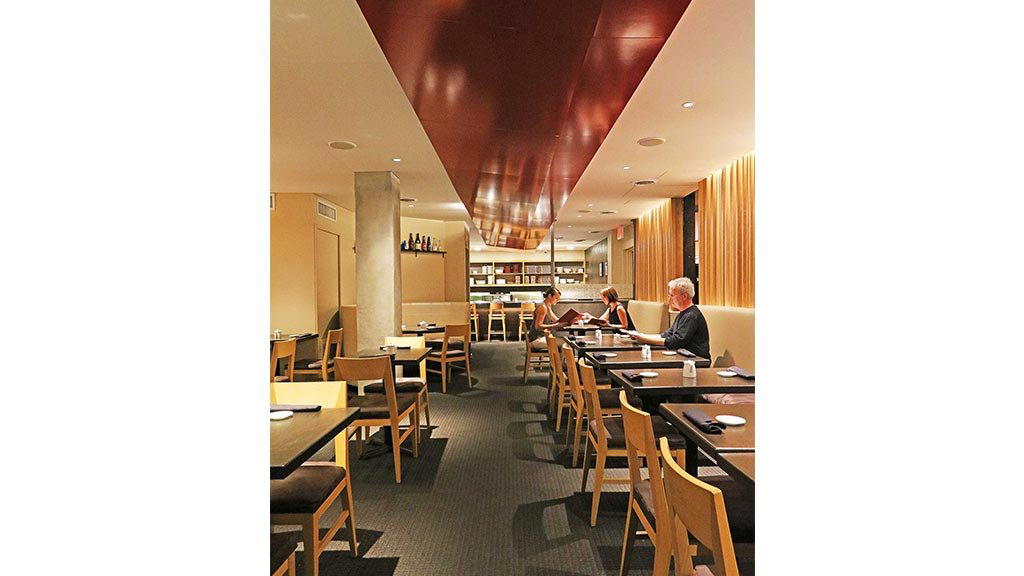
Where I Street Meets the Counter
The stretch of I Street NW between Farragut Square and the World Bank corridor is not the city's most conspicuous dining address. It draws a lunchtime crowd of government workers and consultants, and at dinner it quiets considerably, leaving a handful of restaurants to compete for a more deliberate visitor. Kaz Sushi Bistro at 1915 I St NW operates in that quieter register, a counter-and-table format that reads as a working neighbourhood restaurant from the outside but carries a critical reputation that places it well above that bracket. For context, Opinionated About Dining, which runs one of the more data-intensive restaurant rankings in North America, listed the restaurant at #545 on its 2024 continental ranking and issued a Recommended designation in 2023. In D.C.'s Japanese dining tier, that kind of sustained OAD recognition is not common.
D.C.'s Sushi Tier and Where This Restaurant Sits
Washington's sushi scene has developed unevenly. The city has a cluster of omakase counters at the upper end — Sushi Nakazawa DC being the most prominent — and a wide middle tier of Japanese restaurants oriented toward accessibility and volume. What it has fewer of is the kind of chef-driven bistro format that sits between those poles: technically grounded, ingredient-focused, with enough flexibility in the menu to reflect the chef's sourcing decisions rather than a fixed tasting structure. Kaz Sushi Bistro, under chef Kaz Okochi, operates in that gap. The bistro framing is deliberate. This is not an omakase counter in the Edo-mae tradition, nor is it an all-day casual sushi bar. It occupies a format category that has parallels in cities like San Francisco and New York but remains relatively underpopulated in D.C.
For comparison, Dear Sushi at Love, Makoto represents the more theatrical, premium end of D.C.'s Japanese dining conversation. Kaz Sushi Bistro sits in a different register: less ceremony, more focus on the sourcing logic behind each piece.
The Sourcing Argument at the Centre of the Menu
In Japanese cooking generally, and sushi specifically, the ingredient question is everything. The gap between a technically proficient kitchen and a genuinely distinguished one is almost always traceable to sourcing, which means relationships with fish suppliers, decisions about aging and temperature, and a willingness to let the calendar dictate the menu rather than the other way around.
Globally, the sourcing conversation in Japanese restaurants has become more visible. Counters like Harutaka in Tokyo and Sushi Shikon in Hong Kong have built their reputations almost entirely on procurement rigor, the quality of their relationships with Tsukiji-adjacent suppliers, and the seasonal logic baked into the sequence of each sitting. D.C. is structurally further from those supply chains, which makes sourcing-led Japanese cooking harder to execute here than in gateway cities. The fact that Kaz Sushi Bistro has maintained OAD recognition across two consecutive years suggests it has resolved some of those logistical difficulties in ways that other restaurants in the city have not.
What the critical record implies is a kitchen where those decisions are treated as the primary editorial act, not an afterthought.
The Bistro Format as a Structural Choice
The bistro model gives chef Okochi room to move in ways that a fixed omakase counter does not. Lunch service runs Tuesday through Friday from 11:30 am to 2 pm, making this one of the few kitchens at this level of OAD recognition that is accessible at midday without a multi-week advance booking. Dinner runs from 5:30 pm on Tuesday through Thursday and extends to 10 pm on Friday and Saturday, giving Friday and Saturday evenings a slightly longer window. The restaurant is closed Sunday and Monday.
That lunch availability matters more than it might seem. In a city where many of the most critically recognised restaurants operate exclusively in the dinner window, a Tuesday or Wednesday lunch at Kaz Sushi Bistro represents a relatively low-friction entry point. Reservations for dinner, particularly on Friday and Saturday, warrant more lead time.
In the Context of D.C.'s Broader Restaurant Scene
Washington's dining scene has deepened considerably over the past decade. The Michelin Guide's arrival in the city produced a cluster of recognised restaurants across multiple cuisine categories, including Albi in the Middle Eastern tier, Causa for Peruvian, and Oyster Oyster in the sustainable American category. That recognition has raised the ambient standard of cooking across the city and created a more competitive environment for restaurants operating at OAD's recommended tier.
Kaz Sushi Bistro's position on that ranking without a Michelin distinction reflects a broader pattern: OAD and Michelin reward different things. Michelin tends to weight service, room, and consistency across a broad set of criteria. OAD is more narrowly focused on what's in the bowl, on the plate, or, in this case, over the rice. The two lists overlap significantly at the top of the market but diverge in the middle, where restaurants like this one can carry serious critical weight without the formal star infrastructure.
For readers building a D.C. itinerary that goes beyond the Michelin list, explore our full Washington, D.C. restaurants guide. The city's hotel, bar, and experience options are covered in our Washington, D.C. hotels guide, bars guide, and experiences guide.
Planning Your Visit
Kaz Sushi Bistro is at 1915 I St NW, within walking distance of the Farragut West and Farragut North Metro stations, which makes it accessible from most central D.C. hotels without requiring a car. Lunch on a weekday is the most accessible entry point for a first visit; the Friday and Saturday dinner extension to 10 pm suits travellers arriving later in the evening. The restaurant is closed Sunday and Monday, so those nights require a different plan. For D.C.'s broader accommodation context, see our hotels guide, and for winery and wine-adjacent programming in the region, the D.C. wineries guide covers that ground.
Frequently asked questions
What is the signature dish at Kaz Sushi Bistro?
The restaurant's OAD recognition is grounded in its ingredient-led approach to sushi and Japanese cooking, with Chef Kaz Okochi's sourcing decisions shaping the menu. Specific dish details and seasonal preparations change, so the most reliable guide is the menu on the night of your visit. What the awards record reflects is a kitchen that treats sourcing as the central editorial question rather than a secondary consideration.
What makes Kaz Sushi Bistro worth seeking out?
Two consecutive years on Opinionated About Dining's North America rankings, including a #545 placement in 2024, position Kaz Sushi Bistro among the more critically recognised Japanese restaurants in Washington. Chef Kaz Okochi operates in a bistro format that sits between the city's omakase counters and its casual sushi tier, with a lunch service that makes the kitchen accessible during the week without the extended lead time required for top-end dinner reservations elsewhere. For readers comparing it against D.C.'s Michelin-starred Japanese options or the broader OAD-ranked field, it occupies a distinct and less crowded position in the city's dining geography.
Compact Comparison
| Venue | Cuisine | Price | Awards | Notes |
|---|---|---|---|---|
| Kaz Sushi BistroThis venue — the venue you are viewing | Authentic Japanese Sushi Bistro | $50–100 | Not listed | Not listed |
| Albi | Modern Levantine Fine Dining | $300–500 | 1 Michelin Star · World's 50 Best #6 | United States, Middle Eastern |
| Causa | Modern Peruvian Fine Dining | $150–200 | 1 Michelin Star · James Beard Award Best Chef: Mid-Atlantic | Peruvian |
| Oyster Oyster | Modern Vegetable-Focused Tasting Menu | Not listed | 1 Michelin Star · James Beard Award Outstanding Chef #1 | New American, Vegetarian, Vegetarian (Sustainable) |
| Bresca | Modern French Bistronomy | $150–200 | 1 Michelin Star · James Beard Award Semi Finalist | Modern French, Contemporary |
| Gravitas | Modern American Fine Dining | $150–200 | 1 Michelin Star | New American, Contemporary |
Recognition history
Dated appearances from independent guides and award organizations, with the underlying list record or original source where available.
Opinionated About Dining Top Restaurants in North America Recommended
Opinionated About Dining
Full recognition history (3 entries)
Opinionated About Dining Top Restaurants in North America Ranked #545
Opinionated About Dining
Opinionated About Dining Top Restaurants in North America Recommended
Opinionated About Dining
Continue exploring
More in Washington DC
Restaurants in Washington DC
Browse all →
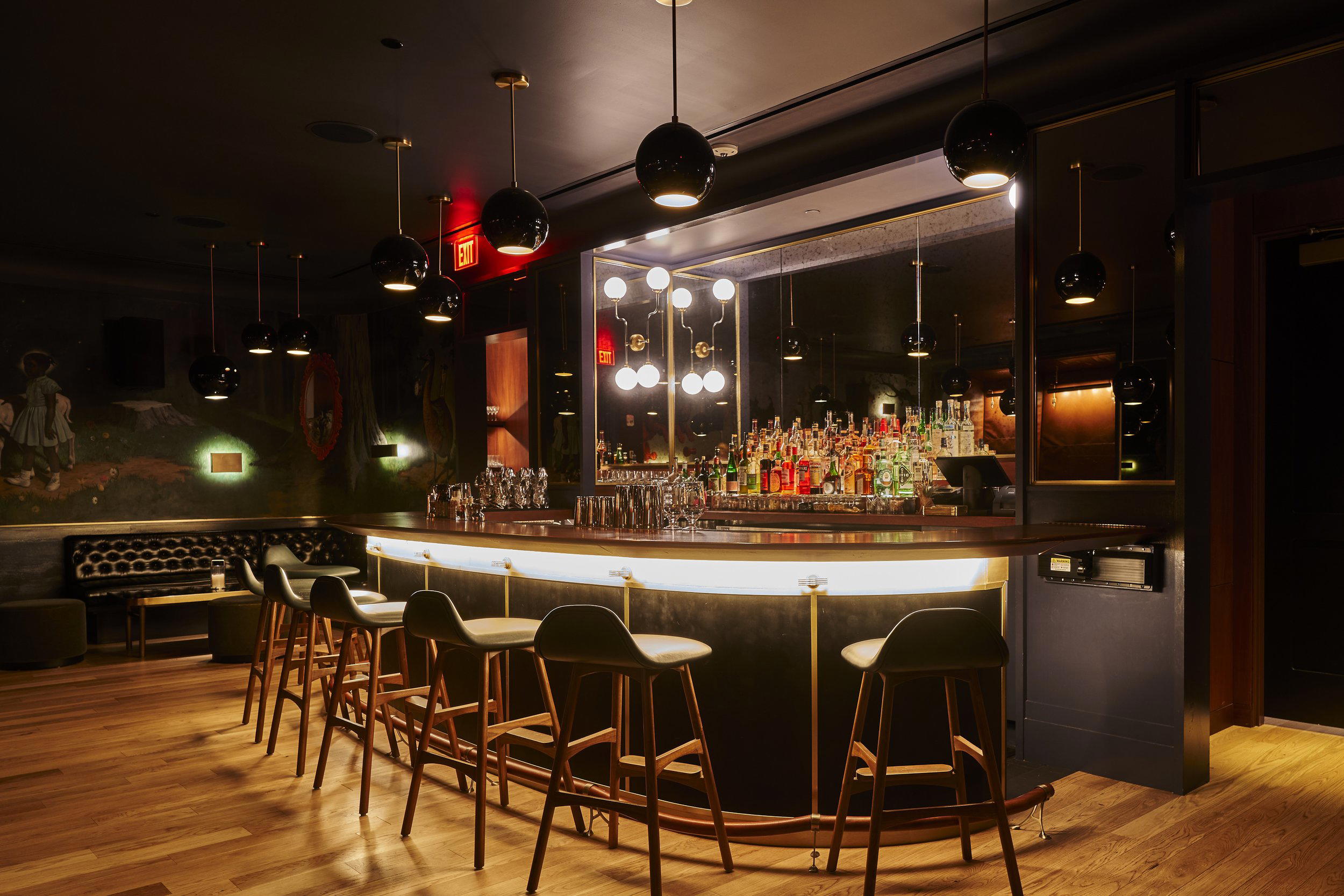
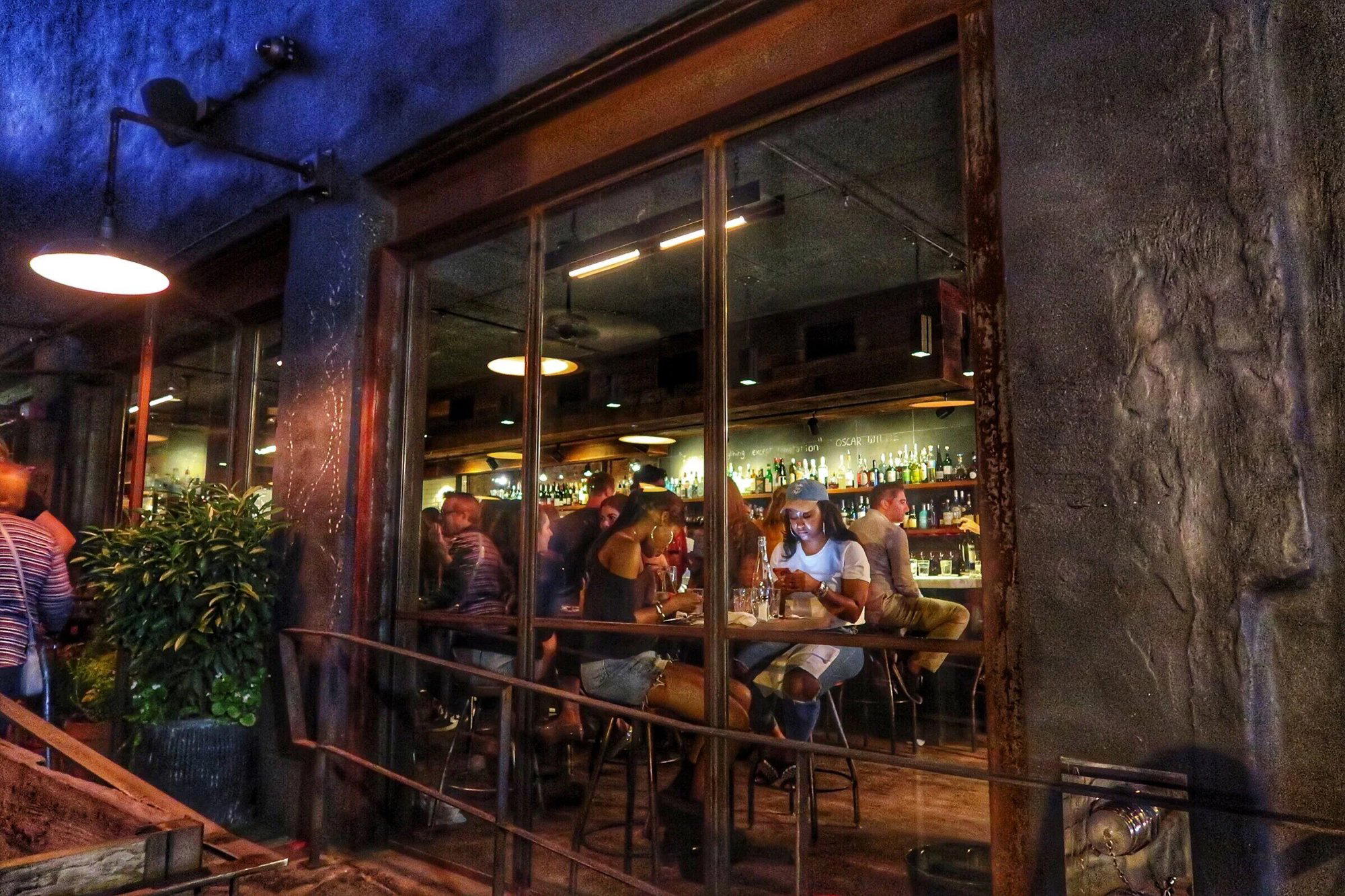
Bars in Washington DC
Browse all →
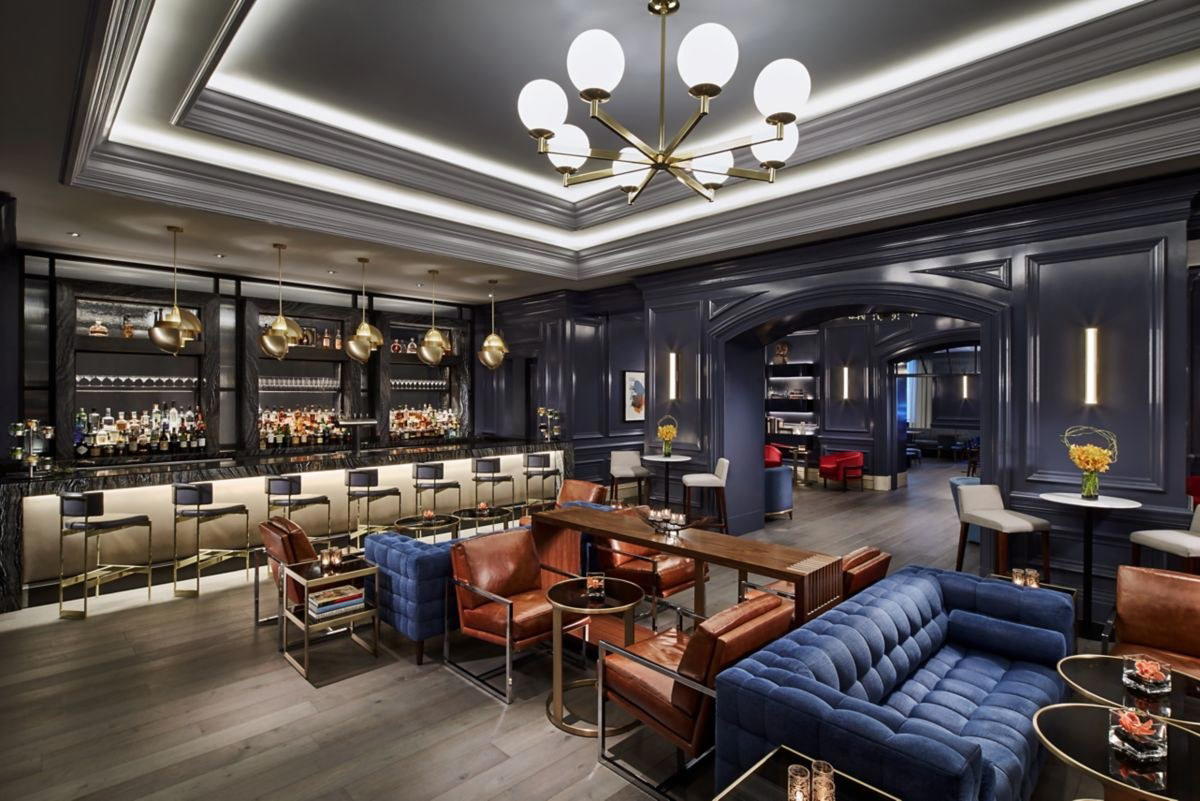
Hotels in Washington DC
Browse all →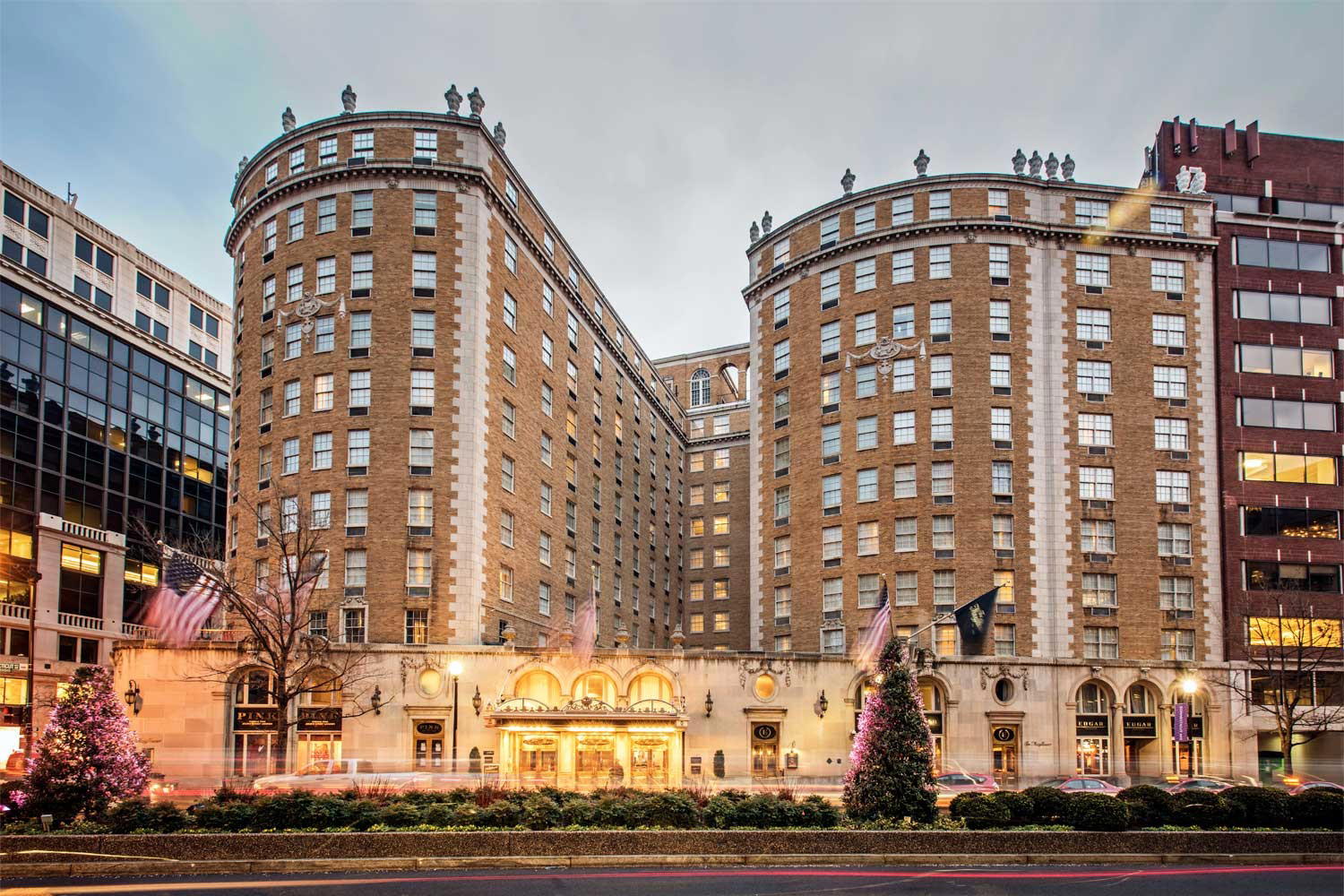


Details
- Cozy
- Intimate
- Elegant
- Date Night
- Special Occasion
- Chefs Counter
- Sake Program
- A La Carte
- Omakase
- Sake
- Vegetarian Friendly
- Vegan Options
- Gluten Free Options
Current opening hours
- Monday
- 11:30 AM–2 PM, 5:30–8 PM
- Tuesday
- 11:30 AM–2 PM, 5:30–9 PM
- Wednesday
- 11:30 AM–2 PM, 5:30–9 PM
- Thursday
- 11:30 AM–2 PM, 5:30–9 PM
- Friday
- 11:30 AM–2 PM, 5:30–10 PM
- Saturday
- 5:30–10 PM
- Sunday
- Closed
Hours can change for holidays and private events. Last verified .
Casual and friendly ambience in a classically serene, tranquil Asian setting with bamboo-toned dining room.