Katsumi

On 14th Street NW, Katsumi positions itself within Washington D.C.'s growing cohort of serious Japanese restaurants, where the discipline of ingredient sourcing defines the tier as much as technique. The address places it in one of the city's most active dining corridors, offering sushi in a market that has moved steadily toward omakase-format precision over the past decade.
Pearl is the En Primeur Club membership app — saves, bookings, and concierge access live there. Same editors, same standards.
- Address
- 1520 14th St NW, Washington, DC 20005
- Phone
- (202) 519-7666
- Website
- katsumidc.com
- Directions
- Get directions
 Saves & bookings on Pearl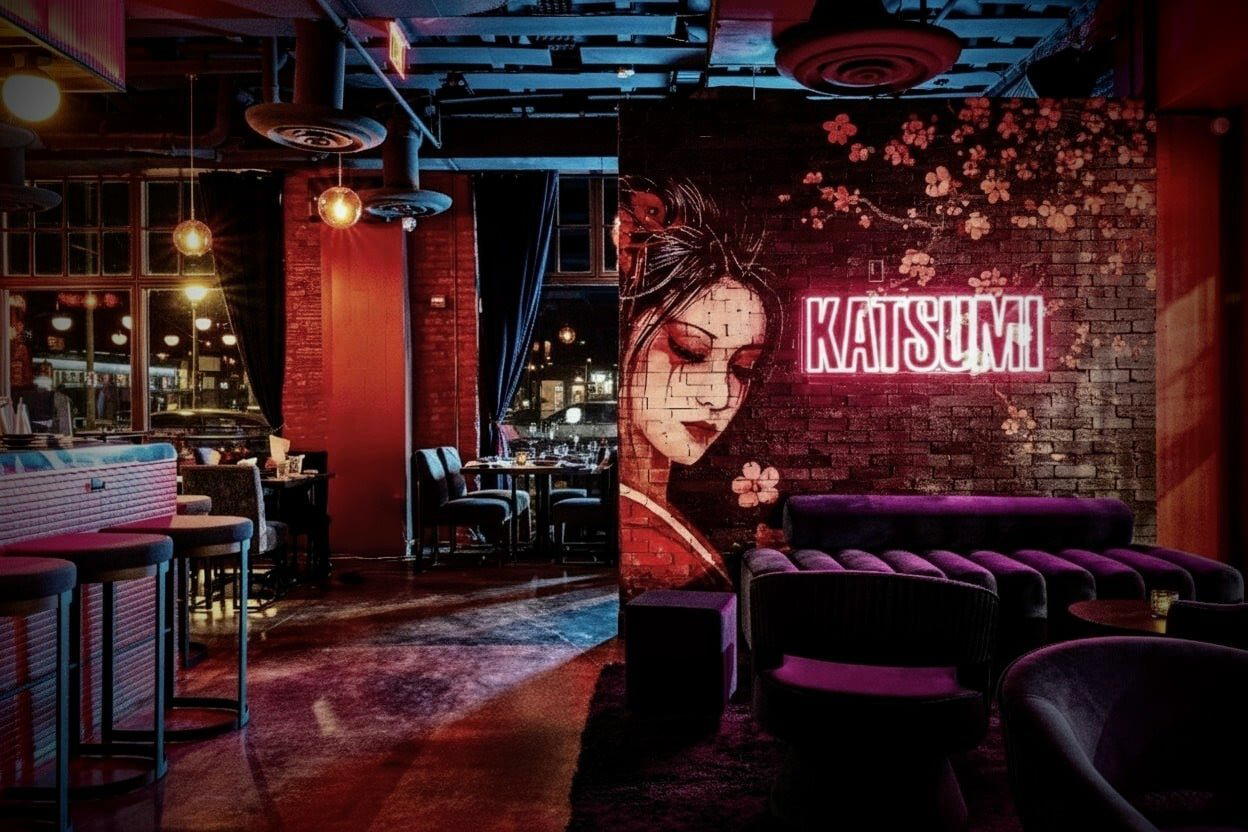
14th Street and the Rise of Serious Sushi in D.C.
Katsumi is a Japanese Sushi & Lounge restaurant at 1520 14th St NW, Washington, DC 20005. What was once a market dominated by neighborhood Japanese-American hybrids and mid-range roll-focused menus has begun stratifying in the same direction as New York and Los Angeles: a growing upper tier defined by sourcing discipline, format restraint, and a willingness to price against quality rather than volume. Katsumi, at 1520 14th St NW, sits within that shift, occupying a corridor that has become one of the city's most competitive blocks for serious dining.
The 14th Street NW stretch between Logan Circle and U Street has absorbed a significant share of D.C.'s culinary ambition over the past several years. The neighborhood's density of food-literate residents and its positioning between Capitol Hill's expense-account dining and the more experimental pockets further north has made it a logical address for restaurants that want a informed local audience rather than a tourist-dependent one. A Japanese restaurant opening here is not making an accidental choice about its comparable set.
The Ingredient Logic of Japanese Cuisine at This Level
At the tier of Japanese dining that Katsumi appears to occupy, the competitive conversation is primarily about raw materials. This is not a market where technique alone distinguishes one counter from another, the foundational skills of nigiri construction, knife work, and rice seasoning are table stakes at any serious sushi operation. What separates one kitchen from its peers is the sourcing infrastructure behind it: the relationships with fish brokers and import networks that determine whether the product on the plate is four days from Tokyo or two, whether the dashi is built from genuine katsuobushi and kombu of traceable origin, whether the seasonal produce reflects actual Japanese agricultural cycles or a pantry approximation of them.
D.C. has historically been at a geographic disadvantage in this regard compared to Los Angeles, which benefits from direct Pacific Rim import logistics, or New York, which commands enough volume to attract stronger examples from East Coast fish suppliers. The city's leading Japanese restaurants have largely compensated through relationships rather than scale, building direct lines to suppliers willing to prioritize quality-focused buyers even at lower volumes. The ingredient-forward model demands exactly this kind of supply-chain commitment, and it is the primary axis on which serious sushi in this city is evaluated.
Nationally, the reference tier for ingredient-obsessed Japanese-influenced cooking extends well beyond sushi counters. Chefs at destinations like Single Thread Farm in Healdsburg have built entire restaurant identities around the seasonality logic borrowed from kaiseki tradition, while Le Bernardin in New York City demonstrates how the primacy of raw material quality operates across culinary traditions at the highest level. The principle is consistent: the quality of what arrives at the kitchen door is the ceiling on what can happen at the table.
D.C.'s Japanese Dining Tier in Context
Washington's most formally recognized Japanese address in recent years has been Uchi (17xM, downtown D.C.), which brought an Austin-originated Japanese-influenced format into the D.C. market and occupies a different position in the category: broader in style, more creative in format, and less anchored to traditional omakase structure. The city also supports strong representation across other high-end categories, The Inn at Little Washington in the New American tier, Bazaar Meat by José Andrés for Spanish-influenced steakhouse work, and the Thai fine-dining format represented by both Alfie's and its permanent Georgetown location. Each of these operates with a distinct sourcing logic and a specific price-tier identity. Katsumi enters a market where the upper brackets are already occupied by venues with established reputations, which means the quality-signal conversation matters from the first service.
For comparative perspective outside D.C. the discipline of format and ingredient fidelity that defines serious Japanese cooking in American cities is visible at destinations like Alinea in Chicago and The French Laundry in Napa, where the commitment to sourcing as the foundation of a tasting menu format has been central to sustained recognition. Internationally, the same conversation plays out at venues like 8½ Otto e Mezzo Bombana in Hong Kong and Alain Ducasse's Louis XV in Monte Carlo, where the logic of seasonal, traceable ingredients underpins every format decision at the highest price tiers.
Planning a Visit
Katsumi is located at 1520 14th St NW, Washington, DC 20005, placing it on among the more walkable restaurant blocks in the city. The 14th Street corridor is well-served by public transit, with multiple bus lines running the length of the street and the U Street/Cardozo Metro station within reasonable walking distance. For visitors building a wider D.C. itinerary around serious dining, the neighborhood's density makes it possible to combine a dinner reservation with bar stops or late-night options without a car. For planning beyond restaurants, EP Club's guides to Washington hotels, Washington bars, and Washington experiences cover the full picture.
A Minimal comparable set
Comparable venues nearby, for context on price, style, and recognition.
| Venue | Cuisine | Price | Notes |
|---|---|---|---|
| KatsumiThis venue — the venue you are viewing | Logan Circle, Japanese Sushi & Lounge | $$$$ | Not listed |
| Uchi | Not listed | $$$$ | Old Town Scottsdale, Modern Japanese Sushi |
| Love, Makoto | Not listed | $$$$ | Mount Vernon Triangle, Modern Japanese Food Hall |
| Uchi | Not listed | $$$$ | Central Business District, Modern Japanese Omakase |
| Zeppelin | Shaw, Edomae-Style Sushi & Yakitori | $$$ | Not listed |
| Izakaya Seki | Cardozo, Authentic Japanese Izakaya | $$$ | Not listed |
Recognition history
Dated appearances from independent guides and award organizations, with the underlying list record or original source where available.
Star Wine List
Star Wine List
Continue exploring
More in Washington DC
Restaurants in Washington DC
Browse all →
Bars in Washington DC
Browse all →
Hotels in Washington DC
Browse all →

At a Glance
- Trendy
- Lively
- Modern
- Sophisticated
- Date Night
- Casual Hangout
- Craft Cocktails
- Sake Program
Current opening hours
- Monday
- Closed
- Tuesday
- 5 PM–12 AM
- Wednesday
- 5 PM–12 AM
- Thursday
- 5 PM–12 AM
- Friday
- 5 PM–1 AM
- Saturday
- 5 PM–1 AM
- Sunday
- 5 PM–12 AM
Hours can change for holidays and private events. Last verified .
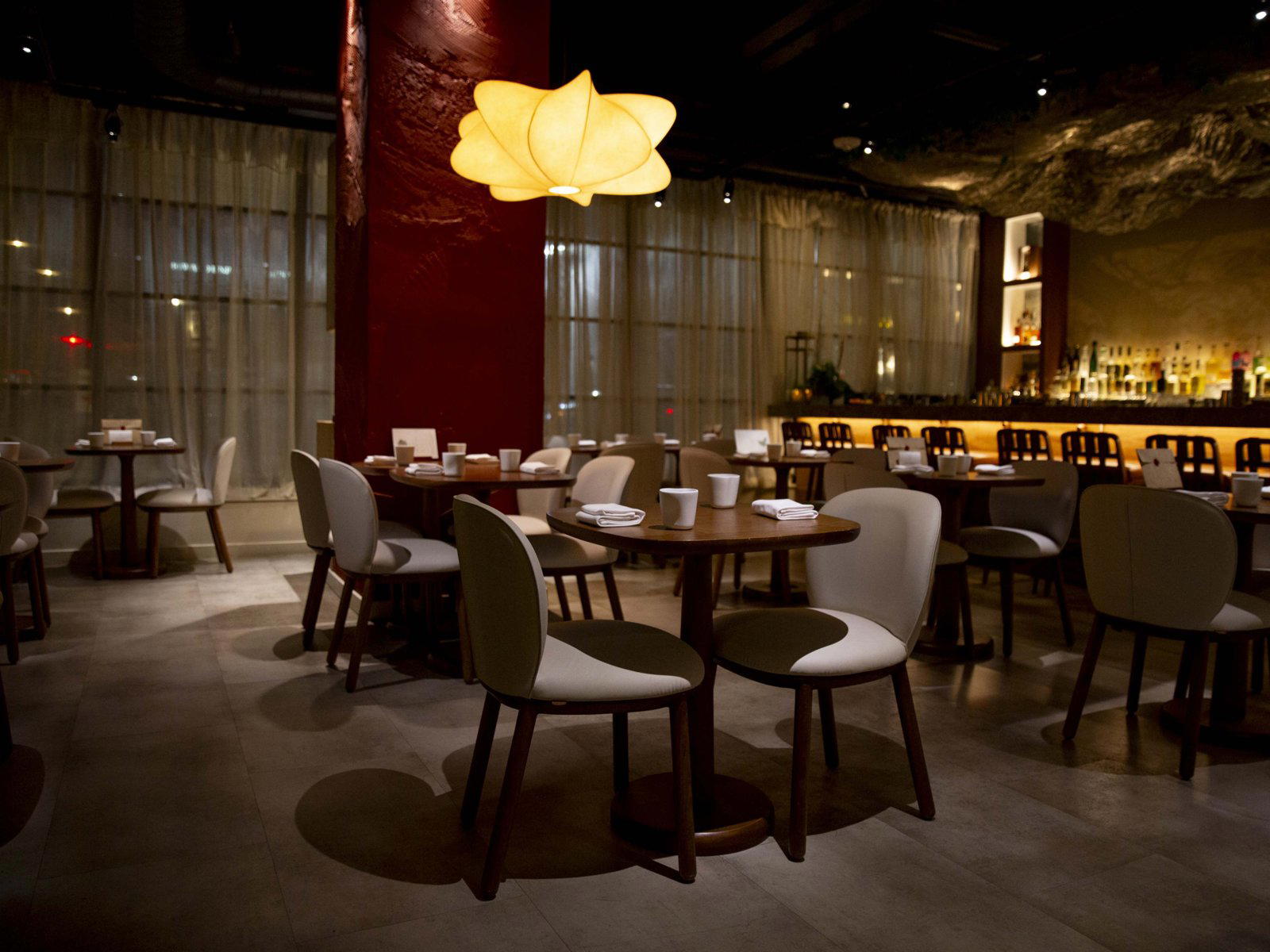
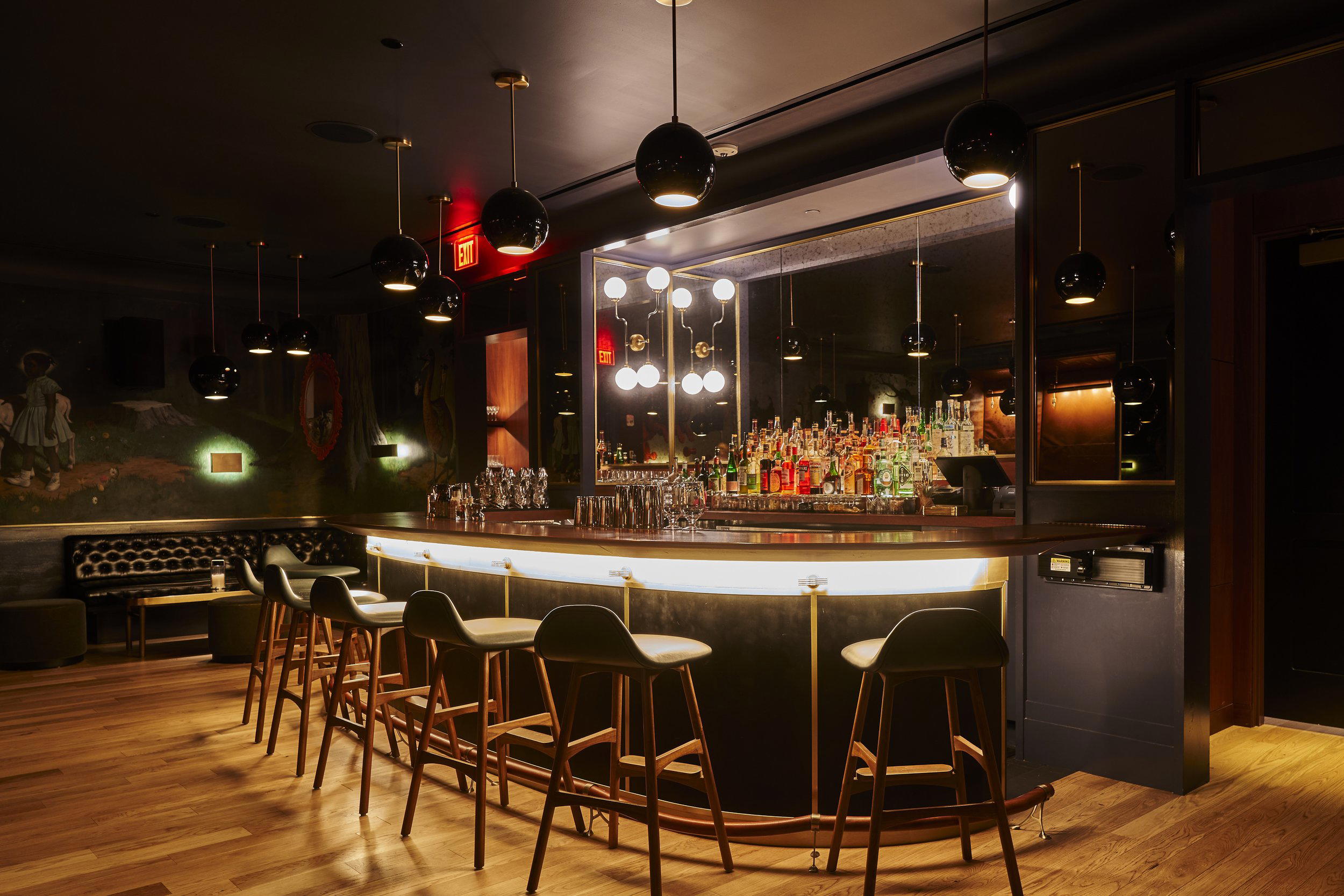
Moodier dining room with red walls, neon accents, Japanese-inspired murals, and a front lounge area with sofas.