
Behind the basement corridors of New Shimbashi Building, New Shin Mikan channels Tokyo’s compact izakaya culture into a nine-seat counter built around seafood, sake and shochu. Its 2025 Tabelog 100 Izakaya EAST selection places it in a serious local bracket, with a price range of JPY 10,000 to JPY 14,999 and a format designed for drink-led dining rather than casual grazing.
Pearl is the En Primeur Club membership app — saves, bookings, and concierge access live there. Same editors, same standards.
- Address
- 東京都港区新橋2-16-1 ニュー新橋ビル B1F-61
- Phone
- +818034248236
- Website
- tabelog.com
 Saves & bookings on Pearl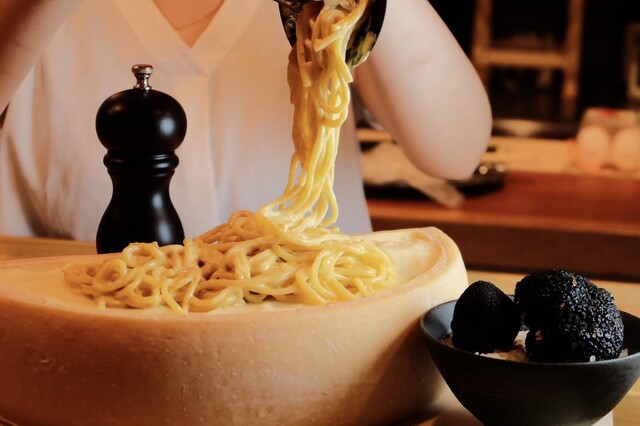
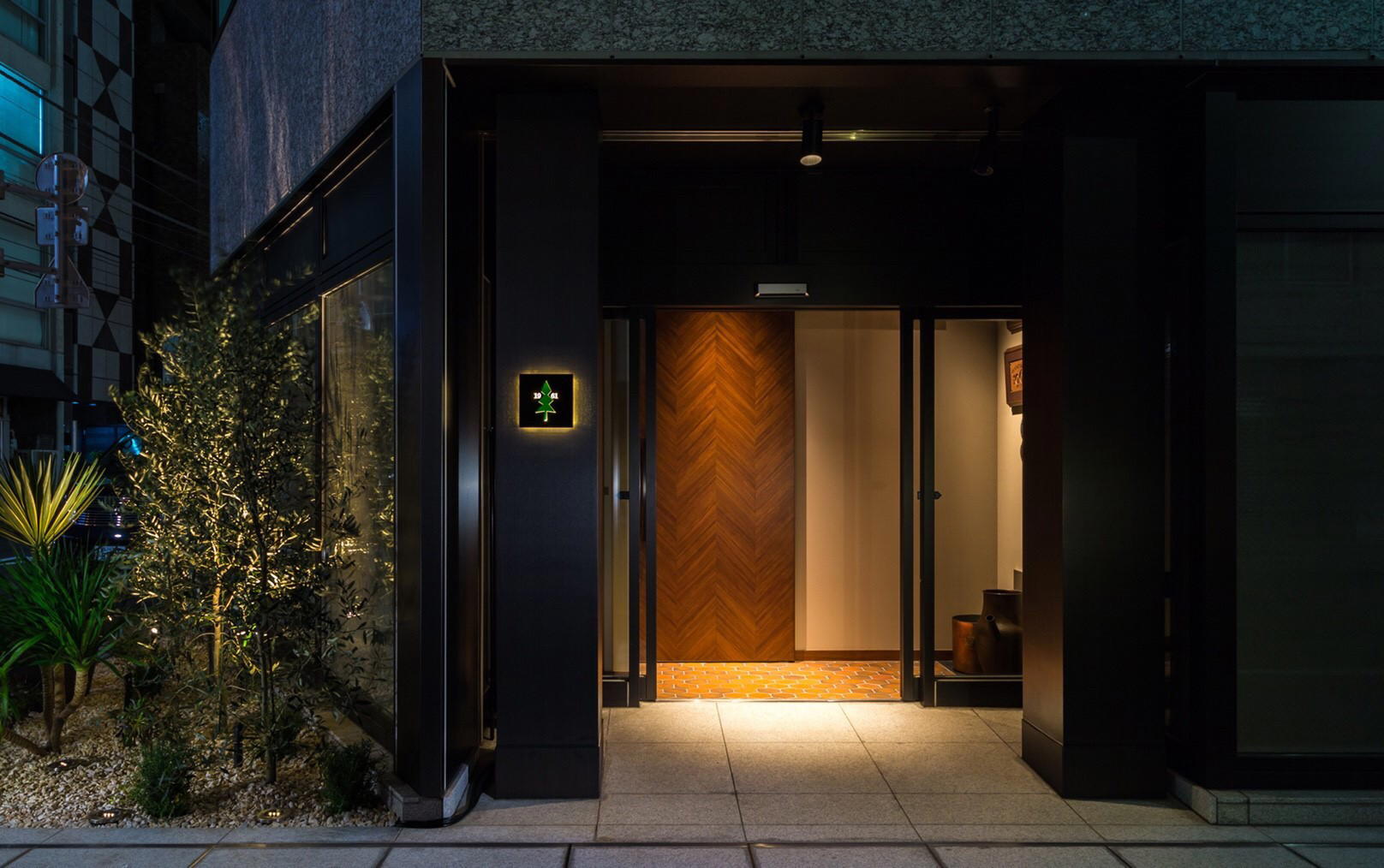
The approach is pure Shimbashi: station traffic above, office workers heading to evening drinks, and the older New Shimbashi Building descending into a basement of counters, curtains and compact rooms. This is not polished hotel-dining Tokyo, but after-work drinking culture compressed into a small, disciplined izakaya where seafood, sake and timing matter more than spectacle.
New Shin Mikan belongs to a Tokyo category that has grown more serious over the past decade: the reservation-only, counter-led izakaya borrowing structure from kappo and omakase without abandoning drinking-food logic. The small room shapes the night. Courses begin together, the counter is the room, and the meal is built around seafood and alcohol rather than a long à la carte sprawl.
Seafood izakaya culture, tightened into a counter format
Tokyo’s izakaya tradition has always gone beyond skewers and beer. In Shimbashi, defined by rail access and salaryman drinking routes, the serious end often leans toward fish, shellfish, sake and shochu. New Shin Mikan sits in that lane, listed as an izakaya and oyster bar, with an emphasis on fish and drinks including sake, shochu and wine. That combination says much about contemporary Tokyo dining: local seafood anchors the meal, while pairing language has widened beyond one expected bottle or style.
The point is not novelty, but compression. A nine-seat counter turns the izakaya into a focused experience, closer in rhythm to a small Japanese tasting counter than a pub. The format suits seafood and sake because the kitchen can control sequence and temperature more tightly than in a larger room. It also changes the social contract: guests are not dropping in for one plate and a highball, but committing to a set arc of food and drink.
This is where local ingredients and broader technique meet. Tokyo has long absorbed outside methods without surrendering Japanese structure: pasta textures, wine service, Western dairy richness and seafood handling can appear inside formats that still read as izakaya or kappo. The Mikan group’s stated seafood identity, including sea urchin and oyster associations, fits that pattern. Strong Tokyo rooms fold global technique into otsumami, rice, noodles or drinking food, keeping the ingredient legible.
The 2025 Tabelog 100 Izakaya EAST selection is the key trust signal. Tabelog’s Hyakumeiten lists tend to reward restaurants with strong local diner traction inside specific categories, and izakaya is one international visitors often under-read. A high-end sushi counter announces itself through ceremony; a serious izakaya can look modest from the corridor. Recognition here helps separate a destination counter from the wider mass of station-area drinking rooms.
Why Shimbashi matters to the experience
Shimbashi is not neutral backdrop. Its food identity is built on density, convenience and repeat drinking: yakitori under the tracks, standing bars, sushi counters, curry shops, udon specialists and small after-work rooms. In that context, a seafood-focused counter at this price tier differs from nearby low-cost meals such as Oniyanma Shimbashi ten, from a sushi specialist like Shimbashi Tsuruhachi, and from higher-formality Japanese dining represented by Hyakuyaku by Tokuyamazushi, where the frame is destination cuisine rather than after-work drinking culture.
That comparison matters because Tokyo visitors often sort restaurants by cuisine, then budget. Shimbashi rewards a sharper reading: format comes before genre. A cheap noodle stop, a compact bar such as Bar P.M.9, a sushi counter and a seafood izakaya may sit within a short walk, but they ask for different evenings. New Shin Mikan is for diners who want izakaya conviviality with small-counter pacing.
The counter-only scale also affects who should choose it. Groups wanting private rooms, families seeking a relaxed multi-generational dinner, or travellers preferring flexible ordering will find better fits elsewhere. Drink-focused diners, solo travellers comfortable at counters, and pairs wanting a seafood-led Tokyo night without sushi formality will understand the appeal faster. This is an adult izakaya reading of the city, not a broad sightseeing dinner.
For broader planning, use Our full Tokyo restaurants guide to place it beside other formats across the city, from yakitori such as 124. KAGURAZAKA (Yakitori) to casual specialists including 3 Chome no Curry Ya San, . 鮪と炭火焼き うお炭 秋葉原店, 12/10 Shinjuku ten and 2D Cafe. For a wider trip map, the city rails also sit alongside Our full Tokyo hotels guide, Our full Tokyo bars guide, Our full Tokyo wineries guide and Our full Tokyo experiences guide.
The reader decision: choose it for precision, not looseness
The case for the restaurant is strongest as a bridge between Tokyo drinking culture and counter-dining discipline. The seafood focus gives the meal a clear center, sake and shochu tie it to izakaya tradition, and the small room limits the drift that can make larger drinking restaurants unfocused. It is not for diners who want to improvise across a neighborhood, linger over multiple venues, or keep the evening open-ended.
There is useful national context. Japan’s dining strength is not only formal categories such as sushi, kaiseki and ramen, but the way small operators refine everyday formats into destination meals. That pattern appears beyond Tokyo, from -Grilled beef Sukiyaki- KAMAKURA TANUKIAN 鎌倉 たぬき庵 in Kamakura to [ki:] in Kyoto.cafe in Osaka.know in Kumamoto, (Shoku) Vietnam in Kawasaki and [Curry Senmon Ten] Maruyama Kyoju. in Sapporo. Abroad, Japanese drinking and rice cultures take different shapes at places such as Jōdo Saké Bar in Los Angeles and Onigiri Time in Pasadena, but the Tokyo version remains more compressed, more time-sensitive and more dependent on counter etiquette.
The sharper recommendation is simple: choose this for a seafood-and-sake evening where the izakaya idiom has been tightened into a small-room format. Shimbashi supplies the working-city context, the counter supplies discipline, and the Tabelog 100 Izakaya EAST selection supplies a credible marker in a category visitors often misread.
Where the Accolades Land
Comparable venues for cuisine and category context.
| Venue | Cuisine | Price | Notes |
|---|---|---|---|
| New Shin MikanThis venue — the venue you are viewing | Sea urchin and oyster-focused Japanese izakaya counter | $$$ | Not listed |
| Morita Ya Toukyou marunouchi ten | Traditional Kyoto-style sukiyaki & shabu-shabu | $$$ | Chiyoda |
| Zakuro TBS ten | Traditional Japanese Shabu-shabu & Sukiyaki | $$$ | Minato |
| りゅうの介 | Japanese Seafood | $$$ | Minato |
| Hiroo Taishu Yakiniku Bouin Boushoku | Taishu yakiniku (Japanese BBQ) | $$$ | Shibuya |
| Tori Tsune Shizen Do | Traditional Japanese chicken & oyakodon specialist | $$$ | Chiyoda |
Recognition history
Dated appearances from independent guides and award organizations, with the underlying list record or original source where available.
Tabelog 100 #58 · No. 58
Tabelog · Tabelog 100 - Izakaya - EAST - 2025








At a Glance
- Lively
- Intimate
- Cozy
- After Work
- Date Night
- Group Dining
- Casual Hangout
- Solo
- Special Occasion
- Chefs Counter
- Standalone
- Design Destination
- Sake Program
- Beer Program
- Sustainable Seafood
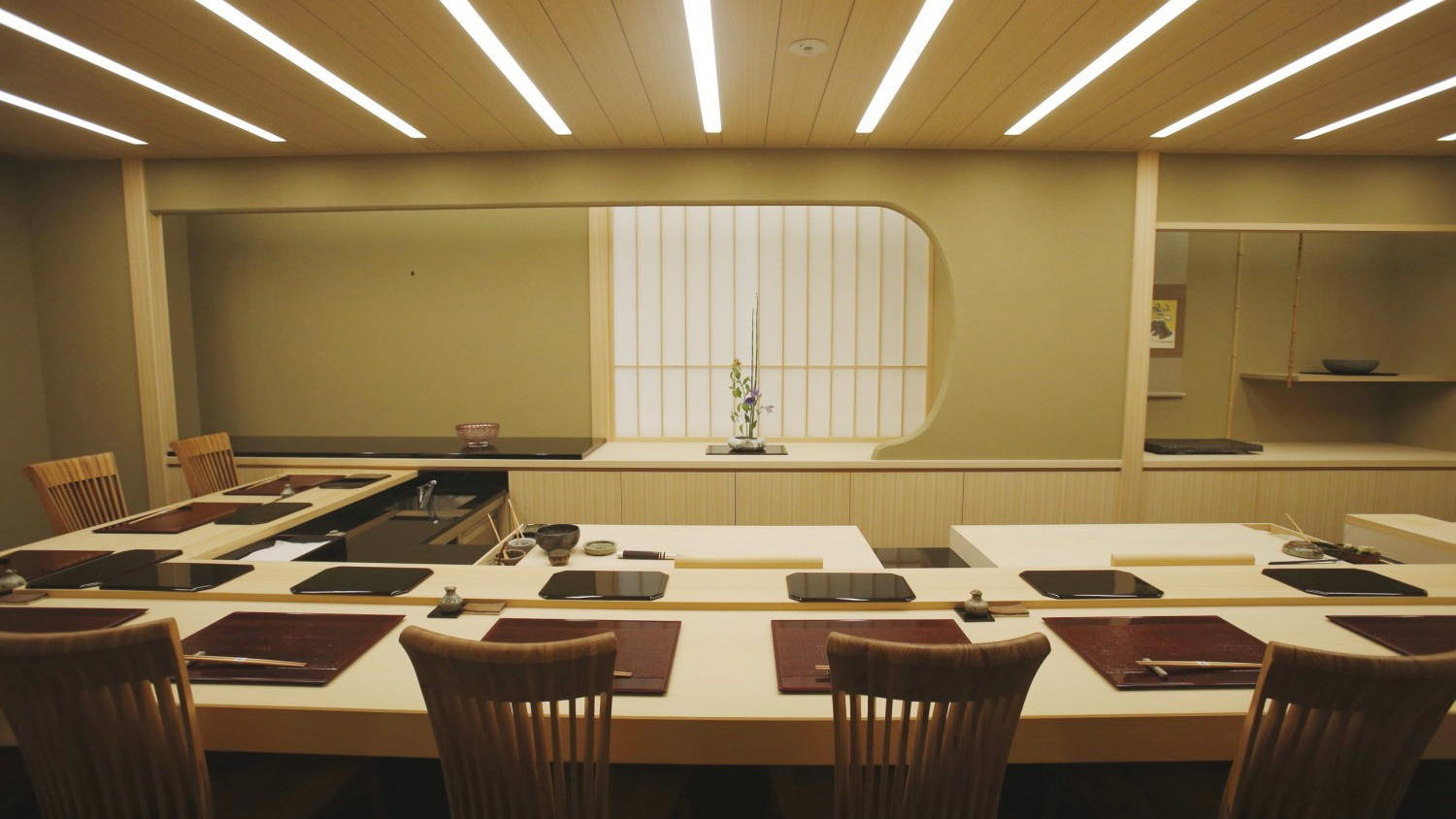
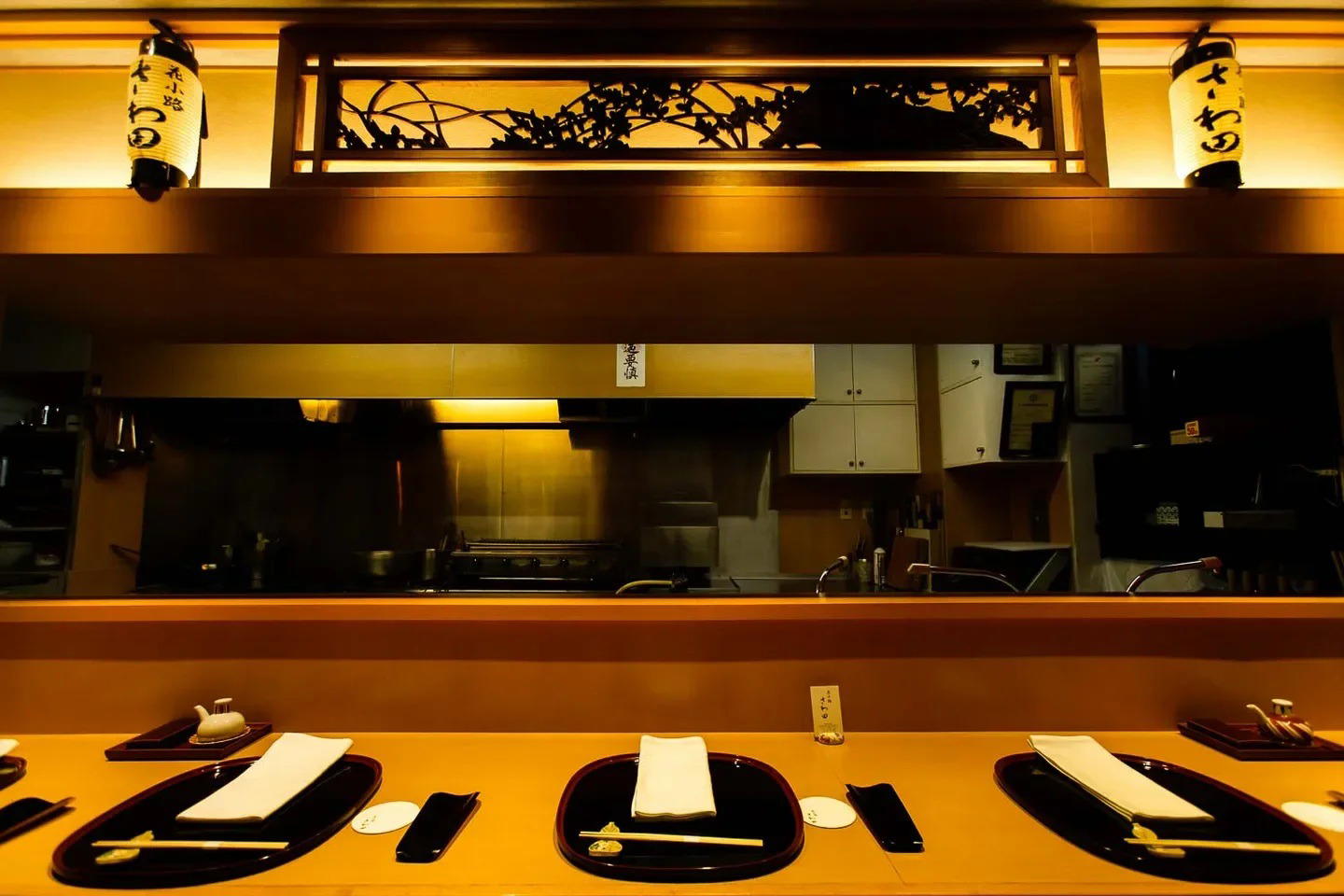
A tiny, signless basement hideout wrapped in white noren with just nine counter seats, relaxed and boisterous like a classic Tokyo izakaya, where guests watch seasonal seafood and uni-focused dishes being prepared at close range while enjoying plenty of sake.