
Near Suehirocho, Tori Tsune Shizen Do belongs to Tokyo’s old, exacting chicken-cuisine tradition rather than the city’s fashion-driven dining circuit. Its reputation rests on oyako-don, jidori-led cooking, and selection for Tabelog’s 2025 Chicken Cuisine 100, with a compact house-restaurant format that keeps the experience grounded in Sotokanda rather than Ginza gloss.
Pearl is the En Primeur Club membership app — saves, bookings, and concierge access live there. Same editors, same standards.
- Address
- 5 Chome-5-2 Sotokanda, Chiyoda City, Tokyo 101-0021, Japan
- Phone
- +81 3-5818-3566
- Website
- toritunesizendou.com
 Saves & bookings on Pearl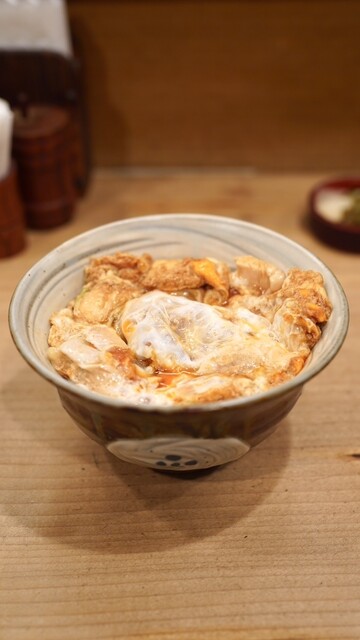
Sotokanda changes texture quickly: Akihabara’s electronics glare gives way to smaller streets, low-rise houses, and quieter Suehirocho, where specialist restaurants can feel less staged than their central luxury-district equivalents. Here, chicken cuisine reads not as tasting-menu performance but as disciplined urban craft built around rice bowls, whole-bird cooking, and the Japanese habit of taking a familiar category seriously enough to make it a destination.
Tori Tsune Shizen Do sits inside that tradition. Its Chiyoda address, away from the dining-theatre corridors of Ginza or Roppongi, matches the format: a house restaurant with counter seats, table seating, and tatami space upstairs. The room count matters because this category depends on repetition and flow. Tokyo has many restaurants where poultry appears as one course among many; the sharper comparison is with places that narrow the field and ask diners to treat chicken as the subject.
Suehirocho gives chicken cuisine a quieter Tokyo frame
The neighbourhood strips away some ceremony attached to high-end Tokyo dining. Suehirocho and nearby Okachimachi have long supported restaurants serving office workers at lunch and more focused diners at night. That split helps here: lunch oyako-don offers a compact expression of the kitchen’s logic, while dinner moves toward a fuller chicken-cuisine format centred on native-breed sourcing.
That sourcing is the clearest public signal: Akita Hinai, Nagoya Cochin, and Okukuji Shamo are named as the native breeds used. In Japan, jidori is not a loose lifestyle word; it points to regional poultry with firmer texture, clearer fat, and a deeper link between breed, feed, and preparation. A specialist chicken restaurant lives or dies by whether that difference survives cooking. The appeal is not extravagance, but whether the diner can read the bird through egg, stock, grilled meat, rice, and sauce without the category becoming generic comfort food.
The Tabelog 100 selection for Chicken Cuisine in 2025 gives the place a useful external marker. Tabelog’s Hyakumeiten lists are category-specific, making this recognition more relevant than a broad accolade. It places the restaurant within a national conversation about toriryori rather than a general luxury ranking. The listed Tabelog score of 3.75 also signals a strong specialist following in a market where ratings are conservative and category loyalists demanding.
Oyako-don anchors the daytime reputation, dinner expands the bird
Tokyo’s oyako-don culture is often misunderstood by visitors because the dish looks simple: chicken, egg, rice, and seasoning. The discipline is timing. Egg can turn heavy in seconds, rice can be overwhelmed by sauce, and chicken must remain legible rather than disappearing into sweetness. At a chicken specialist, oyako-don is less a casual bowl than a compressed test of control.
That is why the lunch following matters. Public descriptions note long lunchtime lines, a practical and cultural signal. Tokyo diners queue for value when a restaurant delivers a narrow promise consistently; the city is less forgiving of reputations built only on nostalgia. The lunch budget sits below dinner, making the restaurant accessible to diners who want the signature category without the evening spend.
Dinner shifts the proposition. With a full-course chicken meal available at night and drinks spanning sake, shochu, and wine, the restaurant moves from bowl culture into a more complete toriryori reading. That contrast separates it from a single-dish shop. The same ingredient base serves two Tokyo dining rhythms: quick, concentrated lunch and slower evening progression.
Within Tokyo, the restaurant occupies a clear middle path. It is not a progressive room like 81, and it does not compete on the casual pricing of CRANE or Fruits de Saison. Namaiki sits in a neighboring price conversation for diners weighing mid-to-high Tokyo meals, but the category here is narrower and more traditional. The useful question is not which room is flashier; it is whether a diner wants a cuisine-specific meal grounded in chicken rather than a broader contemporary format.
The decision: choose it for category focus, not spectacle
Tori Tsune Shizen Do is strongest for travelers who know Tokyo rewards specialization. Its appeal lies in a defined lane: chicken dishes, oyako-don, native-breed sourcing, and a house-style room in Sotokanda. Private rooms are available for small groups, children are welcome, and counter, table, and tatami seating make the format more flexible than many compact Tokyo specialists. Those details matter in a dining city where the room can be as restrictive as the menu.
The verdict is direct: this is a strong choice for diners building a Tokyo itinerary around category depth rather than trophy chasing. Put it alongside sushi, tempura, soba, tonkatsu, and yakitori as part of a wider study of Japanese specialization. It also works as a counterweight to luxury-district meals, because the setting keeps attention on craft rather than performance.
For planning across the city, use Our full Tokyo restaurants guide as the broader map, with nearby or contrasting restaurant references such as . 鮪と炭火焼き うお炭 秋葉原店, 124. KAGURAZAKA (Yakitori), 12/10 Shinjuku ten, 2D Cafe, and 3 Chome no Curry Ya San. For a wider Japan dining frame, compare it with -Grilled beef Sukiyaki- KAMAKURA TANUKIAN 鎌倉 たぬき庵 in Kamakura.cafe in Osaka.know in Kumamoto, (Shoku) Vietnam in Kawasaki, [Curry Senmon Ten] Maruyama Kyoju. in Sapporo, and [ki:] in Kyoto. Tokyo trip planning often works better when restaurants, hotels, and bars are considered together, so keep Our full Tokyo hotels guide, Our full Tokyo bars guide, Our full Tokyo wineries guide, and Our full Tokyo experiences guide close. For trans-Pacific Japanese drinking and casual-rice references, see Jōdo Saké Bar in Los Angeles and Onigiri Time in Pasadena.
Standing Among Peers
Comparable venues at the same tier.
| Venue | Cuisine | Price | Notes |
|---|---|---|---|
| Tori Tsune Shizen DoThis venue — the venue you are viewing | Traditional Japanese chicken & oyakodon specialist | $$$ | Not listed |
| Namaiki | Premium Wagyu Yakiniku & Raw Beef | $$$ | Chiyoda |
| Shoan | Traditional Japanese Soba | $$$ | Shinjuku |
| LIKE | Modern Japanese | $$$ | Minato |
| green glass | Handmade Soba & Shizuoka Sake | $$$ | Shinjuku |
| 食堂とだか | Modern Japanese Izakaya | $$$ | Shinagawa |
Recognition history
Dated appearances from independent guides and award organizations, with the underlying list record or original source where available.
Tabelog 100 #84 · No. 84
Tabelog · Tabelog 100 - Chicken cuisine - 2025







At a Glance
- Classic
- Cozy
- Intimate
- Business Dinner
- Special Occasion
- Group Dining
- Solo
- After Work
- Private Dining
- Standalone
- Beer Program
- Sake Program
- Local Sourcing
Current opening hours
- Monday
- 11:30 AM–2 PM, 5:30–10 PM
- Tuesday
- 11:30 AM–2 PM, 5:30–10 PM
- Wednesday
- 11:30 AM–2 PM, 5:30–10 PM
- Thursday
- 11:30 AM–2 PM, 5:30–10 PM
- Friday
- 11:30 AM–2 PM, 5:30–10 PM
- Saturday
- 11:30 AM–2 PM, 5:30–10 PM
- Sunday
- Closed
Hours can change for holidays and private events. Last verified .
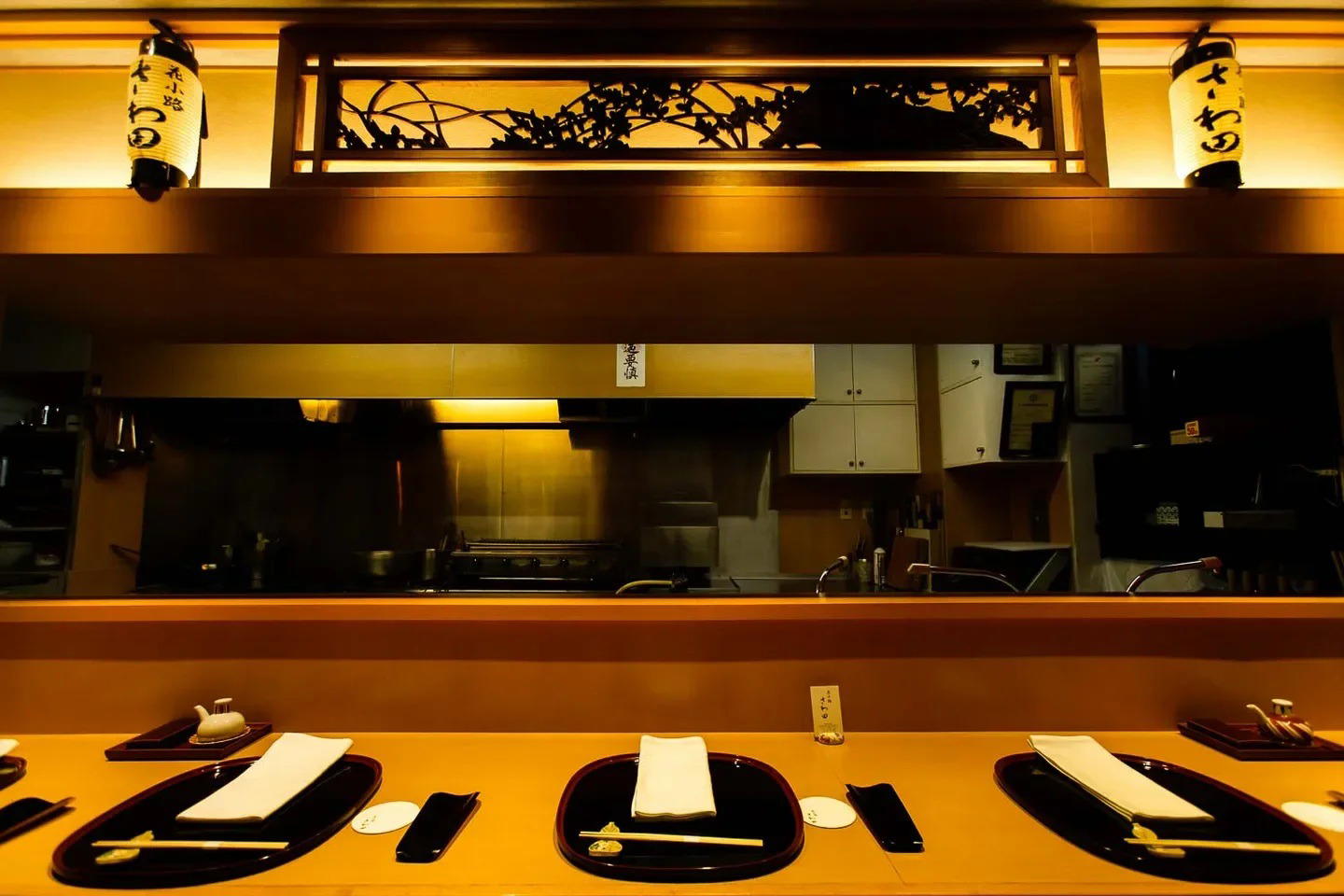
A small, traditional chicken restaurant with a warm, wood-accented interior and calm, classic atmosphere that suits business meals and serious food lovers more than casual crowds; lighting and mood are relaxed and understated rather than flashy.