
A Marunouchi high-rise address for Kyoto-style sukiyaki, shabu shabu, and steak, Morita Ya Toukyou marunouchi ten sits in Tokyo’s polished business-dining circuit rather than the counterculture of small-room gastronomy. Its Tabelog 100 Hot Pot 2024 selection gives it a clear quality signal in a category where beef sourcing, room format, and service rhythm matter as much as ceremony.
Pearl is the En Primeur Club membership app — saves, bookings, and concierge access live there. Same editors, same standards.
- Address
- Japan, 〒100-0005 Tokyo, Chiyoda City, Marunouchi, 2 Chome−4−1 Marunouchi Building, 35階
- Phone
- +81 3-5220-0029
- Website
- moritaya-maru.orwst.com
 Saves & bookings on Pearl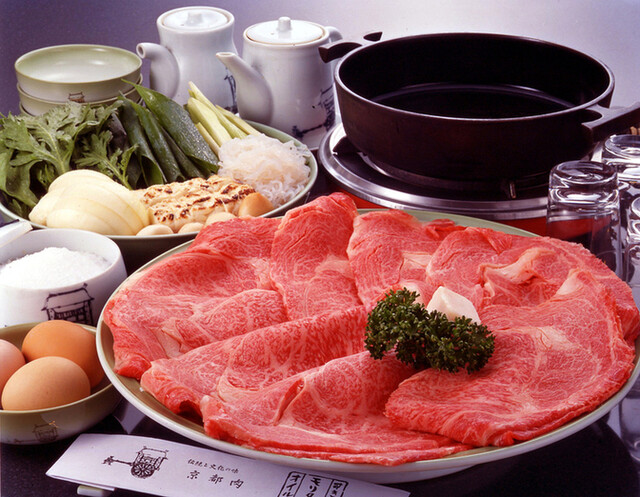
Marunouchi dining begins before the first pan is set down. The district’s glass towers, station concourses, and after-work elevators create a particular kind of Tokyo appetite: formal enough for clients, direct enough for regulars, and built around rooms that can carry conversation without making dinner feel theatrical. On the 35th floor, the hot pot tradition takes on that vertical city character, with sukiyaki and shabu shabu framed less as nostalgia than as polished urban ritual.
In Tokyo, hot pot occupies a different register from sushi counters and kaiseki rooms. It is communal, aromatic, and paced by heat. Sukiyaki brings sweetness, soy, beef fat, and reduction into the room; shabu shabu shifts attention toward broth, dipping sauces, and the clean rhythm of sliced meat meeting simmering liquid. The format rewards timing more than ornament. A good room understands when to intervene and when to let the table settle into its own tempo.
Kyoto-style beef cookery in Marunouchi's business-dining tier
Morita Ya Toukyou marunouchi ten belongs to the Tokyo branch of a Kyoto-rooted meat specialist, and that background matters because sukiyaki is not a generic hot pot category. Kansai and Kanto approaches differ in how seasoning, sugar, soy, and cooking sequence are handled, and Kyoto-style service carries its own associations with beef-focused dining rather than casual nabe. The appeal here is not novelty; it is the controlled transfer of an older beef tradition into a Marunouchi setting where guests expect precision, privacy, and a room that works for mixed occasions.
The public recognition is concrete: selection for Tabelog 100 Hot Pot 2024, within the sukiyaki and shabu shabu field. That places the restaurant inside a curated Japanese category rather than the broader international awards economy. For travellers who already know Tokyo through omakase and French-Japanese tasting menus, this is a useful corrective. Hot pot can be just as status-aware, but its signals are different: beef category, cooking format, seating arrangement, and how the room handles steam, service, and pacing.
Marunouchi adds another layer. Nearby high-floor restaurants such as Sens & Saveurs, Breeze of Tokyo, Mango Tree Tokyo, サンス・エ・サヴール, and アンティカ・オステリア・デル・ポンテ speak to the district’s appetite for view-led, reservation-friendly dining with enough formality for business meals. Against that set, a sukiyaki and shabu shabu room reads more grounded. It trades international plating language for a table-centered format where the main drama is heat, beef, and timing.
The sensory logic is steam, glass, and controlled pace
The strongest argument for this kind of dinner is sensory rather than decorative. Tokyo has many meals built around silence and concentration; sukiyaki and shabu shabu are more social without becoming loose. Steam softens the room. The sound of liquid moving in the pot gives the table a pulse. Aromas build gradually rather than arriving as a sequence of composed plates. In a high-rise Marunouchi room, that grounded, table-level heat contrasts with the city outside the glass.
The categories are plainly stated: sukiyaki, steak, and shabu shabu. That triad keeps the restaurant within beef-led Japanese dining, not the broader washoku tasting-menu lane. The drink range also supports the format: sake, shochu, wine, and cocktails are all part of the public listing, which matters for groups with mixed drinking habits. A hot pot dinner can fail when the drinks program is too narrow; here the category spread suits both domestic business dining and visitors who want sake with beef but may move to wine for a longer meal.
Private-room availability changes the way to read the experience. Tokyo has countless intimate counters, but a 64-seat hot pot restaurant with sunken tatami-room options serves a different need: small groups, office dinners, family tables with older children, and visitors who want Japanese beef cookery without the choreography of a chef-facing counter. The room’s non-smoking policy, with a separate building smoking area, also aligns it with contemporary Marunouchi expectations rather than older banquet-house habits.
There is a critical caveat. This is not the Tokyo choice for diners chasing maximal scarcity or chef-driven authorship. The chef is not the story here, and the format does not need a personality cult to justify itself. The stronger reading is category clarity: Kyoto-style sukiyaki in a high-floor Tokyo business district, validated by a hot pot-specific Tabelog 100 selection. That makes it more useful than a vague luxury meal and more grounded than another view restaurant with international ambitions.
How to place it within a Tokyo itinerary
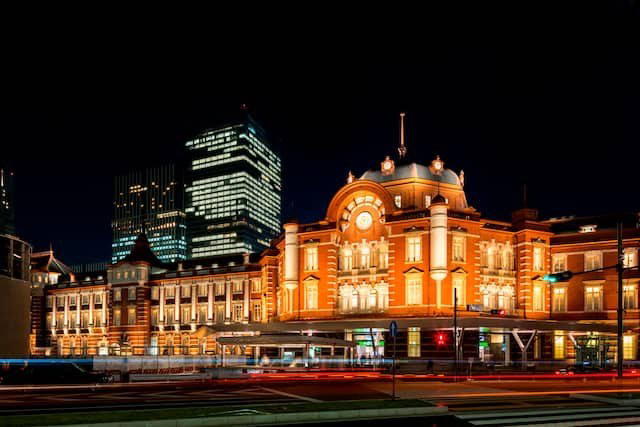
Tokyo rewards travellers who split meals by function. Sushi, yakitori, ramen, tempura, and kappo each demand different energy. A Marunouchi sukiyaki dinner fits the evening when the plan calls for comfort, conversation, and a Japanese beef tradition with polish rather than austerity. It also works well near Tokyo Station, where travellers often need a serious meal without crossing the city after a train arrival or before an early departure the next day.
For broader planning, use Our full Tokyo restaurants guide to balance beef-led dining with other formats, from 124. KAGURAZAKA (Yakitori) for skewers to 12/10 Shinjuku ten for a different side of the city’s restaurant map. Casual detours such as 2D Cafe, 3 Chome no Curry Ya San, and. 鮪と炭火焼き うお炭 秋葉原店 show how quickly the city shifts tone between neighbourhoods and price tiers.
Travellers building a Japan-wide dining route can compare the beef theme with -Grilled beef Sukiyaki- KAMAKURA TANUKIAN 鎌倉 たぬき庵 in Kamakura, then widen the itinerary through [ki:] in Kyoto.cafe in Osaka.know in Kumamoto, (Shoku) Vietnam in Kawasaki, and [Curry Senmon Ten] Maruyama Kyoju. in Sapporo. For city logistics beyond restaurants, keep Our full Tokyo hotels guide, Our full Tokyo bars guide, Our full Tokyo wineries guide, and Our full Tokyo experiences guide close. For overseas Japanese-leaning references, Jōdo Saké Bar in Los Angeles and Onigiri Time in Pasadena underline how differently Japanese comfort formats travel outside Japan.
Price and Recognition
Comparable venues by cuisine and price in the same metro.
| Venue | Cuisine | Price | Notes |
|---|---|---|---|
| Morita Ya Toukyou marunouchi ten | Not listed | $$$ | Chiyoda, Traditional Kyoto-style sukiyaki & shabu-shabu |
| Matsugen (松玄 恵比寿) | Ebisu, Handmade Soba Noodles | $$$ | Not listed |
| Kuriya Kashi Kurogi | Not listed | $$$ | Hongo, Bunkyo-ku, Artisanal Japanese Wagashi & Kakigori |
| Akasaka Tan-tei | Akasaka, Okinawan Kaiseki | $$$ | Not listed |
| Kuzushi Teppan AVAGURA Kanda ten | Chiyoda, Modern Teppanyaki | $$$ | Not listed |
| Soba Kiri Sake Daigu | Minato, Traditional Soba & Sake Counter | $$$ | Not listed |
Recognition history
Dated appearances from independent guides and award organizations, with the underlying list record or original source where available.
Tabelog 100 #43 · No. 43
Tabelog · Tabelog 100 - Hot Pot - 2024





At a Glance
- Elegant
- Classic
- Cozy
- Romantic
- Business Dinner
- Date Night
- Group Dining
- Family
- Special Occasion
- After Work
- Panoramic View
- Standalone
- Private Dining
- Sake Program
- Beer Program
- Local Sourcing
- Skyline
- Street Scene
Current opening hours
- Monday
- 11 AM–3 PM, 5–11 PM
- Tuesday
- 11 AM–3 PM, 5–11 PM
- Wednesday
- 11 AM–3 PM, 5–11 PM
- Thursday
- 11 AM–3 PM, 5–11 PM
- Friday
- 11 AM–3 PM, 5–11 PM
- Saturday
- 11 AM–3 PM, 5–11 PM
- Sunday
- 11 AM–3 PM, 5–10 PM
Hours can change for holidays and private events. Last verified .
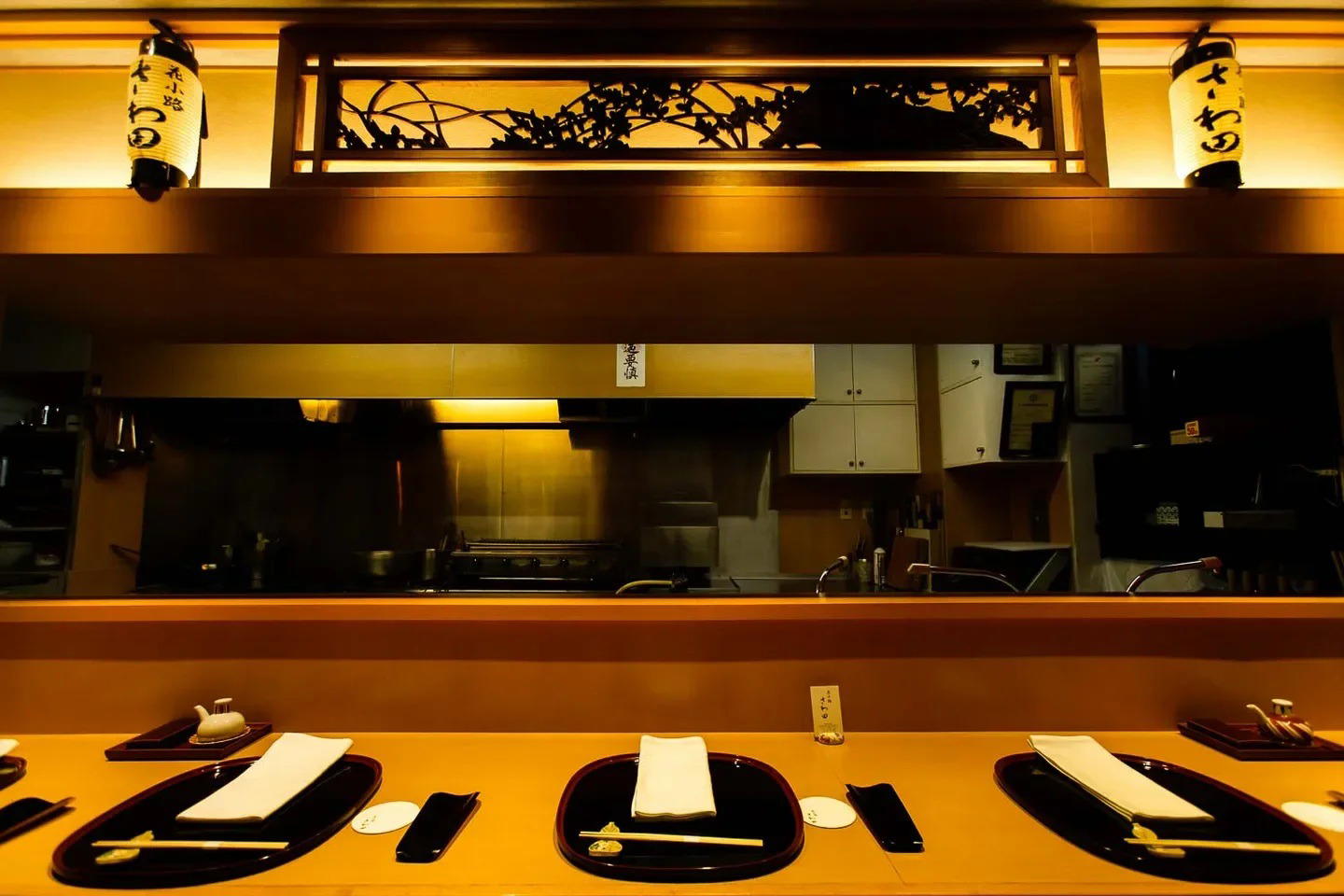
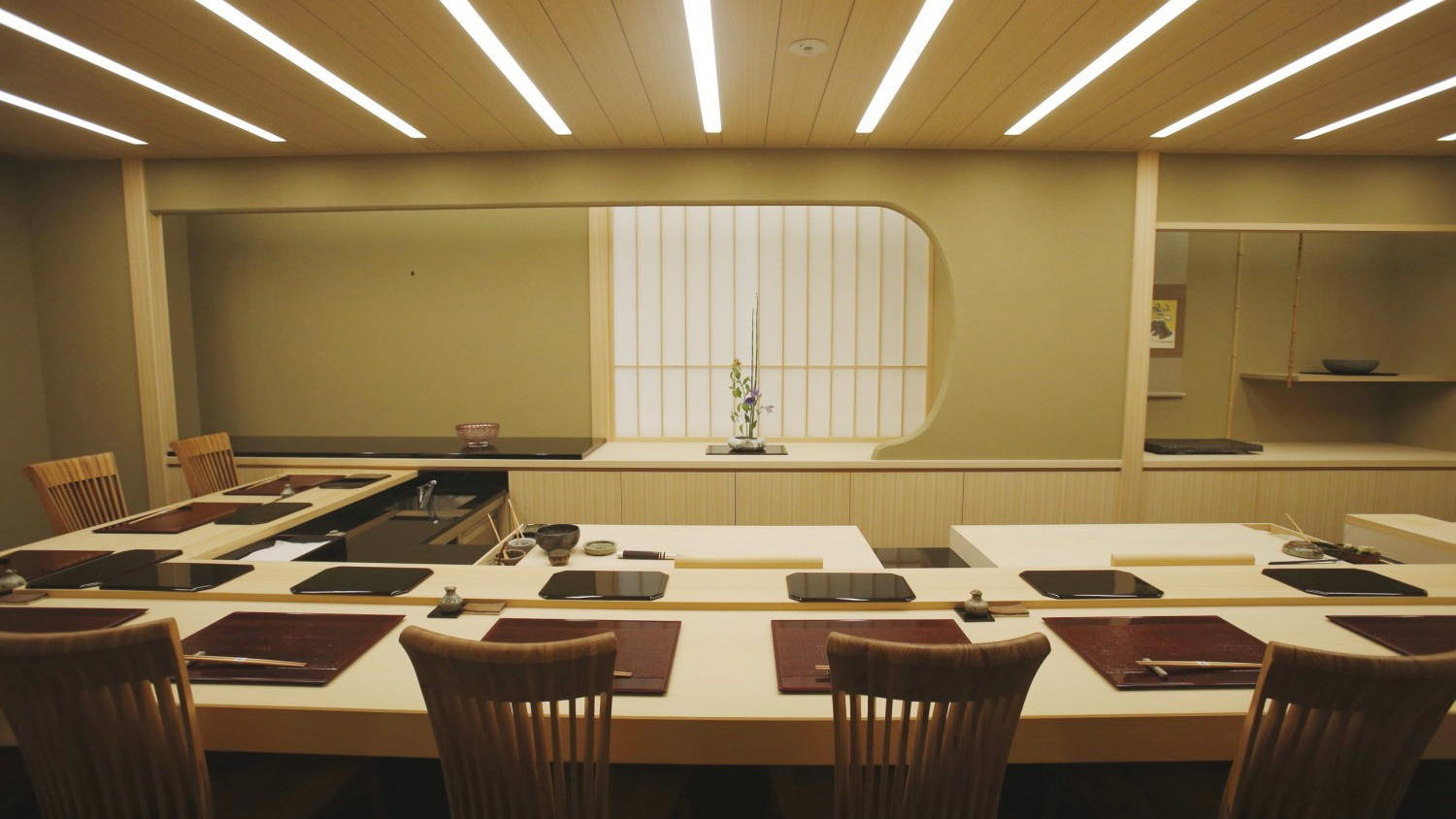
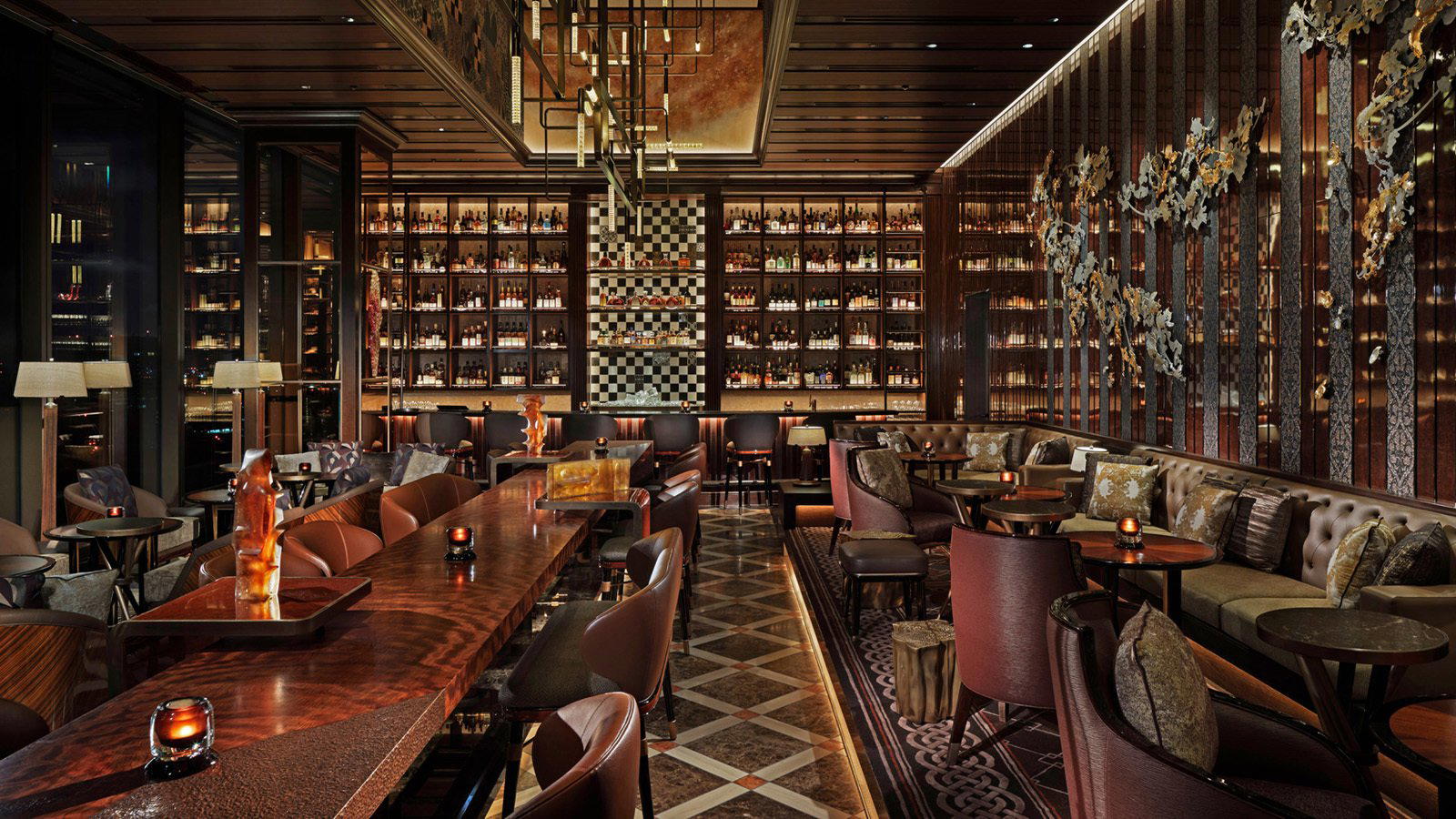
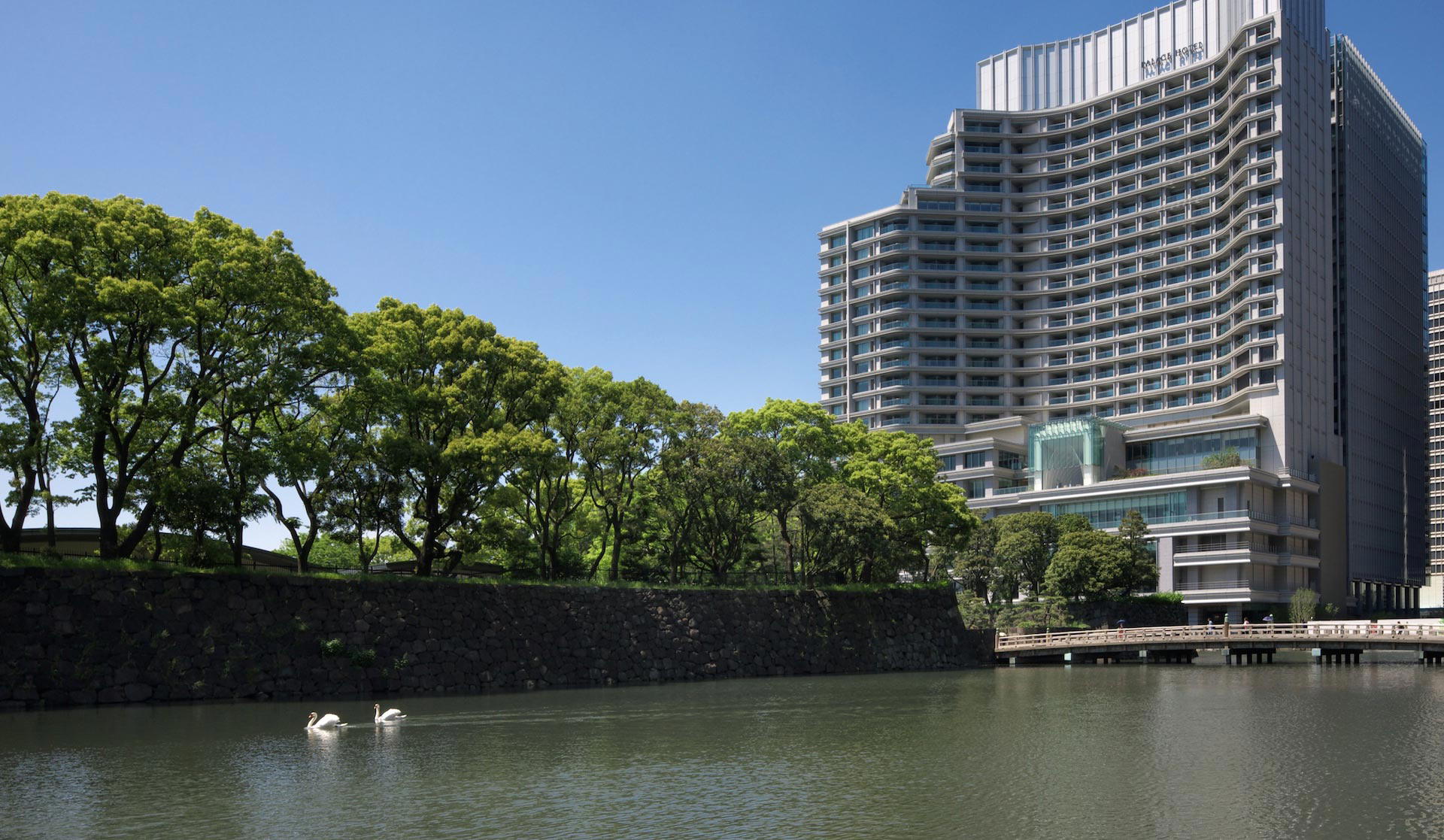
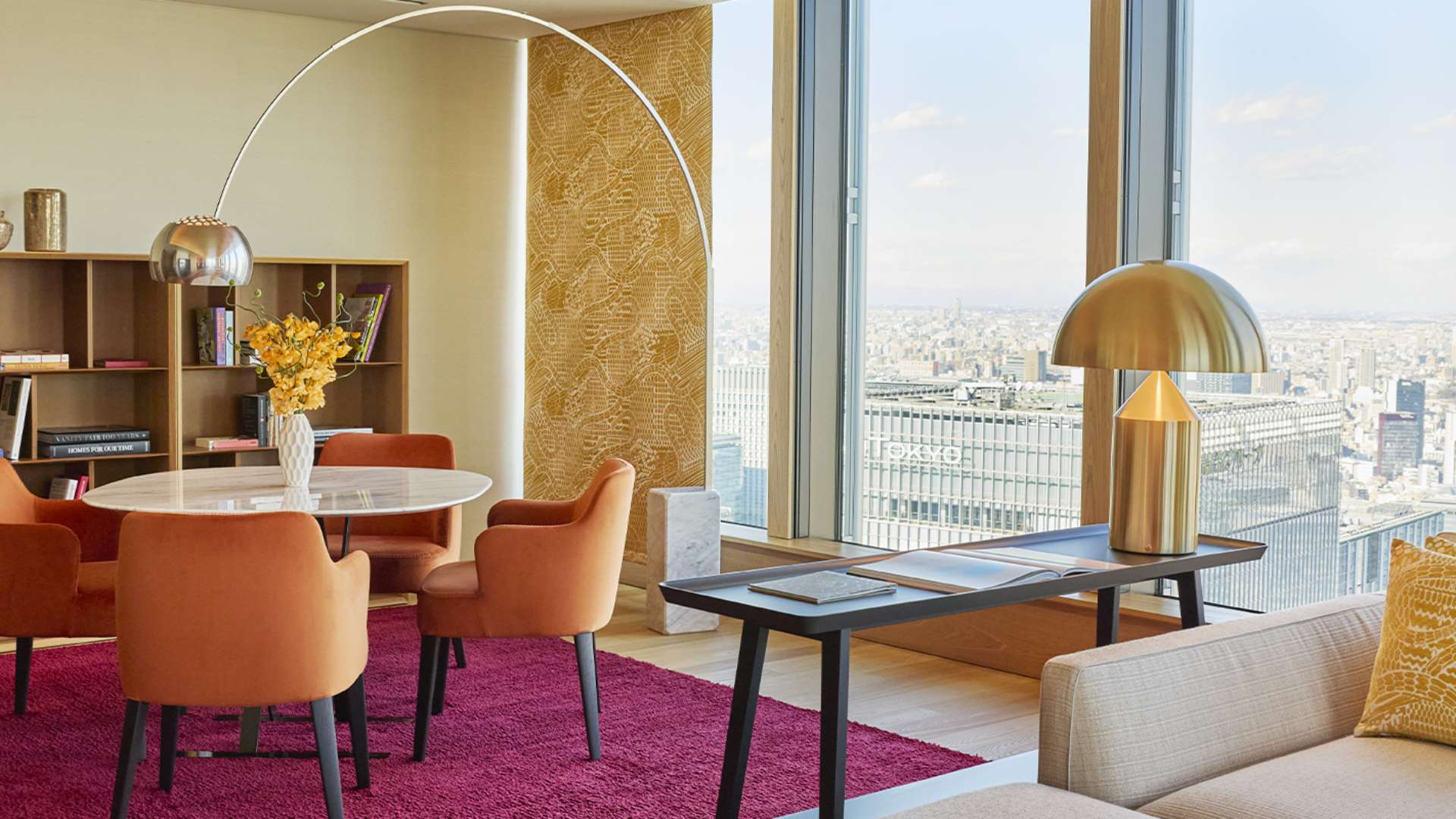
Refined but relaxed high-floor dining room with warm lighting, wood and Japanese detailing, and large windows that frame night views over the Imperial Palace and Tokyo’s business district, creating an upscale yet comfortable atmosphere suitable for dates and business meals.