
Akasaka’s business-district dining culture has room for formal hot pot without the ceremony of a tiny counter. Zakuro TBS ten brings shabu-shabu, sukiyaki, and steak into a larger, private-room-ready format, with Tabelog 100 Hot Pot recognition in 2024 giving it a clear quality signal for Tokyo visitors weighing comfort, beef, and logistics in one sitting.
Pearl is the En Primeur Club membership app — saves, bookings, and concierge access live there. Same editors, same standards.
- Address
- 東京都港区赤坂5-3-1 赤坂Bizタワー SHOPS&DINING 2F
- Phone
- +81335826841
- Website
- zakuro.co.jp
 Saves & bookings on Pearl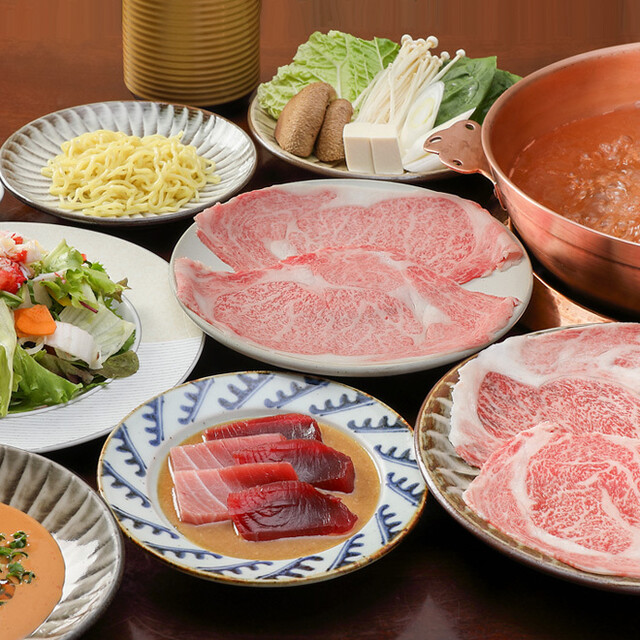
Approach through Akasaka Biz Tower and the mood is Tokyo at its corporate-lunch and after-work dinner register: polished corridors, office traffic, and the quiet shift from daytime meetings to evening tables. Hot pot fits that setting because it is collaborative by design. The meal depends less on a single plated flourish than on timing, pacing, and a table team that keeps the rhythm intact while diners talk, share, and decide how formal the evening needs to be.
Tokyo has a deep split in premium dining. At one end sit small counters built around chef proximity; at the other, rooms designed for groups, families, and business meals where privacy and consistency matter. Zakuro TBS ten belongs to the second camp. Its 2024 selection for Tabelog 100 Hot Pot places it inside a competitive category that rewards reliability as much as personality, and that distinction matters in a city where sukiyaki and shabu-shabu can range from neighborhood comfort to highly managed beef service.
Hot pot in Akasaka is a team sport, not a solo performance
Shabu-shabu and sukiyaki expose weak service quickly. Broth, heat, beef, vegetables, dipping sauces, and table pacing all have to move together; otherwise the meal loses its shape. The appeal here is not theatrical reinvention. It is a traditional format handled at scale, with shabu-shabu, sukiyaki, and steak sitting under the same roof and enough room for different dining speeds.
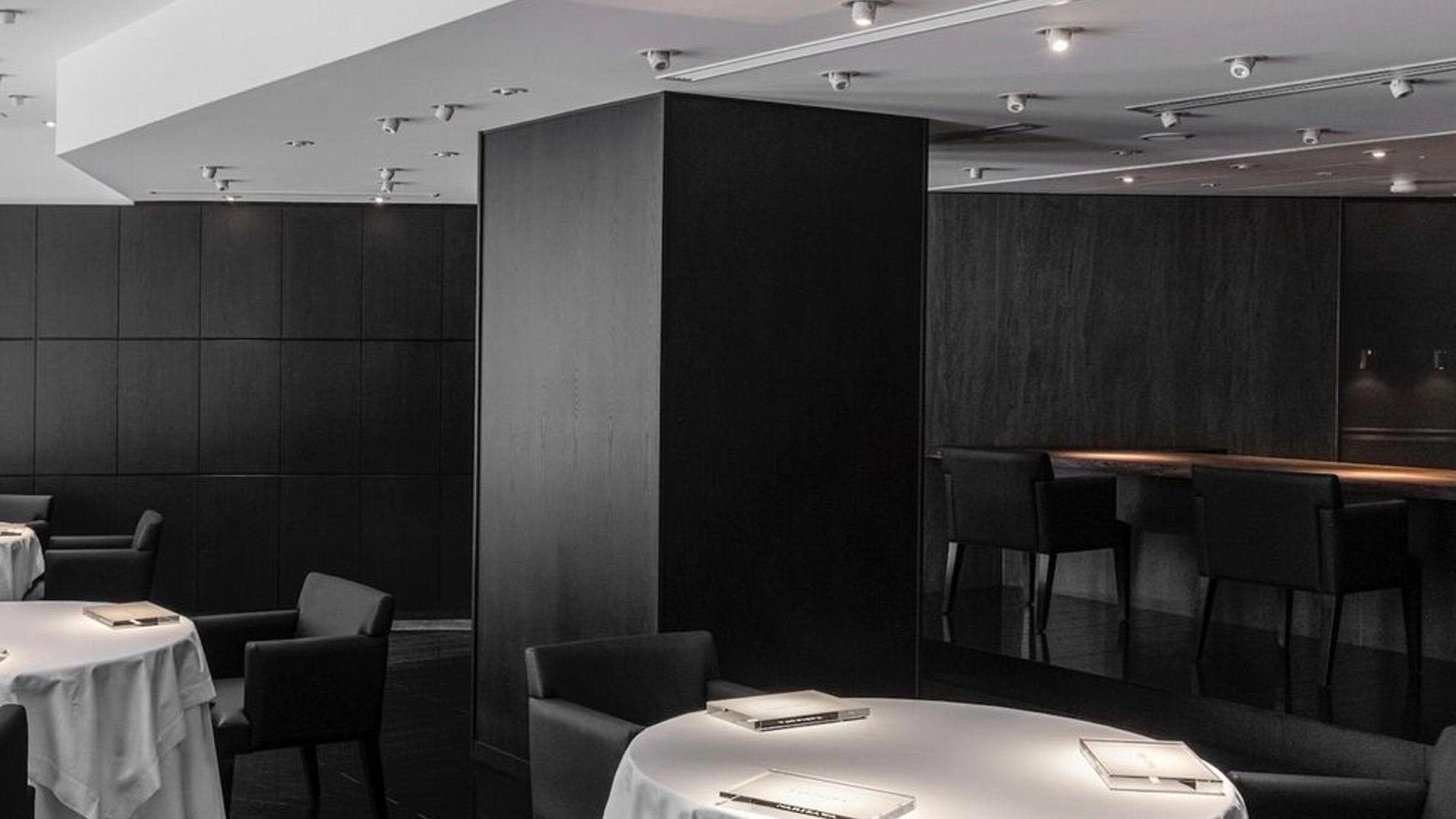
That makes the front-of-house role central. A compact counter can survive on chef magnetism; a 102-seat hot-pot restaurant has to coordinate room flow, private rooms, family tables, and business groups without turning dinner into a banquet-hall routine. The six private rooms, including Japanese and Western styles, point to how Akasaka actually eats: client meals, intergenerational dinners, and friends who want beef and conversation without chasing a harder reservation elsewhere.
The format also explains why the Tabelog Hot Pot list is a useful signal. It is not measuring the same thing as a sushi counter or a French tasting menu. In this genre, craft shows in procurement, heat control, sauce balance, and service choreography. The kitchen may prepare the foundation, but the dining room completes the meal.
Where it sits among Akasaka's expense-account dining
Akasaka has long fed politicians, media offices, hotel guests, and corporate diners who need a restaurant to function as well as cook. Nearby choices can push in different directions: Canton Meisai Akasaka Rikyu covers polished Chinese dining, Akasaka Totoya Uoshin moves into a higher fish-led budget band, and infinito HIRO occupies a much more expensive Italian register. Against that local spread, Zakuro TBS ten reads as a controlled Japanese beef option rather than a special-occasion splurge chasing rarity for its own sake.
The room’s scale is part of the editorial point. Many Tokyo visitors associate serious Japanese dining with smallness, but hot pot has a different social grammar. It works when the table has space, when staff can reset the pace without hovering, and when a group can talk through the meal. For travelers using Our full Tokyo restaurants guide to compare formats, this is the category to choose when the priority is composed service around shared beef rather than a chef-led sequence.
The broader Tokyo map helps clarify that decision. A drink-led night belongs in Our full Tokyo bars guide; a stay built around neighborhoods and rail access belongs in Our full Tokyo hotels guide; specialist cultural planning can sit beside Our full Tokyo experiences guide. Wine-focused travelers can scan Our full Tokyo wineries guide, though hot pot itself usually rewards sake, beer, or tea more naturally than a cellar-first agenda.
How to read the meal before choosing it
Strongest case for this table is practical rather than flashy: a recognized hot-pot format in Akasaka, children welcomed, take-out available, non-smoking dining, and private-room infrastructure for groups that need separation from the main room. That combination is not a minor detail in Tokyo, where many higher-end meals are built for couples or small parties and can feel strained when the group expands.
Trade-off is equally clear. Diners seeking chef biography, counter intimacy, or a tasting-menu narrative should look elsewhere. The point here is a managed Japanese beef meal in a district that values discretion and predictability. Within the same city, a casual curry specialist such as 3 Chome no Curry Ya San, a yakitori address like 124. KAGURAZAKA (Yakitori), or a more visual café format such as 2D Cafe answers a different question entirely.
For a broader Tokyo itinerary, pair this kind of Akasaka dinner with places that show the city’s range:. 鮪と炭火焼き うお炭 秋葉原店 for tuna and charcoal grilling, 12/10 Shinjuku ten for a Shinjuku contrast, or look beyond the capital to -Grilled beef Sukiyaki- KAMAKURA TANUKIAN 鎌倉 たぬき庵 in Kamakura if beef hot pot is becoming a theme. Farther afield, EP Club’s restaurant coverage stretches from.cafe in Osaka and.know in Kumamoto to (Shoku) Vietnam in Kawasaki, [Curry Senmon Ten] Maruyama Kyoju. in Sapporo, and [ki:] in Kyoto. For Japanese dining outside Japan, compare the category with Jōdo Saké Bar in Los Angeles or Onigiri Time in Pasadena.
The verdict is measured: choose Zakuro TBS ten when Tokyo dinner needs shared Japanese beef, a calm Akasaka setting, and service built for more than a two-person counter meal. It is strongest as a group-friendly hot-pot address with a 2024 Tabelog 100 credential, not as a place for diners chasing novelty.
Peers Worth Knowing
Comparable venues to calibrate price, style, and recognition.
| Venue | Cuisine | Price | Notes |
|---|---|---|---|
| Zakuro TBS tenThis venue — the venue you are viewing | Traditional Japanese Shabu-shabu & Sukiyaki | $$$ | Not listed |
| Takasaki no Okan | Hot Sake Pairing Omakase | $$$ | Ikejiri Ohashi, Meguro |
| Akasaka Totoya Uoshin | Traditional Seasonal Japanese Kaiseki | $$$ | Minato |
| Honmura-An | Handmade Soba Noodles | $$$ | Minato |
| かぶん | Yakiniku (Japanese BBQ) | $$$ | Minato |
| Sushiya Ono | Edomae Sushi | $$$ | Shibuya |
Recognition history
Dated appearances from independent guides and award organizations, with the underlying list record or original source where available.
Tabelog 100 #47 · No. 47
Tabelog · Tabelog 100 - Hot Pot - 2024










At a Glance
- Classic
- Elegant
- Cozy
- Intimate
- Business Dinner
- Group Dining
- Special Occasion
- After Work
- Date Night
- Private Event
- Private Dining
- Standalone
- Sake Program
- Local Sourcing
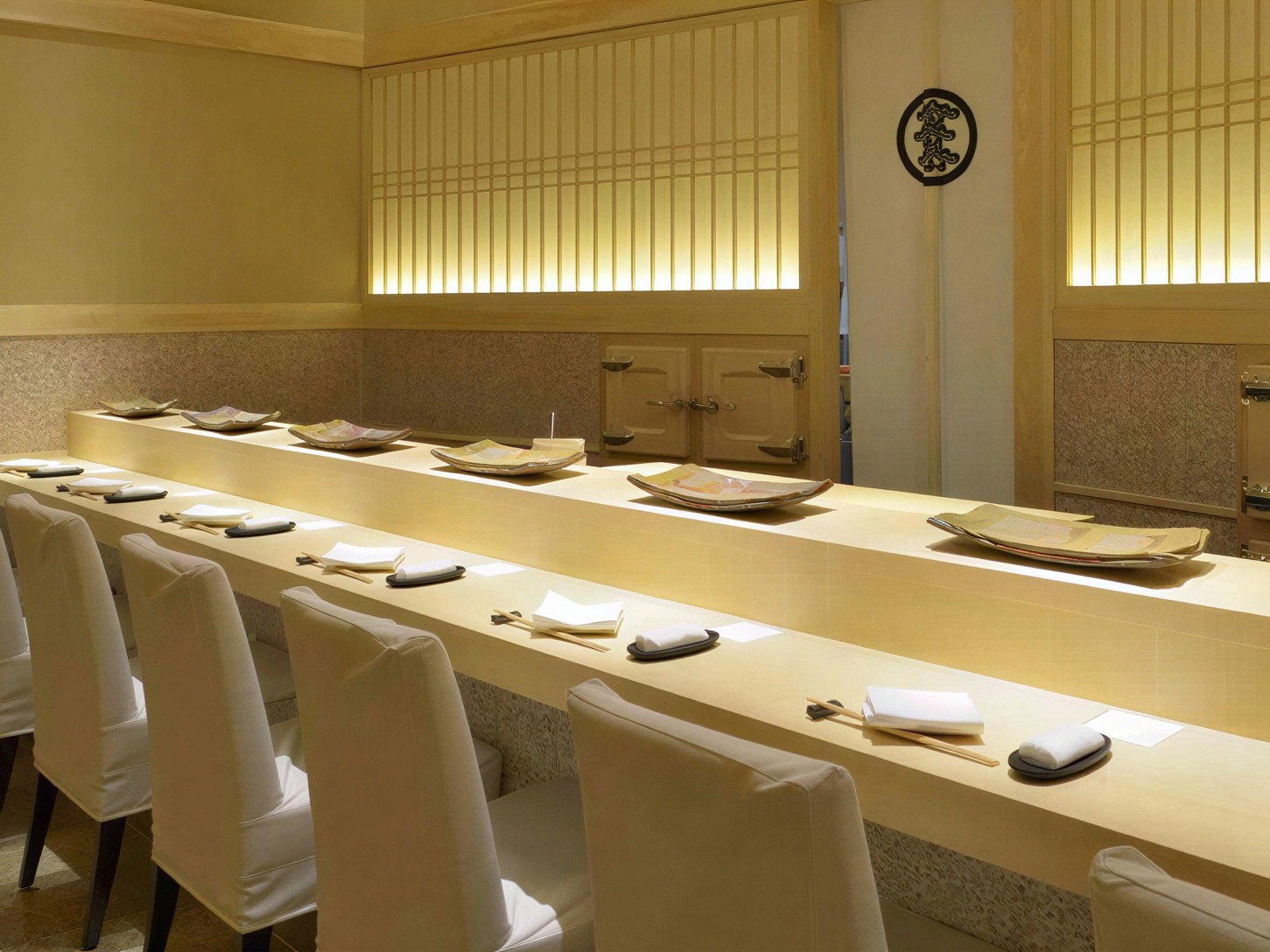
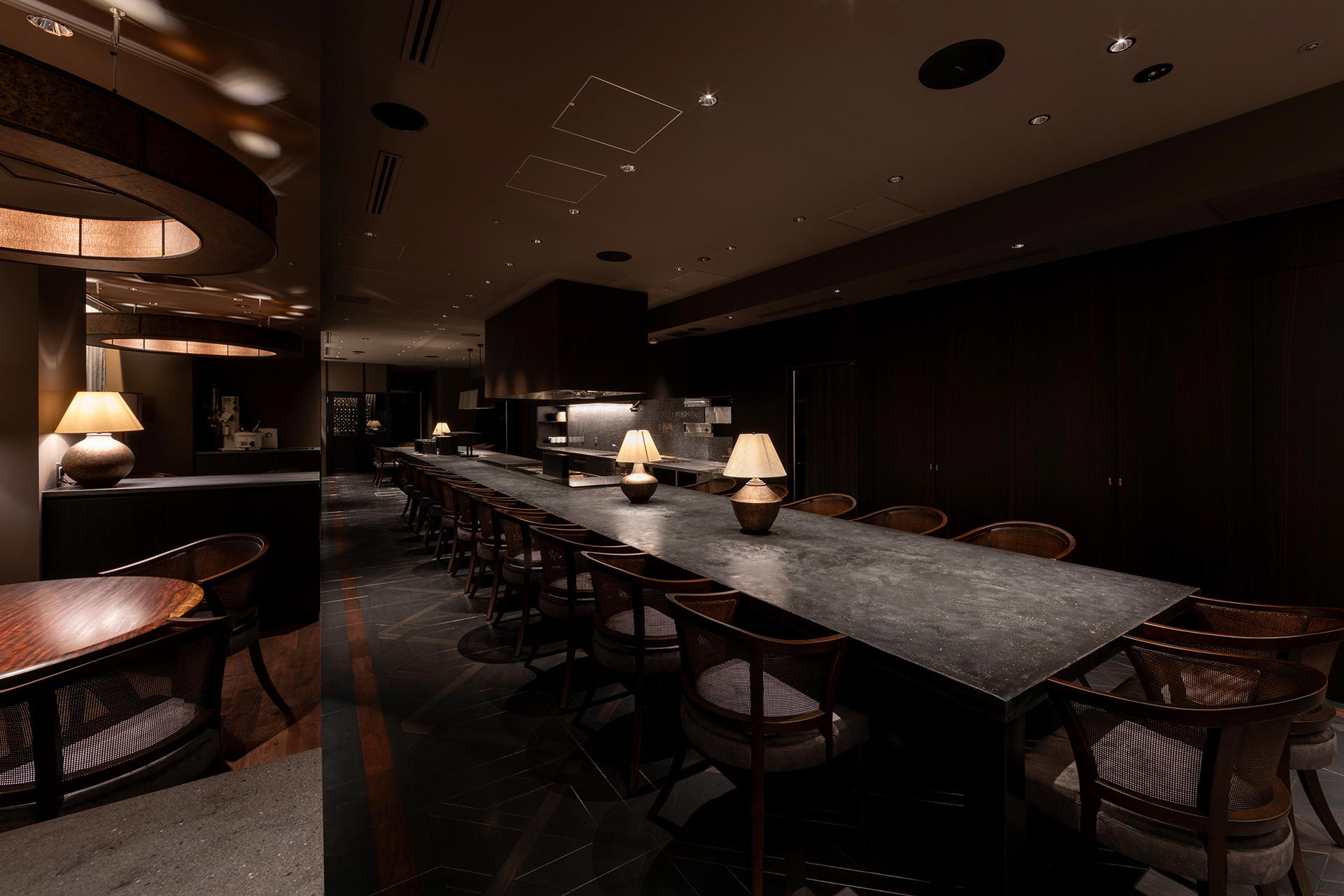
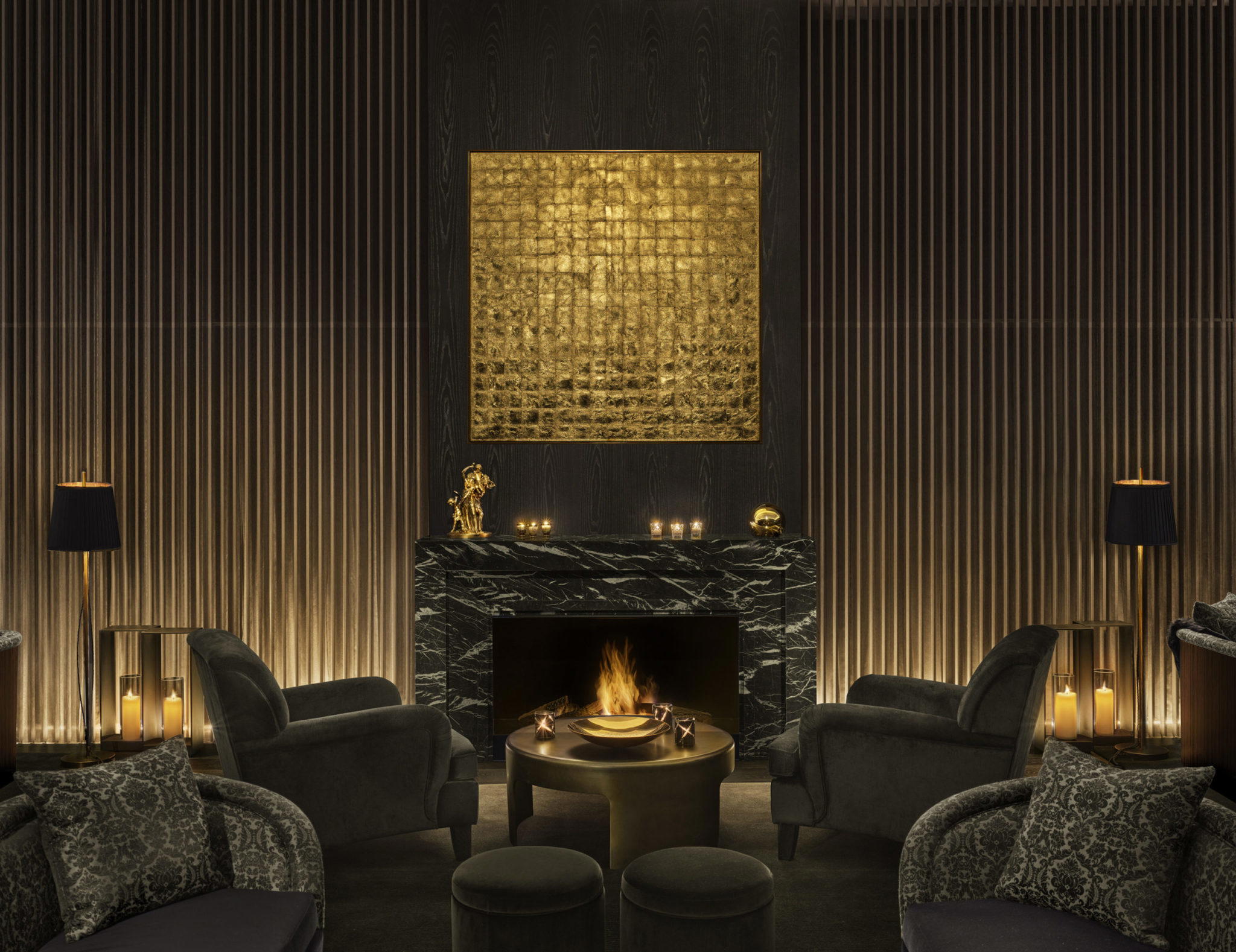
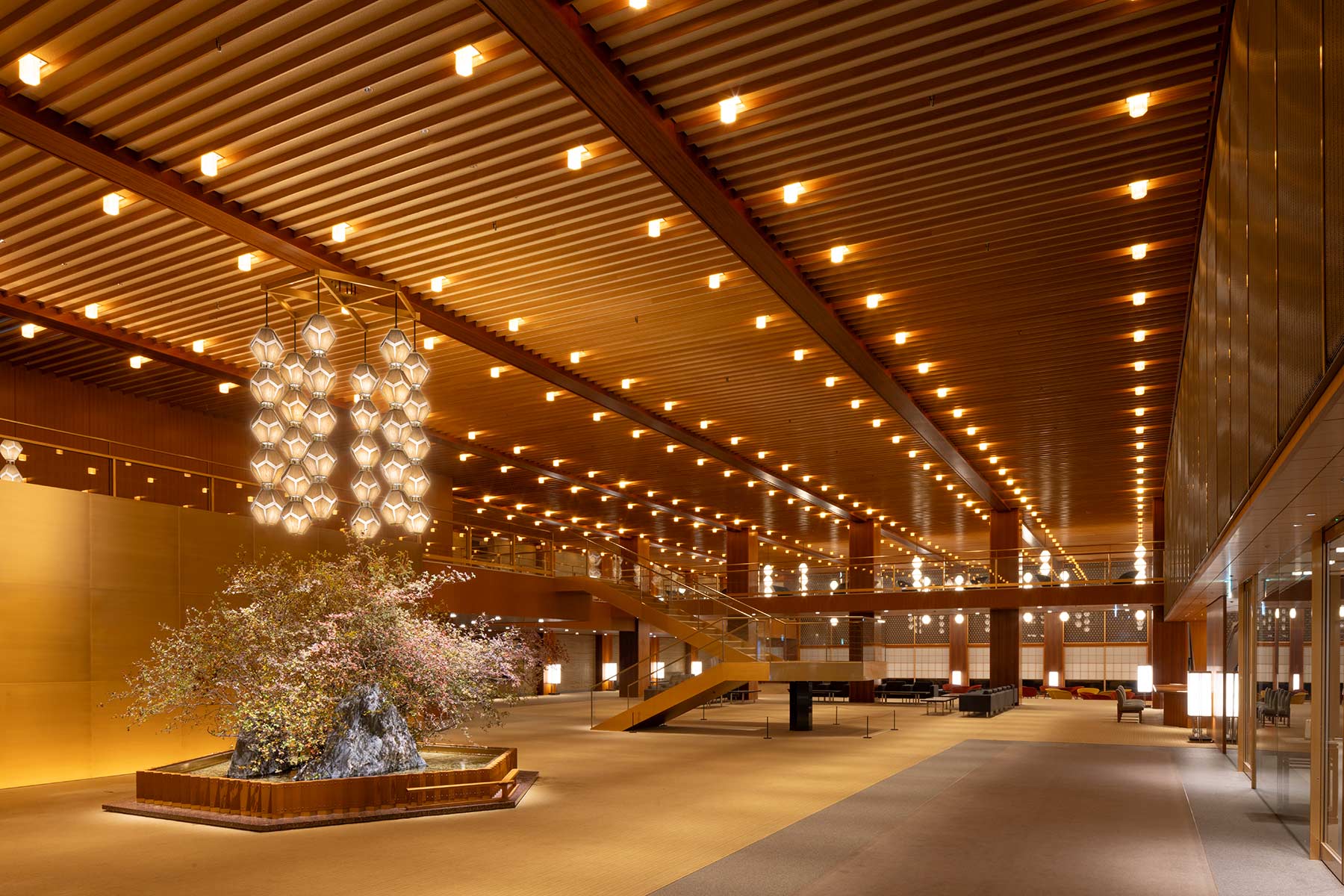
Traditional Japanese restaurant inside Akasaka Biz Tower with tatami rooms and calm, polished service; the atmosphere is quiet to conversational and well-suited to business dinners, formal gatherings, and leisurely hotpot meals.