
Hiroo Taishu Yakiniku Bouin Boushoku sits in Tokyo’s serious yakiniku tier without the ceremonial hush of high-end sushi or kaiseki. The draw is a reservation-only, 28-seat room in Hiroo with a Tabelog 100 Yakiniku Tokyo 2025 selection, a tripe-and-grill focus, and a dinner budget that keeps it in the premium casual bracket rather than the city’s luxury tasting-menu economy.
Pearl is the En Primeur Club membership app — saves, bookings, and concierge access live there. Same editors, same standards.
- Address
- 5 Chome-10-1 Hiroo, Shibuya, Tokyo 150-0012, Japan
- Phone
- +81 3-5422-7517
- Website
- yoyaku.toreta.in
 Saves & bookings on Pearl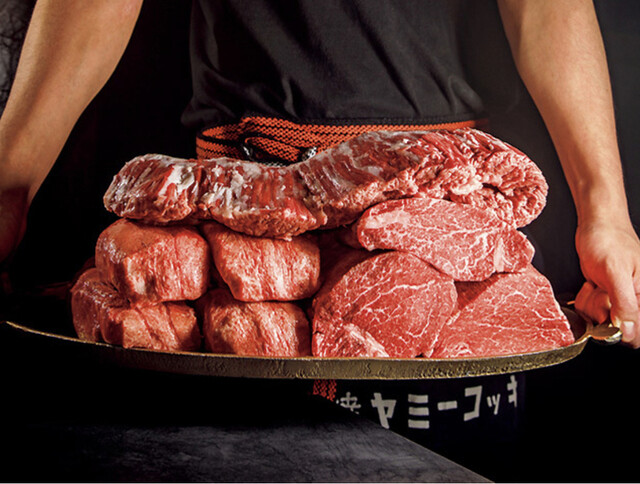
Hiroo’s dining rhythm changes after dusk: embassy-side calm gives way to small-room restaurants, narrow approaches, and the smell of charcoal moving through side streets. In that register, yakiniku is not a lesser form of Tokyo seriousness. It is a meal built by sequence, heat, timing, and appetite, with the table acting as both kitchen and stage. Hiroo Taishu Yakiniku Bouin Boushoku belongs to that category: compact, grill-led, and recognized in Tabelog 100 Yakiniku Tokyo 2025, a useful signal in a city where beef restaurants range from quick beer-and-hormone counters to polished rooms priced like sushi.
The name may read casual, but the market position is sharper than that. Tokyo’s premium dining conversation often defaults to omakase counters, yet yakiniku has its own hierarchy: sourcing, offal handling, ventilation, pacing, and the confidence to let guests cook without turning the room into a free-for-all. Here, the format points toward controlled informality rather than ceremony. That matters for travelers who want Tokyo beef culture without committing to the JPY 40,000-plus sushi tier represented by comparison counters such as sushi riku or the more formal sushi bracket of Sushi Yuki.
A yakiniku meal shaped by progression rather than spectacle
Good yakiniku is not just a parade of beef. The better meals work by escalation: lighter cuts, fattier slices, offal, sauce, rice, pause, and another round of smoke. The category rewards diners who pay attention to order as much as quantity. Hiroo Taishu Yakiniku Bouin Boushoku is listed for yakiniku and tripe, which places it closer to Tokyo’s meat-specialist tradition than to a broad izakaya grill. Tripe is not filler in this context; it is a test of prep, texture, and confidence, especially in a city where diners understand the difference between novelty offal and properly handled horumon.
The dinner budget sits at JPY 8,000 to JPY 9,999, a revealing band for Tokyo. It is above casual chain yakiniku and below the city’s luxury beef rooms, which makes the editorial question less about extravagance and more about value within specialization. A Tabelog score of 3.59 and inclusion in the 2025 Tokyo yakiniku 100 list place it in a competitive local conversation rather than a tourist-facing one. That distinction matters. Tokyo restaurants do not need international awards to be serious; domestic list recognition can be a stronger indicator of where local diners are paying attention.
Compared with Italian dining at BOTTEGA or Korean cooking at HASUO, this is a different kind of premium meal: less about composed plates, more about the table’s rhythm. It also sits apart from tempura rooms such as 天てんぷら うち津, where the kitchen controls the tempo. Yakiniku makes the diner partially responsible, and that is part of the pleasure. The room can guide the meal, but the sequence succeeds when the table respects heat, timing, and restraint.
Hiroo gives the format a quieter frame
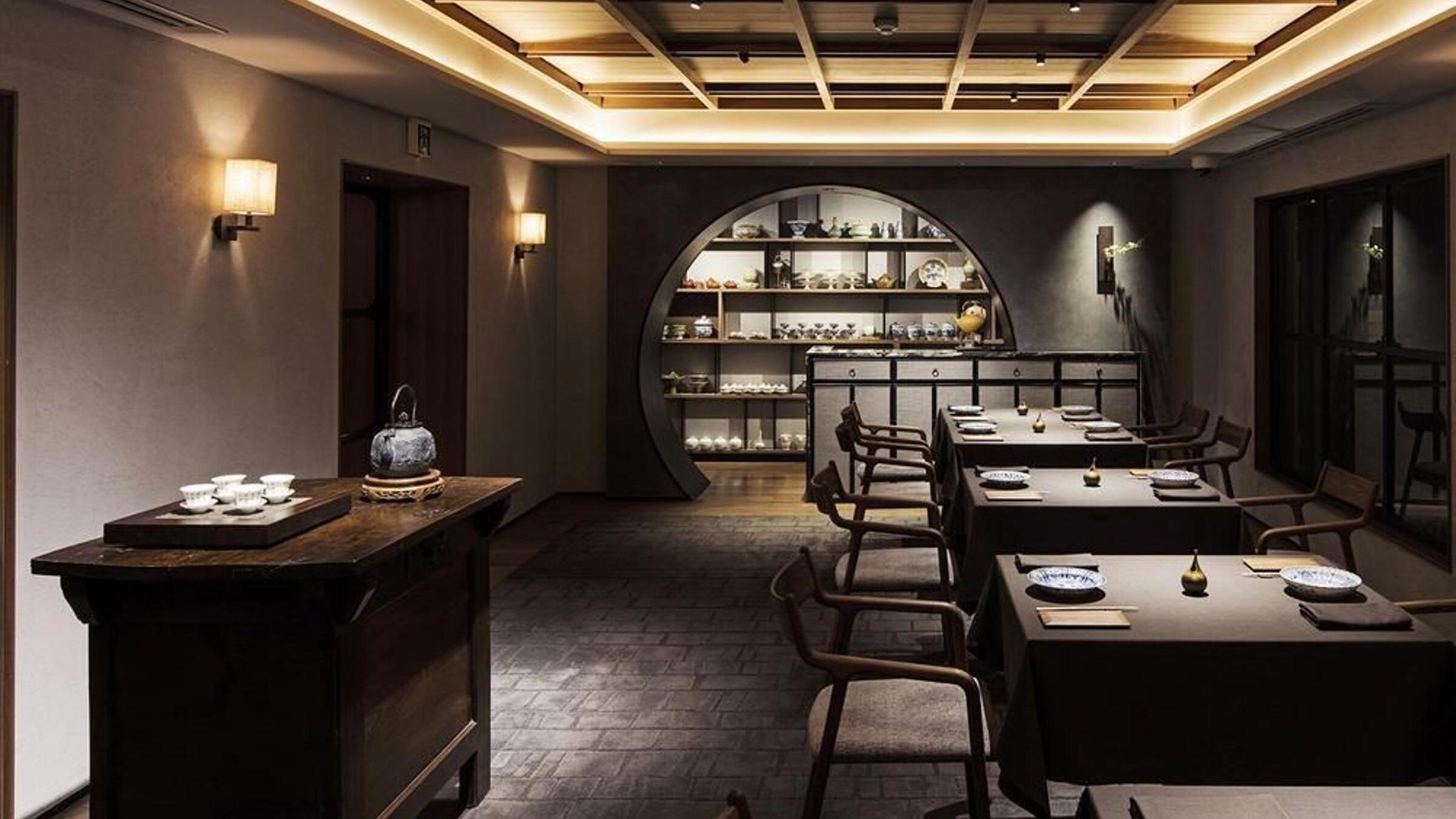
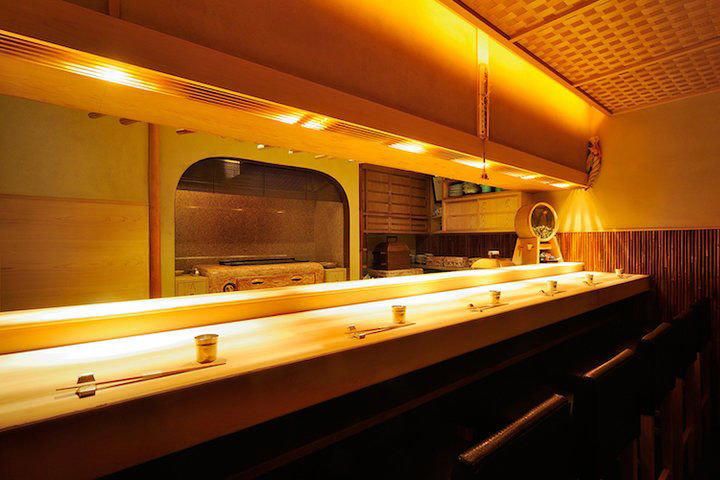
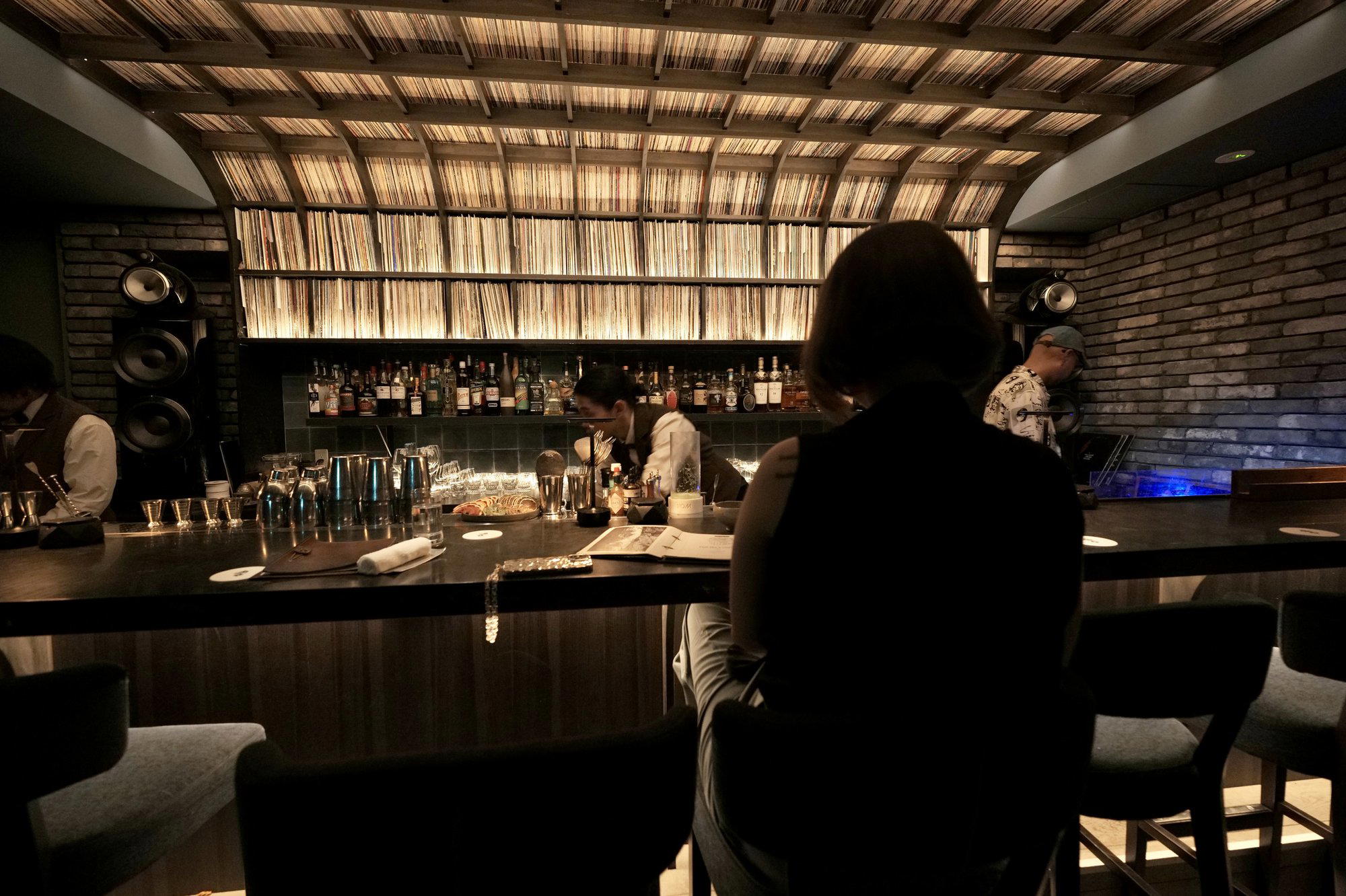
Hiroo is not Shinjuku, Ginza, or Ebisu, and that changes the mood. The neighborhood’s restaurant culture often feels residential rather than performative, with destination addresses folded into daily life rather than broadcast across nightlife blocks. A 28-seat yakiniku room in this part of Shibuya reads differently from a larger beef hall near a major terminal. It suits smaller groups, repeat local use, and visitors who prefer a meal with energy but not chaos.
The address near Hiroo Station also matters for how the evening feels. Tokyo beef dining can split between late-night volume and high-polish occasion rooms; this one occupies the middle: reservation-only, compact, non-smoking, and casual in dress. Private rooms are not part of the format, which reinforces the point. The experience is built around the shared room and the grill, not seclusion. Private use is available for larger parties, but the regular appeal is the scale: enough seats to carry atmosphere, not enough to erase the sense of a controlled small restaurant.
The full spread of restaurants is gathered in Our full Tokyo restaurants guide, while planning around the meal may also involve Our full Tokyo hotels guide, Our full Tokyo bars guide, Our full Tokyo wineries guide, and Our full Tokyo experiences guide. Tokyo’s appeal is cumulative: a grill dinner in Hiroo can share an itinerary with charcoal seafood at. 鮪と炭火焼き うお炭 秋葉原店, yakitori at 124. KAGURAZAKA (Yakitori), curry at 3 Chome no Curry Ya San, or the visual cafe culture of 2D Cafe.
Who should put this Hiroo grill dinner on the schedule
This is the smarter choice for diners who want Tokyo’s beef culture without turning dinner into a formal tasting-menu appointment. The selection in Tabelog 100 Yakiniku Tokyo 2025 supplies the trust signal; the price band defines the expectation; the 28-seat scale explains the likely intimacy of the room. It is not the right frame for travelers seeking a chef biography, a named signature course, or a long written menu narrative. The better way to read the meal is as a progression of cuts and textures, with tripe part of the identity rather than an optional curiosity.
It also suits mixed itineraries. A group might eat here after a day that includes 12/10 Shinjuku ten on another night, or contrast Tokyo’s grill culture with beef sukiyaki in Kanagawa at -Grilled beef Sukiyaki- KAMAKURA TANUKIAN 鎌倉 たぬき庵 in Kamakura. For a wider Japan route, the contrast extends naturally to.cafe in Osaka.know in Kumamoto, (Shoku) Vietnam in Kawasaki, [Curry Senmon Ten] Maruyama Kyoju. in Sapporo, and [ki:] in Kyoto. Even outside Japan, Japanese dining formats travel in revealing ways, from Jōdo Saké Bar in Los Angeles to Onigiri Time in Pasadena, but Tokyo remains where categories such as yakiniku are judged with particular precision.
The critical case for Hiroo Taishu Yakiniku Bouin Boushoku is simple: it gives visitors a local, recognized yakiniku experience in a neighborhood that keeps the evening composed. The meal’s arc depends on appetite and sequencing, not theatrical service. In Tokyo, that can be the more interesting decision.
Style and Standing
Comparable venues at the same tier.
| Venue | Cuisine | Price | Notes |
|---|---|---|---|
| Hiroo Taishu Yakiniku Bouin BoushokuThis venue — the venue you are viewing | Taishu yakiniku (Japanese BBQ) | $$$ | Not listed |
| モリ | Traditional Japanese Cuisine | $$$ | Shibuya |
| Tori Ryori Fuji | Japanese chicken cuisine (tori ryori) | $$$ | Shinagawa |
| 食堂とだか | Modern Japanese Izakaya | $$$ | Shinagawa |
| Koko ni Motodaka | Contemporary Japanese Izakaya | $$$ | Shinagawa |
| Akasaka Misuji | Modern Yakiniku (Japanese BBQ) by Yoroniku | $$$ | Minato |
Recognition history
Dated appearances from independent guides and award organizations, with the underlying list record or original source where available.
Tabelog 100 #26 · No. 26
Tabelog · Tabelog 100 - Yakiniku - TOKYO - 2025












At a Glance
- Lively
- Cozy
- Trendy
- Group Dining
- Casual Hangout
- After Work
- Celebration
- Date Night
- Standalone
- Beer Program
Current opening hours
- Monday
- 5:45–11 PM
- Tuesday
- 5:45–11 PM
- Wednesday
- 5:45–11 PM
- Thursday
- 5:45–11 PM
- Friday
- 5:45–11 PM
- Saturday
- 5:45–11 PM
- Sunday
- 5:45–11 PM
Hours can change for holidays and private events. Last verified .
Casual, tightly packed yakiniku dining room with an energetic, lively atmosphere where guests are encouraged to come hungry and choose meat and drinks rather than linger quietly.