
Koenji’s curry scene rewards small rooms, quick decisions, and precise planning. negombo33 Kouenji fits that pattern with an 8-seat format, curry and Indian curry categories, Tabelog Curry TOKYO 100 selections in 2023 and 2024, and pricing in the JPY 1,000–1,999 band for lunch and dinner.
Pearl is the En Primeur Club membership app — saves, bookings, and concierge access live there. Same editors, same standards.
- Address
- 東京都杉並区高円寺南4-44-3 マーキュリービル 1F
- Phone
- +81359137650
- Website
- negombo33.com
 Saves & bookings on Pearl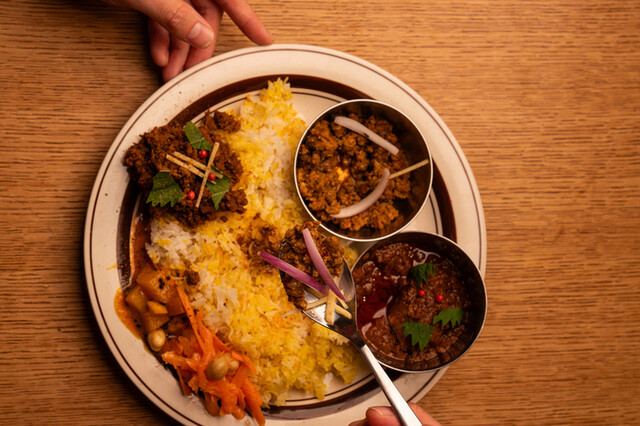
Approaching Koenji from the station side, the dining rhythm changes fast: record shops, inexpensive counters, coffee rooms, and curry specialists sit close enough that a meal can feel decided by timing as much as appetite. Tokyo’s curry culture has long moved beyond a single Japanese-style roux template; in neighbourhoods like Koenji, the category splits into Indian curry, spice-curry hybrids, café formats, and compact lunch-and-dinner rooms where turnover and regulars matter.
negombo33 Kouenji belongs to that compact end of the spectrum. The room is small, the format is casual, and the cooking sits in the curry, Indian curry, and café lane rather than the tasting-menu economy that defines much of Tokyo’s international restaurant coverage. Its selection for Tabelog Curry TOKYO 100 in both 2023 and 2024 gives it a useful signal in a city where curry is crowded, opinionated, and heavily local. The point is not ceremony; it is whether the kitchen can make a low-ticket meal feel specific enough to justify planning around a queue or a narrow seating window.
Koenji curry works on timing, not theatre
Koenji is not Ginza with a cheaper costume. Its food culture is built around smaller footprints, station-adjacent convenience, and independent places that serve locals first. That matters for curry because the category often rewards speed and repetition: a kitchen can build a following on a focused plate, a café rhythm, and a price point that makes return visits plausible. In that context, negombo33 Kouenji’s 8-seat scale is not a decorative detail. It defines the experience: low capacity, little slack, and a meal that depends on arriving with realistic expectations.
The competitive set nearby shows how varied Koenji’s casual dining economy has become. ERICK SOUTH KOENJI CURRY&BIRYANI CENTRE sits in a curry-and-biryani bracket with dinner pricing listed at JPY 2,000–2,999 and lunch at JPY 1,000–1,999, while CURRY SHOP Kujira Kouenji occupies the same JPY 1,000–1,999 band as negombo33 Kouenji. Dashi to Men Yuei and Tokoi sit lower on listed lunch spend, and Koenji Yakiniku Kokochi Ichiba ten moves into a different dinner category entirely. That spread explains why curry remains a serious reader decision in Tokyo: it can be a quick station meal, a destination bowl, or a neighbourhood habit, and the price alone does not settle the hierarchy.
For broader planning, readers comparing curry with other Tokyo formats can cross-check 3 Chome no Curry Ya San, yakitori at 124. KAGURAZAKA (Yakitori), casual visual-café dining at 2D Cafe, or izakaya-leaning seafood at . 鮪と炭火焼き うお炭 秋葉原店. Tokyo rewards category discipline; a curry lunch and a yakitori dinner answer different questions.
The appeal is a tight curry-and-café format
The useful reading of this address is not as a luxury restaurant in miniature. It is a small curry room with café associations and practical accommodations that matter to travellers: vegan options, gluten-free options, take-out, delivery, an English menu, and English-speaking staff are all listed service signals. In Tokyo’s casual specialist scene, those details reduce friction without turning the meal into an internationalized hotel-dining experience.
The pricing also tells a story. With lunch and dinner both listed at JPY 1,000–1,999, the restaurant sits in a band where expectations should be calibrated to precision and consistency rather than luxury infrastructure. There are no private rooms, no private-use format, no parking, and no service charge listed. Cards, transport IC cards, several electronic-money systems, and QR payments are accepted, a useful shift for visitors used to Tokyo’s older cash-first counter culture.
Tabelog’s Curry TOKYO 100 recognition matters here because it filters a category with deep local competition rather than rewarding a broad fine-dining package. A 2024 selection, following a 2023 selection, places the restaurant inside a sustained Tokyo curry conversation. It does not mean the experience is slow, grand, or built for lingering. It means the room has enough category credibility to be considered alongside the city’s stronger curry specialists.
How to fold it into a Tokyo eating day
The sharper move is to treat Koenji as a neighbourhood stop, not an isolated detour. The station sits on the JR Chuo Line, and the restaurant is listed a short walk from Koenji Station’s south exit, which makes it more practical before or after exploring the area’s vintage shops, live-house culture, and café circuit. The format suits a day built around casual Tokyo rather than a sequence of formal reservations.
Because capacity is tight, the planning logic is simple: avoid building an entire day around a single small curry room unless timing is flexible. A lunch attempt can pair well with west-side Tokyo plans; an evening plan needs a backup in the same price tier. That backup is another Koenji curry address, a ramen stop, or a shift into Shinjuku, where 12/10 Shinjuku ten gives a different read on Tokyo’s casual dining range.
For a wider city edit, use Our full Tokyo restaurants guide alongside Our full Tokyo hotels guide, Our full Tokyo bars guide, Our full Tokyo wineries guide, and Our full Tokyo experiences guide. Travellers extending the comparison beyond Tokyo can look at [Curry Senmon Ten] Maruyama Kyoju. in Sapporo, [ki:] in Kyoto.cafe in Osaka.know in Kumamoto, (Shoku) Vietnam in Kawasaki, and -Grilled beef Sukiyaki- KAMAKURA TANUKIAN 鎌倉 たぬき庵 in Kamakura. For a Japanese-food thread outside Japan, Jōdo Saké Bar in Los Angeles and Onigiri Time in Pasadena show how a different city frames casual Japanese formats.
Cuisine Context
Comparable venues at a glance for context.
| Venue | Cuisine | Price | Notes |
|---|---|---|---|
| negombo33 KouenjiThis venue — the venue you are viewing | Indian-style curry & café | $$ | Not listed |
| Spicy Curry House Hangetsu | Indian Curry | $$ | Shinjuku |
| raffles curry | Indian Curry | $$ | Taitō |
| Spicy Curry House Ginza Hangetsu | Indian Curry House | $$ | Chūō |
| GURGAON | Traditional North Indian Curry House | $$ | Chūō |
| KHAN KEBAB BIRYANI | Halal Indian & Pakistani Curries, Kebabs and Biryani | $$ | Chūō |
Recognition history
Dated appearances from independent guides and award organizations, with the underlying list record or original source where available.
Tabelog 100 #55 · No. 55
Tabelog · Tabelog 100 - Curry - TOKYO - 2024












At a Glance
- Cozy
- Intimate
- Bohemian
- Solo
- Casual Hangout
- After Work
- Late Night
- Standalone
- Street Scene
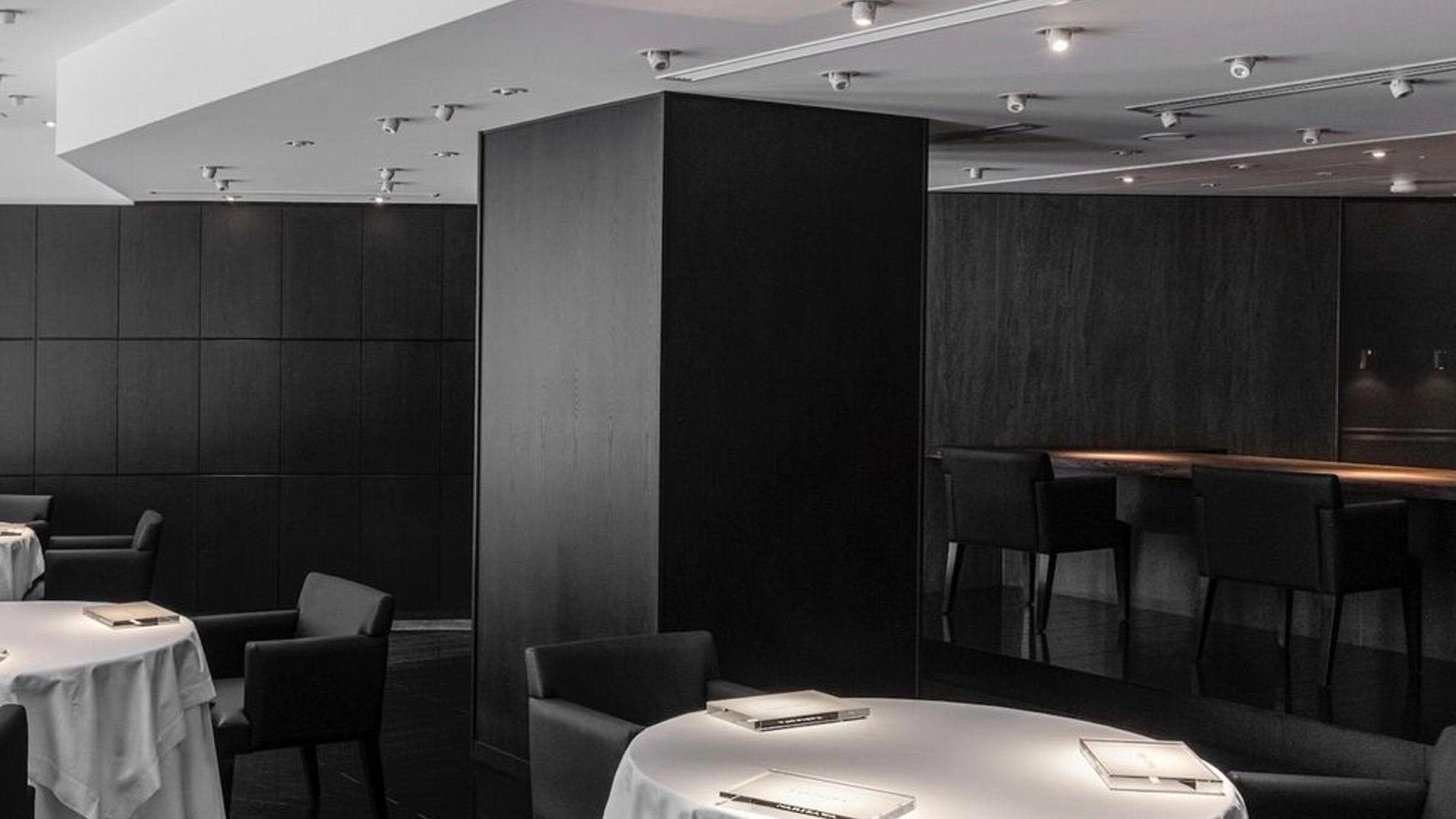
A small, cozy curry shop with a calm café-like interior and just a few two-top tables, creating an intimate, relaxed atmosphere rather than a bustling restaurant feel.