
A seven-seat counter in Taito puts Tokyo curry into a compact, occasion-friendly format: low ceremony, high focus, and a Tabelog Curry TOKYO 100 selection in both 2023 and 2024. raffles curry is useful for diners who want a celebratory meal without the formality or cost structure of Ginza tasting-menu dining.
Pearl is the En Primeur Club membership app — saves, bookings, and concierge access live there. Same editors, same standards.
- Address
- 東京都台東区台東4-29-10 第二さたけビル 1F
- Phone
- +81338352712
- Website
- tabelog.com
 Saves & bookings on Pearl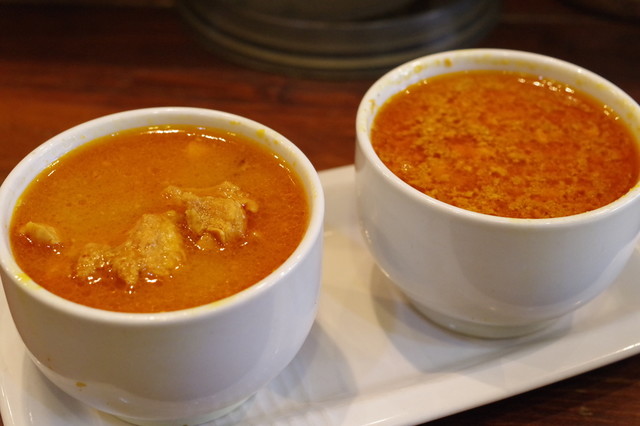
Approaching a small counter curry shop in eastern Tokyo brings a different anticipation from entering a hotel dining room or polished kappo counter. The signal is not linen, glassware, or a long service arc, but compression: a narrow room, a short sightline to the kitchen, and a meal governed by rhythm rather than ceremony. In Taito, curry belongs to everyday city dining, yet the strongest addresses have become serious destinations for diners who measure a special meal by focus, not theatre.
That distinction matters. Tokyo celebration dining is often framed by sushi counters, wagyu rooms, French tasting menus, and kaiseki, but curry offers a sharper alternative for certain occasions: a birthday lunch between friends, a low-key anniversary before a bar reservation, or a return to a neighbourhood that rewards appetite over display. raffles curry fits that register, with seven counter seats and a place on Tabelog’s Curry TOKYO 100 list for 2023 and 2024. The format is modest; the recognition puts it in a serious citywide conversation.
A counter-scale celebration in Tokyo's curry culture
Tokyo curry is not one tradition. The city moves between Japanese curry rice, spice-led independent shops, Indian curry specialists, South Asian canteens, and hybrid rooms that borrow freely while keeping service fast and prices grounded. In that field, small counters have an advantage: they remove large-room distractions and place pacing close to the cooking. Seven seats also define the social tone. This is not for a large group or long-table toast; it suits two diners who want a concentrated meal and conversation that does not fight the room.
The category’s price logic is part of its appeal. At the same spend level, Tokyo offers cafés, ramen counters, standing bars, and casual set-meal restaurants. Curry’s advantage is density: spice, rice, sauce, heat, and texture can deliver the satisfaction of a more elaborate meal without a long sitting. For travellers building a day around Ueno, Okachimachi, Akihabara, or Asakusa, this restaurant can anchor an itinerary without taking it over. For broader planning, Our full Tokyo restaurants guide gives the wider frame, while nearby casual options such as . 鮪と炭火焼き うお炭 秋葉原店 show how compact Tokyo dining can swing from seafood and charcoal to spice within a short urban radius.
The occasion angle is not grandeur; it is choosing the right level of attention. A curry counter with no private rooms and a tight seat count asks diners to bring the same punctuality and consideration they would to a formal counter, even when the bill sits in a casual bracket. Tokyo’s useful lesson: seriousness is not always priced as luxury, and luxury is not always the right mood for a meaningful meal.
How it compares with Tokyo's casual-specialist tier
In the same broad spend band, 3 Chome no Curry Ya San gives curry travellers another Tokyo reference point, while VEG KITCHEN operates in a similar JPY 1,000 to JPY 1,999 bracket. Hasu no Sato Shin okachimachi honten pushes dinner higher while keeping lunch accessible, making it a different decision in the same neighbourhood orbit. These comparisons clarify the appeal: raffles curry is not competing with multi-course destination dining. It belongs to the city’s small-format specialist tier, where repeat selection and counter discipline matter more than breadth.
That tier helps explain why Tokyo rewards obsessive eating schedules. A day can move from curry counter to yakitori, coffee, or a bar without a formal reset. 124. KAGURAZAKA (Yakitori) sits in another tradition, but the principle holds: focused formats often communicate more clearly than restaurants trying to cover too many moods. 12/10 Shinjuku ten and 2D Cafe show another side of the city, where concept and setting become part of the draw. Curry counters are usually less performative; the occasion comes through selection, timing, and the pleasure of bringing the right person to a small room.
For visitors mapping a full Tokyo stay, restaurants are only one layer. Pairing a counter meal with a serious cocktail stop from Our full Tokyo bars guide can make more sense than forcing a long dinner. Hotels shape the pace too, especially when crossing the city by rail; Our full Tokyo hotels guide is the practical companion. Other cultural registers sit beyond dining, from Our full Tokyo experiences guide to Our full Tokyo wineries guide, reminders that a small meal can be the hinge between larger plans rather than the whole performance.
Who should choose this room
Choose this counter for a celebration that does not need speeches. It is strongest for diners who value concentration, quick access to the cooking, and a room where the meal stays central. It is less suited to guests needing flexible seating, elaborate wine service, or a private corner. The Tabelog Curry TOKYO 100 recognition gives the address a credible marker in a crowded category, but the better reason to go is more specific: Tokyo’s curry scene can turn a modest lunch or dinner into a pointed, memorable occasion without copying fine-dining rituals.
The same logic travels across Japan. A curry specialist in Sapporo such as [Curry Senmon Ten] Maruyama Kyoju. in Sapporo, a Kyoto room like [ki:] in Kyoto, or regional addresses such as.cafe in Osaka and.know in Kumamoto show how Japan’s casual-specialist restaurants resist easy hierarchy. They are not substitutes for formal dining; they answer a different question. The same is true outside Tokyo, from -Grilled beef Sukiyaki- KAMAKURA TANUKIAN 鎌倉 たぬき庵 in Kamakura to (Shoku) Vietnam in Kawasaki, where the right format depends on the meal’s mood rather than attached prestige.
For overseas readers, the comparison helps. Los Angeles and Pasadena have developed their own small-format Japanese dining culture, with addresses such as Jōdo Saké Bar in Los Angeles and Onigiri Time in Pasadena showing how tightly edited menus can create occasion without formality. Tokyo has been fluent in that language for decades. raffles curry belongs to that conversation: compact, specific, and better for a purposeful meal than a grand night out.
Nearby-ish Comparables
Comparable venues side-by-side for orientation.
| Venue | Cuisine | Price | Notes |
|---|---|---|---|
| raffles curryThis venue — the venue you are viewing | Indian Curry | $$ | Not listed |
| AJANTA | Long-established Pure Indian Curry House | $$ | Chiyoda |
| Eric South Toukyou gaaden terasu ten | South Indian Curry & Biryani | $$ | Chiyoda |
| Ooiwa Shokudo | South Indian curry & Sri Lankan-style spice dishes | $$ | Suginami |
| GURGAON | Traditional North Indian Curry House | $$ | Chūō |
| Bangera's Kitchen | Mangalorean South Indian coastal cuisine | $$ | Chiyoda |
Recognition history
Dated appearances from independent guides and award organizations, with the underlying list record or original source where available.
Tabelog 100 #37 · No. 37
Tabelog · Tabelog 100 - Curry - TOKYO - 2024








At a Glance
- Cozy
- Intimate
- Classic
- Solo
- Casual Hangout
- Standalone
- Beer Program
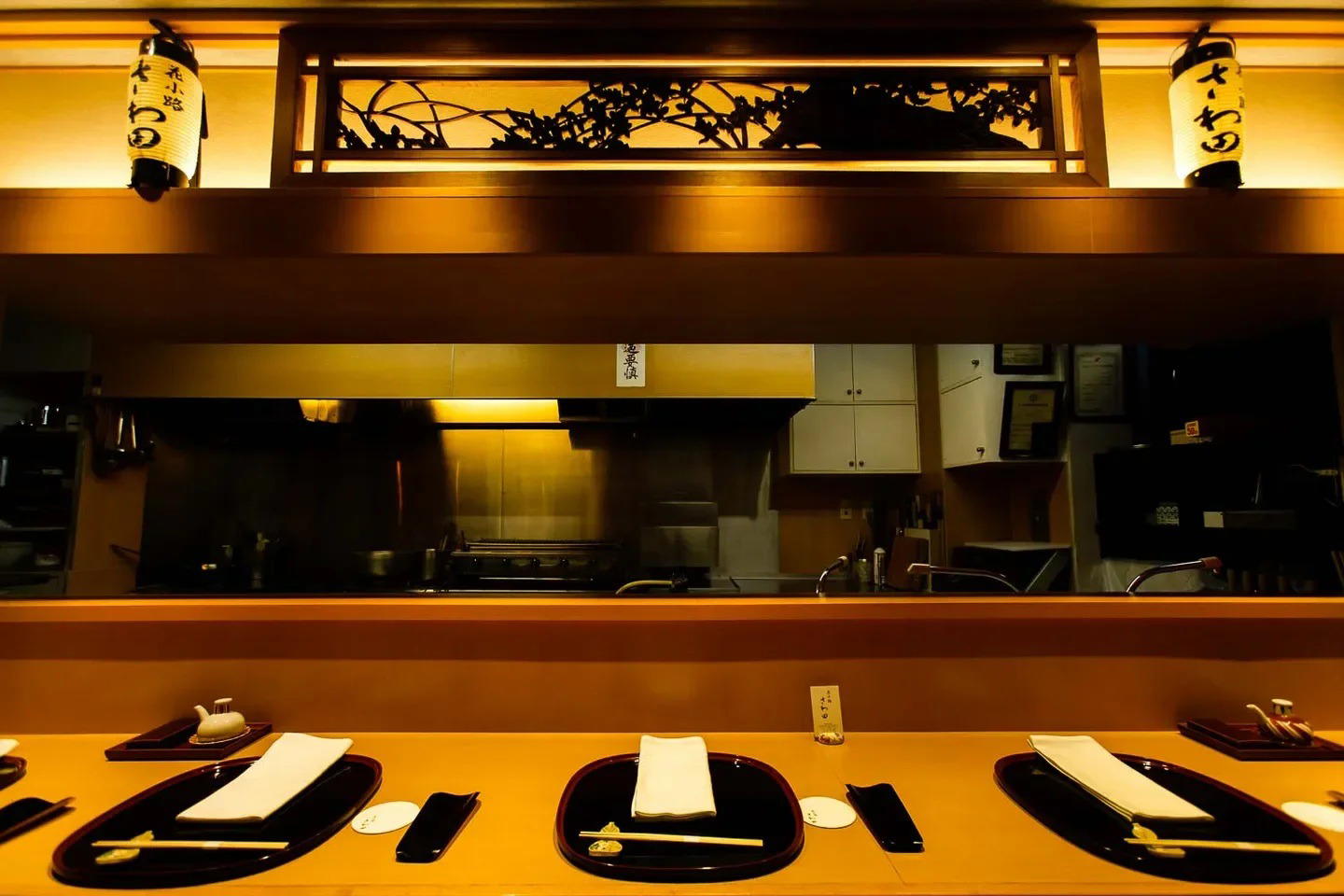
Small, focused, and intimate curry shop atmosphere with counter seating and a low-key, neighborhood feel.