

1 Michelin Star · Falstaff Restaurant - 95 Falstaff Points
Our verdict
A Michelin-starred timber farmhouse outside Altaussee, Geiger Alm runs a four-to-eight course set menu anchored in Alpine regional produce and seasonal sourcing. Seats are limited and evenings-only Tuesday through Saturday, which makes early booking essential. The combination of Dominik Utassy's kitchen discipline and Eva-Maria Utassy's floor expertise positions it at the serious end of the Salzkammergut dining scene.

Pearl is the En Primeur Club membership app — saves, bookings, and concierge access live there. Same editors, same standards.
- Address
- Lichtersberg 85, 8992 Ramsau, Austria
- Phone
- +43 660 9390028
- Hours
- Mon ClosedTue–Sat 6 PM–12 AMSun Closed
- Website
- geigeralm.at
- Directions
- Get directions
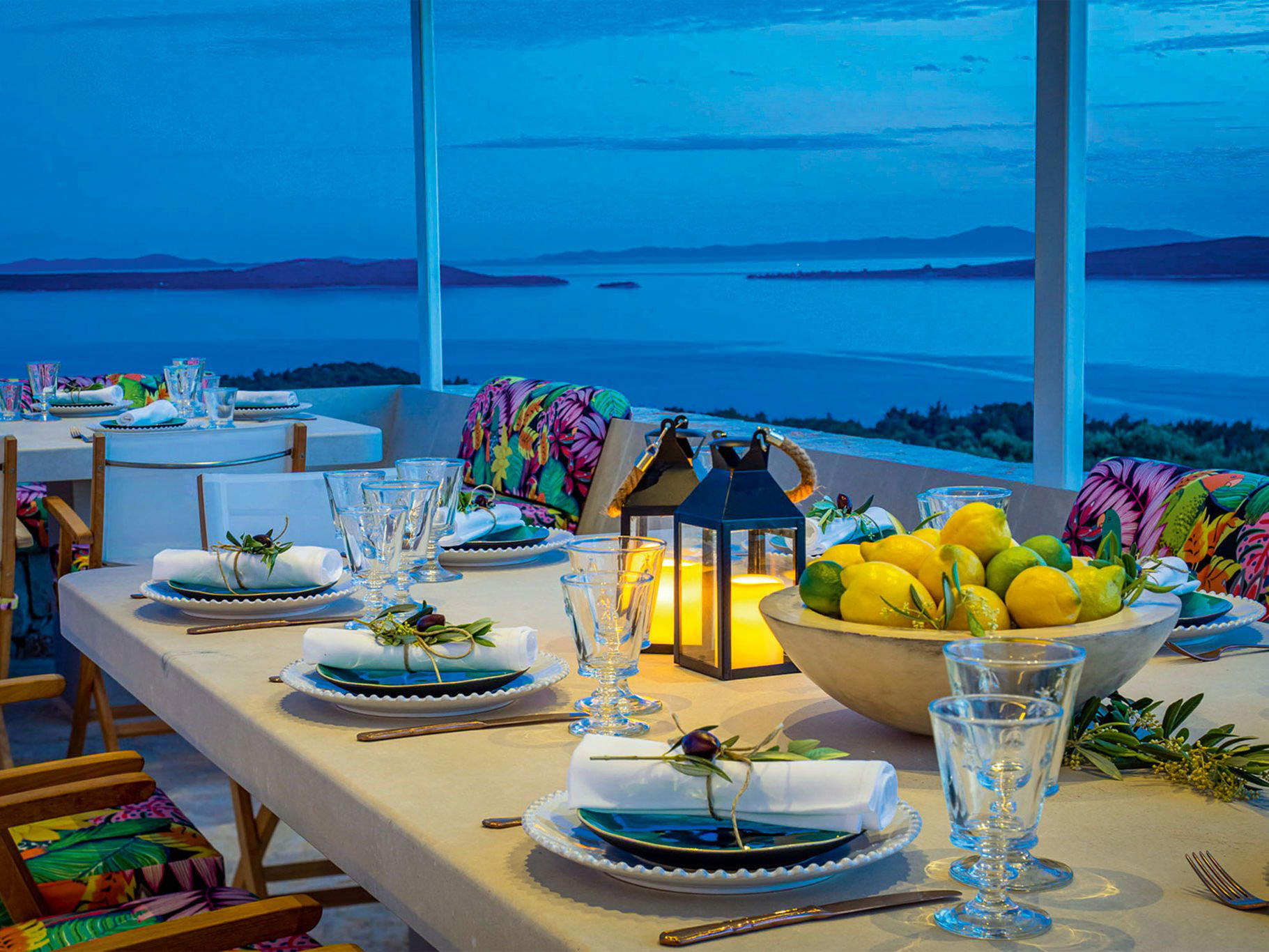
A Timber Building, a Mountain Valley, and the Logic of Sourcing from the Ground Up
The approach to Geiger Alm sets the terms for what follows inside. The restaurant occupies a quaint old timber building in Lichtersberg, a quiet address outside Altaussee in the Styrian Salzkammergut, a region where the agricultural calendar still governs what ends up on the plate. Before a single course arrives, the physical context does editorial work: this is a part of Austria where the distance between a field or forest and a kitchen is measured in kilometres, not supply chains. That compression of geography into cuisine is the defining logic of the leading Alpine set-menu cooking, and Geiger Alm applies it without theatre.
Austria's mountain restaurant tier has grown more competitive over the past decade. Starred rooms that once relied on regional identity as a novelty now have to demonstrate genuine ingredient discipline to hold their position. In that context, a Michelin star awarded in 2024 at a small-capacity farmhouse address is a specific credential: it signals that the sourcing and cooking meet the standard expected of the country's serious creative kitchens, not merely its most scenic ones. For reference on the broader Austrian field, Steirereck im Stadtpark in Vienna and Döllerer in Golling an der Salzach occupy higher star tiers in that national hierarchy, while Geiger Alm sits in the one-star cohort that has proved the most interesting to watch across the alpine corridor.
What the Set Menu Tells You About Where the Ingredients Come From
The kitchen runs a four-to-eight course set menu, with a vegetarian version available alongside the main progression. That format, standard among Austria's serious creative kitchens, concentrates the sourcing argument: every course has to earn its place in a composed sequence, which means Dominik Utassy cannot rely on à la carte volume to absorb ingredient inconsistency. The selection of produce has to be precise because there is nowhere to hide a weak supplier within a structured menu. Regional culinary tradition and seasonal produce are the explicit framework, which in the Salzkammergut context means freshwater fish from Alpine lakes, game from surrounding forests, dairy with genuine mountain-pasture provenance, and vegetables that follow the short but intense growing season at elevation.
This sourcing orientation connects Geiger Alm to a recognisable movement across the Alpine arc. At Gourmetrestaurant Tannenhof in Sankt Anton am Arlberg and Griggeler Stuba in Lech, the same commitment to altitude-specific ingredients drives menus that treat geography as both constraint and advantage. The constraint is the brevity of the season; the advantage is the intensity that comes from produce grown slowly at elevation. Geiger Alm draws from the same playbook, adapted to the Styrian side of the Alps rather than the Tyrolean or Vorarlberg variants. Compared to the herb-forward approach at Kräuterreich by Vitus Winkler in Sankt Veit im Pongau, or the classical Austrian register at Landhaus Bacher in Mautern an der Donau, the Geiger Alm approach sits in the creative-but-rooted middle ground: technique in service of place rather than technique as the point itself.
Internationally, the creative set-menu format using hyperlocal produce has benchmarks in places like Arpège in Paris, where Alain Passard's vegetable sourcing from his own kitchen gardens redefined what ingredient-led cooking could look like, and Alléno Paris au Pavillon Ledoyen, where extraction techniques amplify terroir-specific flavour. Geiger Alm operates at a smaller scale and in a very different register, but the underlying commitment to knowing where ingredients come from before deciding what to do with them is a shared orientation.
The Room, the Service, and the Logic of Limited Seats
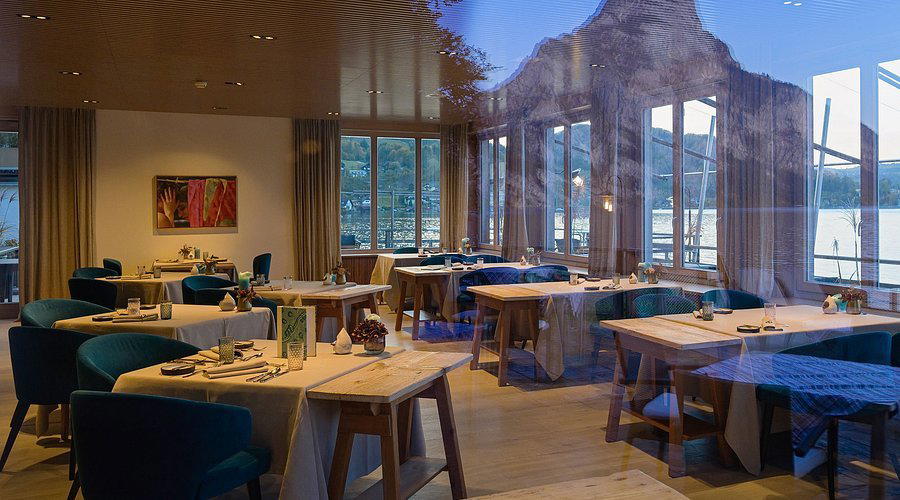
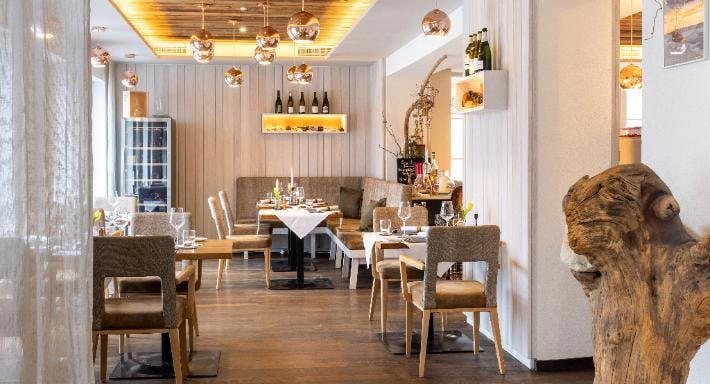
Alpine-style interior, a timber frame with the accumulated warmth of an old agricultural building: the Michelin notes describe the room as having a distinctly cosy, rustic character, and the building itself lends credibility to that description without any manufactured effect. This is not a new hotel restaurant that has been dressed to look old. The physical fabric of the space is the atmosphere.
Eva-Maria Utassy manages the floor, and the service model here matters as much as the kitchen output. Wine recommendations offered with what Michelin describes as unaffected charm suggest a program that is curated rather than exhaustive, and guidance that treats guests as participants in the meal rather than customers to be sold to. Austria's wine scene has deepened considerably over the past fifteen years, with Styrian white wine in particular earning serious international attention; a floor team that knows how to connect regional wine to a regionally-anchored menu is doing editorial work with every pour.
Seat count is limited. The Michelin entry advises early booking explicitly, and that advice should be taken seriously. Small-capacity rooms in rural Austrian addresses are not over-resourced for walk-ins; they run tight services by design. This is the structural opposite of a hotel dining room that can absorb a table of six without warning. The format rewards planning. Service runs Tuesday through Saturday from 6 PM to midnight, with Sunday and Monday closed. That Tuesday-to-Saturday window is narrow enough that availability compresses quickly, particularly in summer when the terrace opens and the surrounding Altaussee landscape adds a dimension that the interior cannot replicate.
Where Geiger Alm Sits in the Altaussee and Salzkammergut Dining Scene
Altaussee is not a large town, and its dining scene is correspondingly concentrated. The presence of a Michelin-starred creative kitchen here reflects a broader pattern across the Salzkammergut: serious gastronomy has followed the same trajectory as serious outdoor tourism in the region, moving toward specialist, high-quality, low-volume formats that match the character of the landscape. Stefan Haas Fine Dine represents the other significant fine dining address in the town, and together the two rooms define what serious eating in Altaussee currently means.
For visitors building a longer programme in the area, the full scope of what Altaussee offers is covered in our full Altaussee restaurants guide, alongside our full Altaussee hotels guide, our full Altaussee bars guide, our full Altaussee wineries guide, and our full Altaussee experiences guide. The region rewards staying rather than visiting on a single evening; the Geiger Alm dinner makes most sense as part of a wider engagement with the Salzkammergut rather than as a detour from a passing route.
Within Austria's broader creative kitchen circuit, the comparison set extends to Obauer in Werfen, Ois in Neufelden, Ikarus in Salzburg, and Restaurant 141 by Joachim Jaud in Mieming. Each operates in a different register and at a different star level, but all belong to the tier of Austrian cooking that has moved beyond simple regionalism into a considered creative dialogue with their ingredients and geography. Geiger Alm holds its own in that company on the basis of its 2024 Michelin recognition and the structural clarity of its format.
Planning Your Visit
Geiger Alm is at Lichtersberg 85, 8992 Ramsau, serving dinners from 6 PM to midnight, Tuesday through Saturday. Sundays and Mondays are closed. The four-to-eight course set menu format, with a vegetarian alternative, places it firmly in the evening-only, tasting-menu tier of Austrian dining. The price range is €€€€, consistent with the national starred cohort at this format and length. Given the limited seat count, booking as far ahead as practicable is the correct approach, particularly for summer visits when the terrace is available and demand from regional and destination visitors increases.
What Should I Eat at Geiger Alm?
The set menu is the only format available, and that is the right answer to the question. Dominik Utassy's kitchen holds a 2024 Michelin star for creative cooking that draws explicitly on regional culinary tradition and seasonal Alpine produce. The four-to-eight course progression means the kitchen decides the sequence; your decision is the length of the menu and whether to take the vegetarian version. Eva-Maria Utassy's wine guidance is worth engaging with: her recommendations are framed around the menu rather than driven by list margin, which makes the wine pairing route the more instructive one. Come with time, eat the full progression, and follow the floor team's guidance on wine. That is the format this kitchen is designed for.
Frequently asked questions
What should I budget for a meal at Geiger Alm?
Pricing at Geiger Alm is listed as €€€€.
| Venue | Cuisine | Awards |
|---|---|---|
| Geiger AlmThis venue — the venue you are viewing | Creative Seasonal Austrian Fine Dining | 1 Michelin Star · Falstaff Restaurant - 95 Falstaff Points |
| Steirereck im Stadtpark | Creative | Michelin 3 Star |
| Döllerer | Contemporary Austrian, Innovative | Michelin 2 Star |
| Ikarus | Modern European, Creative | Michelin 2 Star |
| Mraz & Sohn | Modern Austrian, Creative | Michelin 2 Star |
| Obauer | Classic Cuisine | Michelin 2 Star |
Recognition history
Dated appearances from independent guides and award organizations, with the underlying list record or original source where available.
Michelin 1 Star
Michelin
Falstaff Restaurant - 95 Falstaff Points
Falstaff
Full recognition history (4 entries)
Michelin 1 Star
Michelin
Michelin 1 Star
Michelin
Continue exploring
More in Altaussee
Restaurants in Altaussee
Browse all →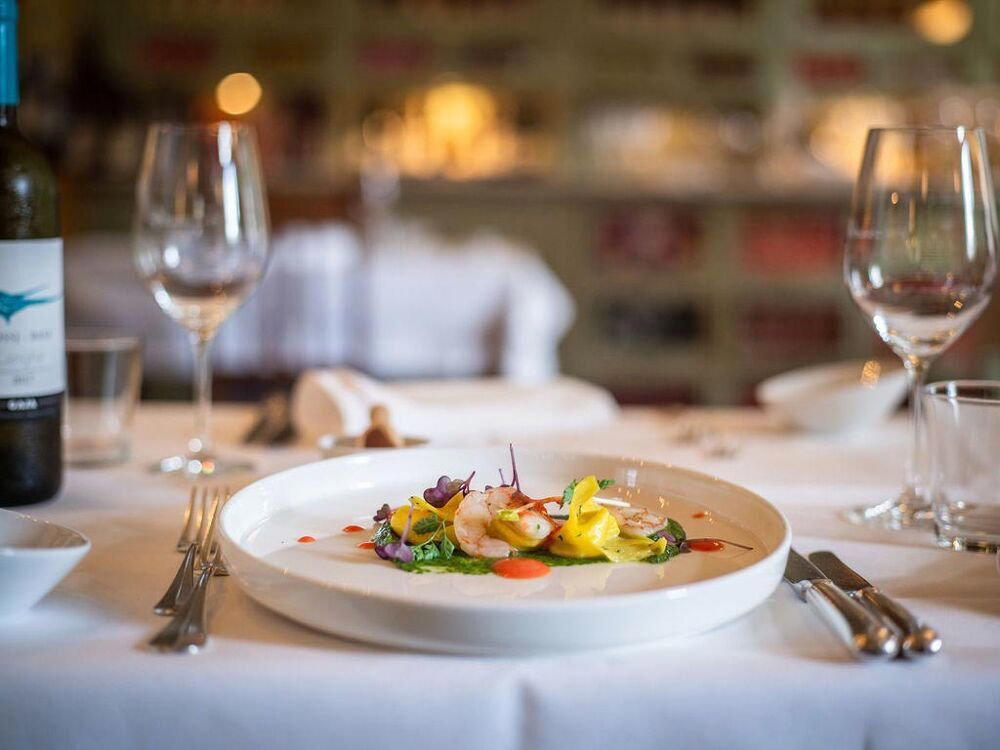

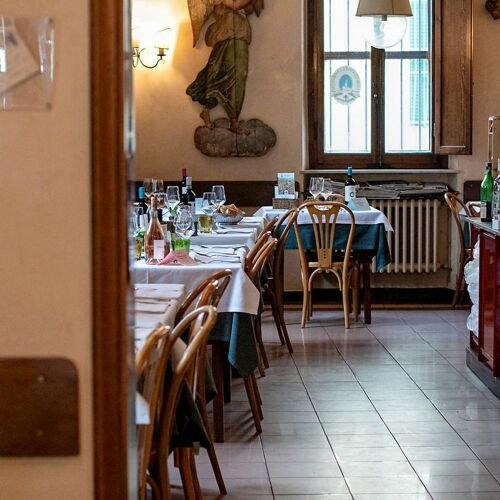
Bars in Altaussee
Browse all →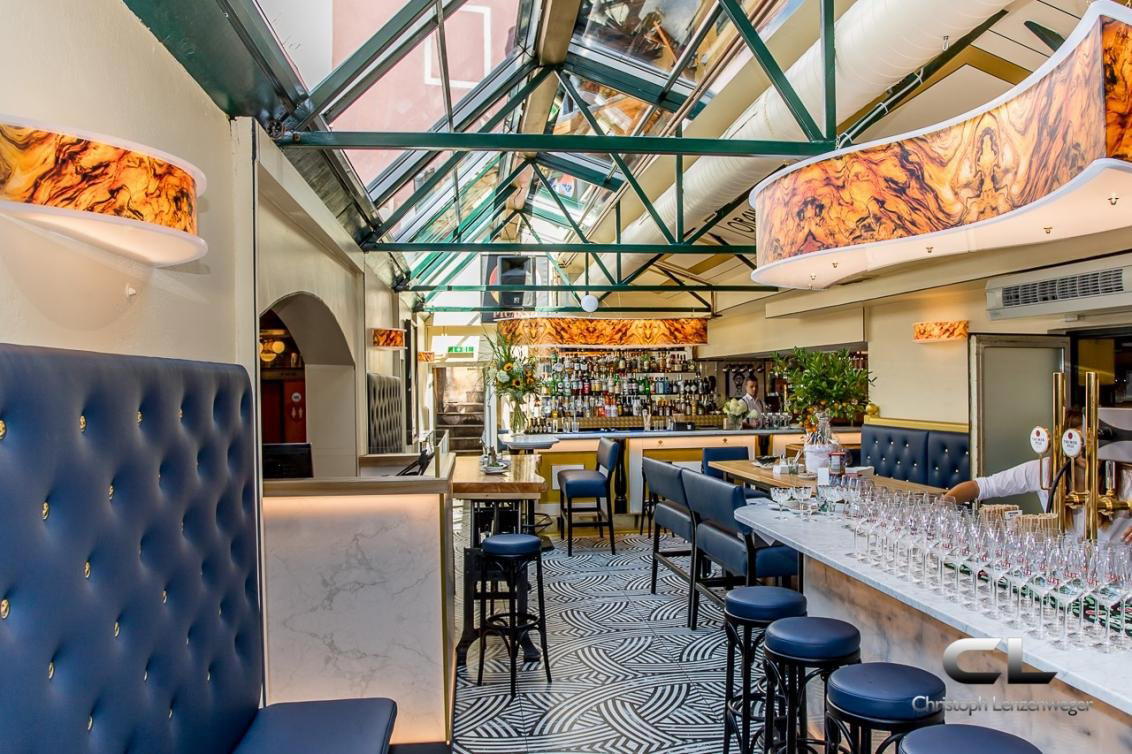
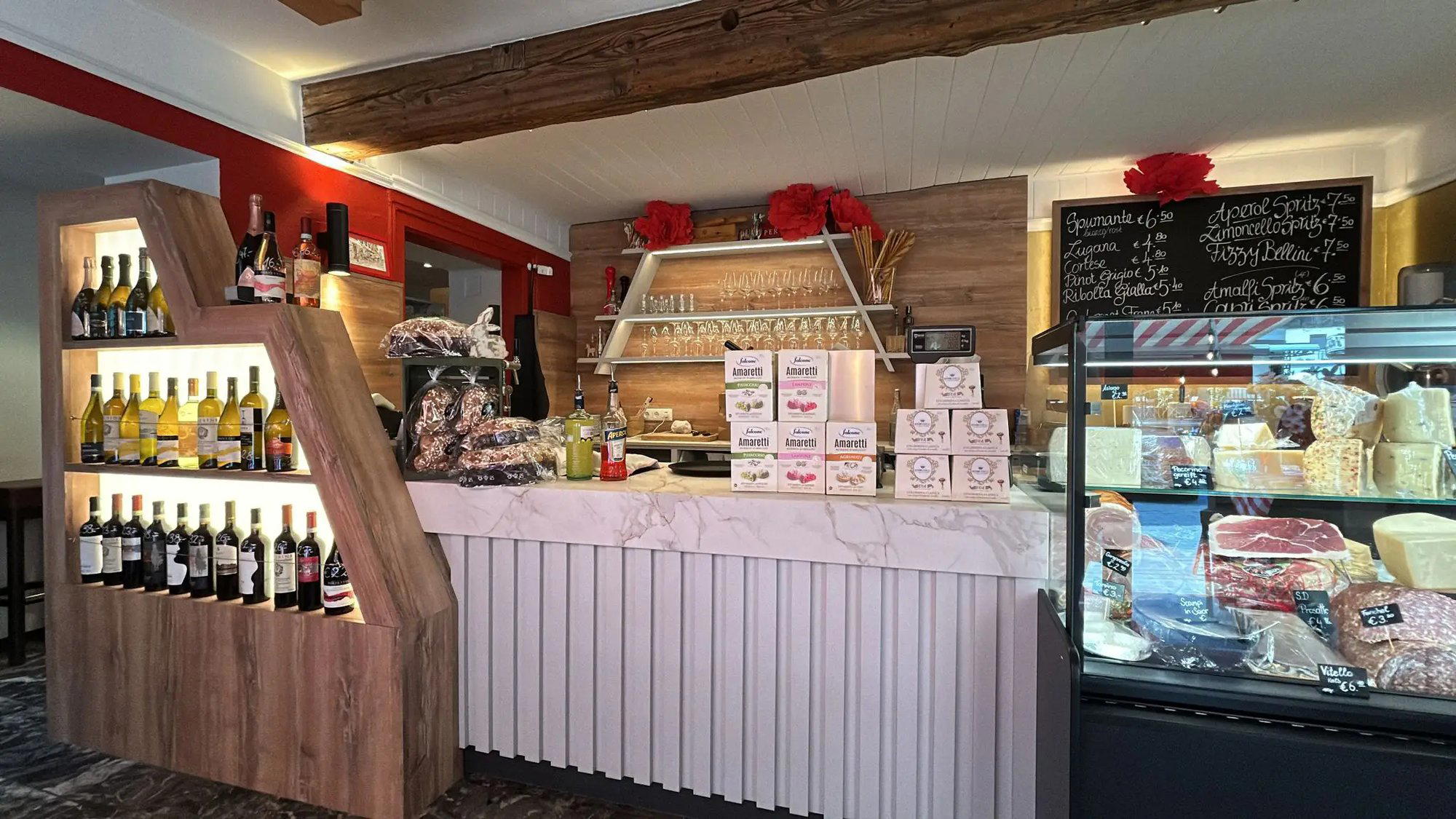

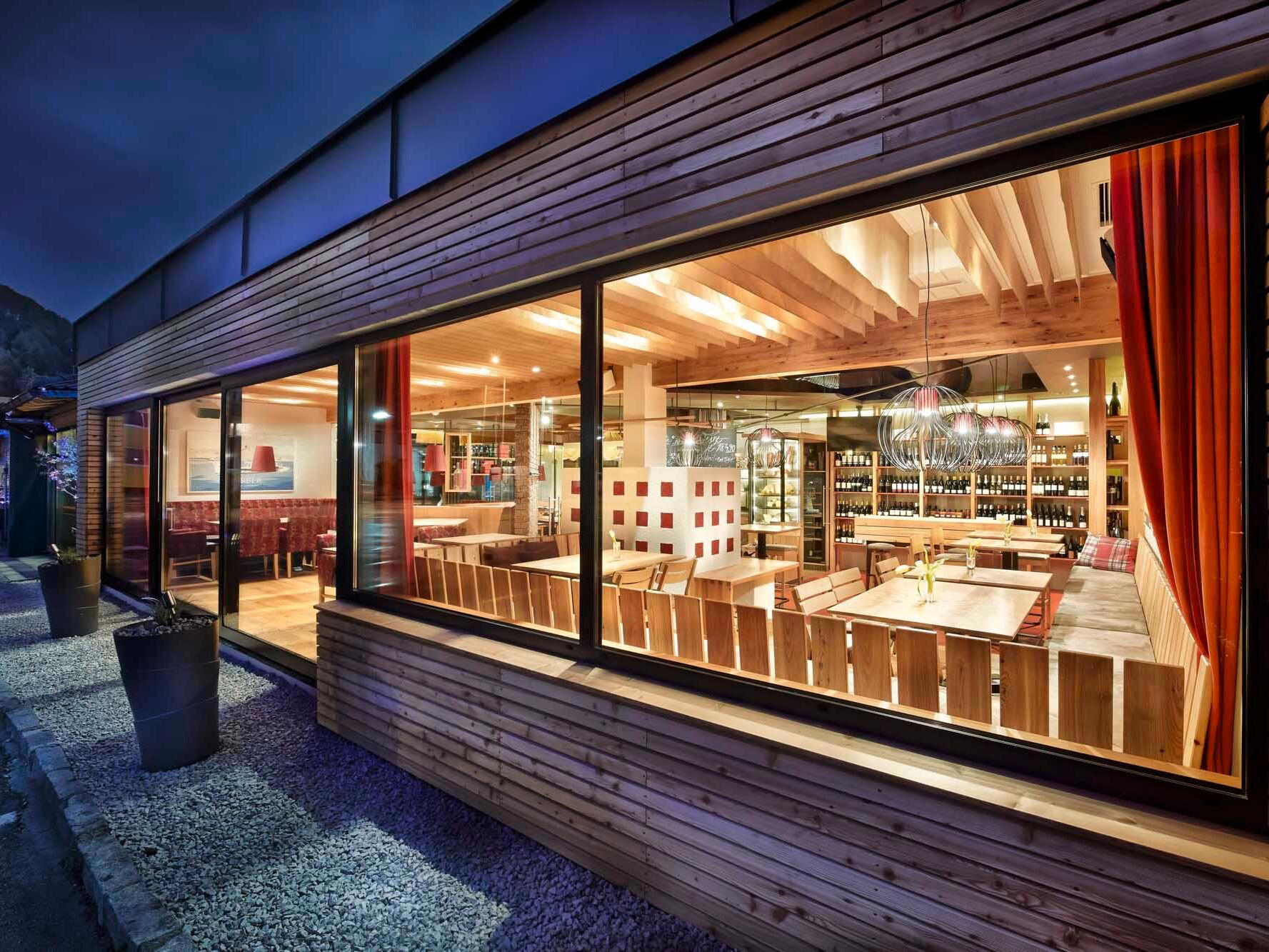
Hotels in Altaussee
Browse all →
Wineries in Altaussee
Browse all →
Details
- Cozy
- Rustic
- Scenic
- Classic
- Intimate
- Special Occasion
- Celebration
- Date Night
- Group Dining
- Historic Building
- Standalone
- Private Dining
- Local Sourcing
- Mountain
- A La Carte
- Wine
Current opening hours
- Monday
- Closed
- Tuesday
- 6 PM–12 AM
- Wednesday
- 6 PM–12 AM
- Thursday
- 6 PM–12 AM
- Friday
- 6 PM–12 AM
- Saturday
- 6 PM–12 AM
- Sunday
- Closed
Hours can change for holidays and private events. Last verified .
Cosy, rustic Alpine-hut atmosphere in an old timber building, combining historic character with warm, refined hospitality.